South Carolina’s wild side is something that gets under your skin the moment you step into it.
The state’s diverse habitats, from coastal marshes to Appalachian foothills, support an extraordinary range of animals and birds.
Whether you’re hoping to spot a river otter, a wood stork, or a white-tailed deer, the opportunities here are genuinely exciting.
These parks and refuges aren’t just beautiful, they’re carefully managed ecosystems where wildlife truly thrives.
Families, solo explorers, and seasoned naturalists all find something to love among South Carolina’s green spaces.
Here are eleven South Carolina wildlife parks that are guaranteed to delight animal lovers of every age.
1. Brookgreen Gardens – Murrells Inlet, Georgetown County
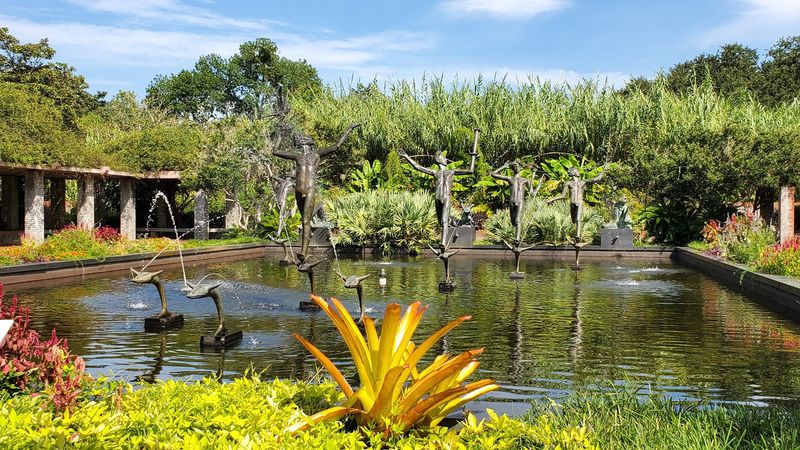
Under sprawling oaks and trailing Spanish moss, every path feels like an invitation to slow down and start noticing movement in the trees.
Butterflies drift through the air, songbirds call from hidden branches, and quiet garden spaces make even young visitors feel curious instead of rushed.
That gentle, immersive atmosphere is exactly what makes Brookgreen Gardens such a rewarding stop for animal lovers.
Located in Murrells Inlet, this beloved property blends art, history, and Lowcountry ecology with a strong focus on native species.
The zoo area highlights animals once common to the region, including red foxes, river otters, alligators, and birds of prey, making wildlife easier to appreciate up close.
Interpretive signs and well-kept exhibits help you understand how these creatures fit into South Carolina’s coastal ecosystems.
Families often love that the experience never feels too demanding, since paved walkways, shaded spots, and frequent places to pause keep the day comfortable.
You can turn the visit into a scavenger hunt for turtles, waterfowl, and woodland birds while still enjoying the famous sculpture gardens.
Seasonal programs, boat excursions, and educational events add even more reasons to linger.
If you want a place that balances beauty with meaningful wildlife encounters, Brookgreen Gardens is one of the state’s most memorable choices.
2. Congaree National Park – Hopkins, Richland County
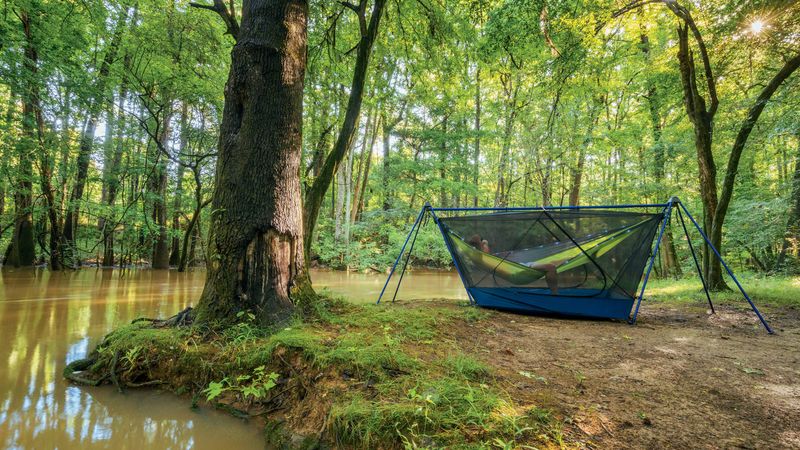
Towering trees, muddy water, and the echo of birds deep in the woods create a setting that feels more mysterious than manicured.
Even before you spot any animals, the floodplain forest makes you feel like something fascinating could appear around the next bend.
That mood is a huge part of Congaree National Park’s appeal.
Just outside Columbia near Hopkins, this national park protects one of the largest intact old-growth bottomland hardwood forests in the United States.
Its rich habitat supports river otters, deer, owls, snakes, turtles, wild turkeys, and plenty of smaller creatures that keep kids looking closely.
The elevated boardwalk is especially useful for families because it offers a comfortable way to explore without committing to rough terrain.
Canoe trails and longer footpaths give adventurous visitors more depth, but you can still have a memorable outing on a short visit.
Spring and early summer bring lush greenery and impressive bird activity, while cooler months can make wildlife easier to spot through thinner vegetation.
If timing works, the famous synchronous fireflies are an extraordinary bonus.
What makes this park stand out is how wild it feels while still being accessible enough for mixed-age groups.
Congaree National Park offers one of South Carolina’s most atmospheric wildlife experiences, especially for families who love forests, water, and discovery.
3. ACE Basin National Wildlife Refuge – Hollywood, Charleston County
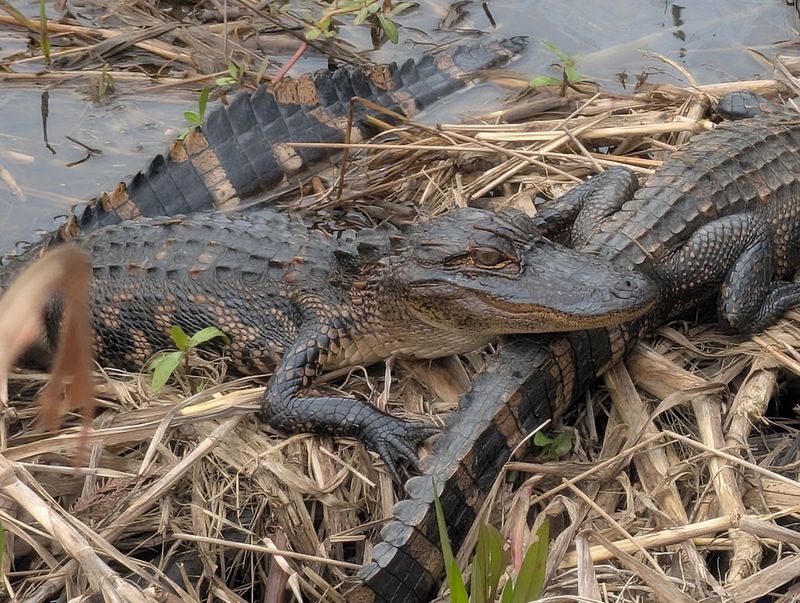
Silence feels bigger here, broken only by rustling reeds, distant wingbeats, and the occasional splash somewhere beyond the marsh grass.
The landscape stretches wide and open, giving you that rare feeling of standing inside a living migration corridor.
For anyone who loves wild scenery and patient wildlife watching, ACE Basin National Wildlife Refuge is unforgettable.
Near Hollywood in the Lowcountry, this refuge protects one of the largest undeveloped estuaries on the Atlantic coast.
Its mosaic of tidal marshes, old rice fields, hardwood uplands, and managed wetlands supports waterfowl, shorebirds, raptors, deer, otters, and alligators.
That habitat diversity means every season brings different activity, especially during migration and winter birding months.
This is a place where slowing down really pays off, whether you are scanning from a pullout, walking a quiet trail, or pausing at an observation point.
Kids who enjoy spotting movement can have a great time counting herons and egrets, while adults often appreciate the scale and serenity.
Photography is especially rewarding in the softer morning and evening light.
Because the refuge feels less developed than many parks, the experience is more about immersion than amenities.
ACE Basin National Wildlife Refuge offers a deeper, quieter side of South Carolina wildlife that stays with you long after you leave.
4. Carolina Sandhills National Wildlife Refuge – McBee, Chesterfield County
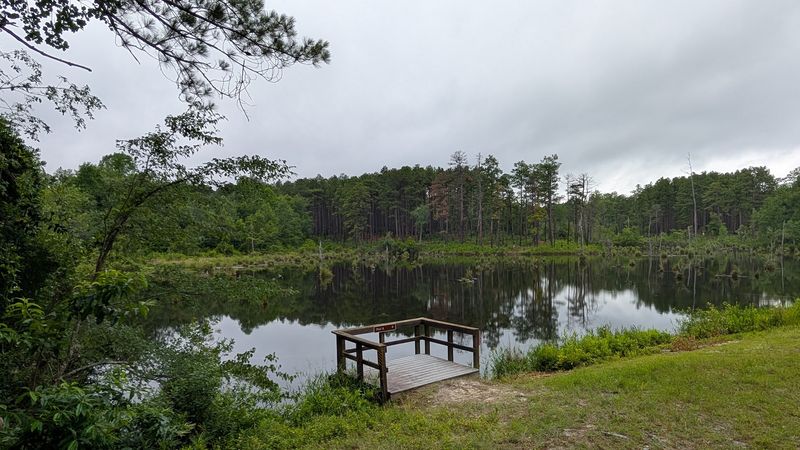
Open pine woods and sandy roads give this landscape a spacious, sunlit character that feels very different from the state’s swamps and beaches.
Instead of dense greenery, you get long views, whispering needles, and the thrill of searching for movement among the trunks.
That distinctive setting makes Carolina Sandhills National Wildlife Refuge especially rewarding for curious wildlife watchers.
Near McBee, the refuge protects longleaf pine habitat and managed lands that support white-tailed deer, wild turkeys, bobwhite quail, fox squirrels, and many bird species.
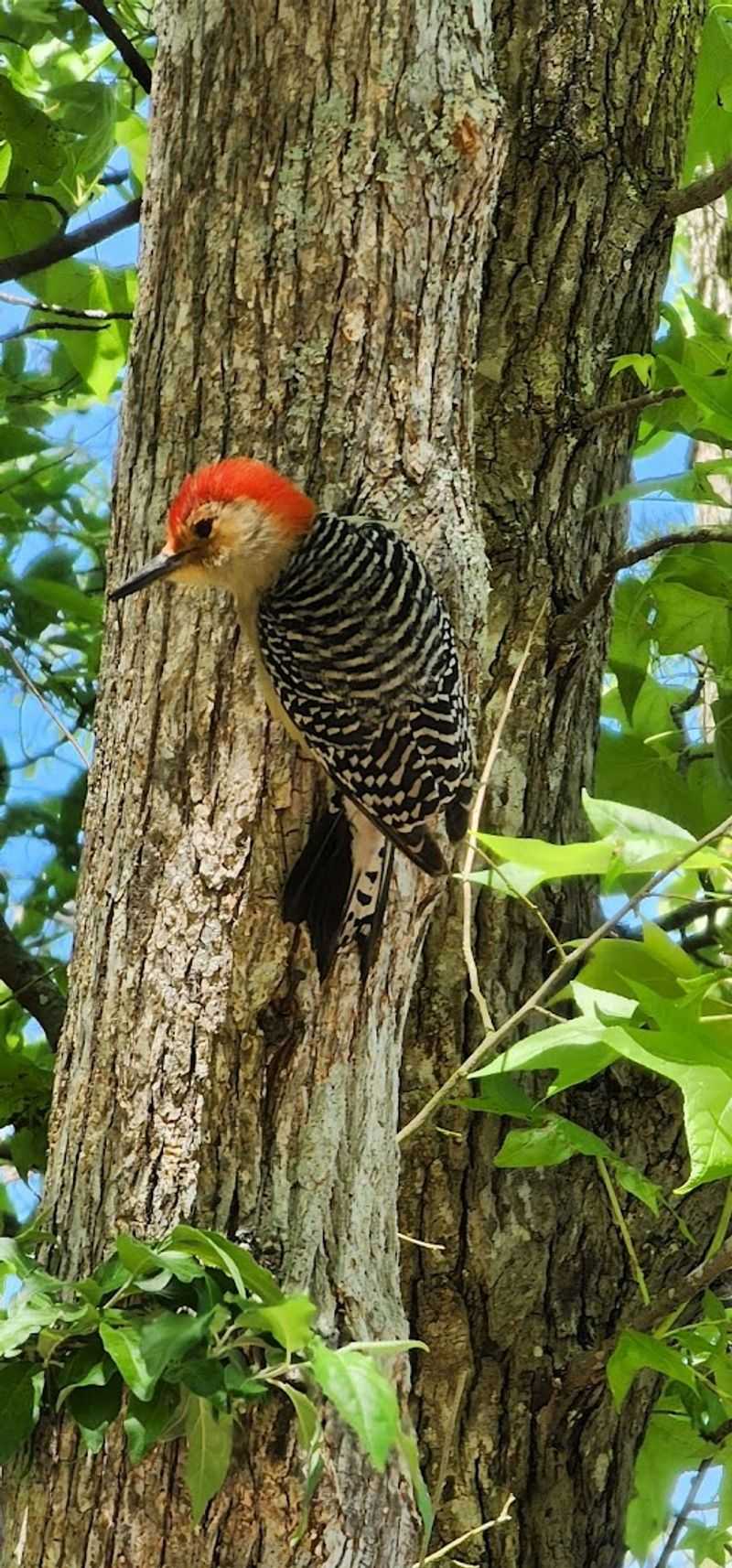
It is also known for efforts to help the endangered red-cockaded woodpecker, adding real conservation value to your visit.
If you enjoy learning while exploring, the refuge gives you plenty to notice beyond obvious animal sightings.
Driving routes can be a practical option for families with younger kids, especially on warmer days when everyone appreciates a flexible pace.
Short walks and overlooks make it easy to stop when something catches your eye, whether that is a hawk overhead or a deer stepping into the clearing.
The quieter atmosphere can actually make the experience feel more personal.
Because this refuge is less crowded than some better-known destinations, it offers room to explore without feeling hurried.
Carolina Sandhills National Wildlife Refuge is a strong pick if you want a different side of South Carolina nature.
5. Lake Wateree State Park – Winnsboro, Fairfield County
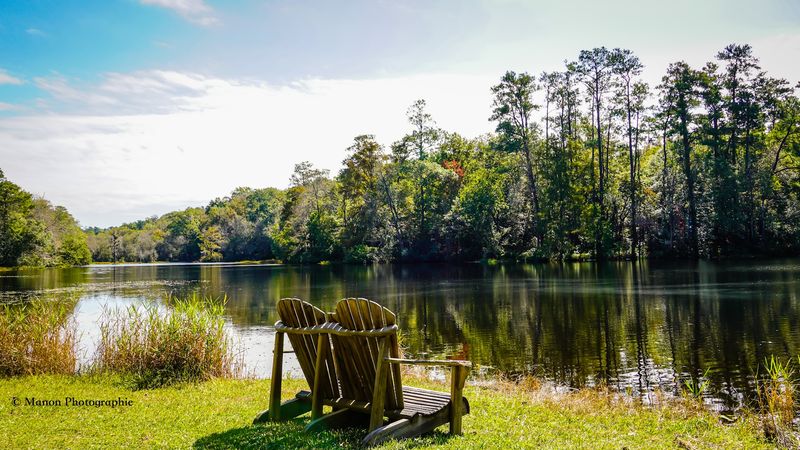
A calm shoreline, rustling woods, and broad lake views can make a wildlife outing feel easy before the first animal even appears.
There is something inviting about a place where you can mix birdwatching, picnicking, and short walks without overplanning the day.
That relaxed versatility helps Lake Wateree State Park appeal to visitors across generations.
Near Winnsboro, this park combines reservoir scenery with forest habitat that attracts deer, songbirds, turtles, and a variety of water-loving species.
Ospreys and herons are often highlights, especially if you spend time near the water in the morning or late afternoon.
Because the setting is open and approachable, even beginner wildlife watchers can feel successful here.
The trails are manageable, the picnic areas are convenient, and the campground gives families the option to stretch a visit into an overnight adventure.
Children often enjoy scanning the shoreline for movement, while adults can appreciate how peaceful the lake remains compared with busier destinations.
If you have kayaks or simply enjoy sitting quietly by the water, the park rewards patience.
You are not choosing between recreation and nature because the park blends both comfortably.
Lake Wateree State Park is ideal if your perfect animal-loving getaway includes fresh air, easy access, and a little room to slow down.
6. Huntington Beach State Park – Murrells Inlet, Georgetown County

Few places make you feel the pull of coastal wildlife as quickly as a boardwalk overlooking still water with birds lifting off at sunrise.
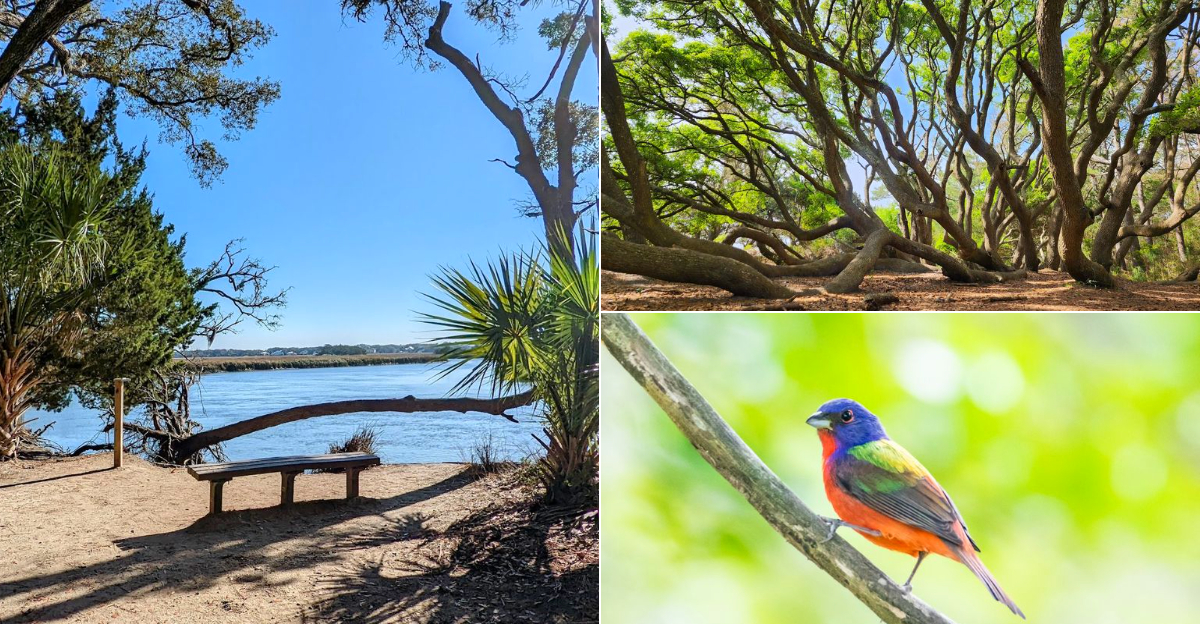
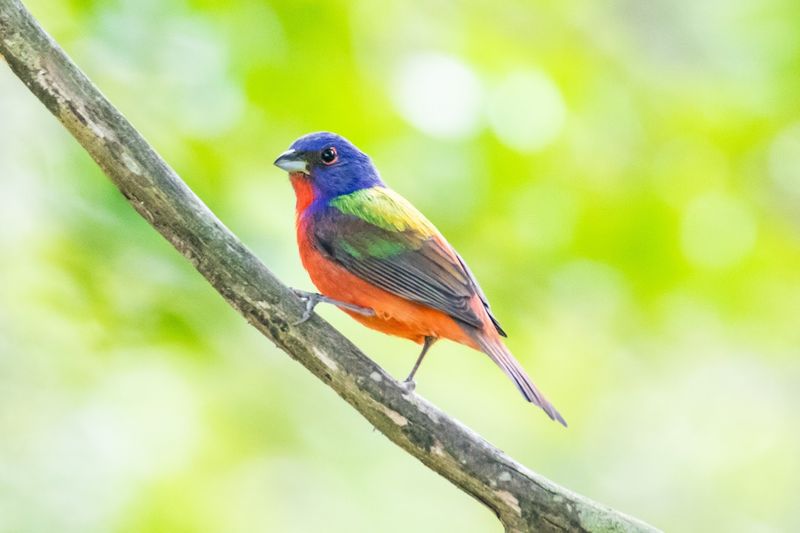
The air smells salty, the marsh shifts with every breeze, and even a short walk can reveal an alligator, egret, or painted bunting.
That constant sense of possibility is what makes Huntington Beach State Park so exciting.
Set in Murrells Inlet, this park is one of South Carolina’s top birding destinations and an easy favorite for visitors of all ages.
Freshwater lagoons, maritime forest, beach habitat, and salt marshes create a rich mix of environments that attract year-round wildlife.
You might spot spoonbills, herons, turtles, foxes, and alligators without needing a strenuous hike.
The park’s observation platforms and causeways are especially helpful if you are traveling with children or anyone who prefers accessible viewing.
Atalaya adds a layer of history, while the beach itself offers chances to watch shorebirds, ghost crabs, and seasonal sea turtle activity.
Bring binoculars, take your time, and let the landscape do the entertaining.
Because the habitats are so varied and close together, every visit feels a little different from the last.
Huntington Beach State Park delivers one of the most dependable and family-friendly animal experiences on the South Carolina coast.
7. Santee National Wildlife Refuge – Summerton, Clarendon County
Wide water, cypress edges, and the constant movement of birds make this one of those places where binoculars instantly feel essential.
Even a quiet day can turn dramatic when flocks rise from the wetlands or a raptor glides over the lake.
That sense of scale and motion is exactly why Santee National Wildlife Refuge leaves such a strong impression.
Located near Summerton on the shores of Lake Marion, the refuge protects managed wetlands, forests, and open water that draw enormous numbers of migratory birds.
Winter is especially exciting for waterfowl, but wading birds, bald eagles, deer, reptiles, and smaller mammals keep the refuge interesting year round.
The Cuddo Unit and its boardwalks, driving routes, and overlooks make wildlife viewing accessible for many ages and abilities.
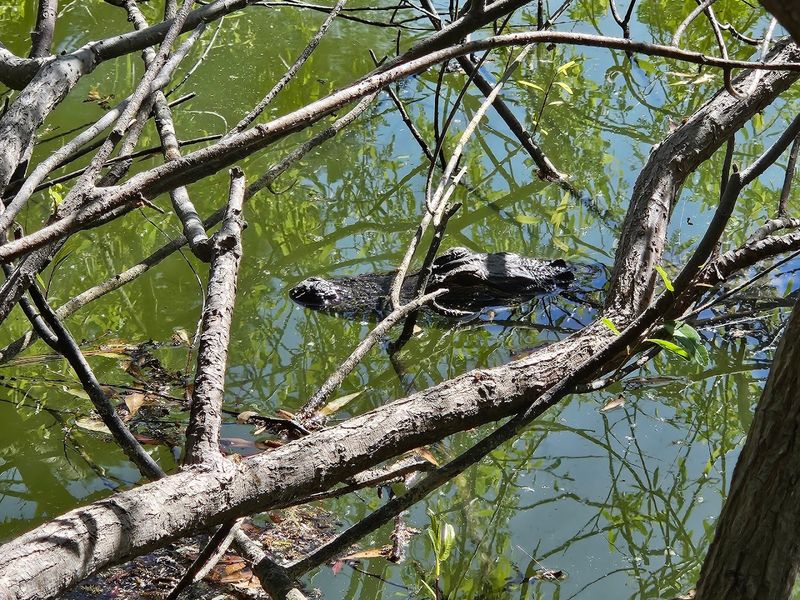
Families can keep things simple by focusing on observation decks and short walks, which still offer excellent chances to spot birds and alligators.
Photographers often appreciate the reflections, the changing light, and the chance to see large groups of birds in one frame.
Interpretive materials help younger visitors understand what they are seeing instead of just passing through.
The wildlife can be spectacular, but the visit remains easy to shape around your pace.
Santee National Wildlife Refuge is one of South Carolina’s standout destinations for animal lovers.
8. Poinsett State Park – Wedgefield, Sumter County
Some parks win you over with grand vistas, while others do it with quiet trails, textured wetlands, and the steady soundtrack of frogs and birds.
This one feels intimate, almost like a natural classroom where every boardwalk and bend reveals a new detail.
That approachable sense of discovery makes Poinsett State Park especially good for families.
Near Wedgefield, the park sits where the coastal plain and Sandhills begin to overlap, creating a mix of swamp, hardwood forest, and upland habitat.
That transition zone supports a pleasing variety of wildlife, including turtles, owls, deer, songbirds, amphibians, and plenty of insects that keep kids engaged.
Because the park is compact compared with larger preserves, it feels easier to explore without getting overwhelmed.
The boardwalk and short trails are ideal for slower-paced outings, and the educational value is strong if you enjoy noticing habitat changes.
Camping and cabin options also make it easy to stretch the visit into a weekend without needing a huge itinerary.
Bring patience and listen carefully, because this is a place where sounds often lead you to the best sightings.
You can introduce young visitors to wildlife here without losing the feeling of real nature.
Poinsett State Park is a charming, underrated choice for animal lovers exploring inland South Carolina.
9. Sumter National Forest – Long Creek, Oconee County
Deep woods, tumbling creeks, and mountain air give this landscape an adventurous energy that feels tailor-made for wildlife seekers.
You may not see animals immediately, but the habitat looks so healthy and varied that every trail feels full of promise.
That anticipation is part of what makes Sumter National Forest such a compelling destination.
Spanning several regions of the state, the forest offers especially rich wildlife experiences in the Upstate near Long Creek and the Andrew Pickens Ranger District.
Black bears, wild turkeys, salamanders, deer, songbirds, and countless smaller forest species live among its ridges, coves, and streams.
The range of habitats means you can combine scenic hikes with meaningful animal watching if you move quietly and keep your eyes open.
This is a better fit for families who enjoy a little adventure, since some trails are longer and terrain can be uneven.
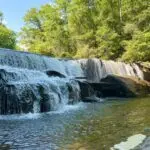
Still, there are plenty of manageable options, including waterfall areas and creekside paths where children can stay interested.
Early mornings tend to be best if you are hoping for more active wildlife and cooler hiking conditions.
Because the forest is so expansive, it rewards repeat visits and a willingness to explore different sections.
Sumter National Forest is perfect for animal lovers who want their wildlife outing to feel big, scenic, and immersive.
10. Table Rock State Park – Pickens, Pickens County
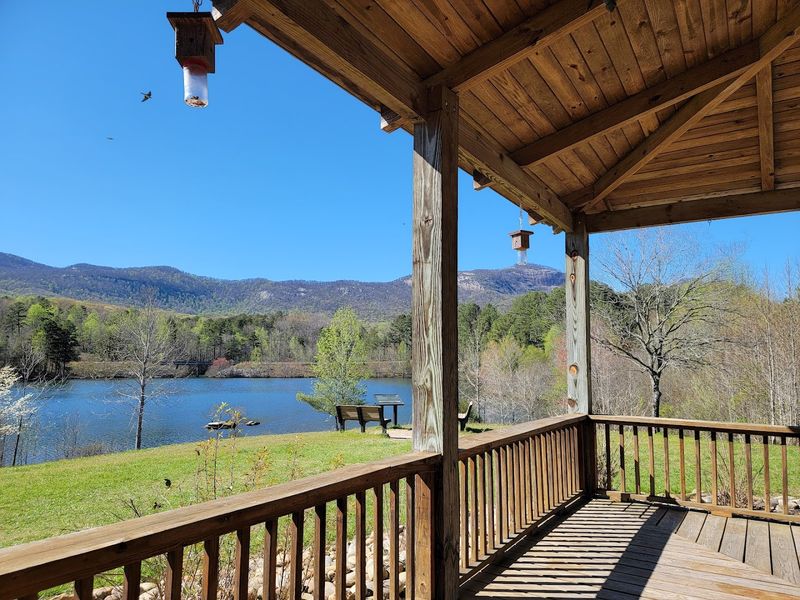
Granite peaks, shaded lakes, and cool mountain trails create the kind of setting where wildlife watching feels naturally tied to adventure.
Even when the main goal is a hike, animals and birds often become the most memorable part of the day.
That mix of scenery and surprise is a big reason Table Rock State Park works so well for all ages.
Near Pickens, the park sits in the Blue Ridge foothills and supports diverse mountain habitats that shelter deer, wild turkeys, salamanders, songbirds, and occasional black bears.
Its streams, forests, and rocky slopes create plenty of ecological variety, which means different trails can produce different wildlife experiences.
The lakes also attract turtles and water birds, giving less strenuous visitors good viewing opportunities close to picnic areas.
Families can choose an outing that matches their comfort level, from easy lakeside wandering to more demanding hikes with dramatic views.
That flexibility is valuable when you are traveling with mixed ages or trying to keep younger explorers interested.
Bring snacks, keep your pace relaxed, and spend time listening as much as looking.
While the mountain scenery is an obvious draw, the wildlife adds texture and excitement that turns a pretty visit into a richer one.
Table Rock State Park is a strong choice if you want South Carolina wildlife wrapped in some of the state’s most striking natural scenery.
11. Edisto Beach State Park – Edisto Island, Colleton County
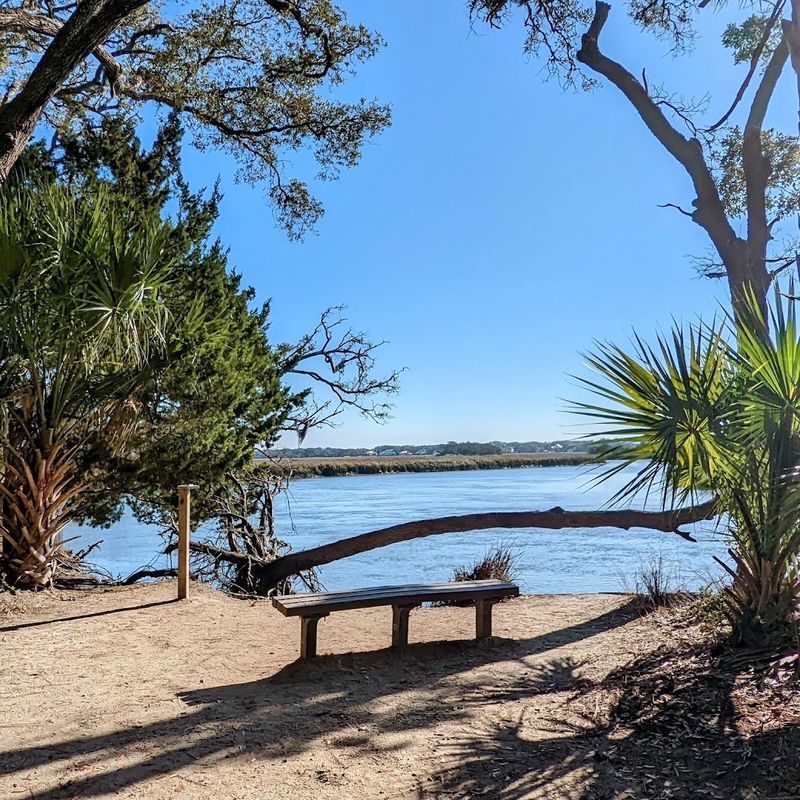
Soft surf, salt marsh breezes, and twisting maritime forest trails give this park a wonderfully layered coastal feel.
You can switch from scanning the beach for shorebirds to exploring shaded paths where reptiles and songbirds thrive.
That variety in such a compact setting makes Edisto Beach State Park a favorite for easygoing wildlife adventures.
On Edisto Island, the park protects beachfront, marsh, and maritime forest habitats that support fiddler crabs, wading birds, dolphins offshore, deer, and seasonal sea turtle activity.
The environmental learning center adds helpful context, especially if you want younger visitors to connect sightings with the broader ecosystem.
Because habitats are close together, you can experience a lot without spending the whole day in transit.
The boardwalks and trails are manageable for many ages, and the beach itself offers that always-popular chance to combine wildlife spotting with simple playtime.
Early mornings are especially rewarding, when birds are active and the shoreline feels calm and uncrowded.
If you stay through sunset, the light can make every part of the landscape look richer.
What makes this park special is how effortlessly it balances recreation with real ecological interest.
Edisto Beach State Park is an excellent choice for animal lovers who want classic South Carolina coast scenery with plenty of wildlife woven in.