The best museum visits do not end at the exit. They stay with you through the conversations on the drive home, the stories you keep retelling, and the discoveries that make you see a destination in a new way.
Virginia museums offer that kind of lasting experience, blending history, art, aviation, science, and culture into places that feel both engaging and personal. One stop might place you beneath towering aircraft, while another invites you to wander peaceful gardens or examine rare manuscripts that connect the past to the present.
Every museum on this list offers more than exhibits behind glass. They create moments of curiosity, reflection, and surprise that linger long after your visit is over.
Discover 11 Virginia museums that left us talking about them long after we walked out the door and added something memorable to every journey.
A Gallery Day That Keeps Unfolding
By the time you think you have seen enough, another room pulls you in with a completely different mood. One moment you are looking at shining metalwork, and the next you are standing before a painting that makes the whole space go quiet.
It feels big, but not confusing.
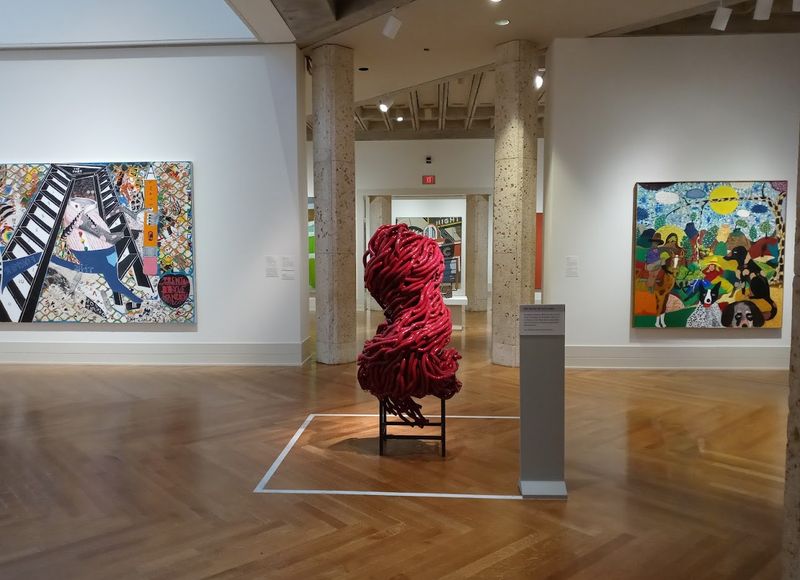
That is part of what makes the Virginia Museum of Fine Arts in Richmond so memorable. The collection stretches across centuries and continents, so every turn changes the story.
Families often like the clear layout, and the sculpture garden gives everyone a chance to step outside and reset.
Take your time instead of rushing for the famous pieces. A smaller object, like jewelry or a folded robe, may end up being what you remember most.
If you visit with kids, let them choose one favorite work each. Comparing choices afterward turns the museum into a conversation, not just a stop on the map.
Under the Wings of Giants
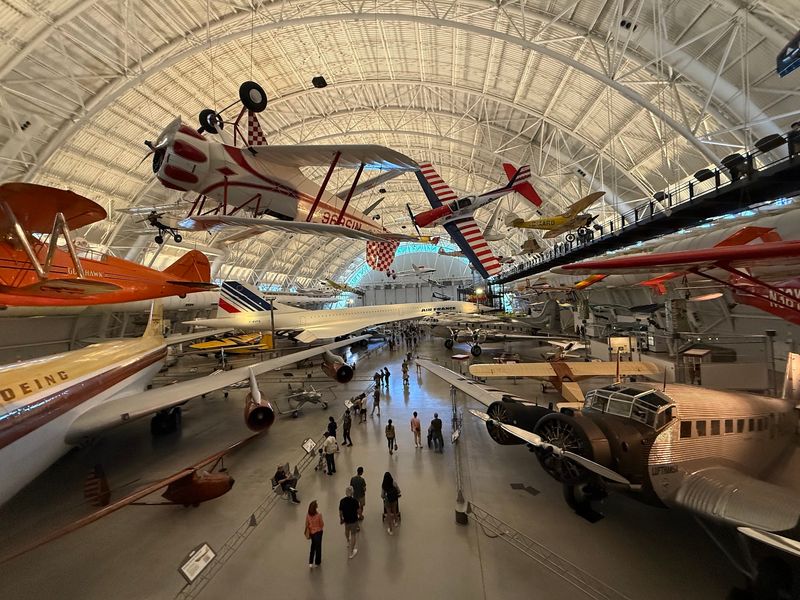
The first feeling is scale. Wings stretch above your head, engines hang like giant machines from another world, and people below look tiny beside them.
Even visitors who know very little about aviation usually stop and stare for a while.
At the Steven F. Udvar-Hazy Center in Chantilly, the size of the collection changes how you think about flight.
The Space Shuttle Discovery draws a crowd, but the older aircraft can be just as striking when you notice worn metal, cockpit details, and the way design changed over time.
Comfortable shoes help because there is a lot to cover, and the observation tower can add even more excitement if planes are taking off nearby. Younger visitors often love counting the different shapes of noses, tails, and propellers.
Long after leaving, people tend to remember not just what they saw, but how small and amazed they felt standing underneath it all.
Where Light Seems to Have a Personality
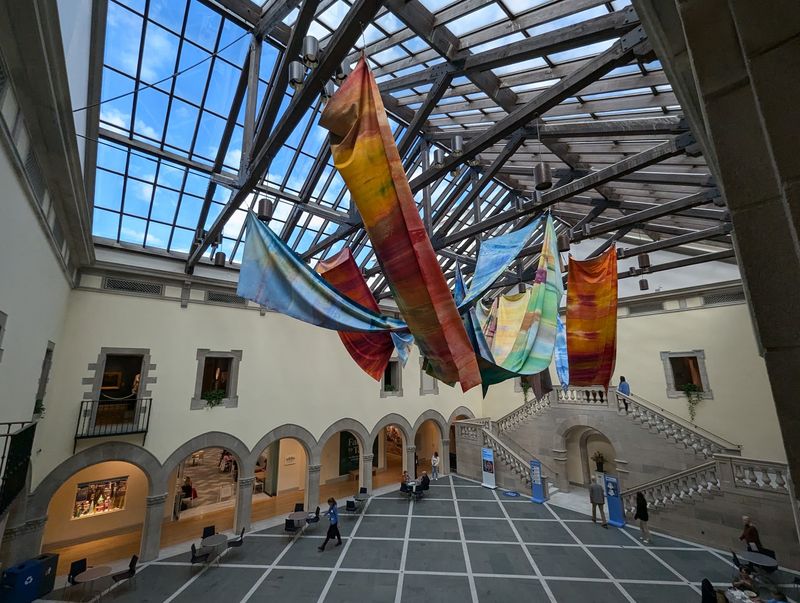
Light bounces around this museum in a way that makes even quiet rooms feel alive. Glass catches your eye from across the gallery, then changes again when you move a few steps closer.
It is the kind of place that rewards slow walking and sharp attention.
The Chrysler Museum of Art in Norfolk is known for its remarkable glass collection, and it often becomes the part visitors talk about first. Delicate bowls, bright sculptures, and carefully shaped pieces show just how playful and precise the medium can be.
Beyond that, paintings and decorative arts give the visit more range.
Try not to hurry past the smaller displays. Some of the most interesting pieces are not the largest ones, but the ones that show tiny details, unusual colors, or surprising shapes.
If timing works out, check for a glass studio demonstration nearby. Watching heat and movement become art makes the museum feel even more vivid once you leave.
A Museum That Feels Like Walking Through a Habitat

Not every museum asks you to shift from fish tanks to forest trails in the same afternoon. Here, the air, sounds, and scenery keep changing, so the visit feels more like exploring than following a single theme.
Kids usually notice that right away.
The Virginia Living Museum in Newport News blends natural history, animal exhibits, an aquarium, and outdoor spaces in a way that feels easy to enjoy. You might spot native wildlife, study rocks and fossils, then head outside for a path lined with plants and shaded areas.
It gives Virginia’s landscapes a face and a voice.
Bring water and allow extra time, because this is not the kind of museum you race through. Families often enjoy the hands-on parts, but adults tend to appreciate how clearly the exhibits connect science to everyday life.
By the end, many visitors start noticing the natural world around them more carefully, even after they get back home.
Stories Carried by Water and Wood
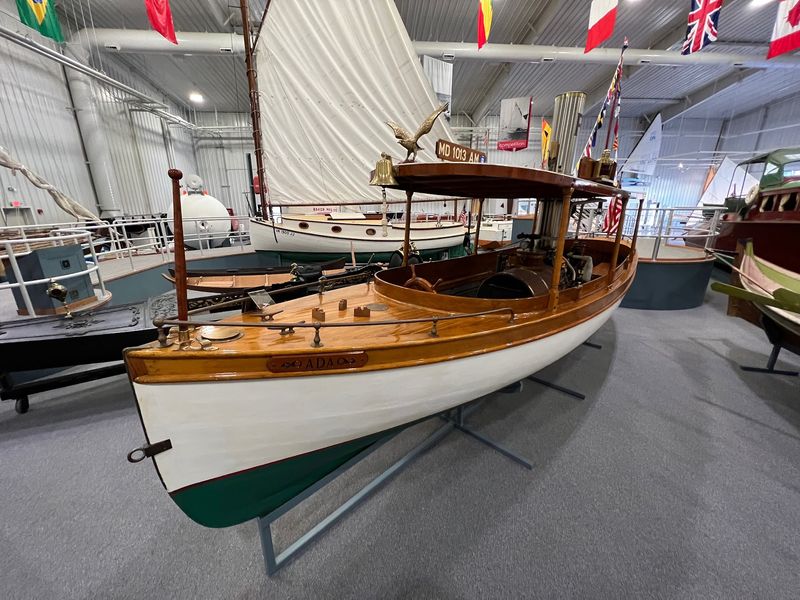
There is something about ship stories that makes people speak a little softer. Maybe it is the sense of distance, danger, and patience built into life at sea.
Even small models can stir up big thoughts when you picture the real vessel facing open water.
The Mariners’ Museum and Park in Newport News brings that feeling to life with maritime history, detailed ship models, and the powerful story of the USS Monitor. Some exhibits focus on tools and design, while others reveal the human side of travel, trade, and conflict on the water.
Outside, the park adds calm walking paths and a lake view.
Give yourself time to read labels instead of only glancing at cases. Maritime museums are often richest when you connect objects to the people who used them.
A carved figurehead, a map, or recovered artifact can stay with you longer than expected. It is a thoughtful stop, not just a scenic one.
Valley History With Room to Breathe
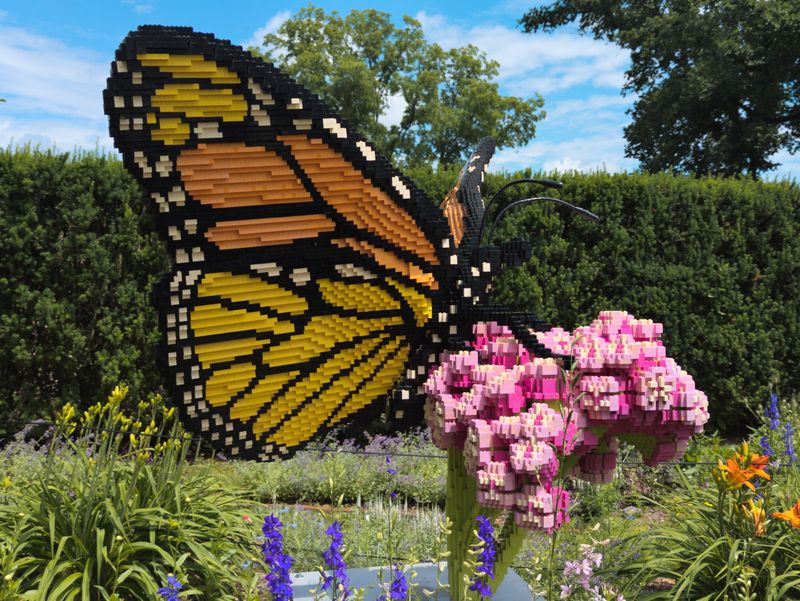
Some museums feel crowded with information. Others know how to leave space for you to think.
This one balances art, history, and gardens so well that the pace naturally slows, and the whole visit feels calmer than a usual afternoon indoors.
At the Museum of the Shenandoah Valley in Winchester, the setting matters as much as the objects. Regional stories come through in the galleries, but the surrounding grounds help you understand the beauty and rhythm of the valley itself.
Historic spaces, changing exhibits, and garden paths give the experience a gentle variety.
It helps to split your visit between indoors and outdoors rather than doing everything at once. Walk a trail, sit for a few minutes, then return to the exhibits with fresh eyes.
That rhythm makes details stick better. Many travelers leave with a stronger sense of place, not just facts about the region, and that deeper feeling is what often keeps the museum in the conversation.
History You Can Almost Smell in the Air
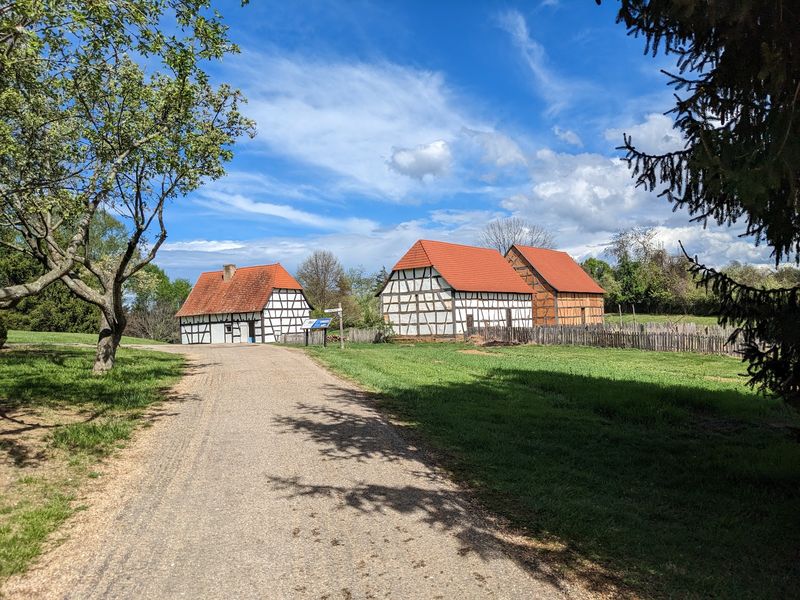
Fresh air, creaking wood, and the sight of a simple farmyard can do more than a glass case ever could. Instead of reading about the past from a distance, you move through spaces shaped by daily work, weather, and survival.
The effect is surprisingly strong.
The Frontier Culture Museum in Staunton uses recreated farms and homes to show how different immigrant groups lived and adapted. Walking from one area to another helps you notice changes in building styles, tools, and routines.
Costumed interpreters often add practical details about cooking, farming, and family life that make history easier to picture.
Go with curiosity about ordinary things, not just big events. Ask how bread was made, how a roof was built, or how water was carried.
Those simple questions unlock the place. If children come along, they often respond well to the animals and open land.
Adults usually leave thinking harder about how demanding everyday life once was.
A Powerful Walk Through Service and Sacrifice
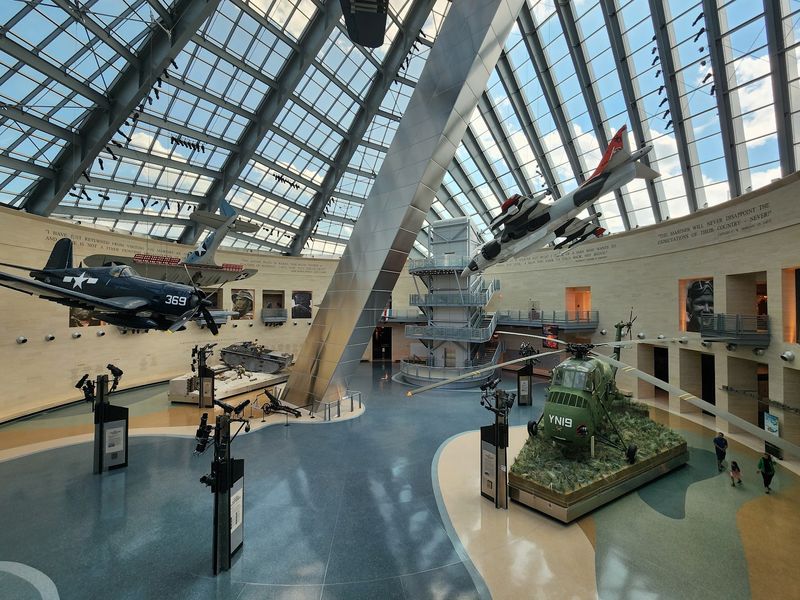
Quiet often falls over visitors before they even realize it. Strong design, careful lighting, and personal stories create an atmosphere that feels weighty without being hard to follow.
It is a museum that asks for attention and usually earns it.
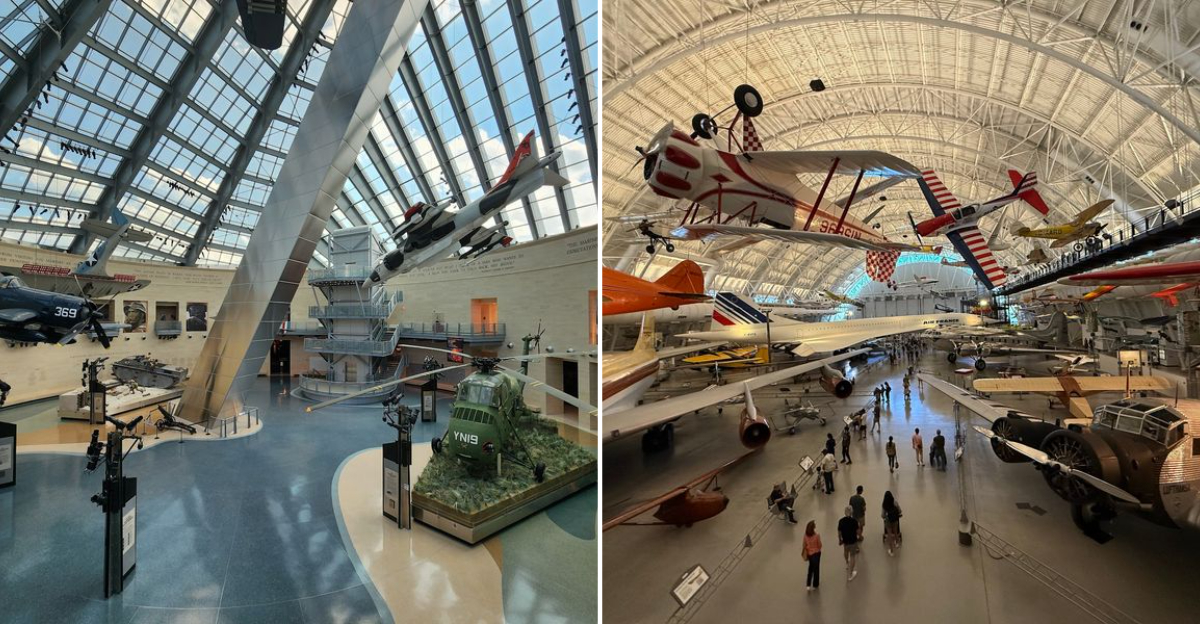
The National Museum of the Marine Corps in Triangle presents Marine Corps history through immersive exhibits that move beyond dates and uniforms. Battlefield scenes, vehicles, and firsthand accounts help connect large events to individual lives.
Even people who arrive without much military knowledge can understand the emotion behind the displays.
Plan a little extra time here, because some galleries invite longer reflection than expected. Reading letters and listening to personal stories often leaves the deepest mark.
If you are visiting as a family, it can help to pause between sections and talk through what stood out. That conversation makes the experience more meaningful, and it helps younger visitors process the serious parts in a thoughtful, respectful way.
The Civil War Told Through Human Voices
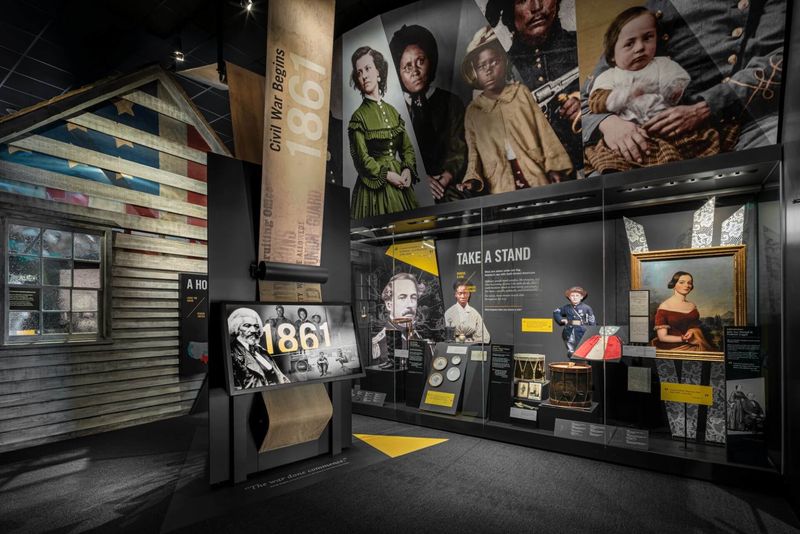
Big history can feel distant until a letter, photograph, or worn personal item brings it close. Suddenly the subject is no longer just about battles and dates.
It becomes a story about fear, choices, family, and the cost of living through a divided time.
The American Civil War Museum in Richmond stands out because it works hard to present multiple perspectives. Artifacts and exhibits invite visitors to consider soldiers, civilians, and enslaved people, rather than seeing the war through a single lens.
That broader view makes the museum feel more honest and more useful.
Expect to slow down here. Some of the strongest moments come from reading carefully and letting short personal stories sink in.
It helps to visit with an open mind and a willingness to sit with hard questions. The riverfront setting adds another layer, especially when you step outside afterward and think about how much history passed through the city around you.
A Literary Stop With a Strange Little Chill
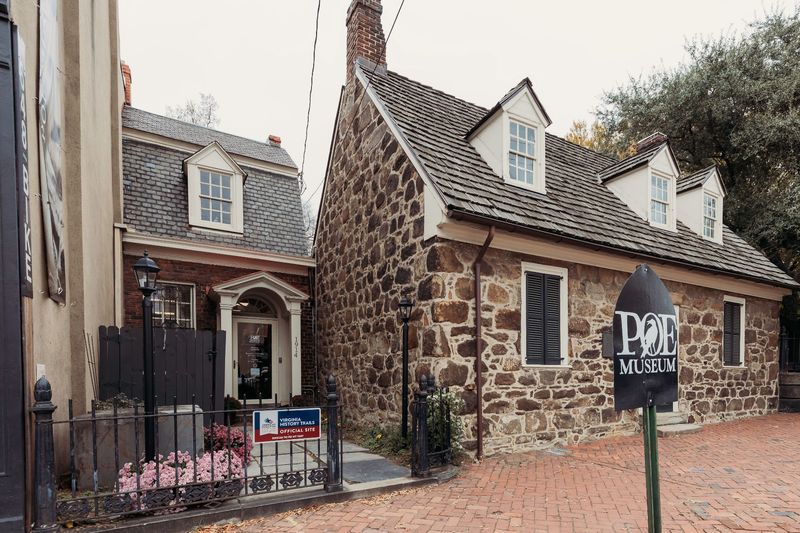
A small museum can sometimes linger longer than a large one, especially when the mood feels a little unusual from the start. Brick paths, old rooms, and the shadow of a famous name create a setting that seems both charming and faintly eerie.
You do not need to be a literature expert to enjoy it.
The Edgar Allan Poe Museum in Richmond explores the writer’s life through manuscripts, personal items, and exhibits that connect him to the city. Visitors often come for the mystery around Poe, but they stay for the details that make him feel more real and human.
The garden courtyard adds a memorable pause between rooms.
Read a poem or short story before you go if you can. That small bit of preparation makes the objects feel more meaningful once you see them.
The museum is not huge, so it works well as part of a day in Richmond. Still, its unusual personality often makes it the stop people keep bringing up later.
Steel, Steam, and a Sense of Motion
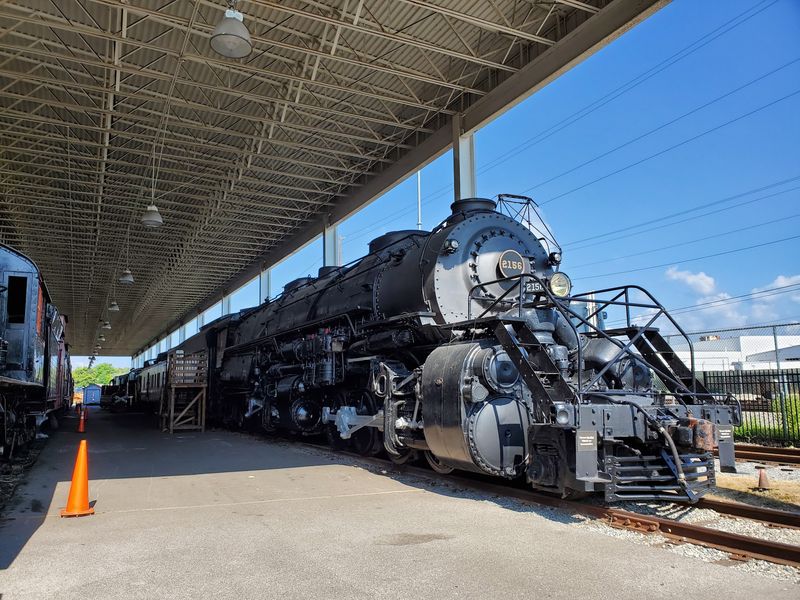
Few things make people feel like kids again faster than standing beside a giant train. The wheels look enormous, the engines feel almost stubbornly solid, and every vehicle seems to carry the promise of somewhere else.
It is a museum built around movement, but it invites you to stand still and look closely.
The Virginia Museum of Transportation in Roanoke brings together locomotives, automobiles, and aviation pieces in a way that feels exciting without being overwhelming. Train lovers will have plenty to admire, especially the larger rail exhibits, but casual visitors often enjoy the range just as much.
The downtown location also makes it easy to combine with other stops.
Children usually head straight for the biggest engines, while adults may get pulled into the details of design and travel history. Take photos, but also step back and simply notice the scale.
Long after the visit, many people remember the feeling of standing next to machines that once changed how America moved.