Some meals come with a side of history you can actually feel.
Virginia’s most unforgettable restaurants are not just places to eat; they are time capsules filled with stories of the people and moments that shaped the state.
From colonial taverns where early American leaders gathered to grand dining rooms tied to Richmond’s Gilded Age, these restaurants serve up far more than delicious dishes.
Each stop offers a chance to sit where generations of guests have celebrated, shared stories, and created memories that still linger today. Get ready to discover Virginia’s historic restaurants where every bite carries a story and every room holds secrets from the past.
These dining destinations prove that the best meals are often the ones you’ll talk about long after the last bite is gone too.
Gadsby’s Tavern – Alexandria
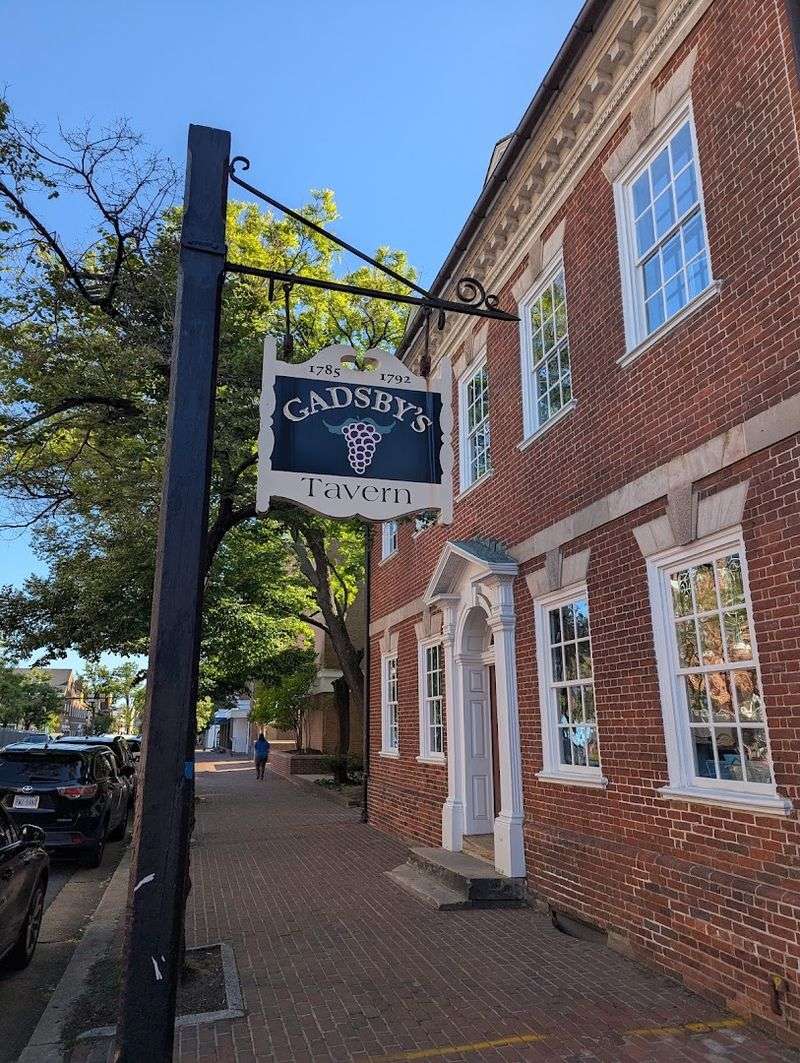
Walking into Gadsby’s Tavern feels like entering a time capsule where Revolutionary history still breathes. This legendary Alexandria landmark dates back to the late 1700s, serving as a gathering place for politicians, travelers, and America’s founding fathers during the nation’s earliest days.
George Washington himself celebrated birthdays within these walls. Thomas Jefferson joined countless other notable guests who shaped American history over meals and conversations in these very rooms.
The tavern witnessed political debates, celebrations, and everyday moments that defined a young nation.
Today’s diners experience something rare and precious. They can enjoy traditional colonial-inspired dishes while surrounded by authentically preserved rooms where history feels genuinely alive.
The atmosphere transports visitors back centuries, making every meal an immersive journey into America’s past.
Few Virginia restaurants can match the historical significance found inside these colonial-era walls. Each corner holds stories of the remarkable people who gathered here, making Gadsby’s Tavern an unforgettable dining destination where food and history blend seamlessly together.
Red Fox Inn & Tavern – Middleburg
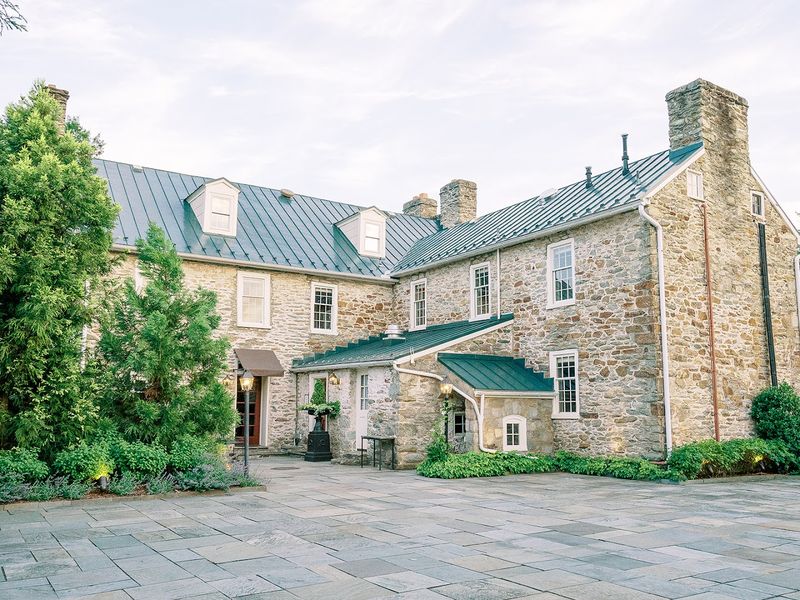
Since 1728, the Red Fox Inn & Tavern has welcomed weary travelers through its doors. Located in Middleburg’s famous Hunt Country, this establishment holds the distinction of being one of Virginia’s oldest continuously operating inns, nearly 300 years of uninterrupted hospitality.
Farmers, politicians, horse enthusiasts, and countless travelers have passed through these rooms across three centuries. The inn’s cozy fireplaces crackle with the same warmth that greeted colonial-era guests.
Original architectural details remind visitors of the generations who came before, each leaving their mark on this beloved establishment.
Old Virginia charm permeates every corner of this historic space. The restaurant doesn’t just serve meals; it offers connections to centuries of tradition and hospitality that defined Virginia’s countryside culture.
Guests feel the weight of history settling comfortably around them.
What makes Red Fox Inn truly special is its continuity. Unlike recreations or restored buildings, this establishment has operated without interruption since colonial times.
That unbroken chain of service creates an authenticity that modern diners can taste, feel, and experience with every visit to this remarkable Virginia landmark.
The Tavern – Abingdon
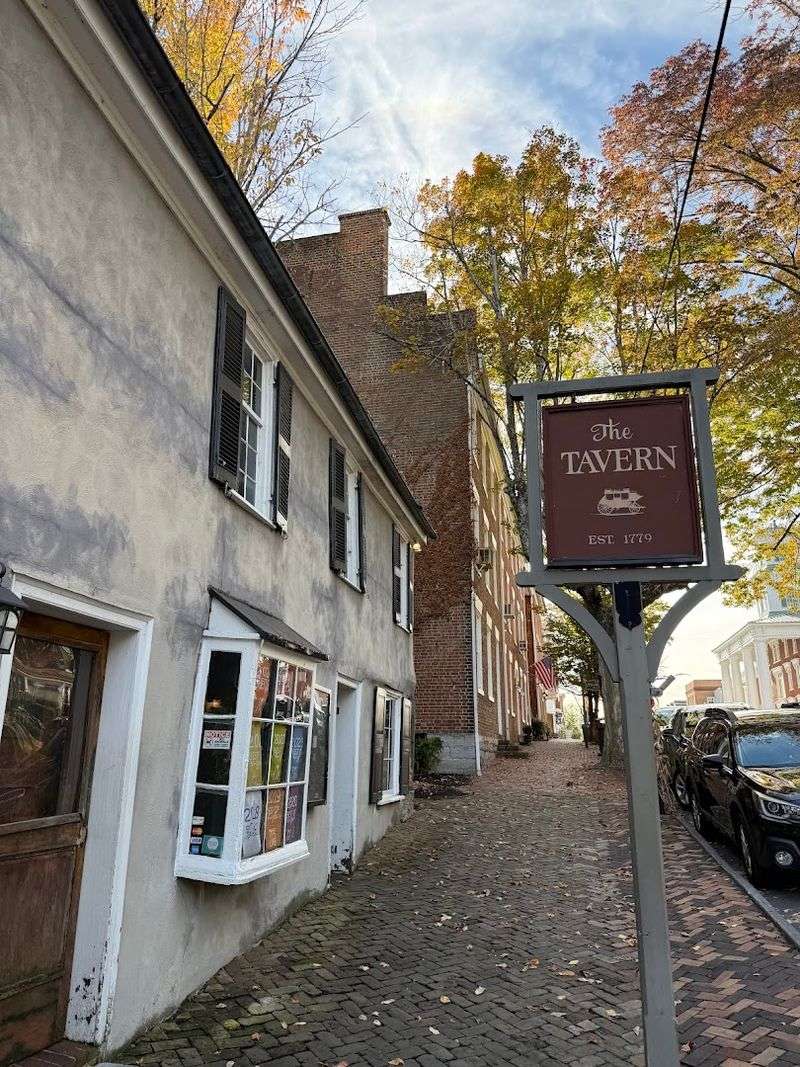
Built in 1779, The Tavern in Abingdon represents exactly what a historic Virginia restaurant should be. This remarkable building has served as tavern, inn, hotel, and community gathering place throughout its extraordinary 240-plus-year history, adapting to each era while preserving its essential character.
Located in one of Southwest Virginia’s most charming towns, the restaurant maintains its colonial authenticity beautifully. Original architectural elements blend seamlessly with modern dining needs, creating an atmosphere where past and present coexist harmoniously.
The building itself tells stories through weathered wood, aged brick, and time-tested construction techniques.
Stepping through the doors transports diners immediately to another century. The colonial character remains intact, allowing modern visitors to experience something of what 18th-century travelers felt when seeking food and shelter here.
That connection spans generations and creates unforgettable dining memories.
The Tavern doesn’t try to hide its age or modernize beyond recognition. Instead, it celebrates centuries of service to the community, making it a living museum where guests can actually dine.
Every meal becomes a chance to participate in Virginia’s continuing story rather than just observing it from afar.
King’s Arms Tavern – Williamsburg
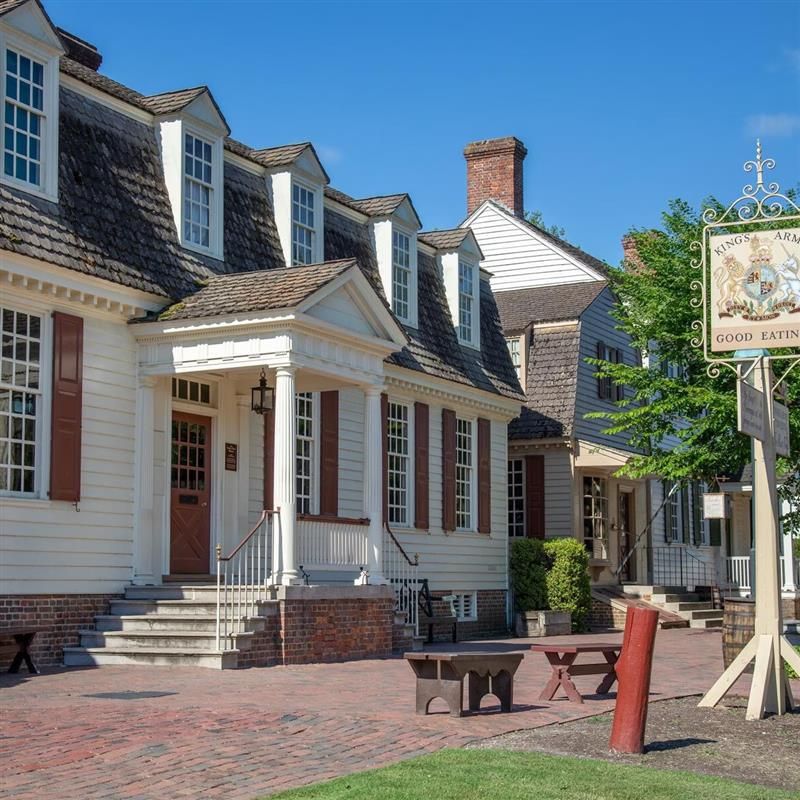
History comes alive through recreation at King’s Arms Tavern in Colonial Williamsburg. While not a continuously operating colonial establishment, this restaurant offers something equally valuable: an immersive 18th-century dining experience that educates as it entertains.
The tavern faithfully recreates Revolutionary-era Virginia atmosphere down to the smallest details. Candlelit rooms flicker with warm light reminiscent of colonial evenings when electricity didn’t exist.
Period-inspired meals reflect cooking techniques and ingredients available to 18th-century Virginians, giving modern diners authentic tastes of the past.
Guests learn about colonial customs and traditions while enjoying their meals. The experience goes beyond simple dining, becoming an educational journey into how Virginia’s founders ate, socialized, and conducted daily life.
Every element serves both culinary and historical purposes.
What King’s Arms Tavern provides is accessibility to history that most people never experience elsewhere. By recreating authentic colonial dining conditions, it makes the 18th century tangible and understandable.
Visitors leave with fuller stomachs and richer appreciation for the Revolutionary period that shaped Virginia and America forever.
The Virginian Restaurant – Charlottesville
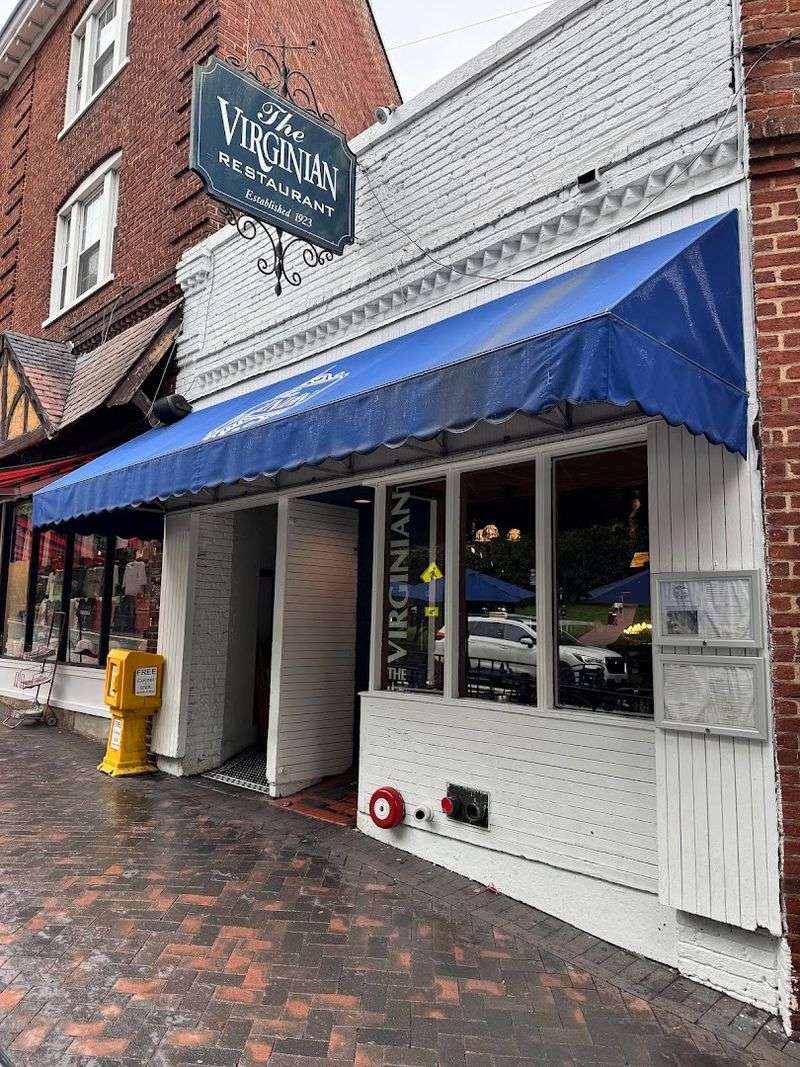
Opening its doors in 1923, The Virginian became instant Charlottesville tradition. Located near the University of Virginia, this restaurant witnessed nearly a century of local history—not through famous politicians or Revolutionary battles, but through countless everyday moments that built a community.
University students celebrated graduations here. Families marked birthdays, anniversaries, and ordinary Tuesdays at its tables.
Professors debated ideas over coffee while townspeople caught up on local gossip. These accumulated moments created a different kind of historical significance, one rooted in community rather than celebrity.
Generations of Charlottesville residents claim The Virginian as their own. Parents bring children who eventually bring their own children, creating family traditions spanning decades.
The restaurant’s history lives in personal memories rather than history books, making it deeply meaningful to locals.
What makes The Virginian special isn’t grandeur or presidential visits. Instead, it’s the comfortable familiarity of a place that’s simply been there, reliably serving good food and hosting life’s important moments for almost 100 years.
That consistent presence in community life creates its own powerful form of history worth preserving and celebrating.
Lemaire Restaurant at The Jefferson Hotel – Richmond
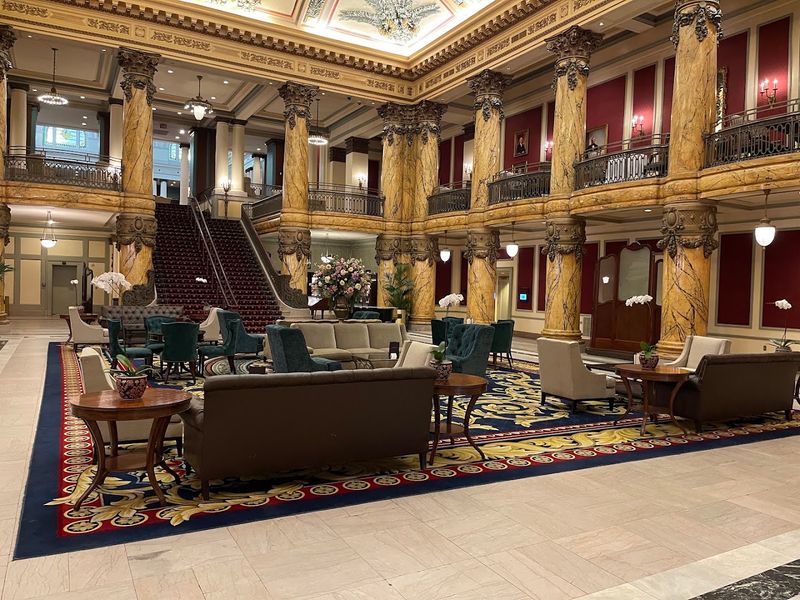
Lemaire’s story intertwines with Richmond’s legendary Jefferson Hotel, opened in 1895. This connection brings a different historical flavor—one of Gilded Age elegance, presidential visits, and celebrity glamour that defined turn-of-the-century American luxury.
For over a century, the hotel welcomed influential figures through its grand entrance. Presidents, actors, business titans, and cultural icons all experienced the hotel’s renowned hospitality.
Lemaire continues that tradition of excellence, offering modern diners the same exceptional setting that impressed guests generations ago.
The restaurant’s surroundings showcase Richmond’s architectural glory. Stunning historic interiors reflect the craftsmanship and attention to detail characteristic of Gilded Age construction.
Every architectural element speaks to an era when hotels were palaces and dining was ceremony.
Modern Southern-inspired cuisine meets historic grandeur at Lemaire. The restaurant doesn’t simply rest on the hotel’s historic reputation; it actively enhances the experience with exceptional food that honors Virginia’s culinary heritage.
Diners enjoy contemporary excellence surrounded by more than a century of Richmond history, creating memorable experiences that blend past elegance with present-day sophistication in ways few Virginia restaurants can match.
Tuscarora Mill Restaurant – Leesburg
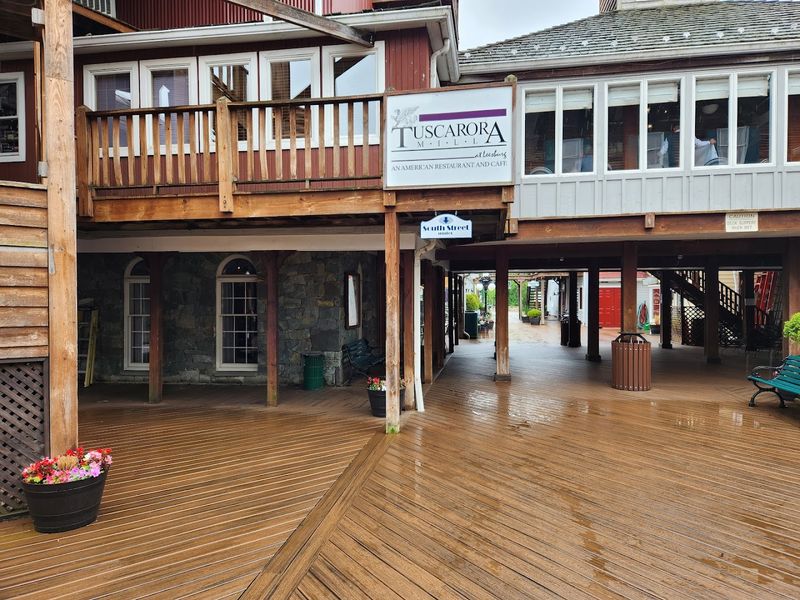
Known affectionately as Tuskie’s by locals, Tuscarora Mill Restaurant breathes new life into history. This 19th-century grain mill once powered Loudoun County’s agricultural economy, grinding grain that fed communities across the region.
Now it feeds guests in an entirely different way.
The restaurant preserved the mill’s industrial character beautifully. Exposed brick walls show the building’s age and authentic construction.
Massive wooden beams overhead remind diners of the mill’s original purpose, while preserved mechanical details honor its hardworking past. History becomes the décor.
Transformation from working mill to beloved restaurant demonstrates creative historic preservation. Rather than demolishing an obsolete building, the community found ways to honor its past while creating something vibrant for the present.
Old structures don’t have to disappear; they can evolve.
Tuskie’s proves that Virginia’s agricultural heritage offers rich material for modern gathering places. The mill’s history as a community cornerstone continues, just with different purposes.
Guests dining here participate in the building’s ongoing story, adding their own memories to centuries of service to Loudoun County residents and visitors alike.
Magnolias at the Mill – Purcellville
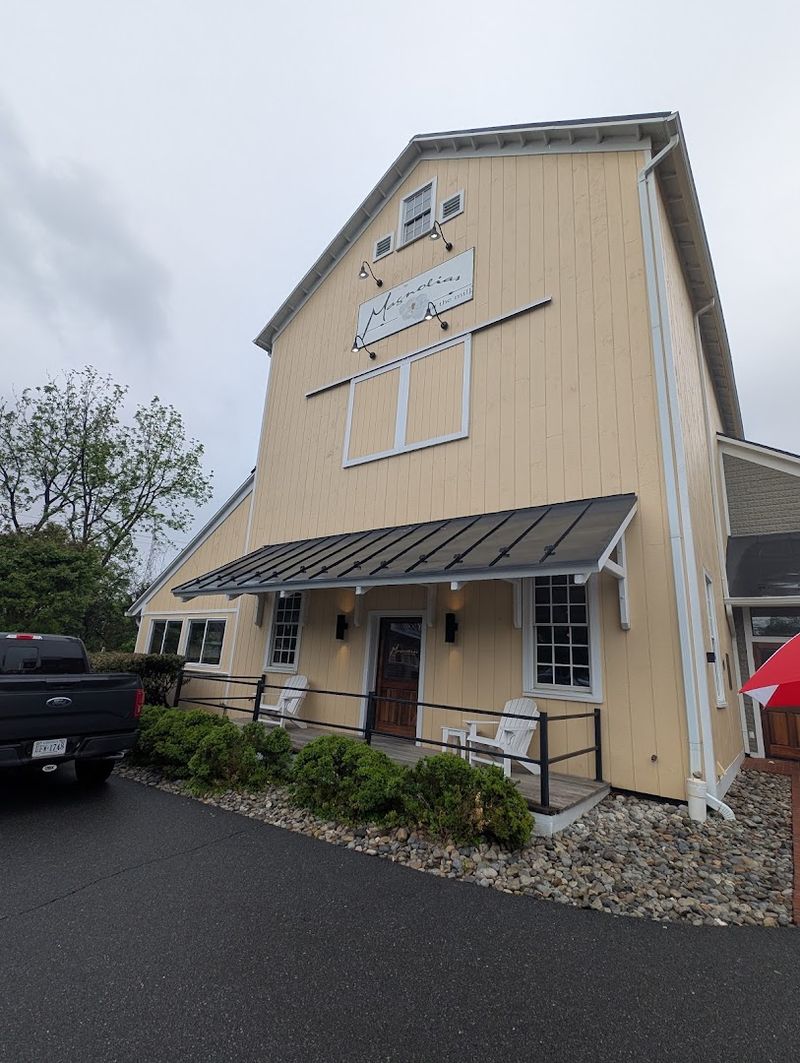
Magnolias at the Mill occupies a beautifully restored grain mill from the 1800s. This Purcellville establishment celebrates Loudoun County’s agricultural roots while providing welcoming space for contemporary dining experiences that honor history without being trapped by it.
The mill’s original architecture tells stories of Virginia farming communities. Grain mills served as economic and social centers where farmers brought harvests and exchanged news.
These buildings witnessed the rhythms of agricultural life that sustained the region for generations.
Restoration work maintained the mill’s essential character and historic integrity. Original materials and construction techniques remain visible, letting diners see authentic 19th-century craftsmanship.
The building’s past isn’t hidden or disguised—it’s featured prominently as part of the restaurant’s appeal.
What makes Magnolias special is its balance between old and new. The restaurant doesn’t try recreating the past exactly; instead, it respects history while serving modern needs.
Old buildings can tell new stories when treated thoughtfully. Every meal here connects diners to Purcellville’s farming heritage, reminding them that today’s communities grew from yesterday’s agricultural traditions that shaped Virginia’s countryside character.
Lightfoot Restaurant – Leesburg
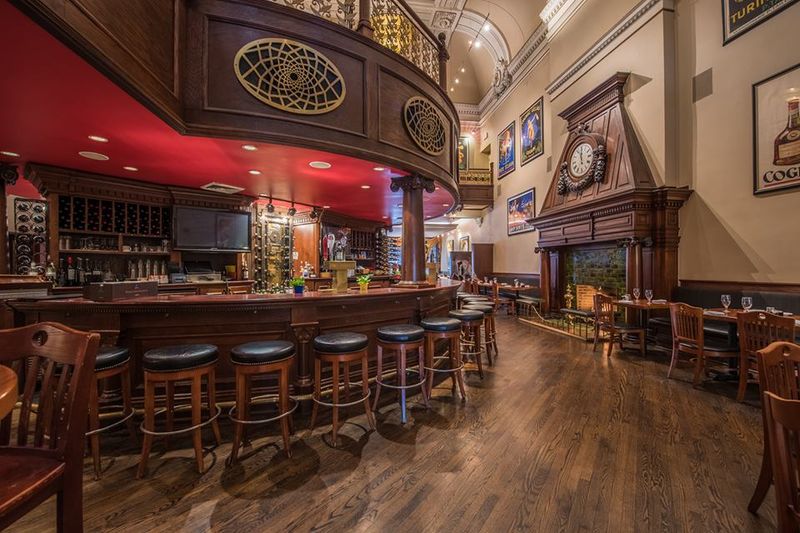
Banks and restaurants seem unlikely partners, but Lightfoot Restaurant makes the combination work brilliantly. Housed inside a beautifully restored late-19th-century bank building, this Leesburg establishment transforms financial architecture into unforgettable dining atmosphere.
The building’s original grandeur remains stunning and fully intact. Soaring ceilings create dramatic space that impresses immediately upon entry.
Architectural details from the banking era—ornate moldings, impressive stonework, period features—make the restaurant feel more like touring a historic landmark than simply eating dinner.
Preservation work respected the building’s banking heritage completely. Rather than removing historic elements to create generic dining space, the restaurant incorporated them thoughtfully.
The result is a unique setting where history enhances rather than limits the dining experience.
Guests consistently remember the incredible setting as much as their meals. The building’s transformation demonstrates how Virginia’s commercial architecture can find new purposes while maintaining historical integrity.
Lightfoot proves that adaptive reuse creates special places impossible to replicate in new construction. Every meal becomes an opportunity to appreciate both culinary excellence and architectural history simultaneously, making ordinary dinners into memorable occasions.
Hunter’s Head Tavern – Upperville
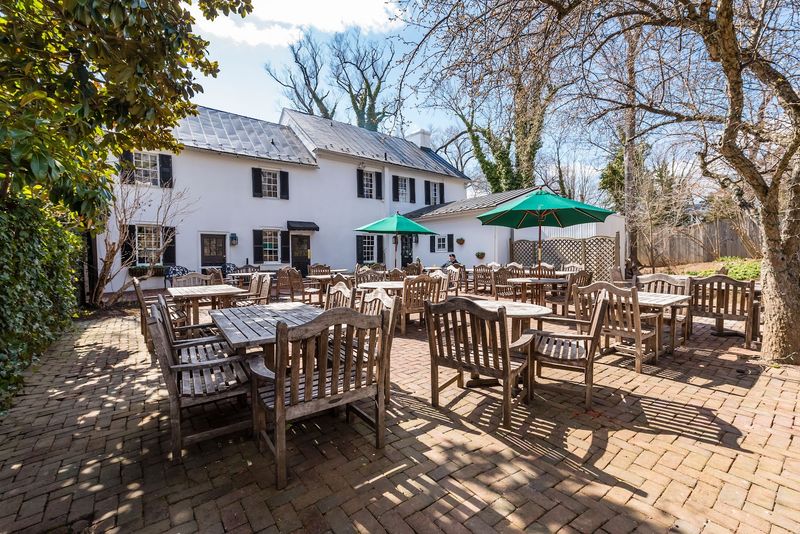
Hunt Country traditions live on at Hunter’s Head Tavern in Upperville. This restaurant captures Virginia countryside spirit through its historic setting and deep connections to the region’s equestrian heritage that has defined local culture for centuries.
The tavern occupies a restored 18th-century building with authentic colonial character. Original construction details and period features transport diners to earlier eras when taverns served as vital community gathering places.
The building itself embodies Virginia’s rural traditions.
Farm-to-table dining here isn’t modern trend—it’s historical tradition. Virginia’s countryside always emphasized local ingredients, seasonal cooking, and agricultural connections.
Hunter’s Head honors these long-standing practices while adapting them for contemporary tastes and expectations.
What makes this tavern welcoming is how naturally it blends history, agriculture, and hospitality. Nothing feels forced or artificial; instead, the restaurant operates as taverns always have—bringing people together over good food in comfortable surroundings.
Upperville’s equestrian community still gathers here just as earlier generations did, creating continuity that spans centuries. This ongoing connection to local traditions makes Hunter’s Head more than a restaurant; it’s a living piece of Virginia countryside culture.
The Ashby Inn & Restaurant – Paris
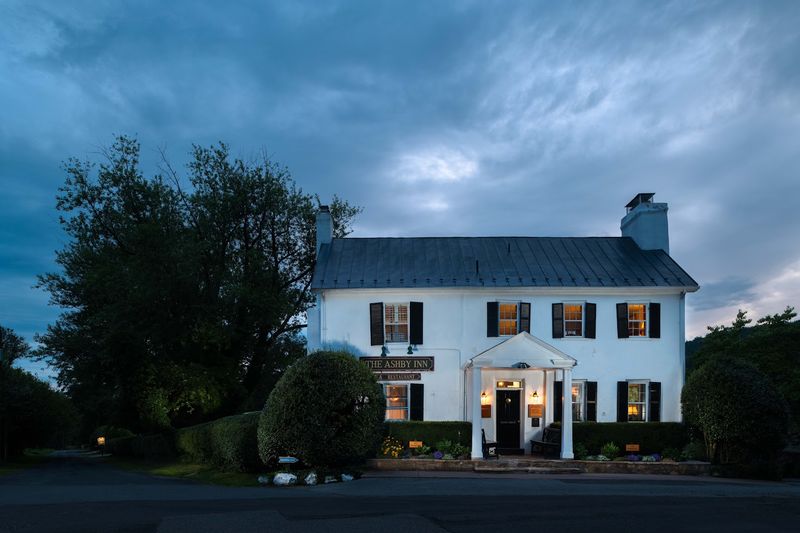
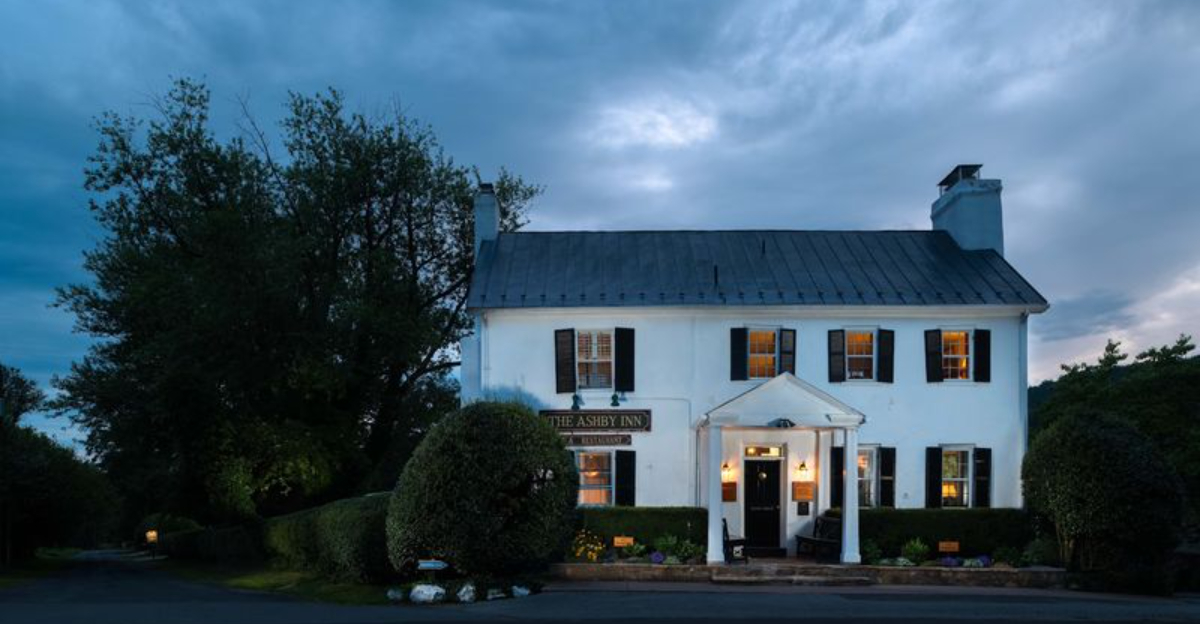
Nestled near the Blue Ridge Mountains, The Ashby Inn & Restaurant offers quintessential Virginia charm. This historic country inn has roots stretching back centuries, reflecting the character of rural communities that have shaped the state’s countryside for generations.
Every room in the inn tells part of a longer story. The building’s age shows in delightful ways—uneven floors that have supported countless footsteps, windows offering views that haven’t changed much in centuries, fireplaces that warmed travelers long before modern heating existed.
Elegant dining rooms provide sophisticated comfort without pretension. The atmosphere balances refinement with accessibility, making guests feel welcomed rather than intimidated.
This approach to hospitality reflects traditional Virginia values that prioritize genuine warmth over formal stuffiness.
The inn’s peaceful location enhances the historic atmosphere beautifully. Surrounded by natural beauty and removed from urban noise, The Ashby Inn lets diners experience something of what earlier generations knew—the quiet satisfaction of good food, comfortable surroundings, and time slowing down.
Every meal here becomes a chance to step away from modern life’s rush and enjoy the timeless pleasures of fine dining in a truly historic Virginia setting.
The Mill Room – Charlottesville
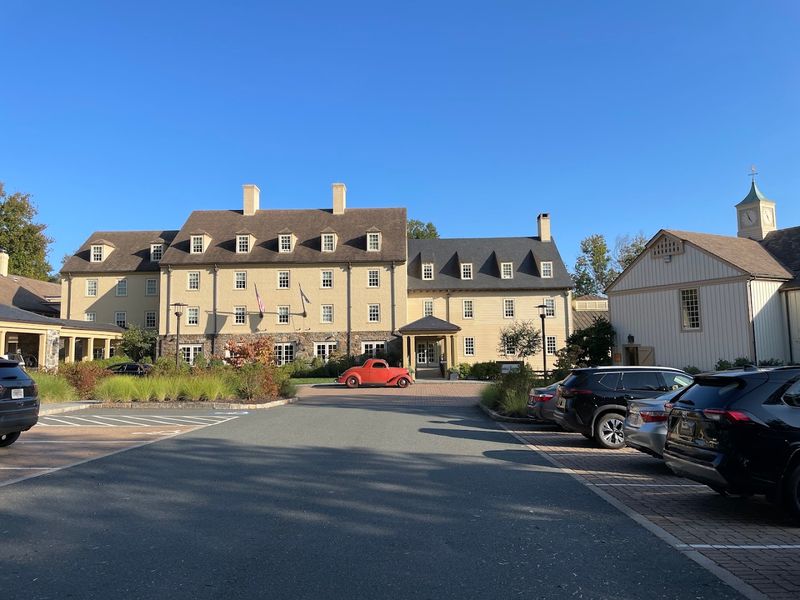
Located at Boar’s Head Resort, The Mill Room blends fine dining with Virginia history inside a setting inspired by an 1830s gristmill. This Charlottesville establishment preserves historic elements from the original mill while serving modern American cuisine focused on regional ingredients and local traditions.
The restaurant’s rustic architecture honors agricultural heritage that shaped the region. Preserved mill elements remind diners of the building’s original purpose—grinding grain that sustained local communities for generations.
These historic touches create atmosphere that generic new construction simply cannot replicate.
Connection to the land defines The Mill Room’s character and appeal. Using regional ingredients continues traditions that Virginia farmers and millers established centuries ago.
This farm-to-table approach isn’t trendy marketing; it’s historical practice given contemporary expression.
The Mill Room’s long reputation as a Charlottesville dining destination demonstrates lasting appeal. Generations of diners have celebrated special occasions here, creating layers of personal memories that add to the location’s significance.
Every meal feels tied to the surrounding land’s story—from agricultural past through present-day culinary excellence. This connection between food, history, and place makes dining here meaningful beyond simple sustenance.