
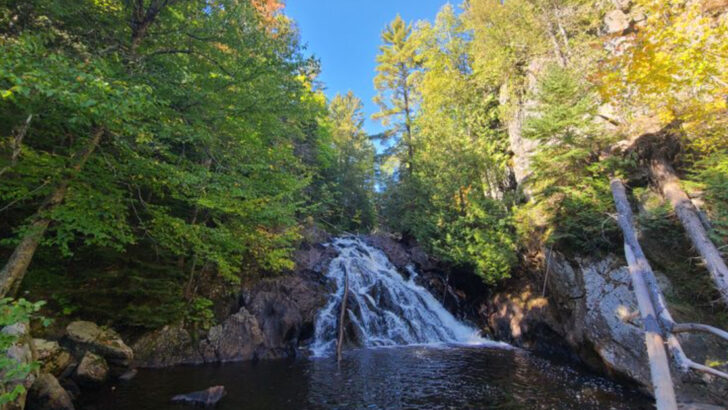
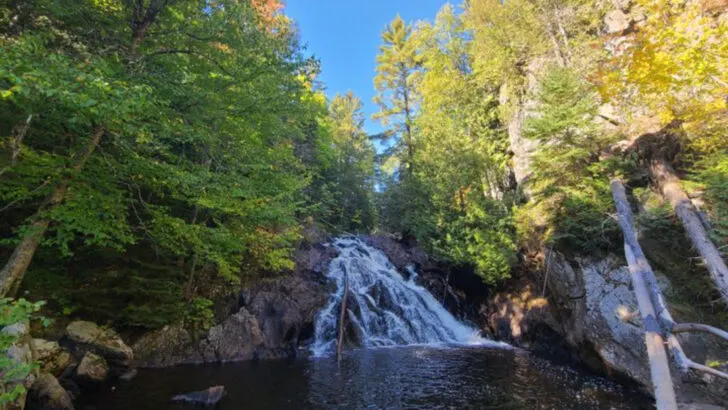
You came for an easy Michigan walk, and you will leave with the sound of a hidden waterfall echoing in your memory. At Pinnacle Falls Trailhead in Big Bay, the path is short, the terrain forgiving, and the payoff surprisingly grand. This 1.7-mile loop leads you through quiet hardwoods to a rugged cascade tucked away from the crowds.
Lace up, breathe deep, and let the forest guide you toward the falls you have been craving.
Trailhead Essentials and First Impressions
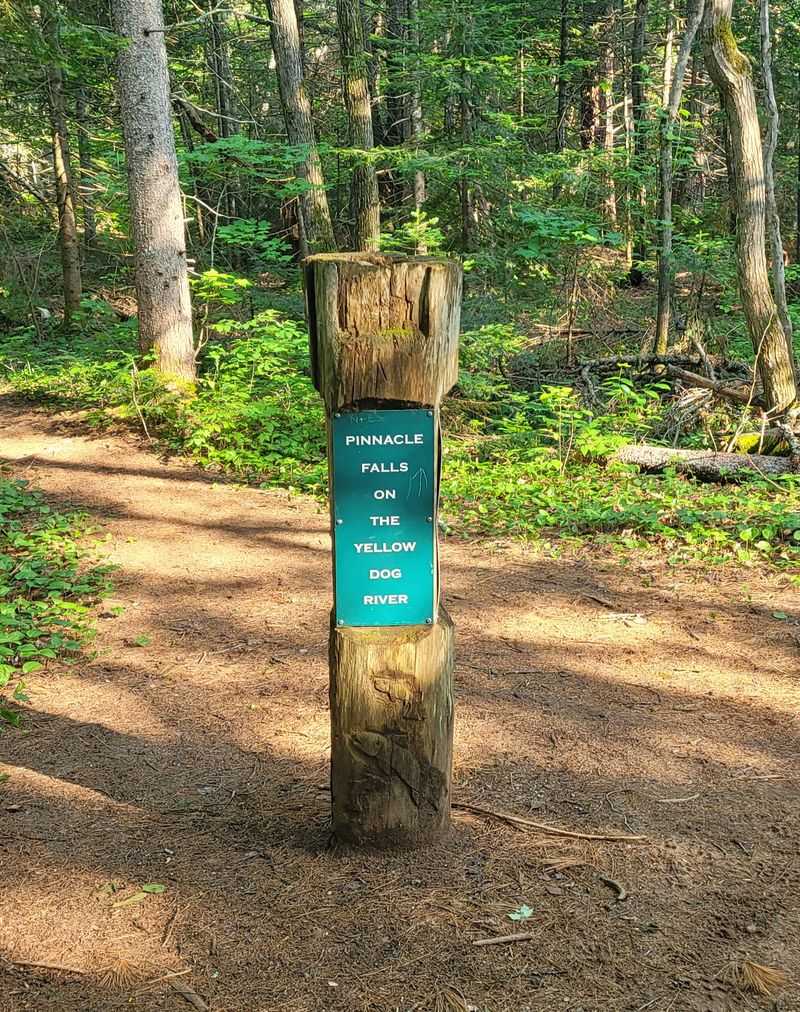
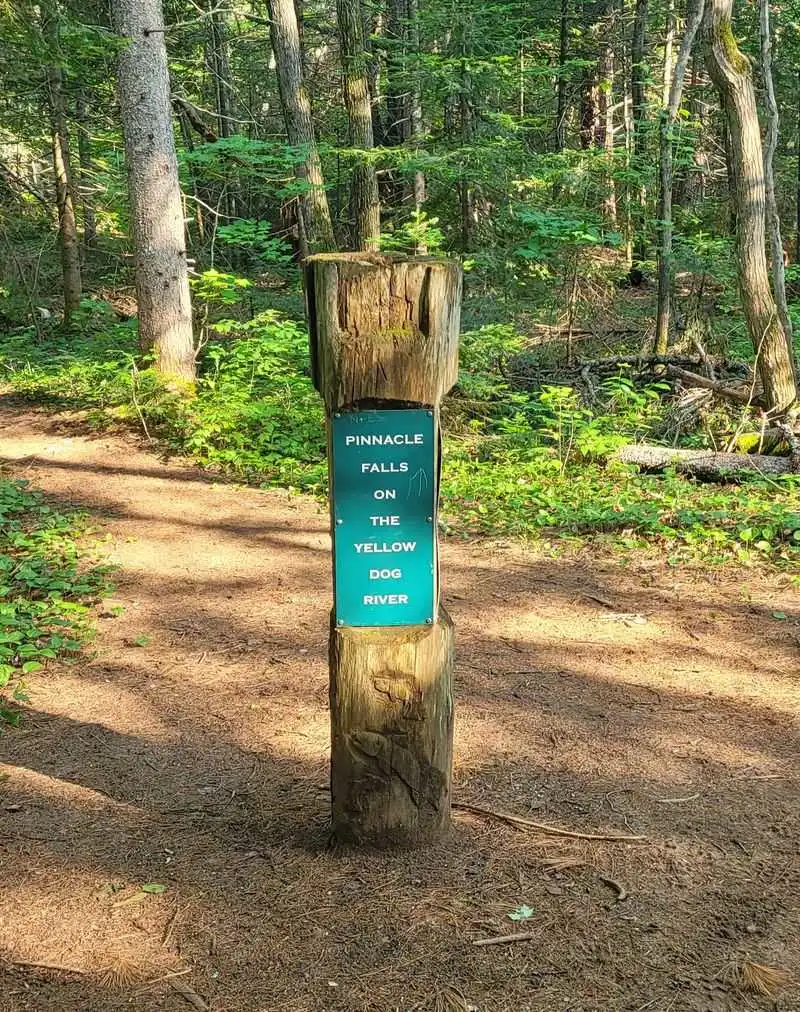
Start at the small signed pull-off for Pinnacle Falls Trailhead near Big Bay, where the woods open with a welcoming hush. The parking area is modest, so arrive early if you can, especially on sunny weekends. You will notice the trailbed is mostly packed dirt with scattered roots, a forgiving surface that invites an unhurried start.
Take a moment to listen. Birds chatter above the canopy while a distant rush hints at what awaits. The first stretch follows gentle terrain, perfect for warming up legs and settling into a steady, comfortable pace.
Wayfinding is straightforward with basic markers and a clear tread. Keep right at subtle junctions, following the intuitive flow toward the river corridor. Map apps with offline layers help, but the route is intuitive and rarely confusing.
Cell service can be patchy, so download maps before you arrive. Bring water, bug spray, and a light layer for breeze along the creek. This trail keeps the surprises simple, letting the forest handle the magic.
Route Overview and Distance Breakdown
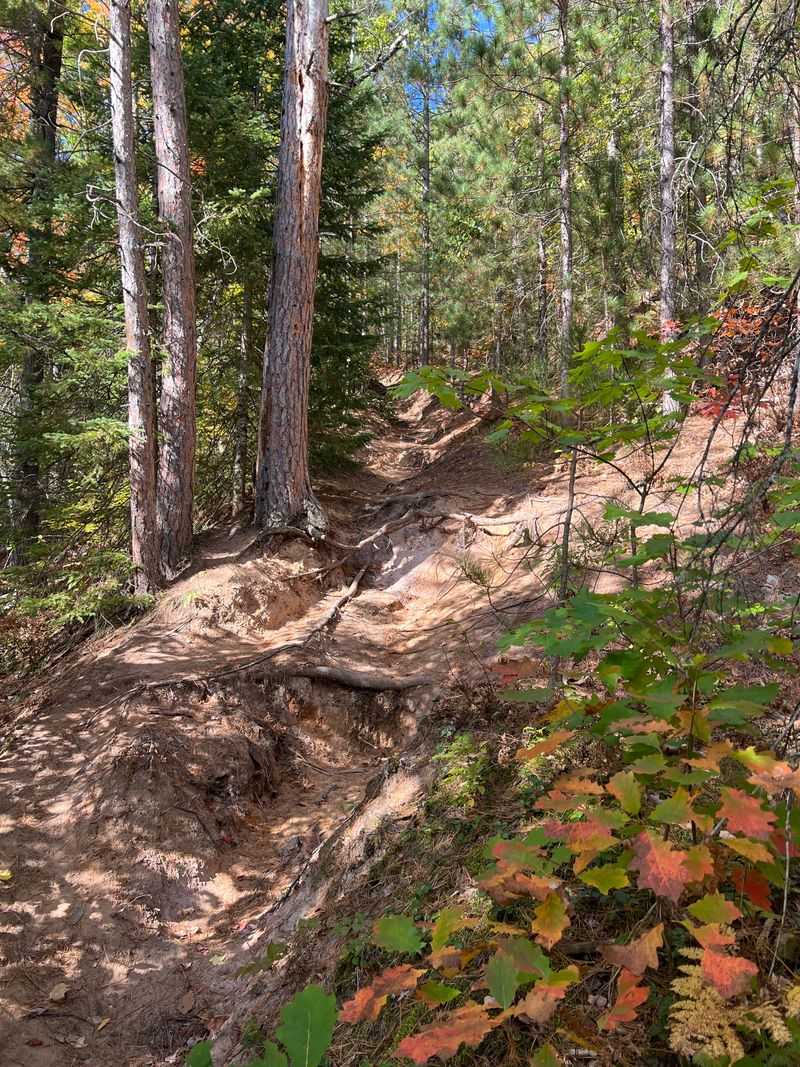
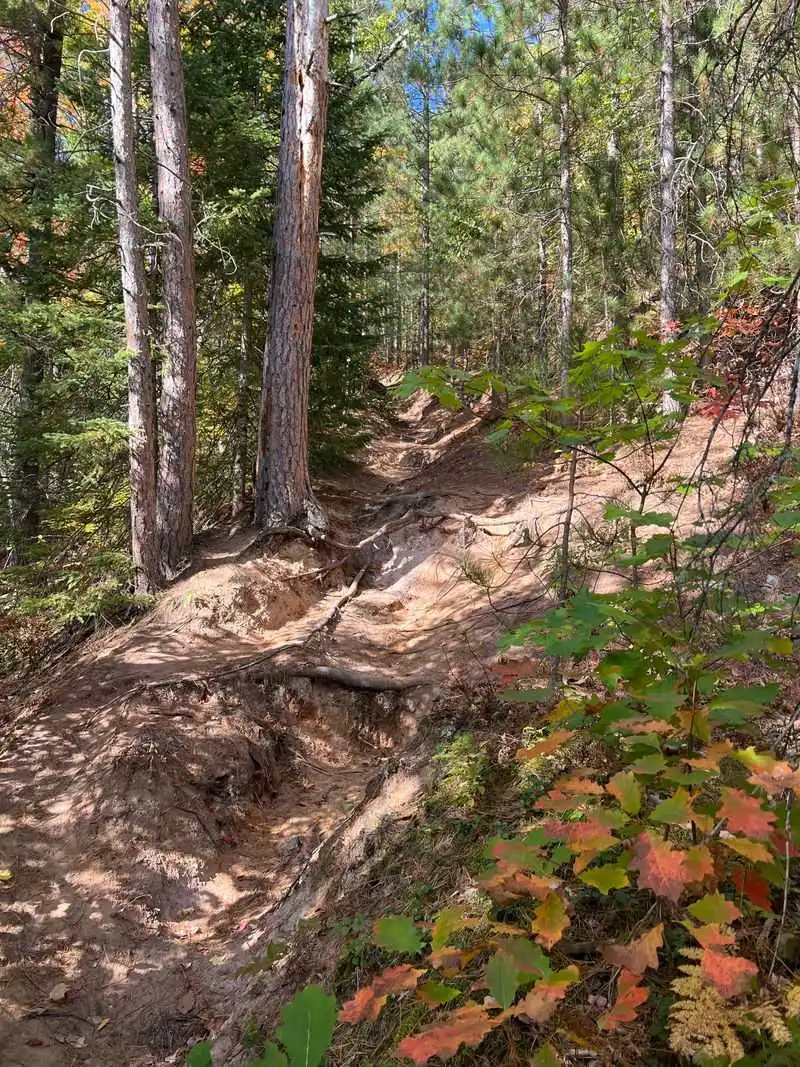
The loop at Pinnacle Falls clocks in around 1.7 miles, an approachable distance for a mellow morning or relaxed afternoon. Expect gentle rolling grades with a few short, rooty pitches. You will weave through hardwood stands and conifer pockets before the sound of water pulls you onward.
Most hikers prefer a clockwise direction to build anticipation before the falls. The route trends slightly downhill as you near the creek, making the approach feel easy and fluid. After visiting the cascade, the return climbs gradually but never feels punishing.
Average hiking time is 45 to 75 minutes depending on photo stops. Families, casual walkers, and photographers will find the pacing very forgiving. Trail footing remains mostly stable, though spring thaw can turn low spots muddy.
Seasonally, leaves or snow can hide roots, so step thoughtfully. Bring microspikes in winter if conditions glaze over. If you track pace, budget an extra 15 minutes for the spur viewpoints near the falls.
Scenery Highlights and Forest Character
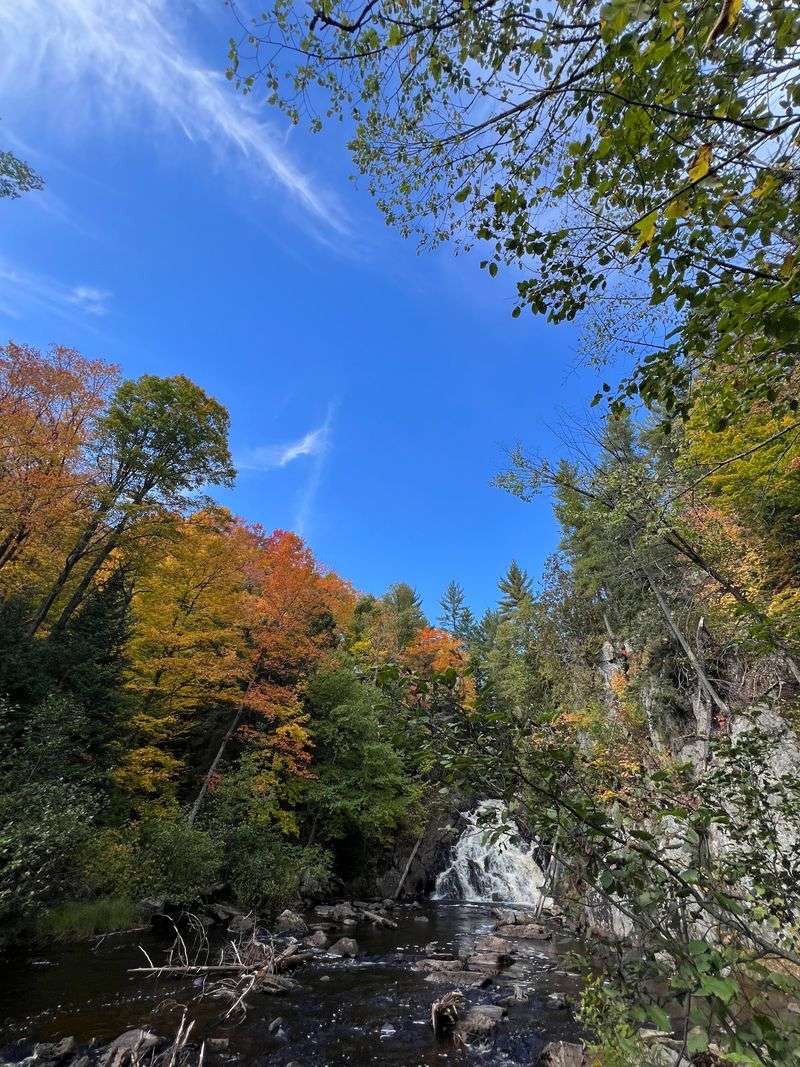
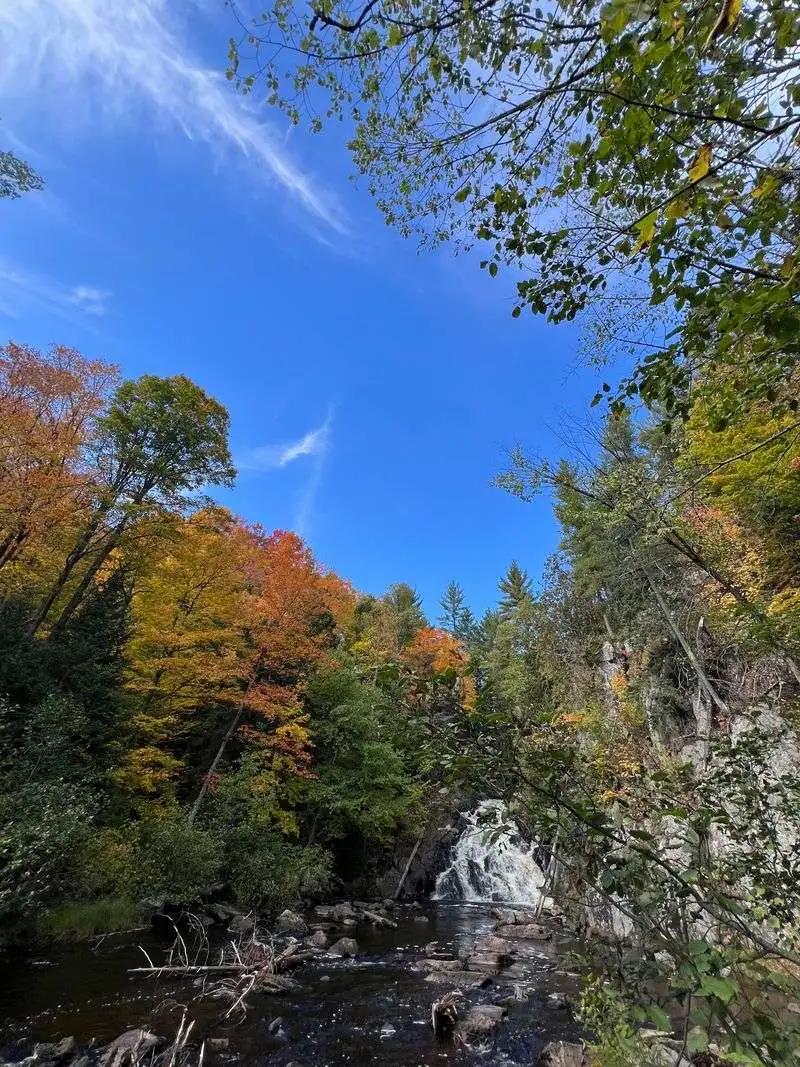
The forest here feels intimate, a blend of birch, maple, and scattered pine that filters soft, storybook light. Moss slicks across downed logs and glacial boulders like a green quilt, inviting slow steps and careful glances. You will notice ferns feathering the path edges, framing the corridor in deep seasonal greens.
As you near the creek, the air cools and grows fragrant with damp earth. Sunbeams find the water and sparkle across eddies, a quiet show worth pausing to watch. Birds move through the mid canopy, and chipmunks skitter away with leaf-crisp whispers.
Occasional openings offer peeks at the stream corridor where tannin-stained waters tell a rich Upper Peninsula story. The sound of moving water becomes your compass, growing louder then softer around bends. It is the kind of landscape that rewards looking twice.
Bring a small lens cloth for mist and humidity if you shoot photos. Morning light is gentle and flattering on bark textures. If you slow down, the forest reveals patterns that make the short mileage feel far bigger.
Waterfall Encounter and Best Viewing Spots
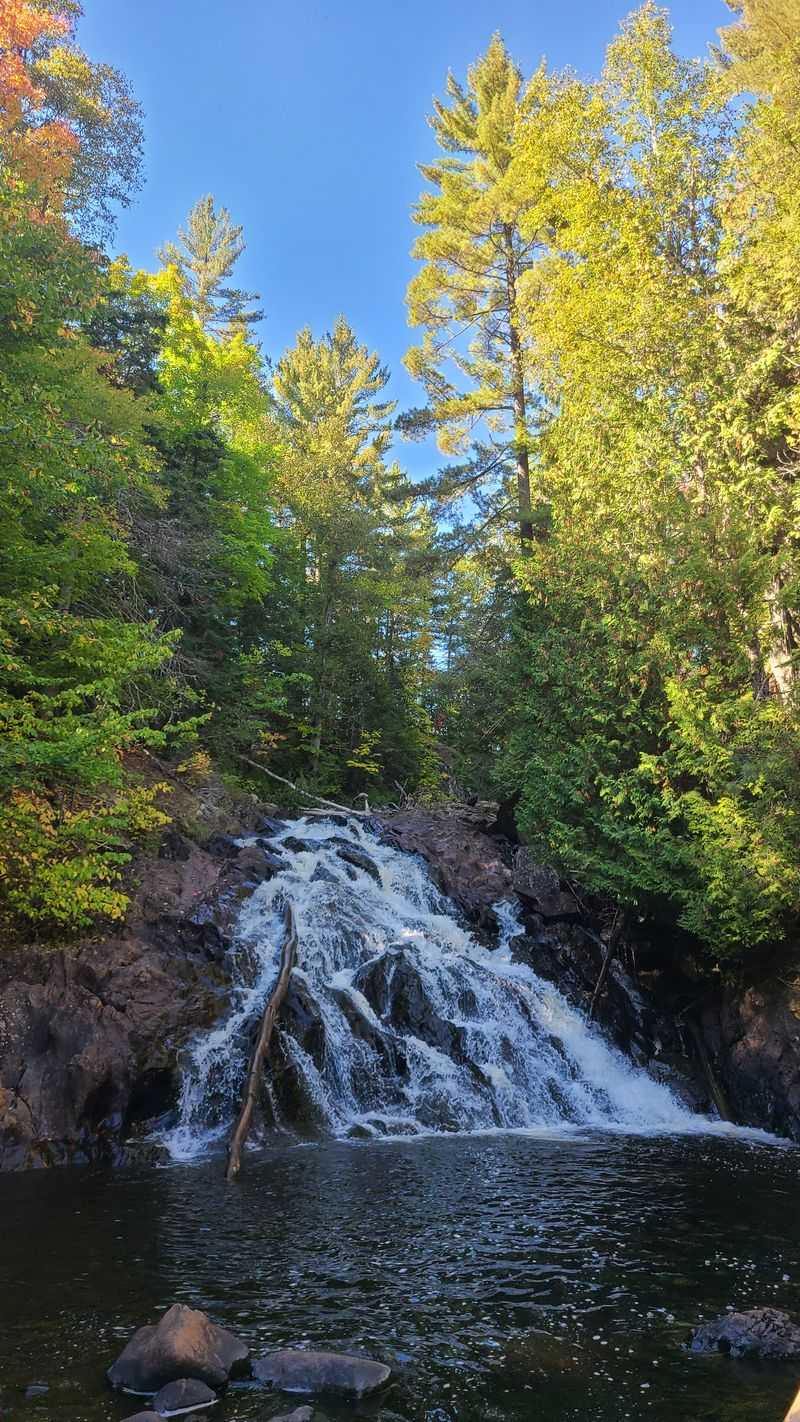
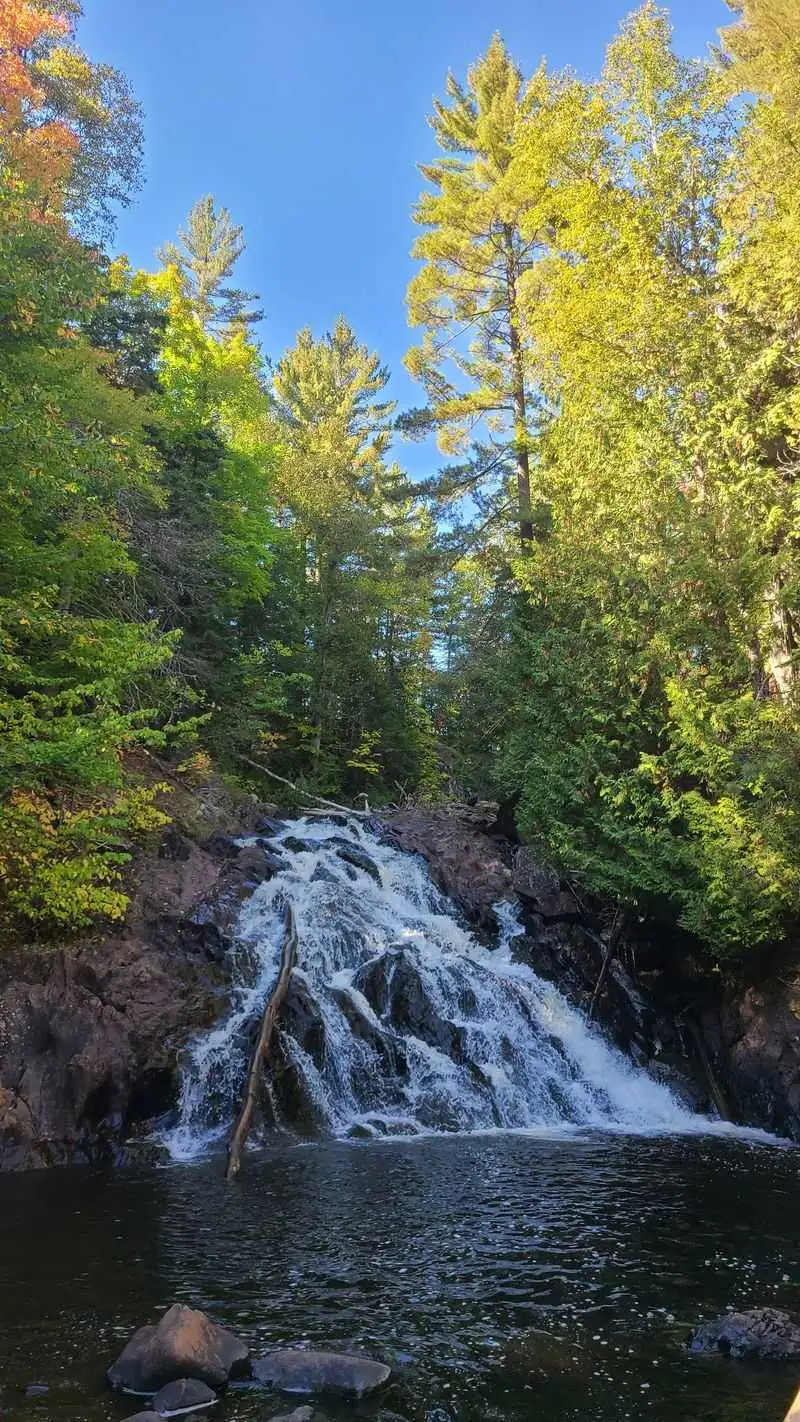
Pinnacle Falls is not massive, but it is wonderfully discreet, tucked into a rocky crease that muffles the outside world. Water ribbons over layered stone, gathering in shallow pools and slipping downstream. You will feel the temperature drop as you step closer, a cool hush that signals you have arrived.
Best viewing sits slightly downstream on stable rock ledges. From there, the falls stack neatly in frame without harsh angles. You can move carefully along the bank to adjust composition, but avoid slick algae and undercut edges.
In spring, meltwater fattens the cascade, giving you satisfying motion and mist. Late summer shows the delicate lacework of low flow, revealing sculpted geology. After rain, the soundtrack swells and the gorge exhales a fresh mineral scent.
Give others room and share the ledges. A wide lens or phone in ultrawide captures the whole drop. Stay mindful of footing, and keep children within arm’s reach near the edges.
Seasonal Tips and Weather Considerations
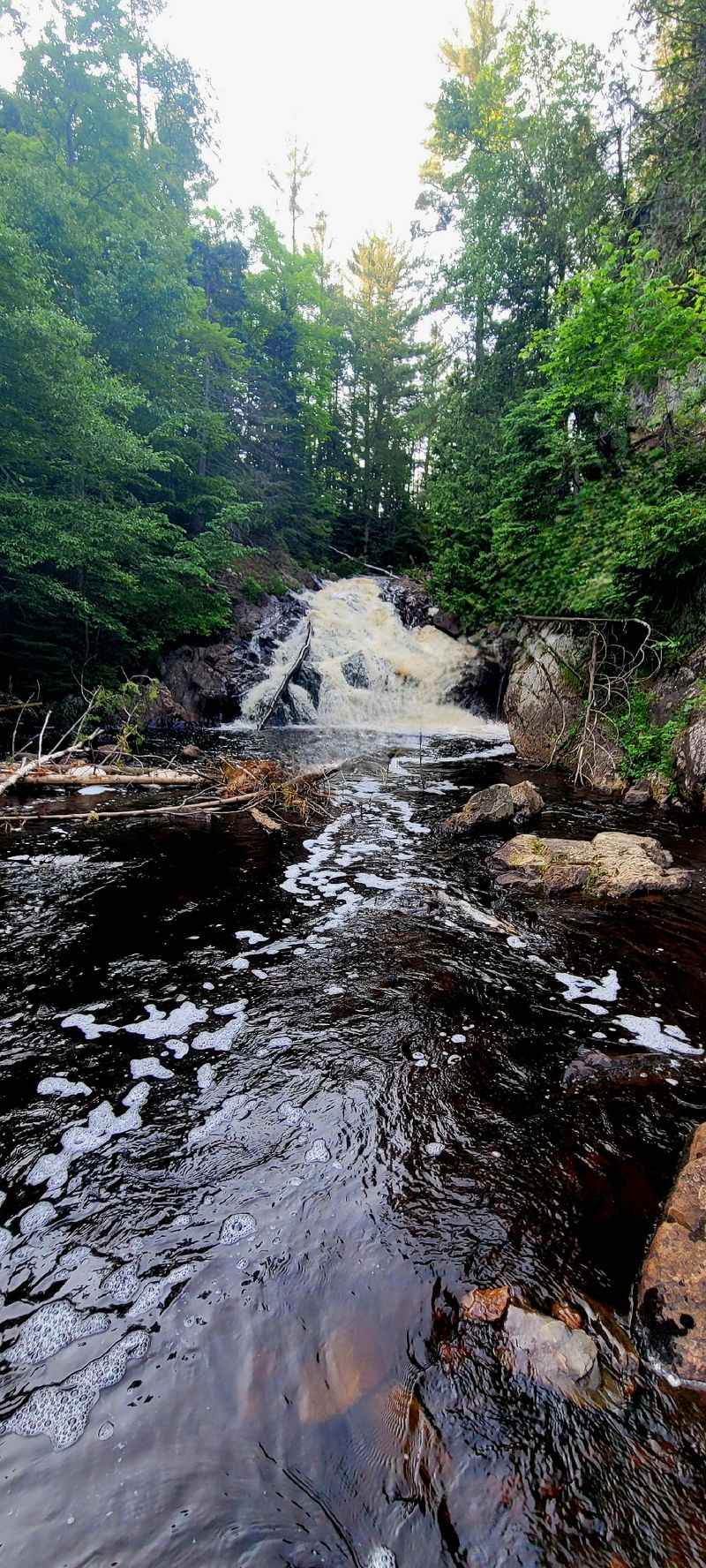
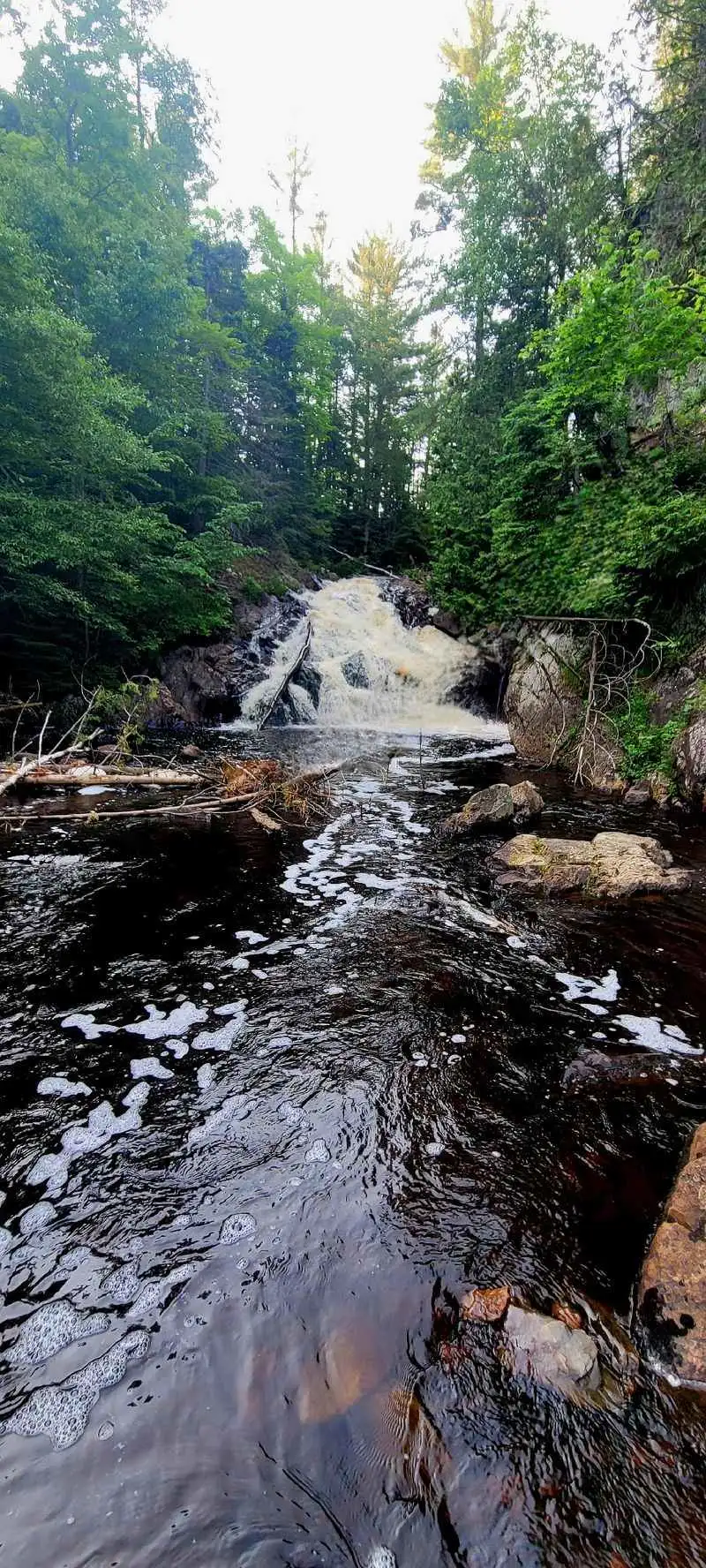
Spring brings running water and mud, so waterproof shoes shine. Expect brisk air and lively bird song. The falls surge beautifully, and the trail remains manageable with mindful steps around soft spots.
Summer turns the canopy into a shady tunnel, perfect for mid-day hikes. Bugs wake up, so bring repellent and consider a light head net in still weather. Afternoon storms pop up quickly near the lake, making a small rain shell smart.
Fall may be the showstopper with flame-hued maples and crisp trails. Leaves can hide roots, so shorten your stride. The cascade contrasts nicely against gold and crimson, rewarding patient photographers.
Winter quiets everything under powder. Wear traction if the path ices over, and layer up for wind near the creek. Short daylight means starting earlier helps you linger safely at the falls.
Photography and Content Capture Tips
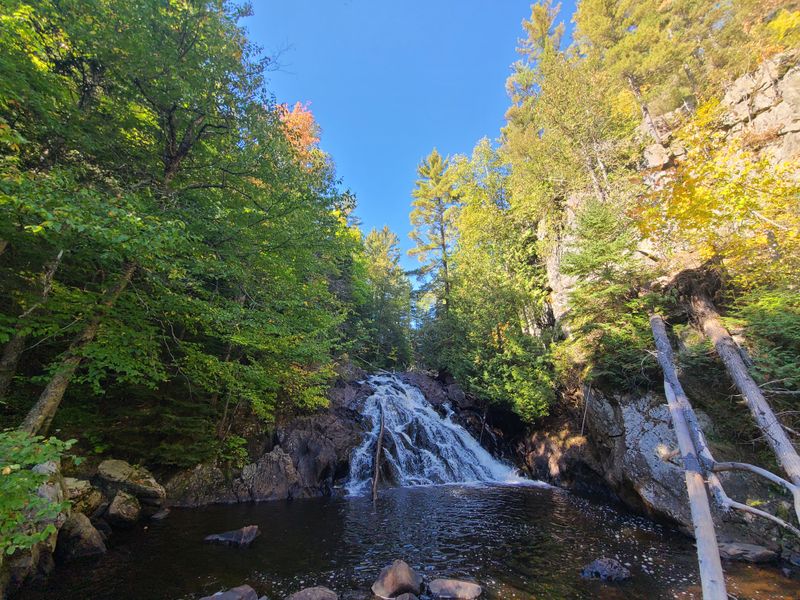
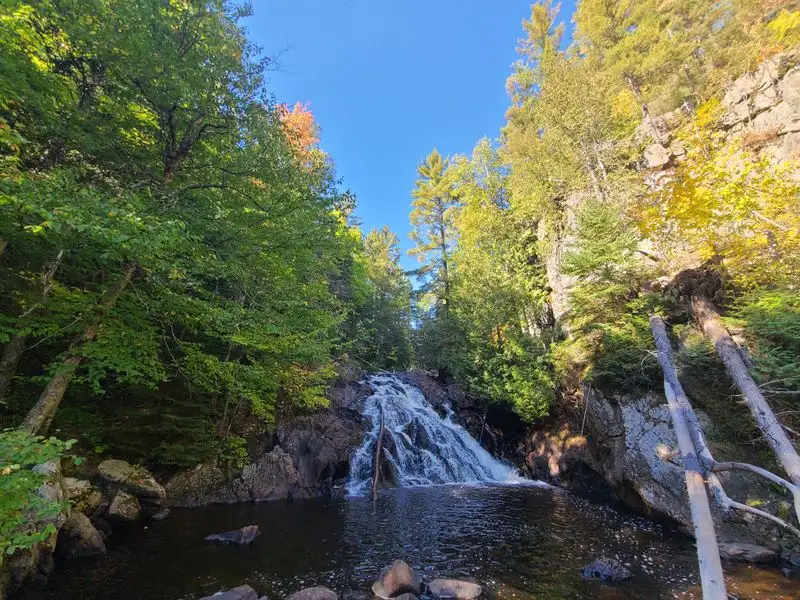
Arrive early for gentle light and an empty ledge. A smartphone in ultrawide mode works surprisingly well here, especially close to foreground rocks. If you carry a tripod, keep legs short for stability on uneven stone.
For silky water, use a neutral density filter and a 0.5 to 1 second shutter. Without filters, try burst mode and stabilize against a tree. Watch for mist on your lens and wipe frequently to avoid ghosting.
Compose with layered elements: rock ledges, water sheet, and moss. Step laterally to clean up branches that intersect the falls. Portrait orientation often frames the full drop elegantly in tight spaces.
Capture ambient audio with your phone while the creek is loud. It adds memory texture to photos. Respect others’ experience by keeping tripods compact and moving when new hikers arrive.
Wildlife, Plants, and Leave No Trace


Expect songbirds like warblers and thrushes, and occasional chipmunks flicking across the trail. Ferns, clubmoss, and lichens pattern the understory, while maple and birch shape the canopy. You may spot mushrooms after rain in vivid oranges and whites.
Observe wildlife quietly and from a distance. Feeding animals or leaving food scraps can alter behavior fast. Keep dogs leashed to protect ground nests and fellow visitors.
Stay on the established path to prevent widening and root damage. Avoid stepping onto fragile banks near the falls, where thin soils erode quickly. Pack out everything, including fruit peels and micro-trash like twist ties.
Leave what you find, and photograph instead. A small brush-off of muddy boots before driving helps prevent spreading invasives. Simple choices preserve the quiet beauty you came to enjoy.