Florida still has a coastline where the cranes haven’t won.
Along the Panhandle, a roughly 100-mile stretch between Panama City and Tallahassee feels like a secret the rest of the state somehow missed.
This is Florida’s Forgotten Coast, where quiet beaches, old fishing towns, protected islands, marshes, and wild coastal habitats still take center stage. You won’t find endless towers crowding the shore or a chain restaurant on every corner.
What you will find is room to breathe, wildlife in abundance, and communities fiercely proud of what makes their home different.
From St. George Island to St. Marks, these places reveal why locals want to keep development in check. The beaches are beautiful, the history runs deep, and the wild spaces are far too special to lose.
Here are ten unforgettable stops along one of Florida’s most fiercely protected stretches of coast.
St. George Island State Park
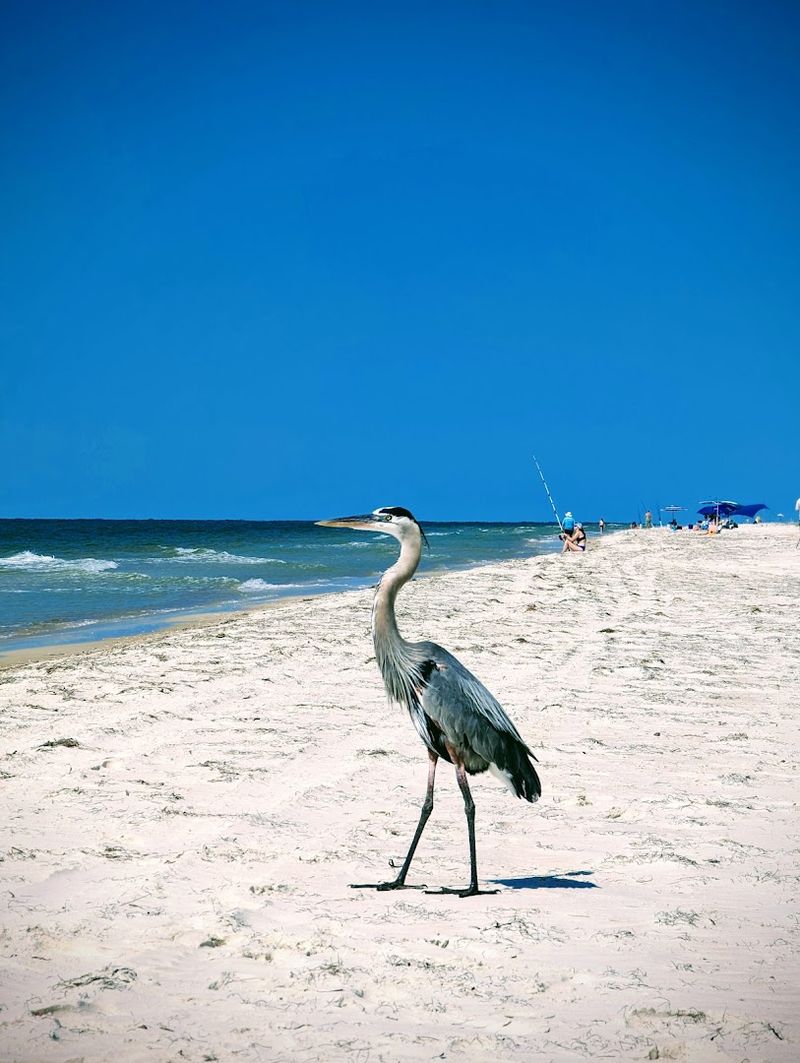
Picture miles of beach where the only footprints belong to shorebirds and the occasional beachcomber. St. George Island State Park sits at the eastern tip of its namesake island, protecting some of the most beautiful undeveloped shoreline left in Florida.
Rolling dunes covered in golden sea oats stretch as far as you can see. No towering hotels block the view, no crowded boardwalks interrupt the natural landscape.
Instead, the park showcases exactly what drew people to Florida beaches in the first place: wide white sand, clear blue water, and nature taking center stage.
Visitors come here to escape the overdeveloped beaches that dominate much of the state. They find quiet spots for swimming, shelling, or simply watching dolphins play offshore.
The park’s protected status means future generations will experience the same unspoiled beauty. Local support for keeping the area natural rather than building condos and resorts has made St. George Island State Park a living example of conservation done right.
St. Vincent National Wildlife Refuge
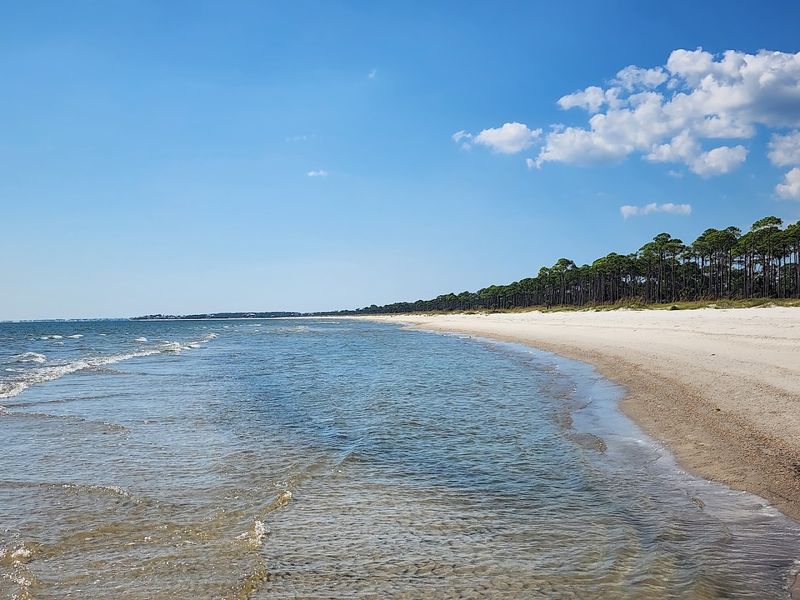
Getting to St. Vincent Island requires a boat ride, and that single detail tells you everything about this place. Without a bridge connecting it to the mainland, the island remains one of the truest wilderness areas along the entire Gulf Coast.
Sea turtles nest on beaches where human footprints are rare. Birds fill the skies and wetlands without the noise of traffic or construction.
The refuge protects crucial habitat that supports countless species, all thriving in an environment that looks much like it did centuries ago.
No paved roads cut through the landscape. No resort developments interrupt the coastline.
The island exists primarily for wildlife, not tourists looking for beach bars and gift shops. Scientists and nature lovers who make the trip discover what Florida coastline looked like before development changed everything.
Local residents appreciate having such a wild neighbor just offshore, proving that not every island needs hotels and restaurants to have value. St. Vincent Island shows what preservation really means.
Cape San Blas
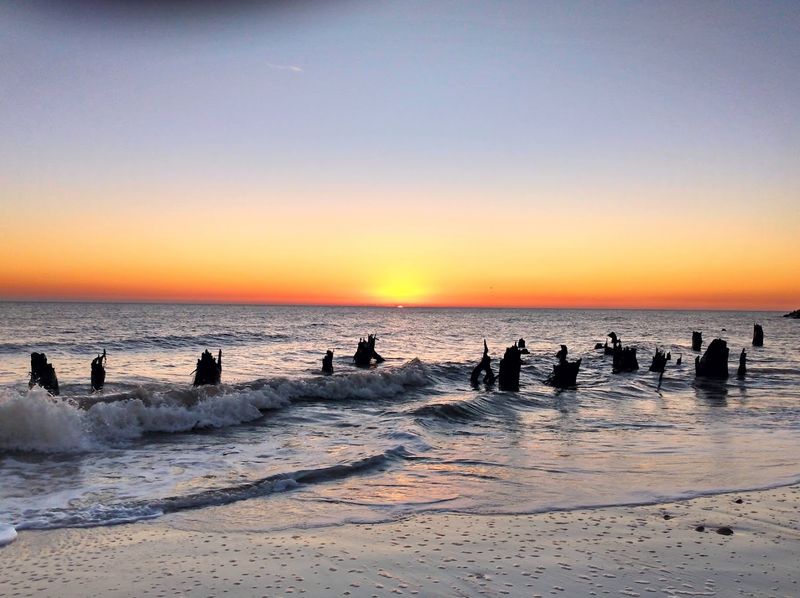
While Destin and Panama City Beach fight for space between crowded hotels, Cape San Blas offers something completely different. Here, beaches still feel like beaches instead of outdoor extensions of shopping malls.
The cape’s curved coastline creates sheltered bayside waters on one side and open Gulf views on the other. Natural dunes remain intact, their vegetation holding the sand in place the way nature intended.
Families who discover this area often return year after year, drawn by the space and tranquility missing from Florida’s famous resort destinations.
You can actually find a quiet spot to spread your towel. Sunsets happen without crowds jockeying for the best Instagram angle.
The laid-back atmosphere attracts visitors who value scenery over nightlife, nature over neon signs. Local businesses stay small and family-owned rather than corporate chains.
Cape San Blas proves that Florida beaches can still offer escape and solitude instead of just another crowded vacation scene. Its preservation depends on keeping that character intact.
St. Joseph Peninsula
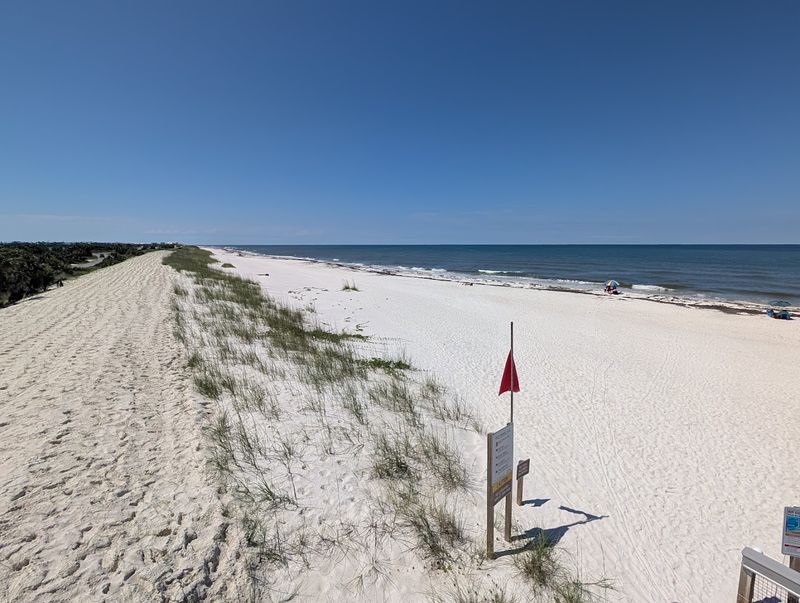
Raw beauty defines St. Joseph Peninsula better than any tourism brochure ever could. Near Port St. Joe, this protected landscape represents the Forgotten Coast at its finest, where beaches meet dunes in an endless sweep of natural perfection.
State protection ensures the peninsula stays wild rather than becoming another strip of vacation rentals. Beachgoers enjoy swimming in calm, clear water.
Paddlers explore quiet shorelines. Anglers cast lines hoping for redfish or flounder.
Wildlife watchers scan the skies for ospreys and pelicans.
Every activity happens against a backdrop of unspoiled coastal habitat. The peninsula’s narrow shape creates unique ecosystems where Gulf beaches, bay waters, and coastal forests exist close together.
Visitors can hike trails through different habitats in a single afternoon. Camping under stars that actually shine without light pollution adds to the experience.
St. Joseph Peninsula shows how protecting natural areas creates more valuable experiences than filling every inch with development. The scenery speaks for itself without needing resort towers to frame the view.
Apalachicola Bay and the Apalachicola River
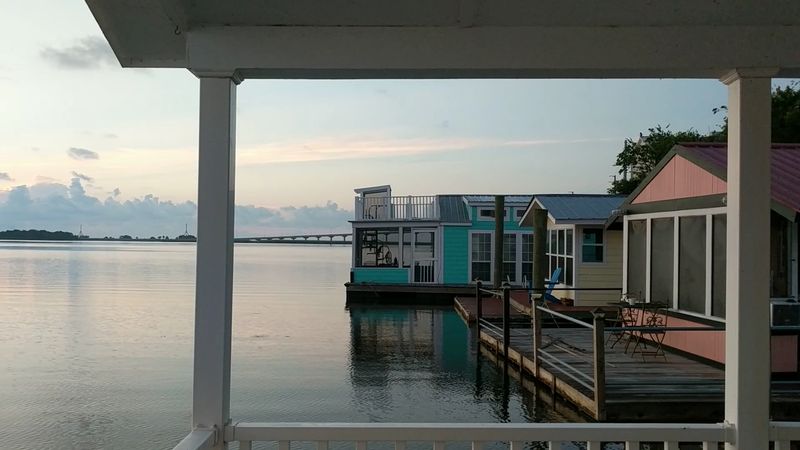
For generations, Apalachicola Bay provided some of the finest oysters in America. The bay’s health depends on freshwater flowing from the Apalachicola River, creating a unique estuary where saltwater and freshwater mix to support incredible biodiversity.
Massive wetlands spread across the region, filtering water and providing nursery habitat for fish, shrimp, and countless other species. Marshes stretch to distant horizons, their grasses waving in Gulf breezes.
The entire system works like a massive natural filter and wildlife factory, pumping life into the coastal food chain.
Understanding this ecological connection helps explain why locals resist overdevelopment. Building marina resorts and waterfront condos disrupts the delicate balance that makes the bay productive.
The oyster industry taught people here to respect natural systems rather than exploit them. Though overharvesting and water management issues have challenged oyster populations, the bay remains vital to the region’s identity.
Protecting it means protecting the community’s heritage and future. Apalachicola Bay proves that economic value and ecological health can work together when people choose wisely.
Apalachicola
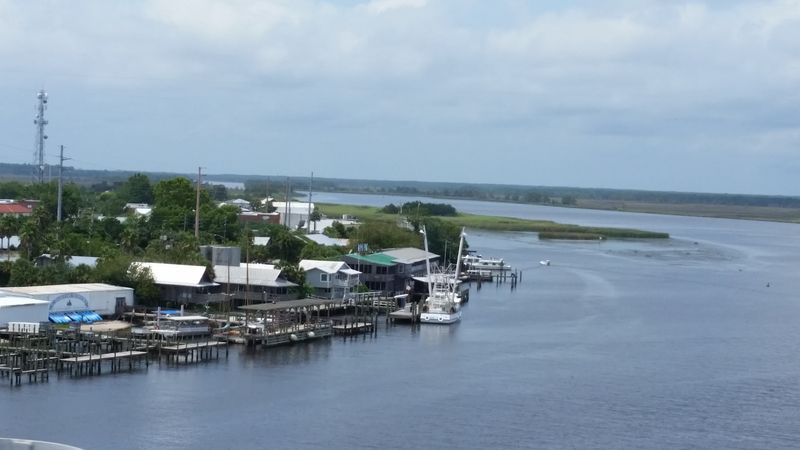
Step into Apalachicola and you’ll find something rare in modern Florida: a coastal town that kept its soul. Historic buildings line downtown streets where local businesses outnumber chain stores.
Fishing boats still work from the docks, not just sit there as decoration for tourists.
The town grew around Apalachicola Bay and its famous oyster harvest. That connection to the water remains central to local identity, shaping everything from restaurant menus to community celebrations.
Preserved architecture tells stories of timber boom days and maritime trade. Walking these streets feels like visiting the past, but in the best possible way.
Unlike beach towns that tore down history to build cookie-cutter resorts, Apalachicola chose preservation. Independent shops, family restaurants, and small inns create the kind of authentic experience travelers claim they want but rarely find.
The town proves you don’t need high-rise hotels and theme parks to attract visitors. Culture, history, and natural beauty provide plenty of draw.
Locals work to maintain this character because they understand what makes their town special isn’t just location but identity worth protecting.
Carrabelle and Carrabelle Beach
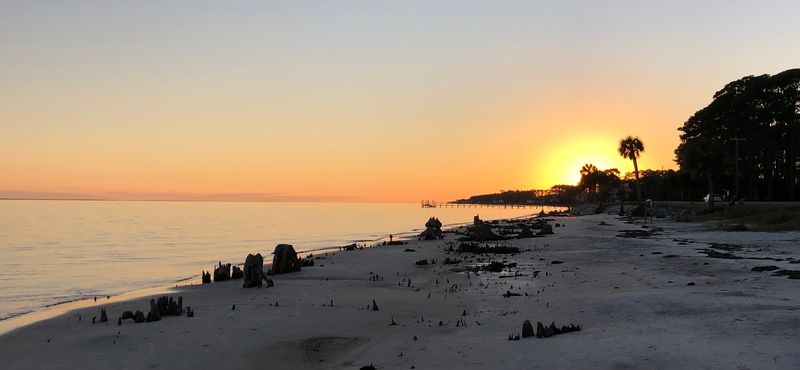
Carrabelle doesn’t try to compete with flashy beach resorts, and that’s exactly its appeal. This working waterfront town maintains the unhurried pace that once characterized all Gulf Coast communities before tourism changed everything.
Fishing remains important here, with boats heading out daily to harvest from nearby waters. The town beach offers easy access without the crowds and commercialization found elsewhere.
You can actually park close to the sand. Nearby natural areas provide hiking, birding, and exploring opportunities for people who prefer outdoor activities to shopping malls.
Small-town character defines Carrabelle’s personality. Local restaurants serve fresh seafood without tourist trap prices.
Friendly conversations happen naturally because people aren’t rushing to the next attraction. The scenery matters more than amenities here, drawing visitors who appreciate what Florida coastline looked like before developers arrived.
Carrabelle’s slower pace feels refreshing rather than boring to those seeking genuine escape. The town represents the Forgotten Coast’s working-class roots and down-to-earth attitude, proving that not every coastal community needs to become a resort destination to thrive.
St. Marks National Wildlife Refuge
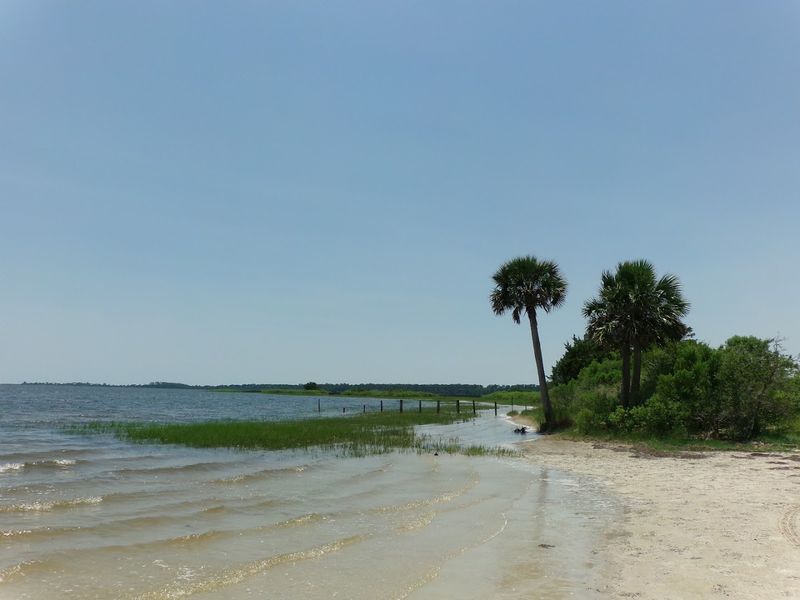
Farther east along the coast, St. Marks National Wildlife Refuge adds another major piece to the region’s conservation puzzle. Thousands of acres of protected marshes, tidal flats, and coastal waters provide critical habitat for species that depend on undisturbed natural areas.
Wildlife-rich waters attract wading birds, waterfowl, and shorebirds by the thousands during migration seasons. Observation points let visitors watch nature’s seasonal rhythms play out across vast wetlands.
Trails wind through forests and along shorelines where construction never interrupted the landscape. The refuge shows how much of this Florida coast remains shaped by tides and weather rather than bulldozers and concrete.
Protected status means future generations will find the same wild character that exists today. No marina development fragments the coastline.
No housing subdivisions drain wetlands. The refuge operates primarily for wildlife benefit, with human recreation taking a respectful second place.
Visitors leave understanding why preservation matters and what Florida loses when natural areas disappear beneath development. St. Marks reminds us that some places become more valuable by staying wild than by turning into another tourist destination.
Bald Point State Park
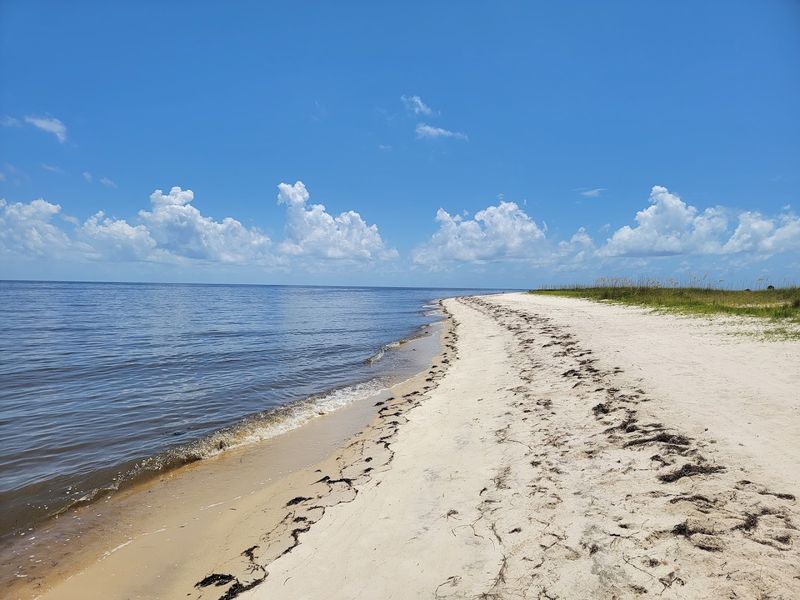
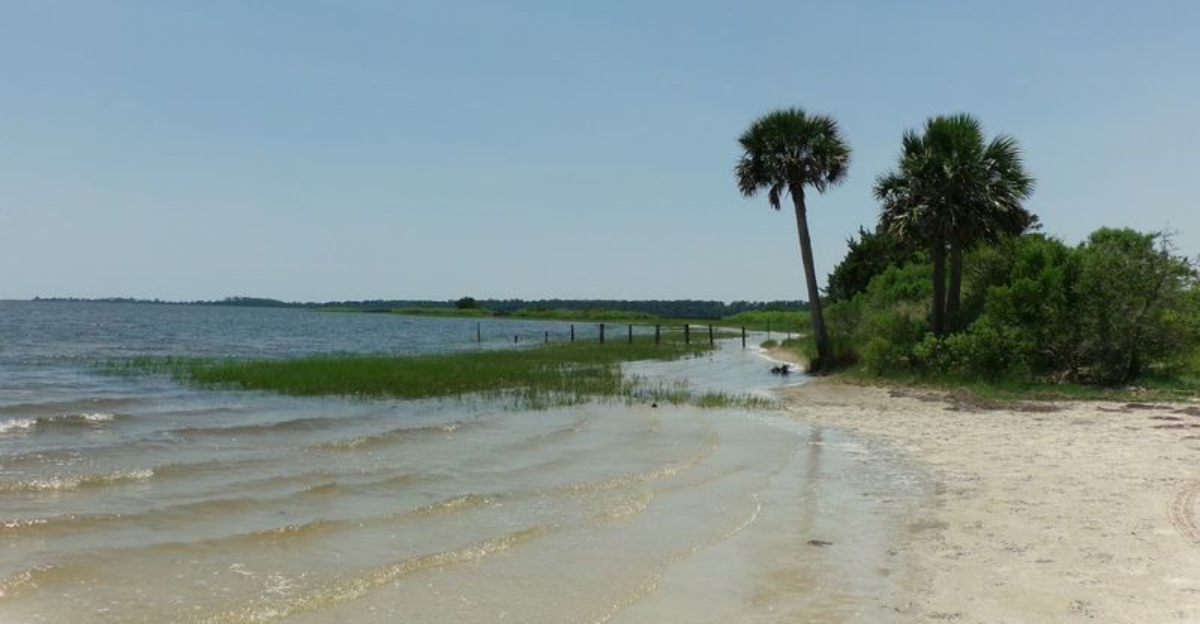
Apalachee Bay doesn’t get the same attention as Gulf Coast beaches farther west, but Bald Point State Park proves this quieter shoreline holds its own special beauty. Coastal marshes blend with maritime forests and beaches to create habitat diversity that supports remarkable wildlife populations.
Wide-open views stretch across the bay without condominiums interrupting the horizon. Sea grasses wave beneath shallow waters.
Birds nest in undisturbed areas where human activity remains minimal. The park protects a landscape that shows Florida’s less flashy but deeply scenic side, where natural communities thrive without competing with resort development.
Visitors discover peaceful beaches where shelling and bird watching beat jet skis and beach bars. Hiking trails lead through different habitats, each supporting unique plants and animals.
Fishing spots offer chances to catch dinner without fighting crowds. Bald Point represents the kind of place that disappears first when development pressure increases.
Its preservation ensures a corner of Florida’s forgotten shoreline stays wild and accessible. The park proves that protecting nature creates lasting value beyond what any development scheme promises.