


Tucked along the shores of Beaver Lake, Hobbs State Park-Conservation Area feels like a secret you will be thrilled to share. Spanning 12,000 acres of rolling Ozark hills, hardwood forests, and hidden coves, it rewards curious travelers who crave quiet trails and real nature. The visitor center, well-marked paths, and ranger programs make it easy to explore at your own pace.
Ready to discover a lesser-known gem that feels both welcoming and wild.
Visitor Center Orientation and Essentials
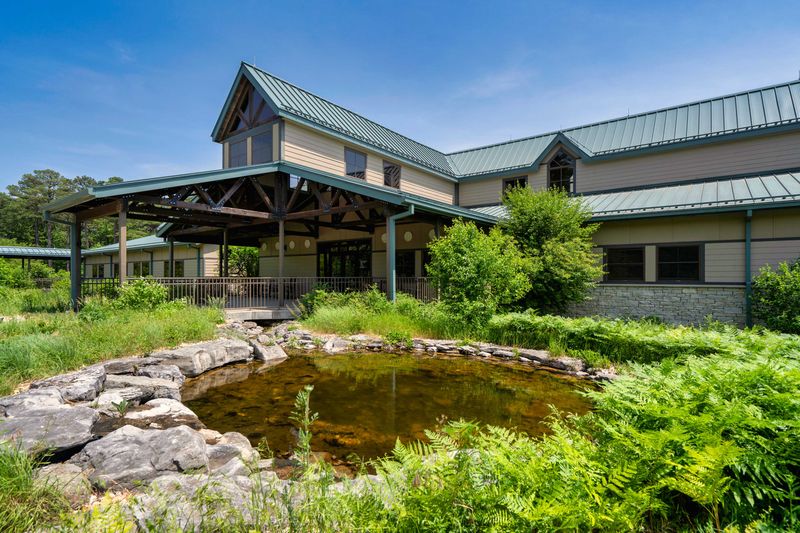
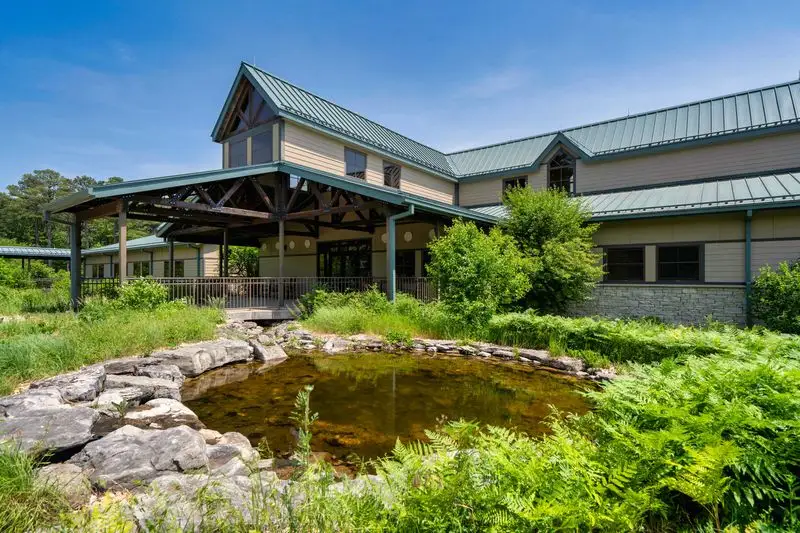
Start at the visitor center to ground your visit with smart choices. You can pick up current trail maps, ask rangers about conditions, and scan exhibits that explain the Ozark ecology you will soon walk through. The building itself is inviting, clean, and cleverly designed to frame forest views.
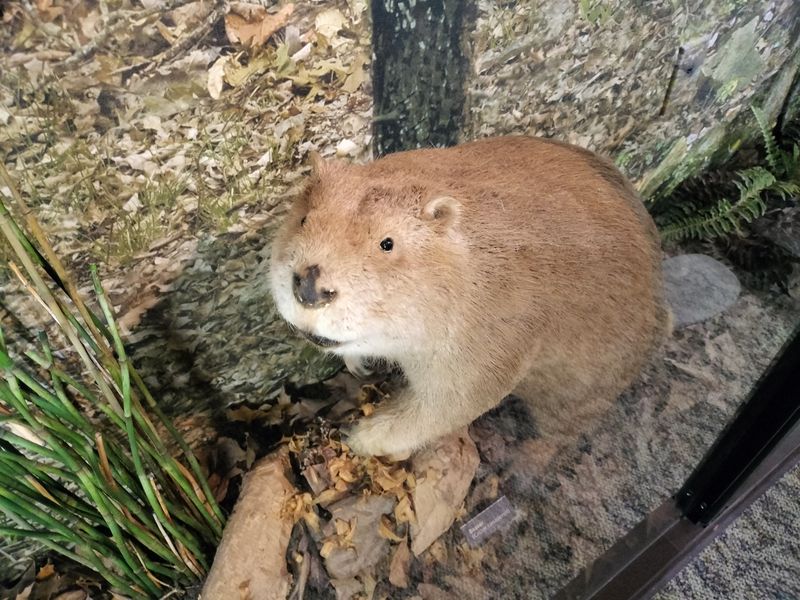
Inside, you will find timelines of local natural history, displays about black bears and songbirds, and information on how prescribed fire maintains healthy habitat. If you are traveling with kids, the hands-on exhibits and wildlife mounts make learning feel like a treasure hunt. Restrooms, water fountains, and a gift shop reduce last-minute stress.
Rangers share insights on seasonal highlights, from spring wildflowers to fall foliage and winter bald eagles. Ask about guided hikes, volunteer opportunities, and Leave No Trace tips tailored to Hobbs. Their advice can help you match trails to your fitness and time.
Before stepping out, confirm operating hours, weather shifts, and any temporary closures. Store the park phone number and download offline maps in case cell service fades. A thoughtful orientation here sets the tone for a safe, unhurried day.
Pigeon Roost Trail Backpacking Loop
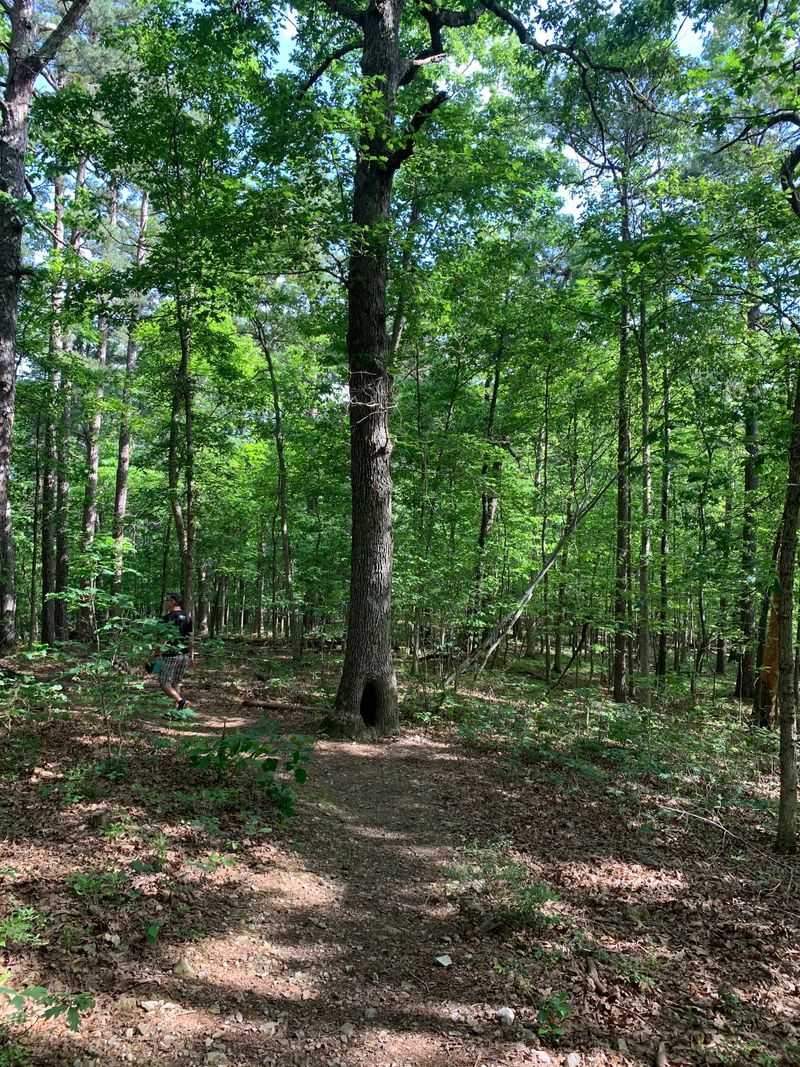
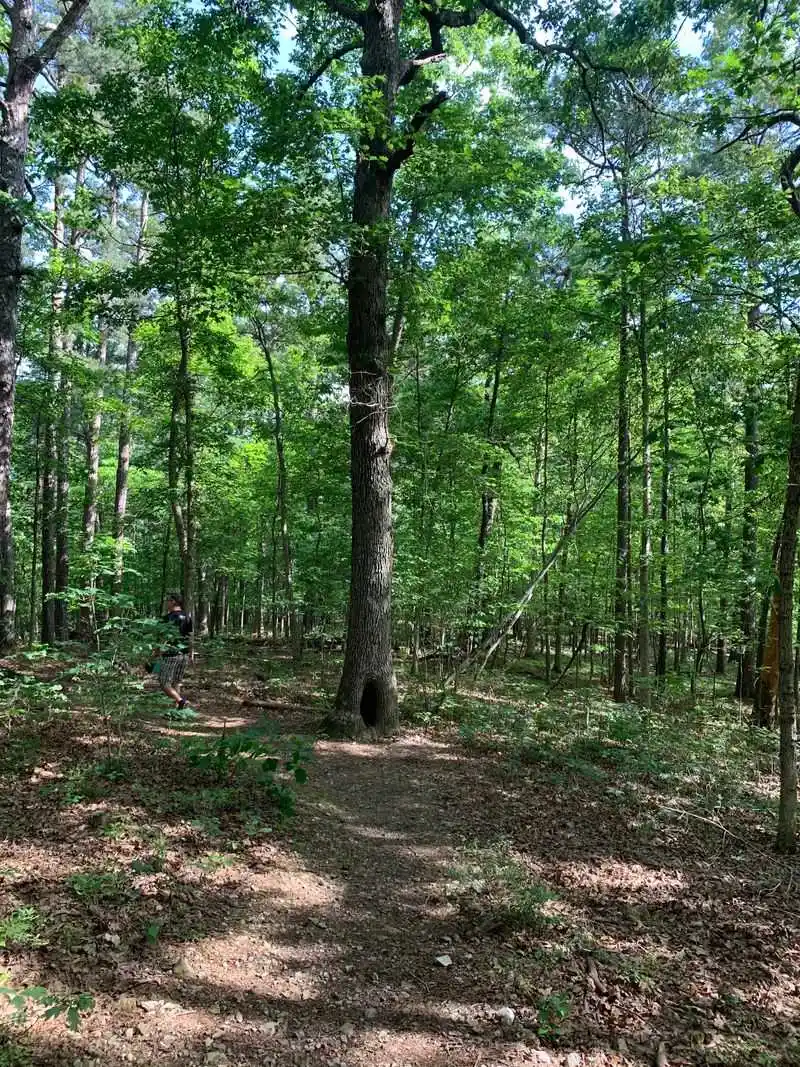
The Pigeon Roost Trail offers a satisfying loop through quiet hardwoods, with options for day hiking or an easy overnight. You will climb gently along ridgelines, then descend toward seasonal streams where sycamores brighten the understory. Wayfinding is straightforward thanks to clear blazes and junction signs.
Designated campsites make backpacking approachable, especially for newer hikers testing overnight gear. You will hear barred owls after dark and wake to woodpeckers drumming the next morning. In fall, hickory leaves rustle underfoot and the air smells faintly sweet.
Water availability changes with rainfall, so pack enough and confirm recent conditions at the visitor center.
Bring a bear-safe food storage method and follow Leave No Trace, keeping campfires in established rings if allowed. The loop profile keeps exertion moderate and scenery varied.
Expect solitude on weekdays, with a friendly trickle of hikers on weekends. The trail’s rhythm suits steady walkers who like long, unbroken stretches. If you want an Ozark backpacking sampler close to services, this loop delivers comfort, quiet, and rewarding forest time.
Shaddox Hollow Trail and Geology Stops
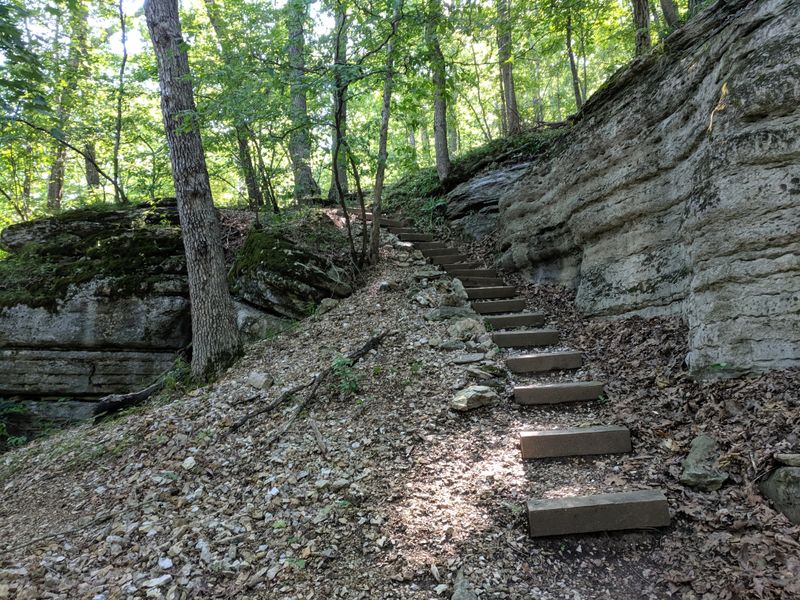
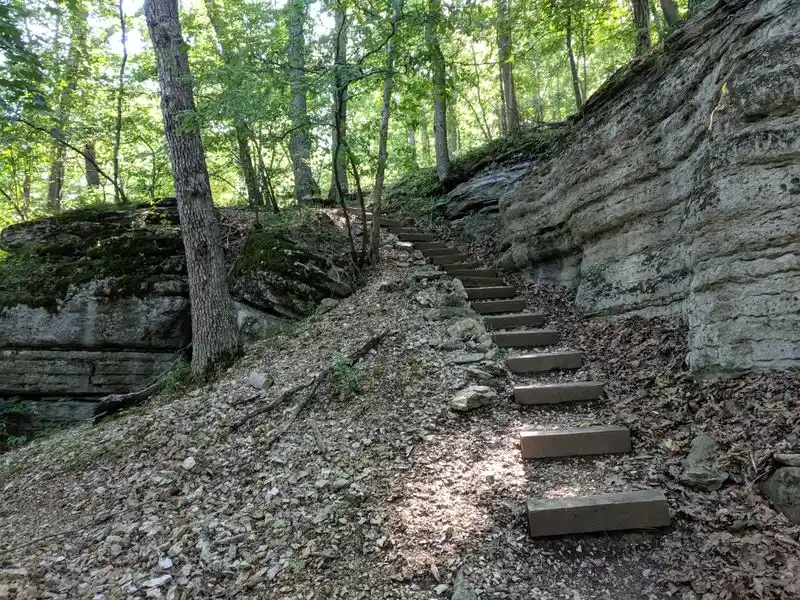
Shaddox Hollow packs dramatic geology into a relatively short hike. The path dips beneath bluffs, skirts limestone outcrops, and threads through a cool hollow where moisture-loving plants thrive. You will pass mossy stones and see patterns etched by water over long, patient centuries.
In spring, wildflowers pop along the forest floor, with trillium and Dutchman’s breeches appearing like delicate ornaments. Summer brings deep shade and occasional breezes drifting through the corridor. The trail feels intimate, perfect for slow exploration and photography.
Watch your footing on roots and rock steps, especially after rain. This is a good place to notice karst features and understand how underground streams shape the Ozarks. Interpretive signs and ranger tips add context if you ask before heading out.
Start early for quiet, linger for echoes of birdsong, and pause at the bluff base to feel the temperature drop. You will come away with a better sense of the region’s geological personality. For a compact, rewarding loop with real character, Shaddox Hollow is a can’t miss.
Beaver Lake Overlooks and Shoreline Access
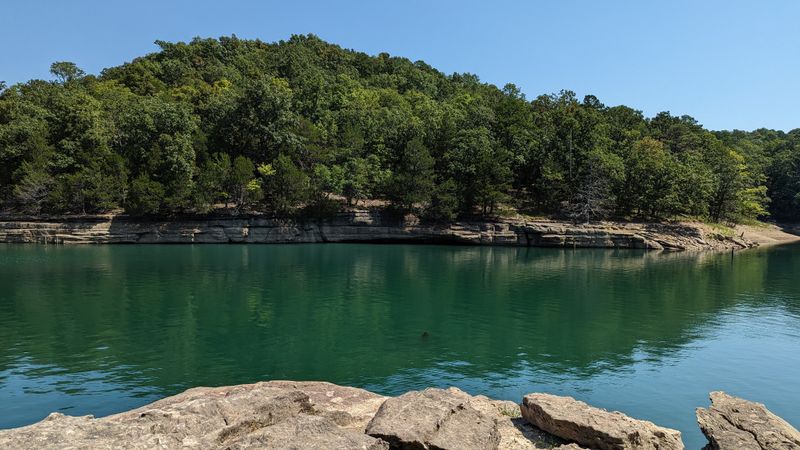
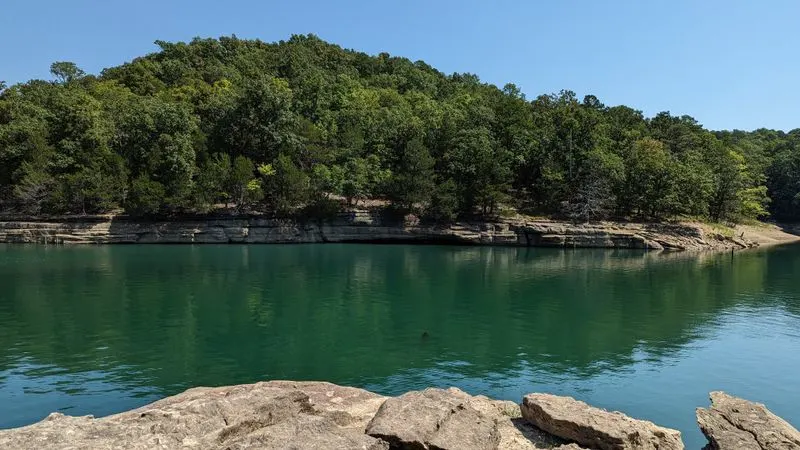
Hobbs connects directly to Beaver Lake, so you get big-water vistas without crowds. Overlooks reveal sweeping coves and tree-clad peninsulas, changing color with each season. You will feel the wind shift and watch light skip across the surface like scattered coins.
Bring binoculars for gulls, terns in migration, and occasional bald eagles. Anglers access coves for bass and crappie, while families enjoy easy shoreline picnics. The combination of forest and water keeps temperatures pleasant in shoulder seasons.
Check lake levels before planning a shoreline scramble, since exposed rock can be slick. Wear sturdy shoes and keep an eye on kids near steep banks. Sunrise and golden hour make the best photos, with soft contrast and long reflections.
If you crave quiet, walk a little farther from popular pullouts. You will often find a private perch to breathe and listen to gentle waves. For a balanced day, pair a lakeside pause with a nearby trail to stretch legs and senses.
Monarchs, Wildflowers, and Pollinator Gardens
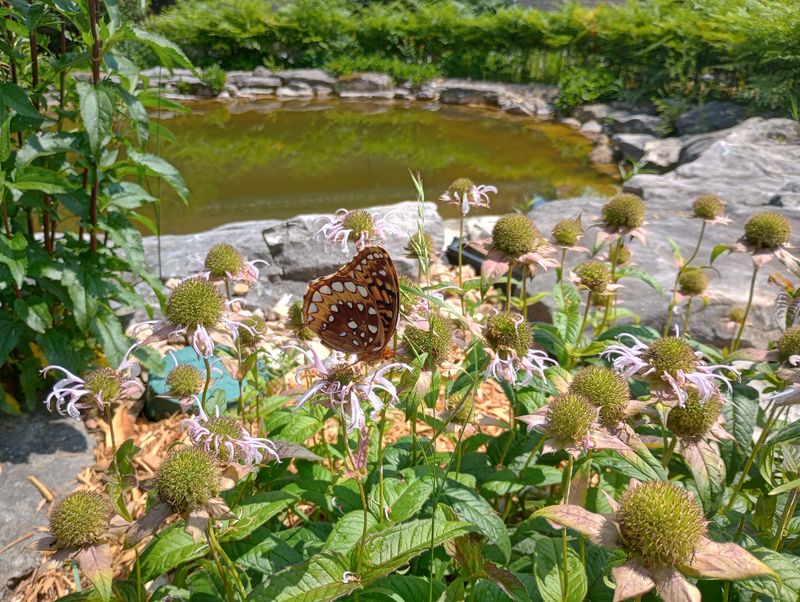
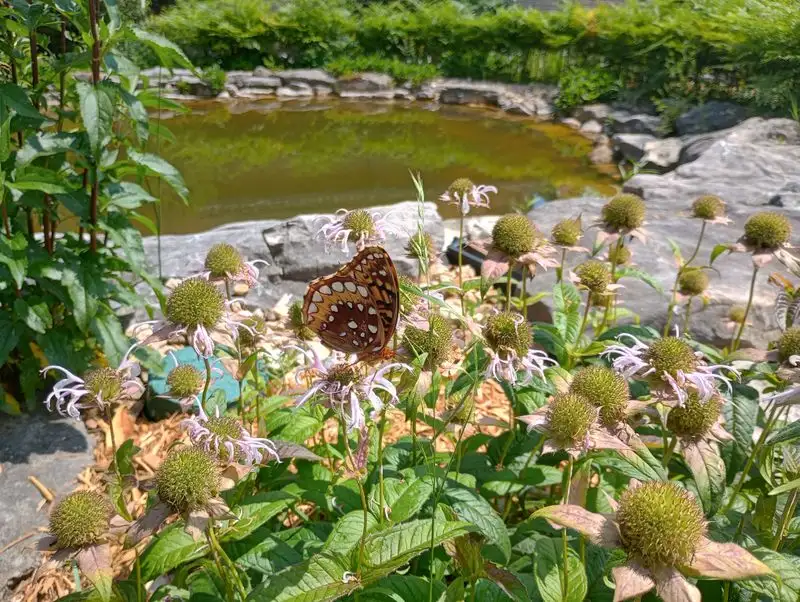
The park’s pollinator gardens and nearby meadows buzz with life from late spring through fall. You will spot monarchs sipping from milkweed, swallowtails cruising zinnias, and native bees tucked into coneflowers. It is a color show that also tells a conservation story.
Interpretive panels explain migration routes, host plants, and ways to help at home. You can learn to ID common butterflies and understand why nectar corridors matter. Kids love the close-up encounters, and photographers get endless practice with gentle wind and bright blooms.
Visit during warm, calm mornings for the best activity. Bring patience, a macro lens if you have one, and move slowly so insects settle. The garden layout encourages easy wandering without trampling sensitive plants.
Ask rangers about seasonal programs, tagging demonstrations, or guided walks focused on monarchs. You will leave with simple actions, like planting native milkweed and reducing pesticide use. In a single stop, you connect joy, science, and stewardship in a memorable way.
Shooting Range and Safe Skills Practice
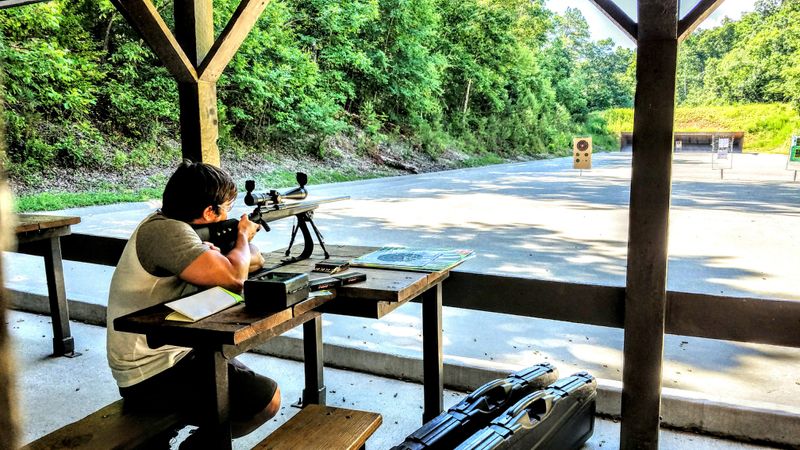

Hobbs features a well-managed shooting range where safety and etiquette come first. If you are practicing marksmanship or sighting in before hunting season, this is the right environment. Range officers and posted rules keep sessions organized and respectful.
Bring required eye and ear protection, follow lane commands, and pack out every piece of trash. You will appreciate the clear bench spaces and predictable firing cycles. New shooters can ease into skills without pressure or confusion.
Check hours and potential fees on the official site before you go. Arrive early on weekends to secure a lane and reduce wait times. If you are entirely new, observe a cycle first and ask polite questions.
The range’s setting reminds you that responsible recreation coexists with wildlife conservation. By practicing safe habits here, you reduce disturbances elsewhere in the park. It is a practical stop that supports ethical outdoor traditions.
War Eagle Historic Context and Nearby Mill
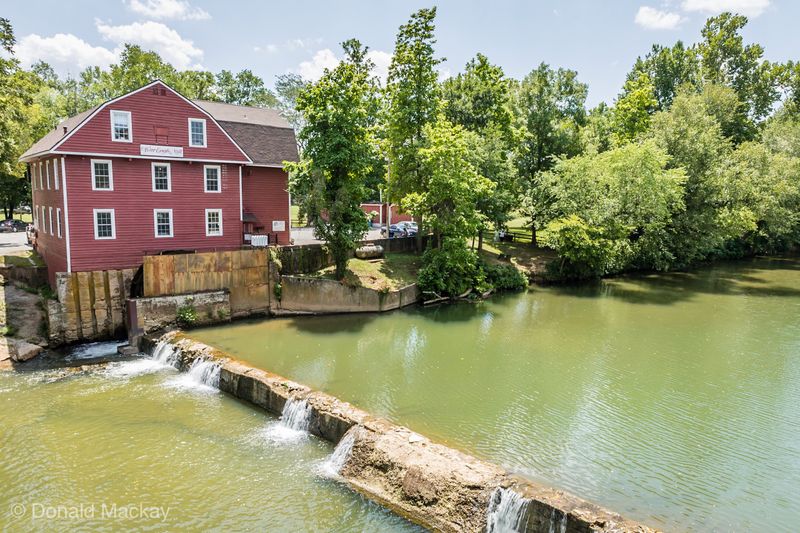

Hobbs’ landscape ties closely to War Eagle history, with old homesteads and routes threading the hills. While the famous War Eagle Mill sits just beyond park boundaries, its story enriches time on these trails. You will sense how waterways powered commerce and shaped settlement.
At the visitor center, explore exhibits about early Ozark life, timber, and farming practices. Ask rangers for context that links historic corridors to modern paths. The region’s layered past deepens every overlook and creek crossing.
If you visit the mill before or after hiking, compare textures of old timbers with the park’s surrounding hardwoods. You will notice how limestone, water, and forests intertwined in daily work. Photography enthusiasts find moody light along the riverbanks.
Back in the park, tread lightly near any cultural traces and stay on designated routes. Respecting heritage keeps fragile sites intact for future learning. Your day will feel fuller when nature and history speak in the same voice.
Guided Programs, Ranger Talks, and Kids’ Activities
Guided programs turn a good visit into an unforgettable one. Rangers at Hobbs lead talks on wildlife, fire ecology, and night skies, tailoring content for all ages. You will leave with stories and skills that make future hikes richer.
Kids have a blast with track casting, scavenger hunts, and junior naturalist challenges. The staff’s warmth keeps curiosity front and center, while parents enjoy learning alongside. Programs often align with seasonal highlights like fall colors or spring migrations.
Check the calendar on the park website for times and themes. Arrive a little early to snag shade or a front-row spot for demos. Bring water, a notebook, and a few questions to spark deeper conversation.
These talks weave science with practical tips, helping you notice more on the trail. You will walk away better prepared to identify birdsong, read clouds, or choose responsible campsites. It is the easiest way to amplify the joy of exploring Hobbs.
Wildlife Watching: Birds, Deer, and Quiet Mornings

Hobbs rewards early risers with gentle wildlife moments. Step onto a trail at dawn and listen for wood thrushes, then watch white-tailed deer slip between trees. If you move slowly, the forest reveals itself one small sound at a time.
Bring binoculars for mixed flocks at edges and near water. You will spot nuthatches, titmice, and migrating warblers in spring, with hawks riding thermals by midday. Fall adds sparrows in thickets and kinglets flitting like green sparks.
Stay on trail and give animals generous space. Do not feed wildlife, secure snacks, and keep voices low at overlooks. Your patience will be rewarded with natural behavior and better photographs.
Record sightings in a pocket notebook or an app to build a personal field list. Ask rangers about recent hotspots and any closures protecting nesting areas. With a calm pace and sharp eyes, you will collect quiet memories that last.
Mountain Biking Etiquette on Multiuse Trails
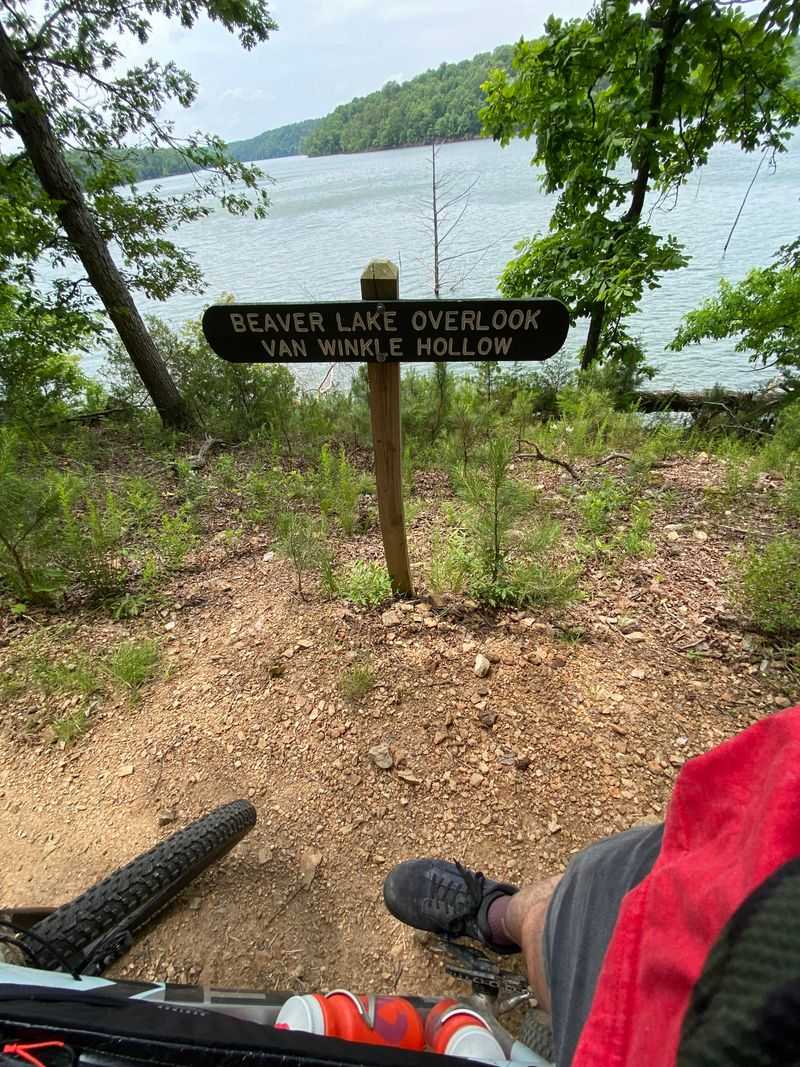
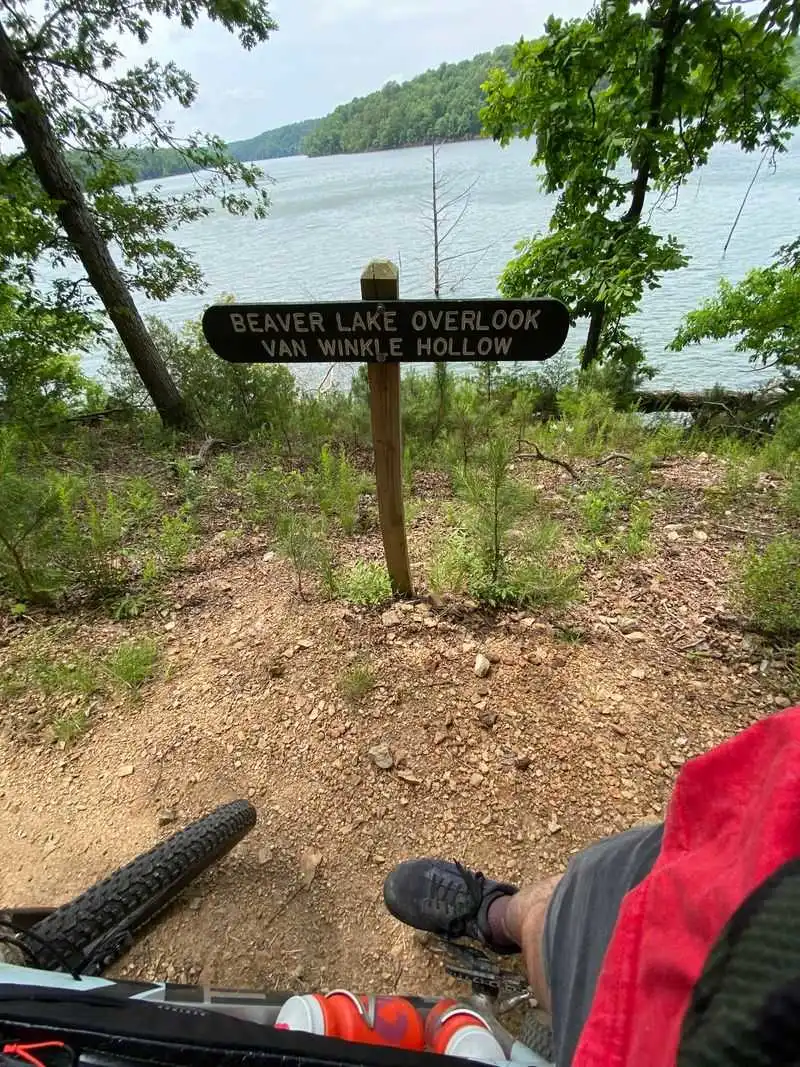
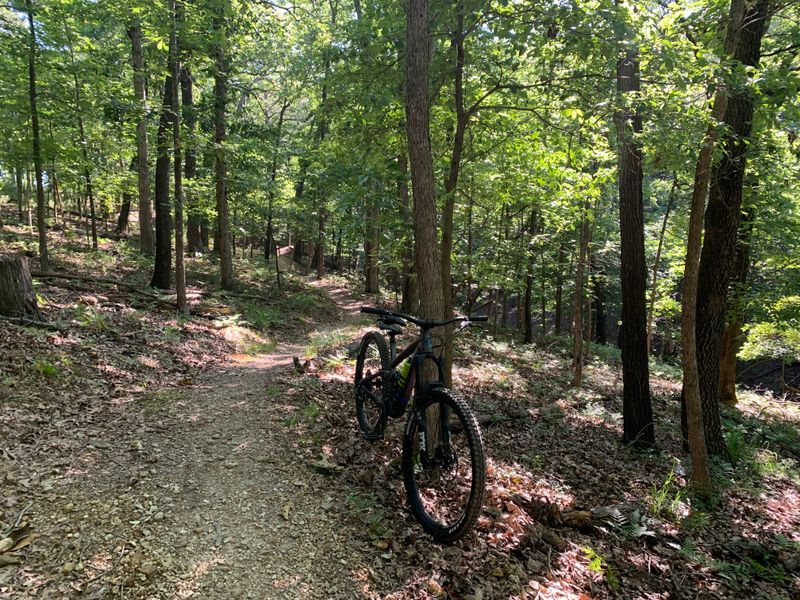
Several Hobbs trails welcome mountain biking, creating fun flow through rolling Ozark terrain. If you ride, you will appreciate sightlines, moderate grades, and a forest chorus accompanying every turn. Hikers and bikers share space, so communication keeps everyone smiling.
Yield to uphill riders and slow to a friendly greeting when passing hikers. Bells help around blind corners, and predictable lines reduce surprises. Keep speeds in check near intersections, bridges, and popular overlooks.
Check trail status after rain to avoid mud damage. Carry a basic repair kit, spare tube, and enough water for longer loops. A quick chain lube and brake check before rolling can save a day.
First-time visitors should start on easier segments to learn local character. As confidence grows, link loops for a longer sampler of terrain. You will finish grinning, legs pleasantly spent, and ready for another lap.
Seasonal Highlights: Fall Color to Winter Eagles
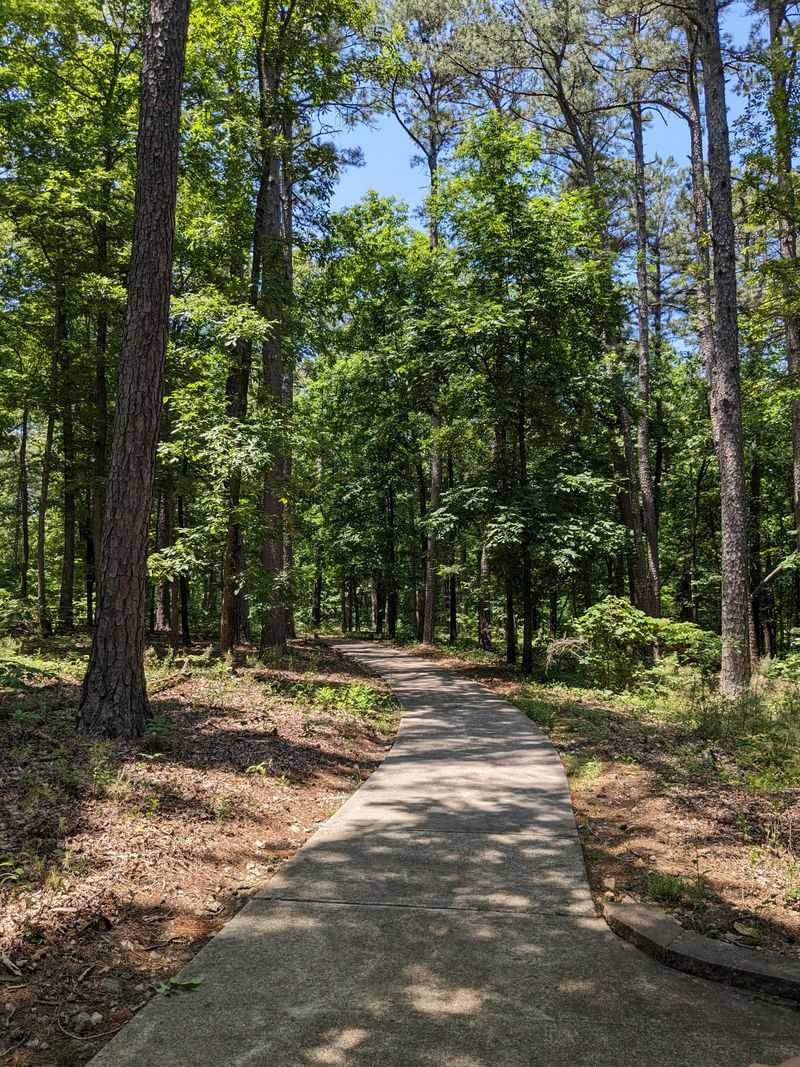
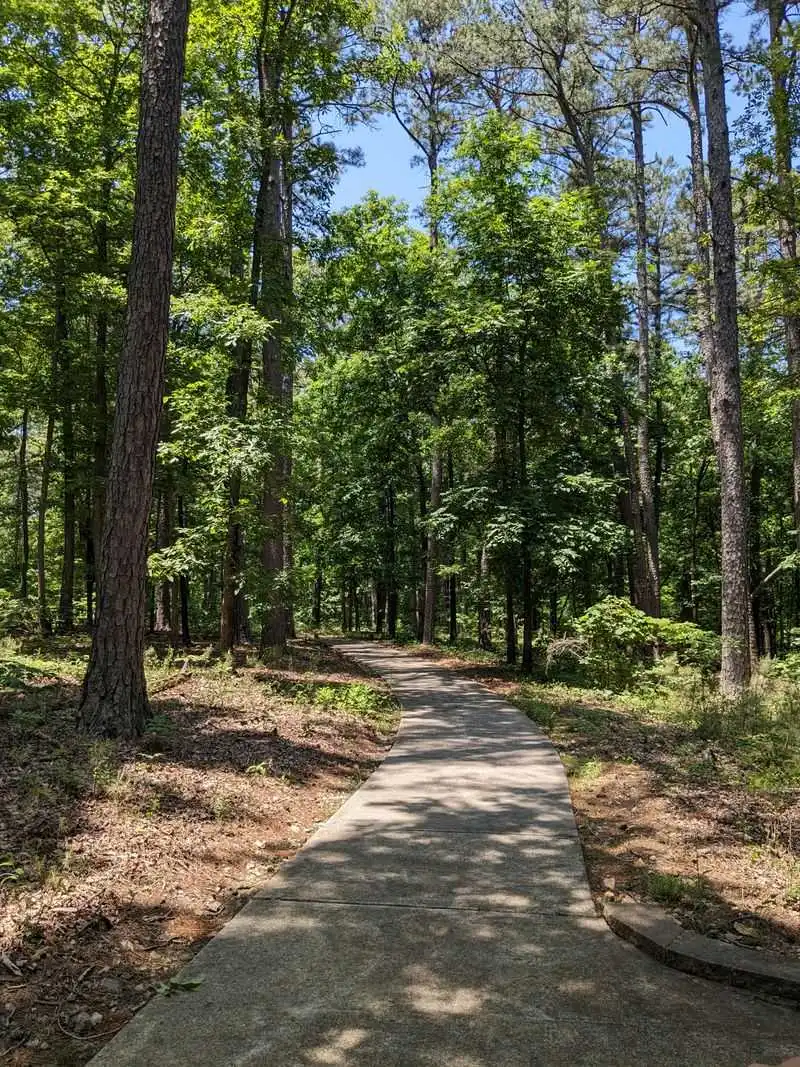
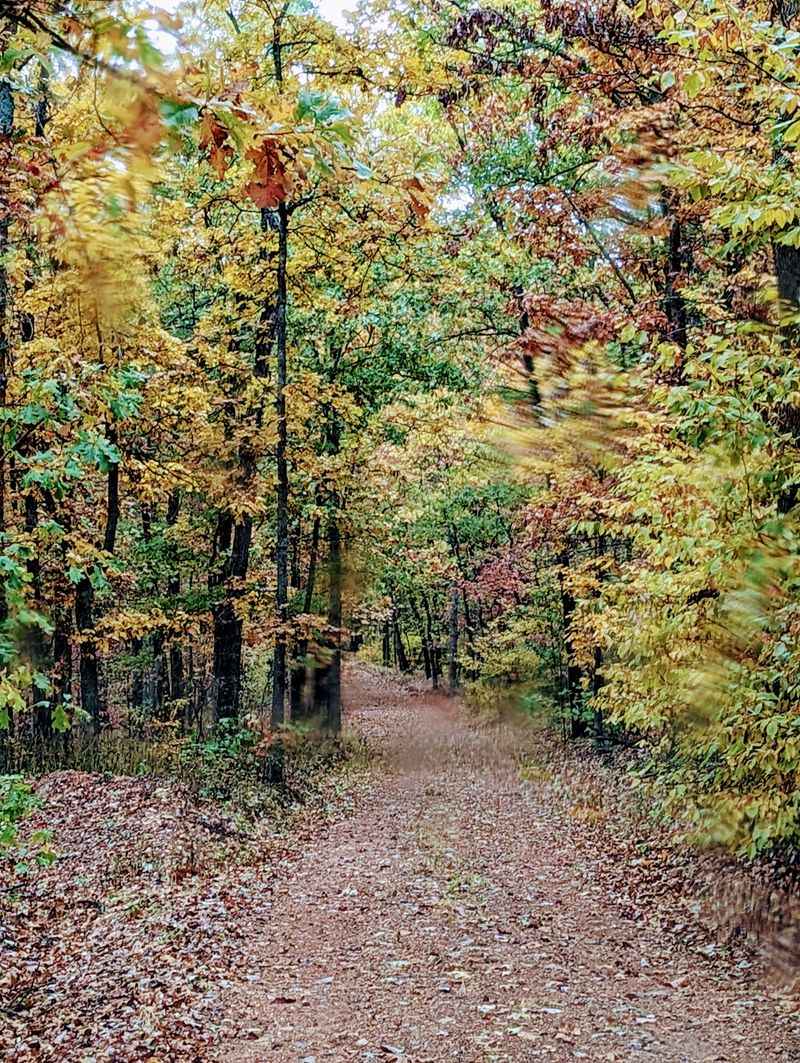
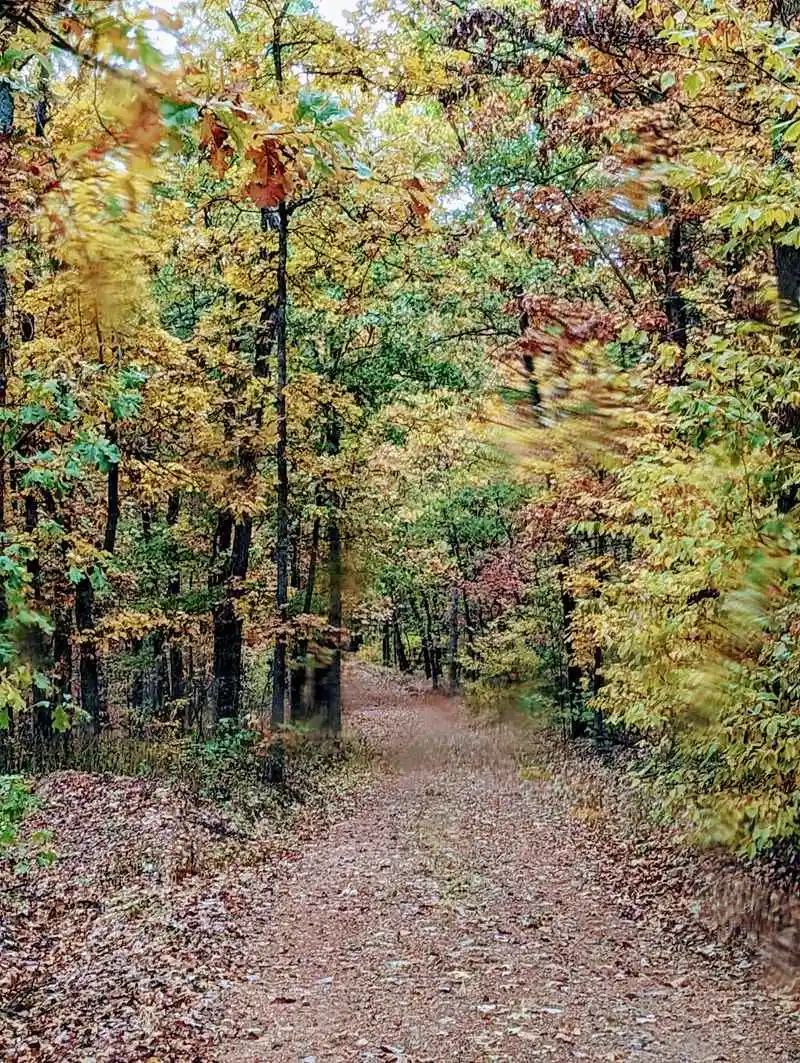
Hobbs changes shape with each season, giving you reasons to return. Spring brings dogwood blooms and warbler songs, while summer offers deep shade and lake breezes. Fall steals the show with hickory golds and maple reds sweeping the ridges.
Winter opens long views and quiet trails, plus the chance to spot bald eagles near Beaver Lake. Dress in layers and savor the crisp air that sharpens every sound. Trails feel renewed, with rock textures suddenly more visible.
Time your visits around shoulder seasons if you prefer fewer crowds. Early mornings and weekdays almost guarantee roomy parking and calm overlooks. Carry a thermos for chilly sit spots and an extra buff for wind.
Check the park’s events for seasonal walks, star parties, or wildlife talks. You will learn subtle cues that signal migrations, bloom windows, and rut activity. Each season adds a distinct flavor to the same familiar paths.
Practical Logistics: Hours, Safety, and Leave No Trace
Hobbs is open daily 8 AM to 5 PM, with the visitor center aligning to those hours. Always check the official website or call for updates, especially around holidays or weather events. You will avoid surprises by confirming trail or range closures.
Cell service varies, so download offline maps and tell someone your plan. Pack the ten essentials: water, snacks, layers, first aid, navigation, sun protection, and a headlamp. Simple redundancy turns small hiccups into non-issues.
Leave No Trace keeps this park wild and welcoming. Stay on durable surfaces, pack out trash, and respect wildlife distance. If you bring a dog, follow leash rules and mind hot surfaces in midsummer.
Parking fills on sunny Saturdays, so arrive early or target weekdays. Keep an eye on time to exit before gates close, and do a last-minute gear sweep. With a tidy plan and flexible mindset, your day will flow beautifully.