
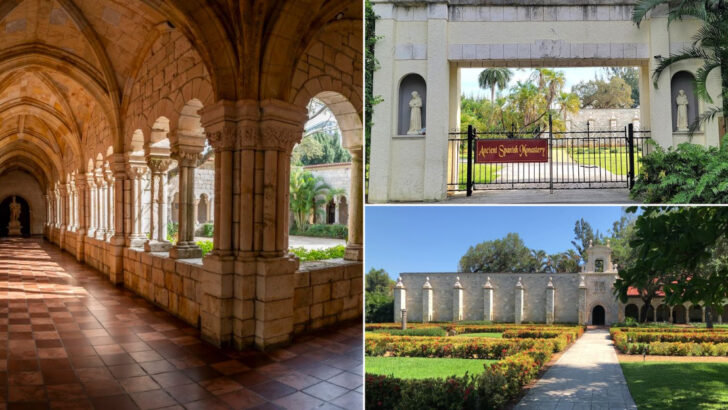
What if a medieval monastery quietly crossed the Atlantic and started a second life in Florida? That’s the unbelievable story behind the Ancient Spanish Monastery—a stone-by-stone survivor from 12th-century Spain.
More than 900 years ago, monks walked its cloisters in Europe. Centuries later, the entire structure was dismantled, packed into thousands of crates, and shipped across the ocean.
The journey was chaotic, dramatic, and filled with setbacks that almost erased the project completely.
For years, the stones sat forgotten in storage, waiting for someone brave enough to solve a massive architectural puzzle. Piece by piece, experts studied the blocks, matched them together, and slowly brought the monastery back to life in North Miami Beach.
Today, visitors wander quiet courtyards, pass under ancient arches, and realize something incredible—these stones once stood in medieval Spain. Few places in America carry a story this wild, where history literally sailed across an ocean.
The Incredible Origin Story of the Monastery
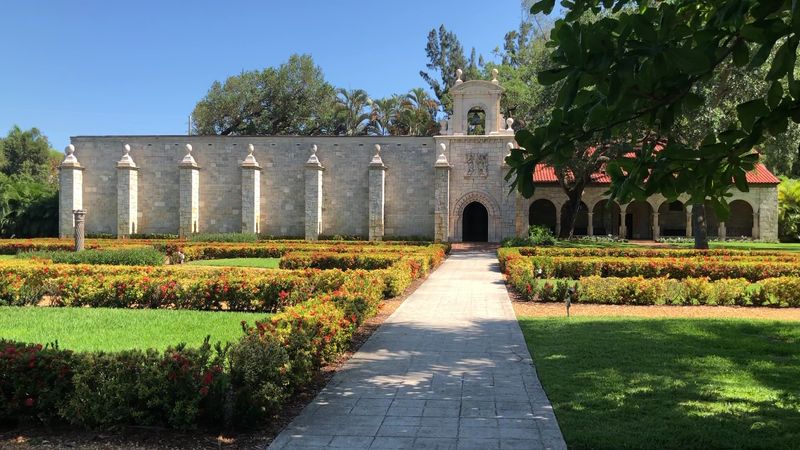
Back in 1133 AD, a group of Cistercian monks began building a monastery in the small town of Sacramenia in the Segovia province of Spain. They called it the Monastery of Our Lady, Queen of the Angels, and for nearly 700 years it served as an active religious community.
Monks prayed, worked, and lived within its ancient stone walls, making it a deeply sacred place rooted in centuries of faith.
Over time, the monastery changed hands and purposes. By the 1800s, it was no longer functioning as an active religious house and eventually fell into disrepair.
Spanish government reforms during that era led to many religious properties being sold off or abandoned, and this monastery was no exception.
What makes this origin story so remarkable is that a building so old and so historically significant would one day find a new home thousands of miles away in Florida. The monastery’s journey from a quiet Spanish hillside to a sunny South Florida neighborhood is one of the most unusual relocation stories in architectural history.
Time magazine once famously called the reassembly process the largest jigsaw puzzle ever attempted, a description that perfectly captures just how extraordinary this entire adventure truly was.
William Randolph Hearst and the Purchase of a Lifetime

Few people in American history had the resources or the boldness to buy a medieval monastery and ship it across the ocean. William Randolph Hearst, the famous newspaper magnate and one of the wealthiest men of the early 20th century, did exactly that.
In 1925, he purchased the monastery’s cloisters and other architectural elements for around 500,000 dollars, an enormous sum at the time.
Hearst had a well-known passion for European art, antiques, and architecture. He dreamed of incorporating the monastery’s stunning stonework into a grand estate he was building in California.
Workers in Spain carefully dismantled the monastery piece by piece, numbering each stone so it could eventually be reassembled in the correct order. More than 11,000 wooden crates were packed and shipped to New York.
However, things did not go according to plan. When the crates arrived in the United States, U.S. customs officials quarantined the packing straw inside them due to concerns about a hoof-and-mouth disease outbreak in Spain.
The straw was removed and the numbered stones were mixed together chaotically. Hearst never managed to reassemble the monastery, and the crates sat in a Brooklyn warehouse for over two decades, waiting for their next chapter.
The Chaotic Crate Situation That Stumped Everyone
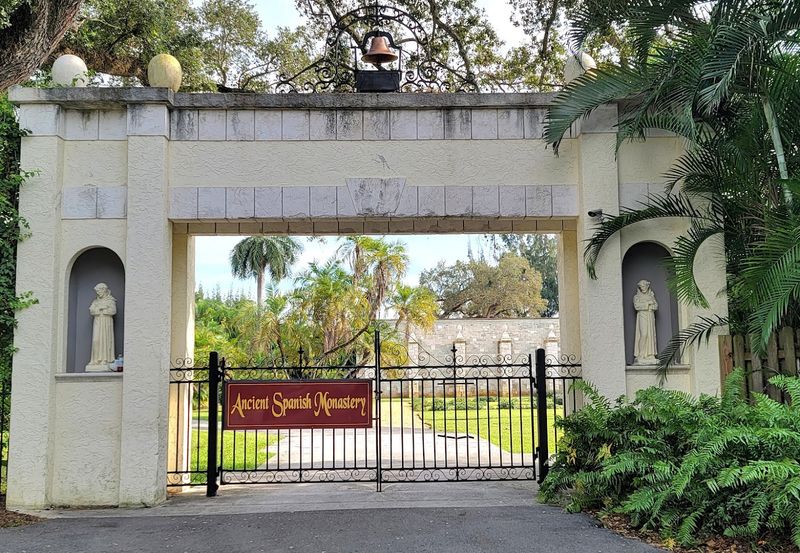
Imagine receiving 11,000 crates filled with thousands of individually cut stones, with all the original numbering mixed up and no clear instructions for putting them back together. That was exactly the nightmare situation that unfolded after U.S. customs officials intervened upon the monastery’s arrival in New York in 1926.
The quarantine process meant workers had to dump out all the packing straw, completely scrambling the careful labeling system.
For years, those crates sat in a Brooklyn warehouse collecting dust. William Randolph Hearst struggled financially during the Great Depression and was never able to fund the massive reconstruction project.
When he died in 1951, the monastery stones were still sitting in storage, essentially a giant, expensive, ancient puzzle with no solution in sight.
Eventually, the crates were purchased by two Florida entrepreneurs, W. Edgemon and Raymond Moss, for around 19,000 dollars.
They hired a team of experts, including architects and historians, to begin the painstaking task of figuring out how each stone fit together. The process took about 19 months and required enormous patience and detective work.
Remarkably, the team succeeded, and the rebuilt cloister stands today as a testament to human determination and the love of preserving history.
The Remarkable Reconstruction Process in Florida

Putting an 800-year-old Spanish monastery back together in Florida was no small task. After purchasing the crates from Hearst’s estate, W.
Edgemon and Raymond Moss brought in skilled craftspeople and historians who studied old photographs, architectural records, and the stones themselves to figure out how everything fit. Think of it like solving a puzzle where half the picture on the box has been torn away.
The reconstruction took place in North Miami Beach, where the warm climate and lush surroundings actually complemented the monastery’s old-world atmosphere beautifully. Workers painstakingly matched stones, rebuilt arches, and restored columns over a period of about 19 months.
Some stones were beyond saving, so period-appropriate replacements were carefully crafted to blend seamlessly with the originals.
By 1954, the Ancient Spanish Monastery was ready to open its doors to the public. The Episcopal Diocese of South Florida eventually acquired the property and transformed it into an active church.
Today, Sunday masses are held regularly within its ancient walls, giving the space a living, breathing spiritual purpose once again. Visitors often describe the feeling of standing inside as surreal — knowing that the stones around them were originally laid by monks in medieval Spain nearly 900 years ago is a genuinely humbling experience.
The Architecture: Romanesque Beauty Frozen in Time

Walking through the Ancient Spanish Monastery feels like flipping through the pages of a medieval history book. The architectural style is Romanesque, which was the dominant style of church construction in Europe between the 9th and 12th centuries.
Romanesque buildings are known for their thick stone walls, rounded arches, and a sense of solid, enduring strength that seems to say, “We were built to last forever.”
The cloisters — the covered walkways surrounding the central courtyard — are the true heart of the monastery. Slender stone columns support beautifully carved arches, and intricate details in the stonework reveal the incredible skill of the craftsmen who built them nearly 900 years ago.
Each capital, the decorative top of each column, features unique carvings of plants, animals, and biblical scenes.
The central garden courtyard is filled with tropical Florida plants that somehow feel perfectly at home among the ancient stones. Towering banyan trees, lush greenery, and colorful flowers create a peaceful contrast against the gray medieval stonework.
Many visitors say the combination of old-world European architecture and vibrant Florida nature gives the monastery a uniquely magical atmosphere. Photographers absolutely love it here, and it is easy to understand why every single angle seems to offer a breathtaking shot.
Medieval Stained Glass That Survived the Centuries

Among the many treasures inside the Ancient Spanish Monastery, the medieval stained glass windows hold a special place in visitors’ hearts. These windows are not modern reproductions — they are genuine pieces of medieval European craftsmanship, some dating back centuries.
When sunlight streams through them, the chapel fills with pools of rich color that feel almost otherworldly.
Stained glass has been an important part of Christian church architecture since the early Middle Ages. The art form was used to tell biblical stories to worshippers who could not read, turning walls of glass into visual sermons.
Standing before these windows at the Ancient Spanish Monastery, you are looking at the same images that medieval monks and worshippers gazed upon hundreds of years ago in Europe.
One visitor review specifically called out the stained glass as a highlight of their entire visit, saying they were especially moved by touching history that is hundreds of years old. The chapel’s atmosphere, enhanced by the glowing windows, creates a space that feels genuinely sacred and timeless.
Whether you are religious or not, the emotional impact of standing in a room filled with centuries-old colored light is something that is very hard to put into words until you experience it yourself.
The Peaceful Gardens, Labyrinth, and Outdoor Spaces

Beyond the ancient stone walls, the grounds of the Ancient Spanish Monastery offer some of the most peaceful outdoor spaces in all of South Florida. The well-maintained gardens are filled with tropical plants, flowering shrubs, and magnificent banyan trees whose massive roots and sprawling canopies create a cathedral-like effect all on their own.
Spending time here feels like pressing a pause button on the busy world outside.
One of the more surprising features of the property is the labyrinth, a winding path laid out in a traditional medieval style. Labyrinths were popular in medieval Europe as tools for meditation and spiritual reflection.
The monastery’s labyrinth sits in a wooded area and has a rustic, primitive quality that feels entirely authentic. Benches have been added along the way so visitors can sit, breathe, and simply enjoy the green surroundings.
The outdoor spaces also serve as a popular backdrop for photography, weddings, and quiet personal reflection. Multiple visitors have mentioned how the combination of ancient architecture and lush Florida greenery creates a setting unlike anything else in the region.
One reviewer described the energy of the land as incredible, noting that the banyan trees and gardens add a layer of natural magic to the already extraordinary historical atmosphere of the entire property.
A Living Church: Sunday Mass and Active Worship
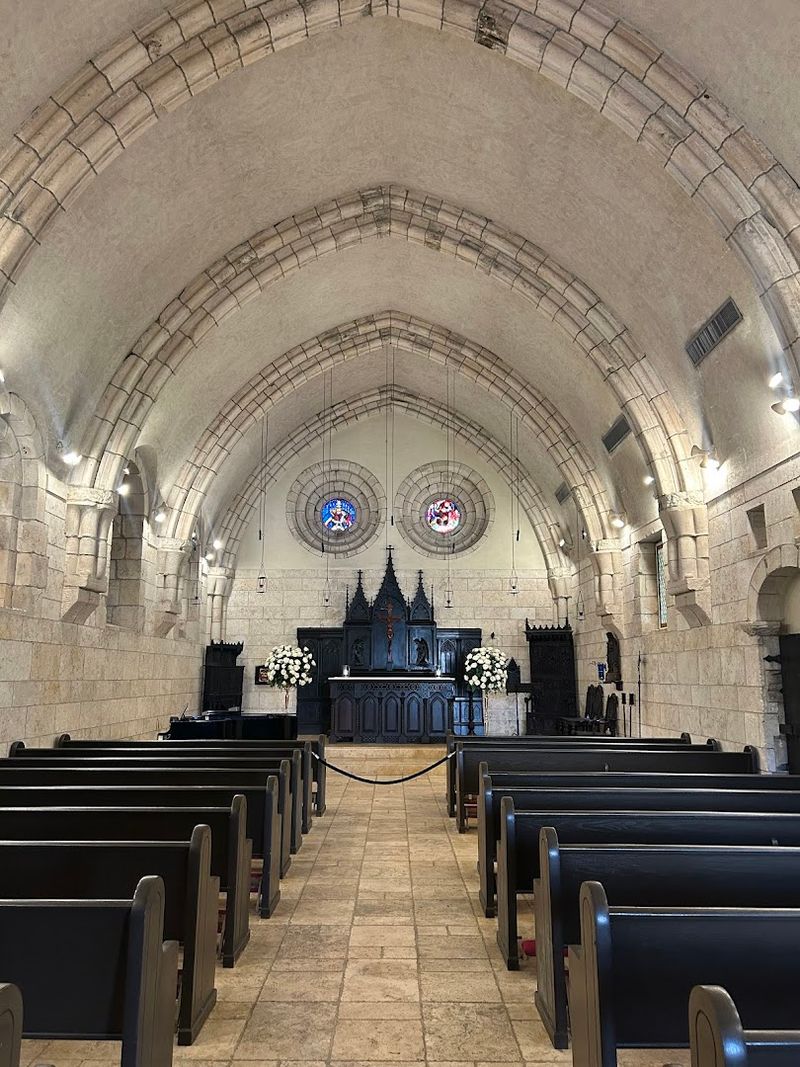
Unlike many historical landmarks that function purely as museums, the Ancient Spanish Monastery is very much a living, active place of worship. The Episcopal Diocese of South Florida owns and operates the property, and regular Sunday masses are held inside the chapel throughout the year.
Hearing prayers and hymns echo off 12th-century stone walls is an experience that blends past and present in the most profound way imaginable.
The fact that this space continues to serve its original spiritual purpose adds a layer of authenticity that museum displays simply cannot replicate. When you attend a service here, you are participating in a tradition of worship that stretches back nearly nine centuries, connecting you to generations of monks, worshippers, and seekers who have stood in the same sacred space across multiple continents.
Visitors who are not members of the congregation are still welcome to experience the monastery through guided tours and self-guided walks during regular visiting hours. The staff is known for being warm and welcoming, with tour guides who bring the history to life through engaging stories and detailed explanations.
One reviewer specifically praised their tour guide Alan for making the experience especially worthwhile. Coming here is not just sightseeing — it is a genuine encounter with living history that stays with you long after you leave.
A Dream Wedding Venue Unlike Any Other in Florida

Ask anyone who has attended a wedding at the Ancient Spanish Monastery and they will likely run out of superlatives before they run out of things to say. The combination of 900-year-old stone arches, lush tropical gardens, and an atmosphere of timeless romance makes this one of the most sought-after wedding venues in all of South Florida.
Couples who marry here are not just choosing a beautiful backdrop — they are choosing a story.
Several visitor reviews gush about attending weddings here, with one guest describing the venue as absolutely gorgeous from start to finish. Another reviewer shared how their son’s wedding at the monastery was an incredible experience full of history and natural beauty.
Even wedding photographers rave about the location, noting that every corner offers a breathtaking backdrop that requires almost no additional decoration.
The monastery staff handles events with professionalism and genuine care, ensuring that each celebration feels as special as the setting deserves. From intimate ceremonies in the chapel to larger receptions in the garden courtyards, the venue adapts beautifully to different wedding styles and sizes.
If you are planning a wedding in South Florida and want something truly unforgettable, the Ancient Spanish Monastery belongs at the very top of your list of places to consider visiting and booking.
Practical Tips for Visiting the Ancient Spanish Monastery

Planning a visit to the Ancient Spanish Monastery is pretty straightforward, and the experience is well worth every bit of effort. The monastery is located at 16711 W Dixie Hwy in North Miami Beach, Florida, and parking is free and plentiful right on the property.
The admission price is affordable, making it accessible for families, solo travelers, and school groups alike. The monastery earns a well-deserved 4.5-star rating from over 1,600 reviews.
When you arrive, be sure to pick up the paper brochure at the entrance. Multiple visitors recommend it as an excellent companion for a self-guided walk, offering historical context and explanations for each area of the property.
Guided tours are also available and are highly recommended for anyone who wants the full story behind every stone and artifact. Tour guides bring genuine enthusiasm and deep knowledge to the experience.
A few fun tips from regular visitors: bring cat food if you love animals, as a small colony of friendly stray cats calls the monastery grounds home and donations of food are warmly appreciated. Dress comfortably for walking, but be aware that the staff may consider professional photography attire as grounds for a different admission tier.
Check the official website at spanishmonastery.com or call 305-945-1461 before your visit to confirm hours, tour times, and any special events happening during your trip.