

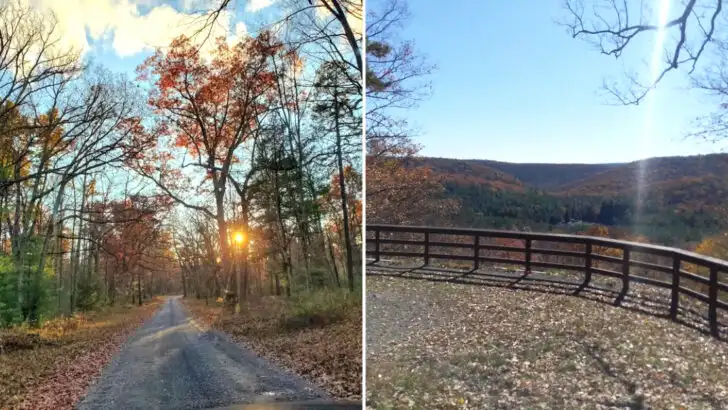
Escape the chaos — this forest swallows it whole.
Stretching across 190,000 acres, Bald Eagle State Forest is a world where trees tower, trails wind endlessly, and the air feels impossibly clean. Here, the hum of civilization fades until all you hear is the whisper of leaves and the occasional call of a distant bird.
Hiking paths lead through thick hardwoods, over ridges, and along sparkling streams. Each step feels like peeling away layers of everyday stress, replaced by quiet awe.
Campgrounds are tucked into hidden clearings, far from other campers. Nights here are a theater of stars, with campfires crackling like tiny beacons of warmth and comfort.
This isn’t just a forest. It’s a retreat.
A pause button pressed in the heart of Pennsylvania mountains. Step in, breathe deep, and let the quiet stretch your soul.
The Sheer Scale of Bald Eagle State Forest

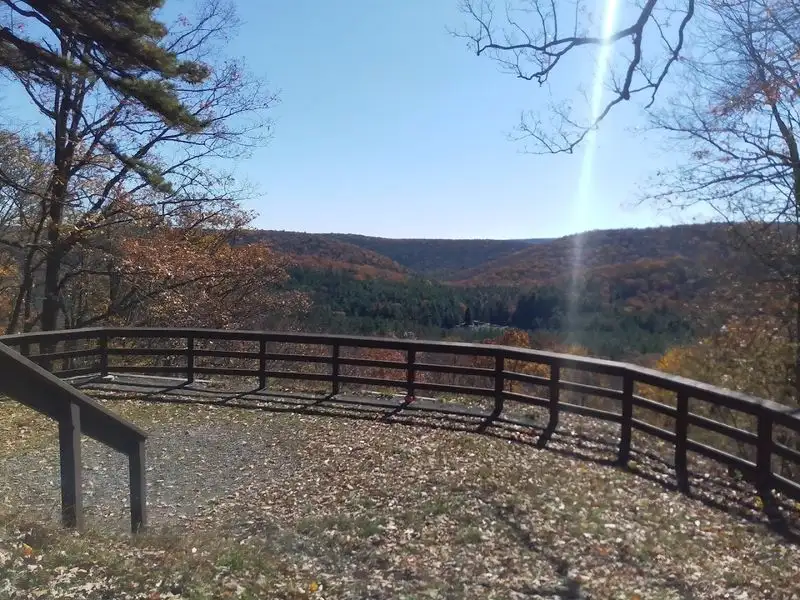
Few places in the eastern United States can match the raw size of Bald Eagle State Forest. Spanning approximately 190,000 acres across Centre, Clinton, Mifflin, and Union counties, this forest is one of the largest state forests in Pennsylvania.
That kind of scale means you can spend days exploring without ever crossing the same trail twice.
The forest sits within the Ridge and Valley physiographic province, meaning the land rolls through long, narrow mountain ridges separated by scenic valleys. Bald Eagle Mountain itself forms a prominent spine running through much of the forest, giving the area its distinctive rugged character.
Visitors often remark that the sheer size of the forest creates a genuine sense of solitude that is hard to find in smaller parks. You can drive deep into the forest on gravel roads and feel like you have the whole place to yourself.
For anyone craving wide-open spaces without crowds, this forest delivers in a way that few other places in the Mid-Atlantic region can match. The expansive acreage also supports a rich diversity of ecosystems, from mountain ridgelines to forested wetlands.
Miles of Trails for Every Skill Level

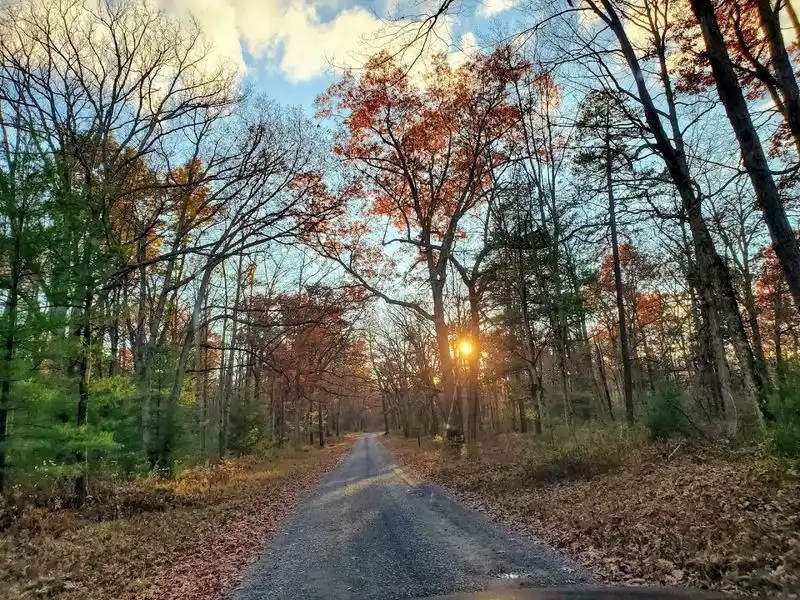
Bald Eagle State Forest is threaded with hundreds of miles of trails ranging from easy woodland walks to challenging ridge-top routes. Hikers of all experience levels can find something that fits their pace, making the forest accessible to beginners and rewarding for seasoned trekkers.
One of the most popular long-distance options is the Bald Eagle Trail, a rugged route that runs for about 100 miles through the heart of the forest. Backpackers who tackle the full length are treated to a constantly changing landscape of hardwood ridges, mountain streams, and quiet hollows.
Day hikers can access shorter segments from multiple trailheads scattered throughout the forest.
Trail conditions vary by season, so checking with the Pennsylvania Bureau of Forestry before your trip is always a smart move. Spring brings muddy sections and blooming wildflowers, while autumn transforms the ridges into a blaze of orange, red, and gold.
Several trails connect to neighboring Rothrock State Forest, giving adventurous hikers even more ground to cover. Comfortable hiking boots, a detailed map, and plenty of water are must-haves before heading out on any of the longer routes here.
Dispersed Camping Deep in the Woods
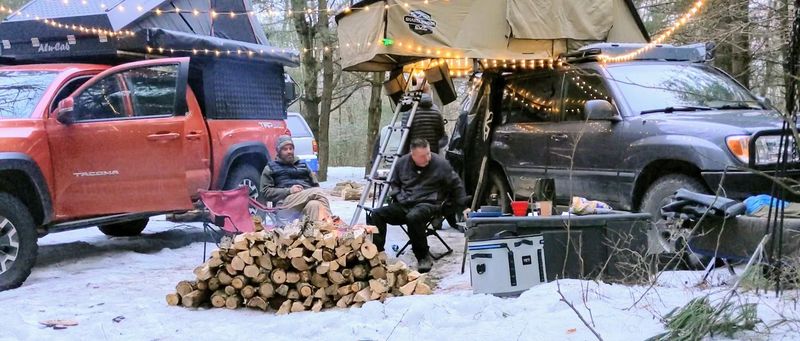
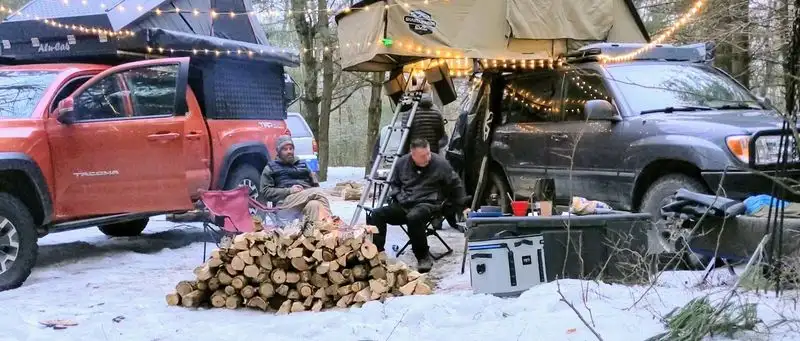
Camping at Bald Eagle State Forest is not your typical campground experience. The forest allows dispersed camping, which means you can set up your tent almost anywhere within the forest boundaries as long as you follow state regulations and obtain a free camping permit through the Pennsylvania Bureau of Forestry reservation system.
Dispersed camping puts you right in the middle of the wilderness, far from noisy neighbors and crowded loops. Waking up to birdsong and the rustle of leaves, with no camp store or electric hookup in sight, is exactly the kind of reset many people are searching for.
It takes a little more planning than a traditional campground, but the payoff is genuine backcountry solitude.
Campers should practice Leave No Trace principles carefully, packing out all trash and keeping fire rings small and contained. Some visitors have noted that popular sites can accumulate litter, so arriving prepared to clean up after yourself and others makes a real difference.
Water sources exist throughout the forest, but always treat or filter before drinking. Dispersed camping here is free, which makes it one of the best budget-friendly outdoor escapes in all of Pennsylvania for those who love sleeping under the stars.
Poe Valley and Poe Paddy State Parks Nearby
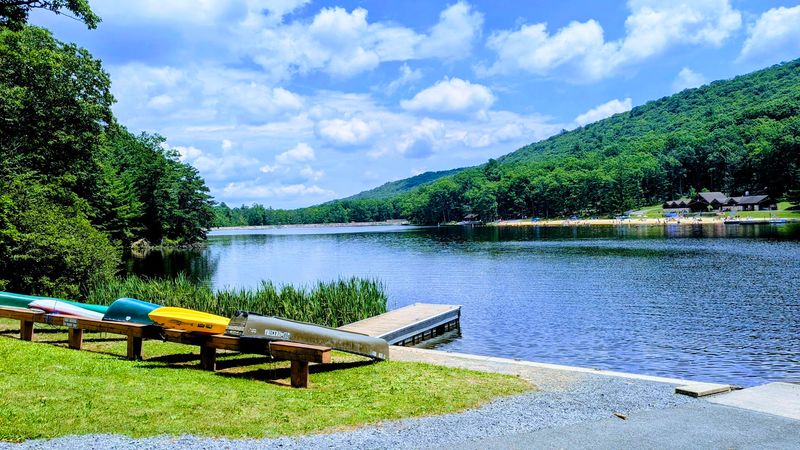
Right on the edge of Bald Eagle State Forest sit two charming state parks that make excellent base camps for forest exploration. Poe Valley State Park and Poe Paddy State Park, both tucked into Penns Valley, offer developed campgrounds with amenities that dispersed camping simply cannot provide.
Poe Valley features a small, picturesque lake perfect for swimming, fishing, and non-motorized boating. The campground here fills up quickly during summer weekends, so reservations well in advance are strongly recommended.
Poe Paddy, just a short drive away along a winding mountain road, sits along Penns Creek and is beloved by fly fishermen who target wild trout in its clear, cold waters.
Both parks provide restrooms, picnic areas, and easy trail access into the surrounding state forest. Many visitors use one of these parks as a comfortable home base while spending their days venturing deeper into Bald Eagle State Forest on foot or by vehicle.
The combination of developed park amenities and the wild, sprawling forest just beyond the campground boundary is genuinely hard to beat. If you are new to the area, starting at Poe Valley is a smart way to get oriented before striking out on longer adventures.
Off-Road and Four-Wheel Drive Adventures
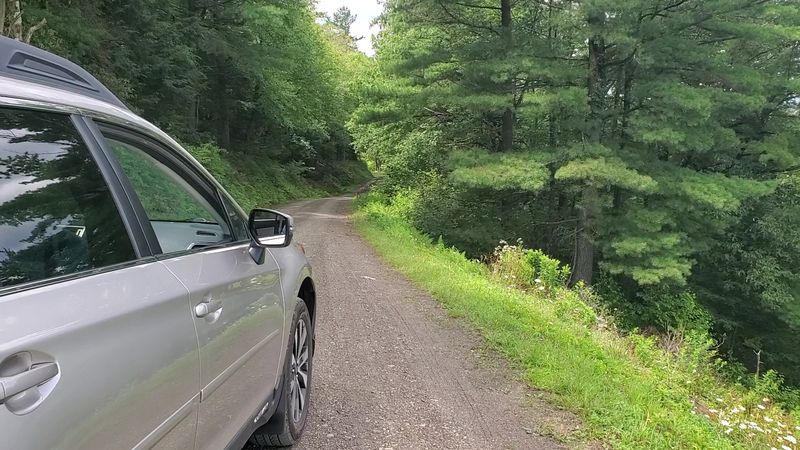
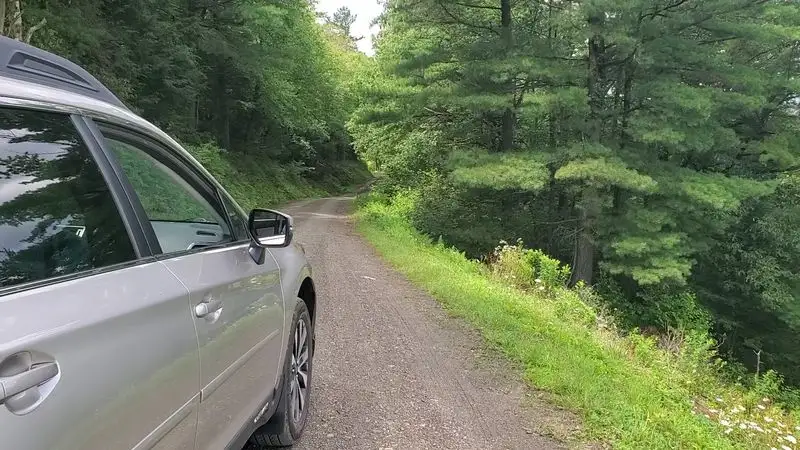
For those who prefer exploring on four wheels rather than two feet, Bald Eagle State Forest is a genuine playground. The forest is laced with miles of gravel and dirt forest roads that are open to vehicles, including designated routes suitable for four-wheel drive and high-clearance trucks.
Off-roading in the forest lets you cover more ground and reach remote corners that hikers rarely see. Reviewers have specifically called out the forest as a fantastic destination for dual-sport motorcycle riding, noting the scenic views and varied terrain that keep rides interesting for hours.
ATVs are not universally permitted on all roads, so checking the current Pennsylvania DCNR regulations before you go is essential to avoid fines or restricted-area conflicts.
The forest roads wind through some of the most beautiful terrain in central Pennsylvania, dipping into hollows, crossing small streams, and climbing to ridge-top viewpoints. Driving these roads in autumn, when the hillsides are painted in warm colors, is an experience that sticks with you long after you get home.
Always carry a detailed forest road map since cell service is unreliable throughout much of the area, and let someone know your planned route before heading out.
Fishing Streams and Penns Creek Access
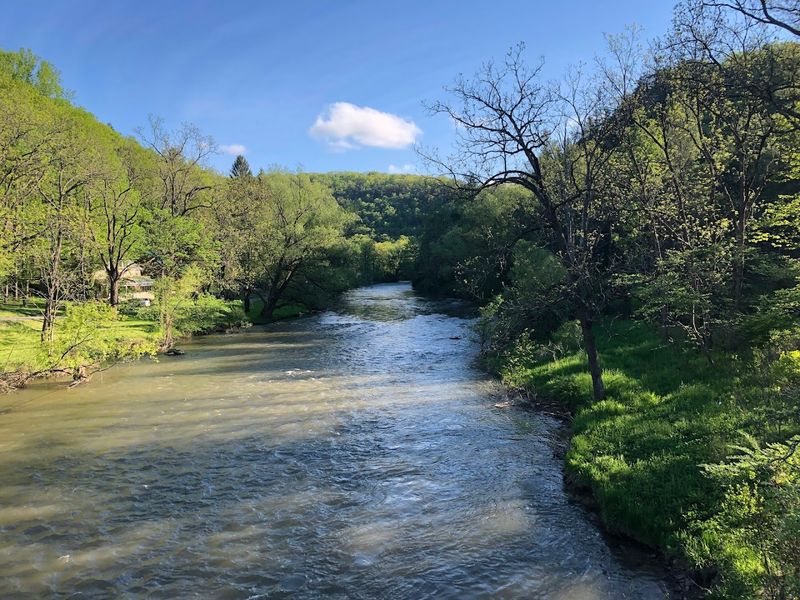
Anglers have long known about the exceptional fishing opportunities tucked inside Bald Eagle State Forest. Penns Creek, which flows through the southern portion of the forest, is widely regarded as one of the finest wild trout streams in the entire eastern United States.
Its cold, clear water and healthy insect populations make it a dream destination for fly fishing enthusiasts.
Beyond Penns Creek, dozens of smaller mountain streams wind through the forest interior, many of them stocked or supporting naturally reproducing brook trout populations. Spring and early summer are prime seasons, when water levels are high and hatches bring trout aggressively to the surface.
Fall fishing can also be surprisingly productive for those willing to brave cooler temperatures.
A valid Pennsylvania fishing license is required for anyone 16 and older, and certain sections of Penns Creek are catch-and-release only, so reading the current regulations carefully before your trip prevents any unpleasant surprises streamside. Many fly shops in the surrounding towns offer guided trips and local knowledge that can dramatically improve your success rate.
Even if you never catch a single fish, standing in a cold mountain stream surrounded by forest on a quiet morning is a reward all by itself.
Wildlife Watching Throughout the Forest
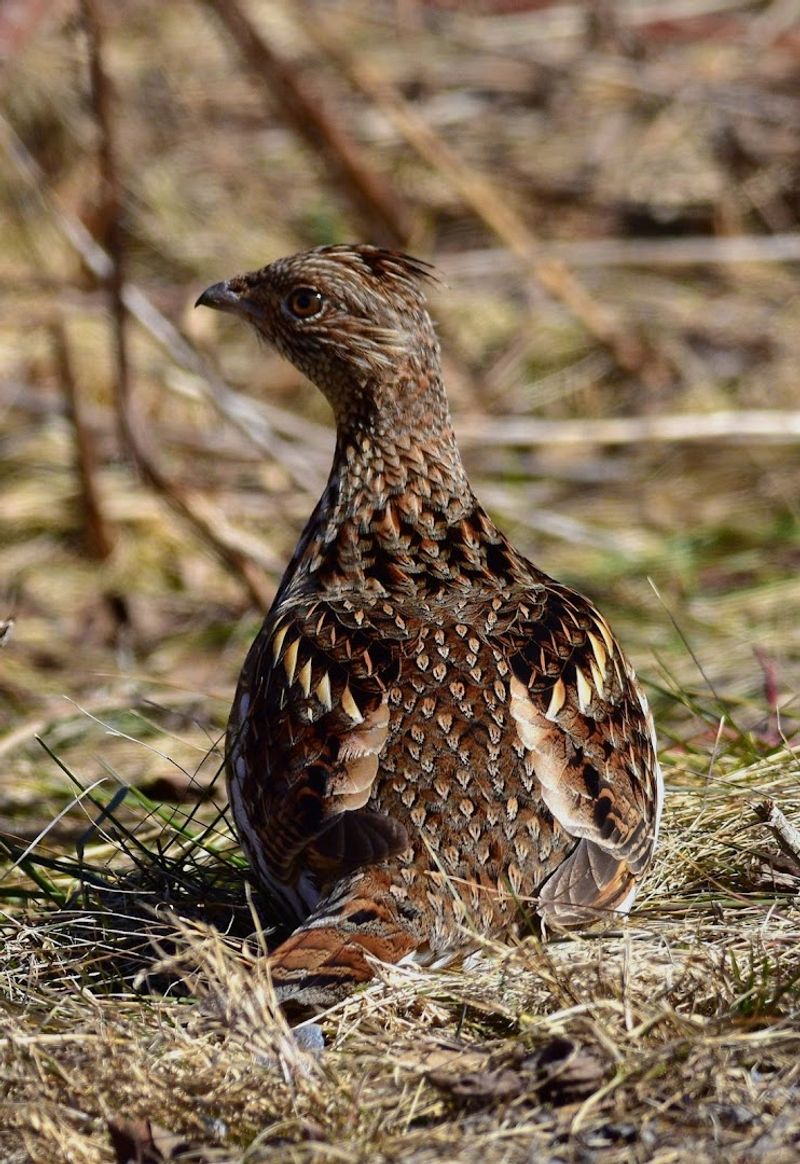
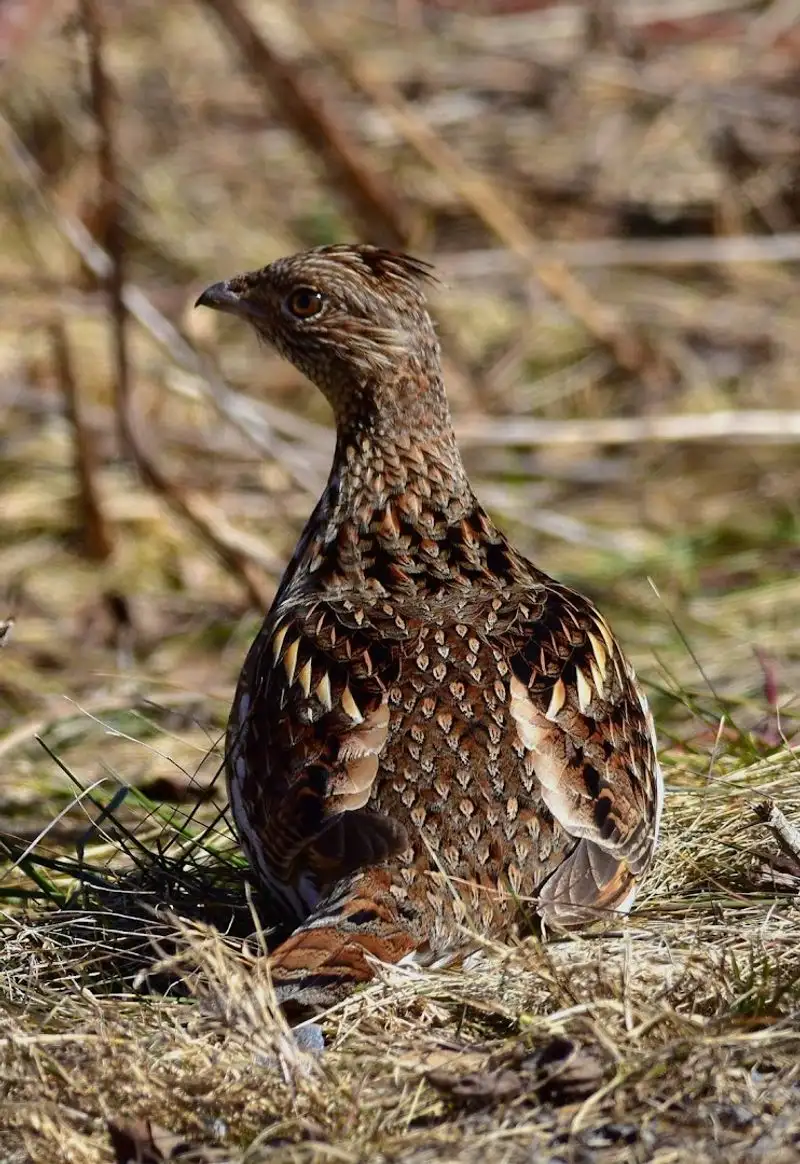
Bald Eagle State Forest is alive with wildlife, and patient observers are regularly rewarded with memorable sightings. White-tailed deer are abundant throughout the forest and are commonly spotted along forest roads and meadow edges at dawn and dusk.
Black bears also roam the area, making proper food storage an important habit for campers.
Bird watchers will find the forest particularly exciting during spring migration, when warblers, thrushes, and other songbirds move through in impressive numbers. Year-round residents include wild turkeys, ruffed grouse, barred owls, and pileated woodpeckers whose loud calls echo through the trees.
The forest streams support herons, kingfishers, and in certain areas, the elusive American dipper.
Reptile and amphibian enthusiasts can search rocky outcrops and stream edges for timber rattlesnakes, copperheads, and a variety of salamander species that thrive in the moist mountain hollows. Moving quietly and slowly through the forest dramatically increases your chances of spotting animals going about their natural routines.
Bringing binoculars and a regional field guide adds real depth to any wildlife walk. The diversity of habitats within the forest, from ridgeline to streamside, supports a biological richness that consistently surprises first-time visitors.
Stunning Mountain Vistas and Overlooks
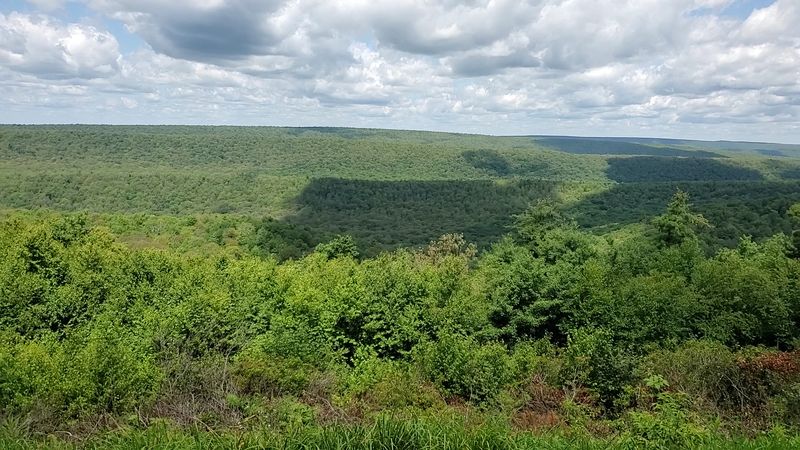
Standing on a ridge in Bald Eagle State Forest and looking out over a sea of unbroken forest is the kind of moment that reminds you why wild places matter. The forest contains multiple vista points and overlooks accessible by trail or forest road, each offering sweeping views across the Ridge and Valley landscape of central Pennsylvania.
Autumn is the undisputed peak season for vista-gazing, when the hardwood canopy turns into a patchwork of crimson, amber, and gold visible for miles in every direction. Visitors who have made the trip in October consistently describe the scenery as stunning, and photos from the overlooks regularly rack up attention on social media.
That said, spring green-up and winter snow scenes carry their own quiet beauty that fewer people take the time to witness.
Reaching some of the best viewpoints requires a moderate hike, but the effort is absolutely worth it. Starting early in the morning on clear days gives you the best light and the highest chance of having a vista entirely to yourself.
Bringing a light layer is wise even in summer since ridge-top breezes can be surprisingly cool. A good topographic map helps identify which high points are likely to offer open views versus dense tree coverage.
Practical Tips for Planning Your Visit
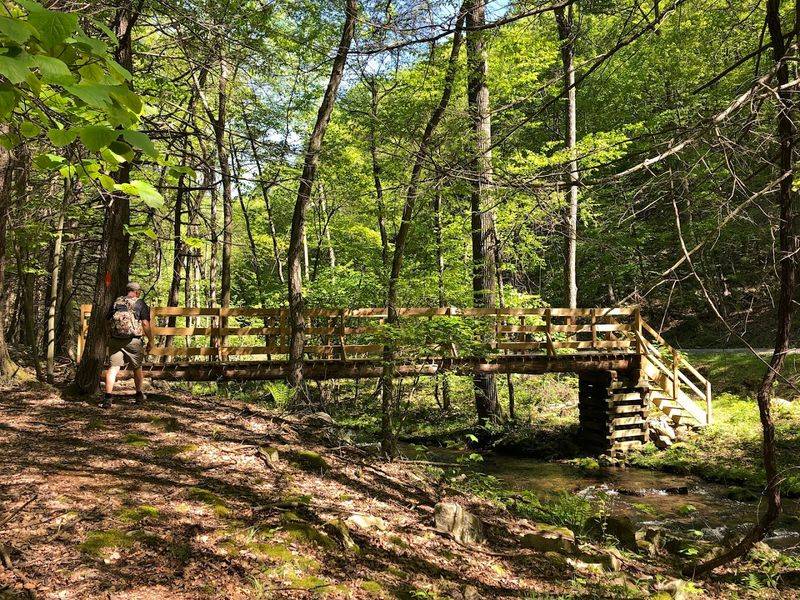
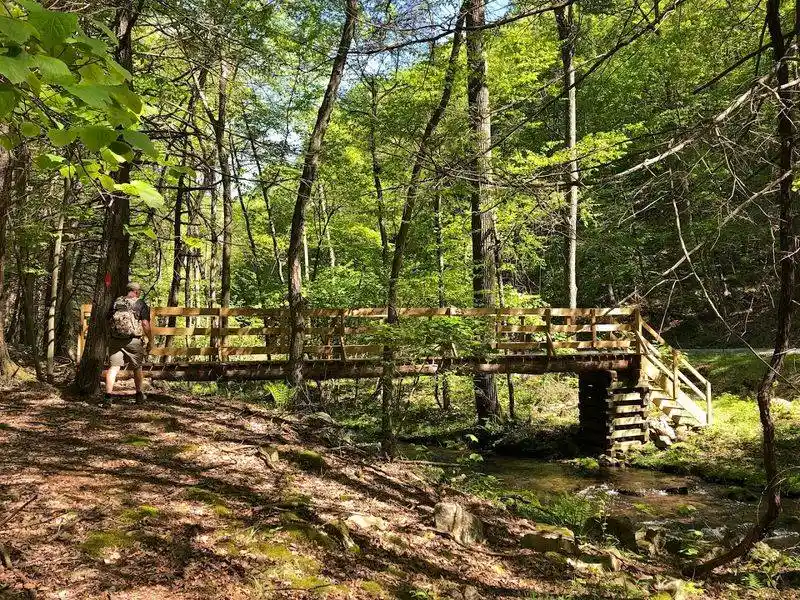
Getting the most out of a trip to Bald Eagle State Forest starts with solid preparation before you ever leave home. Cell service is spotty to nonexistent across much of the forest interior, so downloading offline maps through an app like Gaia GPS or AllTrails is a genuinely important step that many first-timers skip to their regret.
Dispersed camping permits are free but required and can be reserved through the Pennsylvania DCNR website. Permits go quickly during popular weekends, especially in summer and fall, so booking early is strongly advised.
For those who prefer developed camping, Poe Valley and Poe Paddy state parks accept reservations through the same state system and provide a more comfortable base for multi-day trips.
The nearest towns with gas stations, grocery stores, and gear shops include Millheim, Mifflinburg, and Bellefonte, so stocking up before entering the forest is essential. Hunting seasons run through much of the fall and winter, meaning hikers and campers should wear blaze orange during those periods as a basic safety measure.
The forest is open year-round, and each season brings its own character and set of conditions worth experiencing at least once. Always tell someone your plans before heading into a remote area.