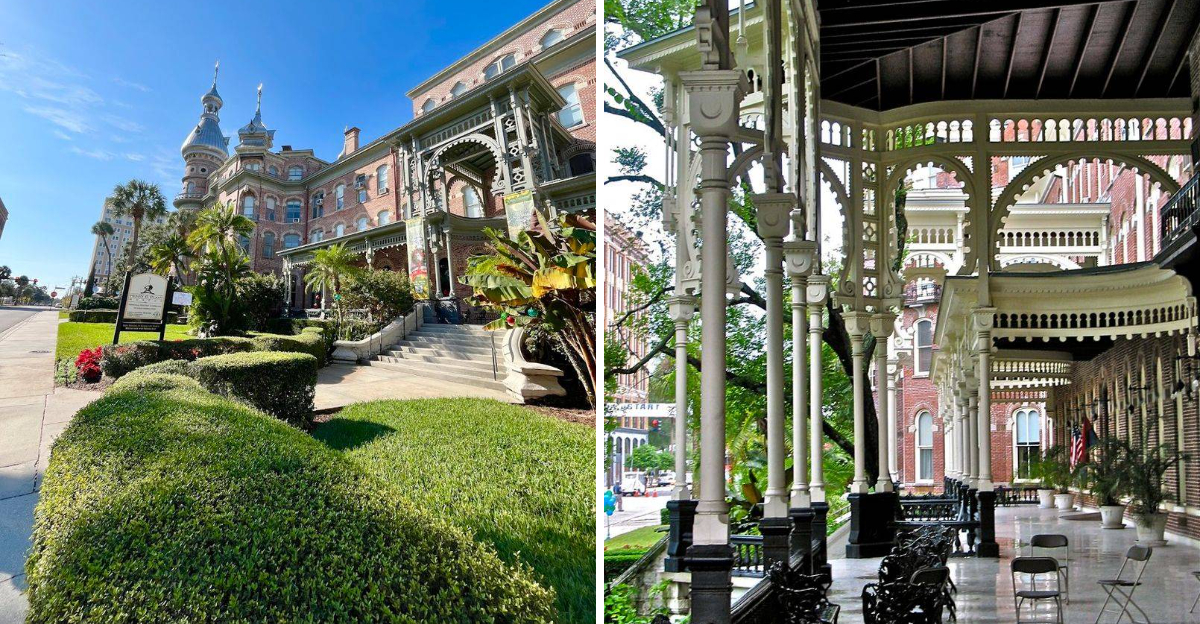
Tucked along the Hillsborough River in Tampa, Florida, stands a building so breathtaking that most people stop and stare before they even step inside. The Henry B. Plant Museum, once the grand Tampa Bay Hotel, was built in 1891 and looks more like something out of a fairy tale than a history museum.
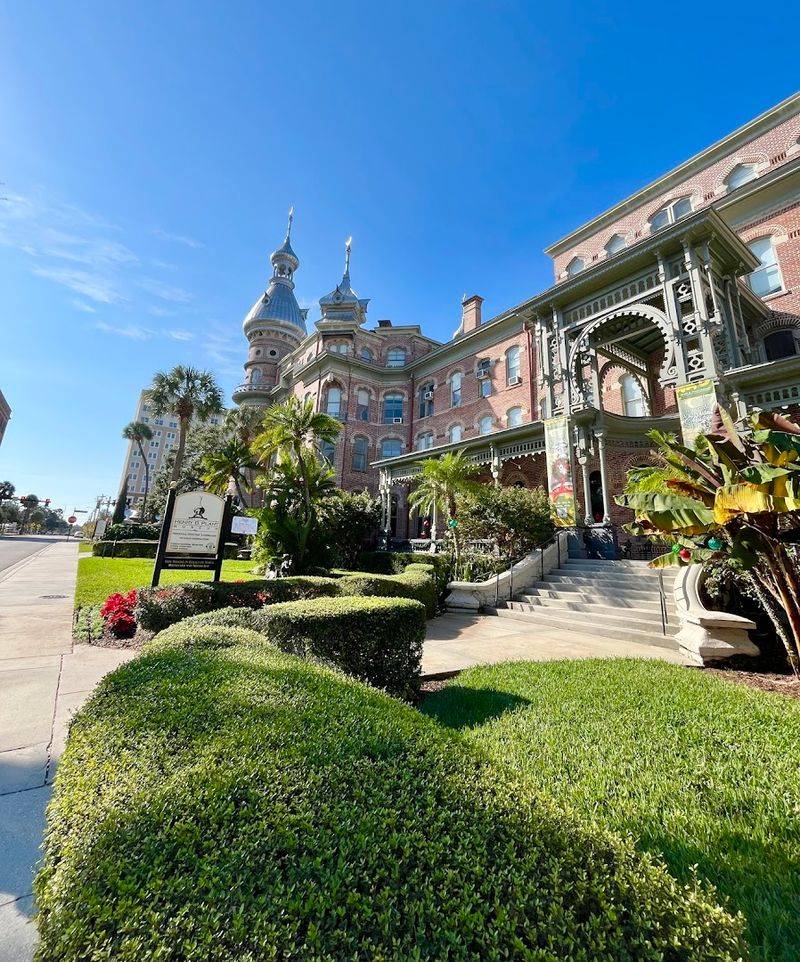
With silver minarets, crescent-topped towers, and sweeping arched verandas, this Moorish-style masterpiece is one of the most unique buildings in the entire United States.
Whether you love history, architecture, or just really cool places to explore, this spot has something that will blow your mind.
A Gilded Age Palace in Florida
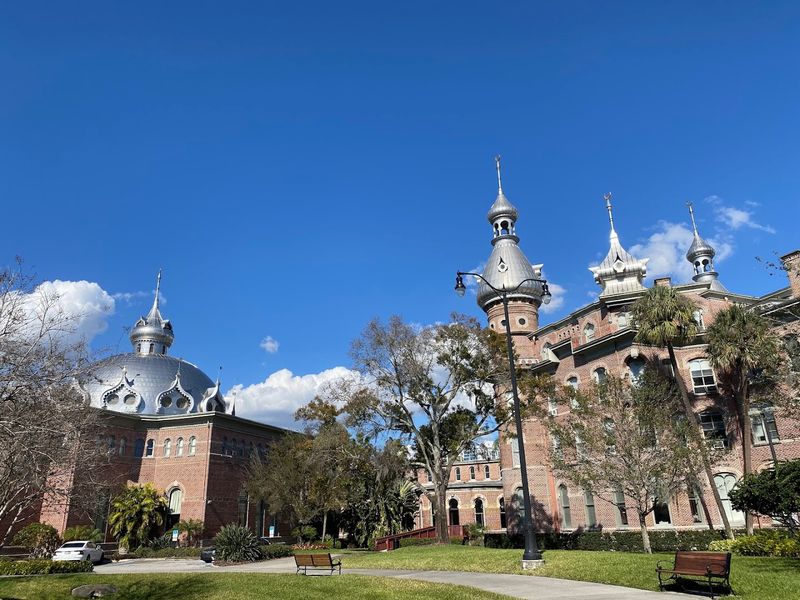
Standing at the edge of the University of Tampa campus, the Henry B. Plant Museum does not look like any museum you have ever visited.
Originally opened in 1891 as the Tampa Bay Hotel, this massive building was designed from the ground up to dazzle wealthy guests who had never seen anything like it in America. The sheer scale alone is enough to make your jaw drop.
Henry Plant wanted visitors to feel like royalty from the moment they arrived. The building stretches nearly a quarter mile and rises dramatically above the Hillsborough River, its ornate roofline visible from miles away.
Even today, photos of the structure regularly go viral because people simply cannot believe it is real.
What makes it even more remarkable is that this palace-like resort was built during the Gilded Age, a time when American wealth was reaching new heights. Plant had both the money and the ambition to create something truly extraordinary.
Visiting today feels like stepping into a time capsule where luxury, history, and architecture all come together in one unforgettable place.
Built by Railroad Tycoon Henry B. Plant
Not many people can say they single-handedly put a city on the map, but Henry B. Plant came pretty close.
Born in 1819 in Connecticut, Plant built a transportation empire across the American South, connecting towns through a vast network of railroads and steamship lines. By the time he set his sights on Tampa, the city was little more than a small port town with big potential.
Plant saw an opportunity that others had missed. If he could extend his railroad all the way to Tampa and build a world-class resort at the end of the line, wealthy Northern travelers would have every reason to make the journey south for the winter.
His gamble paid off in a big way.
The Tampa Bay Hotel became the crown jewel of his transportation empire, drawing attention to the region and sparking a tourism boom that helped shape Florida’s future. Plant was already in his 70s when the hotel opened, yet his energy and vision never slowed down.
Fun fact: the hotel cost around $3 million to build in 1891, which equals well over $100 million in today’s money. That kind of investment speaks volumes about his ambition.
Striking Moorish Revival Architecture
Architect J. A. Wood had one goal when designing the Tampa Bay Hotel: make it look unlike anything else in America. Drawing heavy inspiration from the Alhambra palace in Granada, Spain, Wood crafted a building that blends Islamic, Moorish, and Spanish architectural traditions into one cohesive and jaw-dropping design.
The result is something that feels transplanted straight from North Africa or Andalusia.
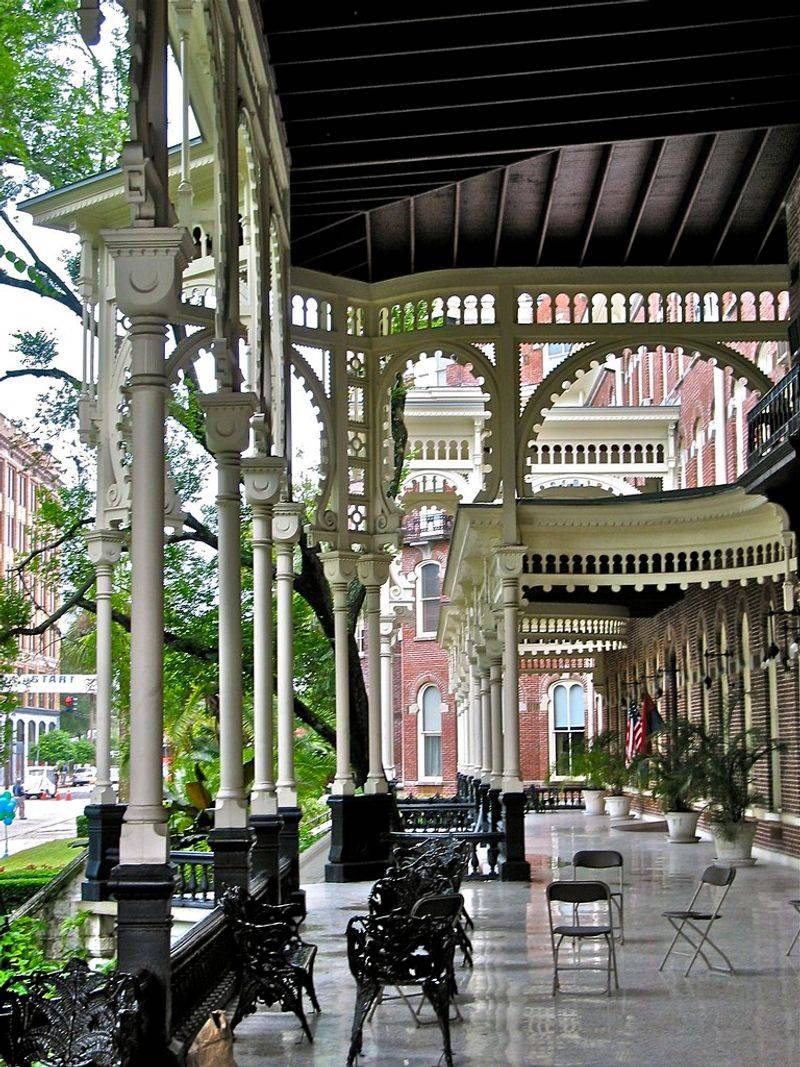
Horseshoe-shaped arches frame the doorways and verandas, while intricate geometric patterns adorn surfaces throughout the structure. The exterior brickwork is rich and warm, contrasting beautifully with the gleaming silver of the minarets above.
Every detail was considered carefully, making the building feel both exotic and inviting at the same time.
Moorish Revival architecture was fashionable among wealthy Americans during the late 1800s, but most examples were far smaller in scale. Wood and Plant pushed the style to its absolute limits here, creating something that still turns heads more than 130 years later.
If you are someone who appreciates bold design choices, standing in front of this building is genuinely exciting. It is a reminder that architecture can be adventurous, expressive, and deeply memorable all at once.
Iconic Minarets and Crescent-Topped Towers
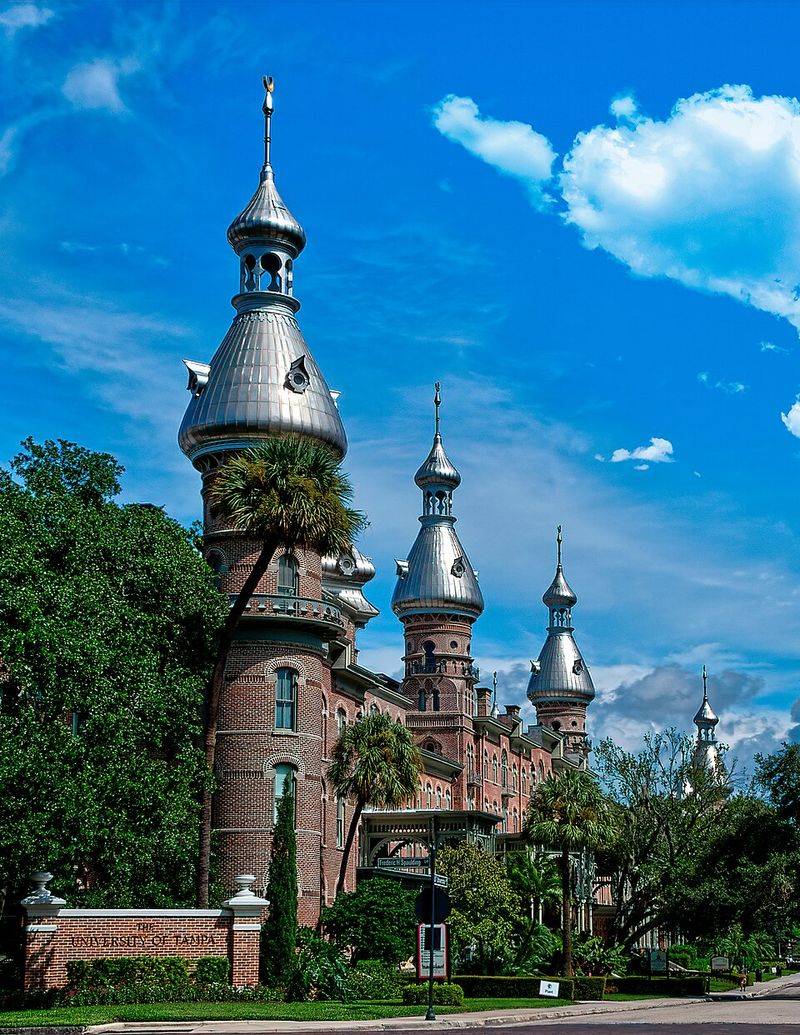
Look up when you arrive at the Henry B. Plant Museum and you will immediately understand why people call it a palace.
Thirteen silver minarets rise from the roofline, each one capped with a gleaming crescent moon that catches the Florida sunlight beautifully. It is one of the most recognizable skylines in the entire state, and honestly, in the entire country.
Minarets are traditionally tall, slender towers associated with mosques in the Islamic world, used to call people to prayer. Here, they serve a purely decorative purpose, but their effect is powerful.
They give the building a silhouette that is instantly dramatic and completely unlike any other structure in Florida or the American South.
The crescent moon symbol, also borrowed from Moorish and Ottoman architectural traditions, adds another layer of cultural richness to the design. Together, the minarets and crescents create a roofline that photographers love and tourists consistently photograph first.
On a clear day, these towers can be spotted from across the Hillsborough River, making the building feel even more like a distant palace rising from the landscape. It is the kind of detail that stays with you long after your visit ends.
A Massive and Luxurious Resort
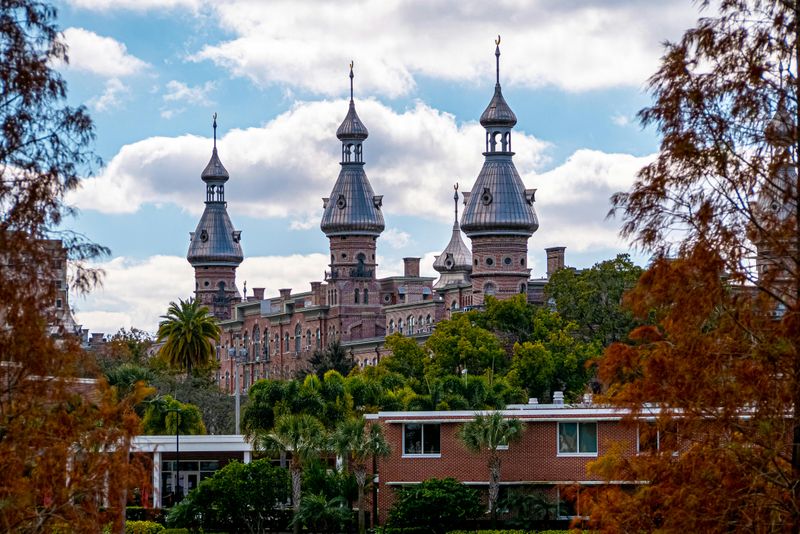
When the Tampa Bay Hotel opened its doors in February 1891, guests were stepping into one of the most technologically advanced buildings in the entire country. The resort stretched nearly a quarter mile from end to end and offered more than 500 rooms for guests seeking warmth, comfort, and extravagance during the winter season.
For that era, it was nothing short of revolutionary.
Electricity illuminated every room at a time when most American homes still relied on gas lamps or candles. Elevators carried guests between floors, telephones connected rooms, and steam heat kept everyone comfortable on cooler Florida nights.
Plant had spared absolutely no expense in making sure his guests experienced the cutting edge of modern convenience.
The resort also featured a casino, a golf course, tennis courts, a racetrack, and beautifully landscaped grounds along the river. Guests could spend an entire winter season without ever needing to leave the property.
For wealthy Northerners escaping brutal winters, this was paradise. The Tampa Bay Hotel was not just a place to sleep; it was a full lifestyle experience wrapped in one extraordinary building.
Few resorts anywhere in the world could match its combination of luxury, novelty, and sheer ambition.
Lavish Interiors and Imported European Decor
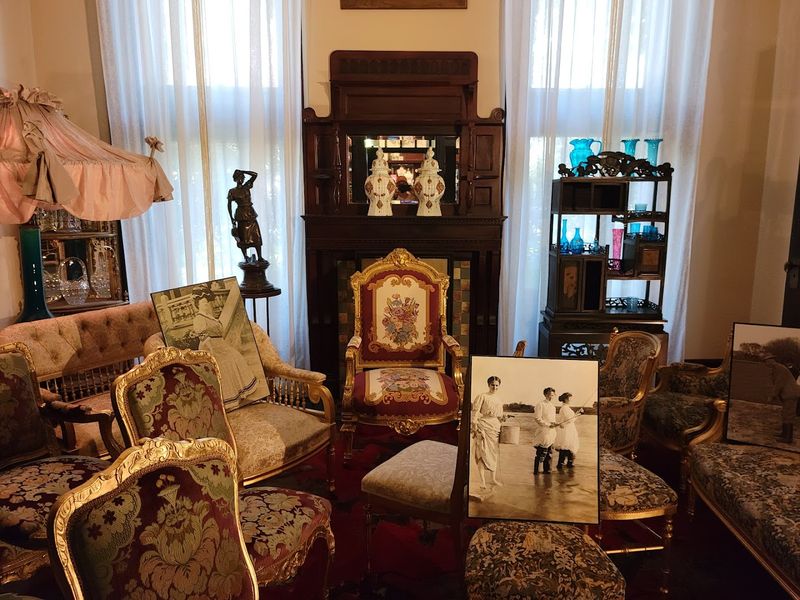
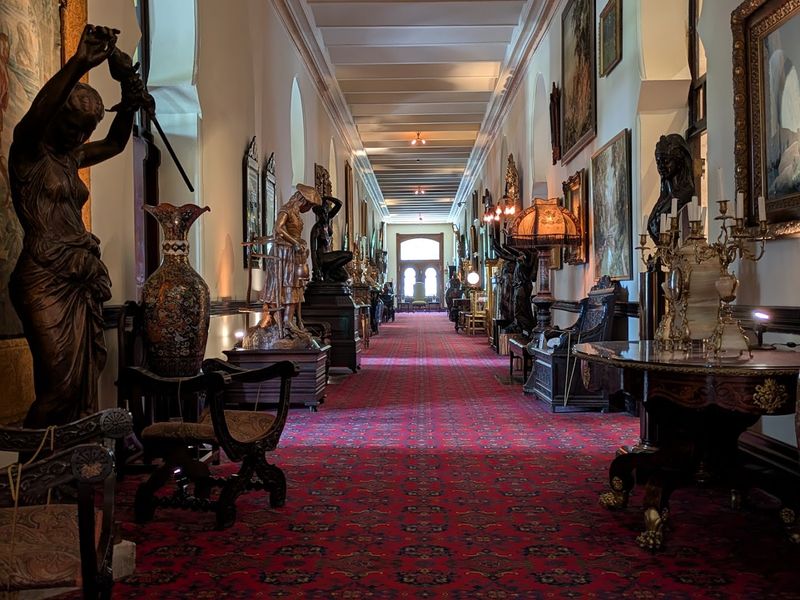
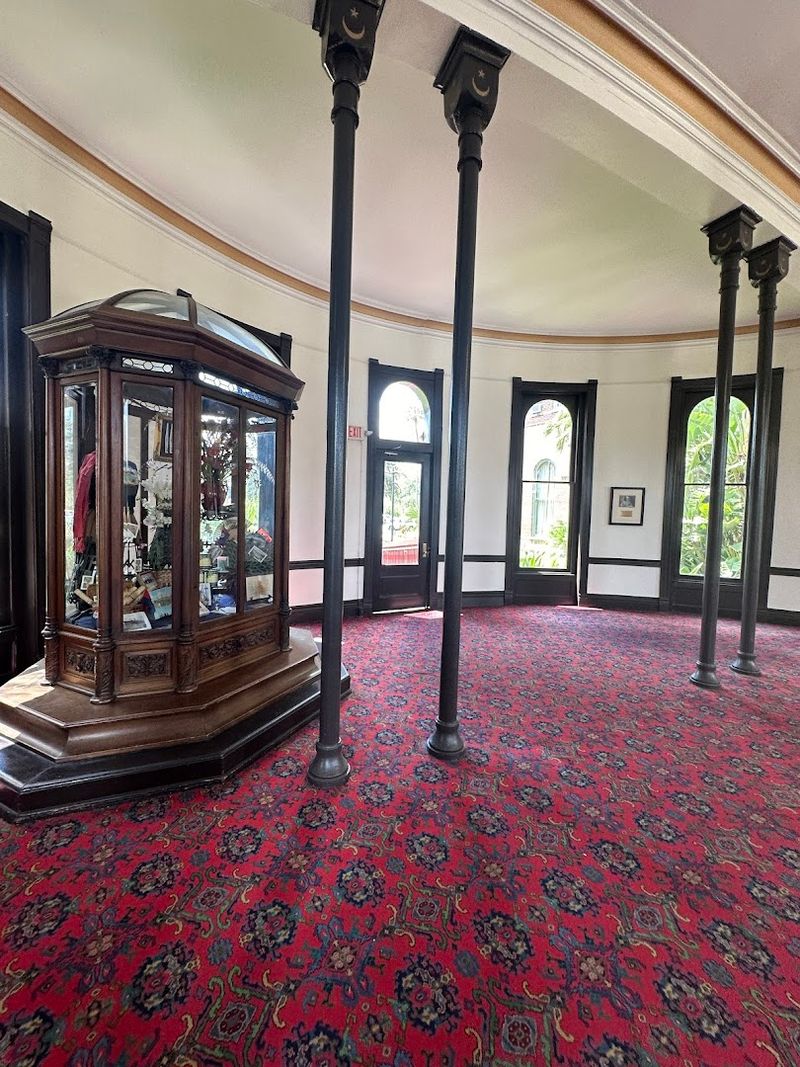
Henry Plant did not just build an impressive shell of a building. He filled every room with treasures gathered from across Europe and Asia, turning the Tampa Bay Hotel into a living showcase of global art and design.
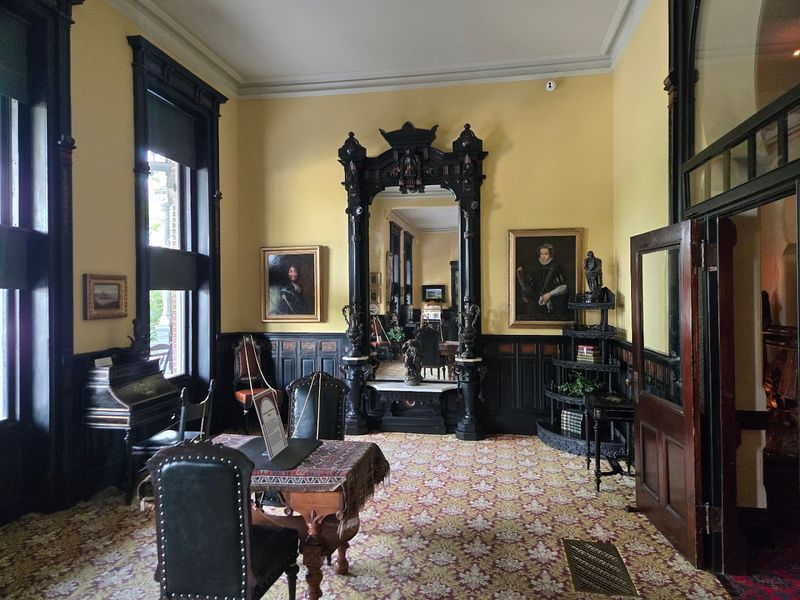
He and his wife Margaret spent years acquiring furniture, paintings, porcelain, silverware, and decorative objects that would have been at home in any European royal residence.
Guests walking through the hotel encountered gilded mirrors from France, hand-painted porcelain from Japan, tapestries from Belgium, and carved wooden furniture from Spain. The collection was so vast and varied that it gave the hotel an almost museum-like quality even when it was still operating as a resort.
Plant understood that luxury was not just about comfort but also about visual richness and storytelling.
Today, the Henry B. Plant Museum preserves many of these original pieces in carefully restored rooms that look much as they did in the 1890s.
Walking through these spaces feels genuinely transporting, as though the guests have only just stepped out for an afternoon stroll. For anyone interested in decorative arts, design history, or the extravagant tastes of the Gilded Age, these interiors are an absolute treasure waiting to be explored.
A Hub of Early Florida Tourism
Before the Tampa Bay Hotel existed, Florida was not exactly on the radar of wealthy American travelers. Henry Plant changed that almost overnight.
By connecting Tampa to his railroad network and offering an unmatched luxury destination at the end of the line, he essentially invented Florida’s winter tourism industry decades before Miami or Palm Beach became household names.
The hotel attracted socialites, politicians, business magnates, and celebrities of the era, all eager to escape Northern winters in style. Their presence brought national press coverage, which in turn drew even more visitors curious about this exotic palace rising from the Florida wilderness.
Tampa transformed from a sleepy port town into a buzzing destination practically overnight.
The ripple effects of that transformation are still felt today. Florida’s identity as a premier winter vacation destination can be traced in part back to Plant’s bold vision along the Hillsborough River.
The hotel also helped establish Tampa as a commercial and cultural hub in the region, attracting new residents, businesses, and investments. It is a fascinating example of how one ambitious project can reshape an entire region’s trajectory.
Plant did not just build a hotel; he built the foundation of modern Florida tourism.
Role in the Spanish-American War
In the spring of 1898, something unexpected happened at the Tampa Bay Hotel: it became a war headquarters. As the United States prepared to fight Spain in Cuba during the Spanish-American War, Tampa became the main staging ground for American troops heading overseas.
The hotel, with its size, infrastructure, and communications technology, was the obvious choice for military command operations.
Among the famous figures who stayed at the hotel during this period was a young Theodore Roosevelt, who was there organizing his famous Rough Riders volunteer cavalry regiment. War correspondents, military officers, and government officials filled the once-glamorous resort halls, replacing leisure with logistics.
It was a striking contrast to the hotel’s original purpose.
The war itself lasted only a few months, but its impact on Tampa was lasting. The city gained national attention as a military hub, and the hotel’s role in that story added a new layer of historical significance to an already remarkable building.
Today, the museum dedicates space to this chapter of American history, allowing visitors to connect the building’s Gilded Age luxury with its unexpected wartime legacy. It is one of the more surprising stories you will encounter during your visit, and it makes the place feel even more historically layered.
From Hotel to Museum and University Landmark
The Tampa Bay Hotel closed its doors for good in 1930 as the Great Depression made operating such a massive luxury resort financially impossible. For a building of that scale and grandeur, the future could easily have meant demolition.
Fortunately, the city of Tampa had other plans. In 1933, the building was leased to what would eventually become the University of Tampa, giving the structure a new purpose and a new generation of admirers.
The university took over most of the building for classrooms and administrative offices, but one wing was preserved specifically to honor its original character. That preserved section became the Henry B.
Plant Museum, officially opened to the public and dedicated to telling the story of the hotel, its founder, and the Gilded Age world it represented. It is a beautiful example of adaptive reuse done right.
Today, the museum and the university coexist seamlessly on the same campus, with students going about their daily lives just steps away from rooms that once hosted presidents and millionaires. The building remains the most recognizable landmark in Tampa, a constant reminder that history does not have to be locked away in the past.
Sometimes it becomes the backdrop for everyday life, and that makes it all the more special.
Visitor Information
Planning a visit to the Henry B. Plant Museum is straightforward, and the experience is absolutely worth your time.
The museum is located at 401 W Kennedy Blvd, Tampa, FL 33606, right on the University of Tampa campus along the scenic Hillsborough River. You can reach the museum by phone at +1 813-254-1891 if you have questions before your trip.
Visitors can explore beautifully restored Gilded Age rooms filled with original furnishings and decorative objects through self-guided tours. Rotating exhibits throughout the year add fresh content to each visit, meaning even repeat visitors often discover something new.
The museum also hosts special seasonal events, including a popular Victorian Christmas celebration that transforms the space into a festive 19th-century wonderland.
Parking is available near the campus, and the riverfront setting makes the surrounding area lovely for a leisurely walk before or after your tour. Hours and admission prices can vary by season, so checking the official website at www.plantmuseum.com before you go is always a smart move.
Whether you are a history enthusiast, an architecture lover, or simply someone who appreciates extraordinary places, the Henry B. Plant Museum offers an experience that is genuinely hard to forget.
Few places in Florida blend beauty, history, and storytelling this seamlessly.