A huge old water pipeline still snakes along a riverbank in Oregon, and families can walk right beside it. It once carried river water downhill to make electricity.
Now it mostly carries curiosity.
The hydropower project it served was shut down years ago. Its dam is gone, but pieces of the old system stayed behind.
Rusty pipe, old supports, and quiet ruins now share the path with trees and birds.
I like how this walk feels like a history lesson that forgot to be boring. Kids get a real adventure, and adults get a story with actual rivets in it.
The best part is that it costs nothing to look.
So why does a forgotten power line of plumbing make such a good family outing? The answer starts at the river.
An Old Water Highway Now Hosts Weekend Walkers
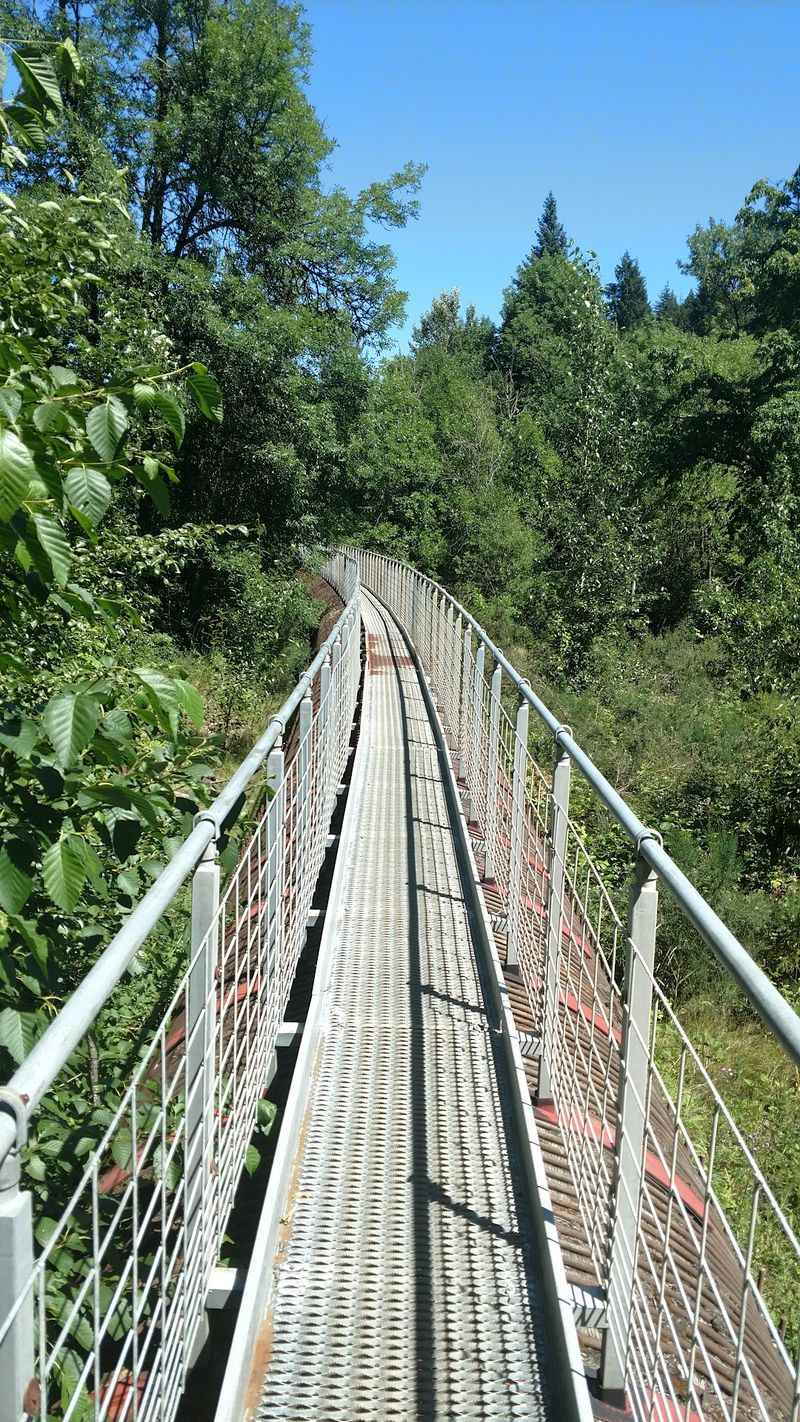
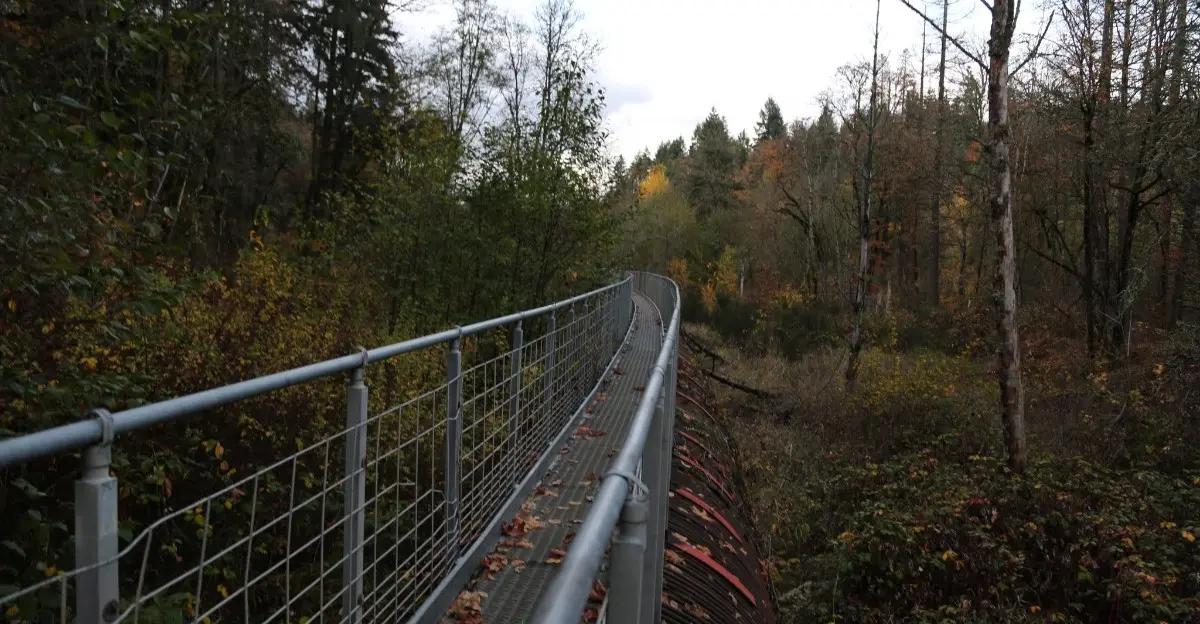
Few trails come with their own giant pipe for company. The Hood River Penstock Flume Pipeline Trail follows the route of an old penstock along the Hood River in Oregon.
A penstock is a big pipe that moves water toward turbines. Here it fed a hydroelectric plant that made power for the area.
The trail runs about 2.8 miles, which is a friendly distance for most families. It’s long enough to feel like a real outing.
Short enough that nobody stages a mutiny halfway.
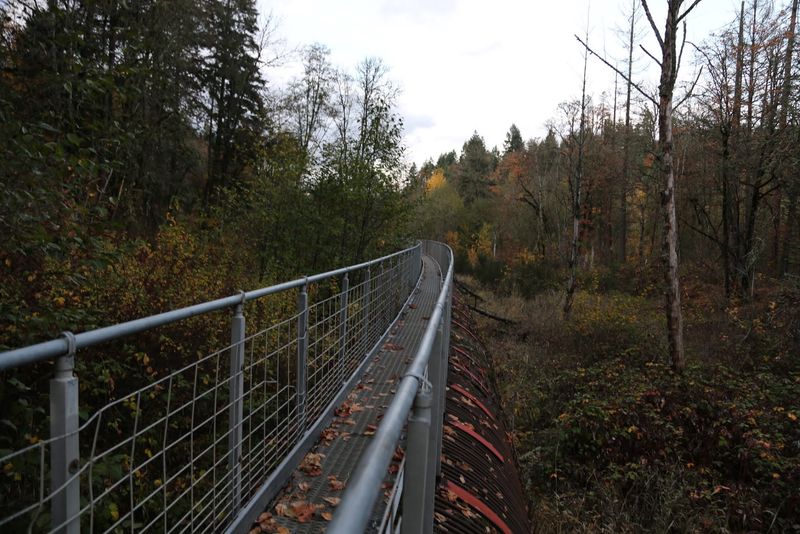
You walk beside the remains of that water system the whole way. The pipe and its supports act like a trail guide that never stops talking about the past.
It sits just outside the town of Hood River, in the Columbia River Gorge. That makes it easy to pair with other Gorge stops on a drive east from Portland.
Think of it as a museum without walls, tickets, or a gift shop. The exhibits just happen to be rusty and very large.
Kids tend to love that combination, and honestly, adults do too.
The Power Plant Story Hiding Behind All That Rust
Back in the 1920s, river water meant electricity. The pipeline here belonged to the Powerdale hydroelectric project on the Hood River.
A dam upstream sent water into the long penstock. Gravity did the heavy lifting, pushing water down toward a powerhouse near the river’s lower end.
For decades, the system quietly helped keep lights on in the region. It was practical engineering, built to work rather than to impress anyone.
Times changed, though, and so did thinking about rivers and fish. The project was eventually retired, and the Powerdale Dam was removed around 2010.
Removing a dam is a big deal. It can help salmon and steelhead move more freely up the river, which is part of why the change happened.
What stayed behind is the story you now walk through. Pieces of the old water route remain along the bank like chapters left out of a closed book.
I believe that makes the trail more meaningful. Your kids aren’t just hiking.
They’re tracing how one Oregon river went from power source to restored home for fish.
Ruins Big Enough To Make Kids Stop And Stare
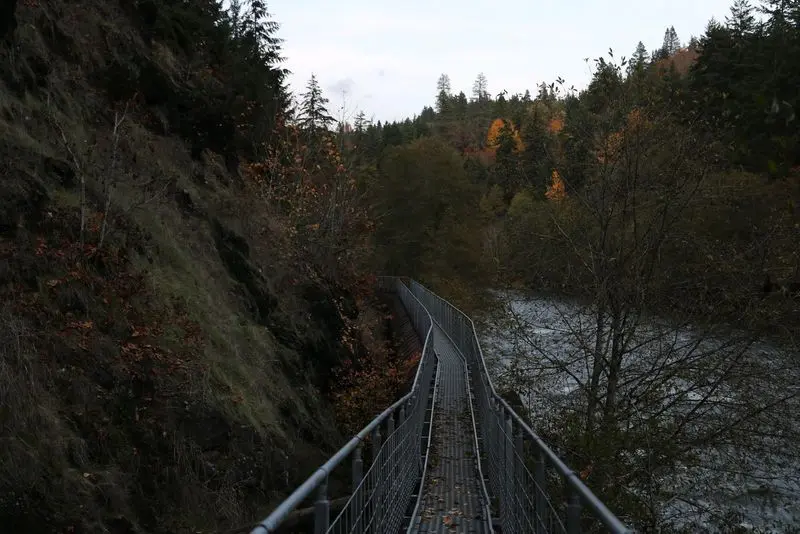
Old pipe sections, worn supports, and leftover structures dot the route. They’re the real stars of this walk.
Each one gives kids something to point at and ask about. Why is it so big?
Where did the water go? Good questions make a walk feel shorter.
The scale is what grabs most people first. A pipe built to carry a river’s worth of water does not look like anything under your kitchen sink.
Some pieces have weathered into rusty sculpture. Nature has started reclaiming spots with moss, plants, and creeping growth.
That mix of metal and green makes great photos. It also opens easy conversations about how forests recover once people step back.
Please treat the ruins as things to look at, not climb. Old industrial structures can be unstable, sharp, or slippery, especially after rain.
A simple family rule helps here. Eyes and cameras can go anywhere, but feet stay on the trail.
Kids still get plenty of thrill from spotting the next chunk of history around a bend. It works a bit like a scavenger hunt that someone left out for decades.
Your Soundtrack Comes Courtesy Of A Wild River
The Hood River does most of the talking on this trail. It runs right alongside the path, and its rushing water sets the mood.
The river starts high on Mount Hood and drops toward the Columbia. That steady drop is exactly why engineers once wanted its water.
Today the river feels freer. With the dam gone, it can run its course without that old barrier upstream.
Families get views of rocky banks and moving water for much of the walk. It’s a calming backdrop, even when little legs start asking how much farther.
Keep kids close near the water’s edge, though. Mountain rivers can be cold and fast, and the current deserves respect year-round.
Bring a little patience for the overlooks. Watching the river can turn into a surprisingly long and happy pause.
Fish are part of this river’s comeback story too. Salmon and steelhead use the Hood River, and dam removal aimed to help them.
Seeing one isn’t guaranteed, so don’t promise the kids a fish parade. Still, knowing they might swim past adds a little extra sparkle to every glance at the water.
A Distance That Fits Short Legs And Busy Days
About 2.8 miles is a sweet spot for a family hike. It’s real exercise without becoming an all-day expedition.
Many families can finish in a couple of relaxed hours. That leaves time for snacks, photos, and plenty of stops to inspect rusty things.
Plan your route before you start. Knowing whether you’re walking out and back or arranging a pickup helps avoid tired surprises at the end.
Younger kids may do best with a turnaround point in mind. You can always walk part of the trail and still see good chunks of history.
Wear sturdy shoes with good grip. Natural trails can have roots, rocks, and uneven ground along the way.
Strollers may struggle on rough sections, so a child carrier could be the easier choice. Conditions can change with weather and season.
Pack water even on cool days. Small hikers burn through energy fast, and a good snack can rescue morale instantly.
The beauty of this distance is flexibility. Go the whole way with older kids, or call it a win at the first big ruin with younger ones.
Free Fun That Leaves Room In The Gas Budget
Good news for the family wallet comes early. There’s no admission ticket to walk past an old penstock.
That makes this trail a bargain outing in the truest sense. Your main costs are gas, snacks, and maybe a treat in town afterward.
Parking rules and any permit needs can change, so check before you go. A quick look at local trail or county information can save a headache.
Since it’s free, you can visit more than once. Try spring for fresh green growth, then come back in fall when Gorge colors turn warm.
Hood River itself makes a fun add-on stop. The town is known for orchards, fruit stands in season, and river-sport culture.
Pairing the hike with a lunch stop turns it into a full day. Kids get a walk, a meal, and a story to tell grandparents.
I can’t imagine a better trade for zero dollars. You get history, river views, and exercise, all for the price of showing up.
Families stretching summer budgets will appreciate that. Fun doesn’t always need a price tag.
Turn The Walk Into A History Detective Game
Ruins practically beg for a game. Hand kids a notebook and challenge them to find clues about how the old system worked.
Where did the water enter? Which way did it flow?
Each rusty piece becomes evidence in a very slow-moving mystery.
Explain gravity before you start. Water flows downhill, and the pipe used that simple fact to make power.
Kids love a big idea that’s easy to grasp. It turns a heap of metal into a machine they can actually picture working.
You can add a counting challenge too. How many supports can they spot?
How many places has nature grown over the metal?
Older kids might enjoy sketching the ruins. Drawings slow them down and help them notice small details.
Talk about why the dam came out as well. It’s a real example of a community choosing to help fish and a river recover.
That lesson sticks better outdoors than in a textbook. By the end, your little detectives may know more about hydropower than they ever expected to learn on a Saturday.
Forest Shade And Green Comebacks Along The Pipe
Nature hasn’t wasted time here. Trees, shrubs, and moss are slowly folding the old industrial route back into the landscape.
That gives the walk a soft, peaceful feel. The hard edges of old engineering sit beside living green that keeps growing every season.
Shade can make parts of the trail pleasant on warmer days. Still, sun exposure varies, so hats and sunscreen are smart packing choices.
Spring tends to bring fresh growth across the Gorge. Fall often adds warm colors to the trees, which pairs nicely with rusty metal tones.
Watch for wildlife from a respectful distance. Birds and small critters may appear, though sightings are never promised.
Teach kids to leave plants and pieces where they find them. The ruins and forest both belong to everyone who visits next.
Poison oak can grow in parts of the Columbia River Gorge. Learning the leaf shape before your trip is a smart family lesson.
Stay on the path and the risk drops a lot. That single habit keeps plants, people, and history all in better shape.
Where To Point The Car For This Gorge Detour
Getting there is half the fun in the Columbia River Gorge. The trail sits near Hood River, Oregon 97031, along the river of the same name.
Most families arriving from Portland take Interstate 84 east. The drive runs along the Columbia and serves up cliffs, water, and big Gorge views.
Set your map app before leaving town. Cell signal can get spotty in parts of the Gorge, so downloading directions ahead of time helps.
Trail access points and parking can shift over time. Checking current local information before you go keeps the day smooth.
The location makes it an easy add-on to bigger plans. Heading toward Mount Hood on Highway 35?
This makes a natural stretch-your-legs stop.
It also pairs well with the Fruit Loop farm stands in season. That combination gives kids both a hike and a reward.
Leave a little extra time for traffic on busy summer weekends. The Gorge is popular, and plans run better with breathing room.
Once parked, the river and the pipe guide you onward. Hard to get lost when a giant piece of history marks the route.
Timing Your Visit Around Weather And Daylight
Weather writes the schedule in the Gorge. Wind, rain, and heat can all shape how pleasant a walk feels.
Spring and fall often bring comfortable hiking temperatures. Summer days can get warm, so earlier starts usually feel easier on everyone.
Winter visits are possible but need extra care. Wet ground and slick surfaces can make old ruins areas more hazardous.
No set hours are posted in the information available here. Treat daylight as your clock and plan to finish well before dark.
Check the forecast the morning you leave. Conditions in the Gorge can differ from Portland, sometimes by quite a bit.
Wind is famous around Hood River, which helped make the area a windsurfing hotspot. Pack a light jacket even if home feels calm.
Rain doesn’t have to cancel the trip. Good shoes and rain layers can turn a drizzly day into a moody, memorable adventure.
Just skip it after heavy storms if trails may be washed out or muddy. Rivers rise, and safety beats bragging rights every time.
A Pocket-Sized Packing List For Pipeline Explorers
Smart packing turns a good hike into a great one. Nobody wants a meltdown at mile two over missing snacks.
Water comes first, one bottle per hiker if possible. Add easy snacks like fruit, crackers, or trail mix for quick energy.
Sturdy shoes matter on uneven natural ground. Sandals and slick soles can make roots and rocks trickier than they need to be.
A light rain jacket earns its spot in any Oregon daypack. Gorge weather likes to change its mind without warning.
Toss in a small first aid kit for scrapes. Old metal and rough ground mean bandages are worth the space.
Sunscreen and hats help on open stretches. A phone or camera captures the coolest ruins for later bragging.
Restroom facilities may not be available on the trail itself. Plan a stop in town before you start walking.
Finally, bring a bag for any trash you create. Leaving the trail cleaner than you found it is a habit kids pick up fast and keep for life.
Turn One Trail Into A Full Hood River Day
Few small towns offer this much within a short drive. Hood River makes the hike an easy anchor for a bigger family day.
Downtown has shops and places to eat within walking distance of each other. A post-hike lunch feels well earned after 2.8 miles of ruins.
The Hood River Waterfront Park sits along the Columbia. Kids can watch kiteboarders and windsurfers zip across the water on breezy days.
The Hood River County Fruit Loop is another classic add-on. In season, farm stands sell fruit straight from the valley’s orchards.
Mount Hood looms to the south, visible from many spots on clear days. A drive up Highway 35 makes the mountain feel close.
Multnomah Falls lies west along I-84 on the way back toward Portland. Check for any timed-entry requirements before planning that stop.
Mix and match based on your family’s energy. Even one extra stop turns a simple hike into a story worth retelling.
The pipeline trail just happens to be the most unusual piece. Few other stops let kids walk beside a retired river machine.
Why This Rusty Trail Earns A Spot On Your Calendar
Some outings fade from memory by Monday. A walk beside a giant old water pipe tends to stick around.
The Hood River Penstock Flume Pipeline Trail mixes history, river views, and exercise into one free package. That’s a rare combination for an Oregon family day.
It also tells a hopeful story. A river once worked hard for power, and now it gets a chance to run wilder again.
Kids walk away understanding gravity, hydropower, and fish recovery without sitting through a lecture. That might be the sneakiest education in the whole Gorge.
The 2.8-mile distance keeps things doable. Flexible turnaround points mean younger hikers can still join the adventure.
Pair it with fruit stands, waterfront time, or a Mount Hood drive, and the day fills itself. Little planning, big payoff.
Just remember the basics before you go. Check conditions, pack water, and keep everyone off the old structures.
Then let the river and the rust do the rest. Your family might leave with muddy shoes, full camera rolls, and a brand-new favorite piece of Oregon history.