
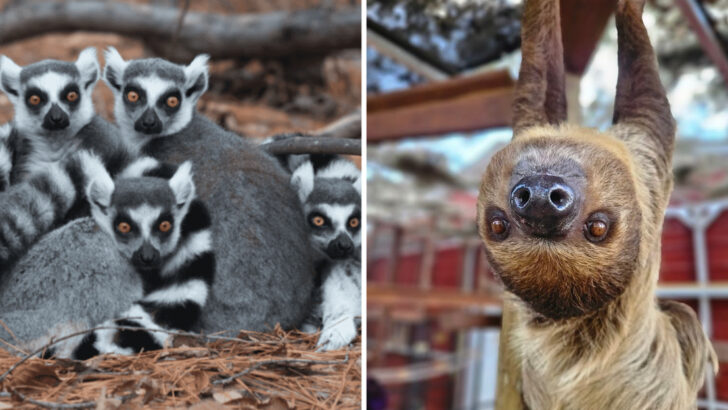
Hidden under moss-draped oaks in Webster, Florida, a 20-acre nonprofit sanctuary offers rare, respectful animal encounters you will talk about for years. Appointments keep groups small, the pace unhurried, and the focus where it belongs: meaningful connection and ethical care.
From lemur armpit scritches to otter feedings and sloth meet-and-greets, every moment feels intentional and thoughtfully guided. Planning a visit the right way makes all the difference, and the insider tips below will help you get the most from your day.
Why Visits Are By Appointment Only
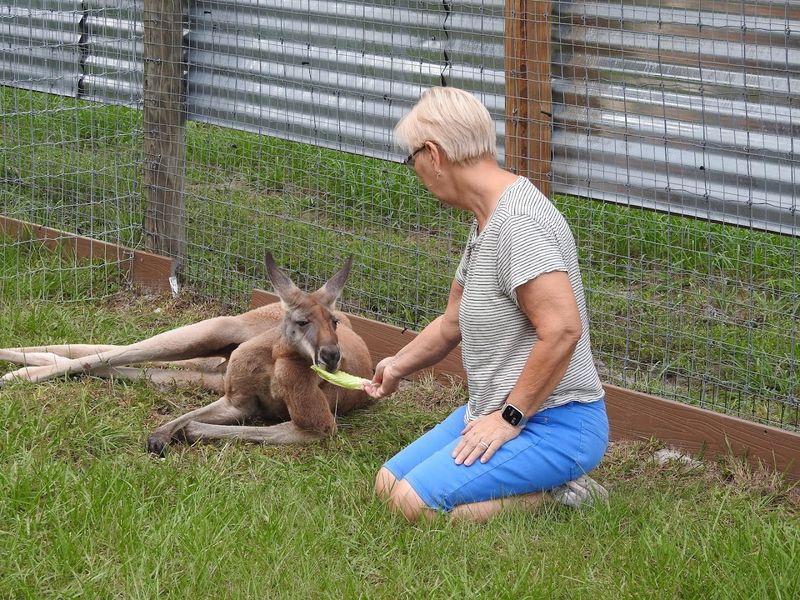
Showing up spontaneously sounds fun, but this place is different by design. Appointments keep groups small, protect animal routines, and ensure staff can focus on safety and education.
You get more time, more access, and fewer distractions because everything runs on a thoughtful schedule.
That structure matters when animals have specialized diets, training windows, and quiet hours. A calm environment encourages natural behaviors, which means better photos and richer interactions.
Guides can read animal body language and pace the experience so your group sees more without stress.
There is another benefit you will feel instantly. With fewer people, questions get answered, hands-on moments feel personal, and you will not be jostling for space.
Reviews rave about how interactive the tours are because attention is never diluted.
Booking early sets realistic expectations and lets you choose experiences that match your comfort level. If you prefer extra privacy or are celebrating, consider a VIP or private tour.
You will leave with better stories and the good feeling that your visit supported ethical care, not crowds.
VIP Guided Tour Essentials
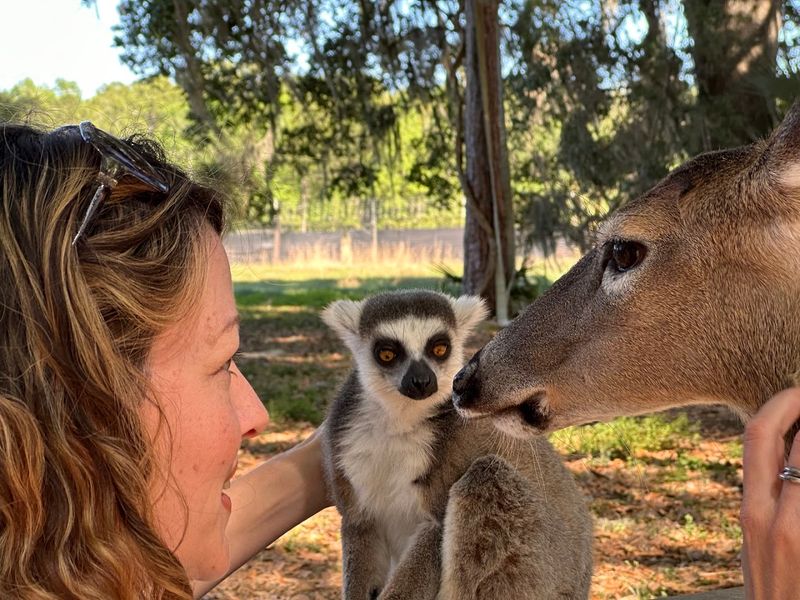
Calling it VIP is not about velvet ropes. It is about time, access, and the right guide helping you connect with incredible animals at a comfortable pace.
Expect hands-on moments with species you have only read about, plus space to ask every question.
Knowledgeable guides like Brody, Jill, or Kathy tailor the route to energy levels and interests. One group might linger with lemurs, practicing gentle touch, while another spends extra time at otters or tortoises.
You will learn how to stand, move, and offer food so animals feel safe.
Education sits at the center of every stop. You will hear rescue stories, enrichment strategies, and how training supports medical care without force.
That context turns a simple encounter into something unforgettable and respectful.
Booking VIP also helps you sidestep crowd dynamics. Smaller groups mean clearer photos, easier instruction, and more opportunities to participate.
If you are celebrating a birthday or making a memory with kids, this format delivers calm, joyful focus from start to finish.
Meeting the Lemurs Up Close

Lemurs tend to steal the show the moment you hear their calls under the oaks. Guides teach you gentle touch, where a light scratch is welcome, and when to pause so they can choose interaction.
Respecting boundaries often leads to surprising trust.
Enrichment keeps their minds active, and you might help present a puzzle feeder or offer a treat with open palms. You will notice trainers modeling calm body language and slow movements.
That rhythm lets you appreciate their curiosity without rushing.
Photos look better when you squat to their eye line and avoid sudden angles. Ask your guide about preferred positions, then capture expressions while keeping fingers tucked.
Natural shade helps with even light, reducing harsh midday glare.
Stories about individual personalities bring the experience to life. You will likely meet social butterflies and cautious thinkers, each with quirks and favorite snacks.
Leaving with that understanding builds empathy and reminds you why ethical sanctuaries matter.
Gentle Time With Sloths
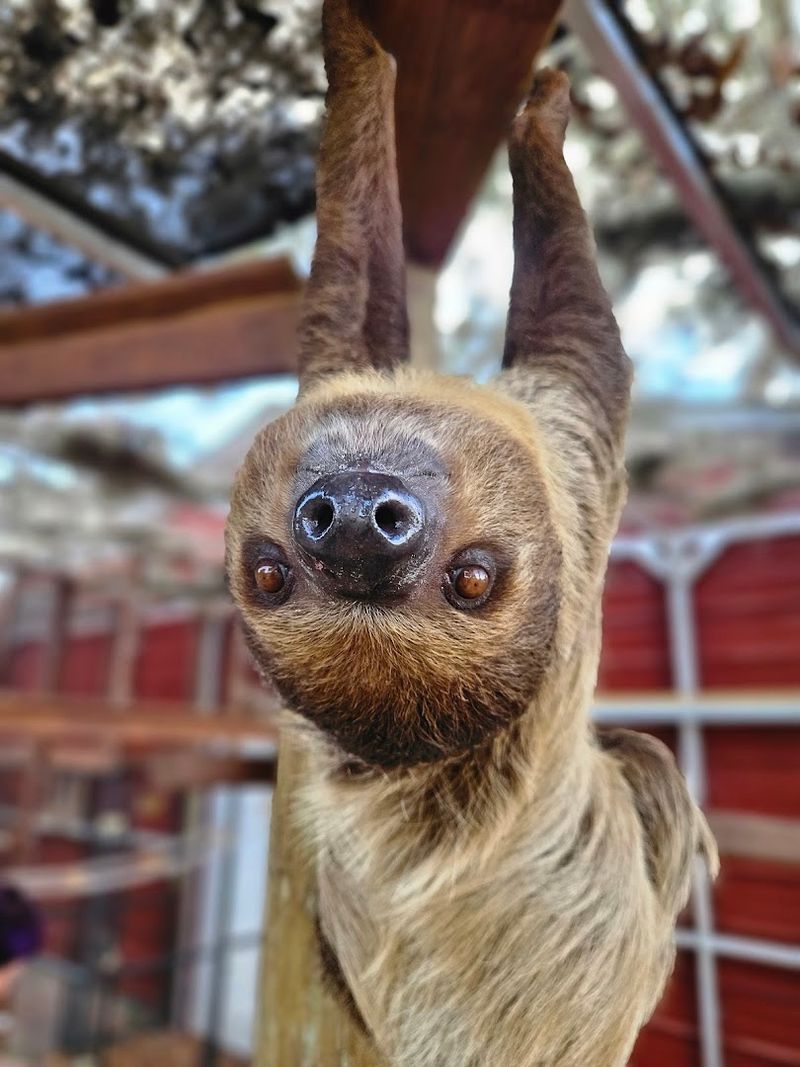
Slow is the whole point here, and it feels surprisingly restorative. You will learn to keep movements minimal, voices low, and hands steady while a trained staff member introduces you.
Patience pays off when a sloth decides to check you out on its terms.
Guides explain diet, sleep patterns, and husbandry that keeps stress low. You might observe training that allows nail trims or health checks without restraint.
Seeing cooperative care in action reframes what compassionate handling looks like.
Lighting can be dim, so plan photos accordingly. Ask before using a phone, avoid flash, and favor short videos that capture tiny, deliberate gestures.
The beauty is in details like nose twitches and unhurried blinks.
Kids often calm down naturally during this segment. Build on that mood with open-ended questions about habitat loss and rescue journeys.
You will leave a quieter corner feeling oddly energized by gentleness, which is a lovely souvenir to carry home.
Toucans, Hornbills, and Cool Birds
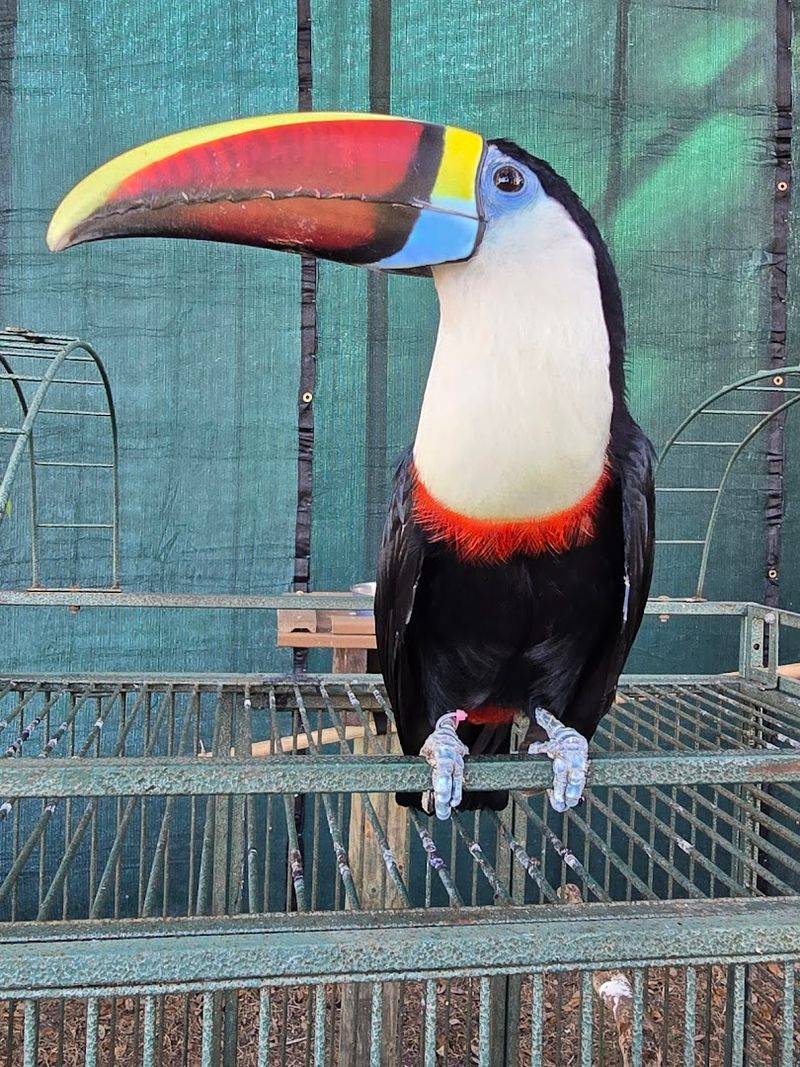
Vibrant beaks and curious eyes make these birds unforgettable. Under staff guidance, you may observe training cues, present enrichment, or even witness a simple trick that showcases intelligence.
The focus stays on welfare, so patience and soft voices are key.
Look for details in the habitat like varied perches and puzzle feeders. Those elements challenge minds and prevent repetitive behavior.
You will hear why diet, ultraviolet lighting, and medical training matter to long-term health.
Photography rewards timing over zoom. Step back, anticipate a hop, and hold the frame as a hornbill lands.
Bright colors pop beautifully against oak shade when exposure stays even.
Kids respond well to stories about individual birds with memorable quirks. Ask how each arrived and what progress they have made.
You will leave with a new respect for how complex and engaging avian care can be in a sanctuary setting.
Responsible Hands-On Moments
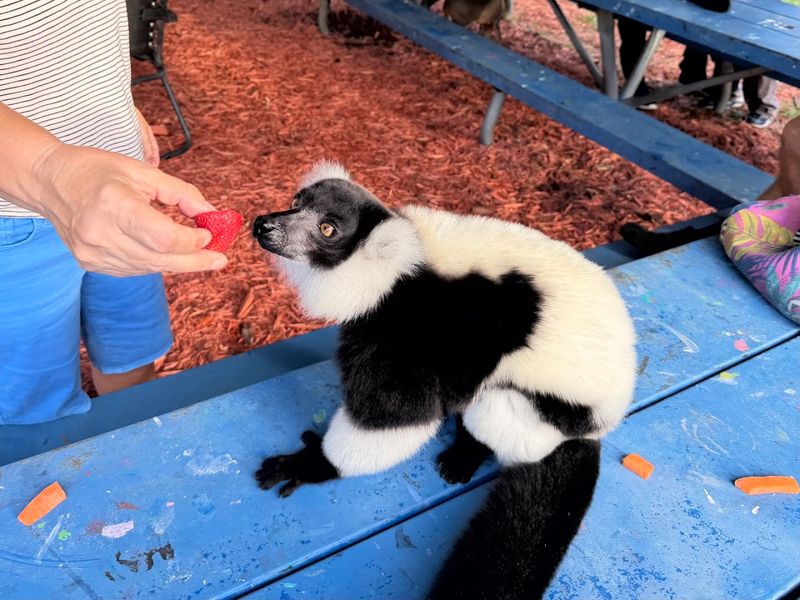
Touch is a privilege here, not a guarantee, and that mindset changes everything. Staff will invite you in only when an animal signals comfort and the setting is right.
Listening closely leads to better contact and safer memories.
You will practice simple rules like flat palms, tucked thumbs, and steady knees. Moving slowly tells animals you are predictable and safe.
Asking before every step helps trainers gauge readiness and keep stress low.
Handwashing breaks are part of the rhythm. Bring a small towel and stay sun-aware so you are not distracted during key instructions.
The little preparations free you to focus on the moment.
Parents appreciate how clear expectations are for kids. Set the tone in the parking area by explaining why whisper voices and patient waiting matter.
You will be amazed at how eager children are to do it right when they understand the why.
Staying Overnight at the Hacienda

Falling asleep beside a habitat feels magical in the most grounded way. The onsite Hacienda offers a rare window into nighttime routines while keeping everyone safe and comfortable.
You will wake to soft rustles and morning birdsong instead of an alarm.
Guests still follow sanctuary rules, with staff guiding how and when to observe. That structure preserves animal privacy while giving you unforgettable proximity.
Reviews mention how calm the space feels after a hands-on day.
Pack layers for cool mornings and plan coffee on the porch under the oaks. It is the perfect reset before another appointment-based session.
Photographers love the golden light skimming habitat edges at sunrise.
Booking early is smart because availability is limited and weekends go fast. If your group includes light sleepers, choose a room farther from active early risers.
You will check out feeling connected, informed, and grateful for the chance to help fund rescue work.
Accessibility, Heat, and Group Comfort
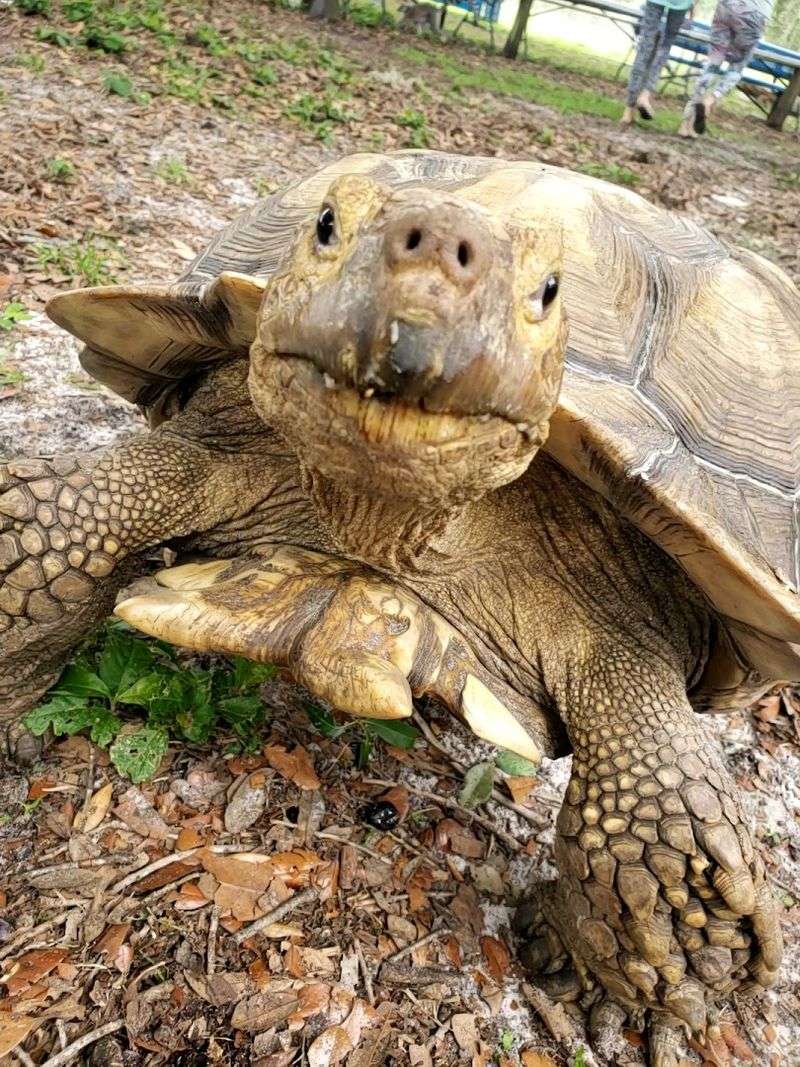
Florida heat shows up even under generous shade, so plan like a pro. Book morning slots in warmer months, bring water, and wear breathable clothes with closed-toe shoes.
A small towel and sunscreen go a long way.
Paths are informal and can be uneven in places. With persistence or assistance many guests manage fine, but mobility needs deserve pre-visit planning.
Call ahead so staff can advise on tour type and pacing.
Group dynamics improve with a few simple habits. Give others elbow room at enclosures, rotate photo spots, and keep bags tucked to avoid crowding.
Everyone ends up with cleaner shots and calmer animals.
If you prefer extra space, ask about private tours at booking. The sanctuary team wants you to have a great time and can recommend the best fit.
Thoughtful choices upfront make the day more relaxed for you and the animals.
Volunteering, Donations, and Round-Up
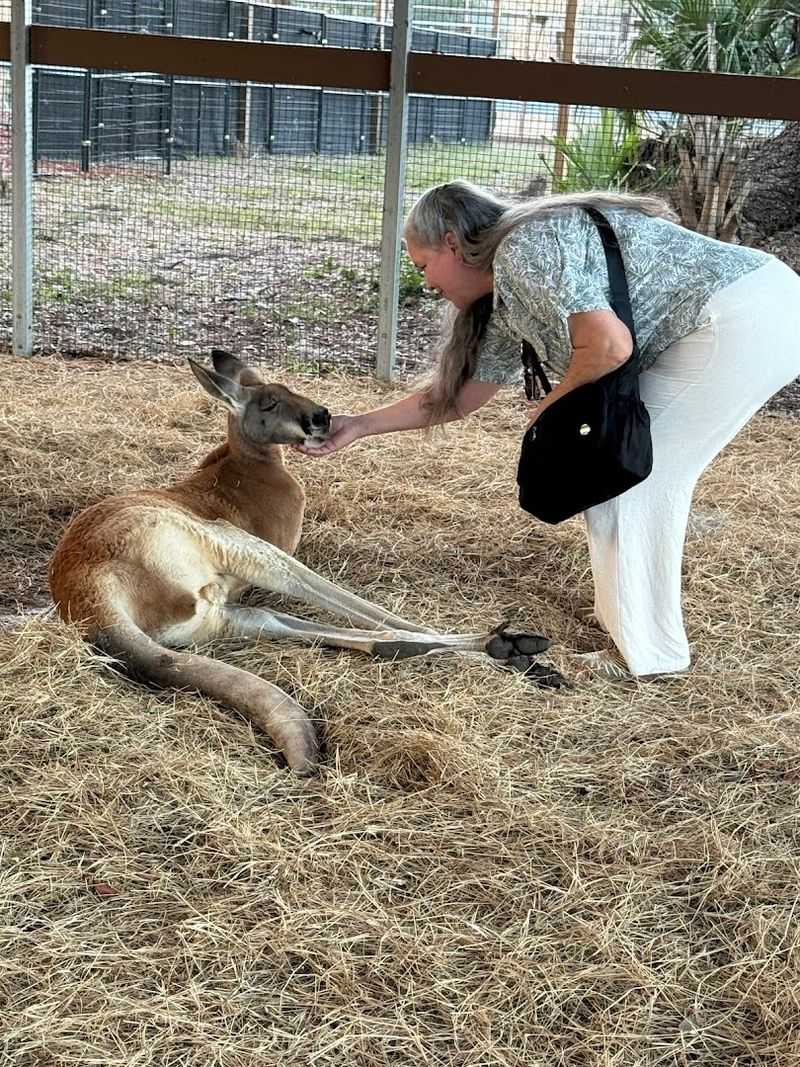
Impact does not end when the tour wraps. The nonprofit model relies on donations, experiences, and small recurring gifts that cover produce, habitat upgrades, and vet care.
Even a few dollars help stabilize monthly needs.
Ask about the Round-Up program and volunteering pathways. Some visitors return to help build enrichment, prep diets, or assist on tours after training.
Hands that show up consistently make a real difference.
Kids can get involved by hosting birthday fundraisers or gathering supplies from wish lists. Transparency is strong here, so you will see exactly how support gets used.
That clarity makes giving feel straightforward and rewarding.
Share photos with context when you get home. A sentence about ethical care and appointment-only access invites friends to support responsibly.
Your voice extends the sanctuary’s mission beyond the property line in a meaningful way.
Photography Without Stress
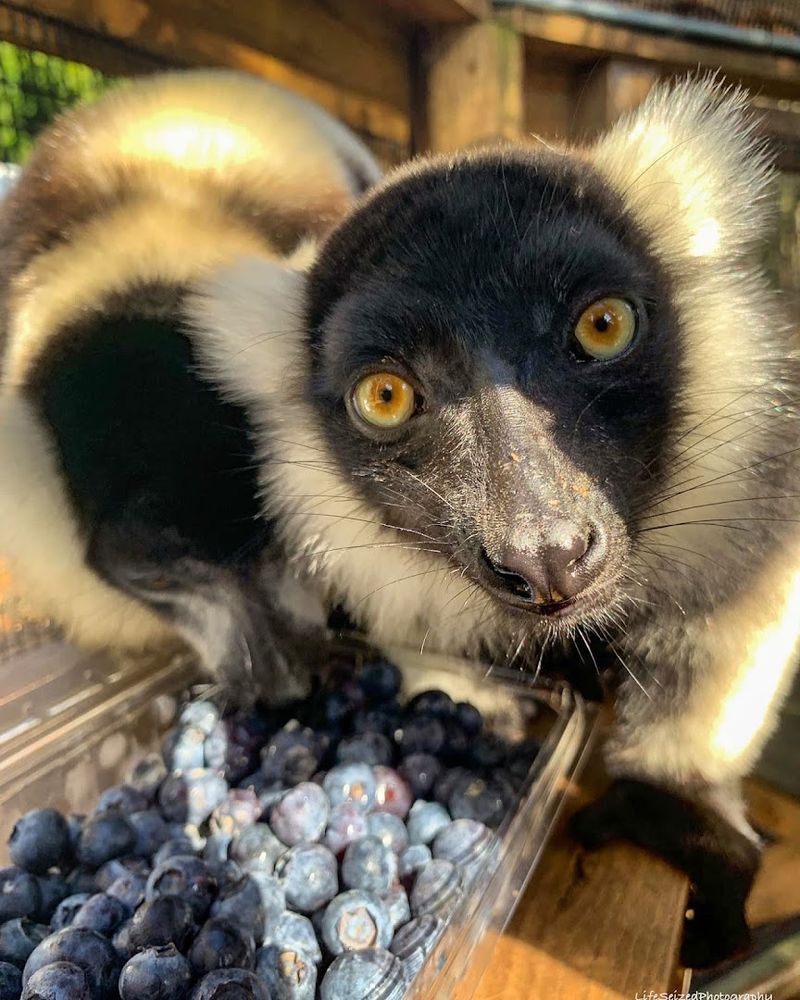
Great photos start with patience and awareness. Ask your guide where to stand and when to pause so animals can approach comfortably.
Turning off flash and avoiding rapid movements preserves trust and yields better images.
Think in sequences rather than single shots. Capture a wide establishing frame, then a medium, then a close detail like hands meeting fur.
This tells a fuller story and keeps you from over-zooming.
Shade under the oaks is your friend. Expose for faces, not backgrounds, and brace elbows against your torso to cut blur.
If you miss a moment, breathe and wait for the next cue.
Finally, be generous with space. Offer others a turn at the best angle and swap to video when movement increases.
You will head home with respectful images and zero guilt about interrupting a beautiful interaction.
Planning Your Day in Webster
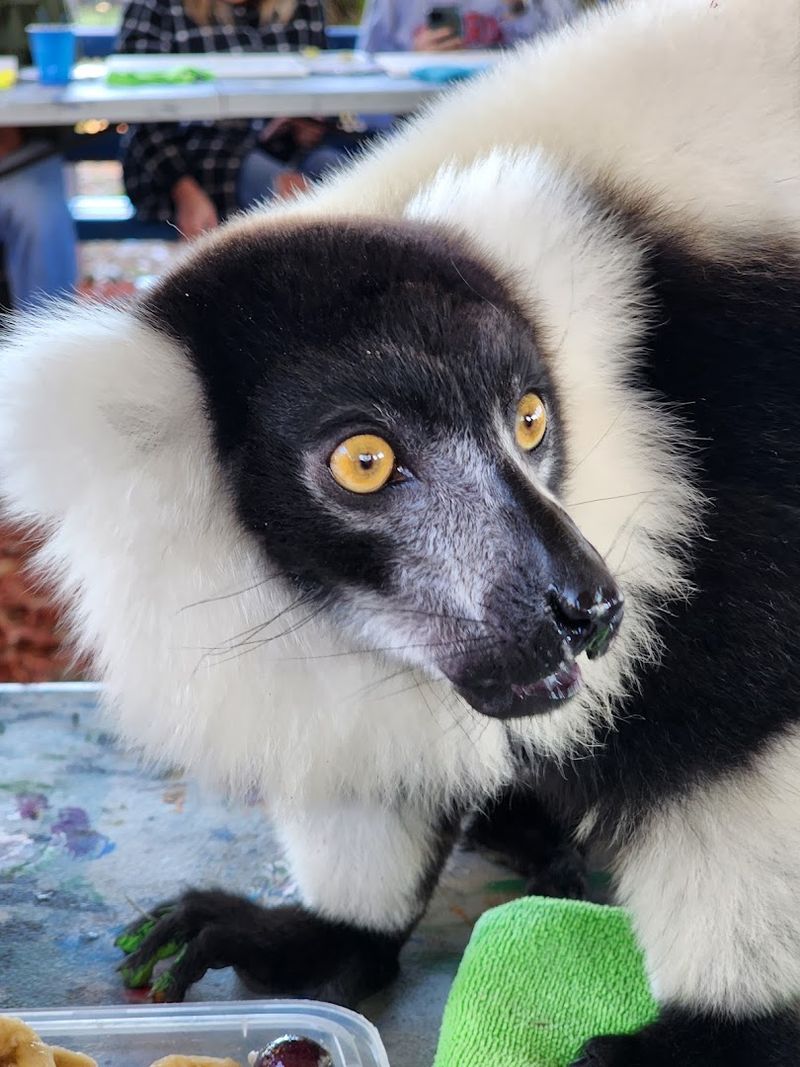
The drive to SE 122nd Blvd sets a relaxed tone, so give yourself extra minutes to enjoy it. Arrive early, check in calmly, and refill water before the first encounter.
A small backpack keeps hands free for enrichment activities.
Phone signal can be spotty on rural roads, so screenshot directions and your booking confirmation. Comfortable layers, closed-toe shoes, and bug spray cover most needs.
Toss a portable charger in your bag if you like to film.
Meals are simple: eat beforehand and bring snacks for after the tour. The schedule moves steadily, and no one wants a rumbling stomach while meeting otters.
If celebrating, tell staff during booking to time highlights just right.
End the visit at the website for follow-up support and future dates. Leaving a thoughtful review helps animal lovers find this hidden gem.
You will head out feeling present, informed, and very ready to return.