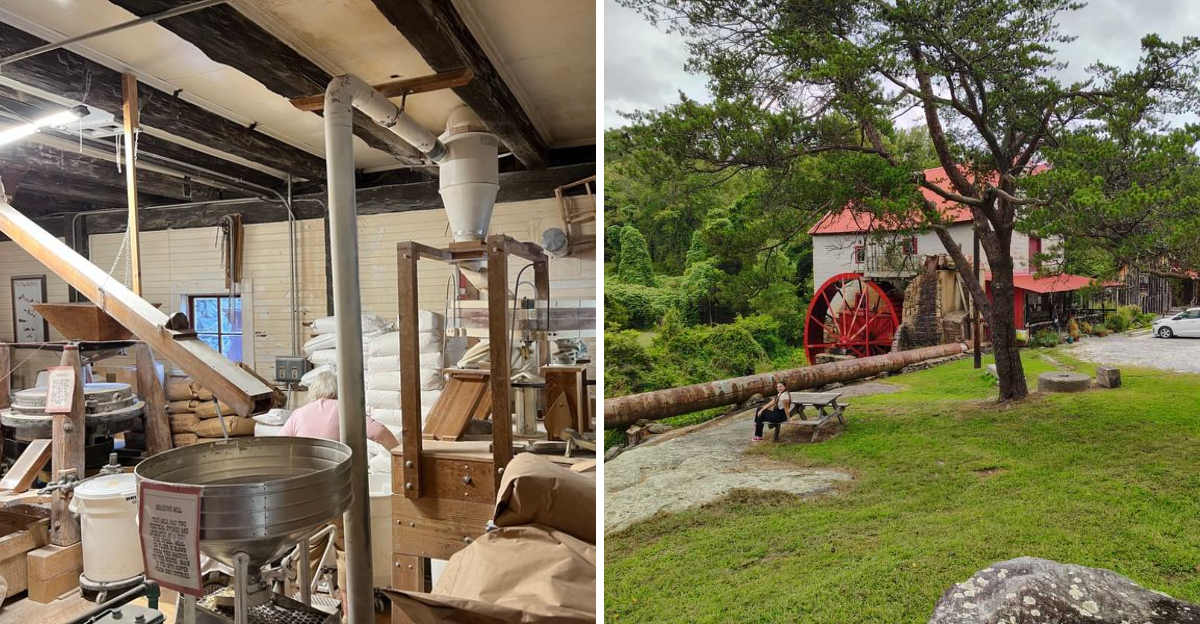
Some places don’t just preserve history—they keep it alive with every turn of the water wheel.
Hidden in Oak Ridge, the Old Mill of Guilford has been grinding grain since 1767, long before the United States existed.
More than two centuries later, the mill is still producing fresh cornmeal, flour, and grits using traditional methods that have stood the test of time.
The aroma of freshly baked sweet potato muffins drifts through the historic mill store, drawing hungry travelers through the doors.
Watching the massive water wheel power the milling stones feels like stepping into another century, where craftsmanship still matters.
Whether you’re chasing North Carolina history, searching for fresh stone-ground products, or simply craving one of the state’s most beloved muffins, this remarkable mill offers an unforgettable stop packed with flavor, heritage, and small-town charm.
A Colonial-Era Mill That Has Survived for More Than 250 Years
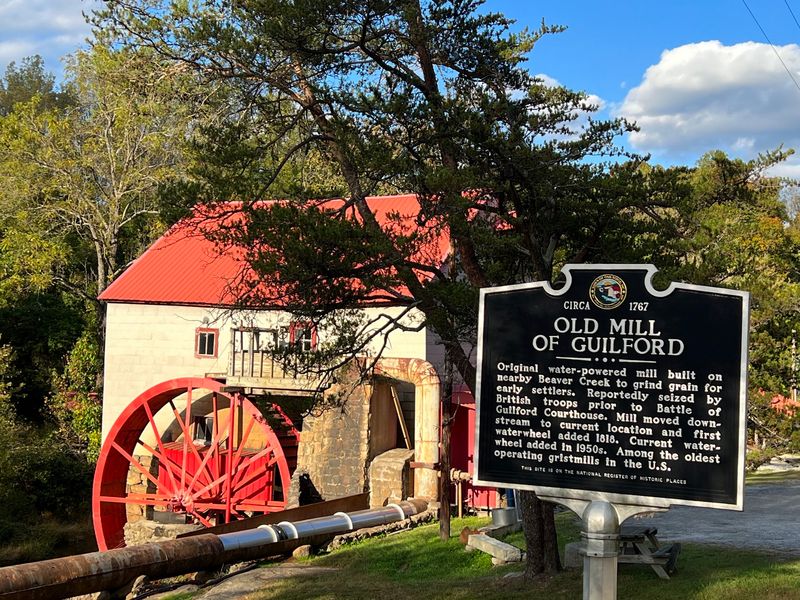
Founded in 1767, the Old Mill of Guilford started grinding grain when King George III still ruled the American colonies. Settlers traveling through what would become North Carolina needed somewhere to turn their harvested corn and wheat into usable flour.
This mill became that essential gathering place.
The building has witnessed more than two and a half centuries of American history, from colonial times through the Revolutionary War, the Civil War, and into modern times. While countless other mills have crumbled or been demolished, this one keeps standing strong.
What makes it special isn’t just its age but the fact that it never stopped working.
Today, visitors can tour one of North Carolina’s oldest continuously operating milling sites. The wooden structure, though carefully maintained over the years, retains much of its original character.
Walking through the door feels like stepping back in time to when communities depended on mills like this for their daily bread. The mill represents an unbroken thread connecting modern North Carolinians to their colonial ancestors.
The Working Water-Powered Mill You Can Still Watch in Action
Most historic mills you visit are frozen in time, with machinery that hasn’t moved in decades. Here’s where the Old Mill of Guilford breaks that mold completely.
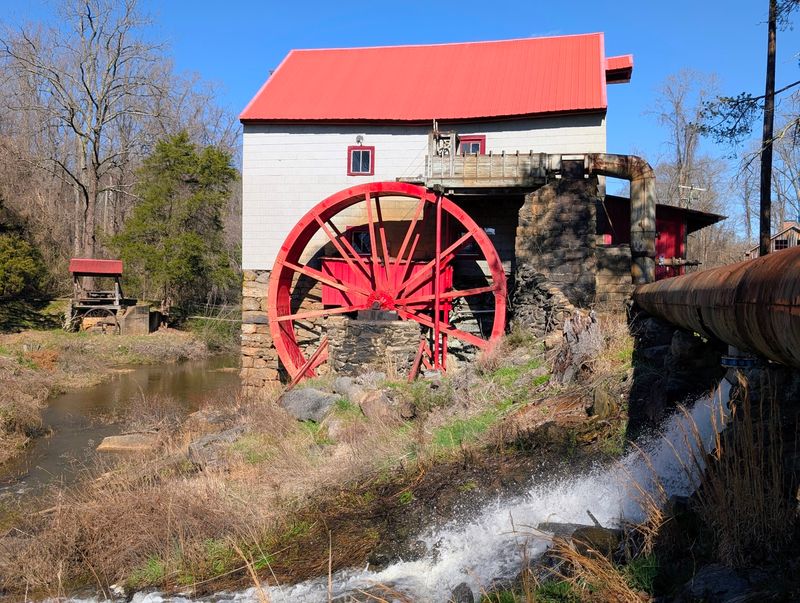
The massive overshot water wheel still turns, powered by Beaver Creek just like it has for generations.
Watching the milling process happen right before your eyes is genuinely mesmerizing. Water rushes over the wooden wheel, which connects to heavy grinding stones inside the building.
These millstones slowly crush whole grains into fine flour and cornmeal using methods perfected centuries ago. You can hear the rumble of the stones and smell the fresh grain being ground.
The mill produces real products people actually buy and use in their kitchens. Fresh cornmeal, flour, and grits come straight from these time-honored techniques.
There’s something magical about seeing food made the same way your great-great-great-grandparents would have experienced. No electric motors or modern shortcuts here, just water, stone, and gravity working together perfectly.
The Sweet Potato Muffins That Keep People Coming Back
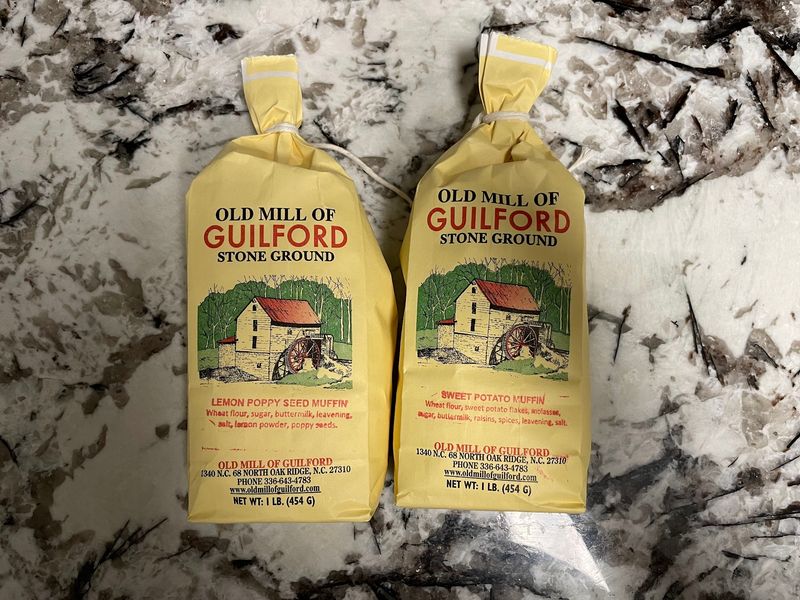
Ask anyone who’s been to the Old Mill what they remember most, and nine times out of ten they’ll mention those sweet potato muffins. The mill’s signature Sweet Potato Muffin Mix has developed a fan club across North Carolina and beyond.
People drive from hours away specifically to stock up on bags of this mix.
What makes these muffins so special? The recipe combines sweet potato with the mill’s stone-ground flour, creating a moist, slightly sweet treat that tastes like autumn in every bite.
The texture is perfect – not too dense, not too crumbly. Many visitors get to try samples of freshly baked muffins right in the store, still warm from the oven.
Once you taste them, you understand why customers buy the mix by the bagful. Home bakers love how easy the mix makes recreating that country-mill taste in their own kitchens.
Travelers heading back home often grab several bags as gifts for friends and family. These muffins have become the mill’s calling card, the treat that turns first-time visitors into regular customers.
Shop Shelves Filled With Stone-Ground Goodness
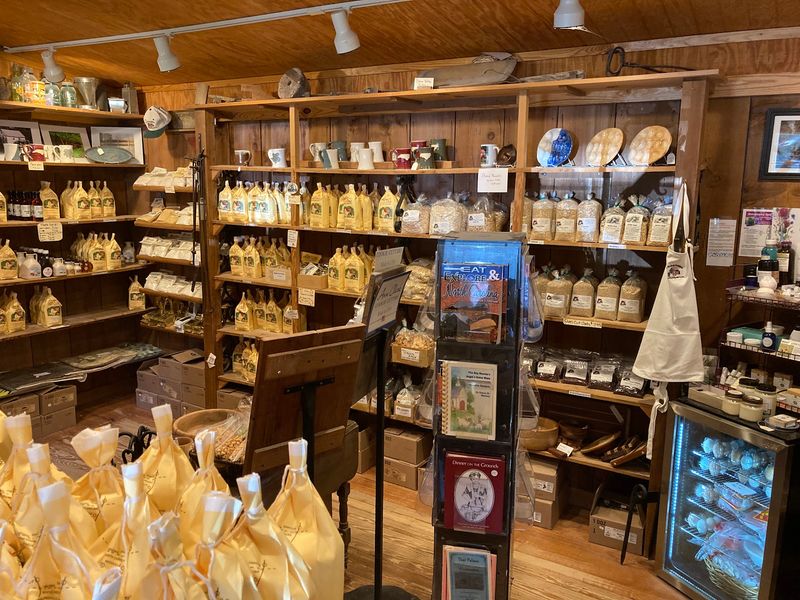
Sweet potato muffins might be the star, but the mill’s store offers so much more than one famous recipe. Shelves overflow with stone-ground products that home bakers and cooks dream about finding.
Every bag contains grains milled right on the property using those historic grinding stones.
You’ll find traditional cornmeal in various grinds, from fine to coarse. Grits lovers can choose between white and yellow varieties.
The pancake mixes, biscuit mixes, and cookie mixes all feature that distinctive fresh-ground quality you simply can’t get from factory-processed flour. Whole grain options, specialty flours, and old-fashioned rolled oats round out the milling products.
Beyond flour and meal, the store stocks locally made jams, preserves, honey, and other North Carolina food products. Buying directly from the mill means getting the freshest possible products at reasonable prices.
Serious bakers appreciate knowing exactly where their ingredients come from and how they’re made. The difference in taste between fresh-milled and store-bought flour is remarkable once you try it yourself.
A Piece of Revolutionary War History
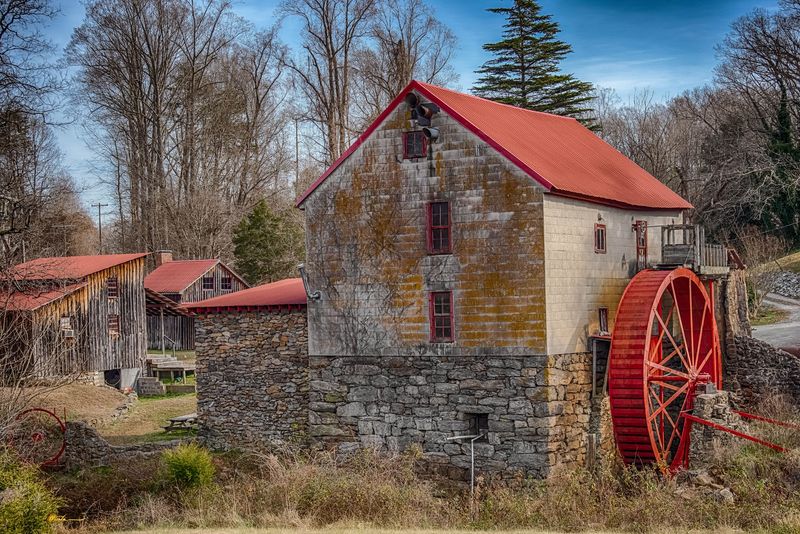
Picture this: it’s March 1781, and British General Cornwallis is marching his troops through North Carolina toward what will become the Battle of Guilford Courthouse. His army needs food, and they find this mill grinding grain beside Beaver Creek.
History suggests British soldiers used the mill to grind provisions before that pivotal battle.
The Battle of Guilford Courthouse happened just a few miles away from the mill. Though technically a British victory, Cornwallis lost so many men that it weakened his forces significantly.
Within months, he surrendered at Yorktown, effectively ending the Revolutionary War. This humble mill played a small but real role in that historic chain of events.
Standing inside the mill today, you’re touching the same beams and walking the same floors that witnessed the Revolutionary War firsthand. Very few places can claim such direct connections to America’s founding struggles.
The mill wasn’t just a bystander to history – it actively participated by feeding armies that shaped our nation’s future.
Beautiful Creekside Scenery Worth Slowing Down For
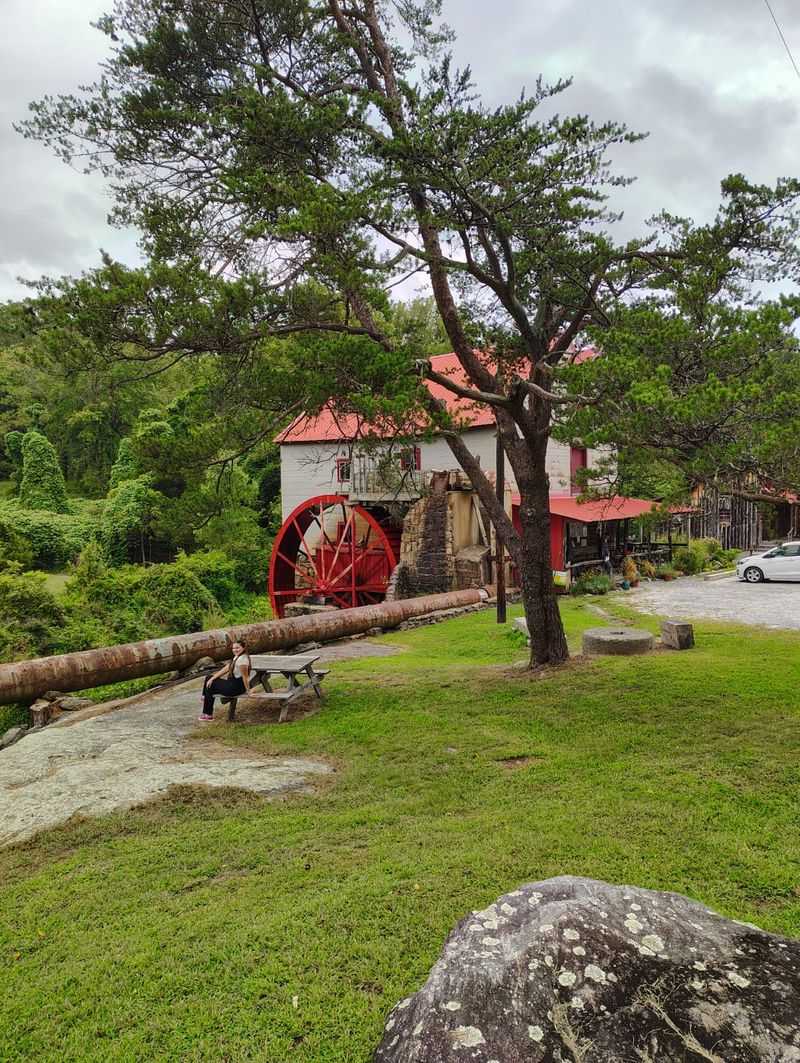
Beaver Creek flows gently past the mill, creating a scene straight out of a storybook. Mature trees shade the property, their branches arching over the water and the old wooden buildings.
The setting feels peaceful and timeless, far removed from busy highways and strip malls despite being just minutes from Greensboro.
Photographers absolutely love this spot. The combination of historic architecture, flowing water, and natural surroundings offers endless picture opportunities.
Different seasons bring different charms – spring wildflowers, summer greenery, brilliant fall foliage, and stark winter beauty. Artists often set up easels to capture the mill on canvas or paper.
During autumn, leaf-peepers make special trips to see the trees surrounding the property burst into reds, oranges, and golds. The creek reflects these colors beautifully.
Even if you’re not shopping for cornmeal, taking a walk around the grounds provides a wonderful break from everyday stress. The sound of water rushing over the wheel and birds singing in the trees creates natural therapy.
Many visitors sit by the creek just soaking in the tranquility.
Inside the Historic Mill Store
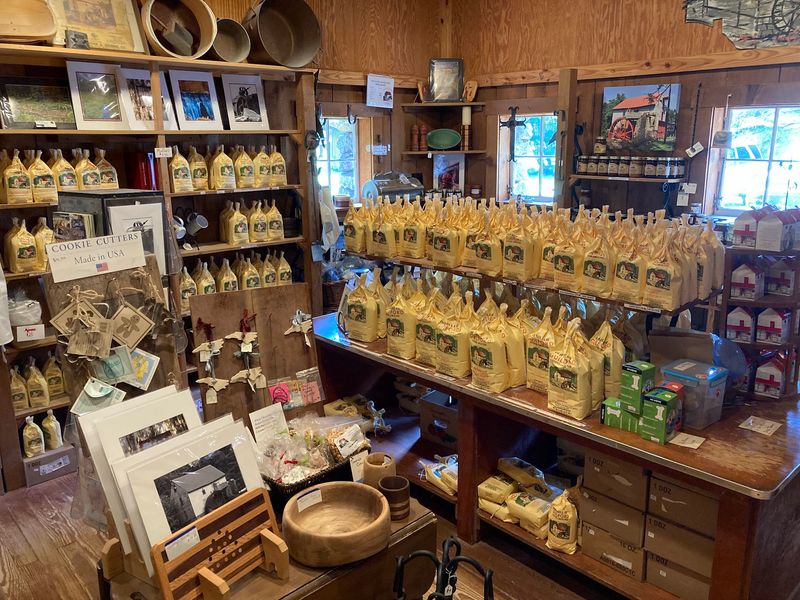
Push open the door and you’re immediately transported to an earlier era of American shopping. The mill store feels more like your grandmother’s country kitchen than a modern retail space.
Wooden floors creak underfoot, and the aroma of fresh-baked goods mingles with the scent of ground grain.
Besides all those wonderful baking mixes and stone-ground products, you’ll discover shelves packed with North Carolina-made treasures. Local honey in various flavors, homemade jams and preserves, specialty sauces, and traditional candies create a tempting array.
The gift section offers kitchen gadgets, cookbooks featuring Southern recipes, decorative items, and souvenirs celebrating North Carolina heritage.
Shopping here feels personal rather than commercial. The staff knows their products inside and out because many items are made right on the premises or sourced from nearby artisans.
They’re happy to share recipes, baking tips, and stories about the mill’s history. Unlike impersonal big-box stores, this place welcomes conversation and takes time with each customer.
You might come for flour but leave with new friends and family recipes.
The Volunteers and Millers Keeping Tradition Alive
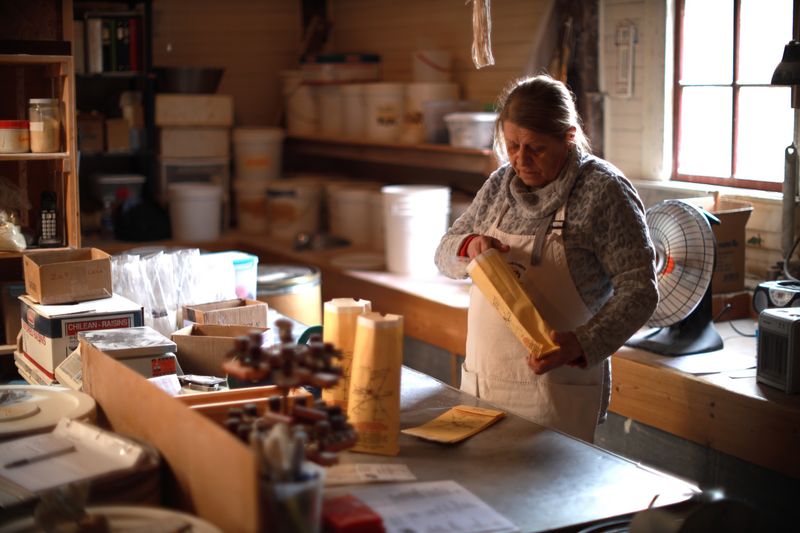
Behind every bag of flour and every turn of that water wheel stands a dedicated team of millers and volunteers who refuse to let this heritage disappear. These aren’t actors playing dress-up – they’re skilled craftspeople who understand the art and science of traditional milling.
Operating a water-powered mill requires knowledge passed down through generations. You need to understand water flow, stone maintenance, grain moisture content, and dozens of other variables.
The millers here have learned these skills from mentors who learned from previous generations. Some volunteers have been helping at the mill for decades, becoming living links to the past.
Their commitment means visitors experience authentic working history rather than a static museum display. They maintain the equipment, grind the grain, bake the samples, and share stories with guests.
Community support keeps the mill running as a true business producing real products. Without these devoted individuals, the Old Mill would be just another empty historic building.
Instead, it thrives as a vibrant connection to North Carolina’s agricultural heritage.
Why This Isn’t Just a Museum
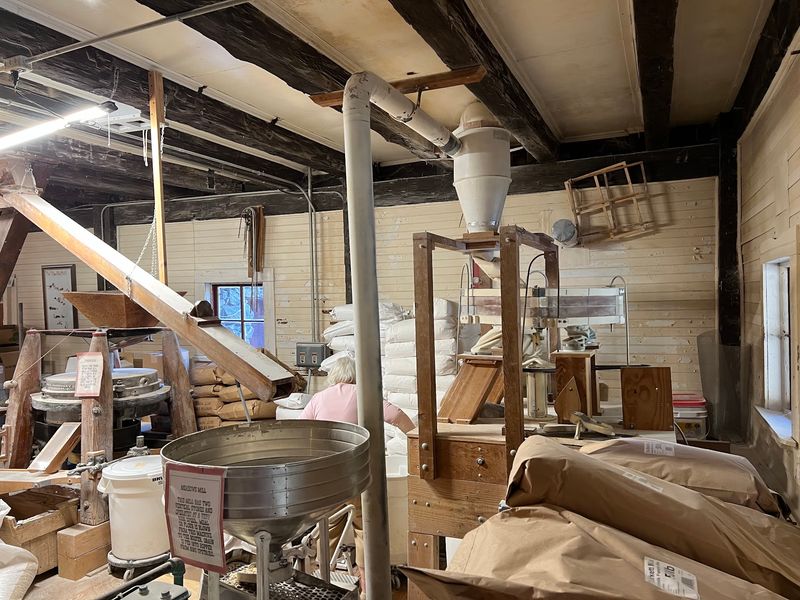
Museums preserve the past by freezing it in place. The Old Mill takes a completely different approach by keeping history alive and working.
Every single day, real grain gets ground into real flour that real people take home and bake with. That’s the crucial difference.
When you buy a bag of cornmeal here, you’re not purchasing a souvenir or replica. You’re getting actual food produced by methods dating back to the 1700s.
That bag of grits will make tomorrow’s breakfast using the same water-powered process that fed colonial settlers. The machinery isn’t roped off behind velvet barriers – it’s running, grinding, and producing.
This working status ensures the mill remains relevant to modern life rather than becoming a curiosity. Customers return regularly because they genuinely prefer the quality of fresh-milled products.
The mill proves that old ways aren’t always inferior to modern industrial methods. Sometimes, slower and traditional produces better results.
Experiencing history you can actually taste creates a connection museums can never quite achieve, no matter how well curated their exhibits might be.
Planning Your Visit to the Old Mill of Guilford
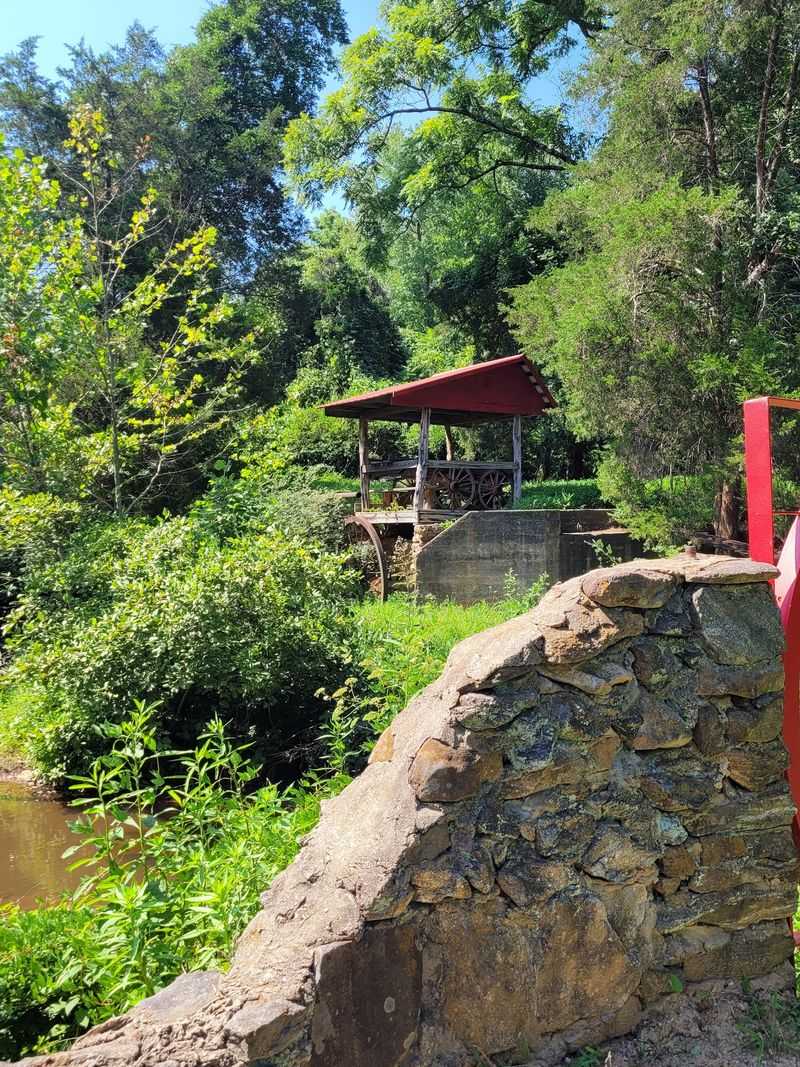
Ready to experience this slice of living history yourself? You’ll find the Old Mill of Guilford at 1340 NC-68 in Oak Ridge, just northwest of Greensboro.
The location is easy to reach whether you’re a local or passing through the Piedmont region of North Carolina.
The mill welcomes visitors during regular business hours throughout the week. Call ahead or check their website for current hours, especially around holidays.
Admission to the property is free – you only pay for products you want to purchase. Plan to spend at least an hour browsing the store, watching the mill in action, and exploring the beautiful grounds beside Beaver Creek.
Here’s an insider tip: arrive hungry, especially if you hope to sample those famous sweet potato muffins while they’re still warm. The nearby town of Greensboro offers additional attractions if you’re making a day trip.
Guilford Courthouse National Military Park sits just minutes away, creating a perfect historical pairing. Bring your camera, your appetite, and maybe some extra bags for all the stone-ground goodies you’ll want to take home.