

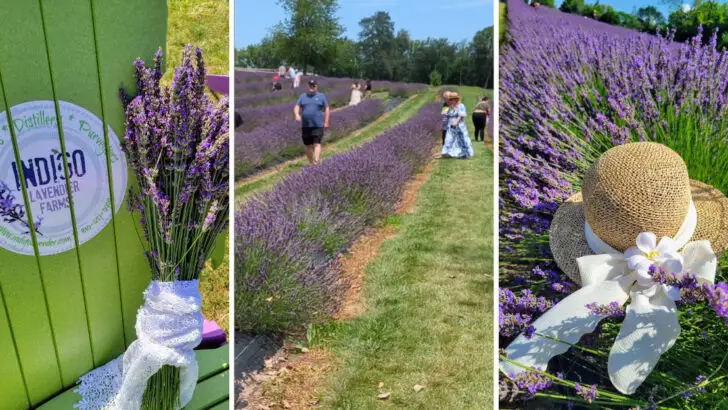
Some places make you forget the clock the second you arrive.
Indigo Lavender Farms in Imlay City, Michigan, isn’t just a farm — it’s a lavender-scented escape sprawling across 50 acres. Walking through rows of purple blooms, your senses wake up.
The air smells like sunshine, earth, and something impossibly calming.
Every corner offers a new delight. Fields stretch farther than you expect.
Bees hum over blossoms. Photos happen without trying.
Picnics, small shops, and fresh lavender treats turn a simple visit into hours of wandering, tasting, and daydreaming.
Visitors come for the flowers but stay for the feeling. Kids chase butterflies.
Couples linger over ice cream. Locals sneak out for a quick moment of quiet.
When a farm turns a short drive into a full-day adventure, you know it’s special. At Indigo Lavender Farms, purple fields, peaceful trails, and fragrant air make every minute unforgettable.
Map your day: hours, tickets, and best times to go
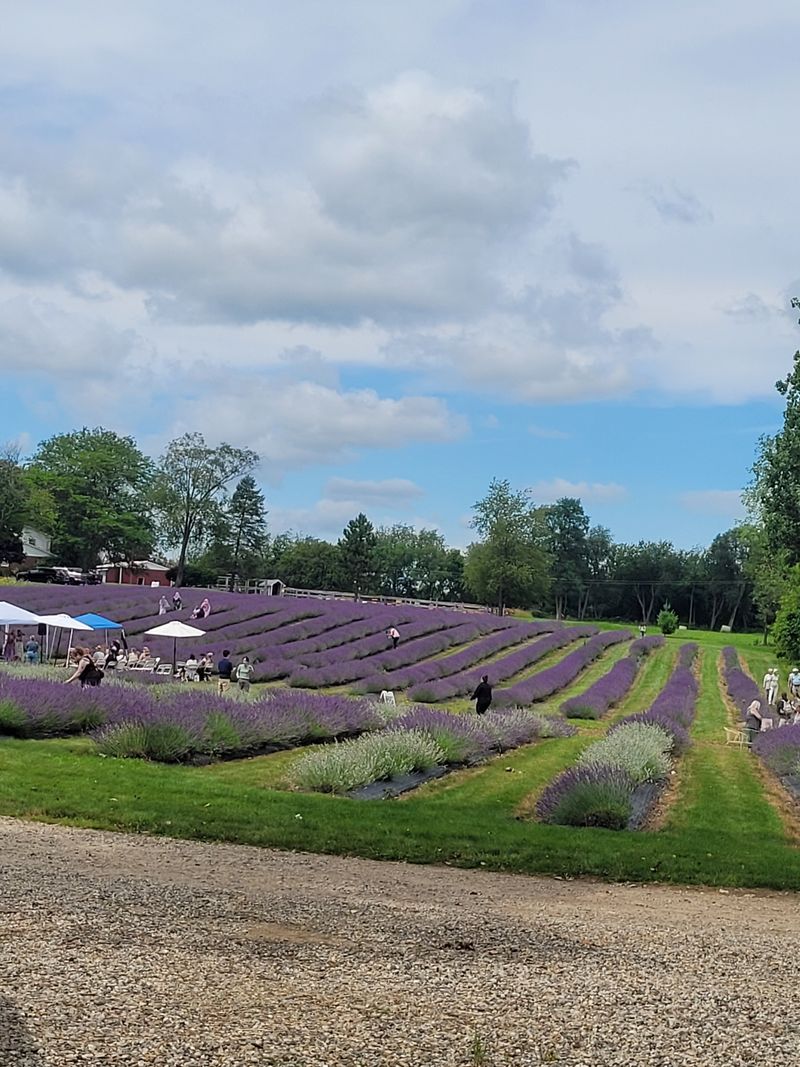
Start by planning around open hours and light. Indigo Lavender Farms typically opens Thursday through Sunday from 10 AM to 5 PM in season, with Monday through Wednesday closed.
Arrive right at open for quiet paths and fresh-cut opportunities, or near golden hour for warm photos and fewer crowds.
Tickets vary by activity, with options to stroll or add a u-pick wristband for a generous bundle. Budget a bit for the shop and possible festival extras, like food vendors or live music.
Parking is free and straightforward, and the map at check-in helps you find your rhythm.
Summer weekends get lively, so consider Friday for a calmer vibe. If you are booking portraits, sunrise or late afternoon is your friend.
Bring water, a hat, and comfy shoes for uneven ground.
Weather can shift quickly, so check social pages or call ahead for updates on events. Light rain can add mood to the fields and soften colors in photos.
If storms threaten, flexibility helps. Either way, planning your timing turns a pleasant visit into an effortless all-day escape.
Walking the fields: scents, varieties, and peak bloom
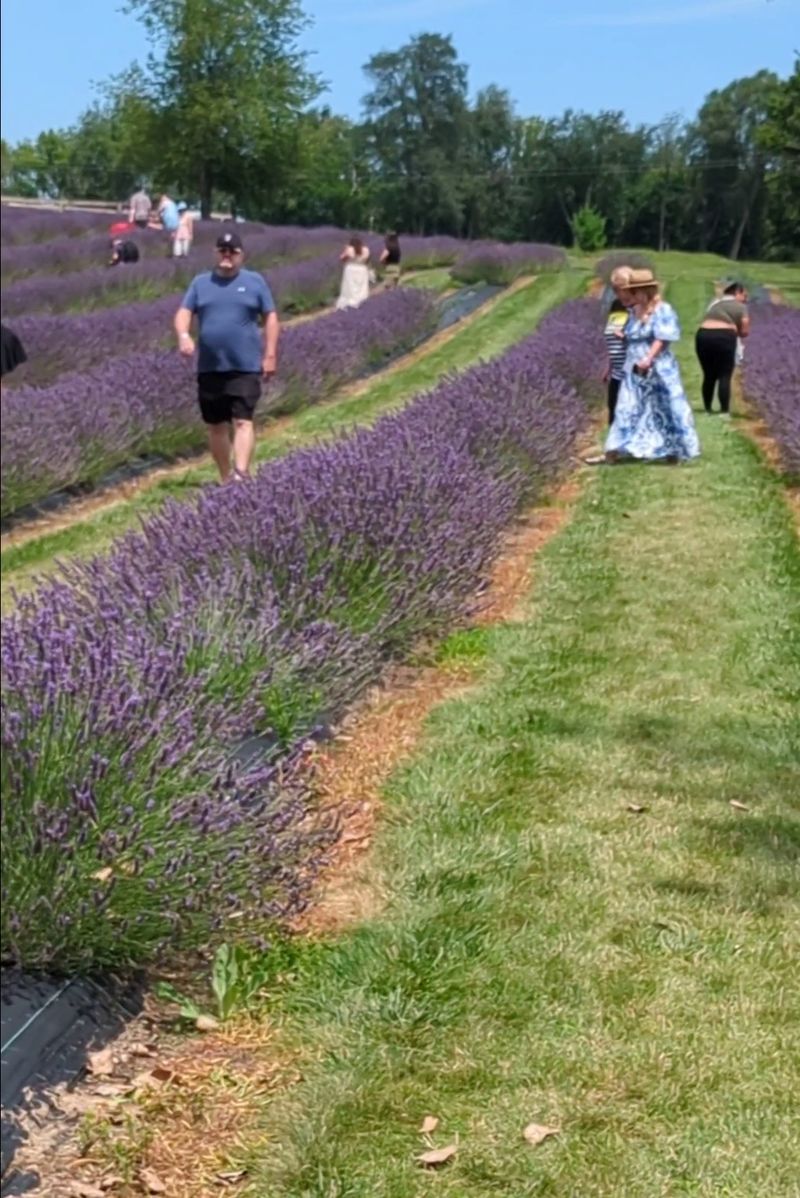
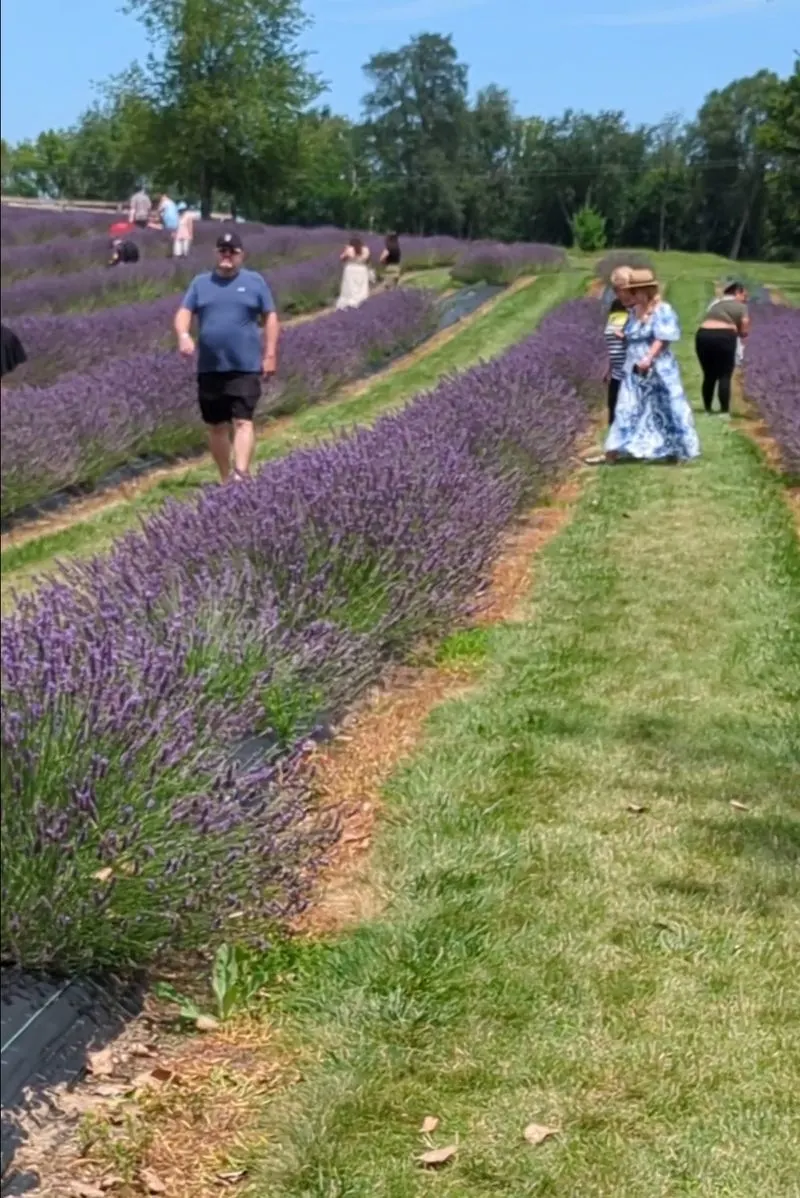
Step into rows that ripple purple toward the horizon, each variety offering its own aroma. You will notice soft color shifts from dusky mauve to vibrant violet, and a hum of happy bees doing their work.
The air smells clean and calming, especially after a light breeze moves through.
Peak bloom usually falls mid to late summer, but timing shifts with weather. Early bloomers bring pale shades, while later fields deepen in color.
Staff can point you to the most photogenic rows on the day you arrive.
Take your time wandering, because every curve of the farm reveals new angles. A wooden bridge, a pond, and pockets of wildflowers offer contrast to the lavender sea.
Benches tucked in pines make peaceful resting spots.
Look closely at buds and stems to see differences in texture and oil potential. If you plan to distill at home or dry bundles, ask which varieties suit your goals.
Bring a small bag for personal items so your hands are free for photos and cuts. You will leave with the scent lingering on your sleeves.
U-pick made simple: how to cut and care for your bundle
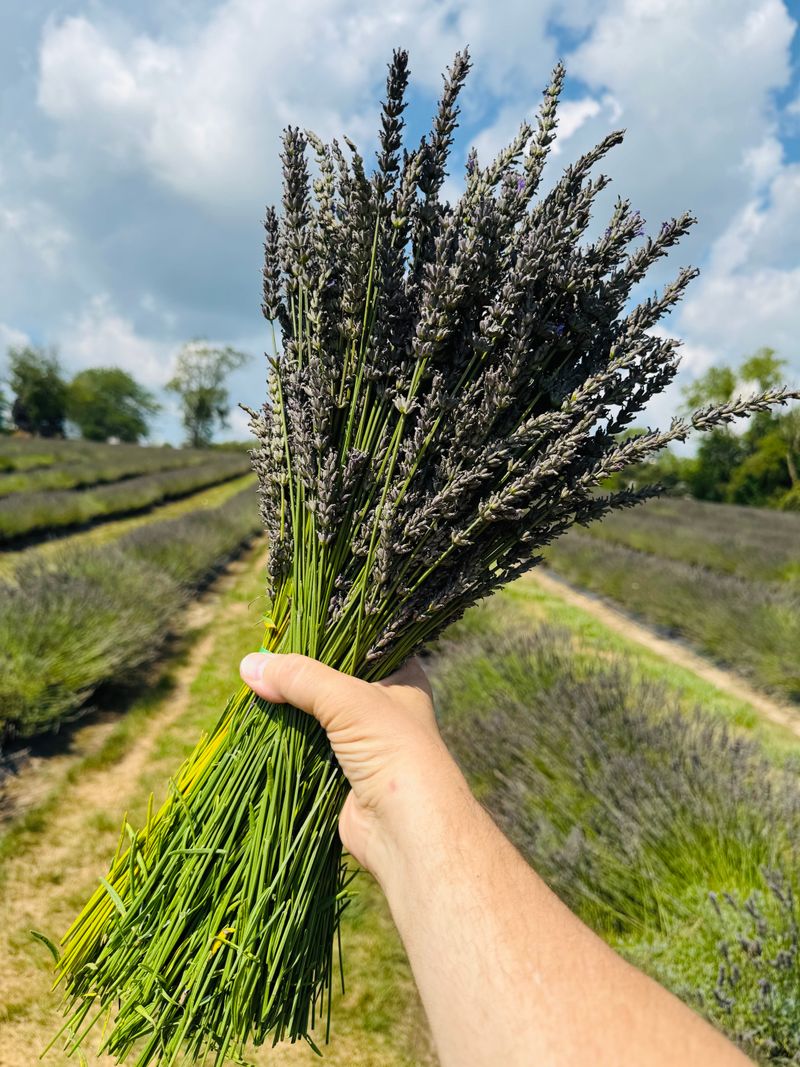
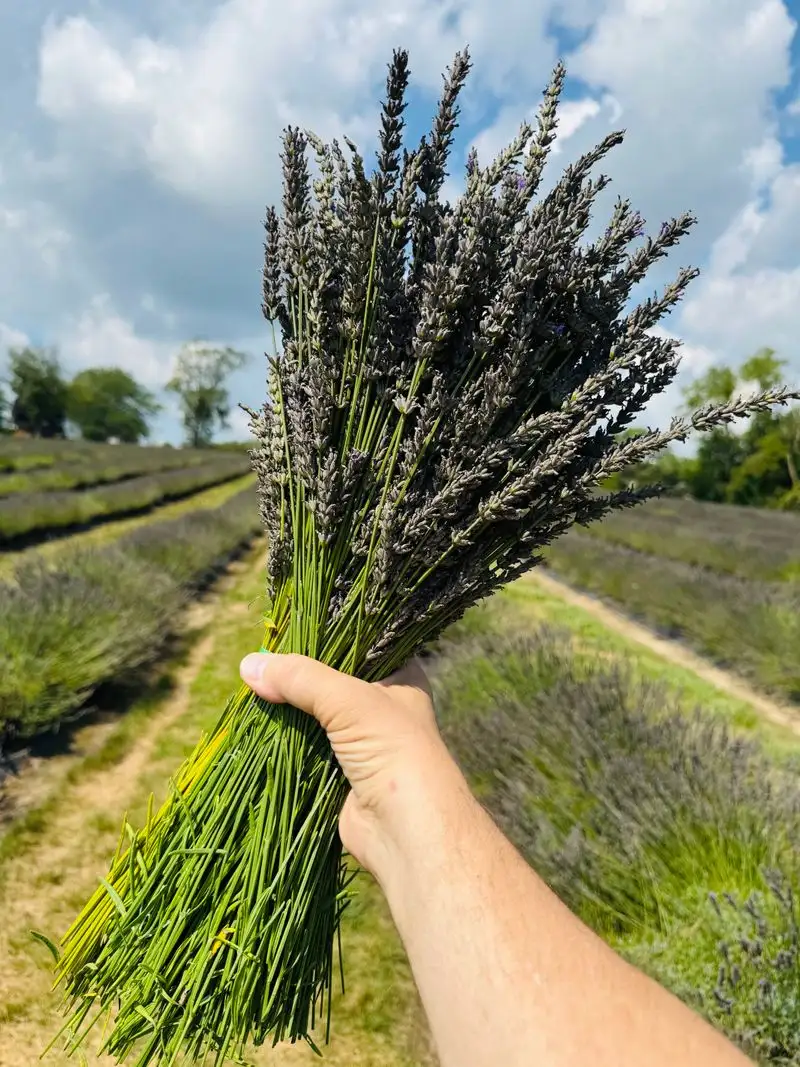
U-pick here is generous and approachable. After purchasing your wristband, grab scissors from the staff and head to your chosen field.
Cut stems above the woody base, aiming for long, clean lines for drying or arranging.
Choose stems with most buds still tight for longer-lasting fragrance. Keep cuts tidy and rotate plants as staff directs to protect regrowth.
When your bundle reaches the marked thickness, tie it with provided twine and keep it upright.
At home, hang bundles upside down in a cool, dry spot away from direct sun. After two weeks, rub gently to release buds for sachets, or leave intact for decor.
For culinary uses, select food-grade varieties and avoid stems that touched wet soil.
If you plan crafts, trim evenly now to save time later. For oil infusion, pack dried buds into a jar with a neutral carrier and steep in a warm cupboard, shaking daily.
Label your bundles with date and variety. You will thank yourself when winter needs a hit of summer.
Photo-perfect moments: golden hour tips and locations
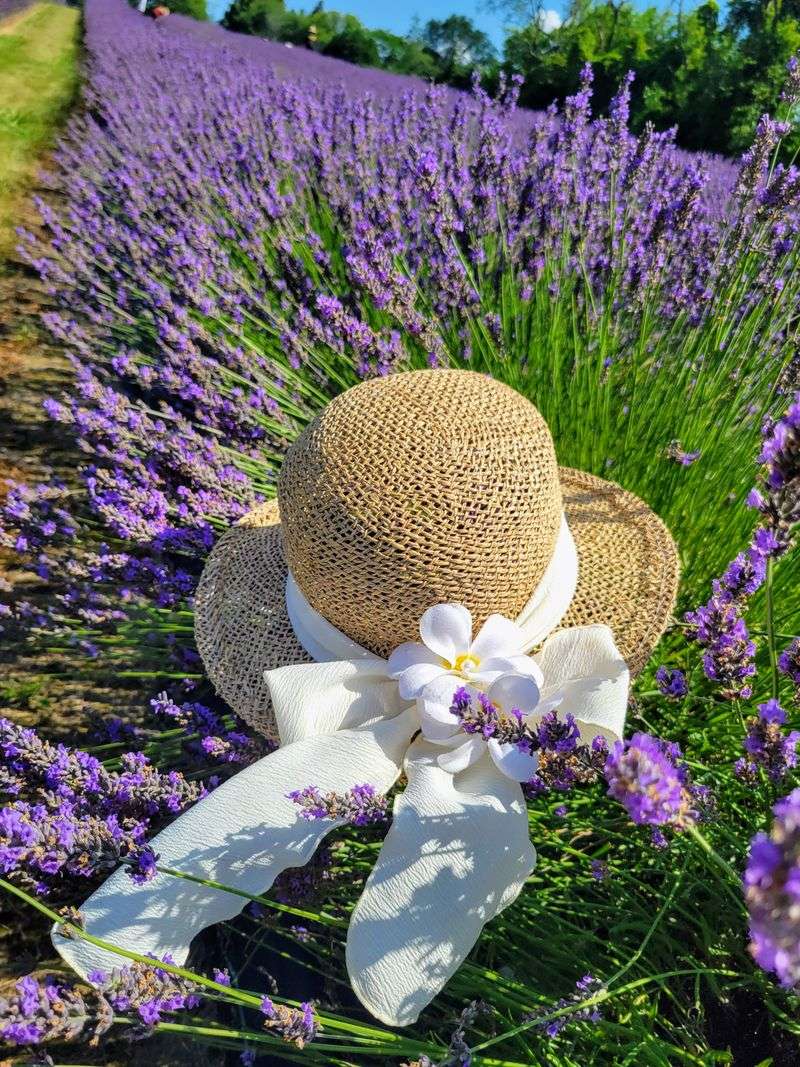
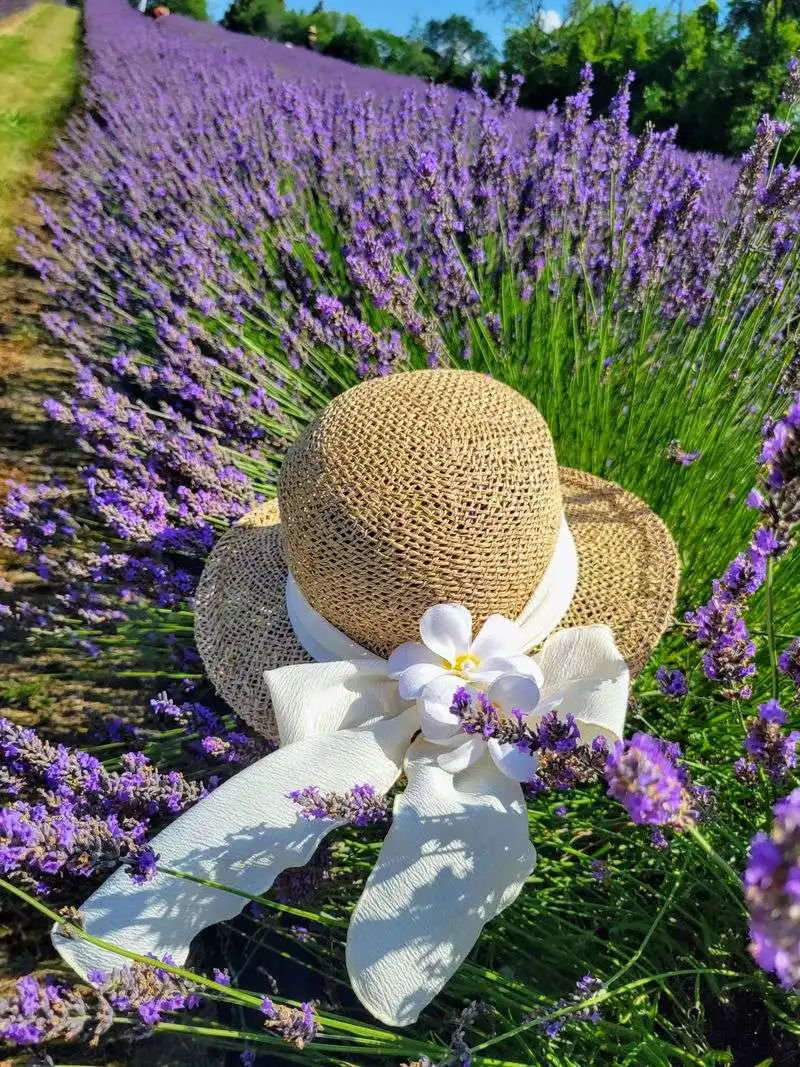
If photos are your main mission, chase golden hour. The fields turn to velvet and colors warm naturally, making edits minimal.
Bring a prime lens for portraits and a wider option for sweeping rows.
Great spots include the wooden bridge by the pond, pine-shaded benches, and the far fields where fewer people wander. Walk a bit past the crowds for cleaner backgrounds.
Watch your footing to avoid trampling plants.
Dress in soft neutrals or denim so the purple pops without clashing. Bring a light scarf to add movement in the breeze.
For kids, simple outfits and closed-toe shoes work best.
Book professional sessions through the farm if you want exclusive windows or fewer guests. Photographers praise the straightforward booking and clear rules.
Aim your start time 60 to 90 minutes before sunset. You will catch the last warm glow and the calm that follows.
Bee-friendly beauty: safety, pollinators, and respect for the fields
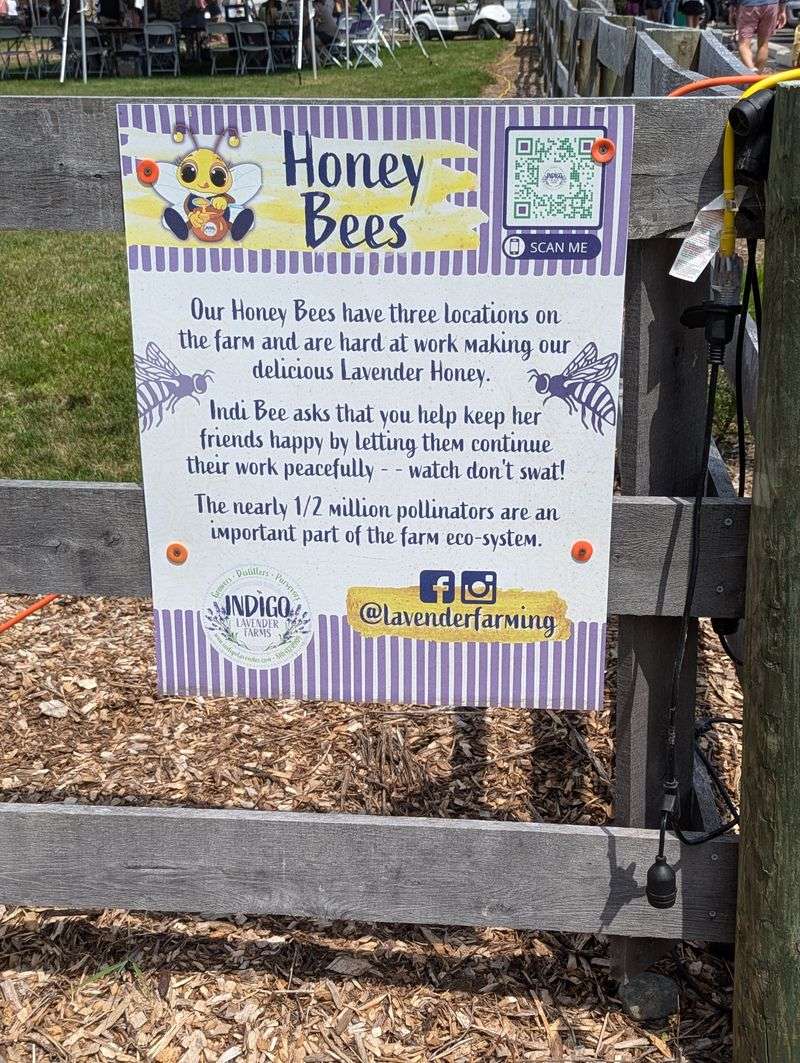
Bees are part of the magic here. They are focused on flowers, not you, and rarely aggressive if you move calmly.
Give them space, skip heavy perfumes, and avoid swatting.
Wear closed-toe shoes and a hat since shade is limited. If you are allergic, bring medication and consider viewing from paths during peak activity.
Staff can suggest quieter corners or times with lighter pollinator traffic.
Respect the plants by staying within rows and following cut guidelines. Children love the buzzing, so coach them to watch and not chase.
The more gently everyone moves, the more vibrant the fields stay.
You will also spot butterflies and dragonflies gliding above blooms and wetland edges. Pause at the pond or wildflower areas for a mini nature lesson.
Pack out trash, secure lids on drinks, and keep food away from active hives. The farm feels better when we leave it lighter than we found it.
Guided tours and learning: from soil to essential oil
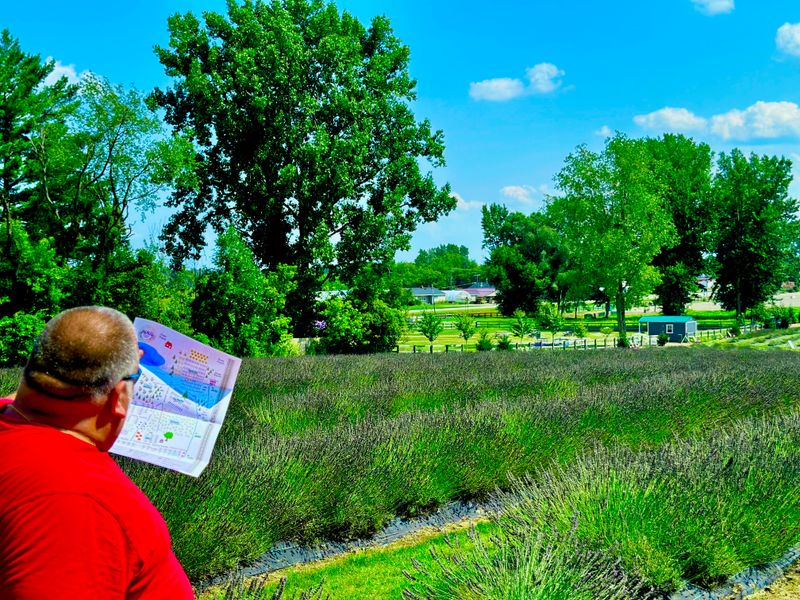
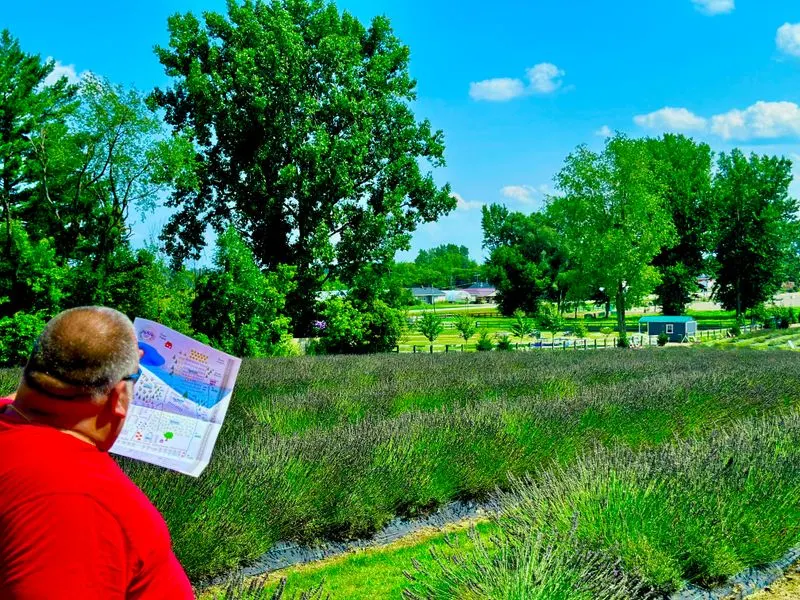
Guided tours connect the dots between pretty fields and purposeful farming. You will learn how soil, spacing, and pruning shape oil yield and plant health.
Guides share why each field blooms on its own schedule.
Hearing how little essential oil a whole field can produce is eye-opening. It explains pricing and the care behind each bottle.
You will leave with a sharper nose for varietal differences.
Tours often run late morning and early afternoon on event days. Ask at check-in for times and any special demonstrations.
Photography is welcome, just keep pace with the group.
If you enjoy DIY, take notes on drying, infusion, and simple culinary uses. Back home, you will know how to turn your bundle into soaps, sachets, or baking sugar.
The farm’s approach is practical and approachable. You will feel confident trying lavender projects without getting overwhelmed.
The farm shop: soaps, oils, honey, and thoughtful gifts
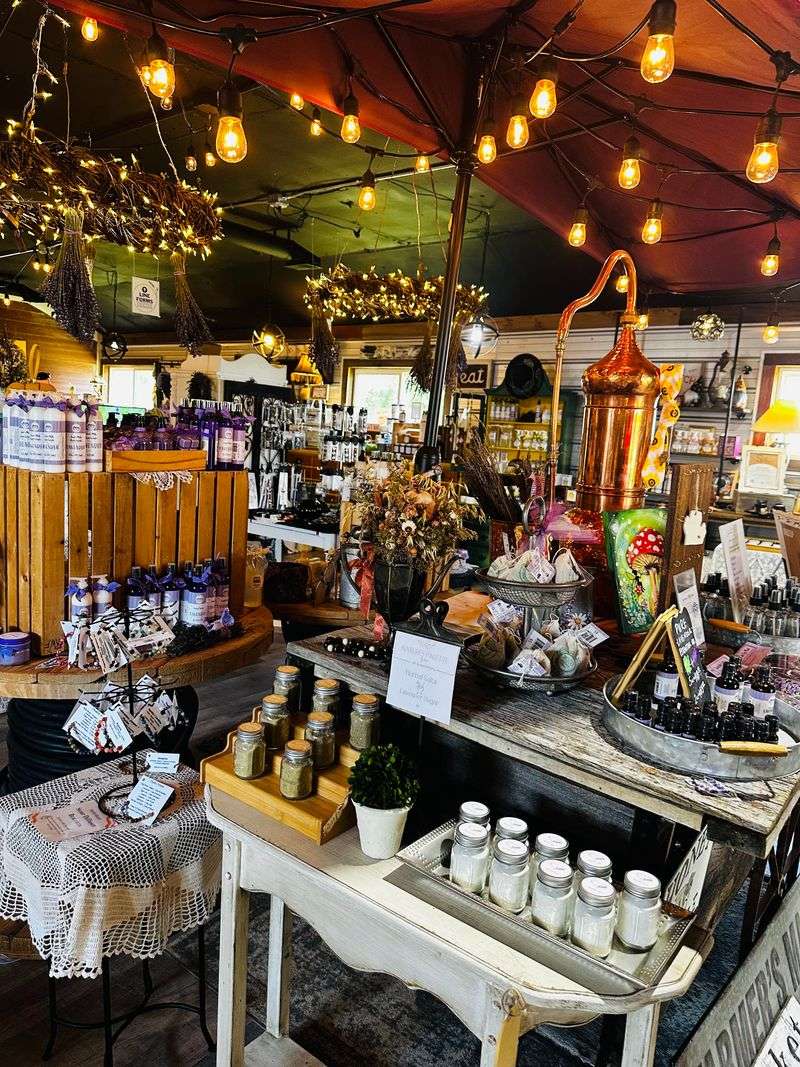
The shop is where your senses double down on lavender. Shelves carry soaps, lotions, mists, and small-batch oils that reflect the fields outside.
Pricing feels fair once you know the care behind each product.
You can sample scents, compare blends, and ask which varieties match your mood. There is often local honey, beeswax candles, and giftable sets ready for birthdays or host gifts.
Packaging is simple and pretty without waste.
Testers help you land on a favorite without pressure. If you love practical souvenirs, grab sachets for drawers or a mist for your car.
A small bottle of oil goes a long way.
Plan a final stop here so your hands are free during the visit. Staff will wrap fragile items and offer tips for storage in summer heat.
Leave space in your bag, because you will likely find a few extras. The shop extends that calm feeling into your everyday routine.
Family-friendly planning: accessibility, shade, and snacks
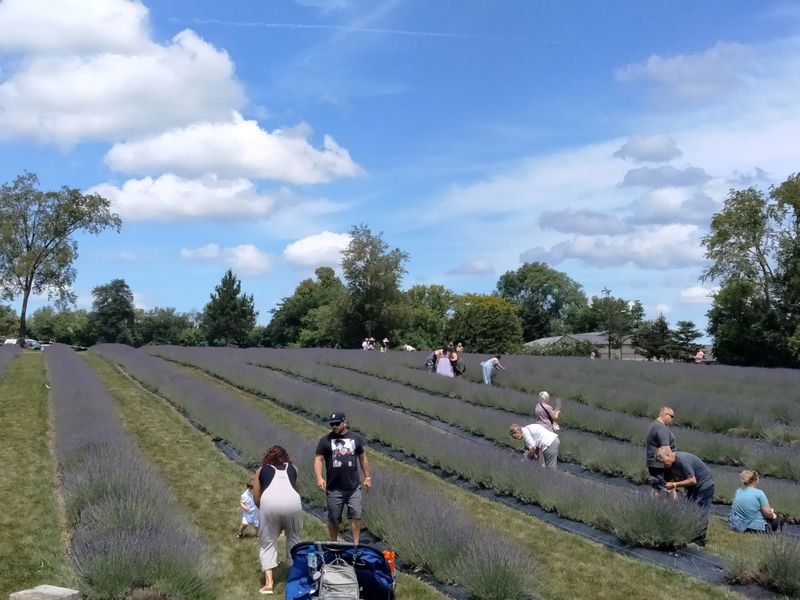
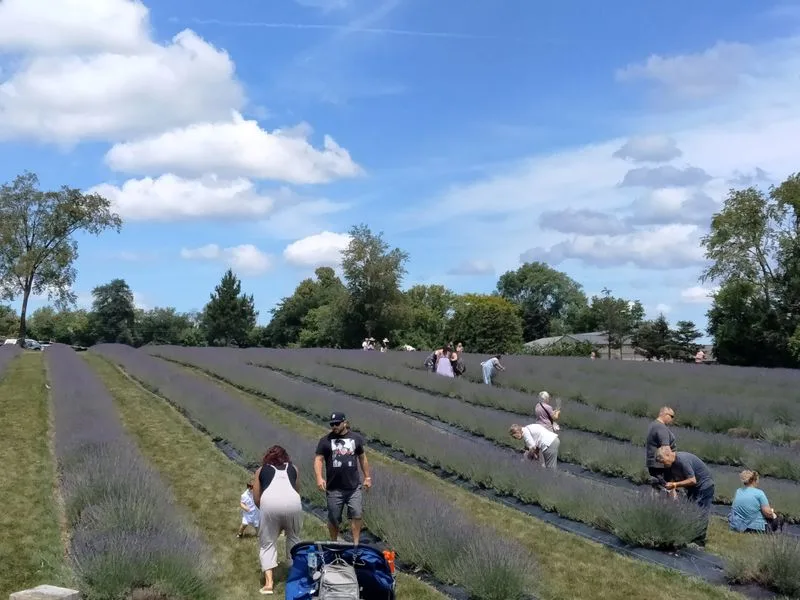
Families fit right in at Indigo Lavender Farms. Paths vary from smooth to uneven, so strollers with big wheels do best.
Shade is limited in the fields, but pines and tented areas give relief.
Pack sunscreen, hats, and water, plus a blanket for impromptu picnics. For little ones, explain bee etiquette before you arrive.
The hum is part of the charm when everyone moves calmly.
Restrooms and handwashing stations are convenient during events. Snacks help keep energy steady between exploring and photos.
If food trucks are on site, lines are lighter early.
Consider a midday break at the pond, then circle back for u-pick when crowds thin. Set realistic expectations about walking and heat.
A flexible plan turns a simple visit into an easygoing day together. You will head home sun-kissed, scented, and smiling.
Need-to-know logistics: contact, policies, and weather backups


Before you drive, confirm open days and hours since the farm runs a seasonal schedule. Thursday to Sunday 10 AM to 5 PM is the usual window in bloom, with Monday to Wednesday closed.
A quick call or website check avoids surprises.
Policies keep fields healthy. Stay on paths, cut where directed, and leave pets at home unless the farm states otherwise.
Drones and commercial shoots require permission and booking.
Michigan weather can pivot, so have a plan B. Light rain is workable, but storms may shorten events or send vendors packing.
Social channels are the fastest place for updates day-of.
Save the address and phone for easy navigation: 631 N Van Dyke Rd, Imlay City, MI 48444, +1 810-417-0909. If you are timing a special moment, aim for Friday or late afternoon for calmer crowds.
With a little prep, your day flows smoothly from gate to gift shop.
Lavender flavors to try: lemonade, ice cream, and farm-to-cup sips
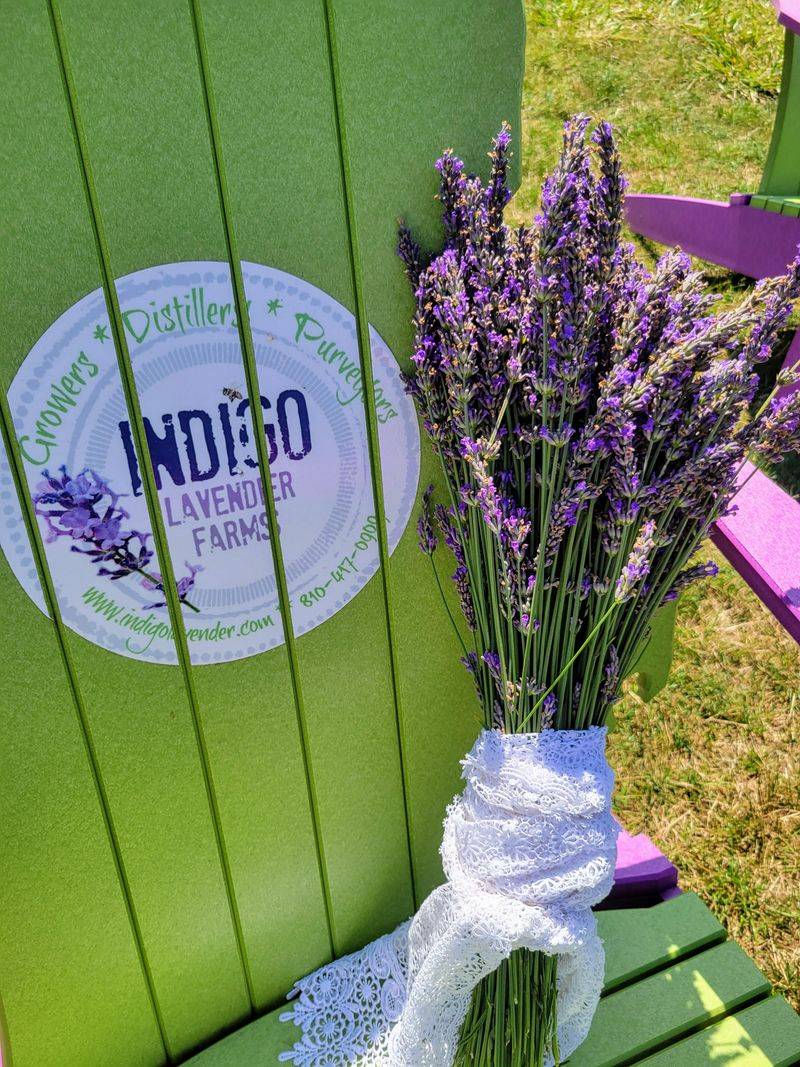
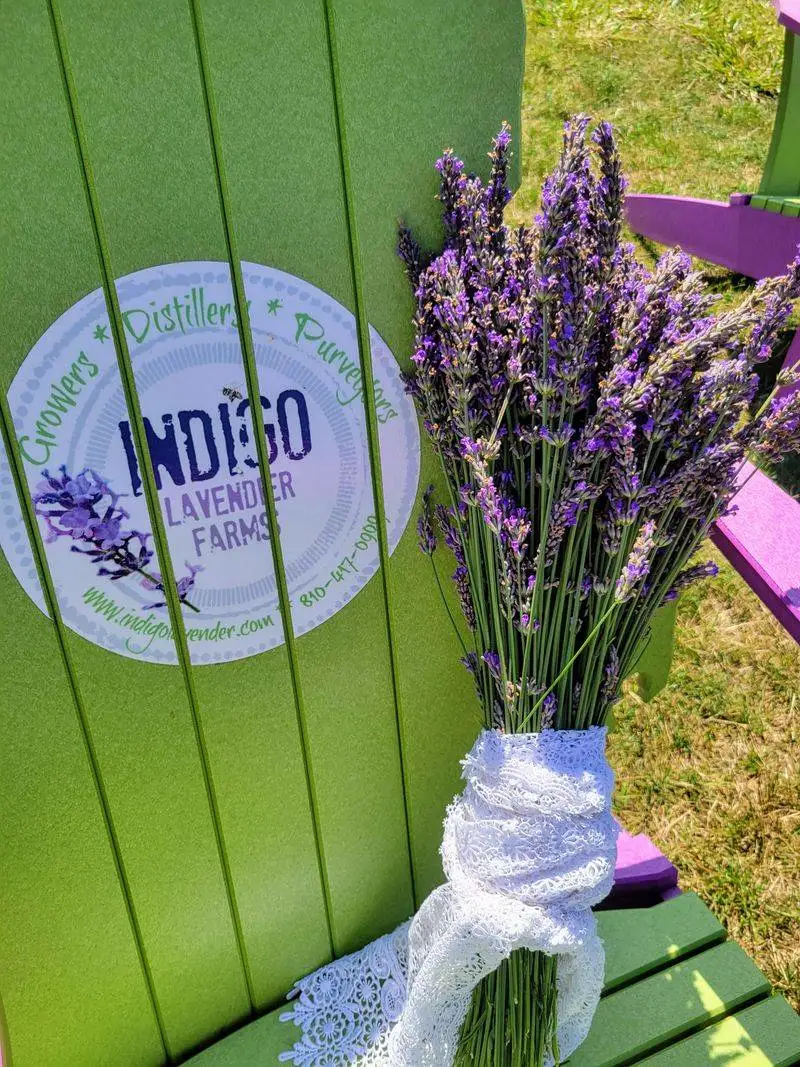
Flavor is where the farm surprises you. Start with lavender lemonade, lightly floral and not too sweet, then track down small-batch ice cream or a seasonal latte if offered.
You will taste citrus, honey, and herbal notes that feel refreshing on warm afternoons.
Ask staff which culinary lavender varieties they prefer for syrups and infusions. Food-safe buds differ from ornamental types, and balance matters.
If a vendor cart is on site, check the menu board early because popular items sell out.
Curious about making it at home? Pick up culinary buds and a simple syrup recipe card.
Use a light hand, strain well, and pair with lemon, vanilla, or berries.
Find a picnic table or a quiet fence line and sip while watching bees work the rows. Bring reusable straws and a cooler bag for take-home treats.
If you are sensitive to floral flavors, start with half-strength lemonade, then level up.