California is hiding one of its best-kept secrets — and almost nobody talks about it.
While crowds pack into Yosemite and Lake Tahoe, Plumas-Eureka State Park sits quietly in the Sierra, waiting for the people willing to look a little deeper.
This 6,000-acre mountain escape feels like stepping into another time.
One minute you’re walking past old stamp mills and Gold Rush relics, the next you’re standing beside glassy alpine lakes and pine-covered trails that seem to stretch forever.
It’s wild, rugged, and strangely peaceful in all the right ways.
There’s no bumper-to-bumper traffic, no packed overlooks, no fighting for elbow room.
Just crisp mountain air, hidden history, and the kind of silence that makes you stop and stare.
If you’ve been craving a California adventure that feels untouched, dramatic, and wildly underrated, this place delivers in a big way.
A Gold Rush Ghost Hidden in the Sierra
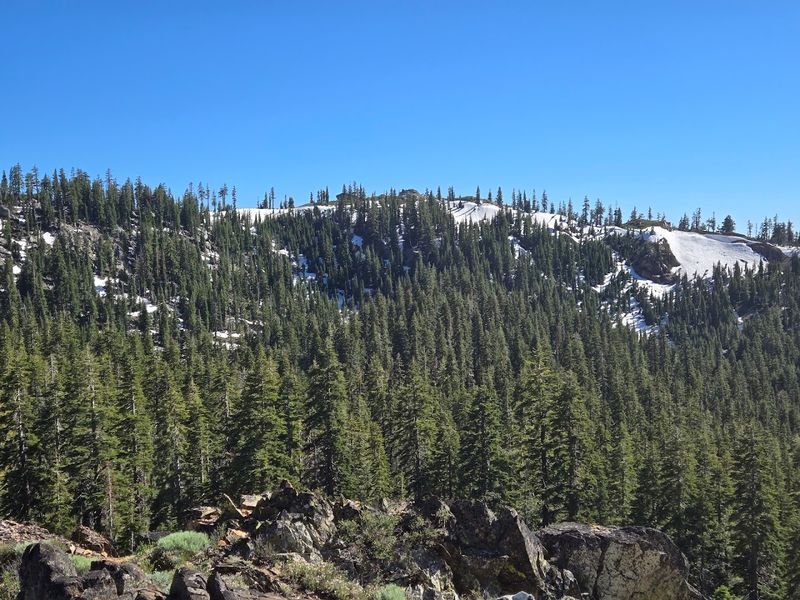
Most California parks scream their history from every angle, but Plumas-Eureka whispers it through century-old buildings and forgotten trails. Established in 1959, this park preserves one of the richest mining regions in the northern Sierra, yet somehow it never made it onto the average tourist’s radar.
While Sutter’s Mill and Columbia State Historic Park get all the attention, this slice of Gold Rush territory sits quietly waiting.
The mining operations here once produced millions of dollars worth of gold between the 1850s and early 1900s. Entire communities thrived in these mountains, with miners carving out lives in the harsh alpine environment.
Today, you can still sense that gritty determination in the landscape.
What makes this place special is its authenticity. There’s no gift shop maze to navigate or staged reenactments every hour.
Instead, you get raw history preserved in mountain air, where wooden structures lean against time and you can almost hear pickaxes echoing through the valleys. It’s California’s forgotten Gold Rush story, still worth discovering.
Step Inside a Living Mining Museum
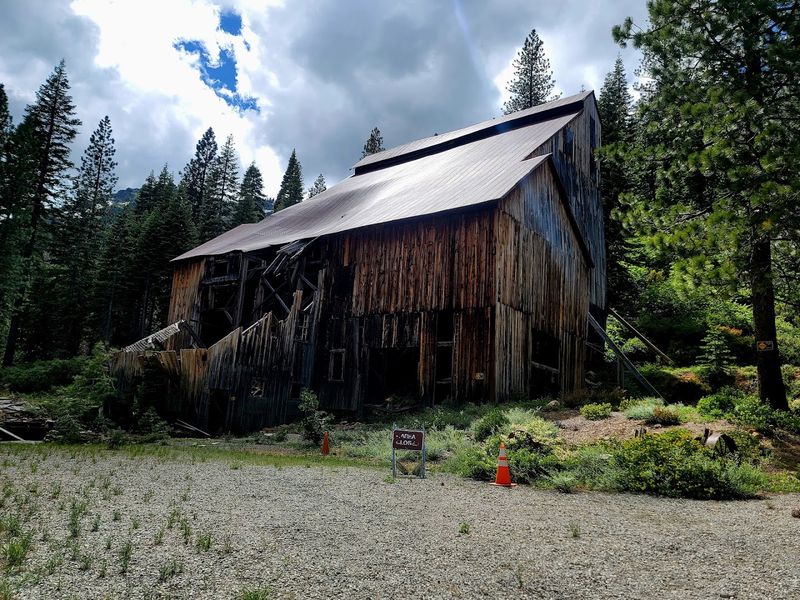
Walking through the park’s historic district feels like someone hit pause in 1895. The Mohawk Stamp Mill stands as the centerpiece, a massive structure where ore was crushed and processed with thundering machinery.
This isn’t a replica or a modern interpretation—it’s the real deal, preserved exactly where miners once worked twelve-hour shifts.
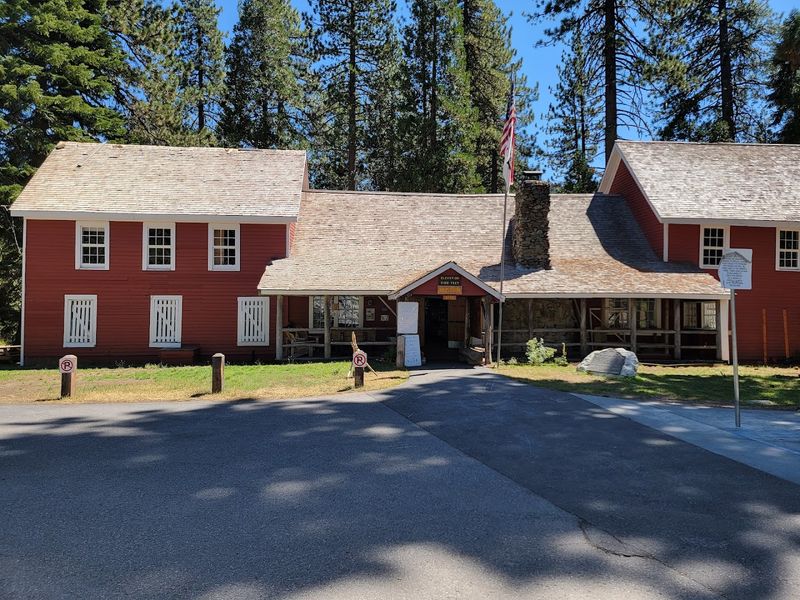
The blacksmith shop still holds tools and equipment, frozen in time as if the smith just stepped out for lunch. Inside the miner’s bunkhouse museum, you’ll find personal belongings, photographs, and everyday items that paint a vivid picture of rough mountain life.
Beds are narrow, quarters are tight, and suddenly you understand why miners were such a tough breed.
What separates this from other Gold Rush sites is the immersive quality. You’re not looking at displays behind glass or reading plaques from a distance.
Many structures allow you to step inside and feel the creaky floorboards beneath your feet. It’s one of California’s most authentic Gold Rush experiences, offering a genuine connection to the past that theme-park-style historical sites simply can’t match.
The Scenic Madora Lake Loop Is Pure Serenity
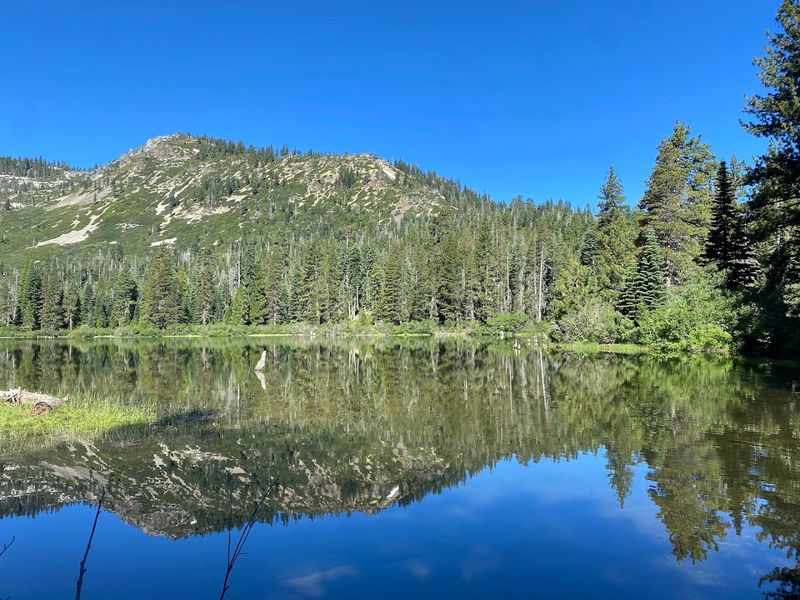
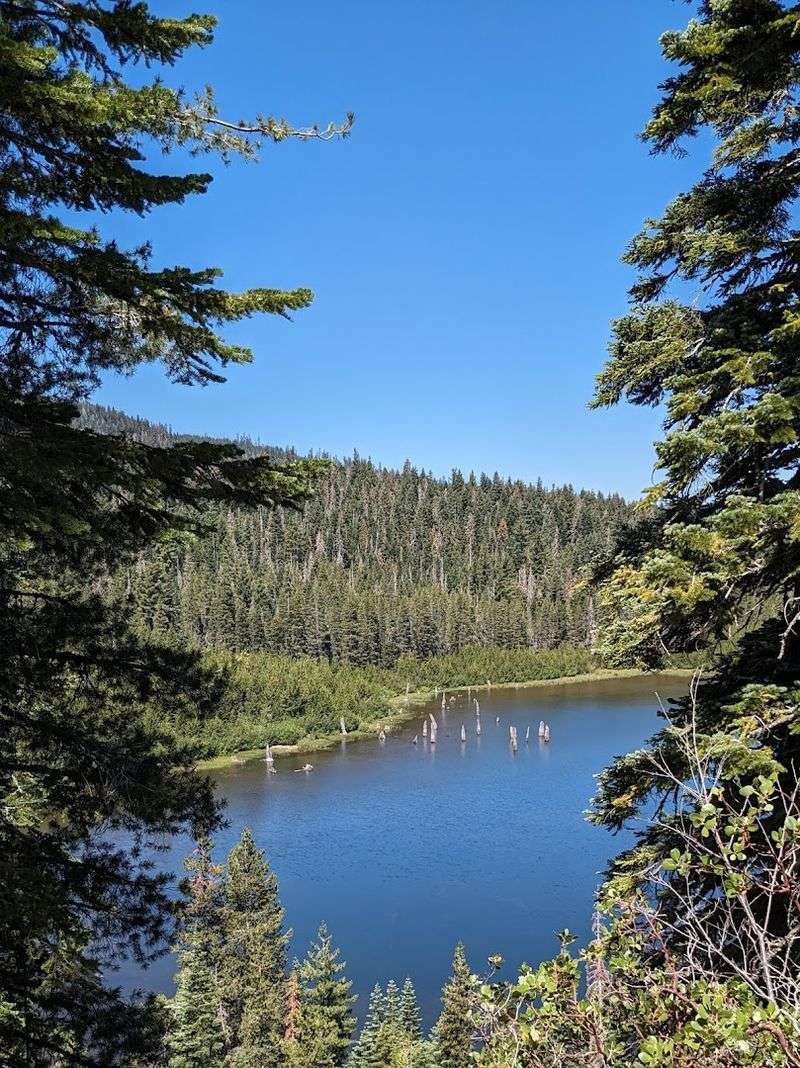
Not everyone wants to climb a mountain to see beautiful scenery, and that’s where this gem shines. The Madora Lake Loop stretches just 1.6 miles around a tranquil alpine lake, offering postcard views without the sweat and strain.
Families with young children, older visitors, or anyone nursing sore knees will appreciate this accessible path.
The trail meanders through open meadows dotted with wildflowers during summer months. Towering pines frame the lake’s edge, while the water sits so still on calm days that it mirrors the sky perfectly.
Bring binoculars if you’re into birdwatching—ducks, herons, and various songbirds frequent the area throughout the warmer seasons.
What makes this loop special is its gentle nature without sacrificing beauty. You get mountain lake views, forest shade, and meadow sunshine all in one easy walk.
Many visitors complete it in under an hour, though you’ll probably want to linger on one of the lakeside benches. It’s the perfect introduction to the park for first-timers or a relaxing afternoon stroll for anyone seeking peace over adrenaline.
Jamison Creek Feels Like a Hidden Mountain Escape
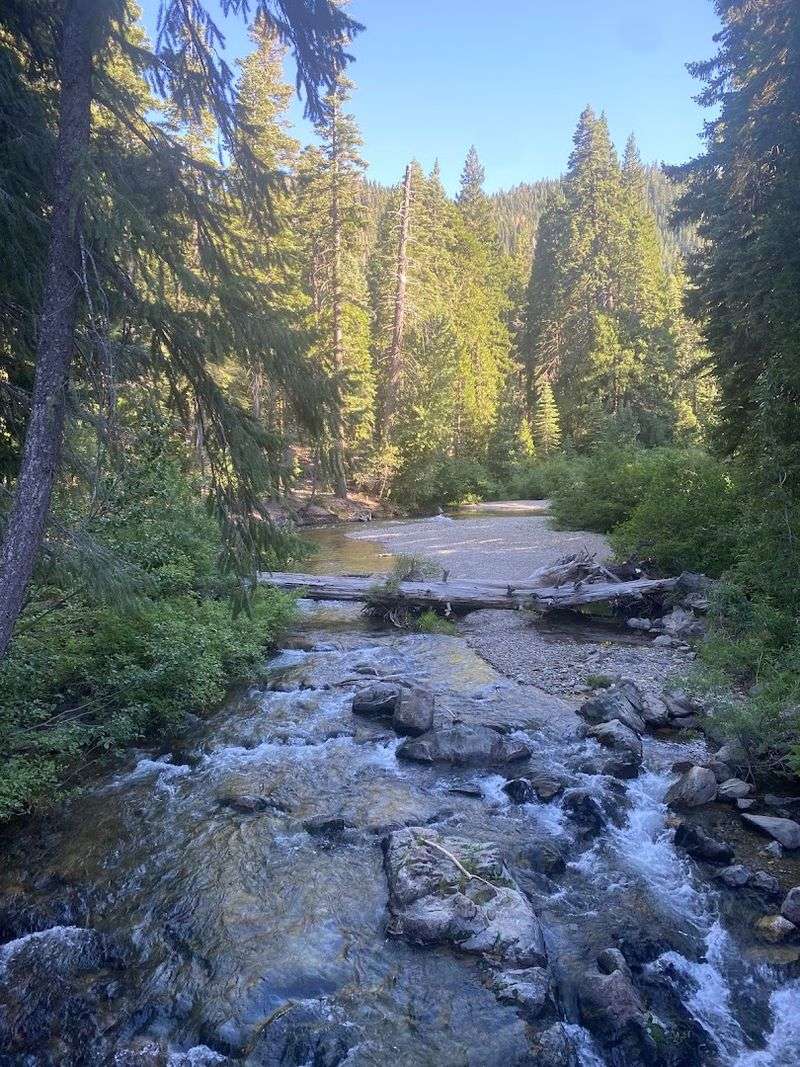
Some places just sound peaceful, and Jamison Creek delivers on every whisper of that promise. Flowing through the heart of the park, this mountain stream creates a constant soundtrack of burbling water that instantly lowers your blood pressure.
During summer, wildflowers crowd the banks in purple, yellow, and white bursts of color.
The creek offers multiple access points perfect for different activities. Anglers can try their luck catching trout in the cold, clear water.
Families spread picnic blankets on grassy spots near the stream, letting kids wade in shallow sections while adults relax in the shade. The water runs cold even in July, fed by mountain snowmelt.
Easy exploration follows the creek through various park sections, with informal paths letting you hop from one scenic spot to another. No technical hiking skills needed—just curiosity and a willingness to follow water wherever it leads.
When afternoon heat builds up in the valley below, this riparian corridor stays refreshingly cool. It’s the kind of place where hours slip by unnoticed while you watch water tumble over rocks and listen to breeze rustle through aspens.
The Hikes Here Are Better Than You’d Expect
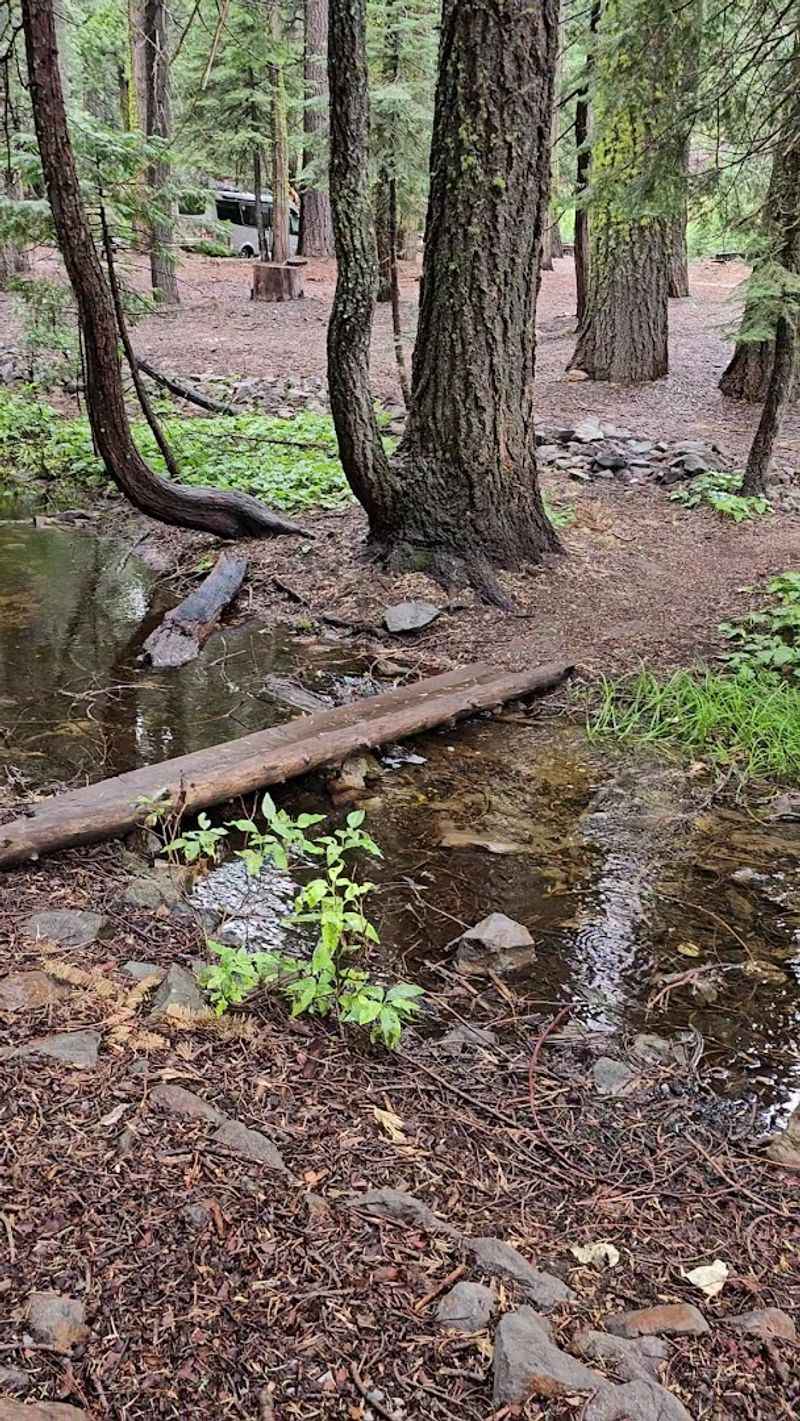
Plenty of visitors underestimate this park’s trail system, assuming it’s limited or basic. That assumption crumbles quickly once you check the trail map.
Options range from gentle nature walks to challenging ascents that’ll test your cardiovascular fitness and reward you with spectacular summit views.
Family-friendly paths wind through forests and meadows, perfect for introducing kids to hiking without overwhelming them. Moderate trails lead to scenic overlooks and historical sites scattered throughout the park.
Then there are the serious climbs—routes toward Eureka Peak that gain significant elevation and offer sweeping vistas across the northern Sierra.
The park also connects to the nearby Lakes Basin Recreation Area, opening up even more possibilities. Ambitious hikers can plan multi-day adventures linking various trails and alpine lakes.
Wildlife sightings are common, from mule deer browsing meadows to hawks circling overhead.
What really impresses outdoor enthusiasts is the variety packed into one park. Whether you want a casual hour-long stroll or an all-day backcountry adventure, you’ll find suitable trails.
The best part? Even peak summer weekends rarely feel crowded on these paths.
Camping Here Means Quiet, Not Crowds
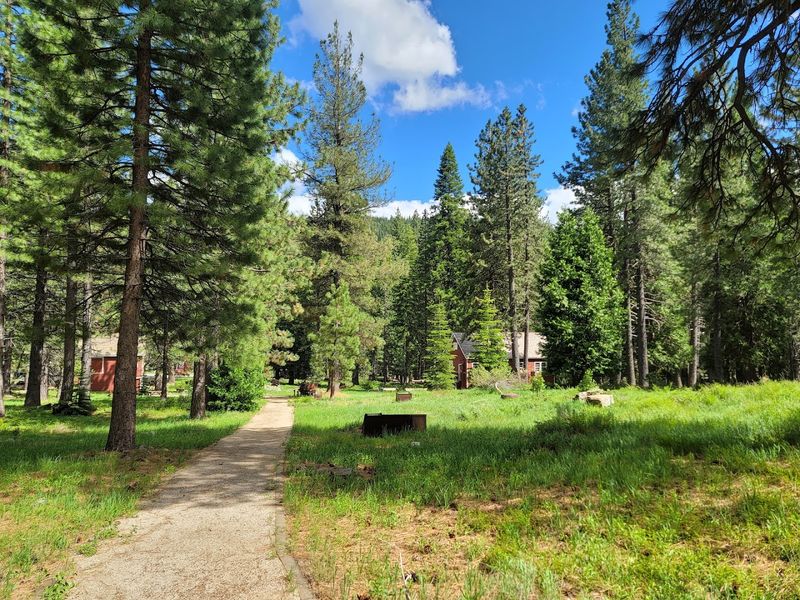
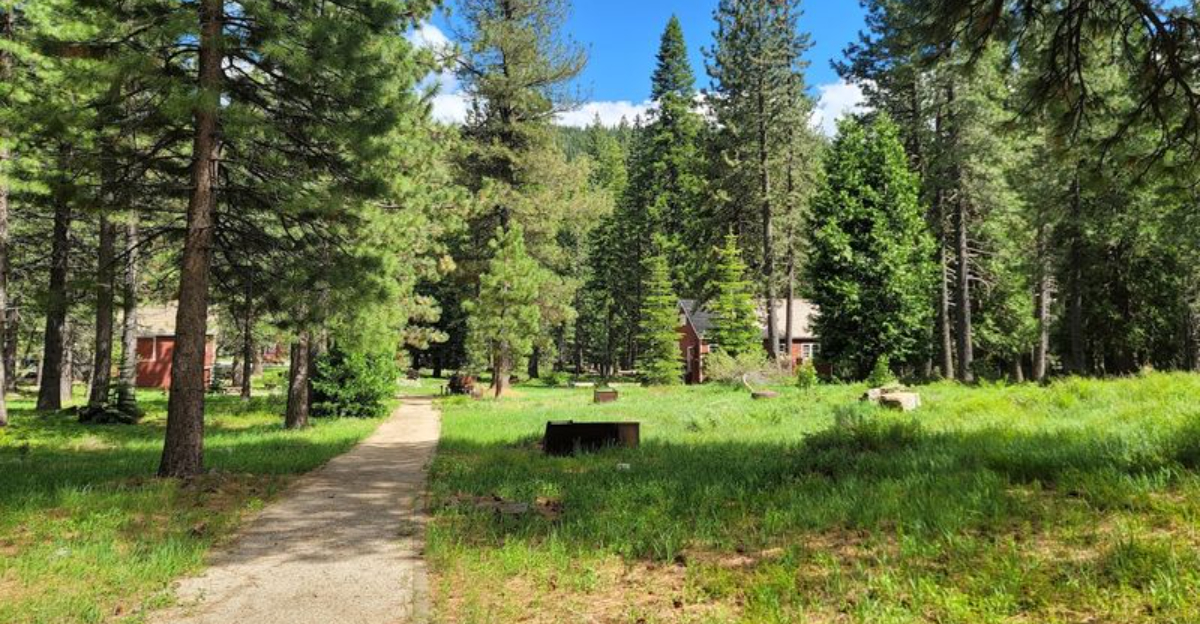
Forget fighting for campsites or dealing with RV cities that resemble suburban neighborhoods. Upper Jamison Creek Campground offers something increasingly rare in California—actual solitude.
Sites nestle among towering conifers, providing natural privacy screens between neighbors. Cool mountain air makes summer nights comfortable without air conditioning.
The campground’s smaller size means it never feels overwhelming or chaotic. You won’t battle traffic jams within the camping area or wait in long lines for facilities.
Most campers here genuinely want the quiet experience, so you’re less likely to deal with late-night partiers or blaring music. It’s a self-selecting crowd of nature lovers.
Elevation keeps temperatures moderate, with daytime highs rarely becoming oppressive even during July and August. Nights cool down significantly, so bring warm sleeping bags and layers.
The creek’s gentle sounds provide natural white noise that drowns out any remaining human activity.
Compared to Yosemite Valley campgrounds or popular Lake Tahoe spots, the difference is night and day. Here, you might actually see stars instead of RV awnings, hear owls instead of generators, and wake up to birdsong rather than slamming car doors.
You Can Still Pan for Gold
History comes alive when you’re squatting beside a creek, swirling mud and gravel in a pan, hoping to spot that telltale glint. Seasonal interpretive programs at Plumas-Eureka often include supervised gold panning experiences, letting visitors try their hand at the activity that shaped California’s identity.
Kids especially love this hands-on connection to the past.
Rangers demonstrate proper panning technique, explaining how gold’s weight causes it to settle while lighter materials wash away. You’ll learn to recognize fool’s gold from the real thing and understand why miners spent hours hunched over freezing streams.
The physical work gives immediate respect for those nineteenth-century prospectors who did this all day, every day.
Will you strike it rich? Probably not, though some visitors do find tiny flecks of actual gold.
The real treasure is the experience itself—participating in California’s defining historical moment rather than just reading about it. Families create memorable bonding moments together, and even skeptical teenagers usually get drawn into the excitement.
These programs run during summer months when visitation peaks and staffing allows. Call ahead or check the park website for current schedules.
It’s an activity that transforms abstract history lessons into tangible, muddy, thrilling reality.
Winter Turns It Into a Forgotten Snow Playground
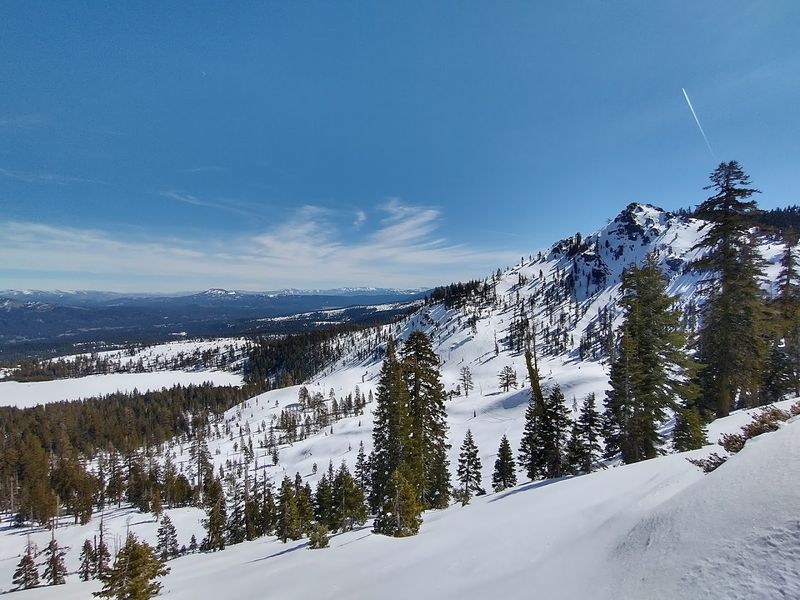
Most people assume California state parks close when snow falls, but Plumas-Eureka transforms into a winter wonderland that few discover. Cross-country skiing trails wind through silent forests draped in white, offering Nordic enthusiasts miles of groomed and ungroomed routes.
Snowshoers can explore off-trail, creating their own paths through pristine powder.
The park holds special significance in California skiing history. Longboard skiing competitions occasionally take place here, celebrating the sport’s nineteenth-century roots when miners fashioned twelve-foot wooden skis for transportation and racing.
Watching these events connects you to yet another fascinating chapter of mountain history.
Winter visitation drops dramatically compared to summer, meaning you’ll often have entire trail systems to yourself. The silence of a snow-covered forest broken only by your skis or snowshoes creates a meditative experience impossible during crowded summer months.
Wildlife tracks crisscross the landscape, telling stories of deer, coyotes, and countless smaller creatures.
Check conditions before visiting, as heavy snowfall can close access roads. Facilities are limited during winter, so come prepared with proper gear, layers, and emergency supplies.
For those willing to embrace cold-weather recreation, winter reveals a completely different side of this versatile park.
The Lost Sierra Views Are Incredible
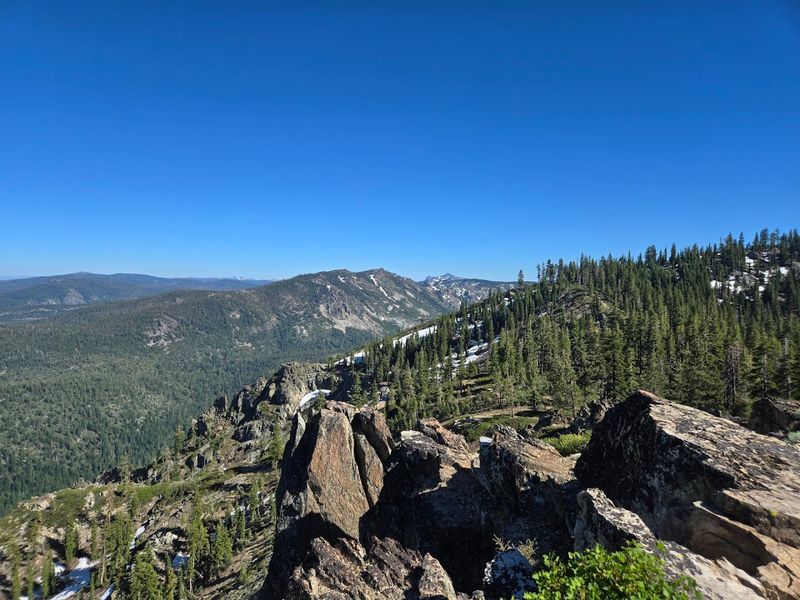
Sitting at nearly a mile above sea level, the park occupies prime real estate in California’s Lost Sierra region. This lesser-known section of the Sierra Nevada range delivers scenery that rivals Tahoe or Mammoth without the accompanying crowds.
Granite ridges slice against blue skies, meadows roll between forested valleys, and everywhere you look screams classic California mountain beauty.
Fall brings spectacular foliage as aspens turn brilliant gold and orange. While New England gets all the autumn glory, these Sierra mountains put on their own colorful show that fewer people witness.
The contrast between golden leaves, dark evergreens, and gray granite creates painter-worthy compositions around every bend.
Summer wildflower displays paint meadows in vibrant colors from late June through August. Purple lupine, red Indian paintbrush, and yellow mule ears create natural gardens that perfume the mountain air.
Clear days offer views stretching for miles across peaks and valleys.
Photography enthusiasts find endless subjects here, from macro shots of wildflowers to sweeping landscape panoramas. The lighting changes dramatically throughout the day, with alpenglow painting the mountains pink during sunrise and sunset.
These views deserve far more recognition than they currently receive.
What To Know Before You Go
Location matters—the park sits approximately five miles west of Blairsden, making it relatively accessible from Highway 89. Day-use areas welcome visitors from sunrise to sunset year-round, though winter weather can affect access roads.
Summer remains the most popular season, with mild temperatures making outdoor activities comfortable from June through September.
Temperature swings catch unprepared visitors off guard. While daytime highs might reach the seventies or low eighties, nighttime temperatures regularly drop into the forties or lower, even in July.
Bring layers, warm sleeping gear if camping, and be ready for sudden afternoon thunderstorms during summer months.
Dog owners should note that pets can only accompany you on fire roads, not most hiking trails. This restriction surprises many visitors, so plan accordingly if you’re bringing furry friends.
Keep dogs leashed at all times in permitted areas.
Seasonal operations affect amenities—campgrounds typically open late May through September, weather permitting. The museum and visitor center maintain limited hours that vary by season.
Always check current conditions and facility availability before making the drive. Cell phone coverage is spotty throughout the park, so download maps and information beforehand.
These practical considerations help ensure your visit goes smoothly.