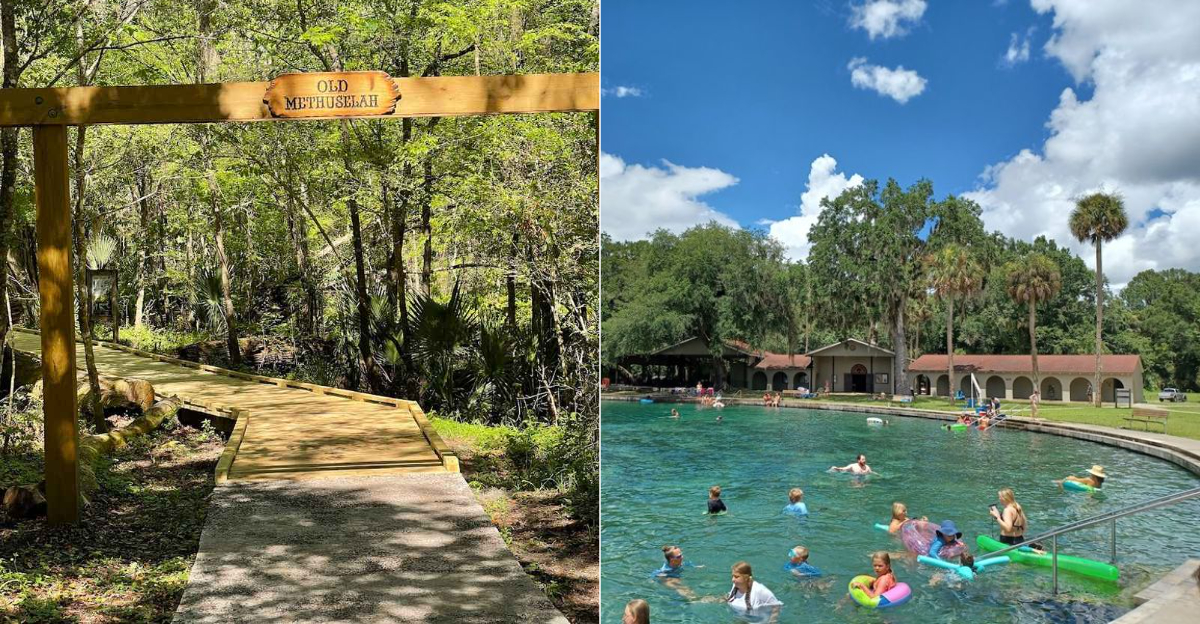
Some places make it easy to slow down, and De León Springs State Park is one of them. Tucked beneath shady oaks and surrounded by the gentle sounds of nature, this 625-acre Florida retreat feels like a breath of fresh air from the moment you arrive.
The clear spring water stays a refreshing 72 degrees year-round, inviting visitors to take a swim, linger along the shoreline, or simply sit and enjoy the view.
Spring is an especially lovely time to visit, when mild temperatures and blooming landscapes make every trail, picnic area, and paddle route feel a little more inviting. Families gather for breakfast at the park’s famous Old Spanish Sugar Mill, kayakers glide through quiet waterways, and wildlife appears around nearly every bend.
Whether you’re planning a peaceful day outdoors or looking for a memorable stop on a Florida road trip, this park offers plenty to discover. Here are some of the experiences that make De León Springs State Park so special.
The Crystal-Clear Swimming Spring
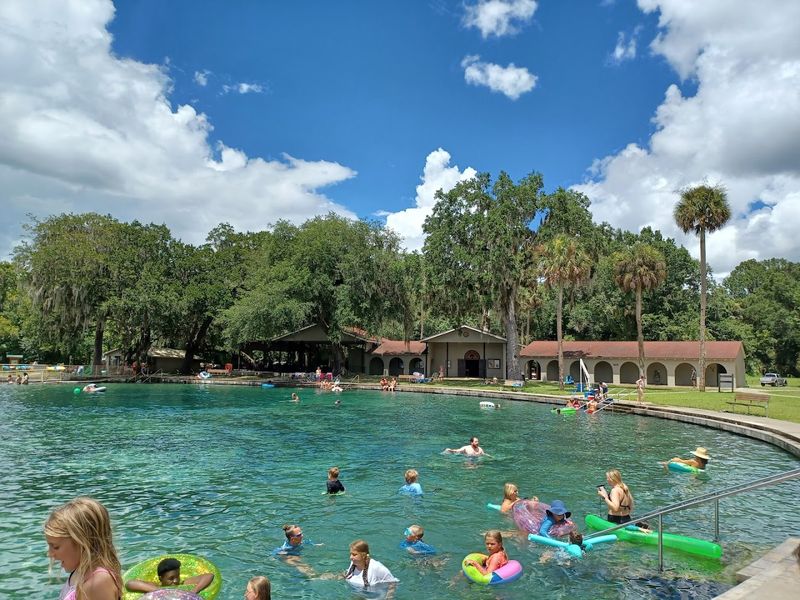
Picture a swimming pool designed by nature itself, where 19 million gallons of fresh water bubble up from the earth every single day. The main spring at this park creates a swimming experience unlike any typical lake or beach.
Visibility extends deep into the crystal-clear water, allowing swimmers to watch turtles glide past and observe the sandy bottom far below.
The temperature holds steady at 72 degrees year-round, which feels refreshing on hot summer days and surprisingly comfortable during Florida’s mild winters. Sturdy railings and small steps make entering the water safe and easy for everyone, from toddlers to grandparents.
Benches line the swimming area, providing perfect spots for parents and guardians to watch the action while staying dry.
The spring feels more controlled than wild rivers or lakes, with defined borders that create a pool-like atmosphere without chlorine or chemicals. Families appreciate the visible boundaries and clear water that lets them keep eyes on young swimmers.
The constant flow of fresh spring water means the swimming area stays naturally clean and inviting throughout the day, no matter how many visitors come to enjoy it.
Cook-Your-Own Pancake Tradition
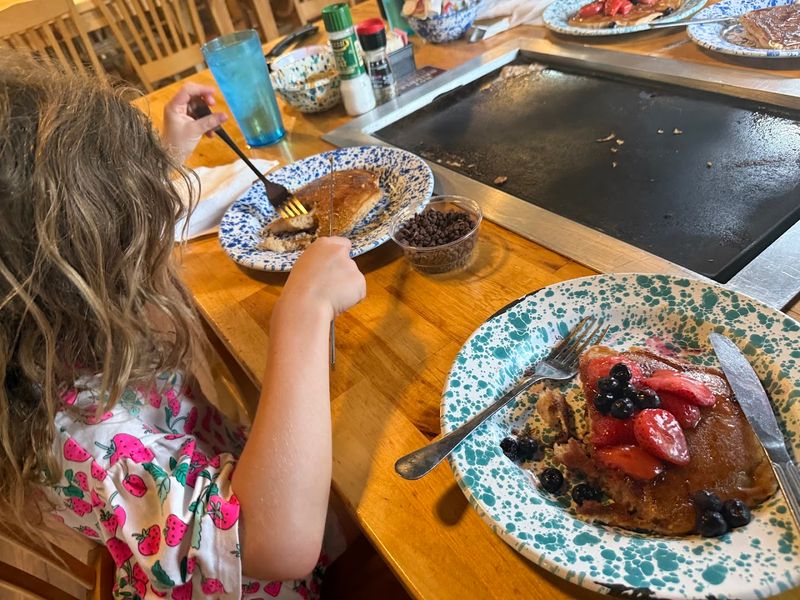
Did you know there’s a restaurant where you become the chef? Located inside a historic sugar mill building, the Old Spanish Sugar Mill Restaurant puts griddles right into the center of each table.
Guests mix their own batter, pour it onto the hot surface, and flip their pancakes exactly how they like them—thick or thin, golden or crispy.
The all-you-can-eat pancake experience turns breakfast into an interactive adventure rather than just a meal. Kids love the responsibility of cooking their own food, and many visitors recommend adding bananas directly into the batter on the griddle for extra flavor.
The system works brilliantly, letting each person customize their pancakes with different mix-ins and cooking times.
Expect waits up to two hours during peak times, but the restaurant uses a text notification system so families can explore the park instead of standing in line. The building itself tells stories of Florida’s past, with exhibits about the working sugar mill that once operated on this exact spot.
Prices stay reasonable despite the unique experience, and the atmosphere inside the historic structure adds charm you won’t find at regular restaurants.
Scenic Boat Tours Through Natural Habitat
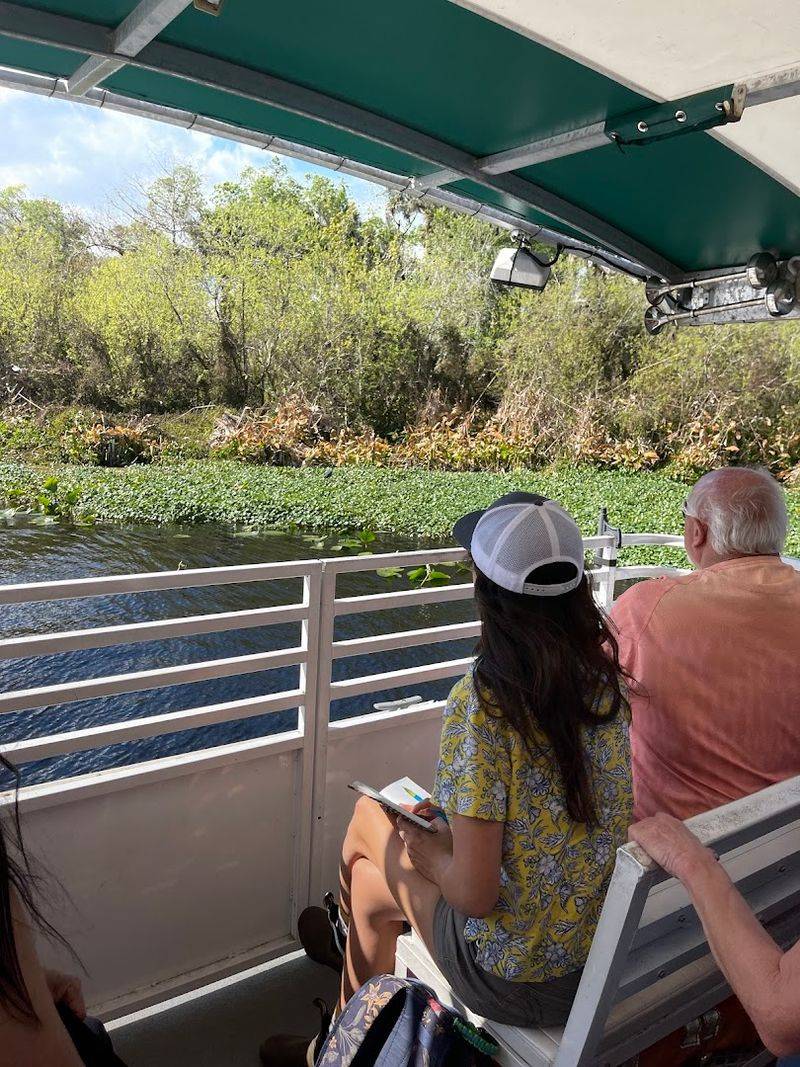
A one-hour journey down Spring Garden Creek reveals Florida wildlife in its natural element, guided by knowledgeable naturalists who spot creatures most visitors would miss. Tour boats depart regularly throughout the day, carrying passengers through waterways where alligators sun themselves on banks and manatees surface to breathe.
The experienced guides share fascinating details about bird species, plant life, and the river ecosystem.
Manatees gather in these waters, especially during cooler months when they seek the warmth of spring-fed areas. Seeing these gentle giants surface just feet from the boat creates unforgettable moments for children and adults alike.
Alligators appear surprisingly often, though they typically ignore the boats and continue their lazy river routines.
The tour costs extra beyond park admission, but many families consider it the highlight of their visit. Bird watchers bring binoculars to identify herons, egrets, and other species that nest along the riverbanks.
The river water appears darker than the crystal-clear spring, making surface sightings more exciting when animals emerge from below. Captains and deck hands demonstrate genuine passion for the environment, making the educational component engaging rather than boring for younger passengers.
Family-Friendly Shallow Areas
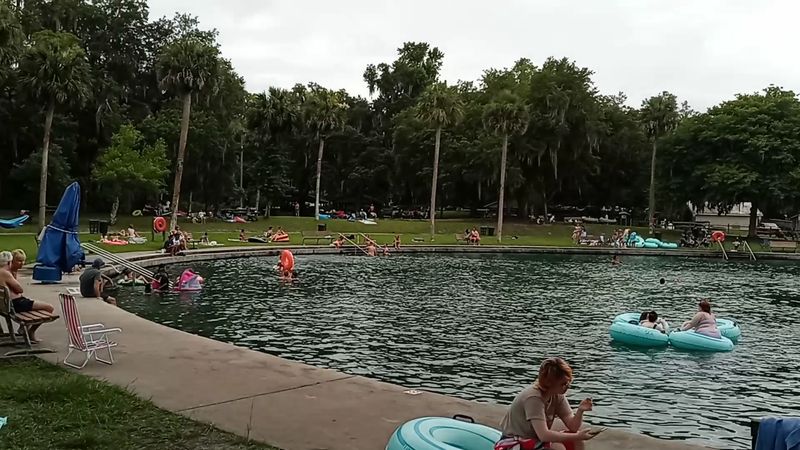
Safety-conscious parents breathe easier when they discover the designated children’s area within the spring complex. This separated shallow section gives toddlers and young swimmers their own space to splash and play without worry about deep water or stronger swimmers.
The gradual entry and controlled depth create ideal conditions for kids just learning to swim or those still nervous about water.
Families with mixed-age children appreciate having options—older kids can explore the deeper main spring while younger siblings stay safe in the shallower zone. Parents can position themselves between both areas, keeping watch on everyone without feeling stretched too thin.
The clear water visibility means adults can see children’s feet touching bottom even from a distance.
Playground equipment near the swimming areas gives kids who need a break from water something else to enjoy. The combination of water play and traditional playground fun keeps children entertained for hours, preventing the boredom that sometimes strikes at single-activity locations.
Picnic tables dot the surrounding area, letting families set up base camp with snacks, towels, and supplies within easy reach of both swimming zones. This thoughtful layout makes managing a family outing significantly less stressful than at many other natural swimming spots.
Historic Sugar Mill Heritage
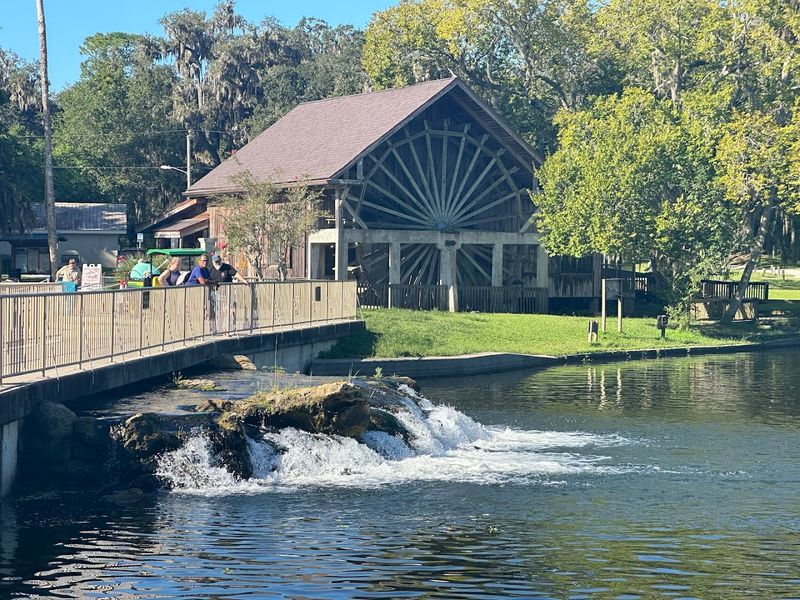
Long before this became a state park, these grounds hummed with the activity of a working sugar mill powered by the spring’s constant flow. Remnants of that industrial past still stand, transformed into educational displays that bring Florida’s complex history to life.
The spring itself attracted humans for thousands of years, starting with the native Mayaca people who recognized its value.
Walking through the preserved mill building feels like stepping back in time. Original equipment and historical photographs show how workers processed sugar cane using the spring’s hydroelectric power.
The building that now houses the pancake restaurant once ground cane and produced sugar for regional markets, playing an important economic role in early Florida development.
Later incarnations included a resort and winter retreat for northern visitors seeking Florida’s warm climate. Each era left its mark on the property, creating layers of history that interpretive signs help visitors understand.
The small museum area in the gift shop displays artifacts and photographs documenting these transformations. Learning this background adds depth to a park visit, helping families appreciate that they’re swimming and playing in a place where countless generations gathered before them for both work and recreation.
Nature Trails and Ancient Trees
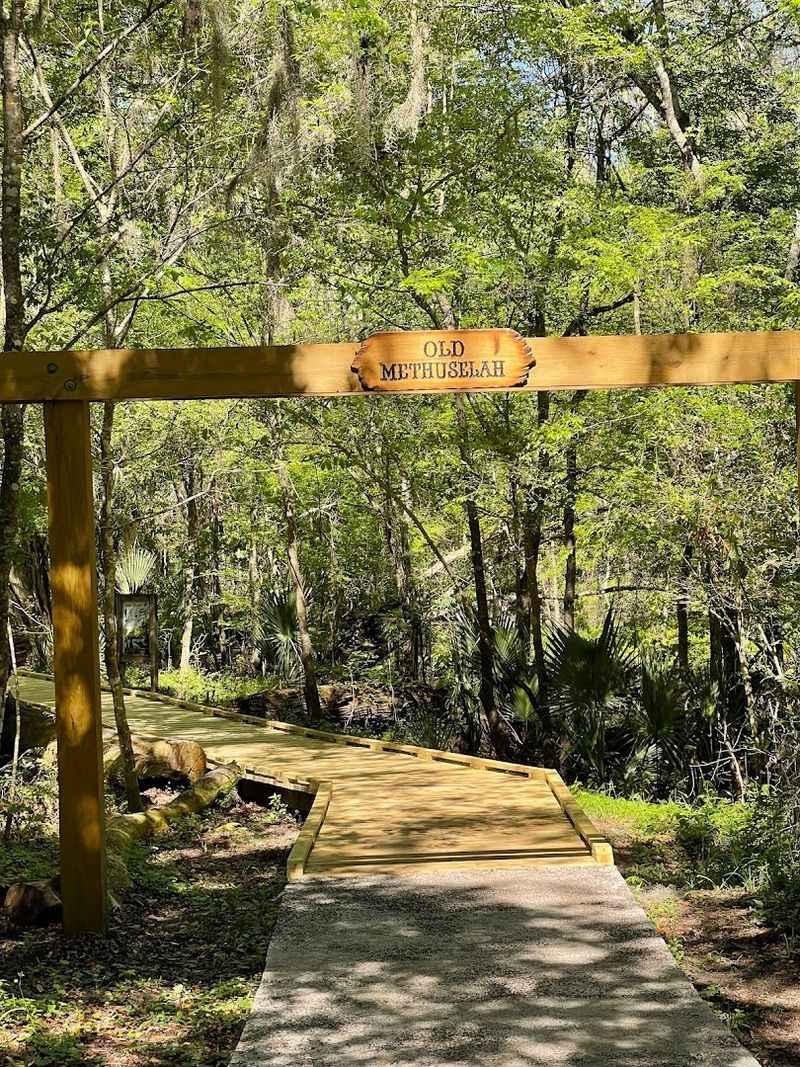
Towering oaks draped in Spanish moss create cathedral-like spaces along the park’s walking trails, some trees having stood for centuries. These paths wind through ecosystems showcasing Florida’s natural diversity beyond the famous spring.
Hikers encounter various habitats within short distances, from wetlands to upland forests, each supporting different plant and animal communities.
Trail difficulty ranges from easy paved paths to more rustic dirt routes, accommodating different fitness levels and mobility needs. Families often spot baby owls, colorful birds, and other wildlife that prefer the quieter forest to the busier swimming areas.
The sounds change dramatically from the social atmosphere near the spring to the peaceful bird songs and rustling leaves deeper in the woods.
Old Methuselah, an enormous cypress tree, stands as one of the trail highlights. This ancient giant predates European settlement of Florida, offering a humbling reminder of nature’s timeline.
Interpretive signs along trails identify native plants and explain the ecological relationships that keep these habitats healthy. Walking these paths provides necessary balance for visitors who want more than just water activities, and the shade offers welcome relief during hot afternoons when the sun beats down on open picnic areas.
Year-Round Wildlife Encounters
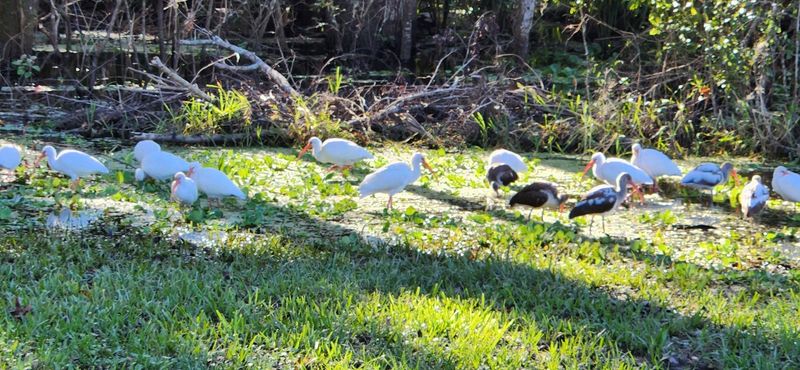
What makes wildlife viewing special here is the sheer variety you might encounter in a single visit. Turtles swim alongside visitors in the spring, completely unbothered by human presence.
Manatees seek the spring’s warmth during winter months, their gentle snouts breaking the surface as they breathe. Alligators patrol the river areas, maintaining respectful distances while going about their daily routines.
Bird enthusiasts bring field guides to identify dozens of species that call this park home. Herons wade in shallow areas hunting for fish, while egrets nest in trees near the water.
Patient observers sometimes spot owlets learning to fly or hawks perched high in ancient oaks. The spring’s clear water creates perfect conditions for watching fish and turtles interact below the surface.
Scuba divers training in the deep sections often attract curious onlookers interested in the underwater perspective. The spring’s depth and clarity make it popular for diving certification courses, adding another dimension to wildlife observation.
Rangers and naturalists working throughout the park share knowledge generously, pointing out creatures visitors might otherwise miss. The text notification system used by the restaurant also helps visitors stay informed about special wildlife sightings happening during their visit.
Photography Hotspots and Sunset Views
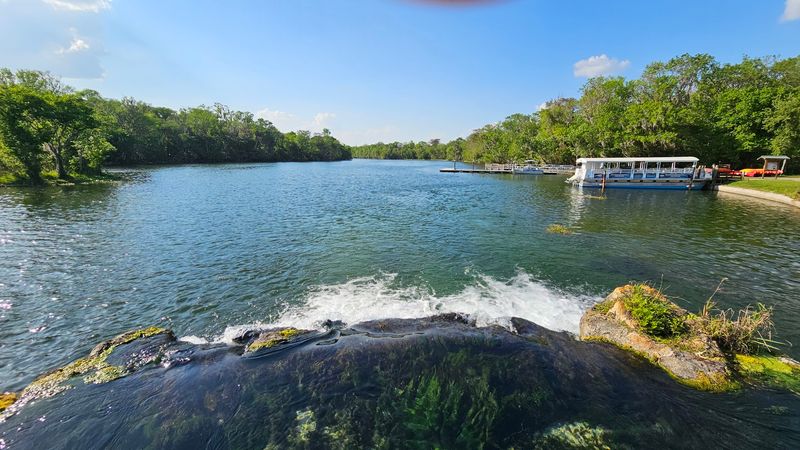
Photography enthusiasts will find no shortage of beautiful subjects at De León Springs State Park. From the moment you arrive, the park offers a mix of crystal-clear spring water, towering cypress trees, historic structures, and abundant wildlife that create picture-perfect scenes throughout the day.
The spring itself is one of the most popular photography locations, where sunlight reflects off the clear blue water and reveals remarkable underwater visibility. Photographers often linger around the spring run, capturing reflections, native plants, and visitors enjoying the water.
Another favorite spot is the historic Old Sugar Mill area, where weathered structures and centuries of history add character and texture to every photograph. Nearby trails wind through lush subtropical forest, leading to massive old-growth cypress trees and quiet boardwalks that provide excellent opportunities for nature and wildlife photography.
Birdwatchers with cameras frequently spot herons, egrets, limpkins, and other native species throughout the park.
As the day draws to a close, the park takes on an entirely different beauty. De León Springs remains open until sunset, and the golden evening light creates stunning reflections across the water and surrounding forest.
The park’s own photo gallery highlights sunset scenes as one of its signature views, showcasing warm colors mirrored in the spring and waterways. Whether you’re capturing landscapes, wildlife, or historic details, sunset provides a peaceful and memorable finale to a day of photography.
Kayak and Canoe River Paddles
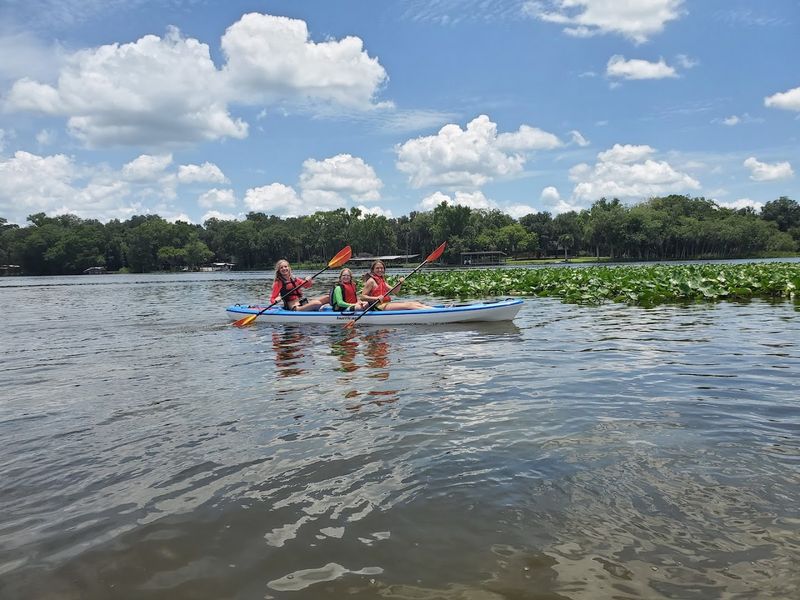
Kayaking and canoeing at De León Springs State Park offer one of the most peaceful ways to experience the natural beauty of central Florida. Launching from the park’s canoe and kayak access point, paddlers can glide onto Spring Garden Run, a spring-fed waterway that begins at the park and winds through lush wetlands toward the St. Johns River system.
The water is often calm and inviting, making it suitable for both beginners and experienced paddlers.
What makes this paddle especially memorable is the scenery. Towering cypress trees, cabbage palms, and other native vegetation line the banks, creating a tranquil corridor filled with birdsong and wildlife.
Along the route, visitors frequently spot herons, egrets, ospreys, turtles, otters, and even manatees during certain times of year. The park also provides access to the vast 22,000-acre Lake Woodruff National Wildlife Refuge, giving paddlers the opportunity to explore an impressive network of lakes, marshes, and creeks.
The experience feels wonderfully removed from busy tourist areas. As your paddle slices through clear spring-fed water, it’s easy to imagine the generations of people who have traveled these waterways for thousands of years.
Whether you’re seeking wildlife, photography opportunities, or simply a relaxing afternoon outdoors, a canoe or kayak trip from De León Springs is one of the park’s most rewarding adventures.
Early Morning Tranquility
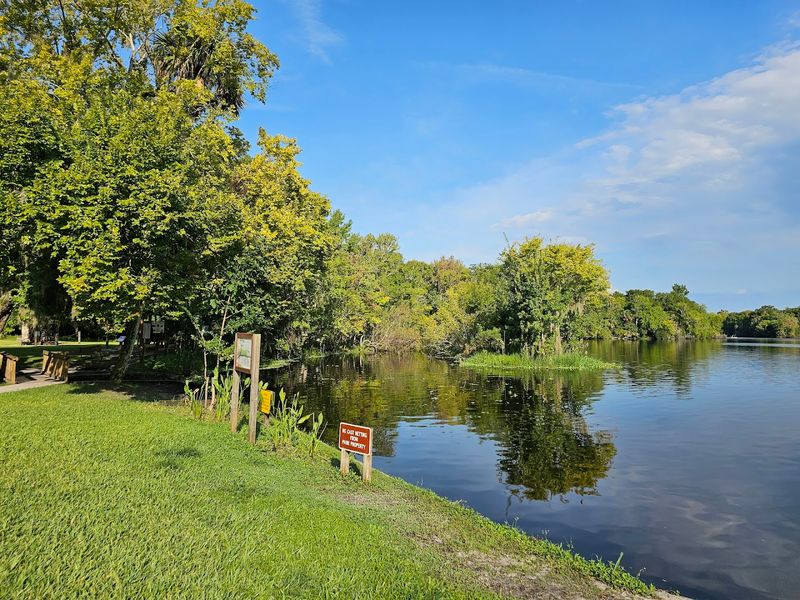
Arriving when gates open at 8 AM reveals a completely different park than midday visitors experience. Morning mist rises from the spring’s surface, creating ethereal scenes photographers dream about.
Wildlife appears more active during cooler morning hours, with birds singing their loudest and deer occasionally venturing near trails. The peaceful atmosphere lets early visitors feel like they’ve discovered a secret paradise.
Beating the pancake house crowds makes mornings especially strategic for families wanting that unique dining experience without two-hour waits. Getting a table before 9 AM typically means minimal waiting, letting you enjoy breakfast and still have the whole day ahead.
The swimming area feels almost private in early hours, with just a handful of swimmers enjoying the crystal water.
Rangers like Mike who work mornings often have more time for conversations, sharing insider knowledge about the best trails or current wildlife activity. Gate attendants such as Roxy welcome early arrivals warmly, setting positive tones for the entire visit.
The park can close its gates once capacity fills during peak season, making early arrival not just pleasant but sometimes necessary for guaranteed admission.
Morning temperatures feel perfect for hiking trails before afternoon heat builds. Starting early lets families experience every aspect of the park without feeling rushed or overwhelmed by crowds.