Florida hides some wild surprises, and this one slips past almost everyone.
Tucked away in a quiet corner of North Florida, Troy Springs State Park is the kind of place that makes you stop and think, “Wait… why isn’t everybody talking about this?”
Forget packed parking lots, shoulder-to-shoulder crowds, and the nonstop buzz that follows many of Florida’s famous spots. This little 78-acre escape trades chaos for glass-clear water, shady trees, and the kind of calm that feels almost suspicious.
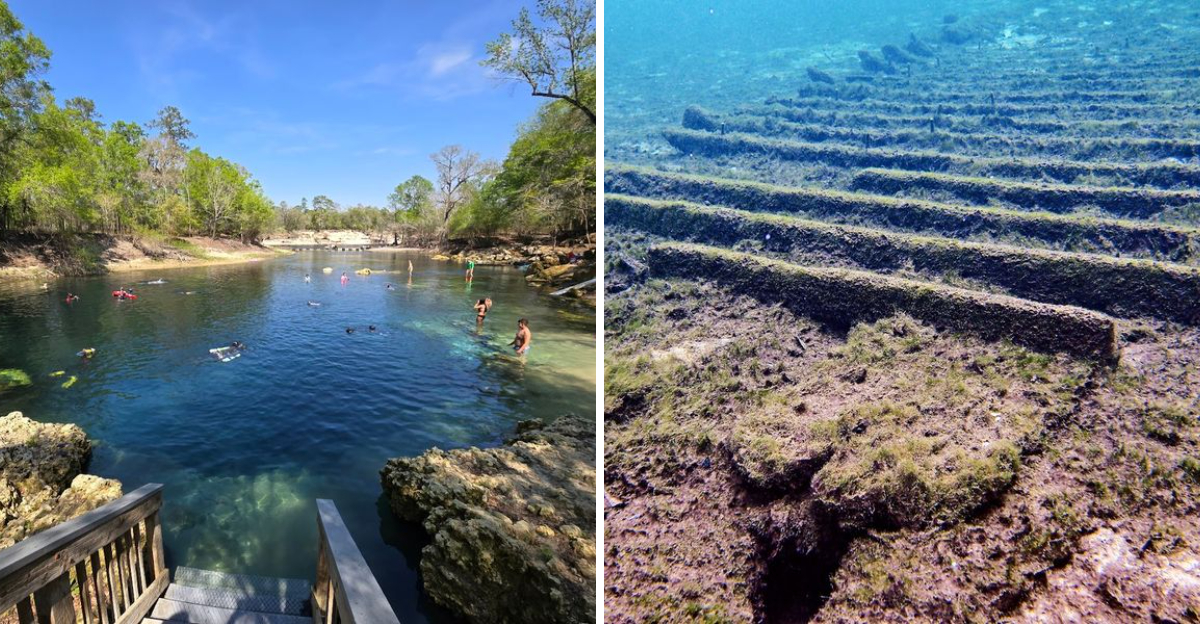
Then things get even better. Beneath those sparkling waters sits a piece of Civil War history, while swimmers and snorkelers drift through a spring that looks almost unreal.
Some places ask for your attention. Troy Springs quietly steals it.
Troy Springs State Park Is One of Florida’s Most Overlooked Hidden Gems
Tucked away in rural Lafayette County, this compact park sits about two hours northwest of Gainesville and rarely appears on typical Florida travel lists. Most visitors zoom past on their way to bigger attractions, completely unaware they’re missing something extraordinary.
The park’s remote location keeps it wonderfully uncrowded, even during peak summer months when other Florida springs become shoulder-to-shoulder swimming spots.
Unlike commercialized spring parks with water slides and snack bars, Troy Springs maintains an authentic natural character that harks back to simpler times. You won’t find gift shops or paved walking paths everywhere.
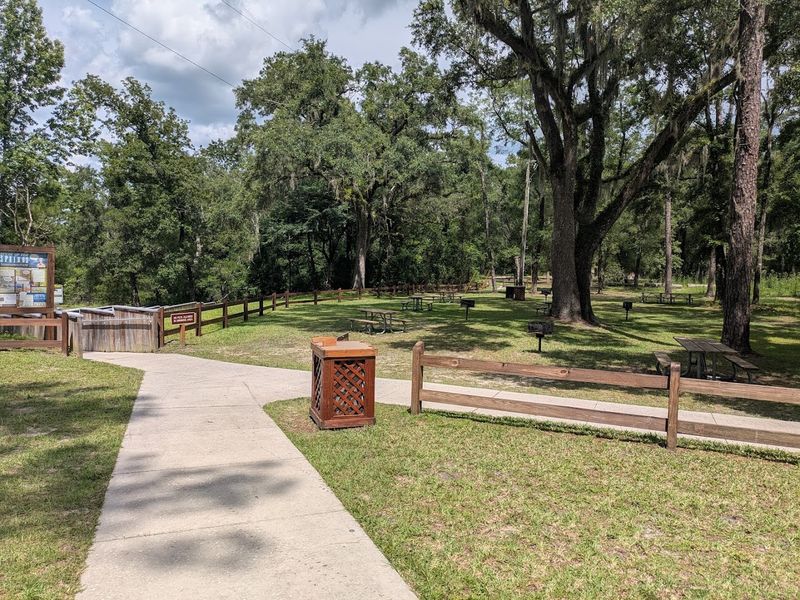
Instead, expect sandy shores, shaded picnic areas beneath towering oaks, and the peaceful sounds of water and wildlife.
The 78-acre property centers around its stunning spring, but also includes river access and natural areas perfect for quiet exploration. Families appreciate the manageable size—you can experience everything the park offers in a single afternoon without feeling rushed.
Local residents have long treasured this spot as their personal retreat, and those who discover it often return again and again, drawn by its unspoiled charm and refreshing waters.
The Crystal-Clear First-Magnitude Spring at the Heart of the Park
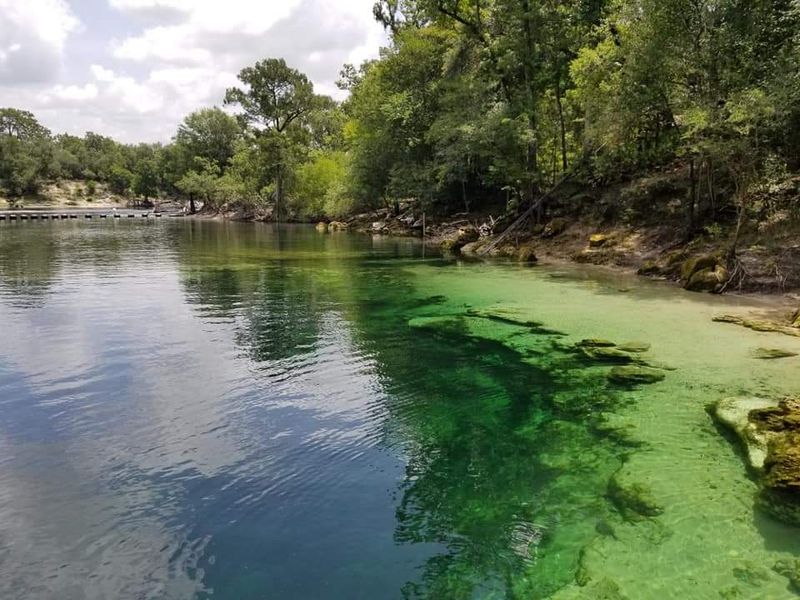
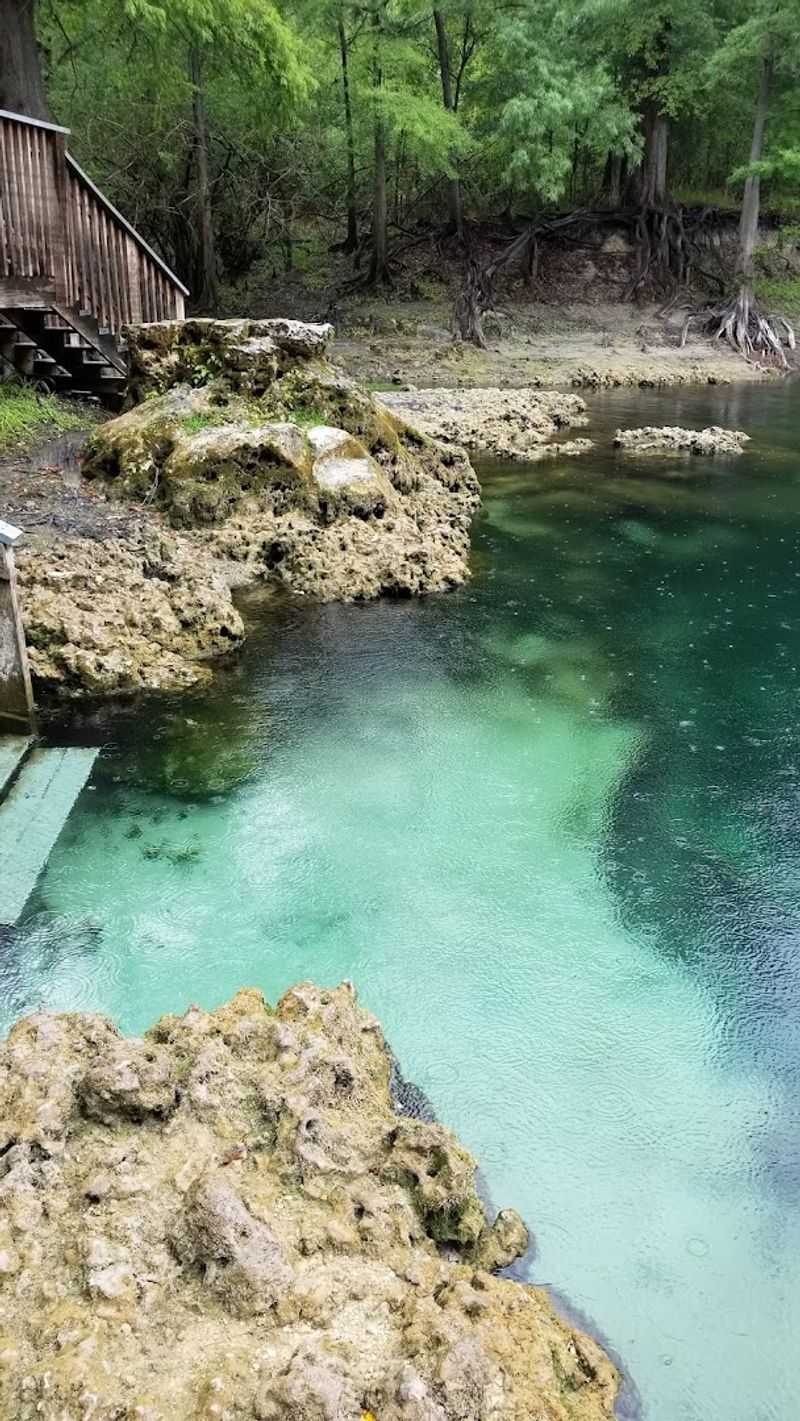
Water so transparent it almost seems invisible bubbles up from deep limestone caverns at an impressive rate of 70 million gallons daily. This powerful flow classifies Troy Springs as a first-magnitude spring, placing it among Florida’s most productive natural water sources.
Only 33 such springs exist throughout the entire state, making this a genuinely rare natural feature.
The water maintains a constant 72 degrees year-round, creating perfect swimming conditions regardless of the season. On hot summer days, the cool water provides refreshing relief.
During winter months, the relatively warm spring temperature feels surprisingly comfortable when air temperatures drop.
Visibility typically extends 50 to 100 feet depending on conditions, allowing swimmers to peer straight down into the depths or spot fish swimming past with remarkable clarity. The blue-green hue characteristic of Florida springs creates an almost tropical atmosphere.
Sunlight filtering through the canopy above dances across the water’s surface, creating mesmerizing patterns.
Scientists note the water’s exceptional purity comes from natural filtration through the Floridan Aquifer’s limestone layers. This ancient underground water source feeds numerous springs across North Florida, but Troy’s particular combination of flow rate and clarity makes it especially striking.
A Rare Underwater Civil War Relic Few Visitors Expect
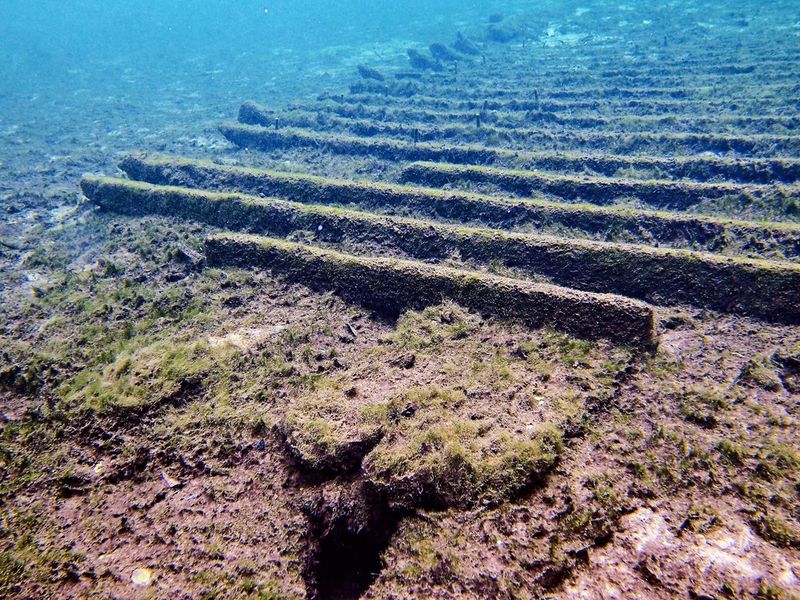
Beneath the spring’s shimmering surface lies the skeletal remains of the Confederate steamboat Madison, intentionally scuttled in 1863 to prevent Union forces from capturing her. The 125-foot vessel once transported troops and supplies along the Suwannee River during the Civil War’s turbulent final years.
When Confederate officers learned Union troops were advancing, they deliberately sank the steamboat in the deep spring, hoping to later raise and repair her.
That recovery never happened, and the Madison has rested approximately 50 feet down for over 160 years. Today, certified divers can descend to examine the weathered wooden ribs, machinery remnants, and other artifacts scattered across the spring floor.
The wreck appears remarkably preserved thanks to the spring’s constant cool temperature and mineralized water chemistry.
Above-water visitors can sometimes glimpse the dark outline of the wreck when conditions are ideal. Interpretive signs near the spring explain the Madison’s fascinating history and significance as one of few Civil War shipwrecks accessible in a Florida spring.
Maritime archaeologists have documented the site extensively, helping preserve this tangible connection to a dramatic chapter in American history that unfolded in this quiet corner of Florida.
Swimming in a Natural Pool That Feels Like Old Florida
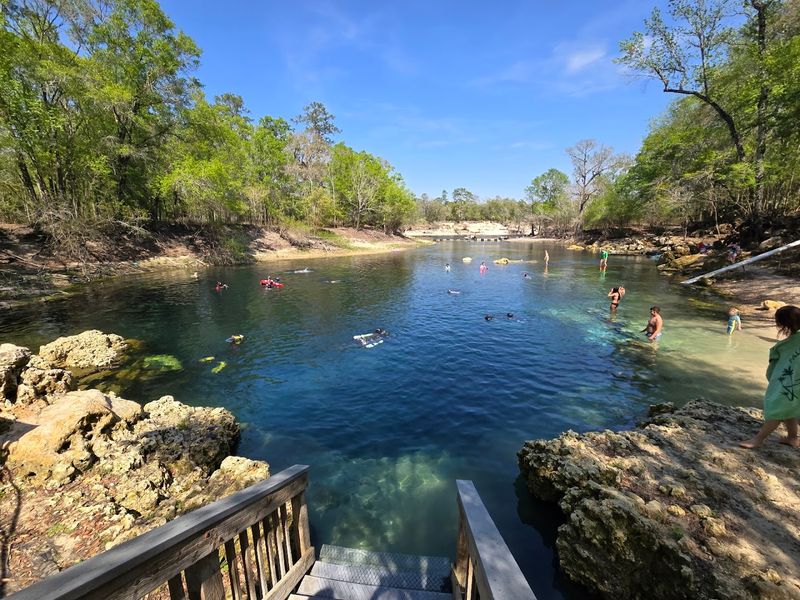
Generations of North Florida families have gathered at this spring to splash, float, and cool off during sweltering summer afternoons. The swimming area retains that timeless quality—no artificial features or manufactured attractions, just pure natural refreshment.
Sandy entry points along the spring’s edges make accessing the water easy for all ages and swimming abilities.
Children love the shallower areas near the shore where they can wade and play safely while parents keep close watch. Stronger swimmers venture toward the center where the spring basin drops away dramatically.
The clear water allows everyone to see exactly what lies beneath, creating confidence even for nervous first-timers.
Oak trees surrounding the spring provide ample shade for those who need breaks from the sun. Families spread blankets, unpack picnic lunches, and settle in for leisurely afternoons that feel unhurried and wonderfully low-key.
There’s something deeply satisfying about swimming in water that’s exactly as nature intended—no chlorine, no filters, just fresh mineral-rich spring water flowing continuously from the earth.
Many visitors describe Troy Springs as what Florida’s springs felt like decades ago before commercial development changed their character. That authentic quality makes every swim feel special, like you’re experiencing something increasingly rare and worth protecting.
Why Snorkelers and Divers Love Troy Springs
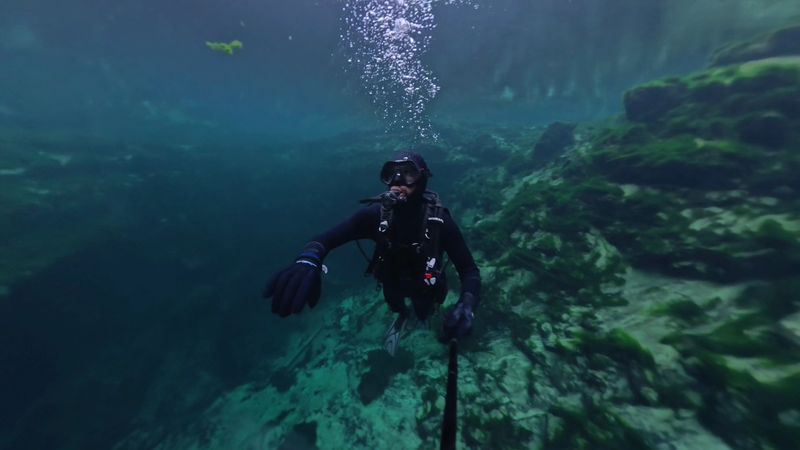
Water clarity averaging 80 to 100 feet makes Troy Springs a snorkeling paradise where the underwater landscape reveals itself in stunning detail. Simply floating on the surface with a mask lets you observe limestone ledges, cavern openings, fish schools, and aquatic plants as if viewing through crystal-clear glass.
Rental equipment isn’t available on-site, so bringing your own gear proves essential.
Certified scuba divers find even more to explore in the spring’s depths. The basin plunges to approximately 70 feet, providing interesting depth variation and the chance to examine geological features up close.
Multiple cave openings dot the spring’s walls, though entering them requires proper cave diving certification due to serious safety concerns.
The Madison shipwreck serves as the star attraction for many divers, offering a rare opportunity to examine authentic Civil War history underwater. Swimming around and above the vessel’s remains creates an eerie yet fascinating experience.
Photographers appreciate the excellent visibility and unique subject matter.
Water temperature consistency means comfortable diving year-round without thick wetsuits. During winter months when surface temperatures drop, Troy Springs becomes especially popular with divers who appreciate the warmer spring water.
Local dive shops occasionally organize group trips here, recognizing the site’s combination of historical significance, geological interest, and exceptional water quality.
The Surprisingly Deep Spring Basin Hidden Below the Surface
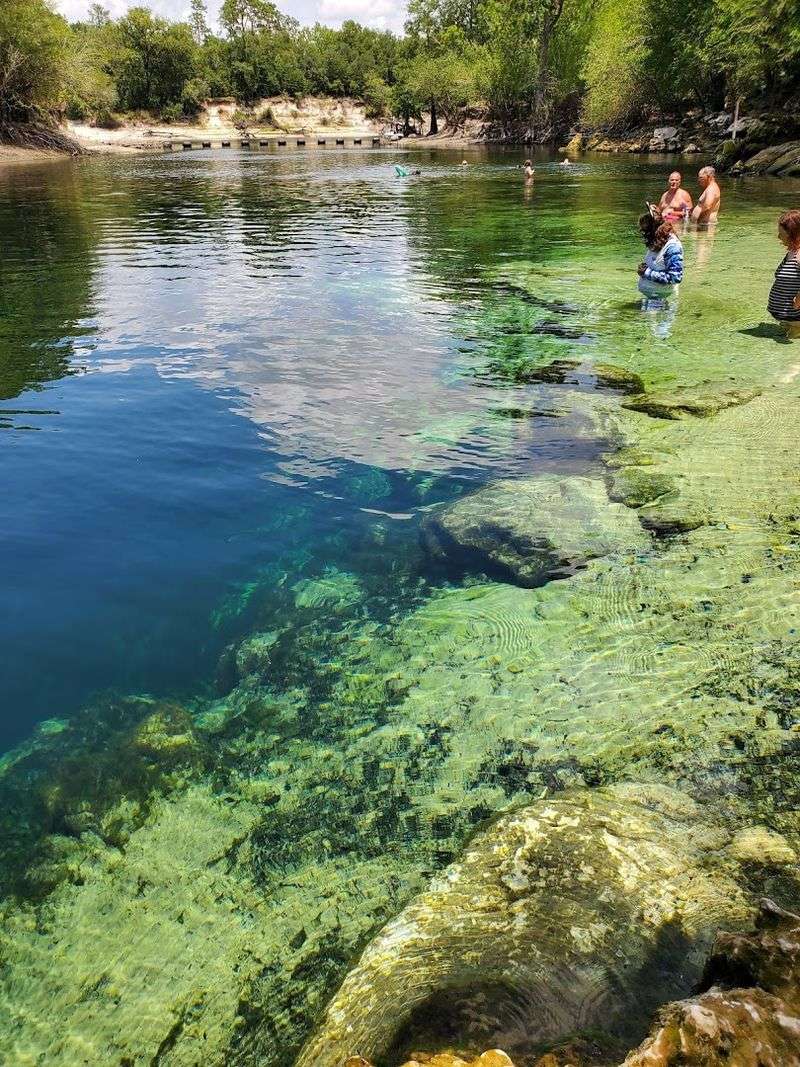
What appears to be a modest swimming hole from shore conceals a dramatic geological feature beneath. The spring vent drops away suddenly, creating a deep basin that plunges approximately 70 feet down into limestone caverns and underground passages.
This depth surprises most first-time visitors who expect typical swimming pool dimensions.
Peering down from the surface, you’ll notice the water color shifting from light turquoise in shallow areas to deeper blue-green where the basin opens up. That color change marks where the spring floor falls away sharply.
Strong upward flow from the vent creates visible ripples and movement on the surface directly above.
Geologists explain that Troy Springs formed over thousands of years as slightly acidic groundwater dissolved limestone bedrock, eventually creating a collapse feature called a karst spring. The process continues today, though at imperceptible rates.
Underground, the spring connects to a vast network of subterranean rivers and aquifer passages stretching across North Florida.
Swimmers who duck underwater and open their eyes can sometimes glimpse the vertical walls dropping into darkness—an awe-inspiring sight that reveals nature’s power. The depth and underground connections create the strong flow that keeps the spring so clear.
Without that constant circulation, the water wouldn’t maintain its remarkable transparency and purity.
Wildlife Encounters Around the Spring and River Ecosystem
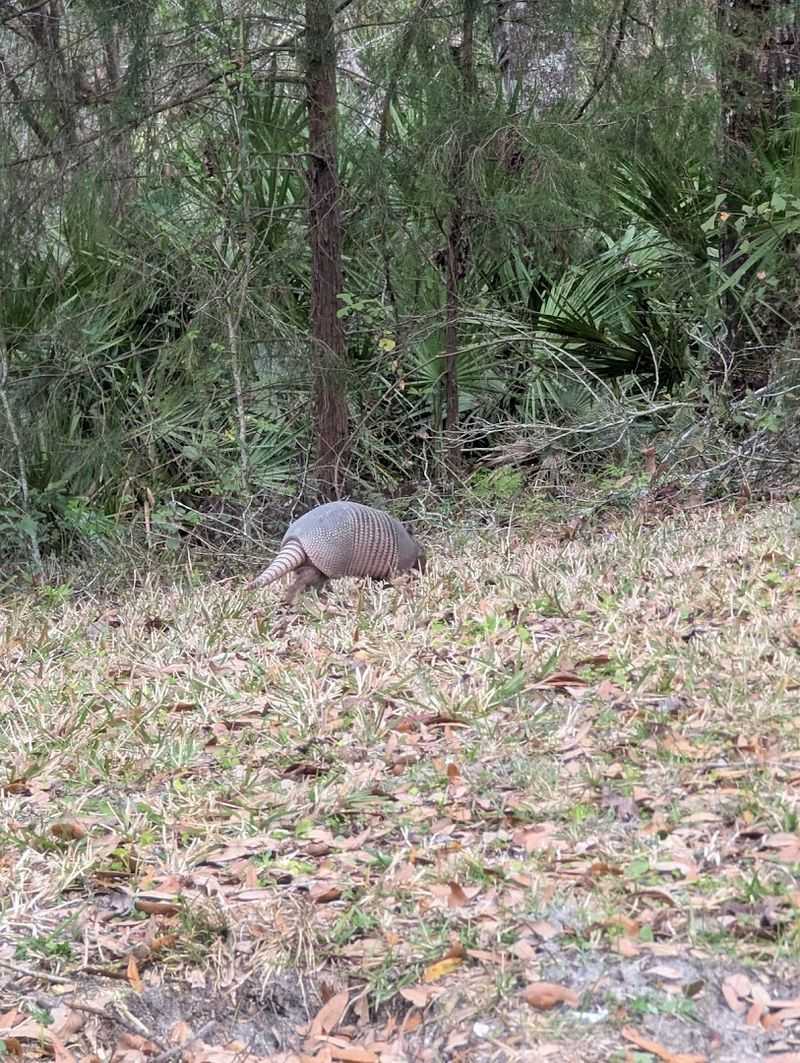
Patient observers spot numerous fish species cruising the spring’s clear waters, including sunfish, bass, mullet, and occasionally larger species that swim up from the Suwannee River. Schools of small fish dart between limestone crevices and aquatic vegetation, creating constant underwater movement.
Turtles frequently sun themselves on logs near the water’s edge, sliding into the spring when approached too closely.
Birds find the spring ecosystem irresistible—herons stalk the shallows watching for fish, while anhingas perch on branches with wings spread wide to dry their feathers. Songbirds fill the surrounding forest with calls and activity, especially during early morning and late afternoon hours.
Lucky visitors might spot an osprey or bald eagle overhead, scanning for fishing opportunities.
River otters occasionally visit Troy Springs, delighting swimmers who witness their playful antics. These curious mammals sometimes investigate snorkelers and divers from a safe distance.
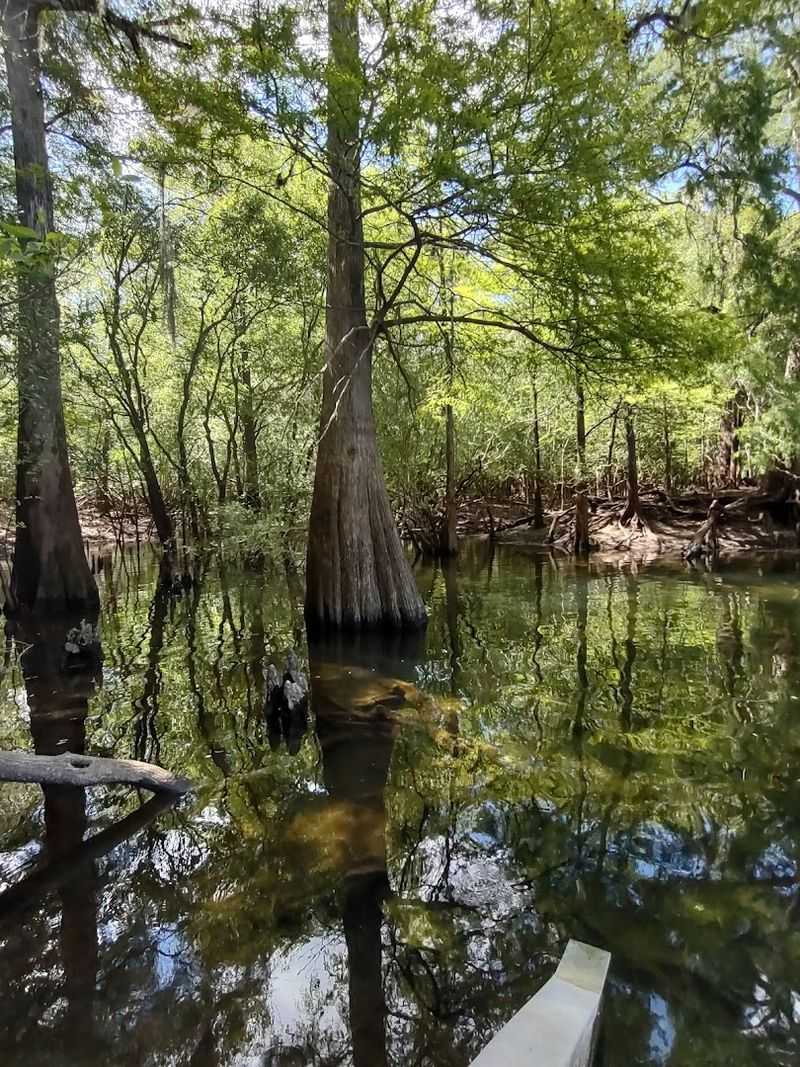
Alligators inhabit the nearby Suwannee River and occasionally enter the spring, though rangers monitor for their presence and post warnings when necessary.
Aquatic vegetation provides habitat for countless invertebrates, tadpoles, and tiny creatures that form the ecosystem’s foundation. Bringing waterproof cameras or simply watching quietly allows nature enthusiasts to appreciate the rich biodiversity thriving in and around these pristine spring waters.
The Short Nature Trail That Reveals North Florida Landscapes
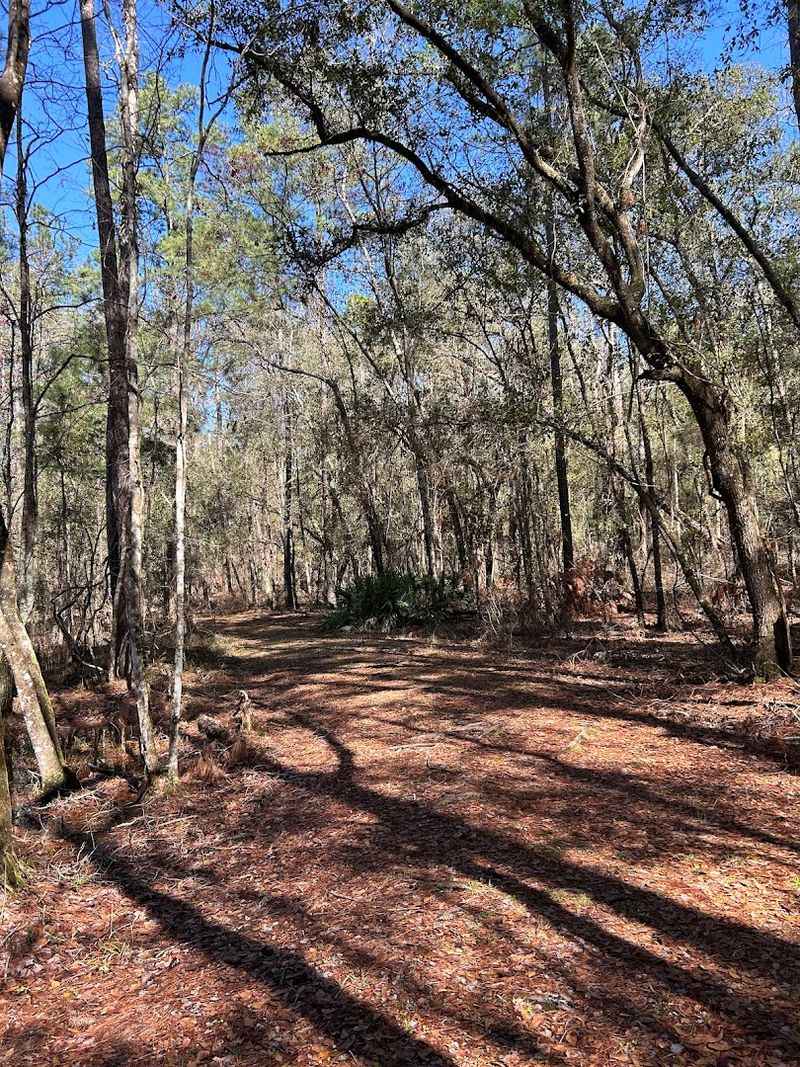
A half-mile trail loops through the park’s upland areas, offering a pleasant walk that showcases North Florida’s characteristic landscapes. The path winds through pine flatwoods where longleaf pines tower overhead and saw palmetto carpets the forest floor.
Spanish moss drapes from oak branches, creating that quintessential Southern atmosphere.
Interpretive signs along the route identify native plants and explain the area’s ecology. Educational displays help visitors understand fire’s natural role in maintaining healthy pine ecosystems.
Kids enjoy searching for animal tracks, pinecones, and interesting plants while learning about the environment surrounding the spring.
The trail’s gentle terrain makes it accessible for most fitness levels, though uneven ground and tree roots require watching your footing. Shaded sections provide relief from sun exposure, while open areas let hikers appreciate the sky and forest canopy.
During spring and fall, wildflowers add colorful accents to the landscape.
Bird watchers bring binoculars to spot species moving through the forest canopy. Woodpeckers hammer on dead snags, gopher tortoises occasionally lumber across the path, and butterflies visit flowering plants in sunny clearings.
The trail doesn’t require hours to complete, making it perfect for families who want to explore beyond the swimming area without committing to a lengthy hike. Many visitors walk it before or after enjoying the spring.
What Makes Troy Springs Feel Different From Florida’s Busier Springs
Step into Troy Springs and immediately notice what’s missing—crowds, noise, and commercialization. Popular springs like Ichetucknee, Rainbow, and Silver attract thousands of daily visitors who create congestion and sometimes wait hours for parking.
Troy Springs typically hosts just dozens of guests even on beautiful weekends, allowing everyone ample personal space.
No gift shops sell plastic toys, no snack bars serve overpriced food, and no tour operators hustle business. The park maintains basic facilities—restrooms, picnic tables, parking—without unnecessary development.
This minimalist approach preserves the site’s natural character while keeping entrance fees remarkably low.
Accessing the water proves easier here than at busier springs where swimmers jostle for position along crowded shorelines. You can actually find quiet spots to float peacefully or areas to practice snorkeling without constantly dodging other people.
Parents appreciate being able to relax without the sensory overload common at heavily visited attractions.
Online reviews consistently mention the uncrowded atmosphere as Troy Springs’ greatest asset. Regular visitors treasure this quality, often expressing concern about the park becoming too popular.
The remote location fortunately provides natural protection against excessive crowds, though word gradually spreads about this special place. Those seeking authentic nature experiences rather than theme-park atmospheres discover exactly what they’re hoping for at this understated Florida gem.
Planning a Visit: What Travelers Should Know Before They Go
Troy Springs State Park charges modest entrance fees—currently around $5 per vehicle—making it an affordable family outing. The park opens at 8:00 AM and closes at sunset year-round, though specific closing times vary seasonally.
Arriving early ensures finding good parking and enjoying the spring before afternoon crowds, though even busy days remain relatively peaceful compared to other Florida springs.
Bring everything you’ll need since no stores operate nearby. Pack snacks, drinks, sunscreen, towels, and any swimming or snorkeling gear.
Basic restroom facilities exist on-site, but no changing rooms or showers are available. The nearest towns with full services lie 15-20 minutes away in Branford or Mayo.
Swimmers should feel comfortable in deep, natural water since the spring basin drops significantly. Life jackets help nervous swimmers or young children.
Divers must show valid certification to access deeper areas, and solo diving is strongly discouraged for safety reasons. Spring water stays 72 degrees year-round, comfortable for most people though some prefer wetsuits during extended winter swims.
Summer weekends and holidays see the highest visitation, while weekdays often feel almost private. Spring and fall offer ideal conditions with comfortable air temperatures and fewer insects.
Check the park’s status before traveling since occasional closures occur for maintenance or environmental concerns.