Long before Kentucky had a name, a busy town sat on a high bluff above the Mississippi River. People built houses, raised earthen mounds, and gathered around a wide plaza for more than two centuries.
Then the town went quiet, and the land kept its secrets under layers of soil. Today, your family can walk right across those same grounds, climb beside the mounds, and peek into a real excavation that archaeologists left open for everyone to study.
The trip takes about an hour, costs less than a movie ticket, and turns a regular road trip into a history lesson nobody yawns through. Keep reading to learn where this place is, what makes it special, and how to plan a visit that the kids will still talk about at dinner next week.
A Bluff With A Very Long Memory
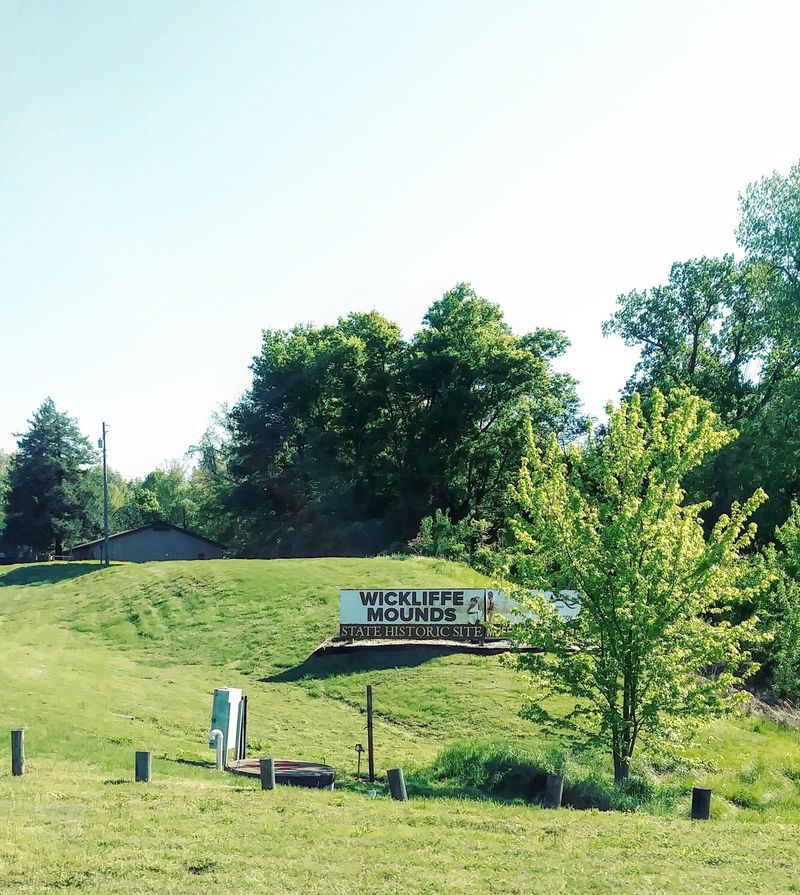
Somewhere along the far western tip of Kentucky, a quiet hilltop has been holding onto a story for roughly 900 years. That hilltop is Wickliffe Mounds State Historic Site, found at 94 Green St, Wickliffe, KY 42087, in the United States.
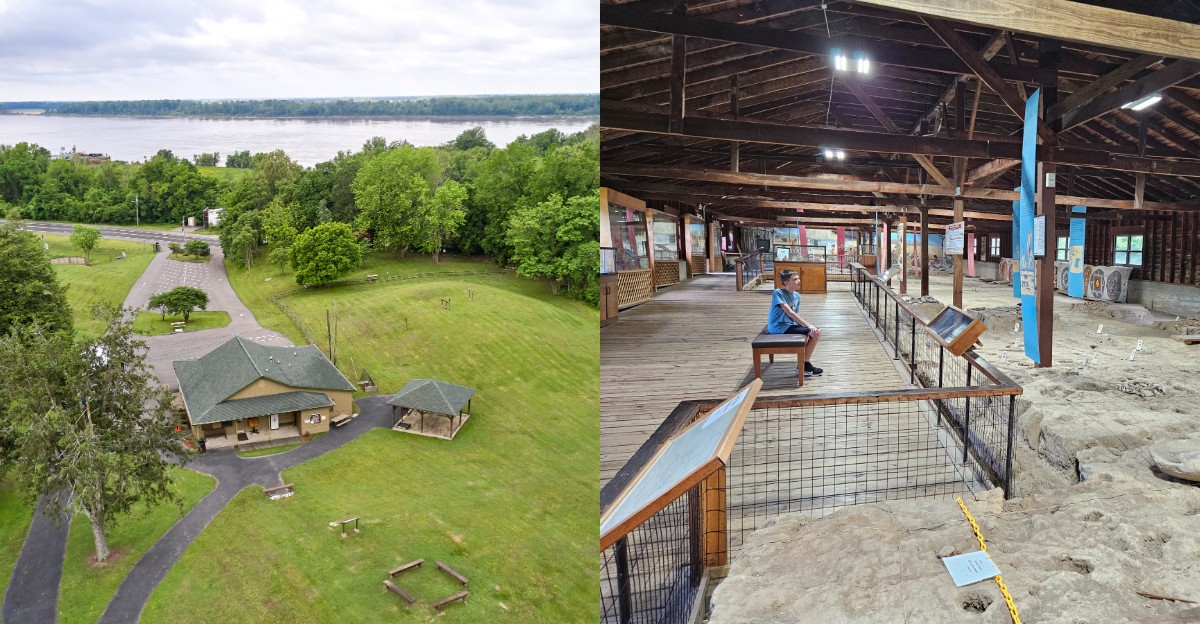
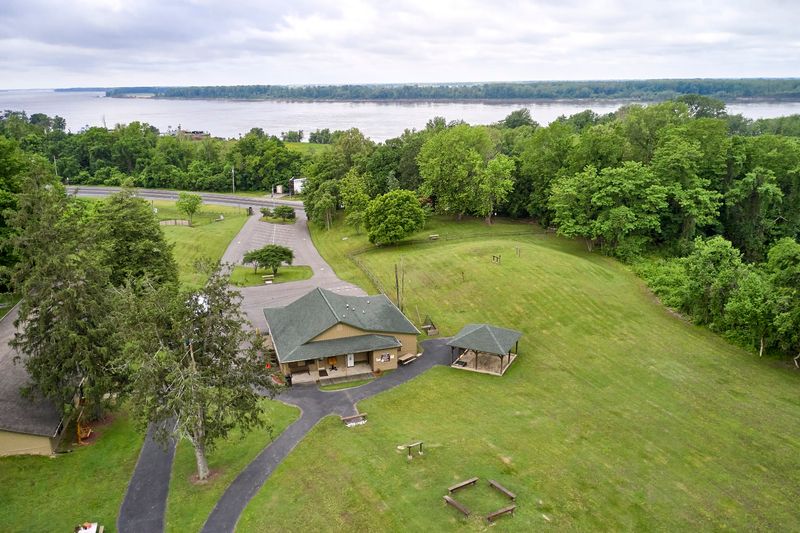
The site sits on a bluff overlooking the Mississippi River, close to where Kentucky, Illinois, and Missouri meet. Its spot near the river made it a smart place to build a town long ago.
Today it is a state historic site run by Kentucky State Parks. It includes a museum, a welcome center, a gift shop, walking paths, and picnic areas.
The grounds also sit along the Great River Road National Scenic Byway and the Lewis and Clark National Historic Trail Auto Tour Route. Many families find it while driving through on longer trips.
Small towns can surprise you, and Wickliffe is proof. A quick turn off the main road leads straight into one of the oldest neighborhoods in the state.
Meet The Original Neighbors
Around A.D. 1100, a group of people decided this bluff was the perfect place to call home. Archaeologists call them part of the Mississippian culture.
They lived here until about A.D. 1350. During that time they built permanent houses and earthen mounds arranged around a central plaza.
The Mississippian people were farmers, builders, and skilled craftspeople. Their towns were spread along river valleys across much of what is now the southeastern and midwestern United States.
At Wickliffe, the town looked out over the Mississippi River. The river likely helped with travel, trade, and finding food.
Kids often ask a simple question here: where did everyone go? The museum explains what researchers know and what is still a mystery, which keeps young minds busy.
Here is a fun fact to share in the car. These people were living on this bluff hundreds of years before Kentucky became a state in 1792.
That makes every footstep on these grounds a small trip back in time.
The Mound With The Best View
Climbing a 700-year-old landmark sounds like something that would get you in trouble. At Wickliffe, guests are allowed to walk on the grounds and visit the mounds.
The biggest one is called the Ceremonial Mound. It is the largest mound on the site, and the top offers a wide view of the bluff area.
Mounds like this were built by hand, basket load by basket load. That took teamwork, planning, and plenty of patience.
Other mounds are spread around the grounds too. Signs near each one explain what it was likely used for and what archaeologists found.
Some people expect giant hills and feel the mounds look modest. Knowing how they were made changes that feeling fast.
A good family tip is to read the signs together before heading up. Kids get a lot more out of the climb when they know what they are standing on.
Bring a camera, because the view from up top makes a great family photo spot.
Peeking Inside History
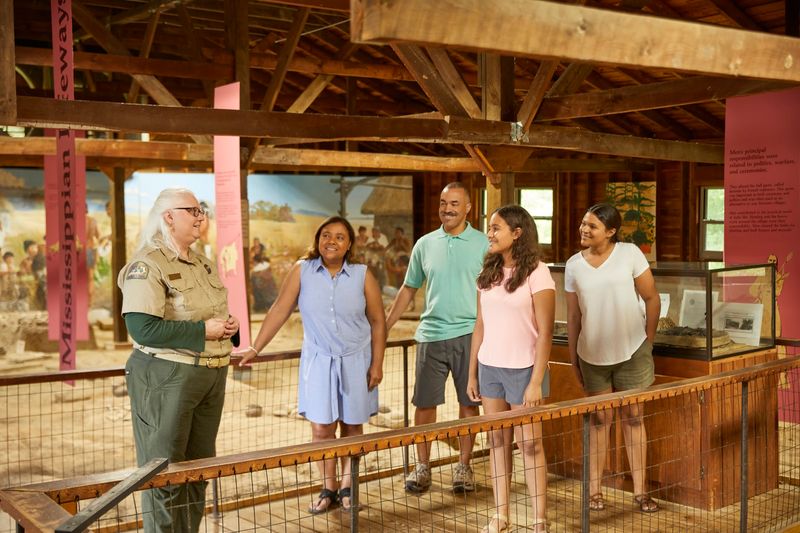
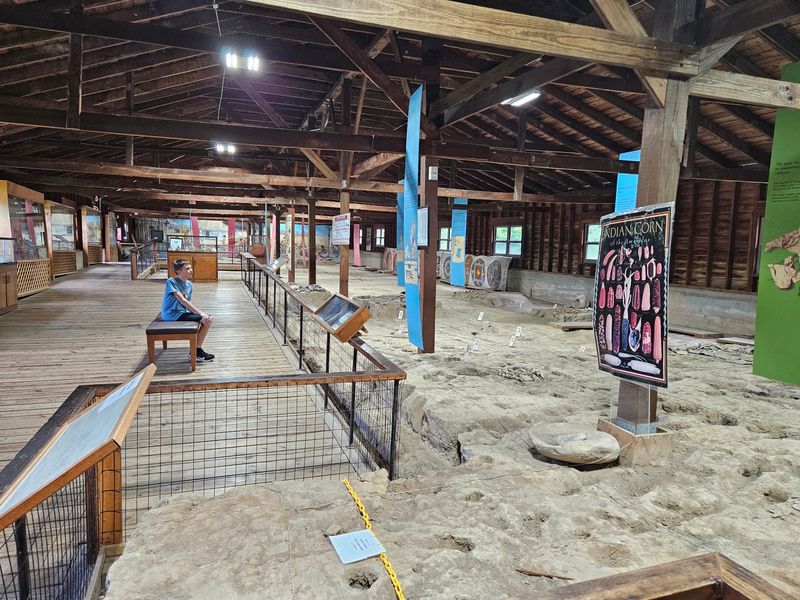
Most mounds keep their insides hidden. Here, one excavation has been left open so you can see what lies beneath.
A building covers and protects the dig site. Inside, you can look down at exposed features and learn how archaeologists uncovered them.
This excavation exhibit is the part people talk about most. It is very rare to see inside a Native American mound, so it feels like a behind-the-scenes pass.
Plenty of information panels line the space. They explain the layers of soil, the finds, and what each discovery tells us about daily life.
Scientific research through Murray State University has shared important facts about the people who lived here. The exhibit helps turn that research into something easy to follow.
Parents can turn this into a mini detective game. Ask kids to spot different layers or objects and guess what they were used for.
Plan to spend some real time here. Many families say it is the highlight of the whole visit.
Pots, Tools, And Tiny Treasures
Ancient pottery has a way of making kids lean closer to the glass. The museum is packed with artifacts that show how the Mississippian people lived.
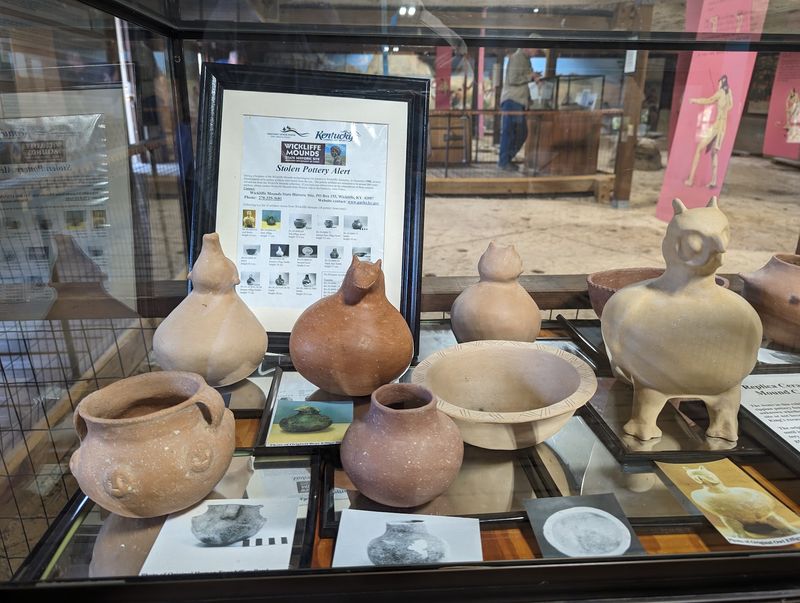
Displays include pottery, stone tools, and artwork. Each piece offers a clue about cooking, farming, building, or creativity.
The number of objects surprises many first-time guests. There is a lot to look at for a museum of this size.
Exhibits also cover the archaeological history of Native American tribes in Kentucky. Some sections include audio-guided displays that help explain things along the way.
One story here is a bit of a twist. Some relics were taken from the site in the past, and one was later recovered in the 1980s.
That tale is a great conversation starter about why protecting history matters. Kids usually have strong opinions on it.
A helpful tip is to let each family member pick a favorite artifact. Comparing choices afterward makes the visit more personal and memorable.
Trees That Seem To Stare Back
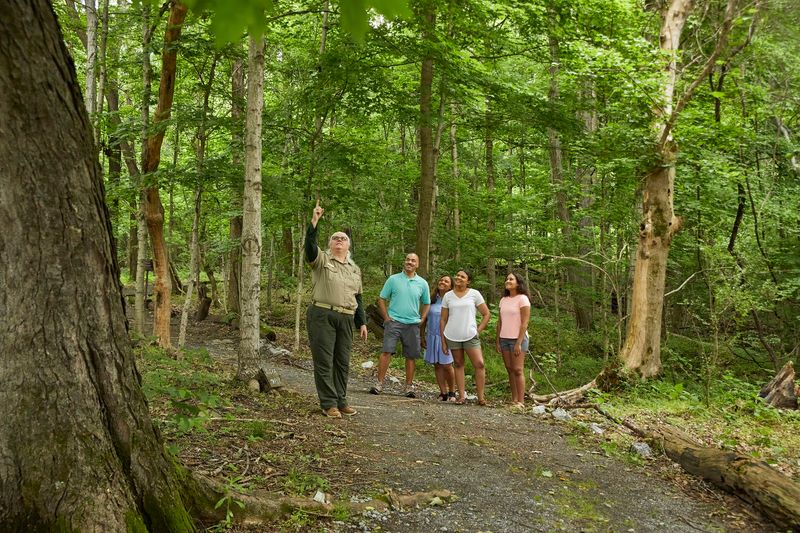
Here is a quirky detail nobody warns you about. Many of the trees on the grounds have knots and markings that look a lot like eyes.
Guests love pointing out these funny tree faces. Some people find them a little spooky, and others just laugh and snap photos.
The site also has a short wooded walking trail. It is a nice way to stretch your legs after time in the museum.
The trail adds a touch of nature to the history lesson. The grounds are home to plenty of wildlife, so keep an eye out for birds and small critters.
Kids can turn the walk into a game called Spot the Face. Whoever finds the most tree faces wins bragging rights for the ride home.
Wear comfortable shoes, since the paths are outdoors and can be uneven. A water bottle is smart on warmer days too.
The trail is optional, but those watchful trees are a fun bonus worth the extra few minutes.
Start At The Welcome Center
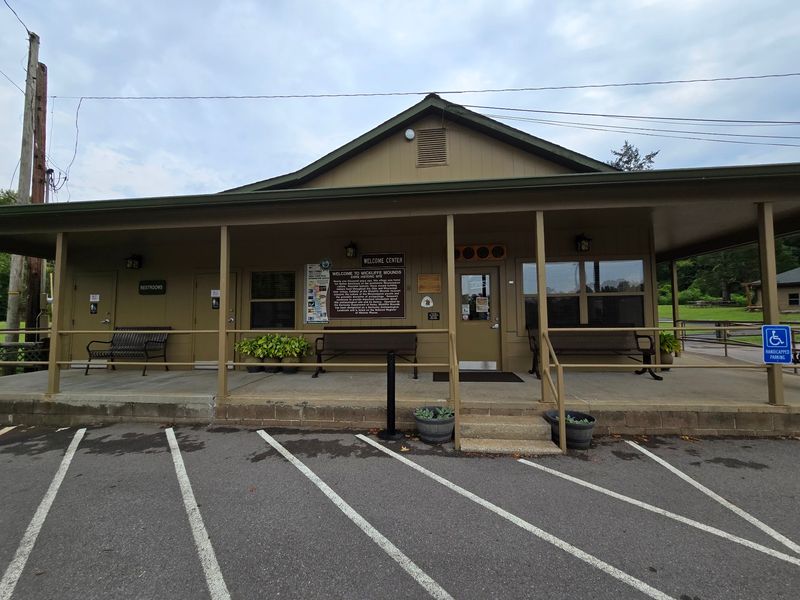
Smart explorers know the first stop matters. The welcome center is a great place to get your bearings before heading out.
Inside, you can learn some historical facts, use the restrooms, and grab drinks and snacks. The staff here is known for being friendly and full of helpful knowledge.
Walking the grounds is free, according to the site setup. The museum has an admission fee, with lower rates for seniors and veterans.
Recent prices have been around $8 for adults, with $6 for seniors and veterans. Prices can change, so check the Kentucky State Parks website before you go.
The gift shop has something for nearly everyone. Kentucky souvenirs, books, and small keepsakes make nice reminders of the trip.
Ask the staff questions, because they know the site well. They often share stories you will not find on the signs.
A few minutes here can make the rest of the visit smoother and more meaningful for the whole crew.
Picnic Tables With A Past
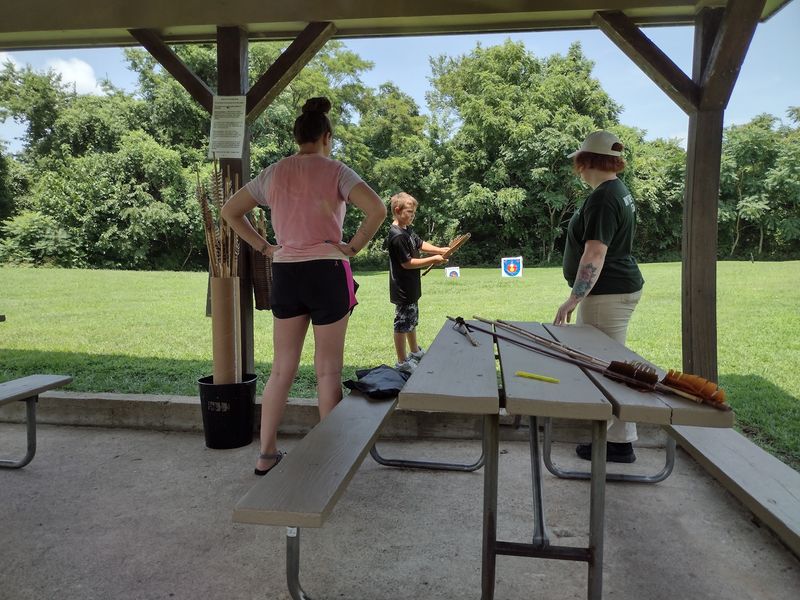
History hunting can make anyone hungry. Luckily, the site has picnic areas, including a covered spot with tables.
Packing a lunch turns a quick stop into a relaxed family break. Eating near an ancient town site is not something you get to do every day.
The covered area helps on sunny or drizzly days. It gives everyone a place to sit, rest, and talk about what they have seen.
One practical tip involves timing. Staff may close the museum briefly around lunchtime, so plan your museum visit before or after midday if possible.
The open lawns also give kids room to move. A little running around can help them focus better when it is time for more exhibits.
Remember to clean up after your picnic. Keeping the grounds tidy helps protect this special place for future families.
A simple sandwich tastes a lot more exciting when it comes with a side of 900-year-old history.
Days Worth Circling On The Calendar
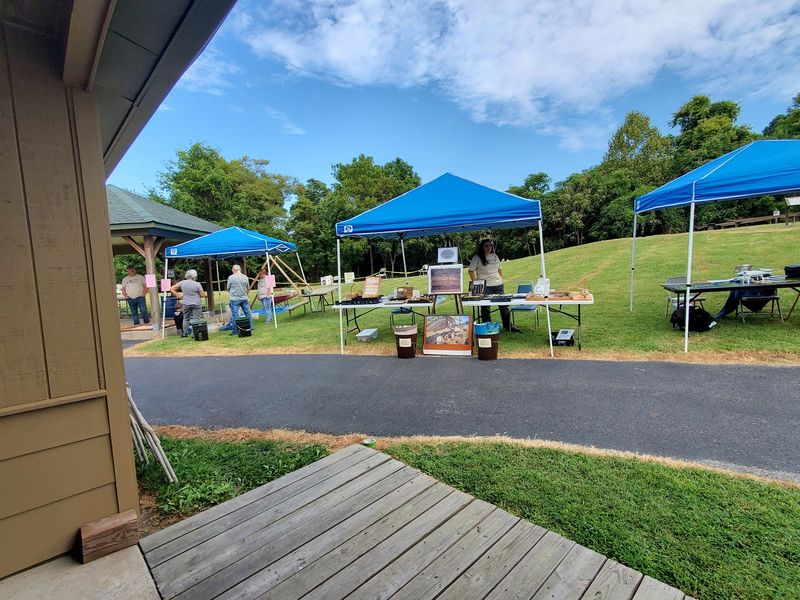
Some visits come with extra fun built in. The site hosts special events, demonstrations, and educational programs at different times of the year.
The big one is Archaeology Day, held each September for Kentucky Archaeology Month. Families can explore booths with hands-on activities and learn from experts.
Other events have included a Bark Ranger day for dogs. Pups and their people joined a scavenger hunt and explored the mounds together.
The site has even been a spot for eclipse viewing. Those wide open grounds make a good place to watch the sky.
Event schedules change from year to year. Checking the Kentucky State Parks website is the best way to see what is coming up.
Hands-on displays also appear at different times. These are especially great for younger kids who learn best by doing.
Timing a trip around an event can turn a short stop into a full family adventure that everyone remembers.
Smart Tips Before You Roll In
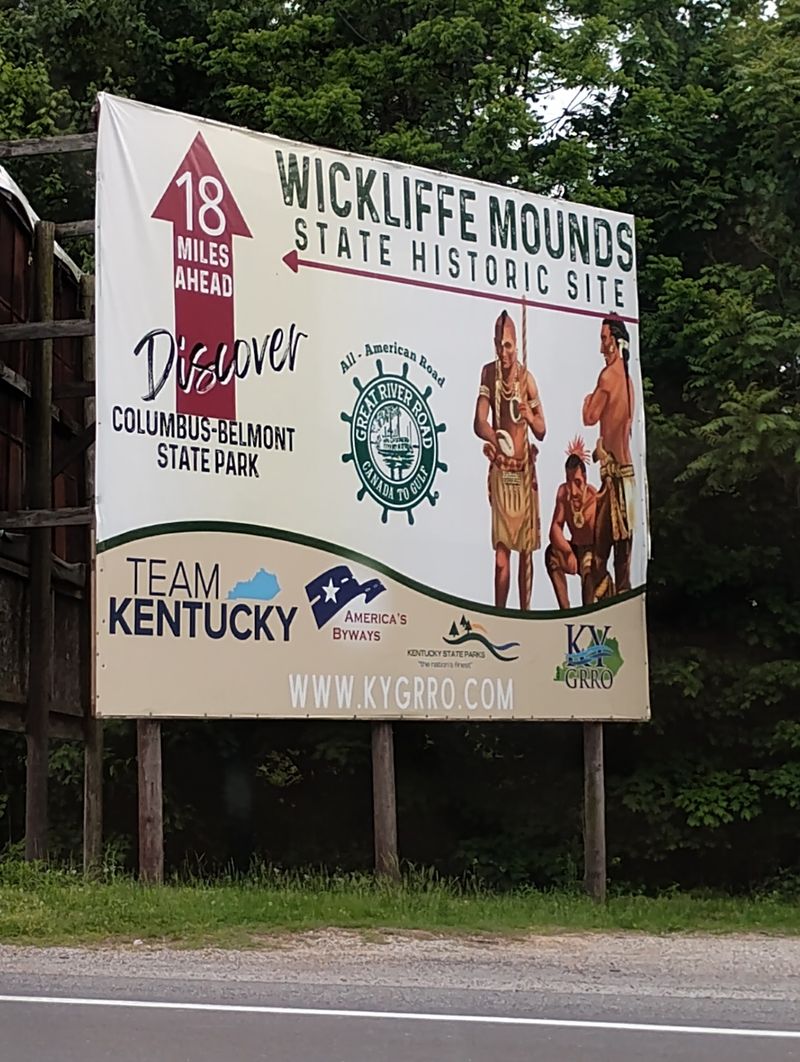
A little planning goes a long way at this hilltop town. The site is open Wednesday through Sunday from 9 AM to 4:30 PM, and closed Monday and Tuesday.
Most families spend about an hour exploring. Adding the trail and a picnic can stretch the visit a bit longer.
The tour is self-guided, so you set the pace. Spend extra time where the kids are curious and move on when attention fades.
The museum does not have air conditioning. On hot summer days, morning visits tend to be more comfortable.
Spring is a lovely time to come, and crowds are often light. Some days you may have the grounds nearly to yourself.
The site is on the National Register of Historic Places and is a Kentucky Archaeological Landmark. Treat it with care and respect.
Leave with questions, not just photos. The best trips here end with kids still wondering about the people who once called this bluff home.