This forest is older than the Appalachian Mountains—and it still knows how to steal the show.
Hidden in the rolling hills near Troy, Uwharrie National Forest feels like a secret waiting to be uncovered. Ancient ridges rise from the earth, twisting trails disappear into thick woods, and every turn feels like it could lead to something unforgettable.
One minute you’re climbing rocky paths with sweeping views. The next, you’re standing beside the calm waters of Badin Lake, listening to nothing but wind through the trees.
It’s wild, raw, and just rugged enough to make every hike feel like a small adventure.
While other parks overflow with crowds, Uwharrie stays quiet. That’s part of its magic.
Come for the trails, stay for the hidden overlooks, peaceful campsites, and the feeling that you’ve found one of North Carolina’s best-kept outdoor secrets.
One of the Oldest Mountain Ranges in North America
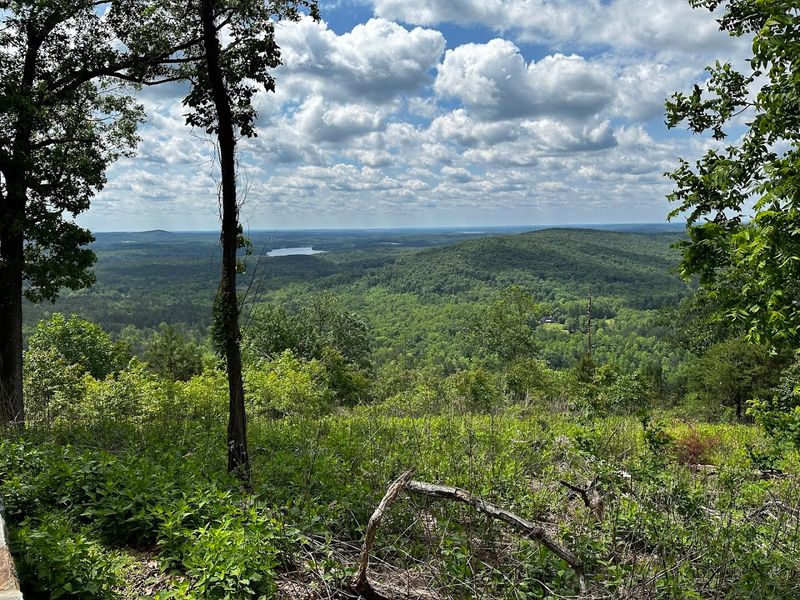
Standing among the Uwharrie Mountains feels like stepping into Earth’s ancient history book. These weathered peaks predate the mighty Appalachians, having witnessed over 500 million years of geological transformation.
While they no longer reach dramatic heights, their rolling slopes tell stories of volcanic activity and erosion that shaped central North Carolina.
Scientists believe these mountains once towered as high as the Rockies before time wore them down. Today, their gentle ridges create a landscape unlike anywhere else in the state.
The iron-rich soil gives the rocks a distinctive reddish tint, especially visible along exposed trail sections.
Hikers walking these paths literally tread on some of North America’s oldest ground. The geological uniqueness makes every ridge climb more meaningful when you realize you’re exploring mountains that existed before dinosaurs roamed the planet.
Few places in the eastern United States can claim such an impressive ancient lineage, making Uwharrie a living geology museum worth experiencing firsthand.
Over 50,000 Acres of Wild Beauty
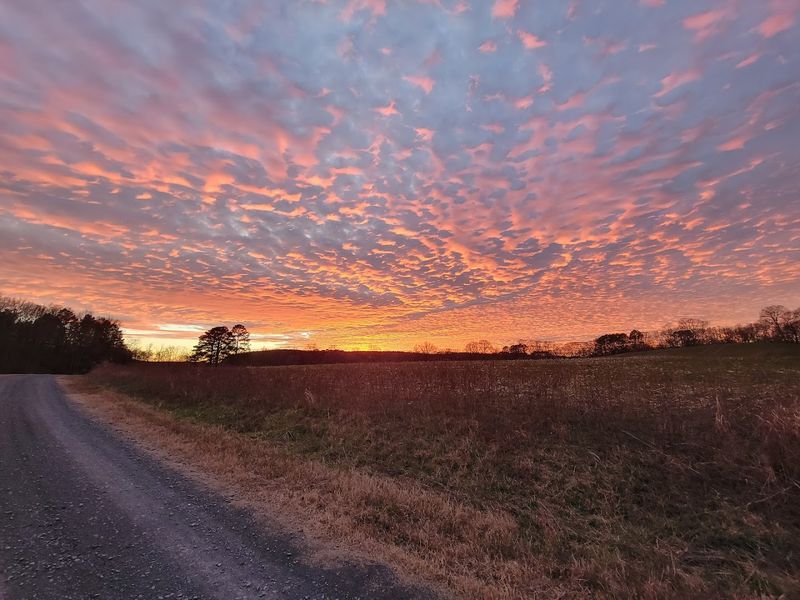
Spread across Montgomery, Randolph, and Davidson counties, Uwharrie National Forest covers roughly 50,645 acres of protected wilderness. That’s enough space to get genuinely lost in nature without hearing highway noise or seeing buildings for hours.
The forest contains diverse ecosystems ranging from creek bottoms filled with flowering plants to dry ridgetops supporting hardy pine stands.
Hardwood forests dominate much of the landscape, creating brilliant color displays each autumn. Oak, hickory, and maple trees provide canopy coverage that keeps trails shaded during summer hikes.
Rocky ridges interrupt the woodland patterns, offering different plant communities adapted to harsher conditions with less soil and moisture.
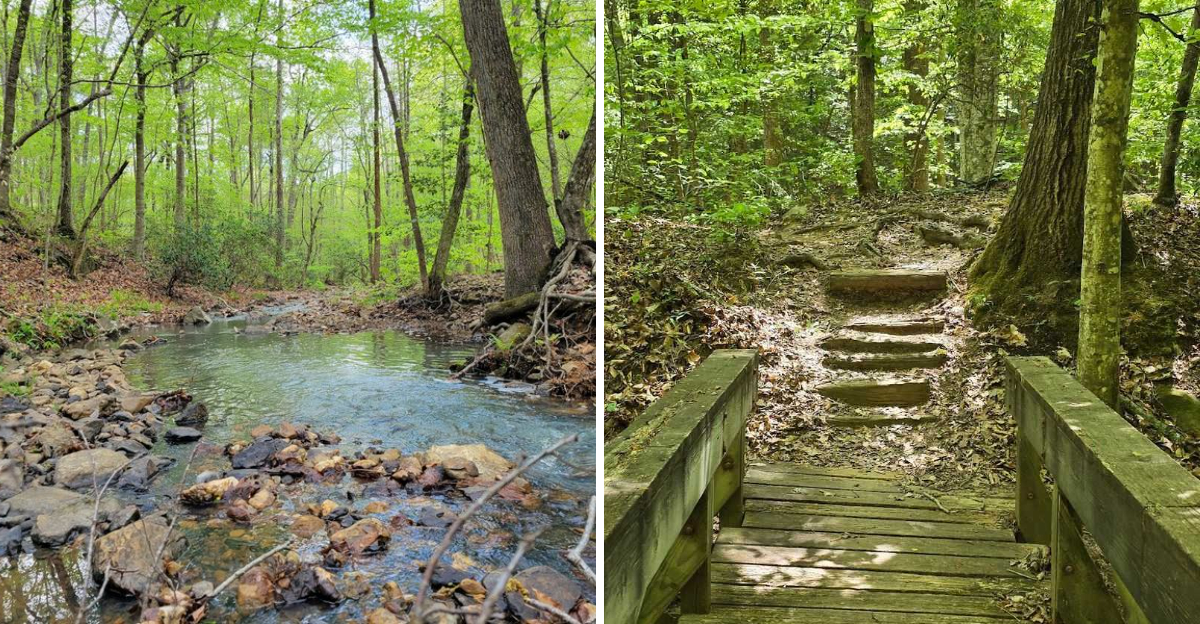
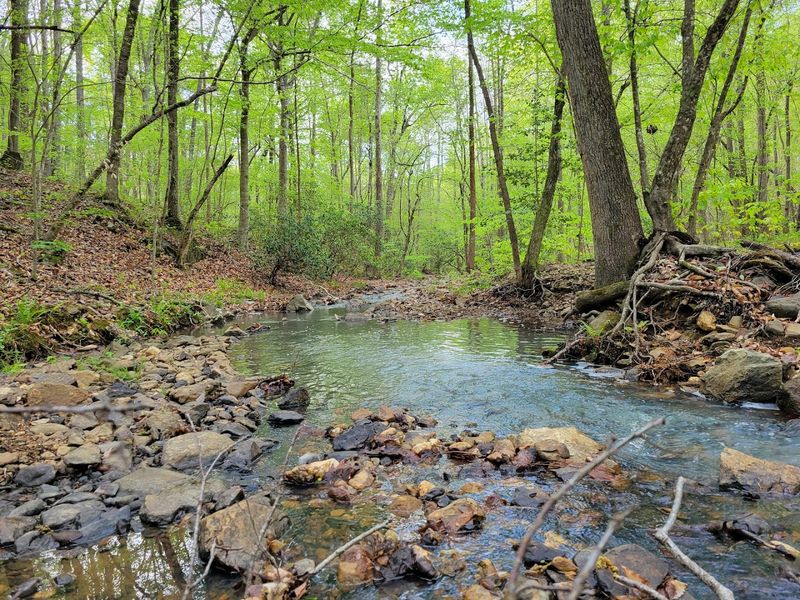
Secluded valleys hide throughout the forest, some accessible only by bushwhacking or following unmarked paths. Small creeks carve through the terrain, creating peaceful spots where visitors can refill water bottles or simply enjoy the sound of flowing water.
This ecological variety means no two hikes feel exactly the same, even when exploring familiar trails repeatedly throughout different seasons.
The Uwharrie National Recreation Trail
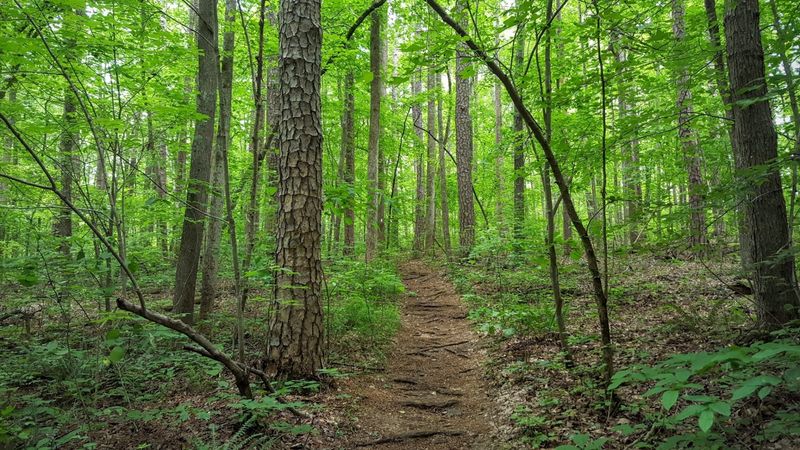
Stretching approximately 20 miles through the forest’s heart, the Uwharrie National Recreation Trail represents central North Carolina’s premier backpacking experience. This point-to-point route connects various forest roads and campgrounds while showcasing the region’s most impressive natural features.
White blazes mark the entire distance, though some sections require careful navigation through rocky stream crossings.
Elevation changes keep things interesting without becoming brutally difficult. The trail climbs ridges that reward effort with glimpses through the tree canopy, then descends into cool creek valleys where hikers can rest and refill water supplies.
Most backpackers complete the full distance over two or three days, camping at designated sites along the route.
What makes this trail special is its authentic wilderness character. You won’t find maintained shelters or fancy amenities here.
Instead, expect rooty climbs, rocky descents, and stream crossings that require hopping stones or wading through shallow water. Experienced hikers appreciate this rugged quality, which delivers genuine backcountry adventure close to urban areas like Charlotte and Greensboro.
Hidden Views You Have to Earn
Forget roadside pullouts with Instagram-ready vistas. Uwharrie’s best views demand sweat equity and a willingness to venture beyond marked trails.
Scattered throughout the forest are lesser-known ridge tops where determined hikers discover peaceful panoramas of surrounding wilderness. These spots rarely appear on standard trail maps, passed down instead through word-of-mouth among regular visitors.
Climbing higher ridges requires navigating steeper terrain and sometimes bushwhacking through mountain laurel thickets. The payoff comes when trees open up just enough to reveal layers of forested hills extending toward the horizon.
During autumn, these vistas explode with red, orange, and yellow hues as hardwoods change color.
Many overlooks face west, making them perfect for sunset watching if you plan your timing right. Bringing binoculars adds another dimension, letting you spot distant landmarks or observe birds riding thermal currents above the valleys.
Because these views aren’t easily accessible, you’ll likely enjoy them in solitude, creating memorable moments without crowds snapping selfies around you.
Lakes That Add a Different Kind of Adventure
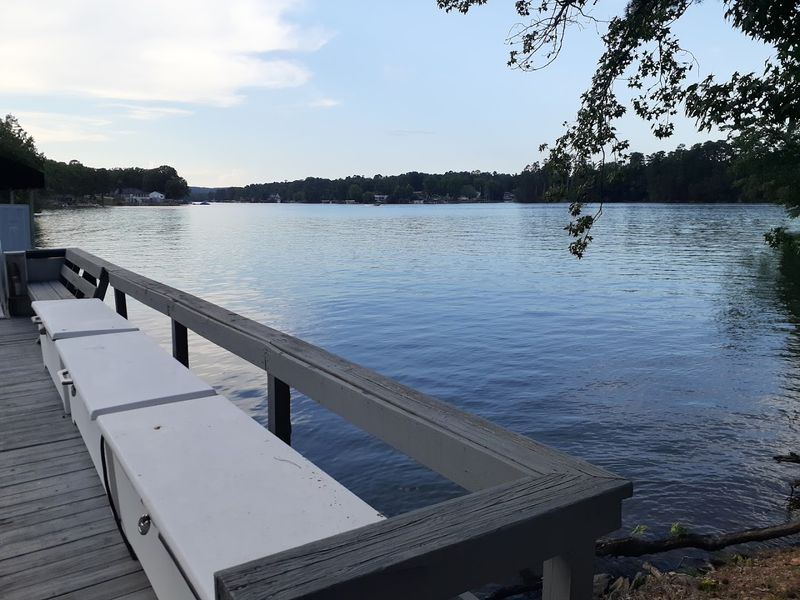
Badin Lake transforms Uwharrie from purely a hiking destination into a water recreation paradise. Created when a hydroelectric dam flooded the Yadkin River valley, this 5,350-acre lake features over 100 miles of shoreline winding through the forest.
Clear waters support healthy fish populations, making it popular with anglers chasing bass, catfish, and crappie year-round.
Paddlers love exploring quiet coves where rocky bluffs meet the waterline. Kayaking or canoeing offers perspectives impossible to gain from land trails, revealing how the forest transitions from dry ridges down to lush lakeside vegetation.
Swimming spots dot the shoreline, though most require boat access since development remains minimal along forest-managed sections.
Several boat ramps provide lake entry points, with some located near developed campgrounds for convenient camping-plus-boating trips. Sunset paddles create especially magical experiences as the day’s heat fades and wildlife emerges along the banks.
The lake’s presence adds relaxing alternatives to hiking-focused visits, perfect for groups with mixed outdoor interests or hot summer days when shade sounds better than ridge climbing.
A Paradise for Trail Variety
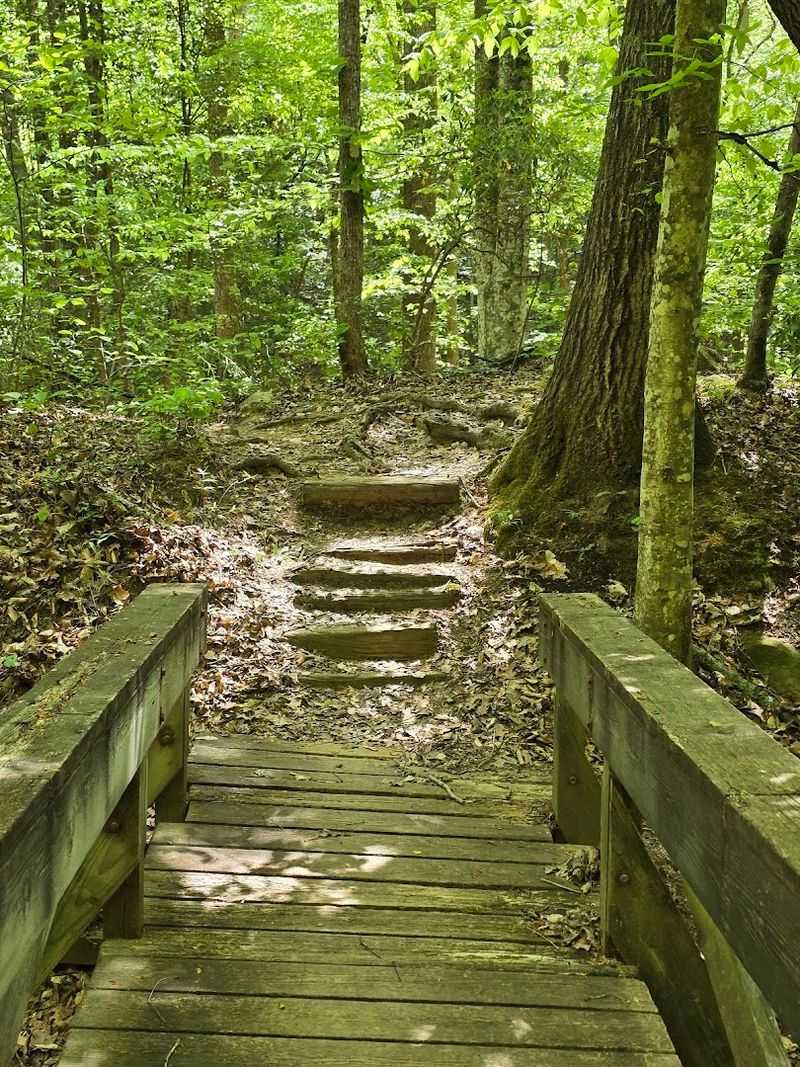
Beyond the marquee National Recreation Trail, Uwharrie contains numerous other paths suited for different abilities and interests. Dutchman’s Creek Trail offers a moderate 4.7-mile loop that follows a pretty stream through hardwood forest, crossing the water multiple times on footbridges.
It’s challenging enough to feel like genuine hiking without destroying beginners who want something beyond easy nature walks.
Badin Lake Trail hugs the shoreline for nearly 6 miles, providing constant water views and easier terrain than ridge-climbing routes. Families with older children handle this trail well, especially if they plan breaks at lakeside clearings for swimming or picnicking.
Meanwhile, serious hikers seeking tougher challenges connect various trails to create longer loop routes requiring map-reading skills.
Trail difficulty in Uwharrie often relates to rockiness rather than steep grades. Even shorter paths can slow progress when roots and stones demand careful foot placement.
This variety means groups with different fitness levels can each find appropriate routes, then meet back at camp to share experiences from their separate adventures throughout the forest.
Wildlife Watching in the Quiet Woods

White-tailed deer appear so frequently on Uwharrie trails that hikers sometimes joke about needing deer traffic controllers. These graceful animals browse peacefully until sensing human presence, then bound away with white tails flagging alarm.
Early morning and evening hours produce the most sightings, especially near creek bottoms where deer come to drink.
Wild turkeys strut through the underbrush in small flocks, their distinctive gobbles echoing through valleys during spring mating season. Hawks circle overhead hunting for small mammals, while smaller birds like cardinals and chickadees flit through tree branches year-round.
Patient observers might spot box turtles crossing trails or catch glimpses of foxes slipping through the undergrowth at dawn.
The forest’s relative isolation and lower visitor numbers compared to mountain parks mean animals behave more naturally here. They haven’t become habituated to constant human presence, making encounters feel more authentic and wild.
Bringing binoculars and moving quietly increases your chances of observing wildlife behavior without disturbing the animals or causing them stress from close approaches.
Why Campers Love Uwharrie
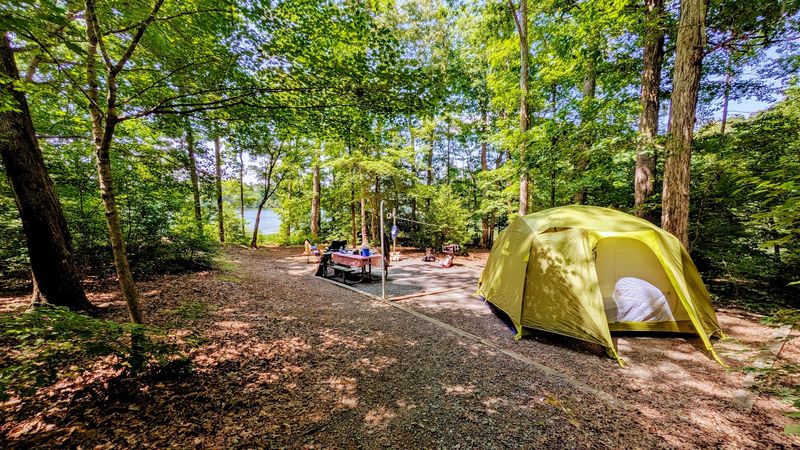
Camping options range from developed sites with amenities to primitive dispersed camping for those seeking maximum solitude. Badin Lake Campground offers the most services, including bathrooms, picnic tables, and easy lake access.
But many outdoor enthusiasts prefer Uwharrie’s backcountry sites scattered along trails where the only neighbors are trees and wildlife.
Reddit’s camping communities frequently praise Uwharrie for its accessibility combined with genuine wilderness character. You can drive from Charlotte or the Triangle in under two hours, yet feel completely removed from civilization once you’re deep in the forest.
Dispersed camping is free in most areas, following Leave No Trace principles and staying away from water sources.
Weekday visits especially deliver peaceful camping experiences with few other people around. The combination of free primitive camping, varied trail access, and dark night skies for stargazing creates ideal conditions for budget-friendly outdoor trips.
Campers should come prepared for basic conditions though—no water hookups, no showers, and definitely no Wi-Fi to distract from the forest experience surrounding your tent.
The Forest’s Underrated Peace and Solitude
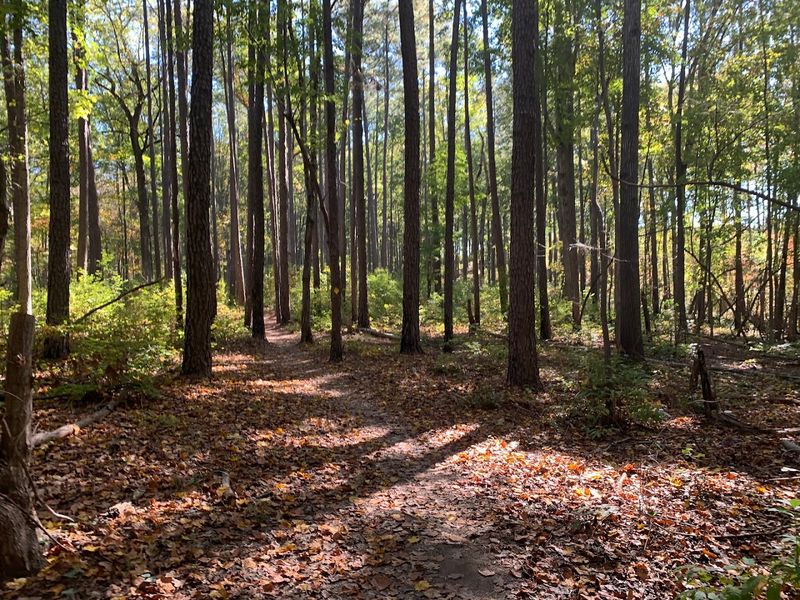
While Pisgah and Great Smoky Mountains draw massive crowds competing for parking spots and campsite reservations, Uwharrie remains blissfully overlooked by casual tourists. This hidden gem status means you can hike for hours without passing dozens of other people, especially during weekdays or shoulder seasons.
The trails feel authentically wild rather than like outdoor theme parks.
Part of this solitude stems from Uwharrie’s location in central rather than western North Carolina. Mountain seekers automatically head toward higher elevations, skipping right past these ancient hills.
The forest lacks the dramatic waterfalls and towering peaks that dominate social media, making it less photogenic for influencer types chasing viral content.
Serious outdoor enthusiasts recognize this peaceful quality as Uwharrie’s greatest asset. Here you can practice wilderness skills, test new gear, or simply enjoy nature without constant interruptions from other groups.
Birds sing louder when traffic noise fades away. Thoughts flow clearer when smartphones lose signal and you’re forced to be present in the moment rather than documenting everything for followers back home.
What to Know Before You Go
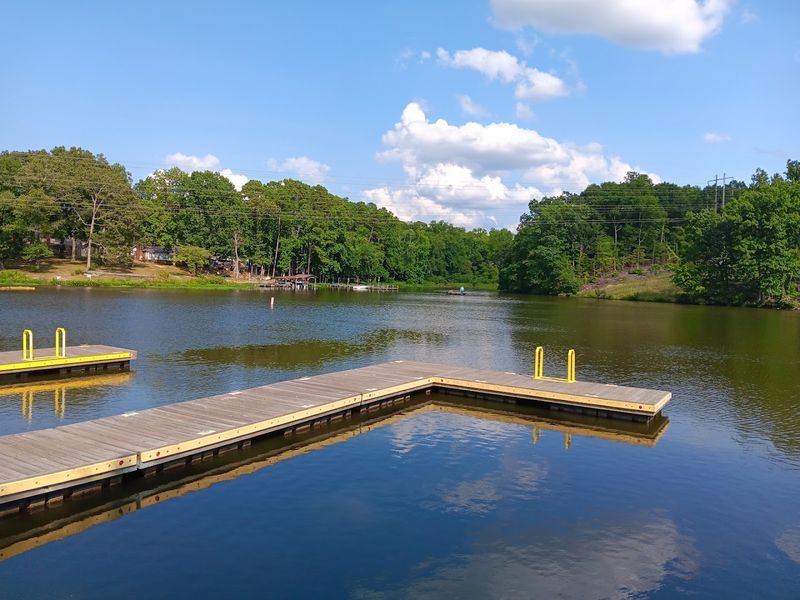
Download trail maps and navigation apps before arriving since cell service becomes spotty or nonexistent throughout much of the forest. Paper maps from the forest service office in Troy provide reliable backups when electronics fail.
Bringing extra water proves essential, especially during summer months when temperatures soar and water sources may run dry between creek crossings.
Sturdy hiking boots or trail shoes handle the rocky terrain much better than sneakers. Ankle support helps prevent injuries on uneven ground.
Bug spray combats ticks and mosquitoes that thrive in the humid forest environment—check for ticks thoroughly after every hike since Lyme disease exists in this region.
Be aware that off-highway vehicle trails share some forest areas, meaning you might encounter ATVs and dirt bikes on certain routes. Check schedules if seeking quiet nature experiences.
Spring and fall offer the most comfortable temperatures, while summer brings heat and humidity that can make hiking more challenging. Winter camping rewards hardy souls with empty trails and crisp views through bare trees, though prepare for freezing nighttime temperatures.