
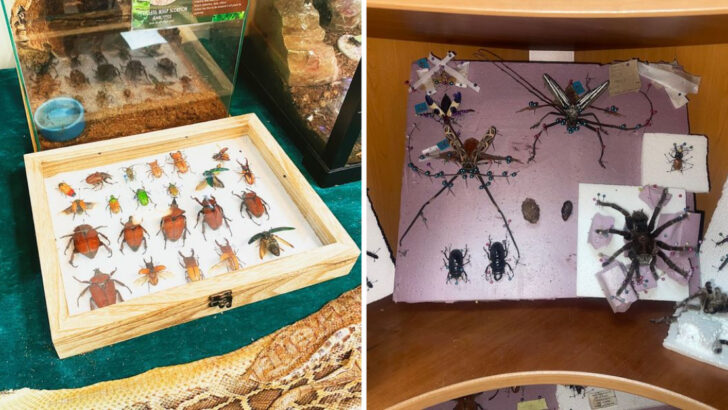
Tucked on Milwaukee Avenue in Chicago, The Insect Asylum is a tiny museum brimming with pinned wings, shimmering carapaces, and curios you can actually touch. You walk in expecting a quick peek and end up losing track of time among jewel-toned beetles and living ambassadors.
It’s part art studio, part science lab, and part neighborhood clubhouse with workshops, opossum meetups, and sensory-friendly hours. If you like your museums weird, welcoming, and hands-on, this place hooks you fast.
First Impressions Inside The Bug-Filled Wonderland
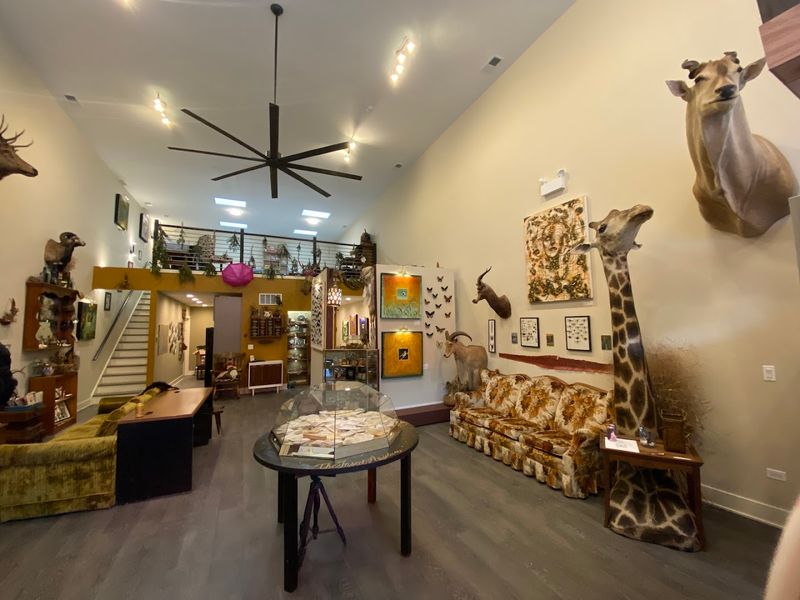
Walk through the door and it feels like time paused mid-wingbeat. Frames of beetles and butterflies glow under warm lights, each pin a tiny punctuation mark in a sprawling mosaic.
You find yourself inching closer, hunting for stories in iridescent armor and brittle lace.
Expect cozy rooms crammed with visual puzzles that nudge curiosity instead of shouting facts. Labels teach clearly without a textbook voice, so you pick up insights as naturally as you snap photos.
The tight layout makes every turn feel like a reveal, like discovering a secret drawer in your grandmother’s desk.
There is art in the taxonomy and a touch of humor in the curation, which keeps the creepiness playful. Staff hover nearby, ready to answer a question or hand you something safe to touch.
Give yourself at least an hour, preferably two, because your eyes keep recalibrating and suddenly the smallest details start to feel enormous.
Live Animal Encounters Upstairs
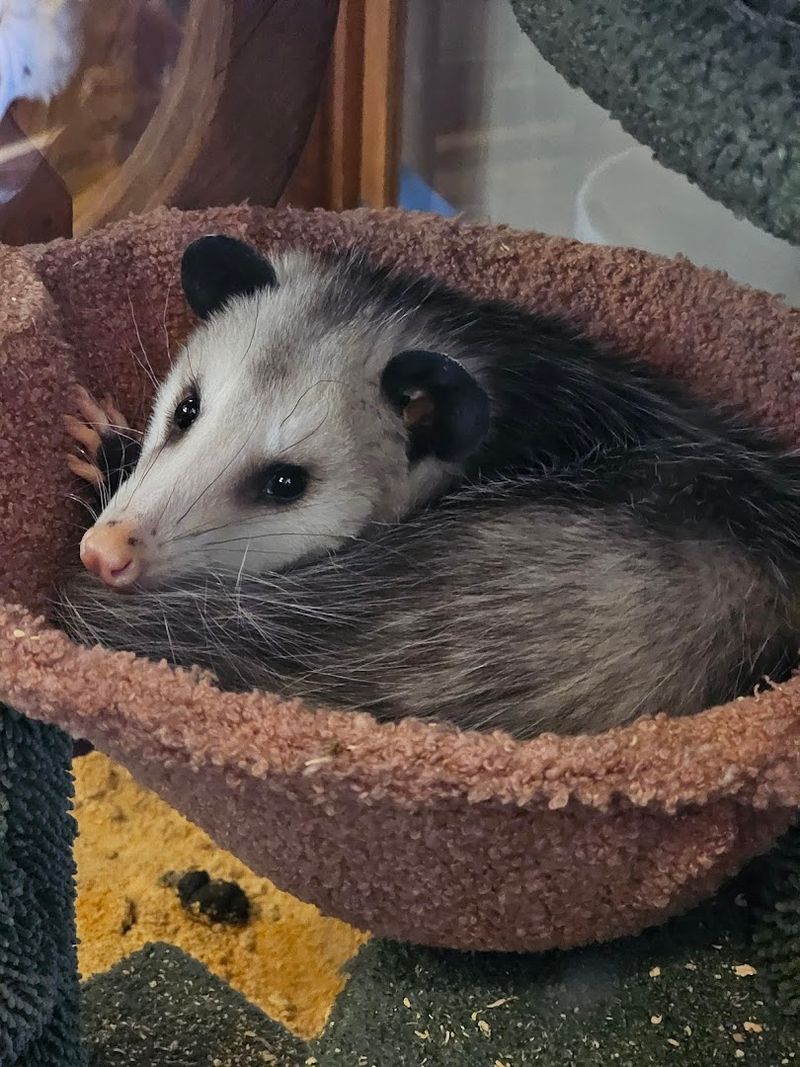
Somewhere above the framed wings, the room hums with gentle breathing and blinking eyes. Staff introduce scaly and fuzzy residents with calm, practiced care, turning jitters into fascination.
You are invited to look closely, then listen, then maybe hold something that once sent you scrambling.
It is not a petting zoo. It is a sanctuary-style corner where ambassadors teach patience, respect, and how to read body language.
The moment a snake rests its weight across your hands, heavy but relaxed, your pulse settles into slow curiosity.
Mobility note matters here, because stairs can be a barrier. The team often brings animals down if you cannot climb, which feels thoughtful and human.
Ask kindly, and they usually find a way to deliver the same wonder at ground level without making a scene of it.
Butterfly Pinning Workshop
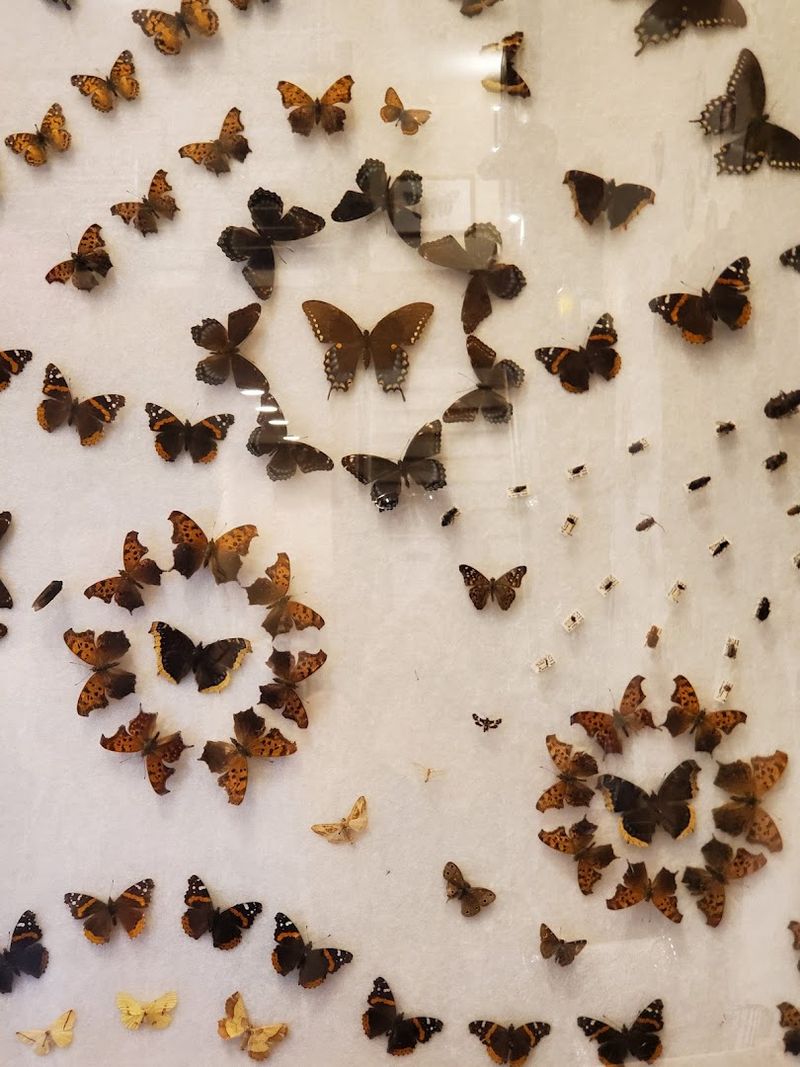
A quiet table becomes a laboratory for patience. An instructor walks you through hydration, spreading, and symmetry, transforming a fragile specimen into a keepsake that honors its form.
You learn how to balance reverence with technique, tweezers with breath.
Tools line up like choreography: spreading boards, wax paper, glassine strips, insect pins, and a calm voice reminding you it is okay to pause. Every adjustment teaches anatomy, from thorax to wing veins, and suddenly scientific terms stick because your fingers remember them.
It is surprisingly meditative, like mindful origami with biology.
Take-home pieces include your mounted butterfly and new confidence. Ask about sourcing and ethics, because the staff give transparent, grounded answers.
If you tend to rush, this class slows time and gives your hands a reason to be exact.
Sensory-Friendly And Accessibility Notes
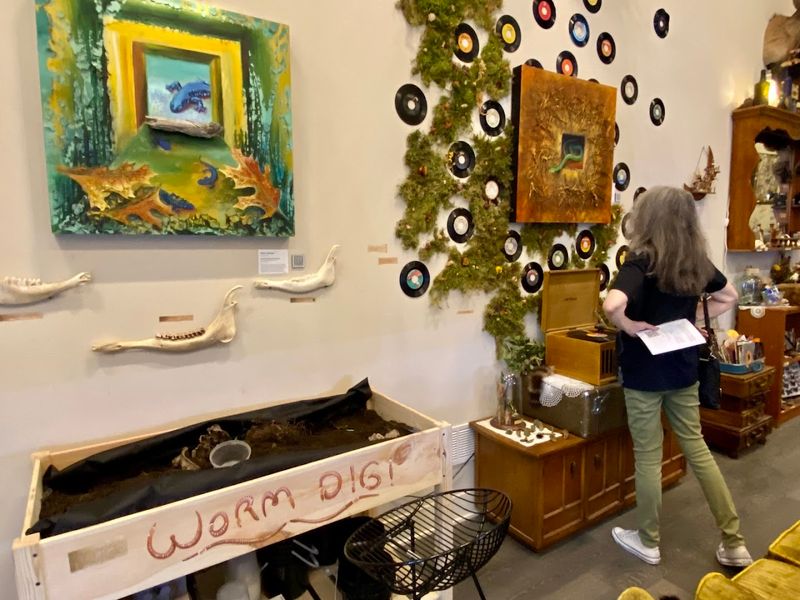
Not every museum thinks about volume, texture, and pace, but this one tries. Posted hours mark low sensory and sensory seeking windows, which helps you choose the right vibe.
Staff explain touch-approved objects and offer alternatives if a space feels too bright or crowded.
Mobility accommodations are handled with human solutions, like bringing animals to ground level when stairs block the way. It is not perfect, yet the willingness to adapt turns barriers into manageable moments.
Ask early and clearly so the team can set things up before the rush.
If you are visiting with neurodivergent friends or kids, build in breaks and pick a quieter time slot. Headphones, fidget tools, and a simple plan for exits make the experience smoother.
This place rewards gentle pacing, where you can breathe and still be amazed.
Gift Shop And Local Artist Finds
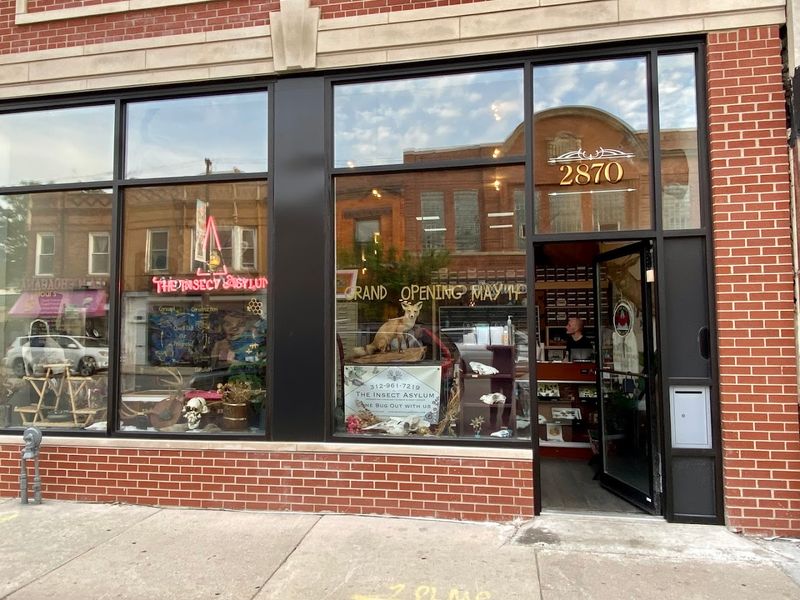
Before you leave, the shop whispers one more invitation. Prints, enamel pins, ethically sourced specimens, and odd bits of natural history crowd the shelves like your favorite curiosity cabinet.
Prices range from pocket treats to heirloom-level pieces, so you can choose memory over clutter.
Local artists get real space here, which means designs feel personal instead of generic. You might find a Chicago field guide zine beside a shimmering beetle brooch, or a shadowbox that could anchor a living room wall.
Ask for provenance details and care tips, because staff love helping you choose right.
Gifts from this shop tell stories, not just display insects. Pick something that sparks conversation, then learn its background well enough to share it at dinner.
It turns a souvenir into a teaching tool that keeps wonder circulating beyond the museum.
Classes Beyond Bugs: Community And Craft
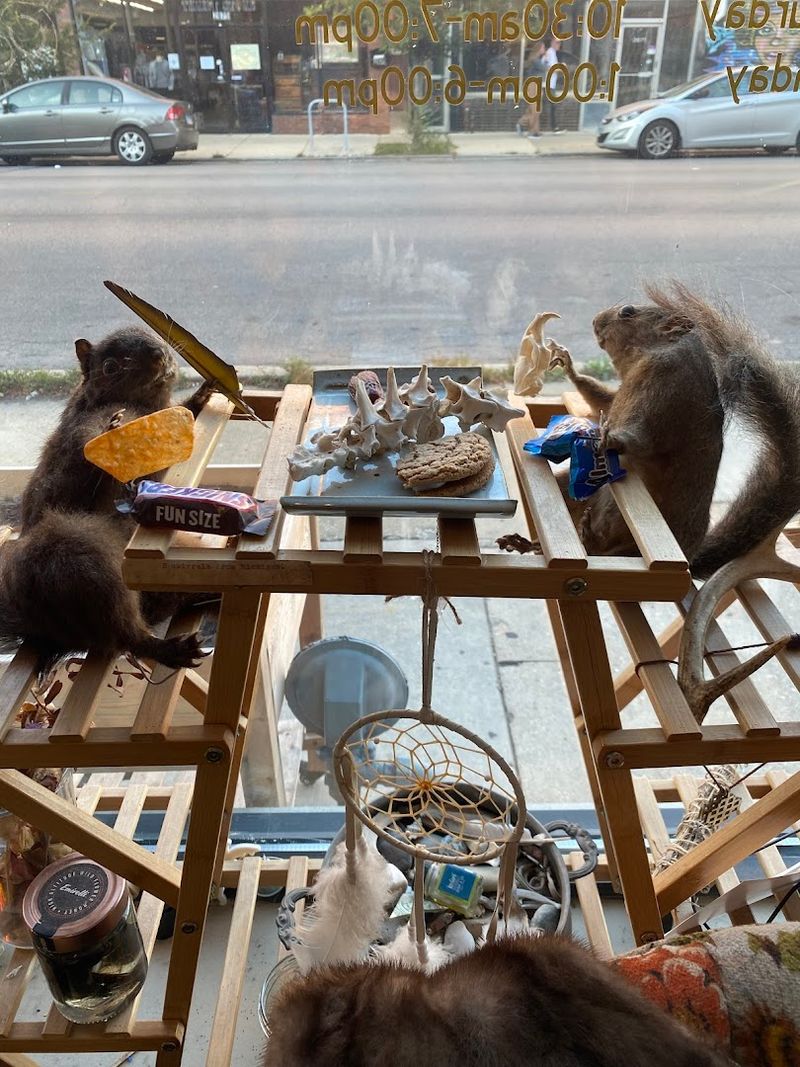
Programming stretches far beyond glass cases. Workshops cover insect pinning, specimen repair, natural art projects, and occasional crossovers that attract curious neighbors.
You get technique, context, and a seat at a table where questions are currency.
Instructors balance friendly energy with serious craft, which keeps the work from slipping into gimmick. There is pride in getting details right, from labeling to archival materials, and that discipline feels contagious.
People arrive for novelty and leave with method.
Check the calendar often because sessions rotate and sell out. If you are building a date night, pair a late afternoon class with tacos on Milwaukee Avenue and a twilight walk.
Learning sticks better when it taps community rhythms and a good snack.
Planning Your Visit: Hours, Tickets, And Timing
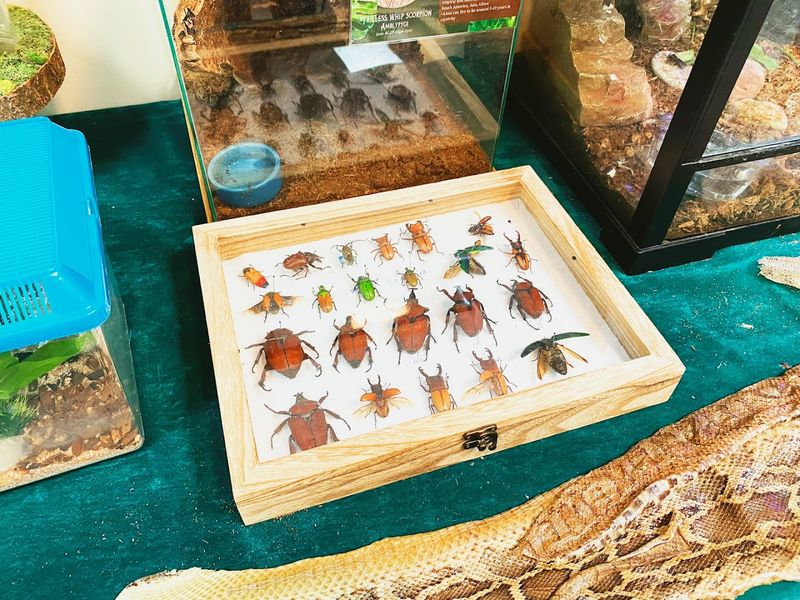
Find it at 2870 N Milwaukee Ave, right in the flow of Logan Square traffic and taquerias. Hours vary by day, with midweek evenings and weekend blocks that make after-work or family plans easy.
Mondays and Tuesdays are closed, so aim for Wednesday through Sunday.
Buy tickets online for popular events, then arrive a few minutes early to settle in. The footprint is compact, which is part of the charm, but it means peak times get lively.
If crowds overwhelm you, target opening or late afternoon lulls for a calmer circuit.
Parking can be a scavenger hunt, so budget a buffer or hop transit along the Milwaukee corridor. Give yourself space to wander the shop and chat with staff, because conversations unlock hidden gems.
You leave fuller when you schedule curiosity instead of rushing the checklist.
Staff, Storytelling, And Conservation Vibes
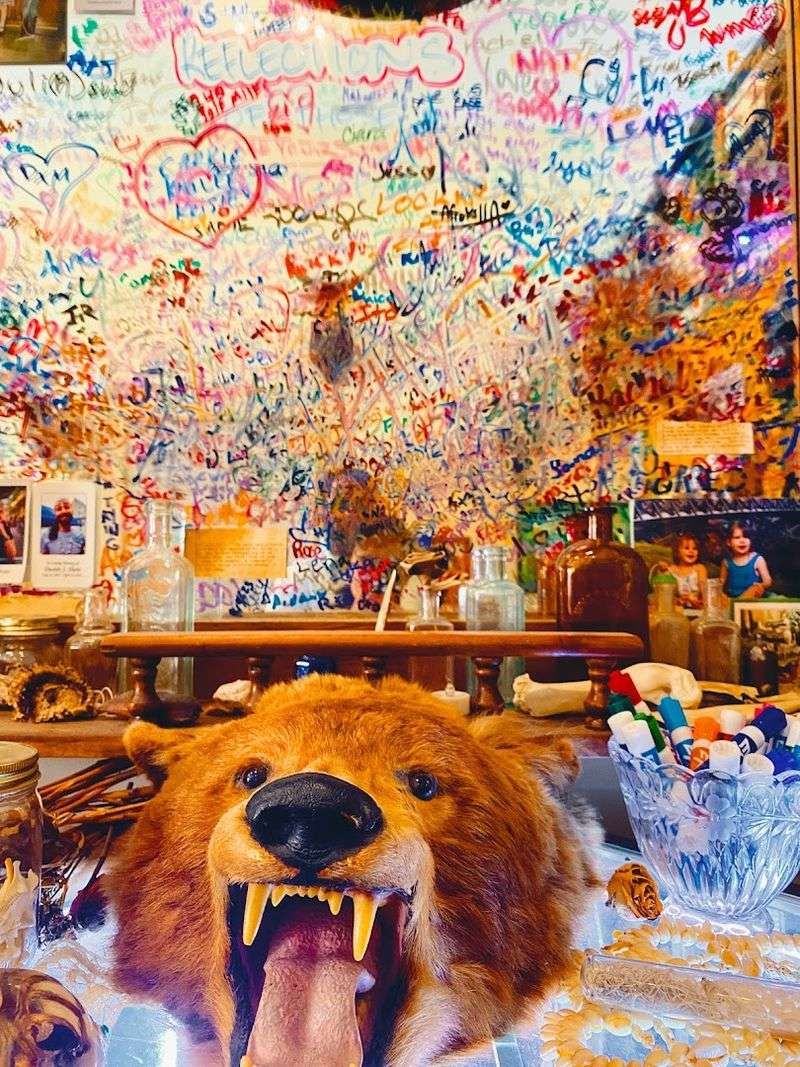
Good collections are made great by their interpreters. Here, staff turn oddities into bridges, linking a pinned atlas moth to pollinator gardens, or an opossum Q&A to urban coexistence.
You are nudged to trade squeamishness for stewardship without a lecture.
Conversations cover ethics, sourcing, and why bug fear often masks ignorance. The tone stays warm and specific, rooted in examples you can carry outside.
By the time you hit the sidewalk, the city’s cracks look like microhabitats instead of mess.
Ask questions and you will get stories, not scripts. That human layer makes the place feel alive long after the doors close for the night.
It is the rare spot where creepy becomes kind, education feels personal, and curiosity leaves the strongest footprint.
Why It Feels Creepy And Comforting At Once
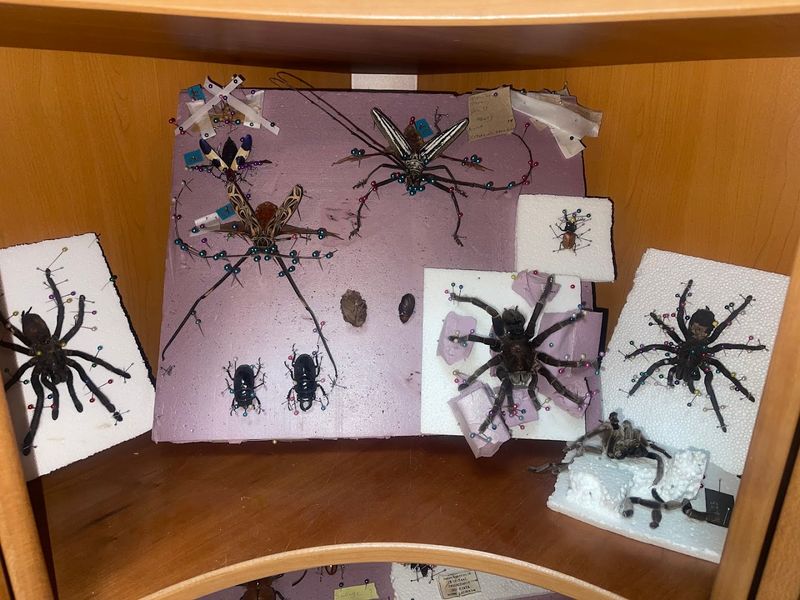
There is a gasp baked into the experience, the shiver that comes from faces with too many eyes and legs that fold like origami. Then comes relief, because the setting is safe, the educators kind, and you control the distance.
Discomfort flips into fascination with a half step forward.
Design choices balance shadow and glow, so drama enhances detail rather than hiding it. That theatrical tension lets your brain rehearse fear in small doses, a rehearsal that ends in mastery.
Before long you are pointing out colors and textures you would have missed in daylight.
It is catharsis, not a haunted house. You leave feeling braver in tiny ways, the kind that spill into daily life when a spider shows up in the shower.
Creepy has a job here, and that job is to introduce you to wonder.