California living doesn’t have to mean packed freeways, sky-high housing prices, and fighting for every inch of space.
In the heart of the Central Valley, Fresno offers a different kind of lifestyle. This mid-sized city is surrounded by farmland, blessed with sunny weather, and built for people who want more room in their daily lives.
You can enjoy a spacious home, grab fresh produce from the region’s agricultural heartland, and still have easy access to restaurants, parks, cultural attractions, and everyday conveniences.
Then the weekend arrives, and the Sierra Nevada is calling.
Sequoia and Kings Canyon National Parks are close enough to turn a regular getaway into a mountain adventure.
For Californians craving breathing room without giving up access to big-city amenities, Fresno makes a surprisingly strong case for comfortable living.
More Space and Relatively Lower Housing Costs Than California’s Coastal Giants
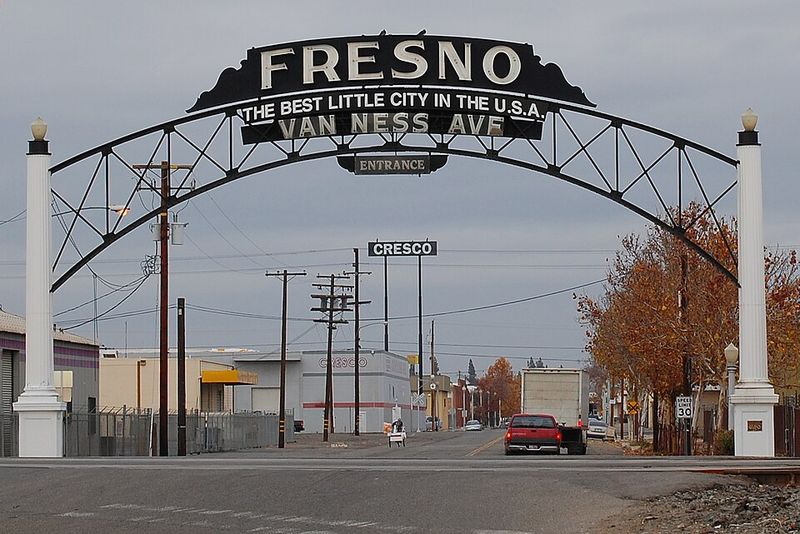
Buying a home in California can feel impossible, especially along the coast where prices keep climbing higher. Fresno offers a different reality.
Housing costs here are significantly lower than what you would find in the Bay Area, Los Angeles, or San Diego, making homeownership more realistic for many families.
That affordability means getting more square footage for your money. While California as a whole remains expensive compared to most states, Fresno residents often enjoy larger homes, bigger yards, and more garage space than their coastal counterparts.
This trade-off appeals to people who value space over proximity to the ocean.
Of course, affordability is relative. Fresno is still part of California, where overall costs remain higher than much of the country.
But for people who want to stay in the state while gaining breathing room both financially and physically, Fresno presents a compelling alternative to the crowded, pricey metros along the coast.
A Warm, Sunny Climate With Mild Winters
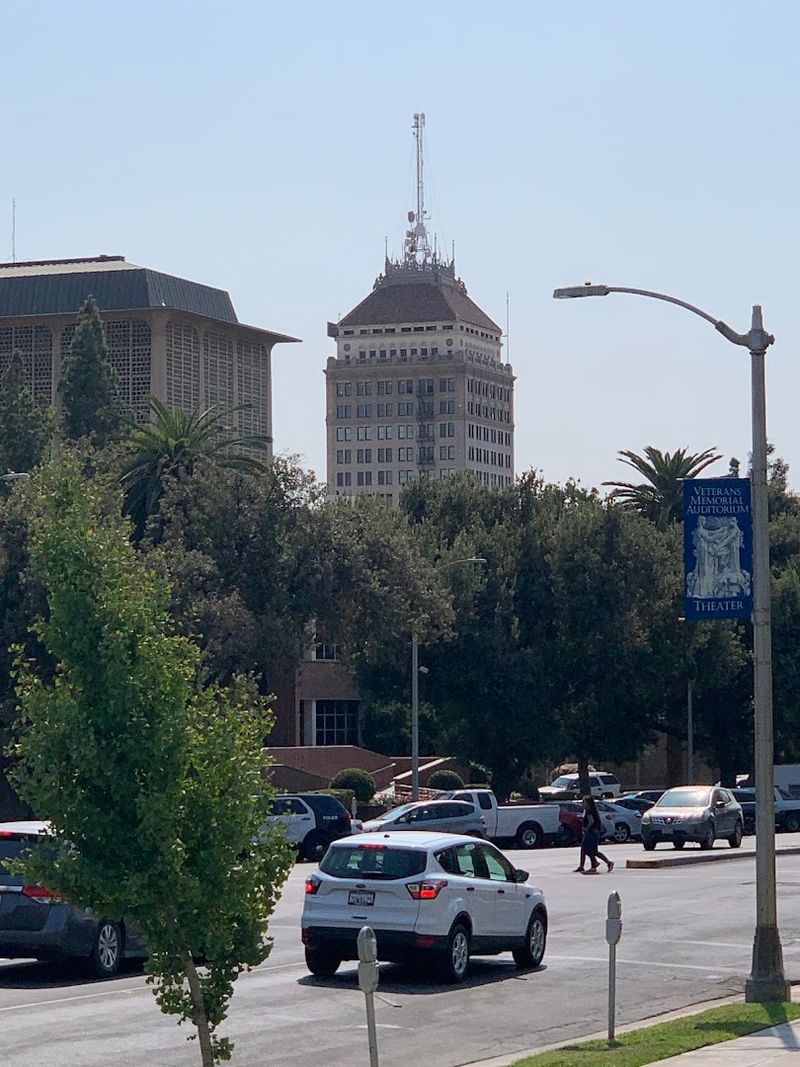
Sunshine is one thing Fresno has in abundance. The city enjoys a Mediterranean climate with hot, dry summers and mild winters that rarely see freezing temperatures.
Most of the year, residents can count on clear skies and plenty of vitamin D.
Summer temperatures regularly climb into the 90s and can exceed 100 degrees, so air conditioning becomes essential rather than optional. The intense heat means planning outdoor activities for early mornings or evenings during peak summer months.
Winter brings cooler temperatures and occasional rain, but snow is extremely rare in the city itself.
For people who love warm weather and outdoor living, Fresno delivers. The climate supports year-round activities like hiking, biking, and gardening.
Just know that summer heat is serious business here, and managing it comfortably requires preparation. Still, many residents happily trade occasional scorching days for consistent sunshine and mild winters that never require heavy coats or snow shovels.
A City With a Strong Agricultural Identity
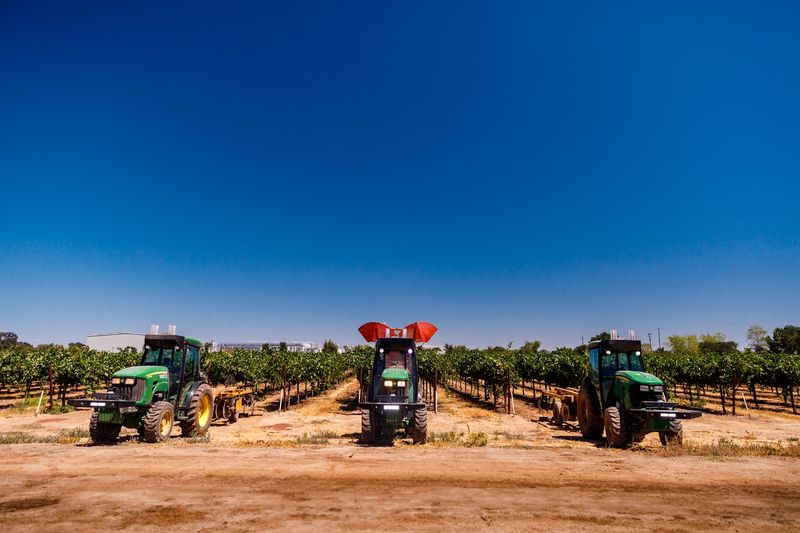
Drive just minutes outside Fresno and you’ll find yourself surrounded by farmland stretching to the horizon. The city sits in the heart of California’s Central Valley, one of the most productive agricultural regions on Earth.
Almonds, grapes, citrus fruits, tomatoes, and countless other crops grow in the surrounding fields and orchards.
This agricultural connection shapes everyday life in ways both obvious and subtle. Farmers markets overflow with fresh, locally grown produce at prices that make coastal residents jealous.
The local economy revolves partly around agriculture, creating jobs in farming, processing, distribution, and related industries.
Seasonal changes are marked not just by weather but by what’s growing and being harvested nearby. Spring brings blooming orchards, while fall means grape harvest and peach picking.
Living in Fresno means understanding and appreciating where food comes from, making the farm-to-table concept not a trendy phrase but a daily reality that connects residents to the land around them.
Woodward Park Brings Major Outdoor Recreation Into the City
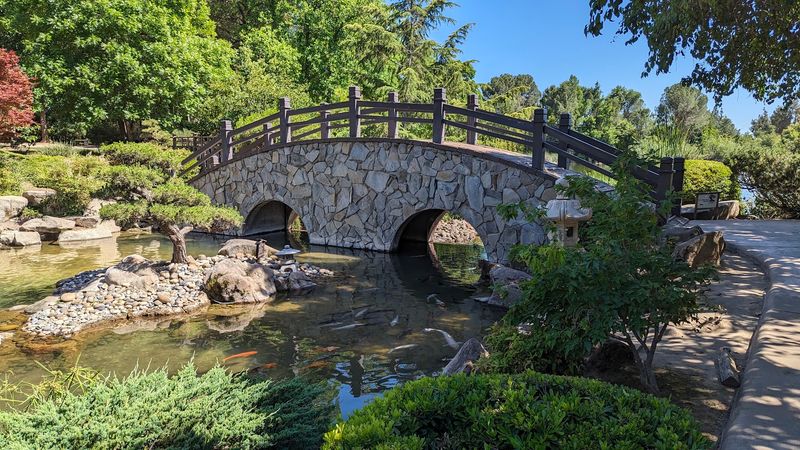
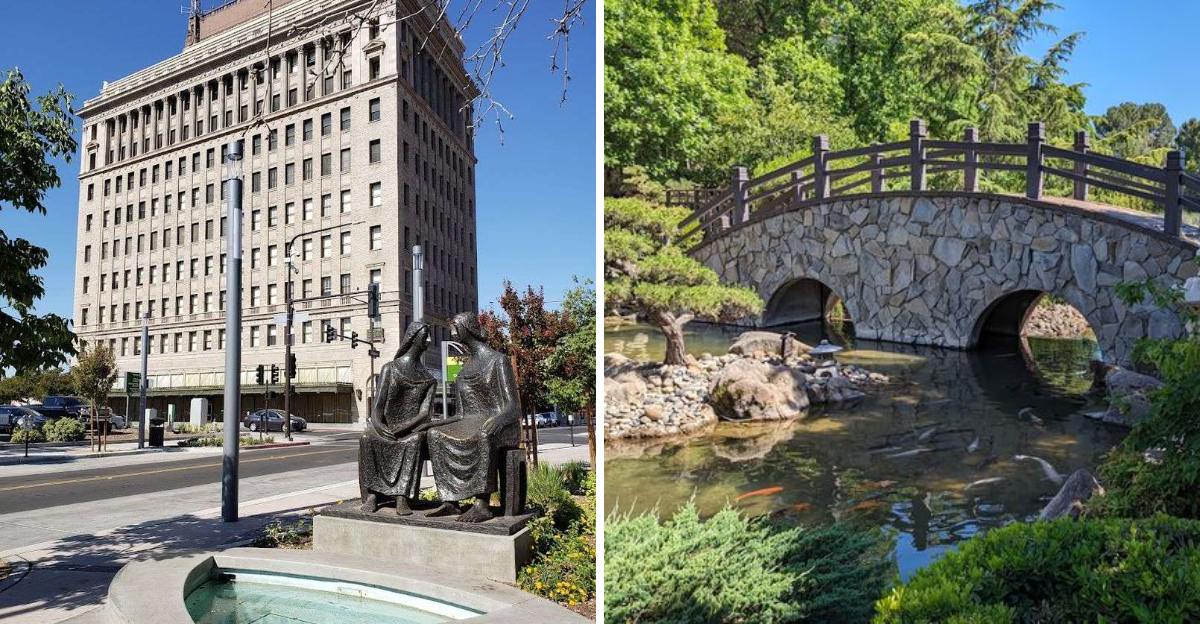
Sprawling across 300 acres along the San Joaquin River, Woodward Park stands as Fresno’s crown jewel for outdoor recreation. This expansive park offers something for everyone: walking and biking trails, Japanese gardens, open lawns, an amphitheater for concerts, and plenty of shaded picnic spots perfect for family gatherings.
Residents don’t need to leave the city to enjoy substantial natural space. The park’s trails wind through varied terrain, its gardens provide peaceful retreats, and its open areas accommodate everything from frisbee games to kite flying.
Dog owners appreciate the space for their pets to roam, while fitness enthusiasts use the trails for running and cycling.
What makes Woodward Park special is its combination of size, amenities, and accessibility. You can spend an entire day here without exhausting its possibilities.
The park hosts community events throughout the year, bringing neighbors together. For many Fresno residents, Woodward Park becomes a regular part of their routine, offering a quick escape to nature without any commute.
Fresno Offers a Wide Range of Established Neighborhoods
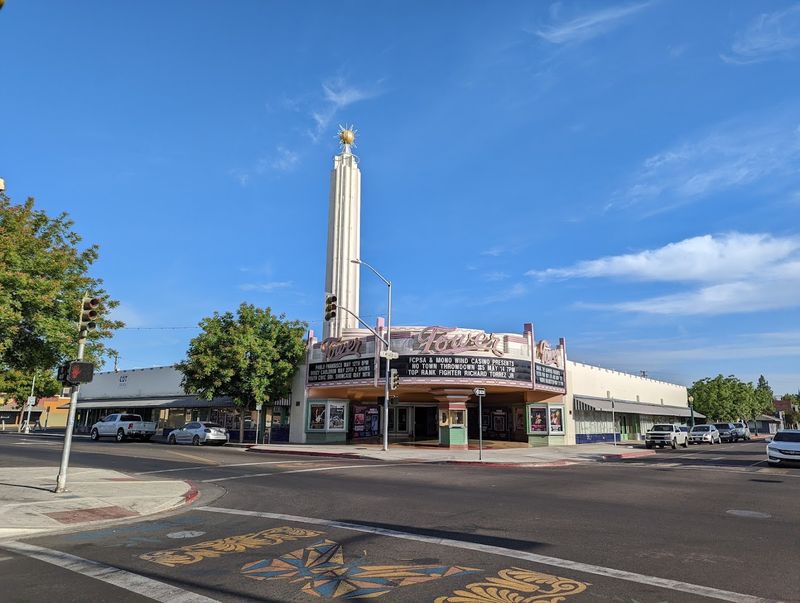
Finding the right neighborhood matters tremendously in Fresno, where different areas offer distinctly different lifestyles. The Tower District draws people who appreciate historic architecture, independent businesses, and a more artistic, walkable atmosphere.
Fig Garden appeals to families seeking established homes on tree-lined streets with good schools nearby.
Northeast Fresno features newer developments with modern amenities and shopping centers. The Fresno High area combines older character homes with urban convenience.
Neighborhoods near Woodward Park attract outdoor enthusiasts who want quick access to trails and recreation.
Each area has its own personality, price range, and community feel. Some neighborhoods prioritize proximity to downtown, while others focus on suburban comfort and newer construction.
The diversity means most people can find a neighborhood matching their preferences and budget. Before moving to Fresno, spending time exploring different areas helps identify which neighborhood aligns best with your lifestyle priorities, whether that means walkability, newer homes, cultural amenities, or access to parks.
Everyday Life Is Convenient for People Who Drive
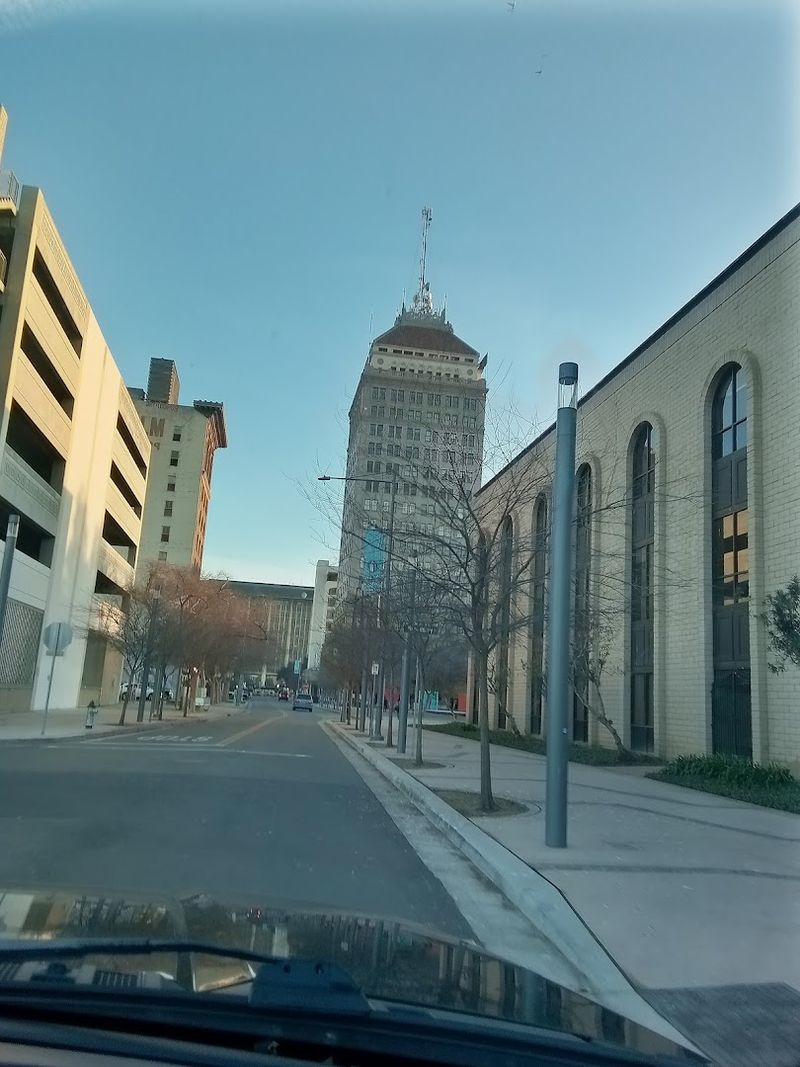
Fresno is built for drivers. The city spreads out across the valley floor, and most residents rely on personal vehicles for getting around.
Commuting to work, running errands, taking kids to activities, and visiting friends typically means driving rather than walking or taking public transit.
The trade-off for this car dependence is relatively easier parking and less intense traffic congestion than California’s largest metros. While rush hour can still slow things down on major routes, Fresno generally avoids the gridlock that plagues the Bay Area or Los Angeles.
Finding parking at shops and restaurants rarely becomes the frustrating hunt it is in denser cities.
Public transportation exists but serves a limited role compared to larger urban areas. Biking is possible but requires careful route planning since not all areas have well-developed bike infrastructure.
For people accustomed to walkable neighborhoods or robust transit systems, Fresno’s car-oriented layout requires adjustment. But for those who don’t mind driving, the city offers convenient access to everything needed for daily life.
The City Has a Diverse Food and Cultural Scene
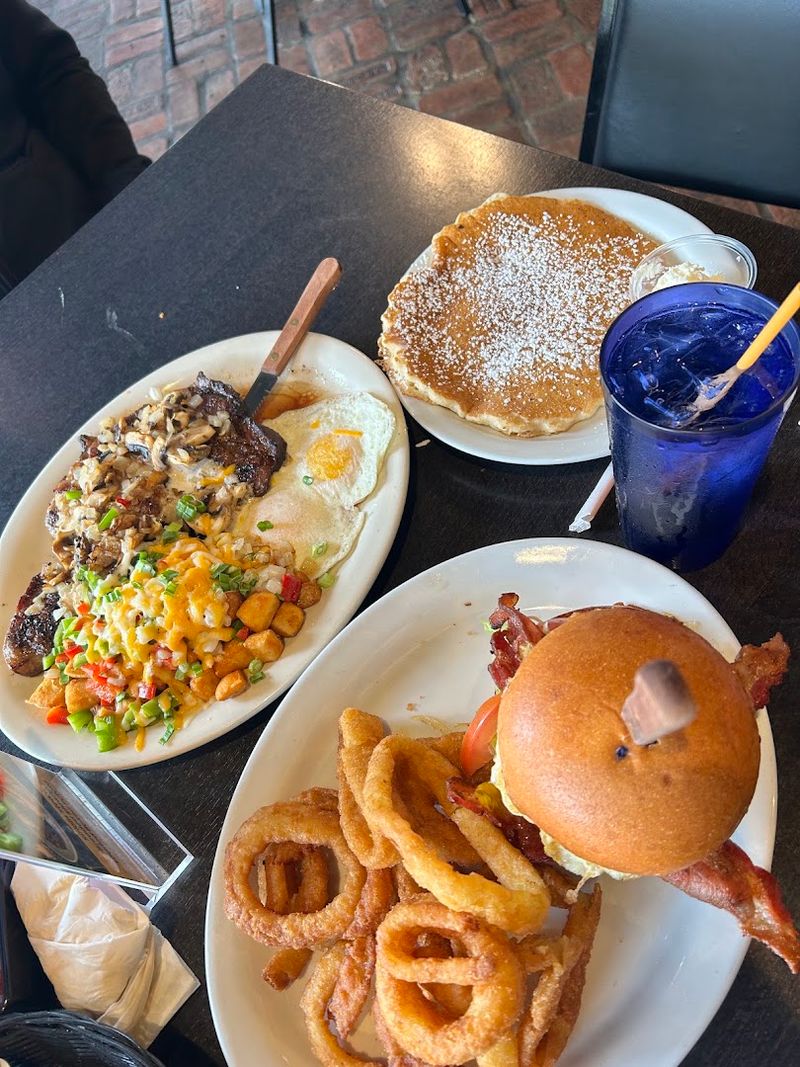
Fresno’s cultural diversity shows up most deliciously in its food scene. The city’s population includes large Mexican, Hmong, Armenian, and Southeast Asian communities, each contributing their culinary traditions to the local restaurant landscape.
You can find authentic tacos, Hmong egg rolls, Armenian kebabs, and Thai curries all within the same city.
This diversity extends beyond restaurants to farmers markets, grocery stores, cultural festivals, and community events. The Hmong New Year celebration attracts thousands of people each year, while Armenian food festivals showcase traditional dishes and music.
Mexican culture influences everything from street food to major celebrations.
For food lovers, Fresno offers surprising variety often overlooked by people who only know California’s coastal cities. Local markets stock specialty ingredients from around the world.
Small family-run restaurants serve recipes passed down through generations. The agricultural connection means fresh ingredients, while the cultural mix means diverse flavors.
Exploring Fresno’s food scene becomes an adventure in discovering the city’s multicultural character one meal at a time.
The Sierra Nevada Is Close Enough for Weekend Adventures
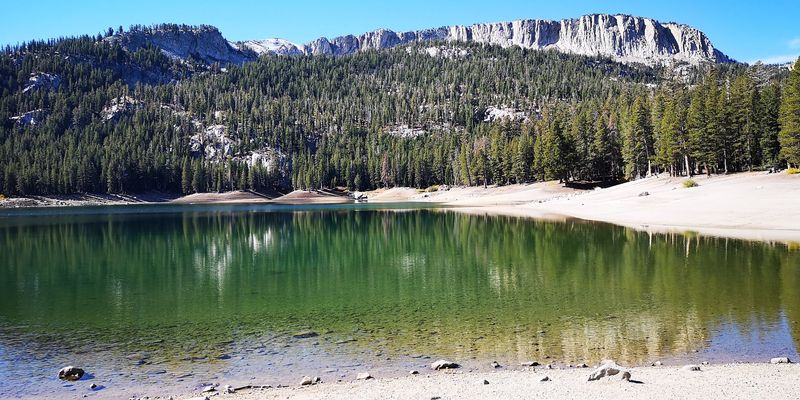
Geography gives Fresno a major lifestyle advantage: proximity to the southern Sierra Nevada. The city serves as a gateway to Sequoia and Kings Canyon National Parks, putting towering sequoia trees, mountain trails, and alpine lakes within reach for weekend trips.
Drive east for an hour or two and valley heat gives way to mountain air and towering pines.
Outdoor enthusiasts appreciate having a base with city amenities while maintaining easy access to wilderness. Summer weekends might mean hiking among giant sequoias or cooling off by mountain streams.
Fall brings spectacular foliage in the high country. Winter opens up possibilities for snow play and skiing at nearby resorts.
This proximity to mountains distinguishes Fresno from many Central Valley cities. Residents can maintain normal weekday routines while planning regular mountain escapes that don’t require extensive travel.
The combination of valley living with mountain access creates flexibility that appeals to people who want both urban convenience and outdoor adventure without choosing between them permanently.
Comfortable Living Comes With a Few Important Trade-Offs
Honesty matters when considering any city, and Fresno is no exception. The comfortable aspects—space, affordability, sunshine, parks, cultural diversity, mountain access—come alongside real challenges that prospective residents should understand before moving.
Summer heat isn’t just warm; it’s intense and relentless, with multiple weeks exceeding 100 degrees. Air quality in the San Joaquin Valley presents ongoing concerns, especially during summer and winter when inversions trap pollutants.
Car dependence means less walking, more driving, and higher transportation costs. The city lacks the job diversity and cultural amenities of California’s largest metros.
Whether Fresno works for you depends heavily on choosing the right neighborhood and accepting what the city offers versus what it doesn’t. For people prioritizing affordable housing, outdoor access, and a slower pace, the trade-offs may be worthwhile.
For others who need walkability, extensive public transit, or coastal proximity, Fresno’s limitations may outweigh its advantages. Understanding both sides helps make informed decisions about whether this Central Valley city matches your lifestyle priorities.