

If you love cars, movie magic, and bold design, the Petersen Automotive Museum feels like stepping into a dream garage with the lights turned up.
Tucked on Wilshire Boulevard in Los Angeles, it delivers rotating exhibits, hands on stories, and a Vault rumored to hold hundreds of legends.
You will spot icons like the Batmobile, Liberace’s shimmering Rolls, and machines from The Fast and the Furious as you wander three main floors.
Plan extra time, because the details, the staff insights, and the sheer variety will pull you deeper with every turn.
The Batmobile Showcase
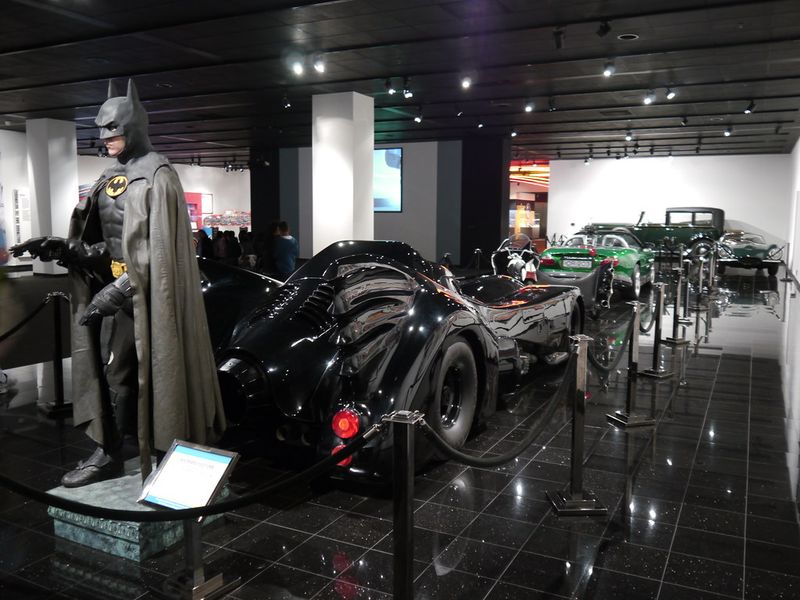
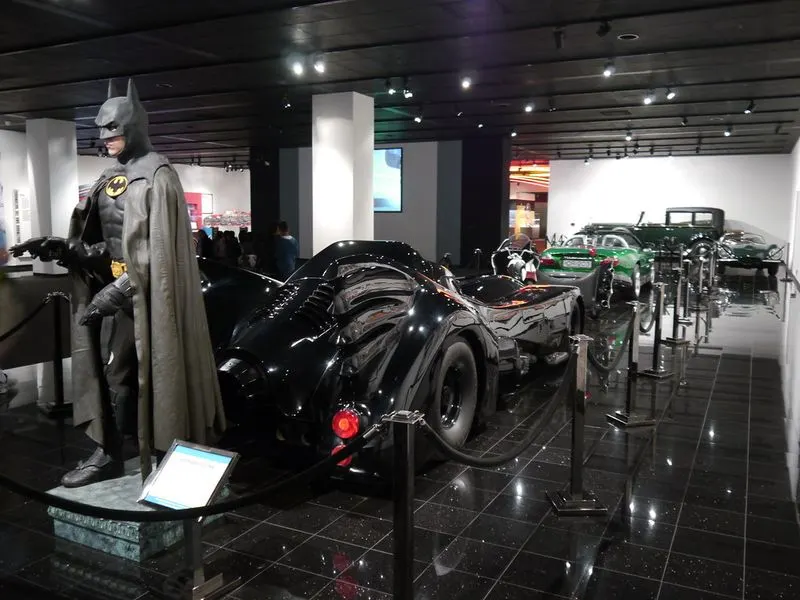
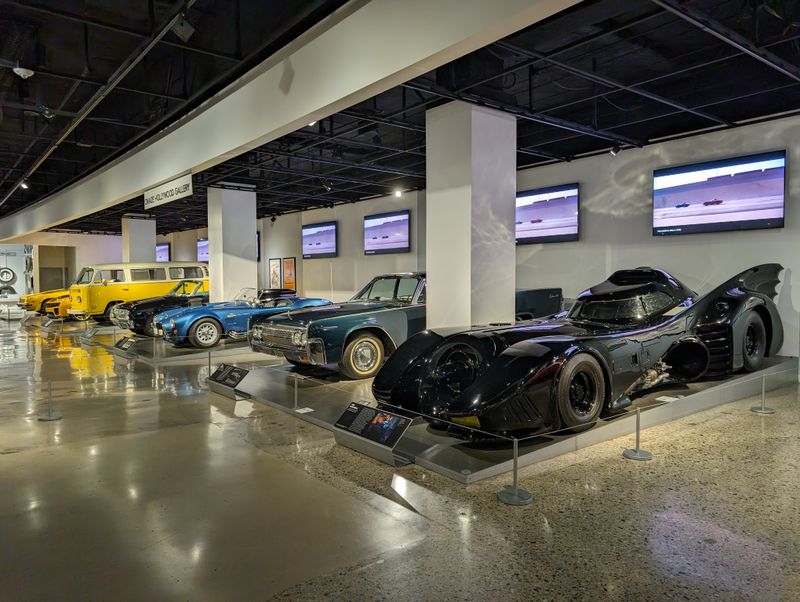
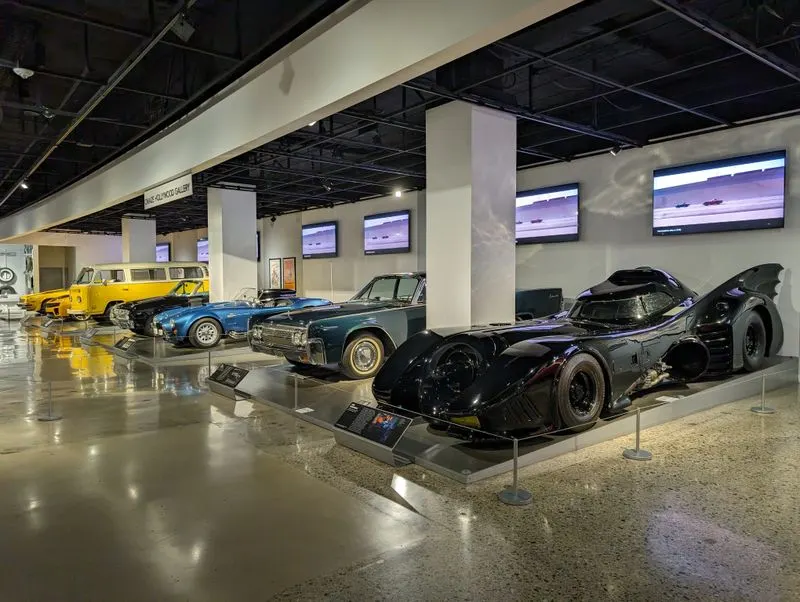
Few things stop you in your tracks like the Batmobile gliding into view at the Petersen Automotive Museum. You do not need to be a comic book fan to feel the rush when those exaggerated fins, jet style exhausts, and stealthy lines fill your frame.
The museum presents different screen used models over time, so what you see might be a gothic Tim Burton era car or a militaristic Tumbler that looks ready to vault a rooftop.
What makes this display sing is the context around it. The placards dig into fabrication techniques, materials, and on set modifications that help cameras capture that predatory stance.
You learn how practical stunts required reinforced chassis bits, removable panels, and even clever camera mounts, giving the car more in common with a race build than a boulevard cruiser.
Stand near the nose and notice how low it sits, almost scraping the floor under gallery lights. The curves throw off reflections that feel like comic panels drawn in chrome.
Kids crowd in for photos, but grown ups linger to decode the design language that signals power, mystery, and a touch of camp.
Ask a docent about the differences between hero cars and stunt cars, and you will get great stories. The hero versions photograph perfectly, while the stunt versions are engineered to survive chaos.
Either way, you can feel the myth becoming metal right in front of you.
If you time your visit with rotating movie car spotlights, you might catch behind the scenes clips looping nearby. Those snippets show how smoke, miniatures, and editing combine with the car to sell the illusion.
When you finally step away, the Batmobile lingers in your mind like a drumbeat.
Outside, the building’s steel ribbons echo the car’s energy, reminding you why Los Angeles and pop culture go hand in hand. Inside, the Batmobile remains a crown jewel you will be talking about long after you leave.
Liberace’s Mirror Ball Rolls Royce
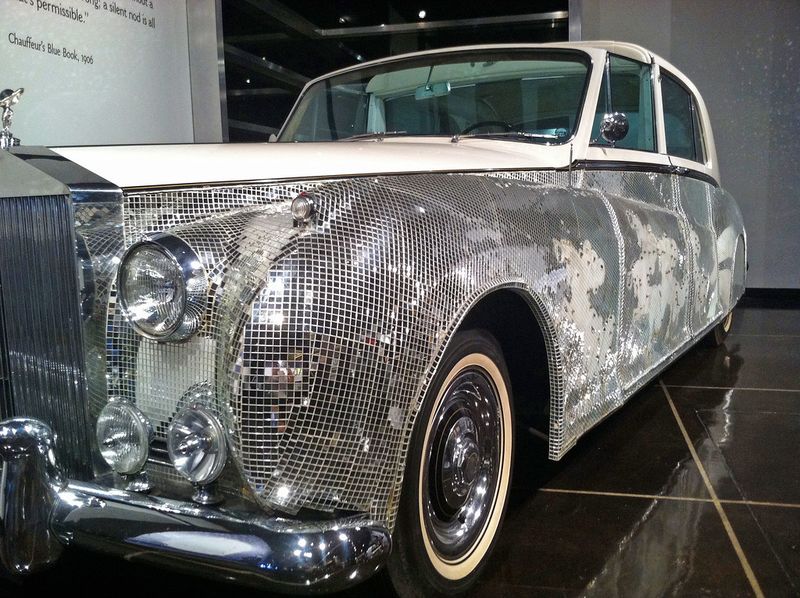
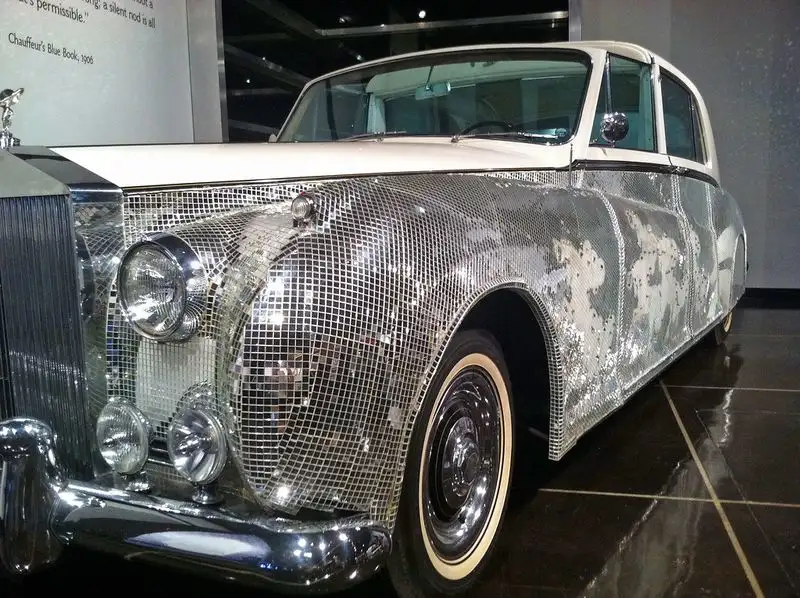
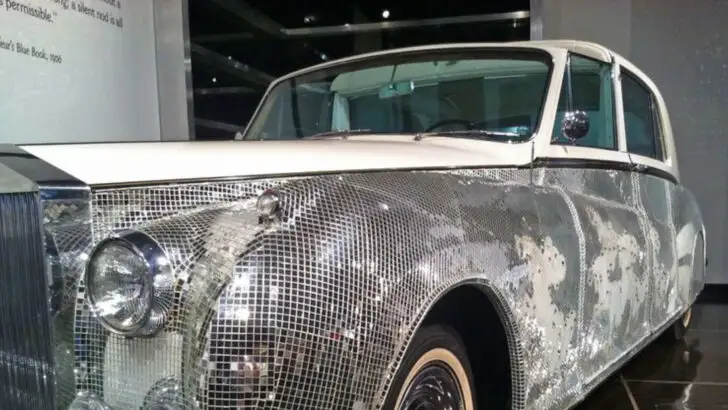
Walk into the gallery and you might catch a twinkle on the periphery, then a flood of sparkle. Liberace’s mirror ball Rolls Royce radiates pure showmanship, a rolling spotlight that turns the room into a stage.
You will find yourself drifting closer, chasing each reflected starburst as if the car were singing your favorite chorus.
Up close, the craftsmanship is mesmerizing. Thousands of mirrored facets blanket the exterior, amplifying light with a disco era wink.
This is not subtle luxury, but high camp turned couture, and the Petersen leans into that story with context about the performer, the era, and the car’s bespoke transformation.
Open the door in your imagination and you can practically hear the applause. Plush interior textures and opulent details remind you that Rolls Royce builds the canvas, while an artist’s vision paints the spectacle.
Even if you prefer understated builds, you will appreciate the audacity and meticulous execution.
The display panels unpack materials, weight considerations, and how mirrored surfaces behave under hot stage lighting. There is also talk of maintenance and how show cars often trade aerodynamics for aura.
It is engineering meeting entertainment, and the blend makes your brain fire on twin cylinders.
Ask a staff member about preservation, and you will learn how climate control and careful cleaning keep the tiles crisp. The museum treats flamboyance with the same scholarly respect as a concours classic, which feels exactly right.
Every shimmer here has a history worth protecting.
As you step back, snap a photo and watch the reflections fragment your silhouette across countless squares. You will leave grinning, reminded that car culture celebrates identity as much as performance.
In a building dedicated to wheels and wonder, this glittering Rolls steals the spotlight without even starting its engine.
Fast and Furious Film Cars
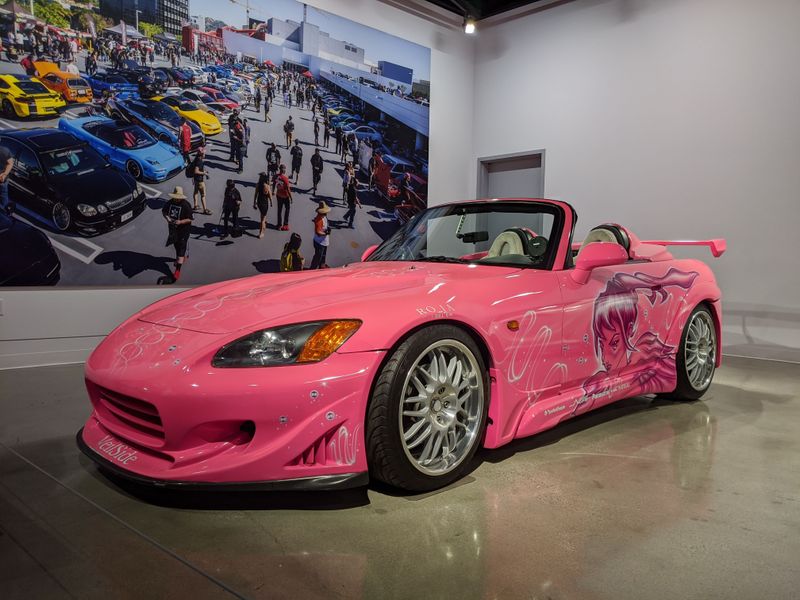
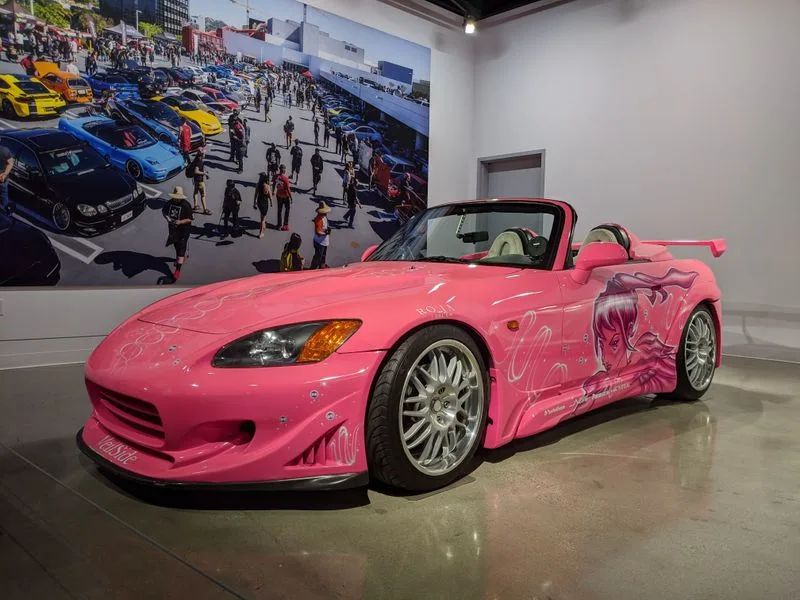
If the roar of turbo spool haunts your playlists, the Fast and Furious cars at the Petersen will feel like meeting old friends. You will spot icons like an orange Supra, a sinister black Charger, and an eclectic lineup that charts the franchise’s evolution from street to globe trotting heist.
The energy around these cars is electric, fueled by nostalgia and nitrous dreams.
The museum sets the scene with production notes, builder credits, and the difference between hero and stunt builds. You will read about replica fleets built to survive destructive scenes, while a pristine hero car remains camera ready.
There is real craft in how dyno numbers give way to reliability for repeated takes.
Stand by the Supra and you will remember that first big race, bright livery flashing like a flag. The Charger anchors the display with old school muscle, a chrome knuckle that never stops hitting.
Together, they sketch a timeline of tuner culture meeting Hollywood scale.
Docents love sharing stories about sourcing rare parts, or how film crews swap drivetrains to meet filming demands. You will learn why some cars run mild power for safety, despite insane on screen claims.
It is a fun peek behind the curtain that does not tarnish the legend.
Photo ops are plentiful, but do not skip the text panels. They map how the franchise influenced car meets, aftermarket trends, and even the global love affair with JDM legends.
You will realize these cars are cultural ambassadors as much as props.
When you loop back toward the elevator, there is a hum in your chest, like a bassline under idle. It is the feeling of Friday night cruises and empty freeway lanes you should not take.
The Petersen bottles that vibe, lets you sip safely, then sends you off with a grin.
The Vault Tour Experience
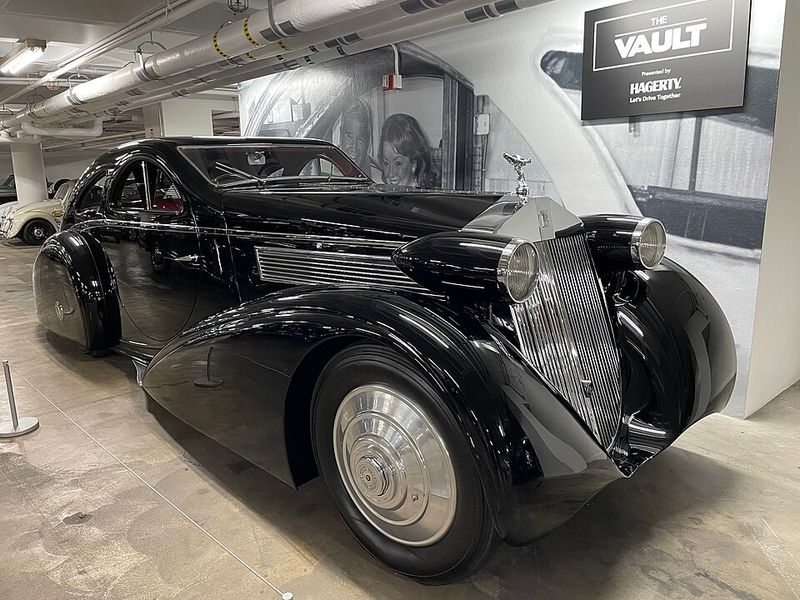
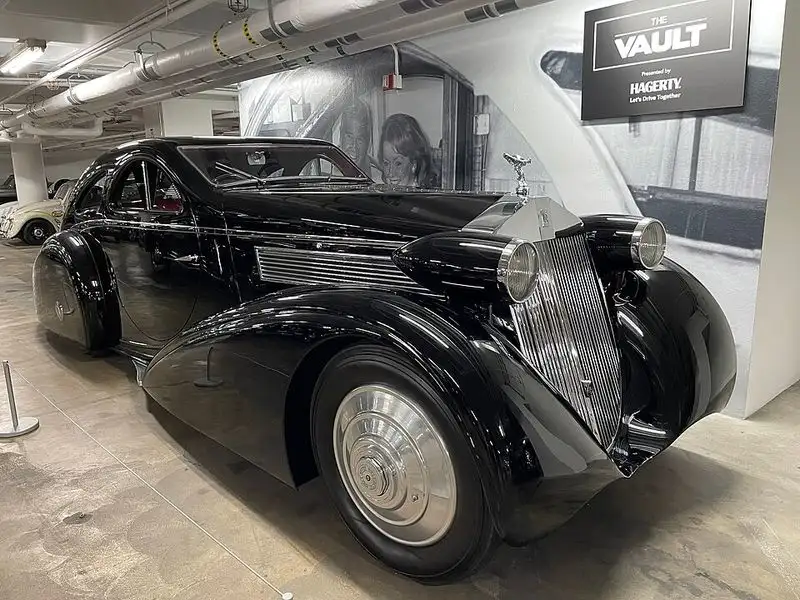
Ask anyone on the way out what not to miss, and they will say the Vault. Downstairs, past the main floors, the Petersen hides a treasure room packed shoulder to shoulder with history.
You pay a bit extra, you gain hours of wonder, and you will still feel like you barely scratched the surface.
The tour format works beautifully. A knowledgeable guide steers you through clusters of eras and themes, pointing out presidential limos, F1 legends, prototypes, and celebrity cars you only see in coffee table books.
The pacing is brisk but never rushed, and questions spark the best detours.
Because the cars live close together, you get a raw, warehouse style intimacy. It feels like backstage access where the stories are still warm.
The smell of rubber and oil mingles with quiet reverence, as if the engines are whispering about past races.
You will learn why certain cars rest rather than run, how provenance is documented, and what restoration choices keep originality intact. The staff balances education with delight, turning complex topics into clear, memorable moments.
It is like auditing a masterclass without a final exam.
If you are a photo hound, watch your angles to avoid reflections and crowding. There is time to grab details, from knurled knobs to coachwork seams.
Remember to look up for interpretive panels that tie collections together across decades.
When you ride the elevator back up, the main galleries feel different, like chapters after you have read the epilogue. The Vault reframes the whole museum as a living archive rather than a static display.
You will walk out grateful you made the add on, and already plotting a return visit.
Back to the Future DeLorean
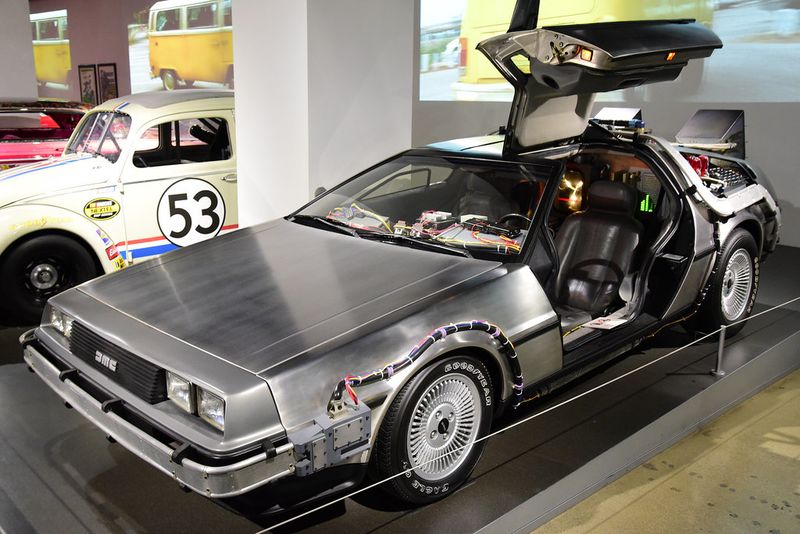
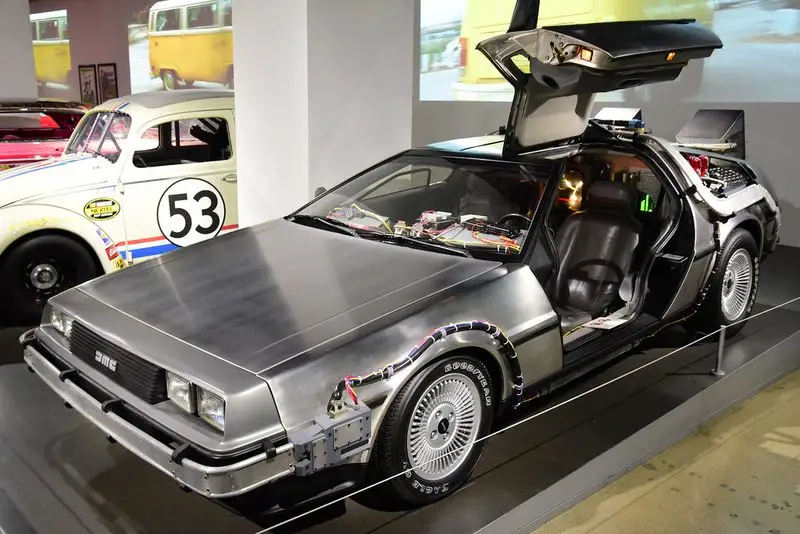
Nothing draws a crowd faster than the stainless shimmer of a DeLorean with its gullwing doors raised. At the Petersen, the Back to the Future time machine sits like a portal, wired with movie correct doodads that make you grin on sight.
You will hear someone whisper Great Scott within minutes.
The exhibit does a lovely job explaining how the car was dressed for film. Plumbing, cables, and the flux capacitor were crafted to read instantly on camera, even from odd angles.
The placards clarify which props were functional and which were pure theater.
Stand by the rear deck and study the faux reactor hardware. It is a sculpture of technobabble, yet everything feels purposeful and tidy.
That order helps the fantasy feel believable, which is why the design still charms decades later.
You will catch looped clips showing the car on set, including the famous fire trails. Those practical effects still hit hard, reminding you that real sparks and real smoke play beautifully with polished metal.
It is satisfying to match the on screen shots to the angles in front of you.
Ask about the differences between filming versions and you will learn how variations handled stunts, close ups, or static hero shots. The museum keeps the explanation friendly, so kids stay engaged while enthusiasts dig deeper.
It is a crowd pleaser without dumbing anything down.
When you leave, the DeLorean’s doors close softly in your memory like a book shutting. You will catch yourself checking your watch, wishing for a time jump to squeeze in one more lap.
The Petersen makes the dream feel just close enough to touch.
Racing Heritage and F1 Legends
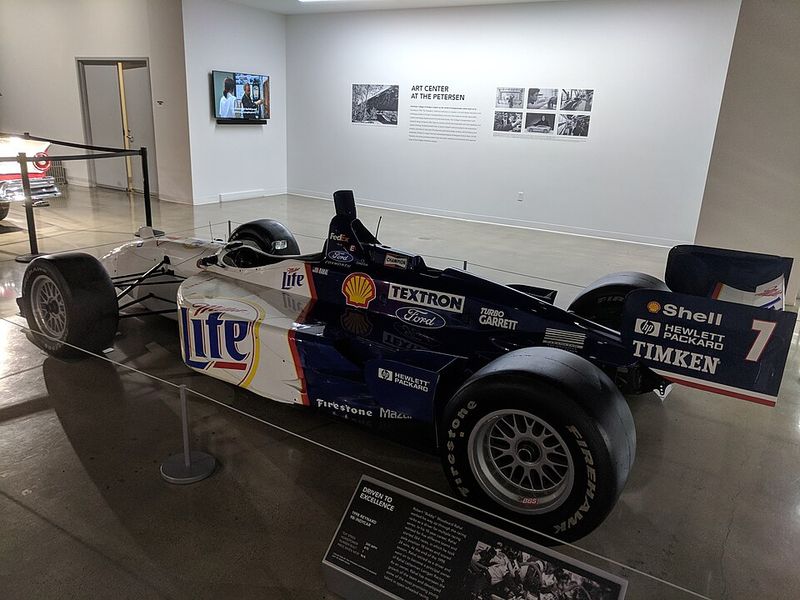
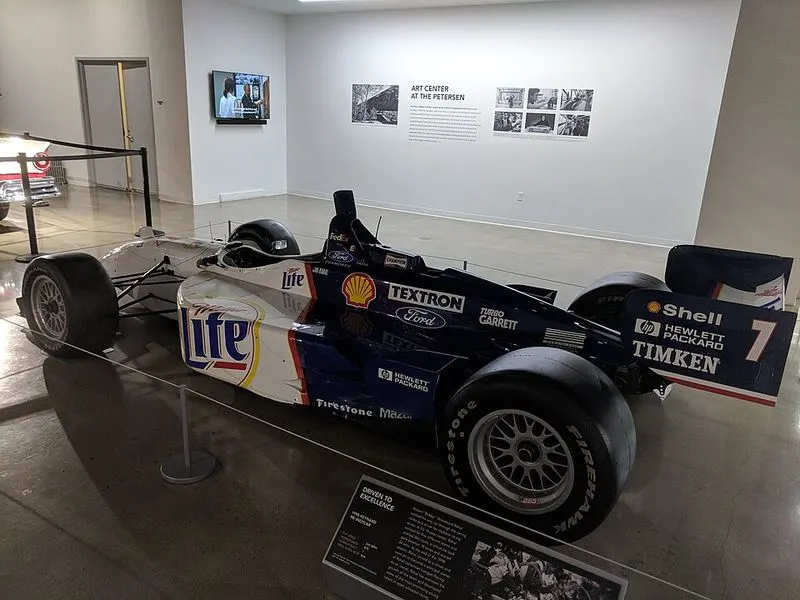
Speed has a different sound when it is resting. The racing galleries at the Petersen, including F1 machines tucked in the Vault, capture that hush before the green flag.
You will stand inches from cars that once howled at redline, feeling the chill of proximity.
Start with the tires. Slicks look like vinyl records pressed for grip, while wet compounds whisper about rain soaked gambles.
Panels walk you through aero evolution, from simple wings to baroque endplates that sculpt air like clay.
You will appreciate how small and purposeful the cockpits feel. Controls fall tight to hand, and the seating position is more rocket than recliner.
Even if you have only watched races on Sundays, the ergonomics tell a story your body understands.
Docents are gold here. Ask about specific seasons or drivers and the conversation blossoms into lap times, regulations, and the wrenching reality of maintaining these beasts.
The human layer turns hardware into memory.
The museum’s curation connects endurance racers, rally icons, and open wheel royalty. You will see how safety innovations migrated across disciplines, and how materials like carbon fiber rewrote the rulebook.
Side by side comparisons make the lessons stick.
Leave a fingerprint only on your imagination, not the bodywork. Snap photos, read the fine print, and picture the smell of hot brakes at pit entry.
When you surface from the Vault, your pulse will be a few beats faster, as if you carried a bit of the grid with you.
Lowrider Art and Culture
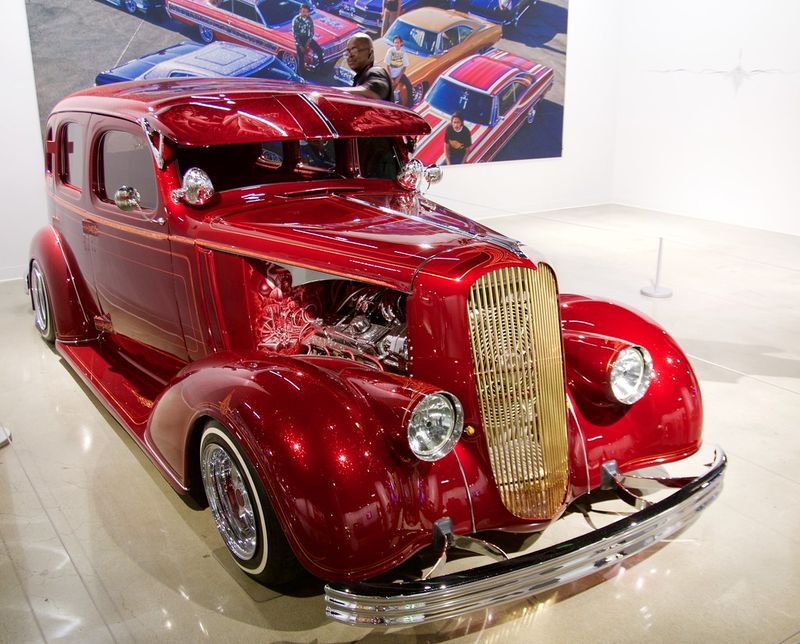
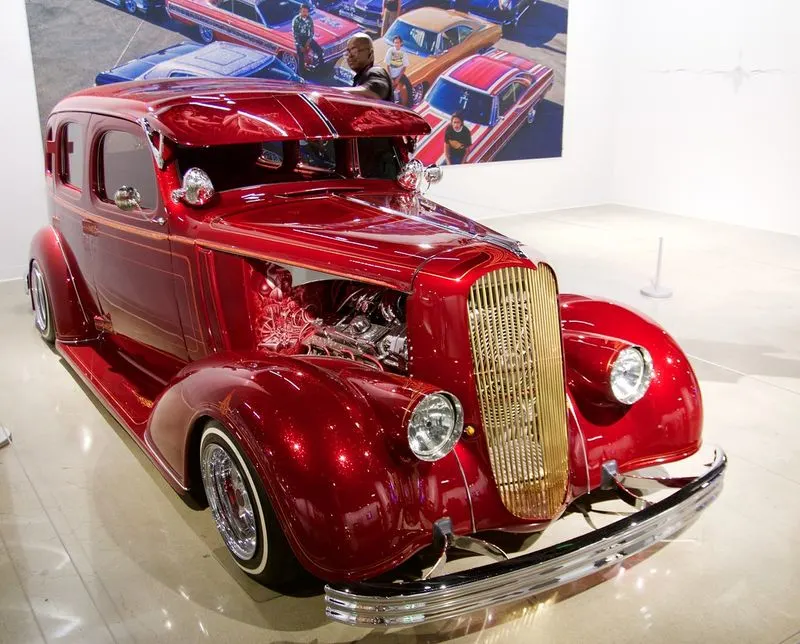
In Los Angeles, lowriders are rolling canvases and community in motion. The Petersen honors that heritage with displays that frame cars as art, craft, and cultural voice.
You will catch candy paint glows and chrome etched like jewelry under careful lights.
Look closely at the linework along the body. Pinstripes weave patterns that reward quiet attention, while murals turn trunks into story panels.
The hydraulic stance is not just a party trick, but an expression of control and individuality.
The museum leans into the social roots, documenting clubs, cruises, and the neighborhoods that nurtured the scene. You will read about family workshops, multigenerational builds, and the ways shows double as reunions.
It gives weight to the sparkle and makes the cars feel alive.
Ask about suspension geometry and you will get a patient primer. The staff breaks down pumps, accumulators, and the artistry of clean installations.
It is engineering as choreography, each switch pull a beat in a larger rhythm.
Kids love peering into interiors stitched with pride. You will spot velour, tuck and roll, and steering wheels that pair swagger with comfort.
Even the trunk setups look like gallery boxes, wires routed with obsessive symmetry.
Before you go, take a moment to read the quotes from builders and owners. Their words make the paint glow a little brighter.
You will leave the space with a deeper respect for how cars can carry identity, history, and joy block to block.
Bugatti and Hypercar Icons
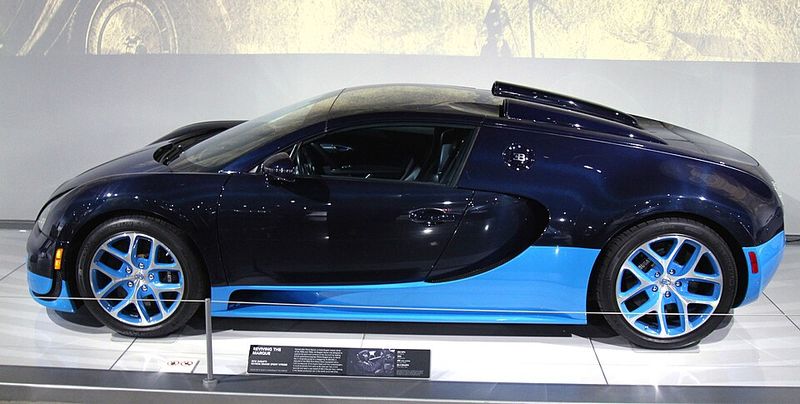
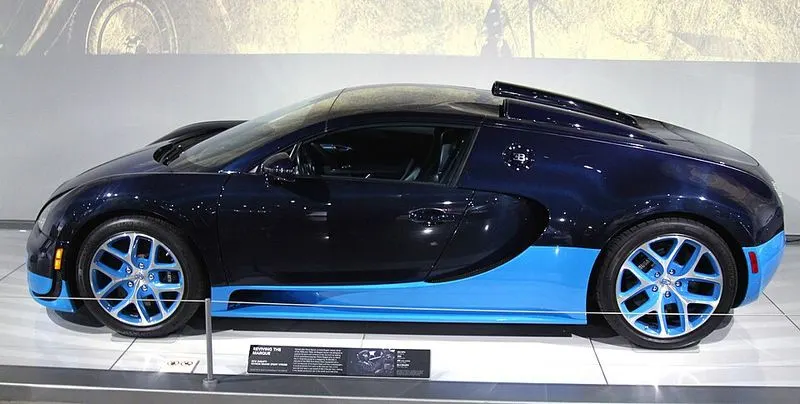
Some galleries whisper, this one purrs. The Petersen’s hypercar displays, often featuring Bugatti royalty, feel like a boutique for speed.
You will drift along contours polished to obsidian, reading spec sheets that seem to stretch physics.
Stand by a Bugatti and trace the signature center line. The bodywork blends sculpture with airflow, every surface earning its place.
Panels explain cooling paths, brake packaging, and the dance between luxury and lap time.
Carbon fiber weaves catch the light like satin. You will notice how panel gaps tighten, how fasteners hide, and how active aero tucks in until the car needs to bite the air.
It is craftsmanship that rewards lingering.
Docents help decode the numbers without burying you in jargon. Zero to sixty times impress, but repeatable performance tells the deeper truth.
You will hear how tires, temps, and software choreograph each launch.
Look for comparisons across eras to feel progress in your bones. An older hero sits nearby and suddenly the modern car’s mass and power make sense.
Safety, emissions, and comfort did not crush the dream, they just raised the bar.
When you step away, the reflections follow like moonlight. Hypercars are rare sightings, but here you can study them in quiet air.
The Petersen gives you time with the impossible, then hands you back to traffic with a secret smile.
Waymo and the Future of Autonomy
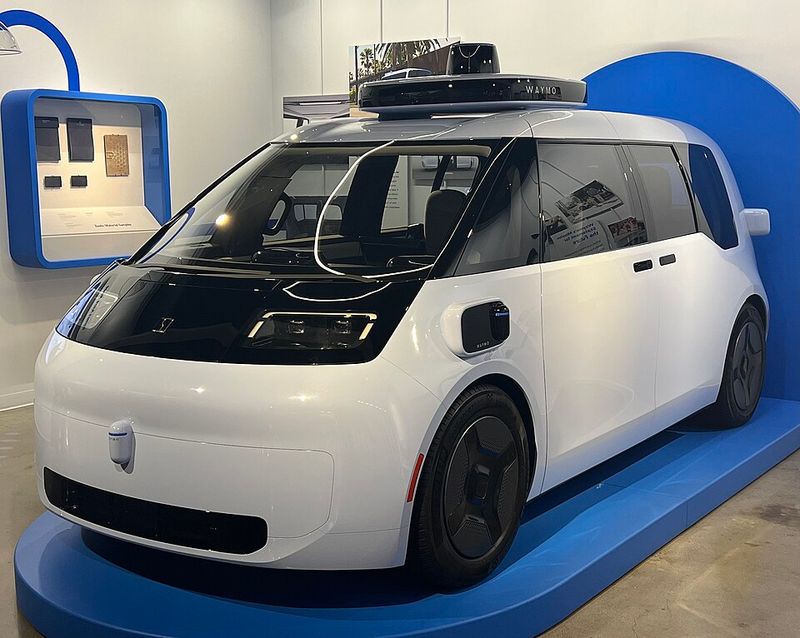
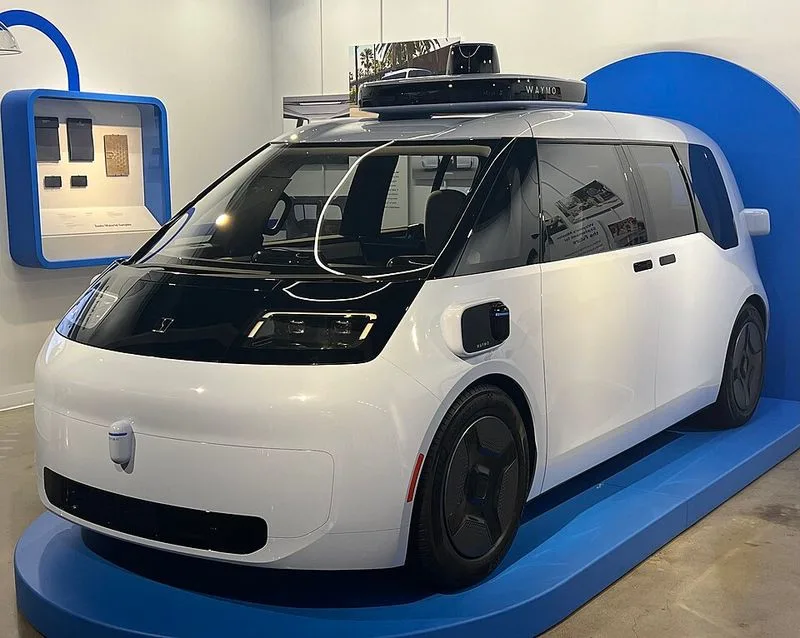
Not every star at the Petersen drinks gasoline. The Waymo and autonomy exhibit invites you to look ahead, where sensors, software, and safety cases share the wheel.
You will circle a development vehicle festooned with lidar domes, cameras, and radar like a crown of curiosity.
Interactive panels make complex ideas approachable. You can explore how perception stacks parse the world, how maps and real time data fuse, and how redundancies keep the system resilient.
It is reassuring to see pragmatism guiding ambition.
Stand by the roof unit and imagine how light pulses sketch the street in 3D. The vehicle becomes a moving surveyor, drawing and redrawing reality in milliseconds.
Suddenly, you understand why compute power sits like a small data center in the trunk.
Staff members explain operational design domains with concrete examples. You will hear when and where autonomy makes sense now, and why edge cases matter.
The nuance helps push past hype into honest curiosity.
For families, the exhibit is a great conversation starter about ethics and accessibility. How do we share roads with robots, and what does that mean for design, insurance, and city planning.
The questions linger in a productive way as you continue your visit.
Leaving the gallery, the classics upstairs feel even more precious. The future is arriving, but the past still hums under bright paint and chrome.
The Petersen makes room for both in one thoughtful loop, and you will too by the time you step outside.
Visitor Tips and Museum Essentials
Before you rev into the galleries, a smart plan doubles the fun. The Petersen sits at 6060 Wilshire Blvd and keeps hours from 10 AM to 6 PM daily, so you have plenty of runway.
Aim for opening to snag easy parking and quieter floors, then add the Vault for a deeper dive.
Start at the top floor and work down. This flow matches the museum’s storytelling and helps you pace your energy.
If you love movie cars, flag those sections early so you do not rush past them later.
Docents and volunteers are your secret turbo. Ask questions, join a public tour if you can, and you will unlock stories about prototypes, restorations, and filming quirks.
The staff’s enthusiasm is contagious and clarifies details you might miss.
Budget extra time for the gift shop. It is more curated than kitschy, with apparel, books, and model cars that feel worth taking home.
If you are eyeing parking costs, watch for deals tied to purchases that may offset the fee.
Families will appreciate the kids area and hands on moments scattered through exhibits. Keep snacks ready, but plan a cafe stop to reset.
The racing sim can book up, so check availability early if that is on your list.
Photography is welcome, but respect ropes and signage. Cars are closer than you think, and reflections can be tricky under strong lights.
When in doubt, step back, breathe, and let the lines breathe with you. By closing time, you will realize why this museum earns its glowing reviews and repeat visits.