
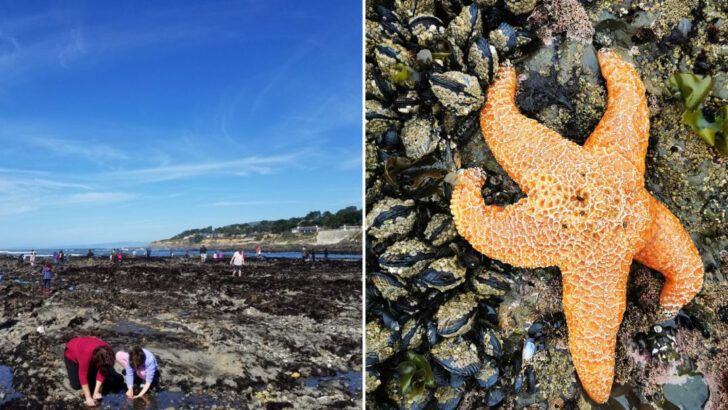
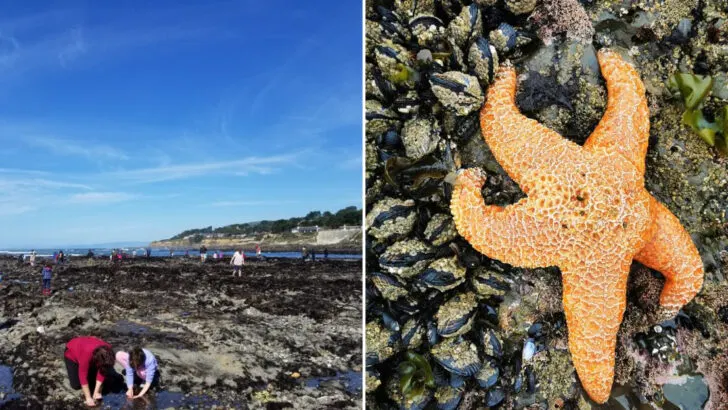
This beach doesn’t just sparkle—it wriggles, scuttles, and clings to life.
At Fitzgerald Marine Reserve in Moss Beach, the ocean pulls back and reveals a hidden world stitched into the rocks. Sea stars grip the stone like living jewels.
Anemones sway in shallow pools. Tiny crabs dart through clear water no deeper than your palm.
When the tide drops, the shoreline transforms into an open-air aquarium. Rangers guide small groups across the reef, pointing out purple urchins, chiton shells, and the delicate patterns of barnacles layered over time.
Every step feels like a discovery, every pool a miniature universe.
Waves crash just beyond the reef, reminding you that this show is fleeting. The sea will return, sweeping its secrets back under foam and surge.
Catch it at the right moment, and you’ll witness California’s coast at its most raw, intimate, and alive.
Planning Your Visit and Tides 101
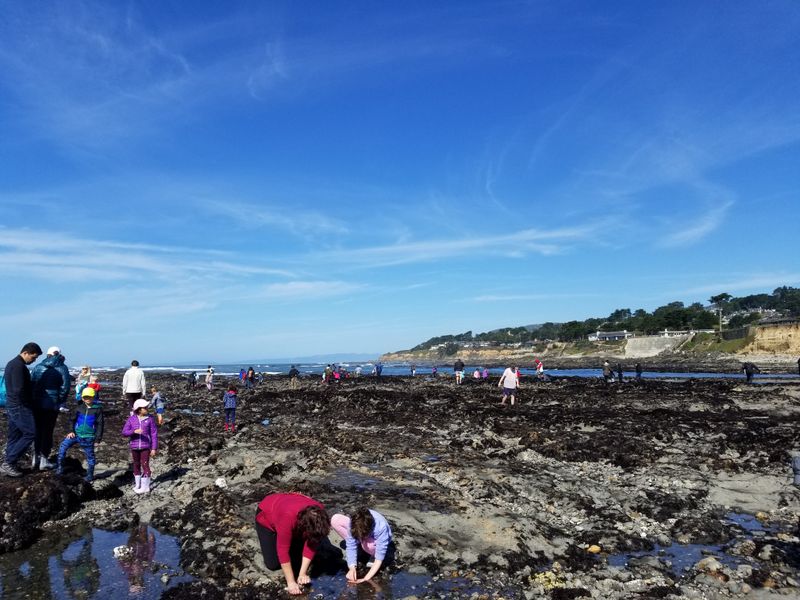
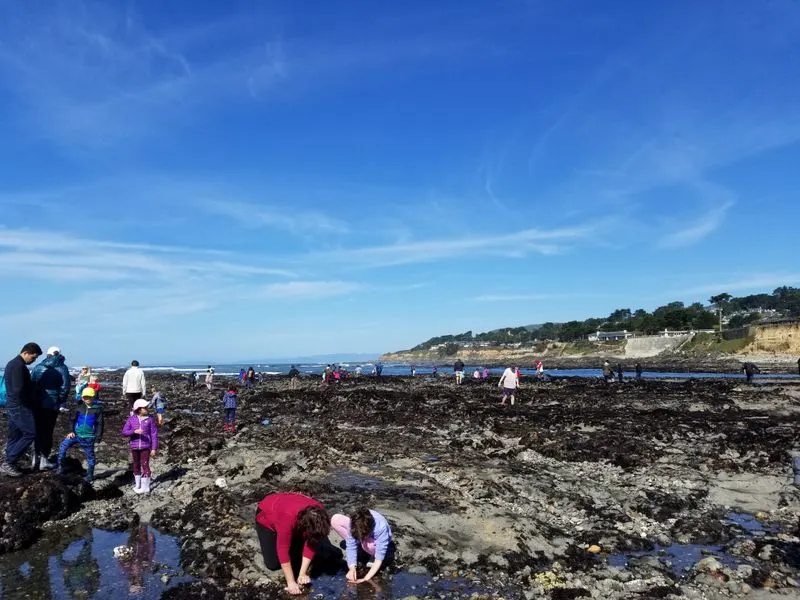
Low tide is your green light here, and checking a tide chart before you go can make or break the experience. Aim for tides below zero for the fullest reveal of pools, channels, and reefs that usually hide under waves.
Arrive early because parking is limited, and conditions change quickly on this dynamic coast.
You will want closed-toe shoes with good grip, since the bright green algae can be slick. Dress in layers because coastal fog often slides in even on sunny forecasts.
Bring water, snacks, and a small towel for sandy hands, but leave the cooler and big beach spread for another day.
Respect seasonal closures for harbor seal pupping, which protect animals and keep visitors safe. Rangers post signs and often suggest alternate pool areas when one zone is off-limits.
Follow those directions and you will still see plenty without disturbing wildlife.
Cell service can be spotty, so download maps or screenshot tide times. Keep dogs at home, as pets are not allowed in the reserve.
If you plan around the ocean’s schedule, you will step onto a rocky stage exactly when it comes alive.
Guided Ranger Walks: What To Expect
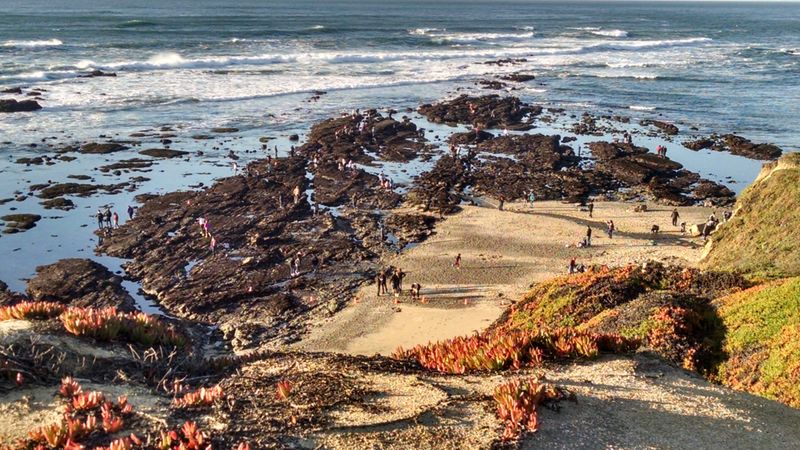
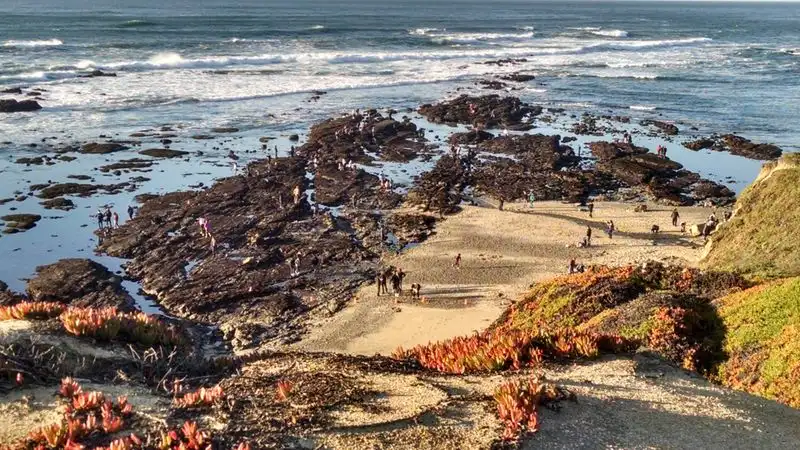
Guided walks at Fitzgerald Marine Reserve feel like unlocking a secret code written in shells and seaweed. Rangers point out subtle clues that most of us would miss, like how anemones respond to touch or where hermit crabs hide between rocks.
You get safety tips, ethical viewing practices, and stories about the reserve’s protected status.
Groups stay small enough to move safely over uneven surfaces. You will learn how the intertidal zone is divided into splash, high, mid, and low regions, each hosting different species.
The walk’s pace is friendly, making space for questions and quiet observation.
Seasonal highlights might include harbor seals basking from a respectful distance, or the dramatic white whale skeleton exhibit nearby. Rangers also share cultural and geological context, tying modern stewardship to a coastline shaped by time and tectonics.
Expect gentle reminders about where not to step.
Bring curiosity and a camera with a wrist strap rather than a bulky setup. The best moments often happen at your feet, so kneel low and watch tiny dramas unfold.
When the tour ends, you will navigate the rocks with more confidence and a sharper eye for life’s details.
Tide Pool Field Guide: Anemones, Crabs, and Sea Stars
At low tide, the pools become a gentle maze of colors and textures. Sunburst anemones glow green with embedded shell fragments, closing like soft suction cups when the water drops.
Hermit crabs hustle about in borrowed homes, sometimes swapping shells in comically awkward negotiations.
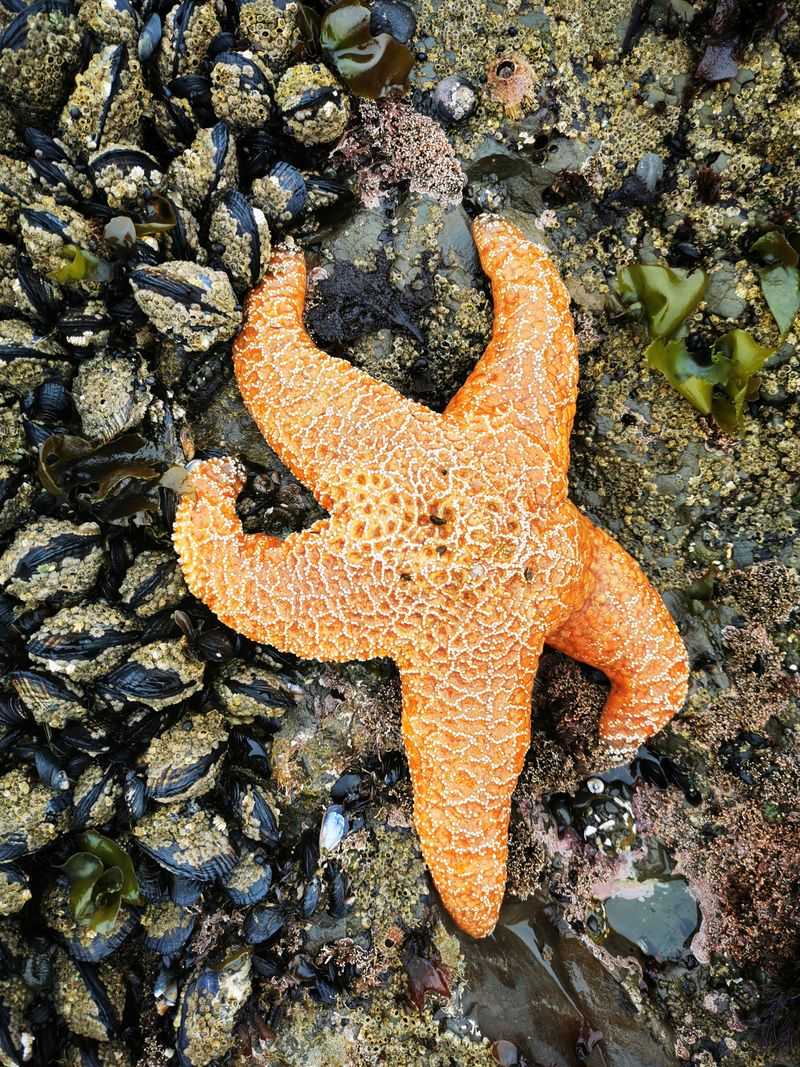
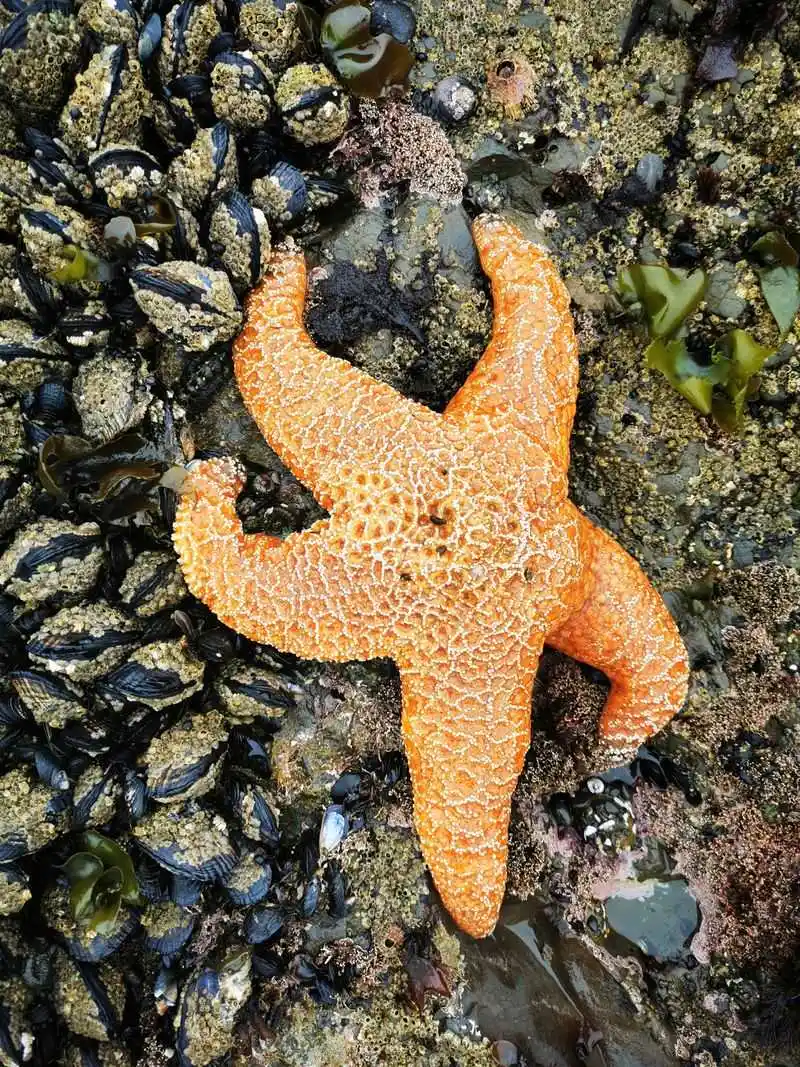
Look for the firm, pebbled texture of ochre sea stars tucked beneath ledges. You might spot a scuttling shore crab or find mussel beds clamped tight against wave surge.
Small fish flicker through eelgrass, turning tide pools into tiny aquariums that reward slow, careful looking.
Keep hands out of pools to protect delicate creatures and prevent sunscreen from harming them. Instead, observe behavior: anemone tentacles waving when submerged, or barnacle plates opening like tiny doors.
You can kneel close and use polarized sunglasses to cut surface glare.
Move lightly, placing feet on bare rock rather than living mats. If something looks like gummy pebbles, it could be a living animal, so give it space.
With patience, you will notice rhythms of feeding, hiding, and breathing that connect everything in this protected intertidal world.
Harbor Seals and Seasonal Closures
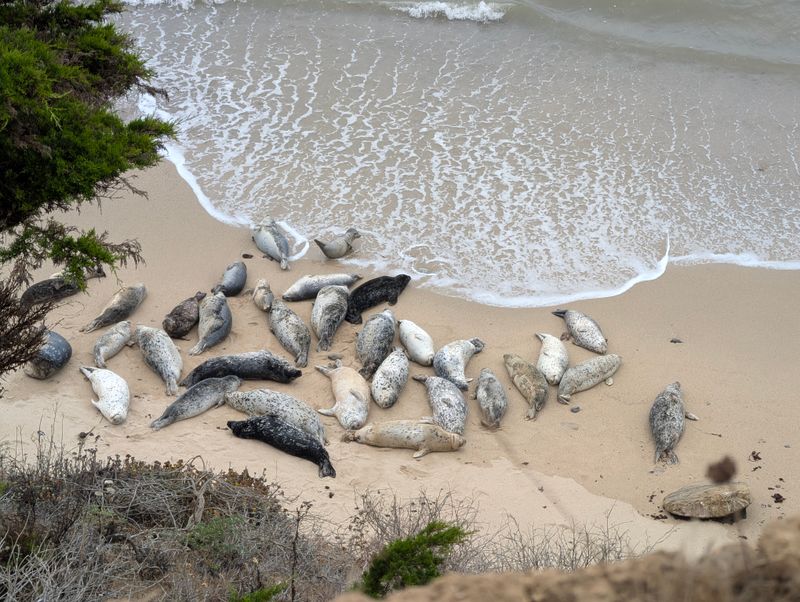
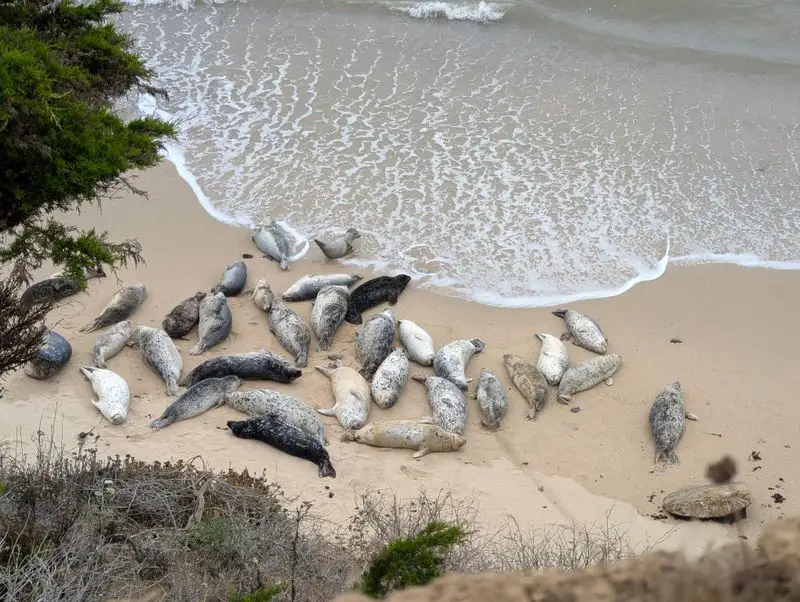
Harbor seals haul out on nearshore rocks here, a reminder that this coastline is both a nursery and a refuge. During pupping season, sections of the beach close to minimize disturbance.
You will still enjoy the reserve, just with adjusted routes and new vantage points.
From the bluffs, seals resemble smooth gray stones until a whiskered head rises. Bring binoculars to appreciate details without getting too close.
Rangers patrol gently, educating visitors about the stress human presence can place on nursing mothers and pups.
Follow posted signs and never cross rope lines, even if you see others inching forward. Seals can spook easily, and flushed animals waste precious energy returning to the water.
Your distance keeps them safe and protects the privilege of watching them at all.
When areas are closed, rangers often direct visitors to alternate tide pool sites a short walk or quick drive away. The coastline still dazzles with anemones and crabs, while seals rest undisturbed.
With patience and respect, you will witness wildlife behaving naturally in a sanctuary that truly works.
Bluff Trail and Monterey Cypress Grove
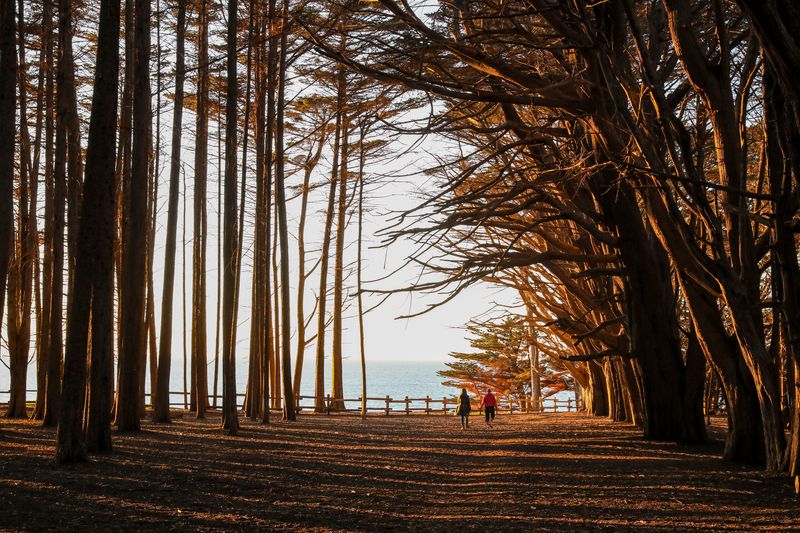
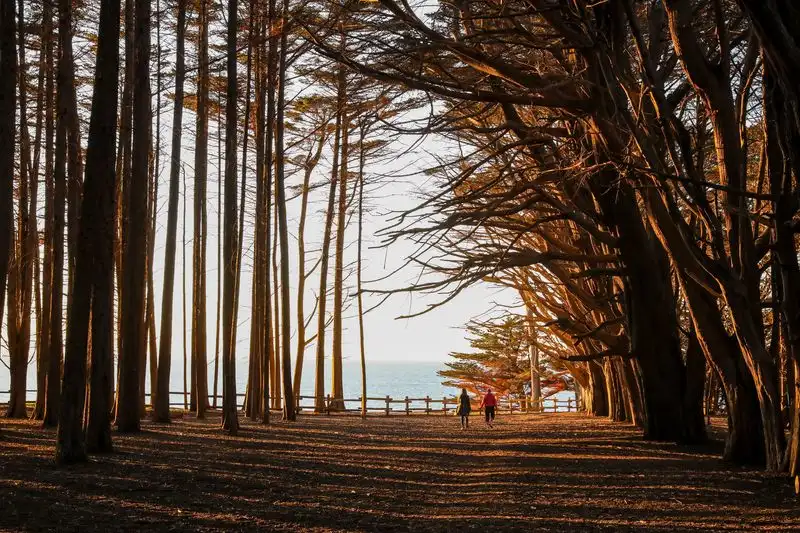
Above the tide pools, the Bluff Trail threads through wind-shaped Monterey cypress, their branches knitting a green tunnel. The air smells like salt and resin, and the ocean roars below.
Benches appear at overlooks, perfect for spotting pelicans gliding the updrafts.
Wooden stairs descend to Moss Beach when conditions allow, connecting forest hush to wave drama. Along the rim, keep a safe distance from crumbly edges.
You will find photo moments everywhere, from sunbeams slanting through needles to cliffs carved into terraces.
The grove feels timeless, yet it shifts with fog and afternoon light. Kids love the short, manageable paths, and the accessibility from parking areas makes it easy for multigenerational outings.
Even if the main pools close, this trail rounds out the visit beautifully.
Listen for ravens and the click of shorebirds on the flats below. Pause where cypress roots mingle with coastal sage, and you will feel the meeting of land and sea in your bones.
It is a gentle reminder that the reserve protects more than rocks and water.
The Whale Skeleton Exhibit
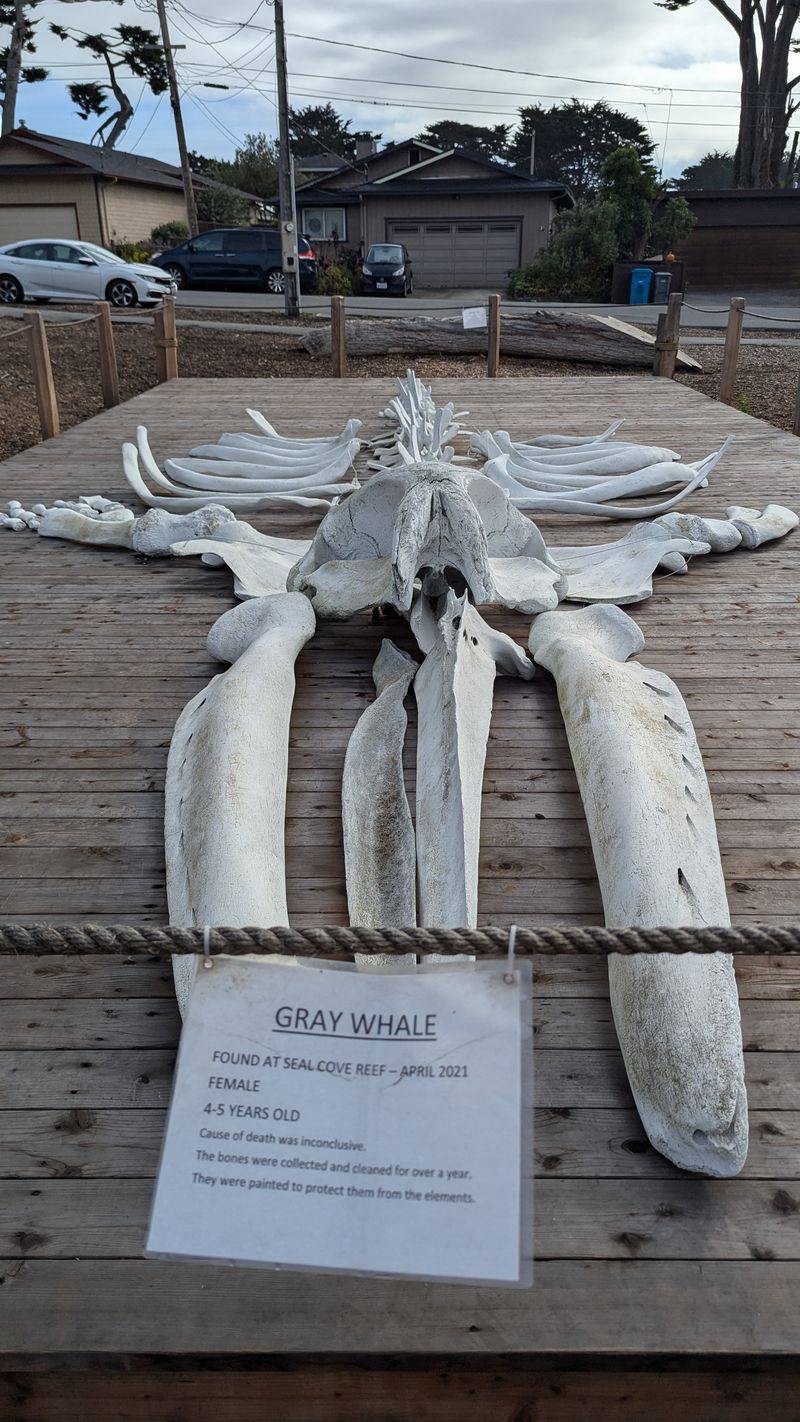
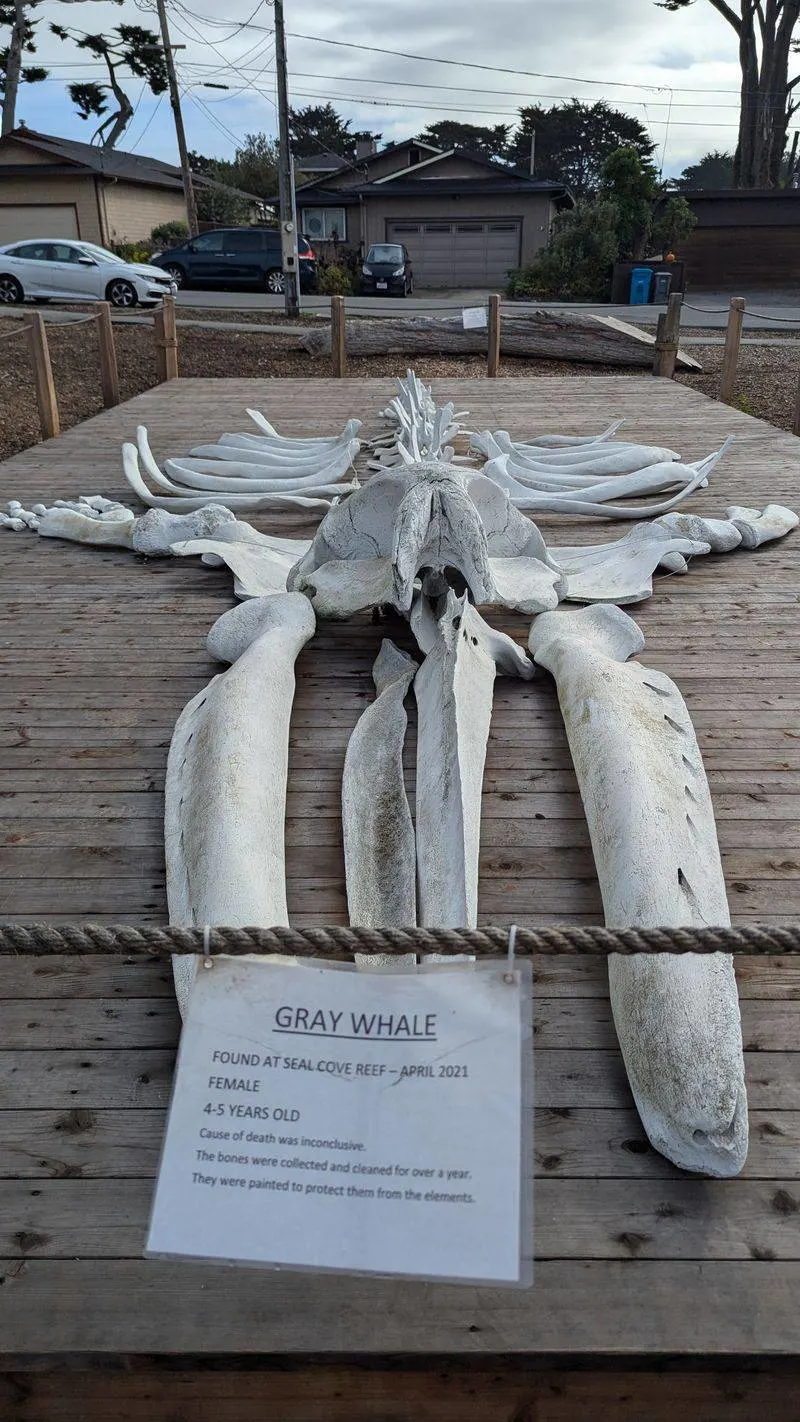
A striking white whale skeleton greets you near the cypress grove, turning the trail into an open-air museum. Standing beside it, you feel the scale of marine life that passes offshore, largely unseen.
Interpretive panels connect bone to behavior, migration, and the broader food web.
The exhibit adds a contemplative pause to a day of hands-on discovery. After peering into tiny pools, you look up and imagine giants sliding beneath the horizon.
It is a powerful balance of wonder and humility that stays with you long after the visit.
Use the moment to talk about stewardship with kids or curious friends. How do shipping, entanglement, and ocean noise affect whales, and how do protected places help?
The reserve’s mission clicks into focus around these silent, luminous ribs.
Photograph respectfully, leaving space for others to engage. Read the signage, then return to the coast with fresh perspective.
When waves crash below the bluffs, you will hear the skeleton’s quiet lesson: small actions onshore echo through the ocean’s vast rooms.
Safety, Footing, and Leave No Trace
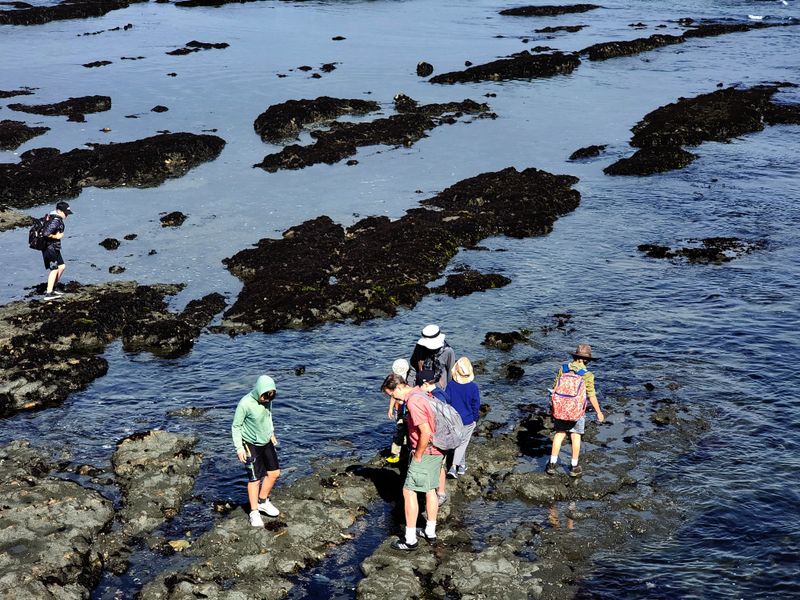
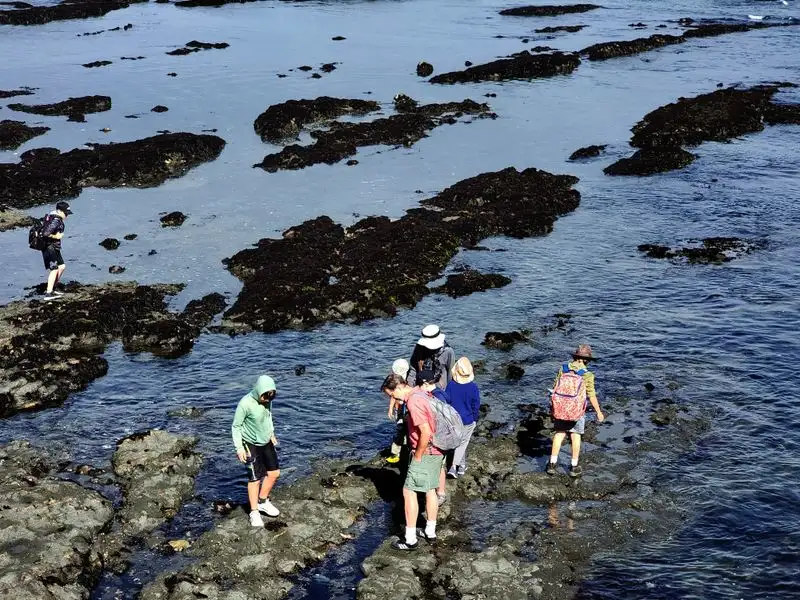
Safety starts at your feet. Step only on bare rock or sand, never on seaweeds or closed anemones that look like gummy pebbles.
Move slowly, keep hands free, and give yourself three points of contact when scrambling.
Wear closed-toe shoes with tread, and avoid flip-flops that skid on algae-slick stone. Tides rise fast, so plan an exit route and watch surge channels.
Fog can condense into drizzle, making surfaces unexpectedly slippery.
Leave No Trace here means more than packing out trash. Do not collect shells, rocks, or living creatures, and keep food away from wildlife.
Sunscreen and insect repellent should be reef-safe, applied away from pools to protect sensitive life.
Respect quiet. Voices carry over water and can disturb seals and birds.
If you model gentle curiosity for kids, they will mirror it quickly. You will go home with better photos, sharper memories, and a place left just as wild for the next tide.
Photography Tips for Shifting Light
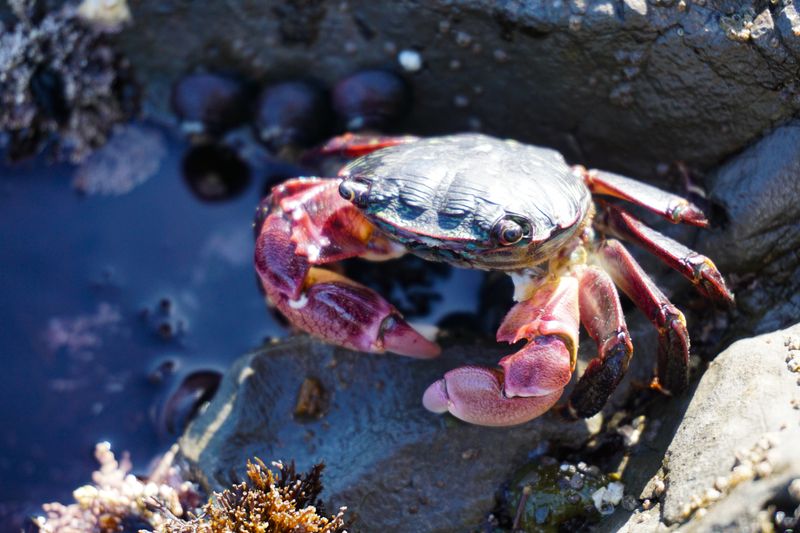
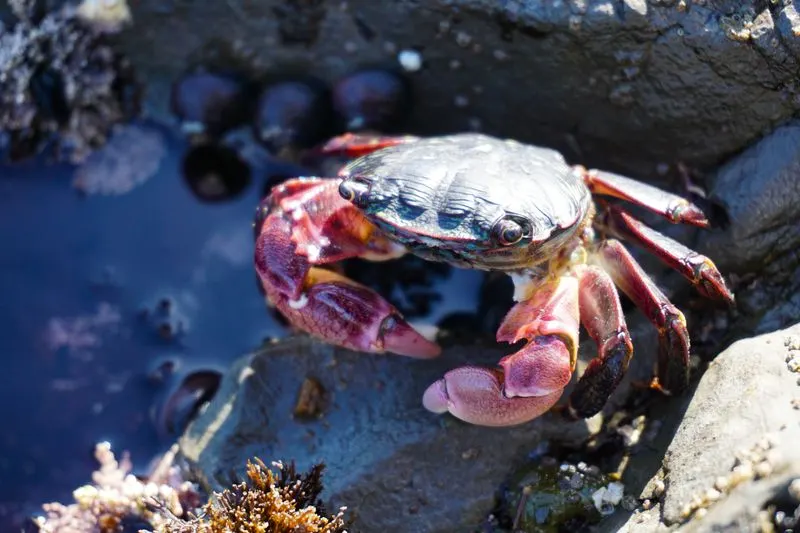
Coastal light changes by the minute, and that is half the fun. Early morning brings soft, cool tones and mirror-like pools.
Late afternoon warms the rocks and cypress, while fog acts like a giant diffuser that tames harsh contrast.
Kneel to eye level with the pools and brace your elbows against your knees. Use a fast shutter for skittering crabs and a polarizer to cut glare.
If you shoot macro, watch your footing first, composition second.
Backlight anemone tentacles so they glow, but shield your lens from spray. Avoid tripods in crowded areas and keep straps tidy around slippery edges.
You will capture more if you travel light and respond to tides rather than forcing a plan.
Respect closures and give wildlife their space, using longer focal lengths from the bluffs. Clean gear away from the pools to prevent sand and salt from dropping in.
The best images feel like the ocean invited you rather than endured you.
Accessibility, Parking, and Hours
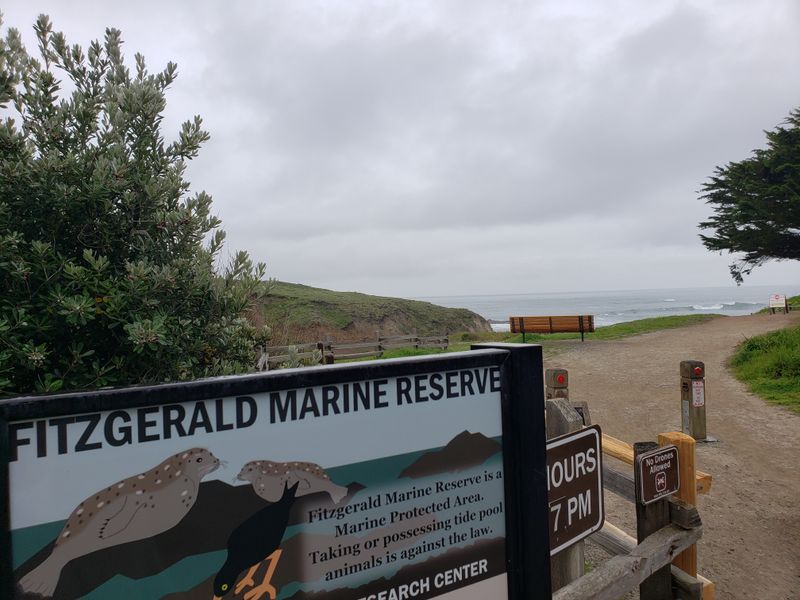
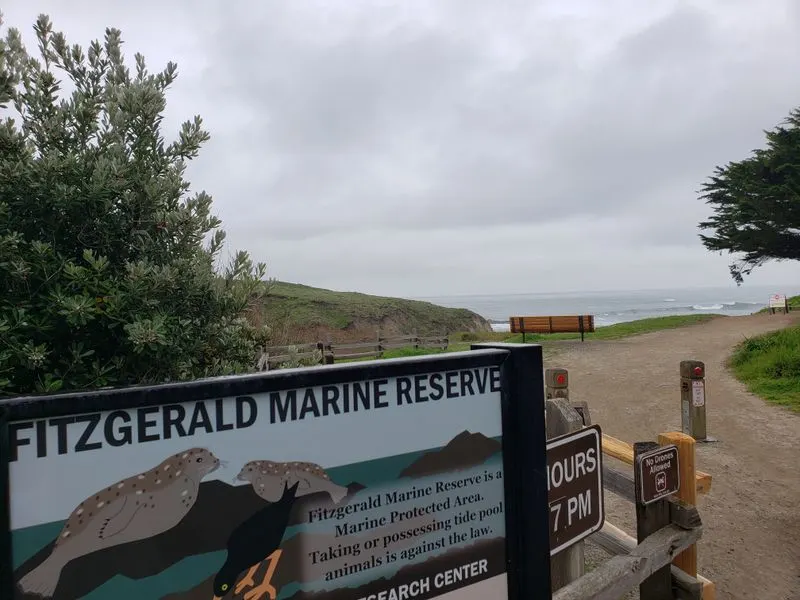
The reserve’s main entrance sits at 200 Nevada Ave in Moss Beach, and it opens daily 8 AM to 8 PM. Arrive early on weekends and holiday low tides, since parking is limited and fills quickly.
Overflow street parking may be available on nearby roads when the lot is full.
Restrooms and a washing station sit near the ranger area. Trails along the bluffs are relatively gentle, with benches at viewpoints.
Beach access involves stairs, and tide pool terrain is uneven, so plan support for anyone with mobility concerns.
Cell reception varies, so screenshot the park map, hours, and tide chart before arriving. Pets are not allowed, a rule that protects wildlife and keeps interactions safe for everyone.
Rangers can answer questions by phone at +1 650-728-3584 during operating hours.
Check the official website for advisories, closures, and stewardship notes before driving out. If the main pools are closed for seal pupping, they often suggest alternate access points by foot or short drive.
Build flexibility into your schedule, and you will still catch the magic window of low tide.
Beyond the Pools: Pairing Your Day in Moss Beach
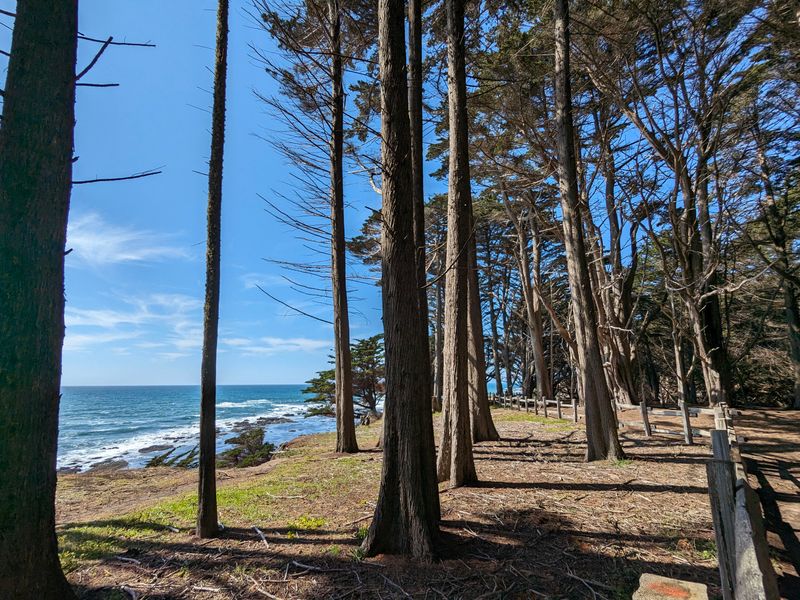
After the pools, wander the Bluff Trail for ocean panoramas and that storybook cypress tunnel. If the wind kicks up, tuck into a sheltered bench and watch pelicans surf invisible currents.
You can descend to Moss Beach when conditions permit for sand between your toes.
Bring a simple, packable picnic and choose crumb-free snacks to avoid attracting wildlife. If you prefer a warm drink, nearby coastal towns offer cafes just a short drive away.
Keep the reserve itself quiet and light on trash by eating in designated areas.
Pair the day with slow photography, a sketchbook, or a naturalist journal. Jot species lists, tide times, and tiny observations, then compare notes with kids or friends.
You will notice more with every minute you gift to the shore.
Wrap up before the high tide reclaims the reef. As you climb back through cypress shade, you will feel the place close gently behind you.
That is the rhythm here: arrive with the low, leave with gratitude, and let the ocean reset the stage.