
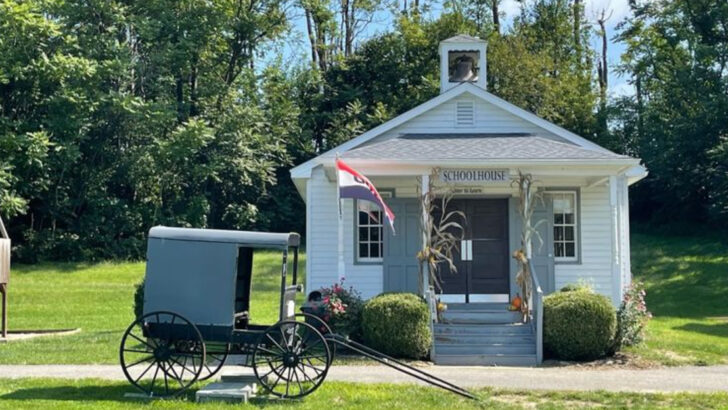
If you have been craving a road trip that feels slower, quieter, and genuinely different, Lancaster County delivers in a way few places can.
This drive trades traffic and tourist traps for horse-drawn buggies, rolling farmland, roadside pie, and small towns with real character.
What makes it unforgettable is how lived-in it all feels, not staged, not polished, just deeply rooted.
From Strasburg to Intercourse and back to Lancaster, this is one Pennsylvania experience you will want to savor instead of rush.
Lancaster County Is Home to the Oldest Amish Settlement in America
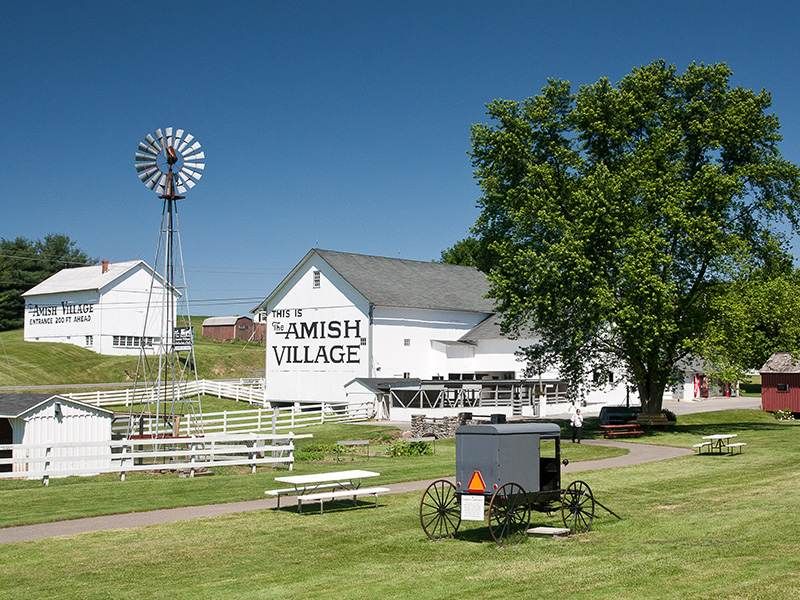
Driving through Lancaster County feels different the moment you leave the main highways behind.
This is the oldest Amish settlement in America, with Amish families living here since the 1720s, and that history gives the landscape a depth you can actually feel.
Instead of curated attractions, you are moving through a place where traditions have been practiced continuously for nearly three centuries.
The heart of the route runs through Strasburg, Bird-in-Hand, and Intercourse, mostly along Route 340 and Route 896.
Those roads connect working farms, schoolhouses, produce stands, and family homes, creating a road trip that is less about checking off stops and more about settling into a slower rhythm.
You are not observing a performance here.
That is what makes this drive so memorable.
The fields are real, the buggies are everyday transportation, and the pace of life has been shaped by faith, family, and farming for generations.
If you want Pennsylvania at its most grounded and distinctive, this is where to begin.
Start in Strasburg, One of Pennsylvania’s Most Charming Small Towns
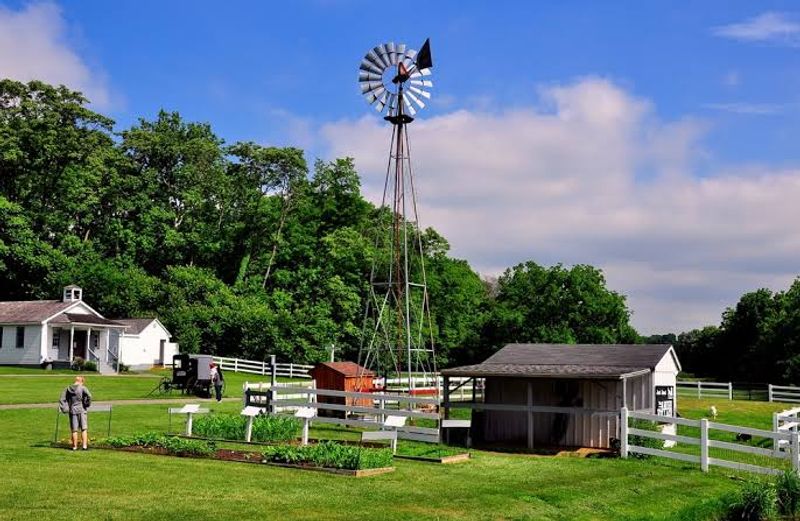
Strasburg makes an ideal first stop because it eases you into the day without overwhelming you.
The borough is compact, walkable, and full of historic character, with handsome old buildings, antique shops, and a relaxed pace that immediately fits the mood of Amish Country.
It feels like the kind of place where you naturally want to park, wander, and stay awhile.
Starting here also makes sense practically.
Some of the region’s biggest attractions are clustered around Strasburg, so you can build a strong foundation before heading farther east into the countryside.
That balance between small-town charm and easy access gives the rest of the route a smoother rhythm.
What I like most is how Strasburg sets expectations without trying too hard.
It is polished enough to feel welcoming, but never loses the grounded, local feel that defines this part of Pennsylvania.
Before you even see the open farmland beyond town, Strasburg already tells you this trip is going to be about history, texture, and taking your time.
The Strasburg Rail Road Is a Must, Even if You’re Not a Train Person
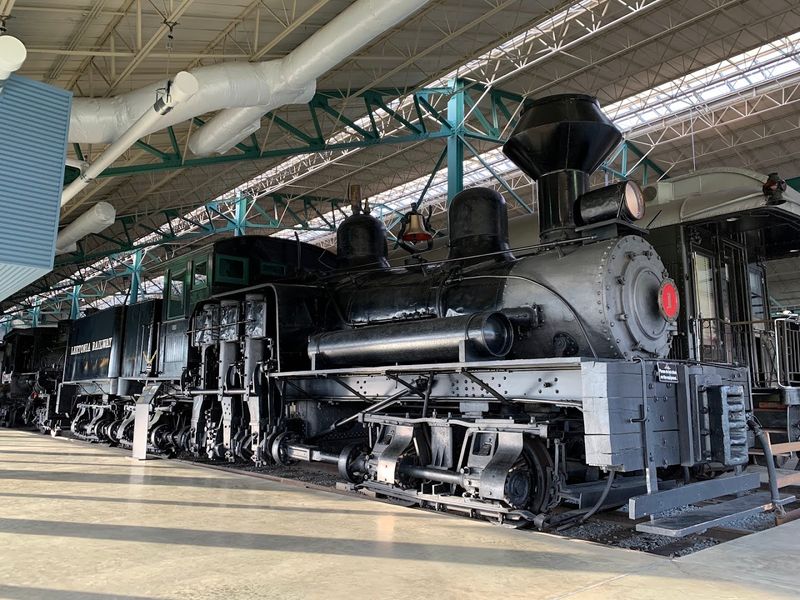
Even if trains are not normally your thing, the Strasburg Rail Road is hard to resist.
Founded in 1832, it is the oldest continuously operating railroad in the Western Hemisphere, and the experience feels wonderfully tactile from the first whistle to the last plume of steam.
You are not boarding a replica, but a real coal-burning steam train with serious history behind it.
The round trip lasts about 45 minutes and rolls through roughly 2,500 acres of Amish farmland.
From the window, you can spot corn, soybeans, alfalfa, tobacco, livestock, and families going about their day, which makes the scenery feel far more alive than a standard sightseeing ride.
Different seating options, including coach, first class, open-air, and dining service, let you choose your own vibe.
Right across the street, the Railroad Museum of Pennsylvania adds even more depth with more than 100 historic locomotives and railcars.
Together, they create one of the most memorable stops on the route.
It is scenic, educational, and surprisingly moving in a way photos cannot fully capture.
Detour Through Lancaster County’s Covered Bridges
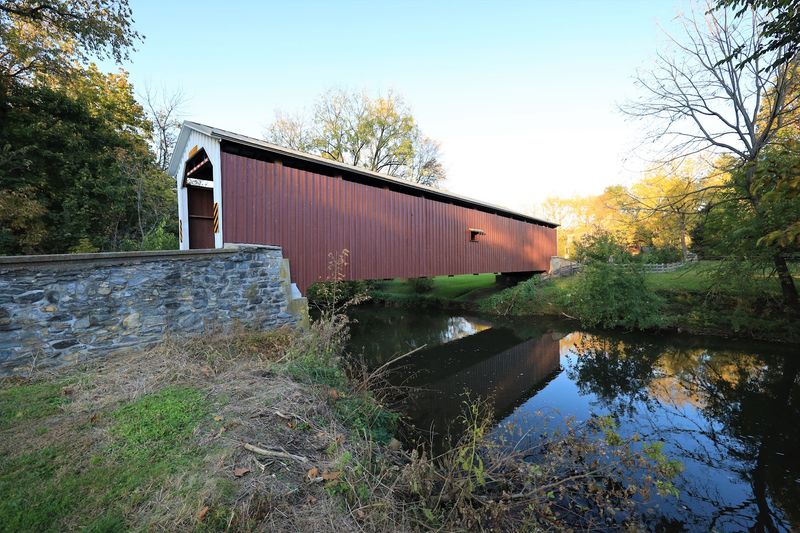
A covered bridge detour adds just the right amount of romance to this road trip.
Lancaster County still has 28 intact covered bridges, and because Pennsylvania helped shape covered bridge building in America, these structures feel like more than scenic extras.
They are part of the region’s architectural identity and its storytelling power.
Several are easy to reach from the Strasburg area, including Neff’s Mill Covered Bridge, which crosses Pequea Creek and dates to the 1870s.
Tucked into low valleys with farmland, fences, and quiet water nearby, these bridges create some of the prettiest pauses along the route.
If you are lucky, you might even see a buggy crossing one, which feels almost impossibly cinematic in person.
What makes these stops special is how naturally they fit into the landscape.
Nothing feels overdeveloped or overly interpreted.
You pull over, take in the creek, admire the timberwork, and suddenly the trip expands beyond food and shops into a deeper appreciation for the county’s history.
It is a small detour that adds a lot.
Bird-in-Hand Has the Name Everyone Remembers and the Food to Match
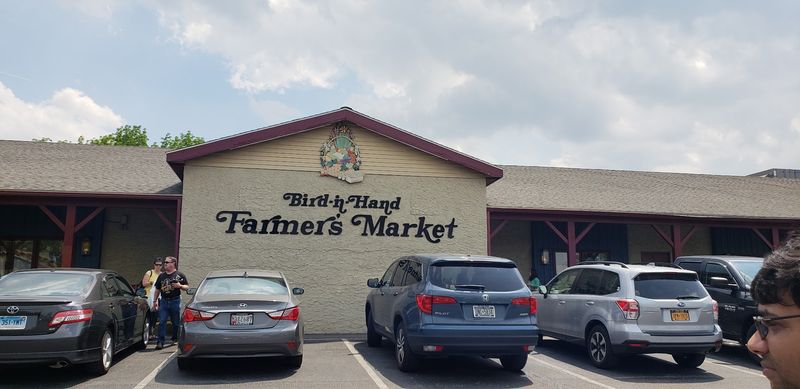
Bird-in-Hand may have the name everyone loves to say, but the real reason to stop is the food.
Just a few miles east of Strasburg on Route 340, this small community packs in farmers market finds, family restaurants, and a strong sense that meals still matter here.
You can taste that almost immediately.
The Bird-in-Hand Farmers Market has been family owned for decades and is one of those places where you want to arrive hungry.
Nearby, Katie’s Kitchen near Ronks serves classic Pennsylvania Dutch breakfasts, lunches, dinners, desserts, and soft-serve that make it very easy to linger longer than planned.
This stretch of the route also has buggy ride outfitters like Abe’s Buggy Rides and Aaron and Jessica’s Buggy Rides.
That mix of good food and hands-on experiences gives Bird-in-Hand real staying power.
It is not just a place to pass through on the way to somewhere else.
If you want a stop that combines local flavor, familiar hospitality, and that signature Amish Country pace, Bird-in-Hand earns its spot on your itinerary.
A Buggy Ride Through Working Amish Farmland Changes Your Perspective
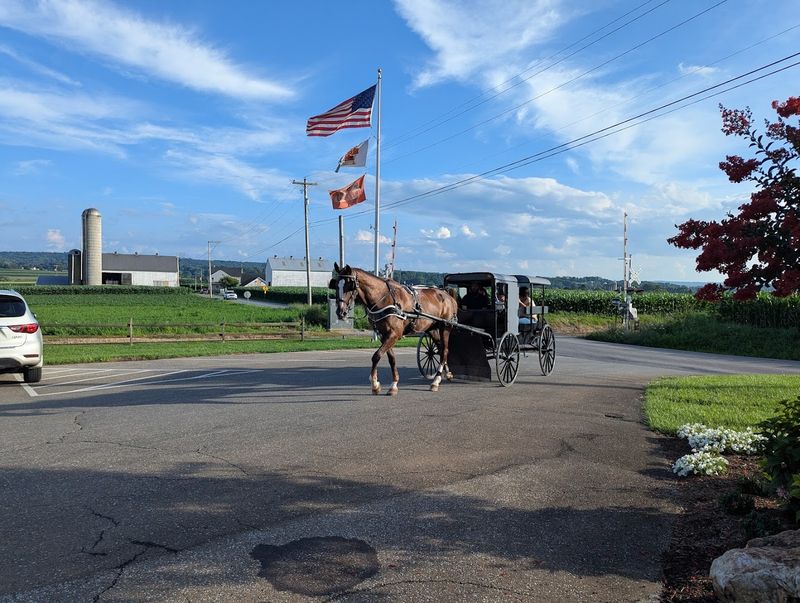
Taking a buggy ride changes the road trip from something you watch through a windshield into something you actually feel.
Several local operators offer rides from about 35 minutes to more than an hour, often along quieter roads that pass working farms, schoolhouses, and wide open fields.
The pace is deliberate, and that is exactly the point.
As the buggy rolls forward, the details come alive differently.
You hear hooves striking the road, wood creaking, birds moving through the fields, and maybe the distant sounds of a farm in motion.
Some rides cross covered bridges, while others stop at farms where you can learn more, watch chores, or meet the family running the place.
What stays with you is not just the scenery but the shift in perspective.
You are no longer hurrying between destinations, and that slower movement changes how you notice the landscape.
It feels intimate without being intrusive, simple without being dull, and memorable in a way that no roadside photo stop can really match.
Kitchen Kettle Village in Intercourse Is Where You’ll Want to Spend an Afternoon
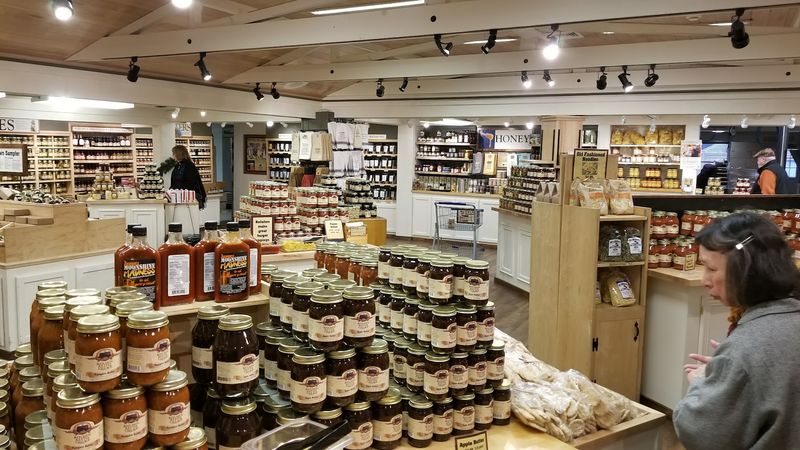
Kitchen Kettle Village is the kind of place where a quick stop easily turns into an entire afternoon.
Located in Intercourse on Old Philadelphia Pike, it began in 1954 with homemade jams and relishes, and has since grown into a lively village with more than 40 shops, eateries, and lodging options.
It feels busy in the best possible way, without losing its small-town warmth.
One of the highlights is watching Amish women prepare jams, pickles, relishes, and salsa in the working canning kitchen.
Around the village, you can browse handmade quilts, sample meats and cheeses at Aged and Cured, grab sweets from Pepper Lane, cool off with Lapp Valley Farm Ice Cream, or support MOMS Pretzels, where profits go to local charities.
Free admission and free parking make it especially easy to build into your route.
What I love is that it never feels like just shopping.
There is texture here, from the smells of fresh food to the craftsmanship on display, and that makes Kitchen Kettle Village one of the most satisfying stops on the trip.
The Food on This Road Trip Is a Destination in Itself
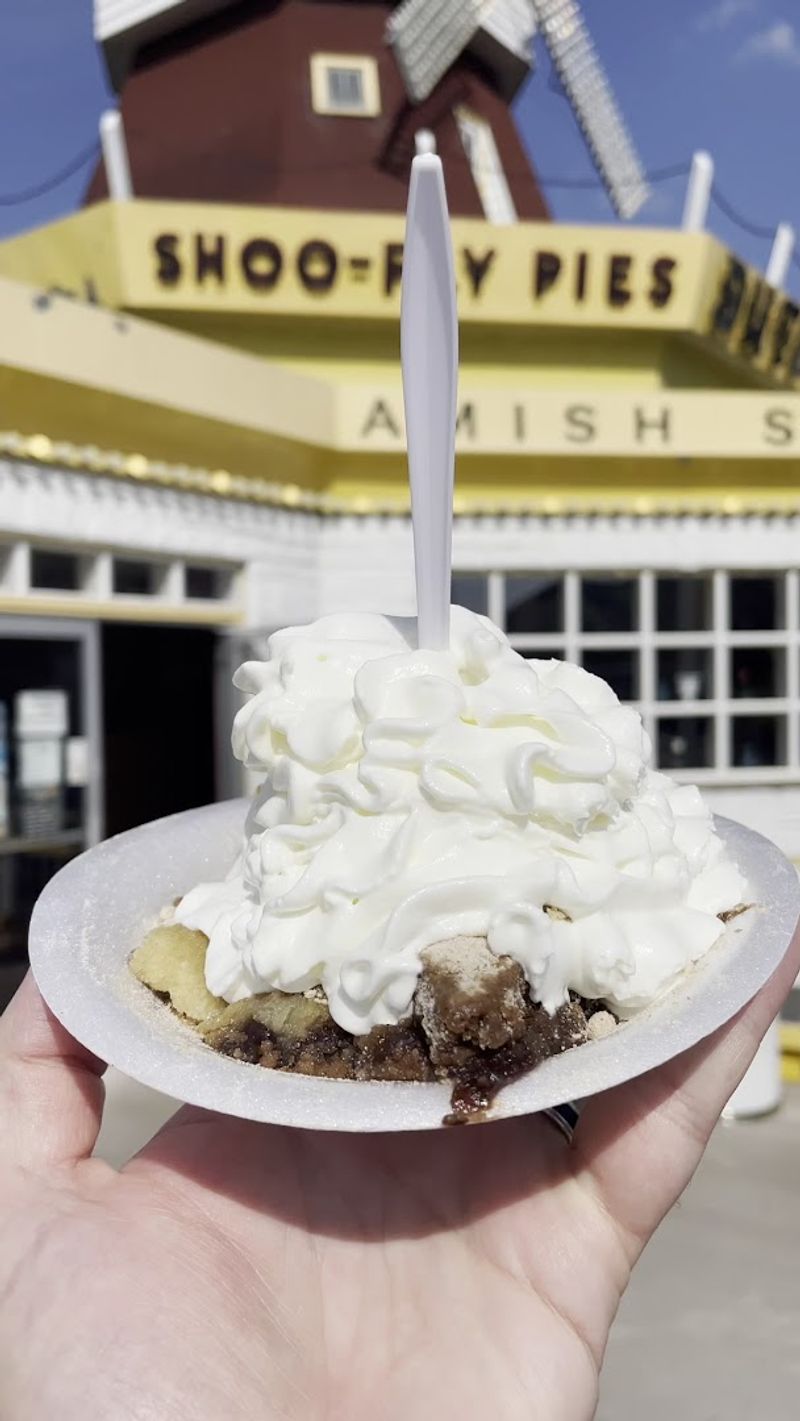
Food is not just part of this road trip, it is one of the main reasons to go.
Across Lancaster County, Pennsylvania Dutch cooking shows up in restaurants, bakeries, markets, and roadside stands, giving the whole drive a delicious sense of continuity.
You are never far from something warm, homemade, and worth pulling over for.
The classics are hearty and deeply comforting: broasted chicken, mashed potatoes, chow chow, scrapple, sticky buns, shoofly pie, and whoopie pies that seem impossible to save for later.
Places like Hometown Kitchen in Quarryville serve traditional Amish wedding meals on Fridays, while the BBQ Barn near Lancaster turns out Amish-cooked barbecue chicken, pork, and ribs.
Many kitchens still rely on recipes handed down through generations.
You can taste the difference in the baked goods especially.
Because many are made without preservatives, they have that just-baked freshness that rarely survives mass production.
If you travel hungry and stay curious, this route becomes more than scenic.
It becomes one long, satisfying meal with unforgettable stops.
Lancaster Central Market Is the Perfect Bookend to the Trip
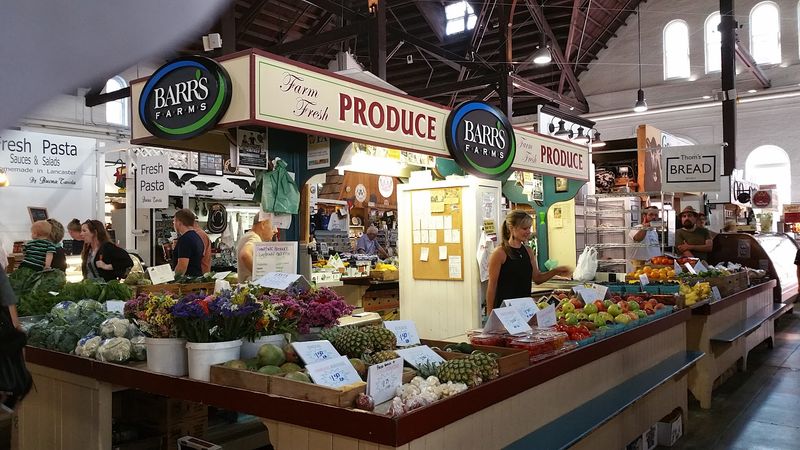
Lancaster Central Market is the perfect final stop because it ties the whole trip together in one historic, flavorful place.
Dating back to 1730, it is the oldest continuously operating farmers market in America, and its current 1889 Romanesque Revival building adds a sense of occasion the moment you step inside.
This is not just a market, but a landmark with real staying power.
Inside, around 60 vendors sell Lancaster County produce, meats, baked goods, flowers, prepared foods, and specialties that reflect the city’s broader cultural mix.
You can move from classic local ingredients to pierogies, empanadas, and Puerto Rican dishes without ever losing the market’s strong regional identity.
Some vendor families have been selling here for more than a century, which gives the place real continuity.
It is open Tuesdays, Fridays, and Saturdays from 6 a.m. to 3 p.m., so planning matters.
CNN once named it one of the world’s best fresh markets, and after a full Amish Country drive, that praise makes complete sense.
It feels historic, useful, communal, and delicious all at once.
You Can Take a Piece of Amish Country Home With You
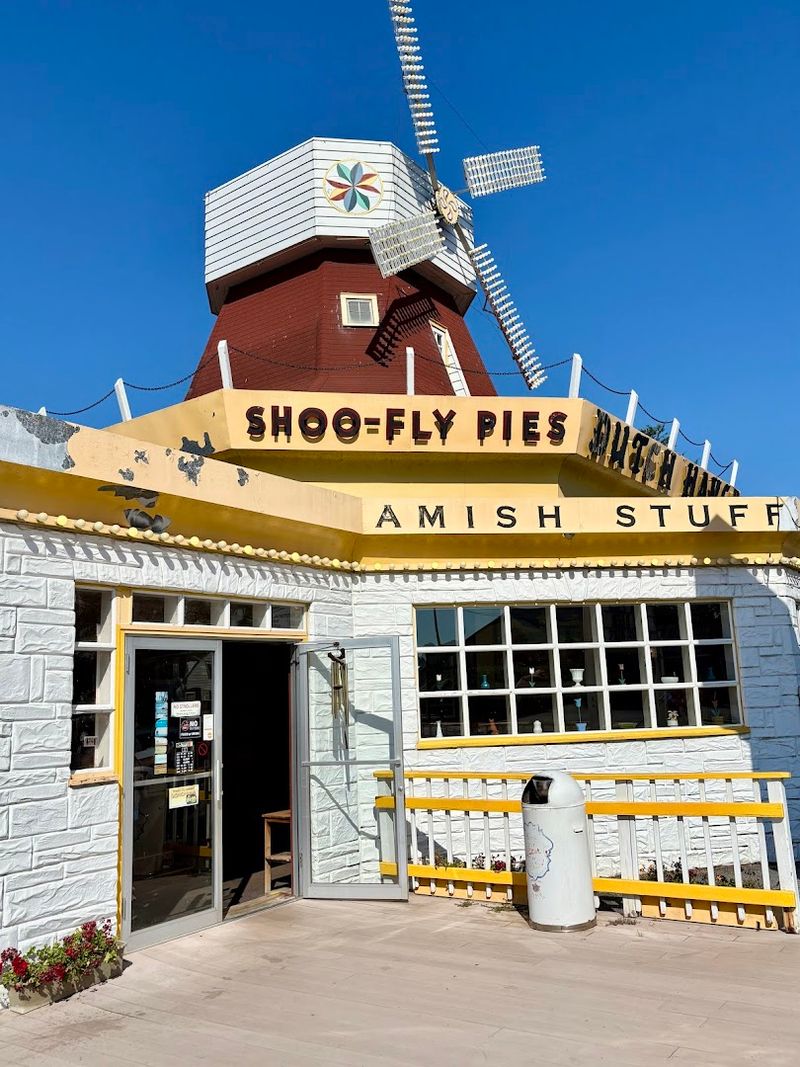
One of the best things about this drive is that it does not end when you get back in the car.
Between roadside stands, Kitchen Kettle Village, and Lancaster Central Market, there are countless ways to bring the region home with you in a form that actually feels meaningful.
The shopping here is less about souvenirs and more about useful, delicious keepsakes.
Handmade quilts, locally crafted furniture, pepper jam, chow chow, smoked meats from S.
Clyde Weaver, fresh shoofly pie, and hand-thrown pottery are some of the staples.
If your family falls in love with something you taste along the route, many shops also sell jarred, packaged, or ready-to-ship versions so you can recreate those flavors later.
That makes the memories feel pleasantly practical.
I always think the best travel purchases are the ones that return to your life naturally.
A jar opened on a winter day, a quilt spread across a guest bed, or a loaf shared with friends can bring the trip back in an instant.
Amish Country gives you plenty of chances to do exactly that.
Plan Your Amish Country Road Trip
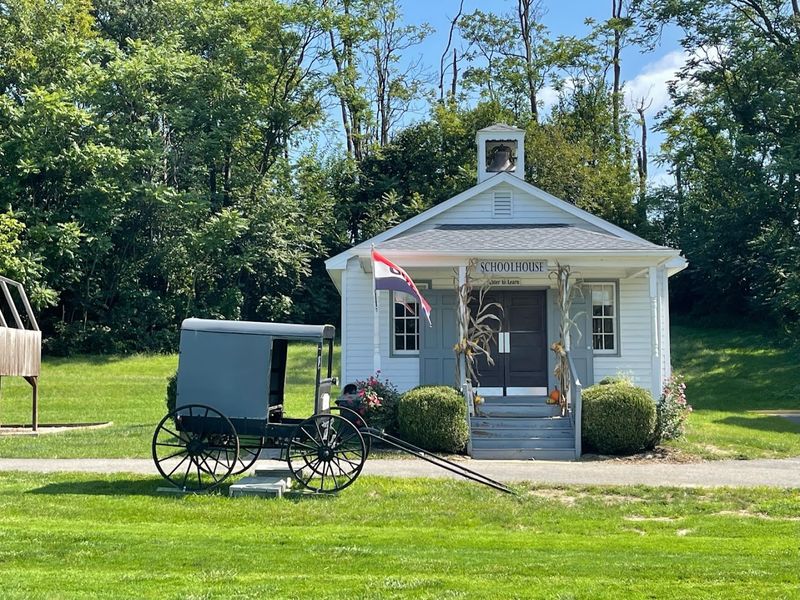
Planning this road trip is refreshingly simple, which is part of its charm.
The full route is roughly 30 miles, beginning in Lancaster and looping east through Strasburg, Bird-in-Hand, Ronks, and Intercourse before returning to the city.
You can absolutely do it in one day, but an overnight stay makes it much easier to match the slower pace that defines the region.
Timing matters more than mileage here.
Most Amish-owned businesses are closed on Sundays, and Lancaster Central Market only operates on Tuesdays, Fridays, and Saturdays from 6 a.m. to 3 p.m.
Spring through fall usually brings the best farmland views, the liveliest roadside stands, and the strongest overall sense of the countryside in motion.
Reservations are smart for buggy rides and the Strasburg Rail Road, especially during peak season.
It is also worth remembering to drive carefully on narrow roads shared with buggies and farm traffic, and to be respectful about photos.
If you plan lightly, stay flexible, and leave room to wander, this trip rewards you at every turn.