
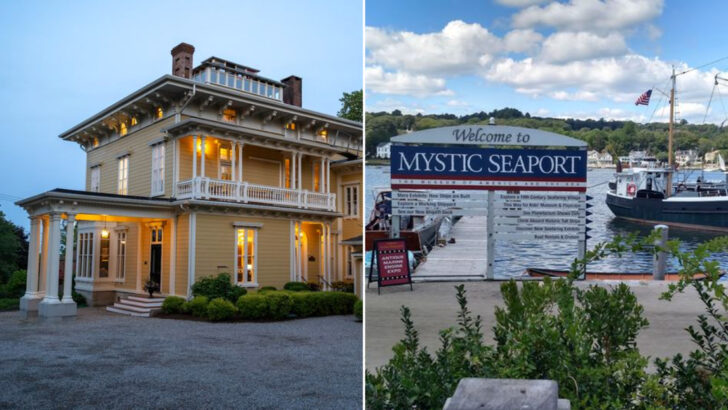
Tucked along the coast of southeastern Connecticut, Mystic is the kind of place that makes you feel like you have stepped onto a cobblestone street in some charming European harbor town. With its historic drawbridge, centuries-old sea captain homes, and salt-tinged breezes rolling off the Mystic River, this small village packs an enormous amount of character into just a few square miles.
Whether you love maritime history, fresh seafood, or simply wandering through a picturesque town, Mystic has something that will win you over completely. Get ready to discover why so many travelers say this Connecticut gem rivals any old-world coastal escape across the Atlantic.
The Iconic Mystic Drawbridge
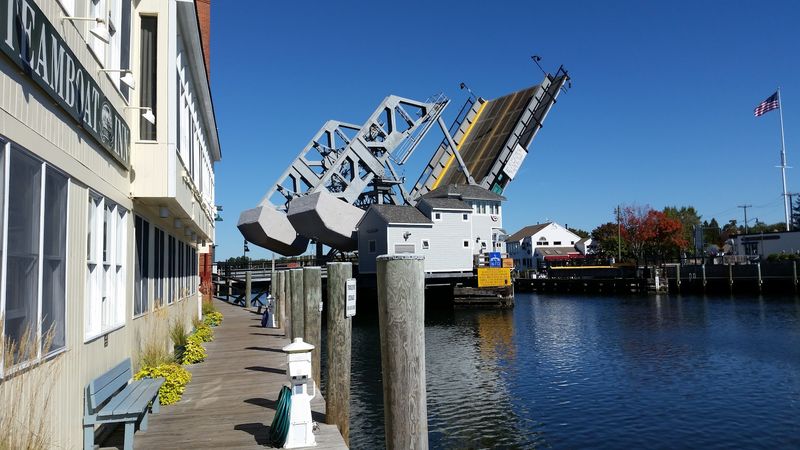
Few sights in New England are as instantly recognizable as the Mystic Bascule Drawbridge, a vintage iron structure that has been raising and lowering over the Mystic River since 1922. Standing near its banks, you can almost hear echoes of the tall ships that once sailed beneath it.
The bridge is the beating heart of the village, and life in Mystic seems to slow down just a little every time it creaks open to let a vessel through.
Locals and visitors alike gather along the riverbanks to watch the bridge lift, snapping photos and savoring the unhurried pace of coastal life. It is one of those rare places where a mechanical structure somehow feels deeply romantic.
The surrounding streetscape, complete with brick storefronts and flowering window boxes, only adds to the European village atmosphere.
If you time your visit right, you can catch the bridge in action multiple times a day during boating season. Grabbing a coffee from a nearby cafe and watching the whole scene unfold is one of the most satisfying free experiences Mystic offers.
It is simple, charming, and utterly unforgettable for first-time visitors and longtime fans alike.
Mystic Seaport Museum
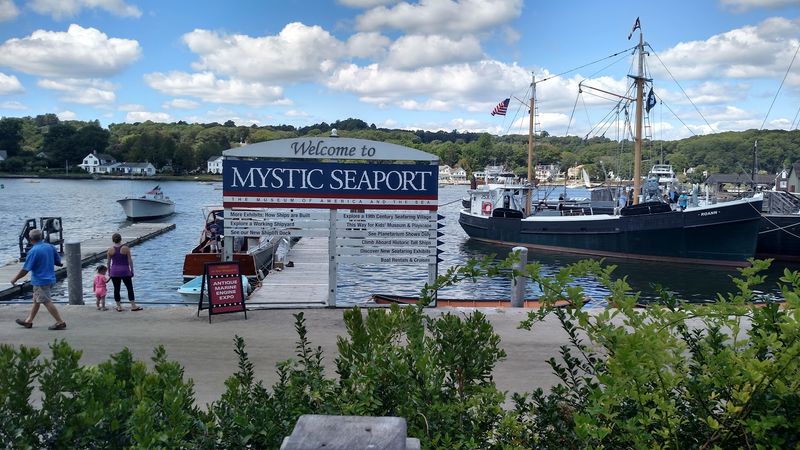
Step back in time the moment you walk through the gates of Mystic Seaport Museum, the largest maritime museum in the entire United States. Spread across 19 acres along the Mystic River, this living history museum recreates a 19th-century New England seafaring village in stunning, walkable detail.
Cobblestone lanes, rigging shops, a working shipyard, and costumed interpreters make the past feel surprisingly alive.
The museum is home to the Charles W. Morgan, the last surviving wooden whaleship in the world, built in 1841.
Climbing aboard this legendary vessel gives you a visceral sense of how grueling and adventurous life at sea truly was for the sailors of that era. Children especially love exploring the ship’s cramped quarters and imagining life on a months-long voyage across open ocean.
Beyond the ships, the museum hosts rotating exhibits, planetarium shows, and hands-on sailing programs throughout the year. History buffs will find themselves lingering for hours among the thousands of maritime artifacts, figureheads, and navigational instruments on display.
Mystic Seaport Museum is not just an attraction; it is the reason many visitors make the trip to Mystic in the first place, and it rarely disappoints anyone who walks through its doors.
The Mystic Aquarium
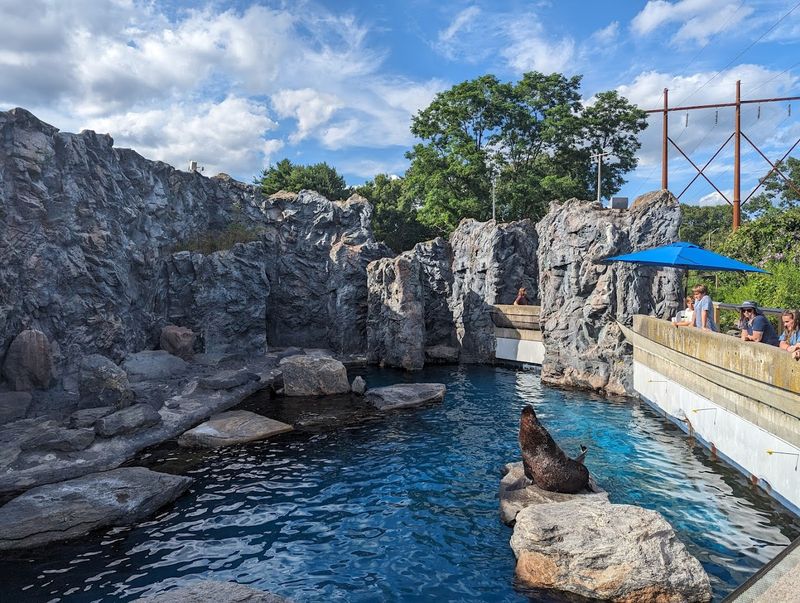
Home to beluga whales, African penguins, and more than 300 species of sea life, Mystic Aquarium is one of the most beloved family attractions on the entire East Coast. The aquarium has been welcoming visitors since 1973, and it has only grown more impressive with time.
Its mission blends entertainment with genuine marine science research, making every exhibit feel both educational and thrilling.
The beluga whale habitat is the undisputed star of the show. Watching these gentle, round-headed creatures glide through the water just inches from the viewing glass is a moment that tends to silence even the most energetic kids.
The aquarium also offers behind-the-scenes tours and animal encounter programs that let visitors get even closer to the marine life they admire.
What makes Mystic Aquarium stand out from similar facilities is its commitment to ocean conservation. Interactive exhibits explain the real threats facing marine ecosystems today, inspiring visitors of all ages to care more deeply about the world beneath the waves.
Plan to spend at least three to four hours here, especially if you are traveling with children. It is the kind of place that sparks curiosity and wonder long after you have headed home for the day.
Charming Downtown Mystic Shopping
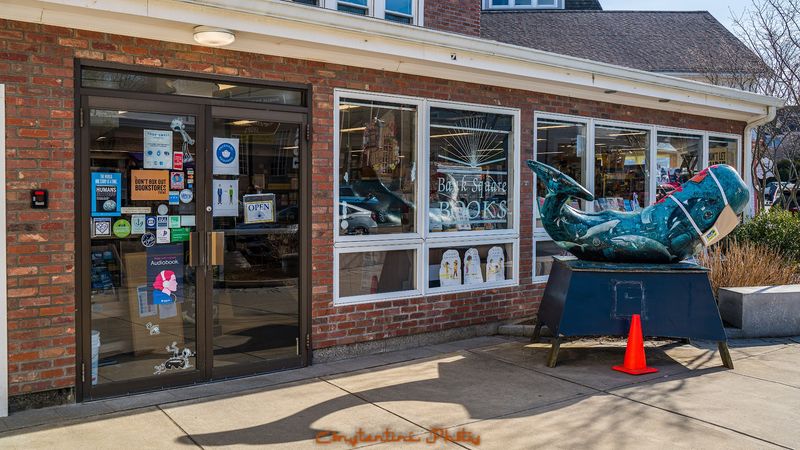
Wandering through downtown Mystic feels a lot like strolling through a boutique shopping district in a French coastal town. Independent shops, art galleries, and specialty stores line the streets on both sides of the river, offering everything from handcrafted jewelry to nautical antiques and locally made goods.
There is not a chain store in sight, which gives the whole district a refreshingly personal character.
Booklovers should not miss Bank Square Books, a beloved independent bookstore that has been a community anchor for decades. The staff recommendations are always worth reading, and the cozy browsing atmosphere makes it easy to lose track of time entirely.
Nearby, you will find shops selling handmade candles, maritime-themed art prints, vintage clothing, and artisan chocolates.
Shopping in Mystic is less about finding bargains and more about discovering things you did not know you needed until you saw them. Many shop owners are locals with deep roots in the community, and a quick conversation can lead to the best restaurant tip or hidden gem you would never have found on your own.
Rainy afternoon or bright sunshine, browsing through downtown Mystic is always a pleasure worth building into your visit schedule.
Fresh Seafood on the Waterfront
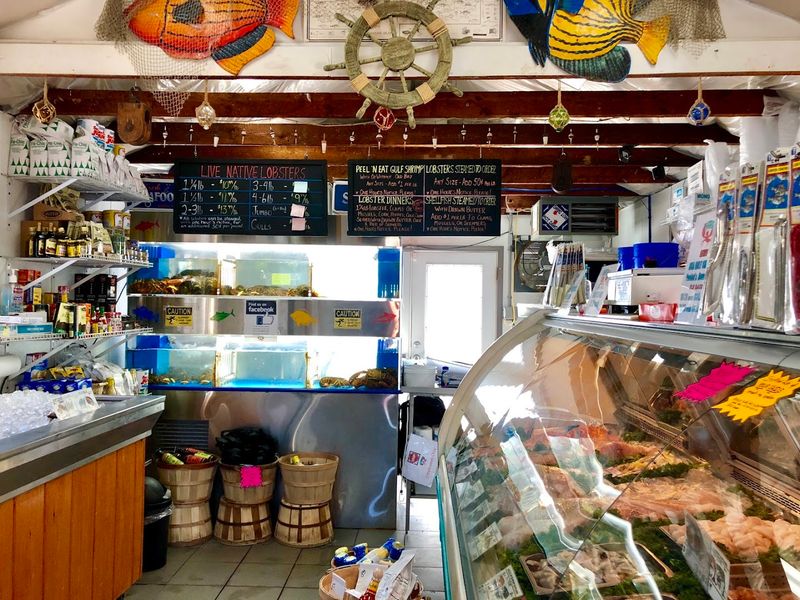
There is something almost ceremonial about eating fresh seafood right on the water in Mystic. The town sits at the mouth of the Mystic River where it flows into Fishers Island Sound, meaning the seafood here is about as fresh as it gets anywhere in New England.
Lobster rolls, chowder, raw oysters, and steamed clams are all staples of the local dining scene, and they taste noticeably better with a river view.
Abbott’s Lobster in the Rough, located just a few minutes away in nearby Noank, has been a regional institution since 1947. Visitors happily wait in line for steamed lobsters eaten at picnic tables overlooking the water.
Back in the heart of Mystic, S&P Oyster Co. offers a more polished waterfront dining experience with an impressive raw bar that draws seafood lovers from across the region.
Even the casual spots in Mystic take their seafood seriously. Chowder competitions, oyster festivals, and seasonal menus that change with the catch of the day are all part of the culinary culture here.
For anyone who loves ocean-to-table eating, Mystic delivers an experience that rivals the best coastal towns in Maine, Portugal, or even the south of France.
Sailing and Kayaking on the Mystic River
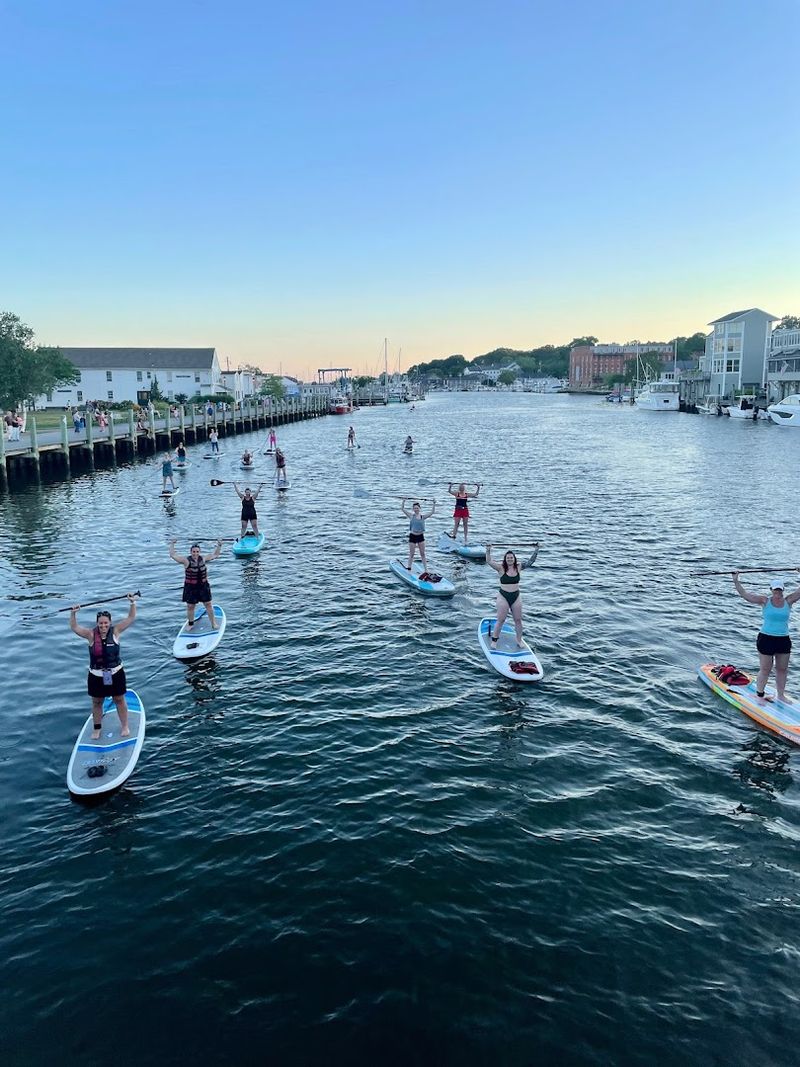
Getting out on the water is one of the best ways to truly feel the spirit of Mystic. The Mystic River and the surrounding waterways offer some of the most scenic paddling in all of Connecticut, with calm stretches ideal for beginners and more adventurous routes for experienced kayakers and paddleboarders.
Rental outfitters make it easy to gear up and launch without needing to bring your own equipment.
Sailing has been part of Mystic life for over two centuries, and the tradition is alive and well today. Several local operators offer sailing excursions on the river and out into the sound, ranging from casual two-hour sunset cruises to full-day adventures.
There is a particular magic to seeing the Mystic skyline and historic drawbridge from the water, framed by bobbing masts and open sky.
For those who prefer a more leisurely experience, simply renting a rowboat and drifting along the river for an afternoon is deeply satisfying. The pace of the water matches the pace of the town perfectly.
Mystic has a way of reminding you that slowing down is not laziness; it is actually the most sensible way to experience a place this beautiful. The river will do the rest.
The Olde Mistick Village
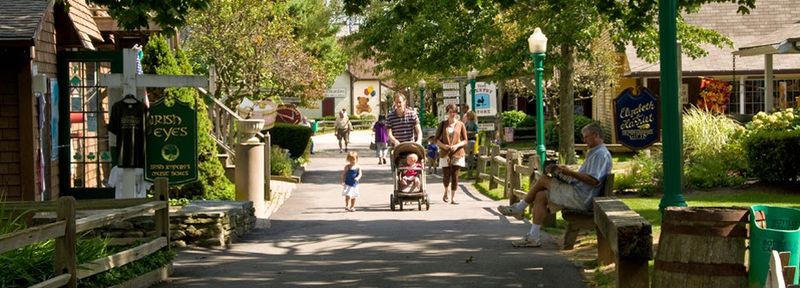
Built to look like an 18th-century New England village, Olde Mistick Village is a shopping and dining complex that somehow manages to feel genuinely charming rather than touristy. Opened in 1973, this outdoor marketplace features over 60 shops arranged around a working watermill, a duck pond, and a white wooden church.
The colonial architecture gives the whole place a storybook quality that visitors consistently find delightful.
Shops here range from Christmas ornament boutiques and candle makers to clothing stores, toy shops, and specialty food vendors. It is a wonderful spot for picking up gifts, souvenirs, and unique items that feel distinctly New England in character.
The village is especially magical during the holiday season when lights and decorations transform it into something that feels pulled from a Dickens novel.
What surprises many visitors is how relaxing the atmosphere feels despite being a retail destination. The layout encourages slow wandering, the landscaping is beautifully maintained, and the sound of the watermill provides a gentle, constant soundtrack.
Families with young children appreciate the open green spaces and the duck pond, which inevitably becomes a highlight for the smallest visitors. Olde Mistick Village proves that good design and a sense of place can make even shopping feel like an experience worth savoring.
Historic Sea Captain Homes and Architecture
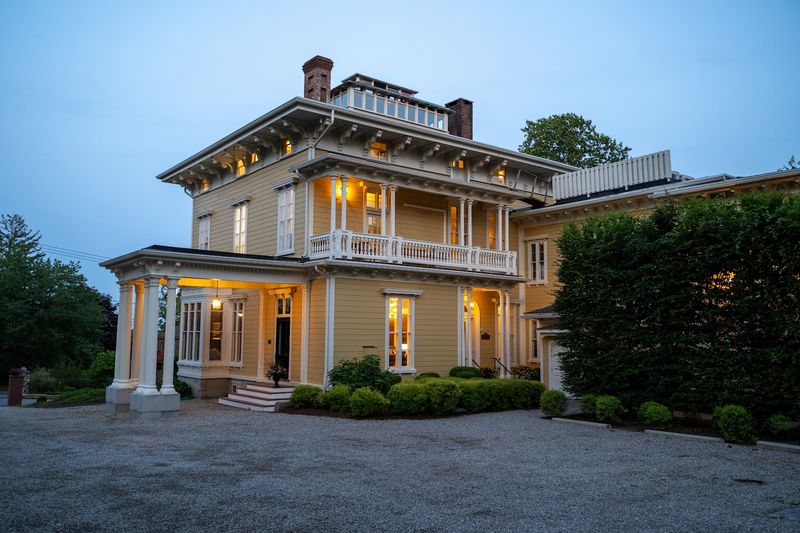
Between 1784 and the late 1800s, Mystic was one of the most productive shipbuilding ports in America, launching more than 600 vessels over the course of 135 years. That extraordinary maritime heritage left behind a neighborhood of historic homes that rivals anything you might find in a preserved European coastal town.
Walking the residential streets near the river is like flipping through a beautifully illustrated history book.
Many of the homes here were built by prosperous sea captains and ship owners who wanted their success reflected in their architecture. Greek Revival, Federal, and Victorian styles stand shoulder to shoulder along shaded streets, each one immaculately maintained.
Look up and you will often spot a widow’s walk, the small rooftop platform where wives once watched the horizon for their husbands’ returning ships.
Several of these homes are now bed and breakfasts, giving visitors the rare opportunity to actually sleep inside a piece of living history. Waking up in a 19th-century captain’s house, with wide-plank floors and original woodwork all around you, adds a dimension to a Mystic visit that no hotel can replicate.
Architecture enthusiasts will want to set aside a full morning just for leisurely strolling and photographing the remarkable streetscapes this village preserves so proudly.
Stonington Borough Day Trip
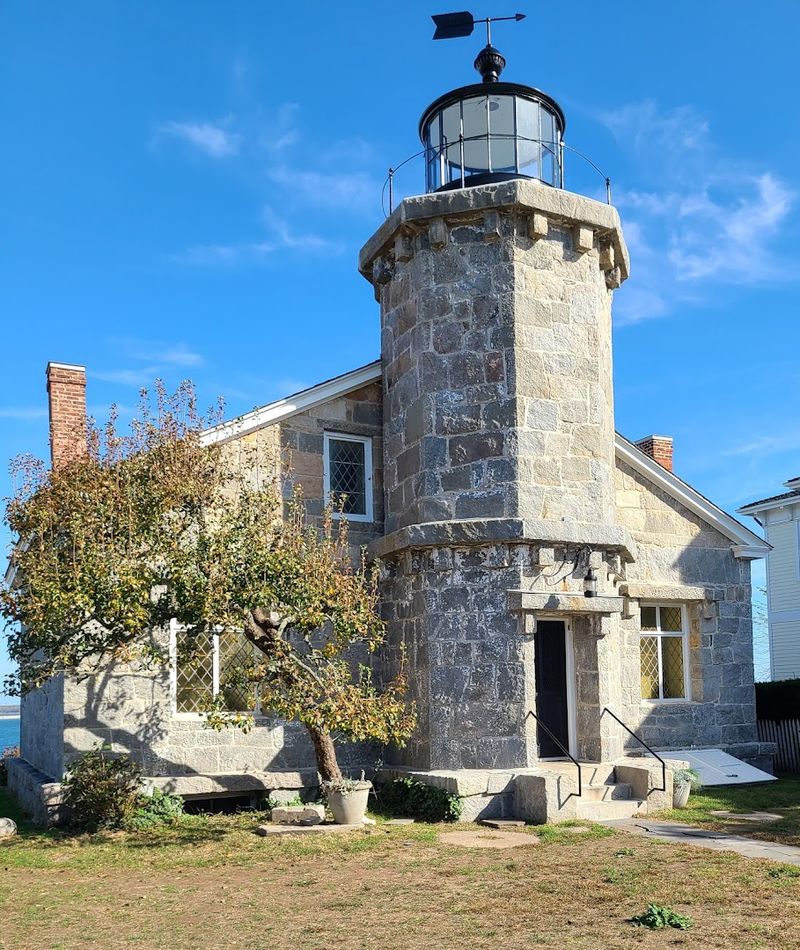
Just a short drive from the center of Mystic, Stonington Borough is a narrow peninsula jutting into the sea that feels like it has been preserved in amber since the 1800s. Many visitors combine a Mystic trip with an afternoon in Stonington, and the pairing is almost too good.
Together, these two villages create a coastal experience that is genuinely hard to match anywhere else in New England.
The borough’s main street is lined with Federal-style brick buildings housing antique shops, wine bars, and art galleries. At the very tip of the peninsula, the Old Lighthouse Museum sits perched above a rocky shoreline offering sweeping views of three states on a clear day.
It is the kind of vista that makes you understand immediately why people chose to build their lives here.
Stonington is also home to the last remaining commercial fishing fleet in Connecticut, and mornings at the docks have an authentic, unhurried energy that feels worlds away from tourist-focused waterfront areas. Picking up fresh-caught fish directly from the boats is a genuine local experience.
Between Mystic and Stonington, you get a two-for-one coastal adventure that covers history, scenery, food, and culture with remarkable efficiency and charm.
Mystic Pizza and Pop Culture History
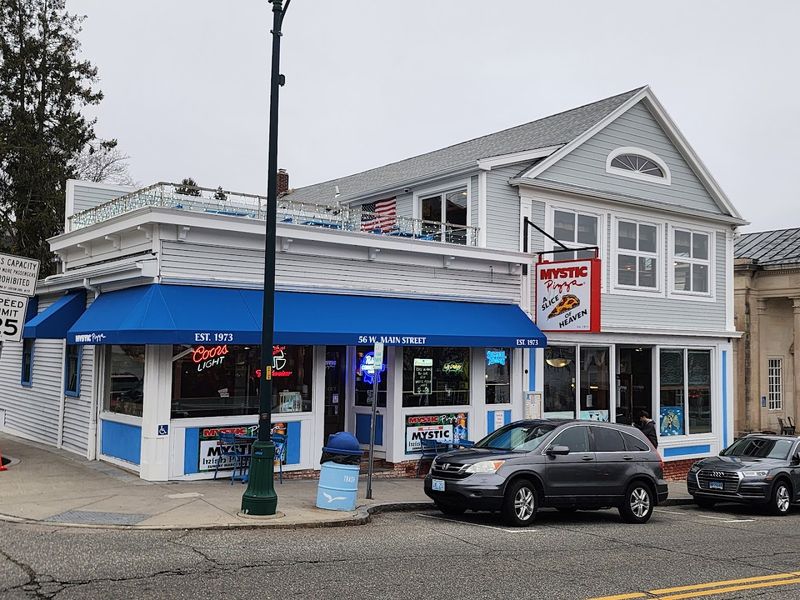
Long before food tourism was a trend, people were making pilgrimages to a small pizza joint in Mystic, Connecticut, all because of a 1988 movie starring a then-unknown actress named Julia Roberts. Mystic Pizza, the film, put this village on the cultural map in a way that decades of tourism brochures never could.
The actual restaurant is still open, still serving pizza, and still drawing visitors from every corner of the country.
The original Mystic Pizza restaurant on West Main Street has leaned into its fame with cheerful confidence. Movie memorabilia lines the walls, and the staff is well accustomed to posing for photos with starstruck guests.
The pizza itself is legitimately good, with a secret sauce recipe that the owners have guarded jealously since the 1970s. It is comfort food with a side of nostalgia.
What makes this stop so enjoyable is that it captures something true about Mystic: the town has always had an outsized cultural presence relative to its small size. From whaling ships to Hollywood movies, Mystic keeps finding ways to capture the imagination of people far beyond its borders.
Visiting Mystic Pizza is equal parts lunch stop and pop culture pilgrimage, and it delivers satisfyingly on both counts every single time.