Four copper frogs, each 11 feet tall, sit on giant spools of thread above a busy highway bridge. They even have names.
Manny, Willy, Windy, and Swifty keep watch over traffic every single day.
The story behind them is even stranger than the statues. Back in 1754, a whole town woke up in a panic over terrifying noises in the dark.
People grabbed what they could and braced for an attack.
The culprits turned out to be bullfrogs. A dry summer pond had pushed them into a noisy fight over the last bit of water.
I love that Connecticut turned a night of pure panic into one of the quirkiest landmarks in New England. I can’t imagine a better reason to build a bridge.
So how did a frog brawl end up on a highway?
Four Copper Frogs Rule The Road Here
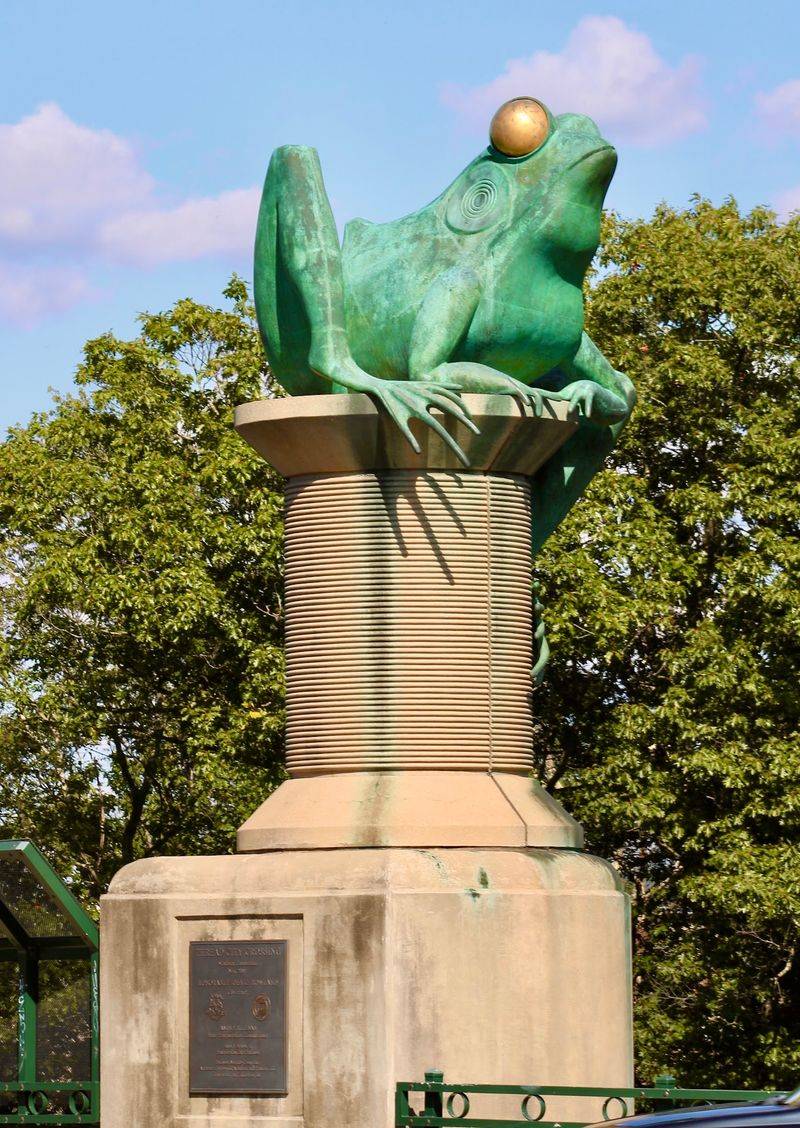
Giant frogs on a highway bridge? That’s exactly what you get at the Frog Bridge, officially named the Thread City Crossing.
It carries South Street over the Willimantic River and a rail line.
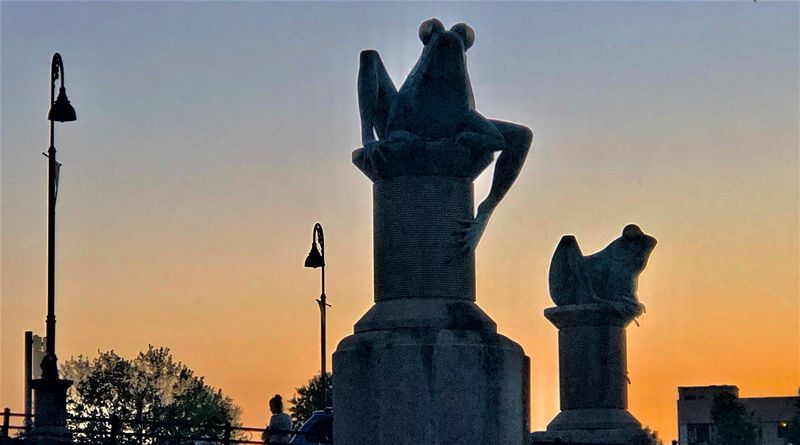
Each corner holds one copper frog standing about 11 feet tall. They perch on huge concrete spools of thread, which feels both silly and strangely dignified.
The frogs also have names. Meet Manny, Willy, Windy, and Swifty, the most famous foursome in this part of Connecticut.
Artist Leo Jensen of Ivoryton, Connecticut, created the sculptures. Each frog cost about 50,000 dollars back then, so nobody treated this as a small joke.
I like how the frogs don’t try to blend in. They sit high above traffic with a calm, slightly smug look, like they own the place.
Honestly, maybe they do. Most drivers know the bridge only by its frog nickname, and the official name barely gets mentioned.
The bridge itself stretches 476 feet. That gives you plenty of space to spot all four frogs as you cross from one end to the other.
Good luck crossing just once. Most people want a second look.
The Night A Whole Town Thought It Was Under Attack
It was a hot summer night in 1754. The people of Windham woke to loud, frightening noises coming out of the darkness.
Tensions ran high because of the French and Indian War. Many residents believed an attack was happening right outside their homes.
Some townsfolk reportedly prepared to defend themselves. Others simply waited, wide awake and nervous, for the sun to come up.
Morning brought the answer, and it was not soldiers. A nearby pond, shrunken by drought, was full of bullfrogs that had battled over the remaining water.
The pond is often called Frog Pond or Follett’s Pond. Hundreds of frogs were found there, ending a very bad night for the amphibians.
The story became known as the Battle of the Frogs. You may also hear it called the Great Windham Frog Fight, or Frog Fright.
I believe that second name fits best. The frogs fought, sure, but the people did most of the panicking.
That mix of fear and embarrassment is why the tale stuck around for centuries. Nobody forgets a story where the enemy turned out to croak.
Those Giant Spools Tell A Second Story
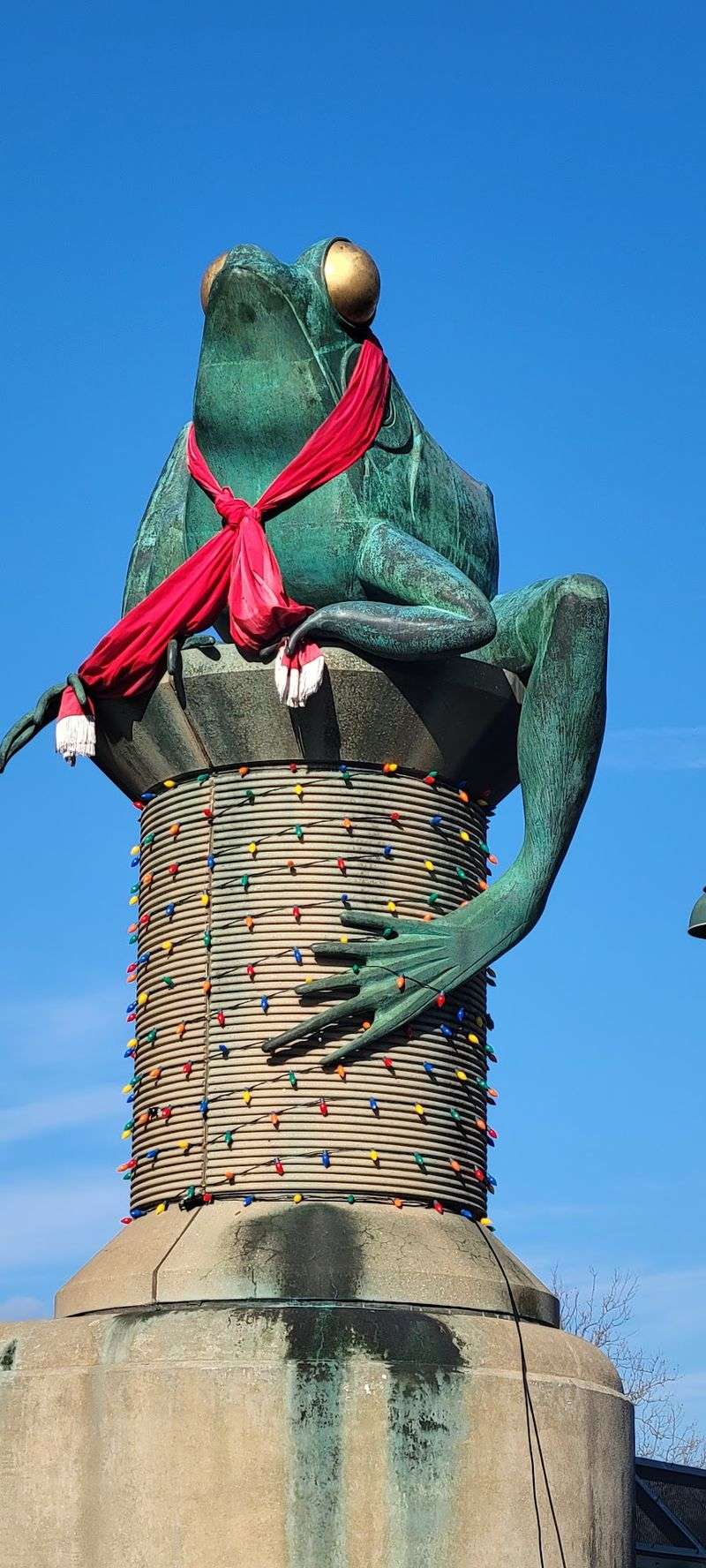
Look closely below the frogs. Those chunky pedestals are shaped like spools of thread, and they matter just as much as the frogs.
Willimantic was once a major textile manufacturing center. Its mills produced so much thread that the city earned the nickname Thread City.
That’s where the bridge’s official name, the Thread City Crossing, comes from. The design blends two local identities into one big structure.
Think of it as a history lesson you can read at 30 miles per hour. Frogs stand for the legend, while spools stand for the mills.
I love how the design avoids a boring plaque approach. Instead, it turns local pride into something big, round, and impossible to miss.
Kids usually notice the frogs first. Once you explain the spools, they often start spotting thread references around town too.
That small detail gives the bridge more depth. It honors the workers and factories that shaped Willimantic long before the frogs took their seats.
So when you snap a photo, include the spool. Half the story sits right there under those webbed feet.
Blame A Plain Design For All These Frogs
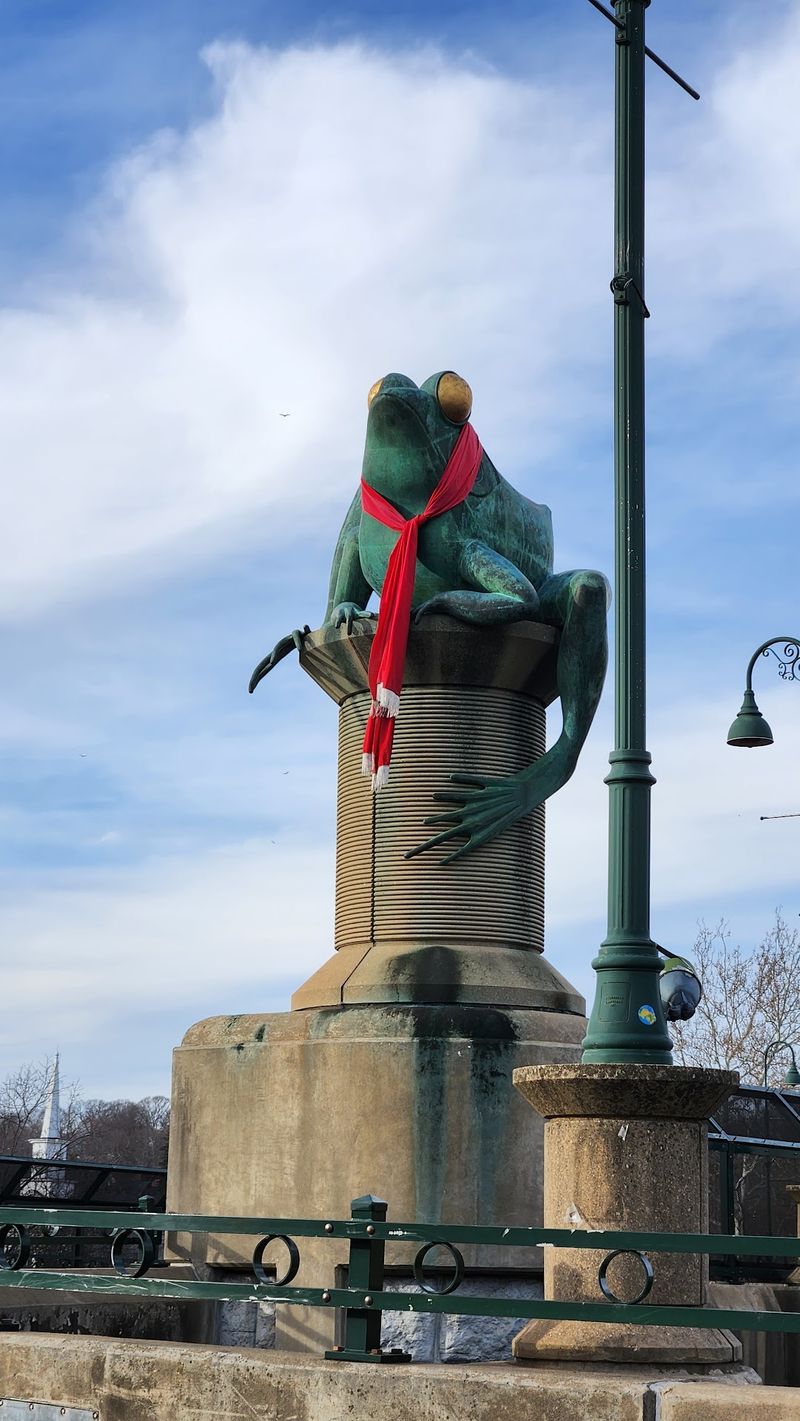
Plain bridges rarely make headlines. The first design for this crossing was considered too plain, and the community spoke up.
That input changed everything. Local residents wanted a bridge that reflected where they lived, not just a slab of concrete.
The frog idea came from David E. Philips, author of Legendary Connecticut.
He knew the 1754 legend well and saw its potential.
Suddenly a basic road project had personality. The final plan added the frogs, the spools, and a big dose of local charm.
The bridge opened in September 2000. The full project wrapped up in fall 2001, connecting Route 66 and Route 32.
Then came national attention. In 2002, the Federal Highway Administration gave it an Honorable Mention for Excellence in Highway Design.
Not bad for an idea built on panicked colonists and squabbling bullfrogs. It proves that listening to a community can make public projects much more memorable.
I can’t imagine the plain version getting this much love today. Concrete is useful, but copper frogs are unforgettable.
Windham Took The Frog And Never Let Go
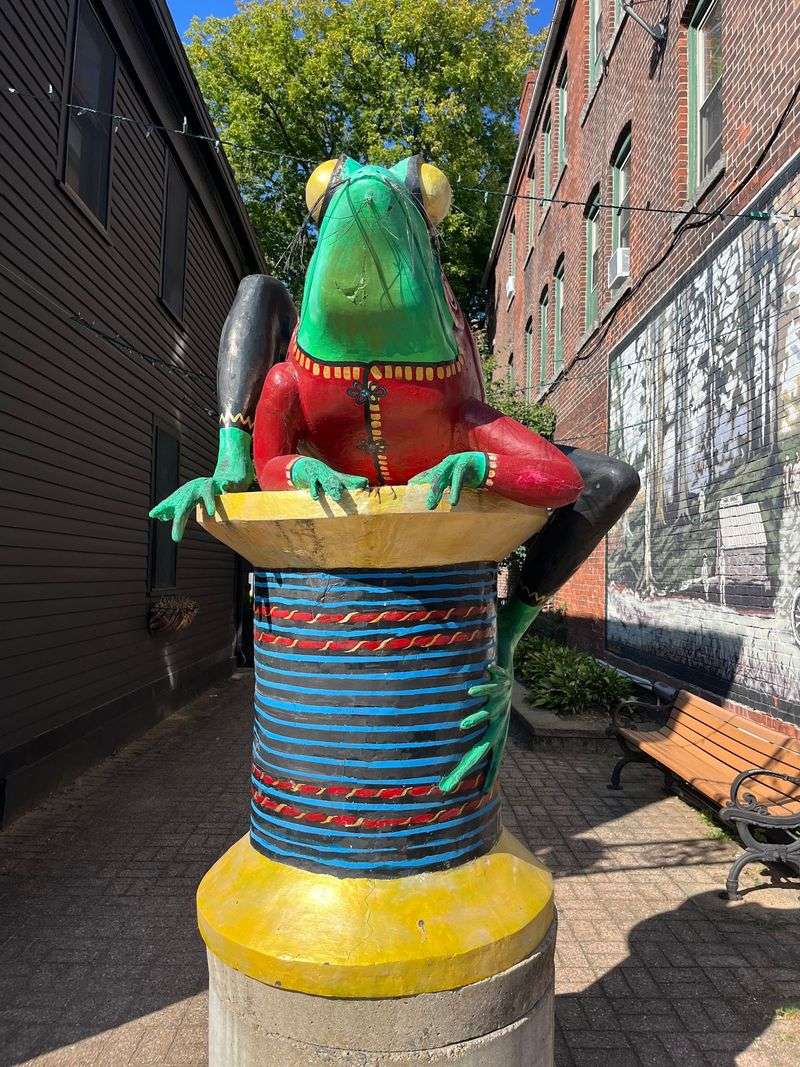
Most towns would want to bury an embarrassing story. Windham did the opposite and made the bullfrog its official mascot of sorts.
The frog appears on the town seal. It even showed up on local banknotes, which means frogs were once literally part of the money.
The legend also inspired ballads and an operetta. Yes, people set a frog fight to music and performed it.
I like a town that can laugh at itself. Few places have turned a night of wild fear into such a lasting, cheerful symbol.
Willimantic is now part of Windham. So the bridge frogs carry on a tradition that started more than two centuries before they arrived.
Keep an eye out around town. Frog images pop up in many spots, so the bridge is only the biggest example.
That frog pride gives the bridge its meaning. Without the seal, songs, and stories, these statues would just be odd decorations.
With them, the frogs feel like local celebrities. Very large, very green-gold, very patient celebrities.
Scarves, Hats, And Holiday Frog Fashion
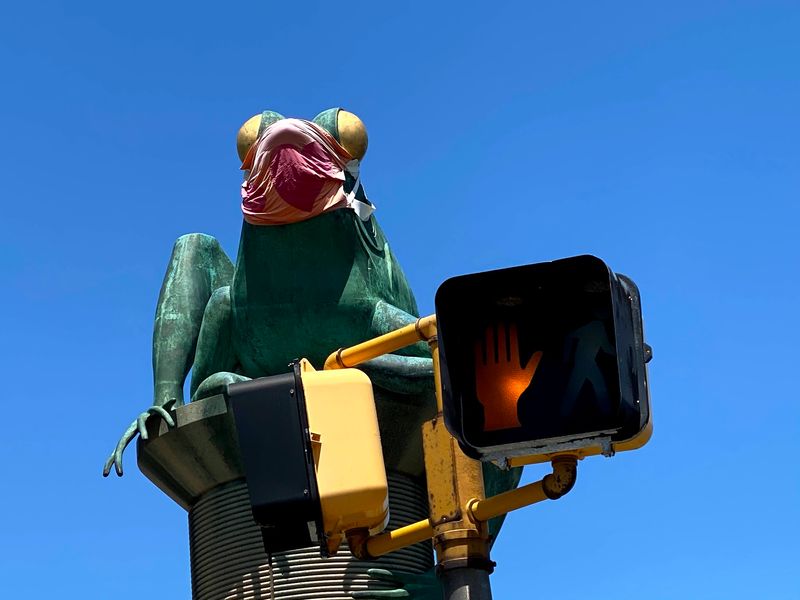
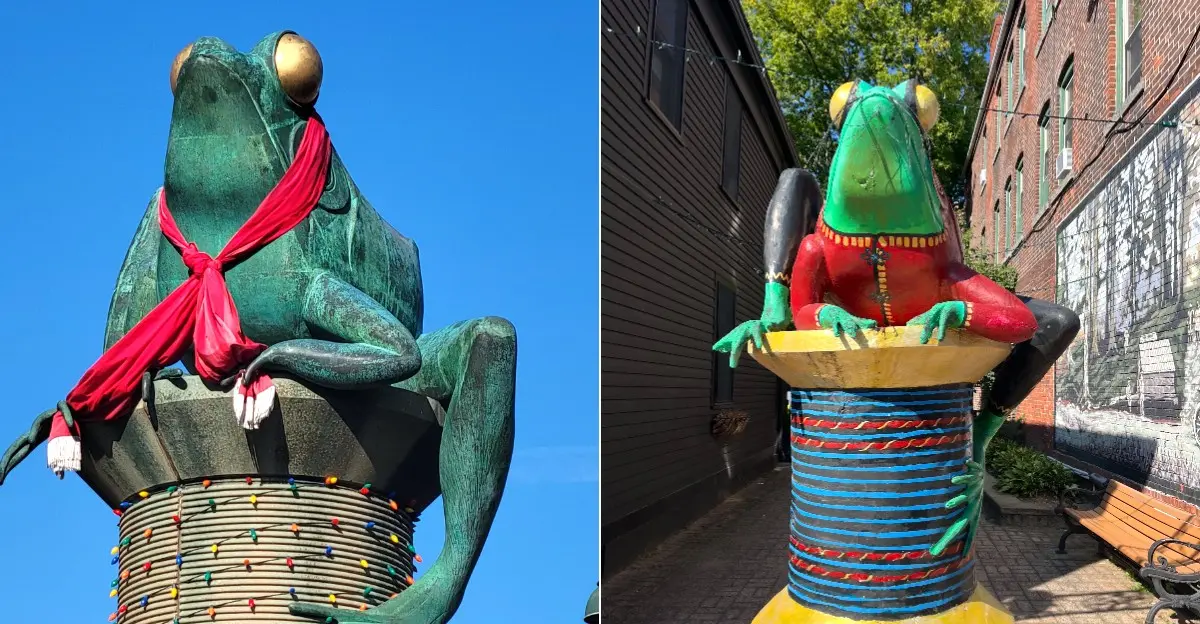
Copper frogs don’t get cold, but someone still dresses them up. The statues are known to wear festive decorations during holidays.
Winter is a favorite time to see them. The frogs have been spotted wearing scarves, which makes them look ready for a snowy walk.
Christmas brings extra cheer to the bridge. A frog in holiday gear is a surprisingly good mood booster during a gray Connecticut December.
Decorations can change through the year. That means a repeat visit might reveal a whole new look for Manny, Willy, Windy, and Swifty.
I love this tradition because it keeps the bridge playful. The frogs feel less like monuments and more like neighbors.
If you want photos, plan around a holiday season. Just know decorations aren’t guaranteed on any specific date.
Check local news or community pages before you go. That can help you time your trip for the best frog fashion.
Even undressed, they still look great. Their gold eyes and copper skin shine just fine on their own.
Read The Plaque Before You Leave
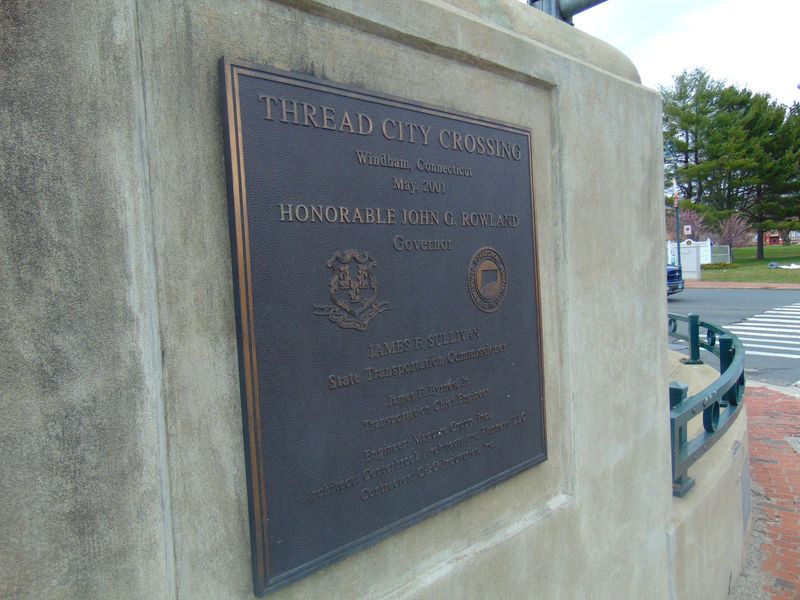
Here’s a small stop with a big payoff. A plaque near the bridge shares the story of the Windham Frog Fight of 1754.
The tone leans humorous, which fits perfectly. You get the history without feeling like you’re stuck in a classroom.
It takes only a few minutes to read. Those minutes turn the frogs from cute statues into characters with a real backstory.
I believe every visitor should stop for it. Seeing the frogs is fun, but knowing why they exist makes the moment stick.
Families can turn it into a mini game. Ask kids to guess why frogs are on the bridge before reading the answer.
Most guesses will be wrong, and that’s half the fun. Nobody expects the real answer to involve a midnight panic and a dried-up pond.
Bring a phone for photos of the text. You’ll want to retell the story later at dinner.
Trust me, it’s a great conversation starter. Few historical markers get this many laughs.
How To See The Frogs Without Becoming Roadkill
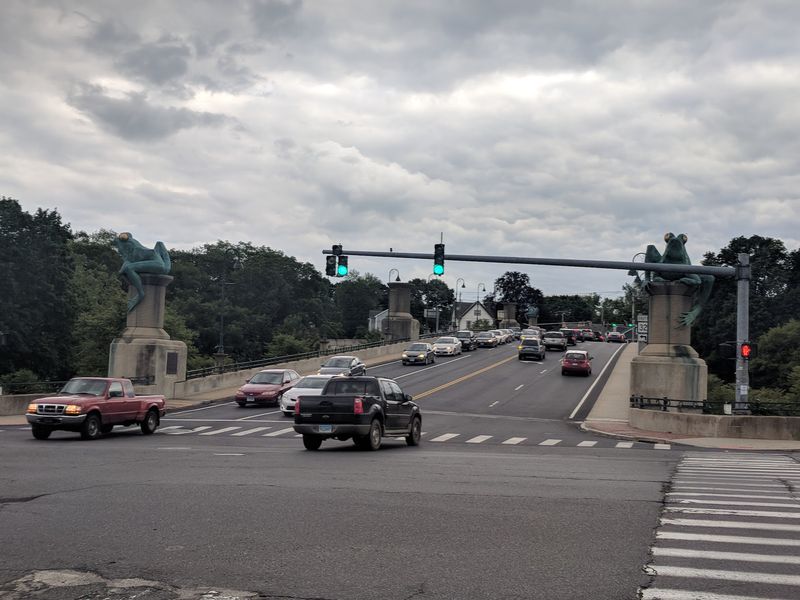
Driving across works, but it goes by fast. You’ll catch the frogs in a blur unless traffic slows you down.
The bridge sits on South St, Willimantic, CT 06226. It’s a four-lane road, so expect steady cars at most times of day.
Good news, the site is open 24 hours. You can visit anytime, though daylight makes photos much easier.
Safety matters here. The nearby intersection can be busy, so cross only at signals and stay alert.
Patience pays off with better photos. Wait for the walk signal instead of dashing out for a quick shot.
Bike riders on the Air Line Trail sometimes come across the bridge. That makes it a fun bonus stop on a ride.
Wear comfortable shoes if you plan to see all four frogs. Each one sits at a different corner, so it’s a short loop.
Take your time with each one. They look similar, but spotting small differences is part of the fun.
Weirdness On Top Of Weirdness, In The Best Way
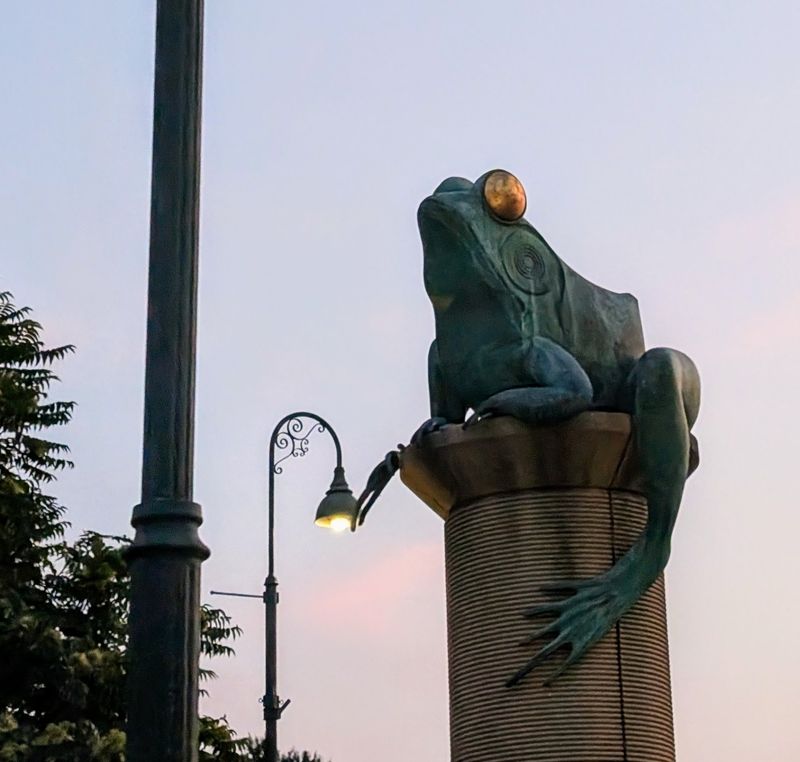
Some landmarks earn fame through size or age. The Frog Bridge earned it by being gloriously odd.
It has landed in roadside travel guides and quirky attraction lists. For a highway bridge, that’s quite a fan club.
The mix is hard to beat. You get a legend, a mill town history, and four named frogs in one quick stop.
Plan to pair it with a stroll around Willimantic. The town embraces its frog identity, so more fun details are nearby.
I like how it rewards curious people. A quick glance shows big frogs, but a little reading reveals centuries of Connecticut storytelling.
It also costs nothing to enjoy. Just park legally, walk carefully, and take in the view.
Bring friends who love strange history. They’ll be telling the frog fight story for weeks afterward.
And don’t forget to say hello to Swifty. Manny, Willy, and Windy deserve a wave too, since they’ve guarded this crossing since 2000.