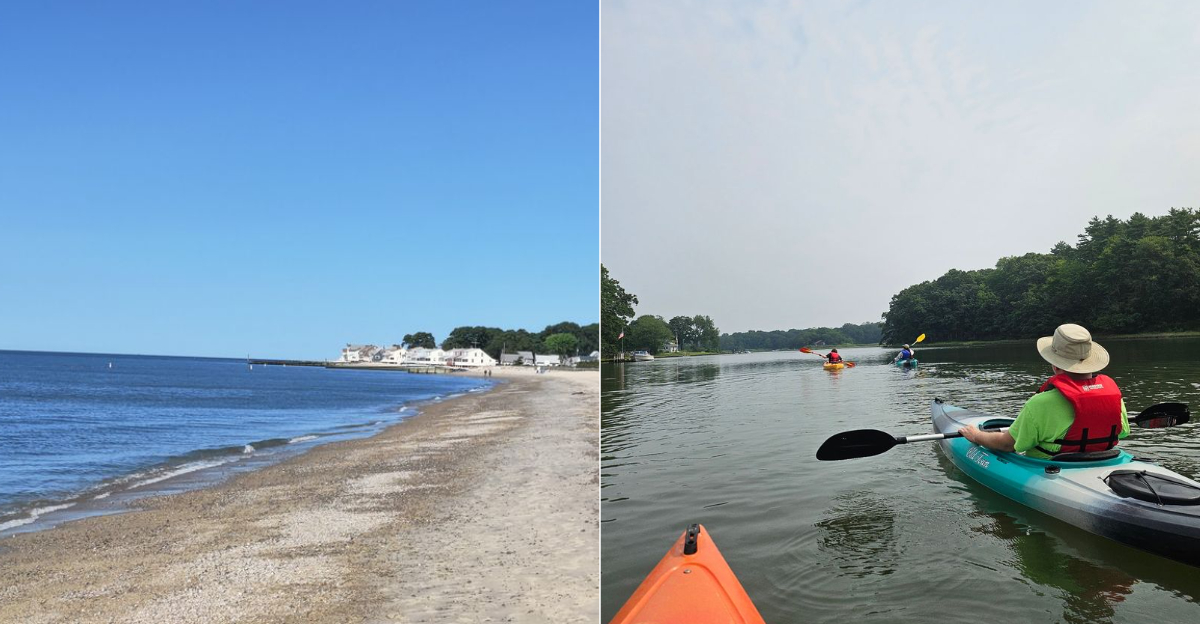
The most peaceful coastal adventures in Connecticut may not involve a beach chair at all. In Old Lyme, the sound of a paddle dipping into calm water replaces crowded boardwalk noise as visitors discover a quieter way to experience the shoreline.
Known for its scenic estuaries, tidal rivers, and protected marshlands, Old Lyme offers a refreshing alternative to the busy Atlantic beaches nearby. Kayakers and paddleboarders can glide through winding waterways beneath open skies, watching herons move along the banks and ospreys circle above the reeds.
The gentle rhythm of the water, changing tides, and untouched coastal scenery reveal a side of Connecticut that feels both wild and wonderfully calm.
For travelers seeking a slower-paced outdoor escape, Old Lyme’s estuary paddling routes provide a chance to reconnect with nature and explore the hidden beauty waiting beyond the shoreline.
Lieutenant River Paddling Adventures
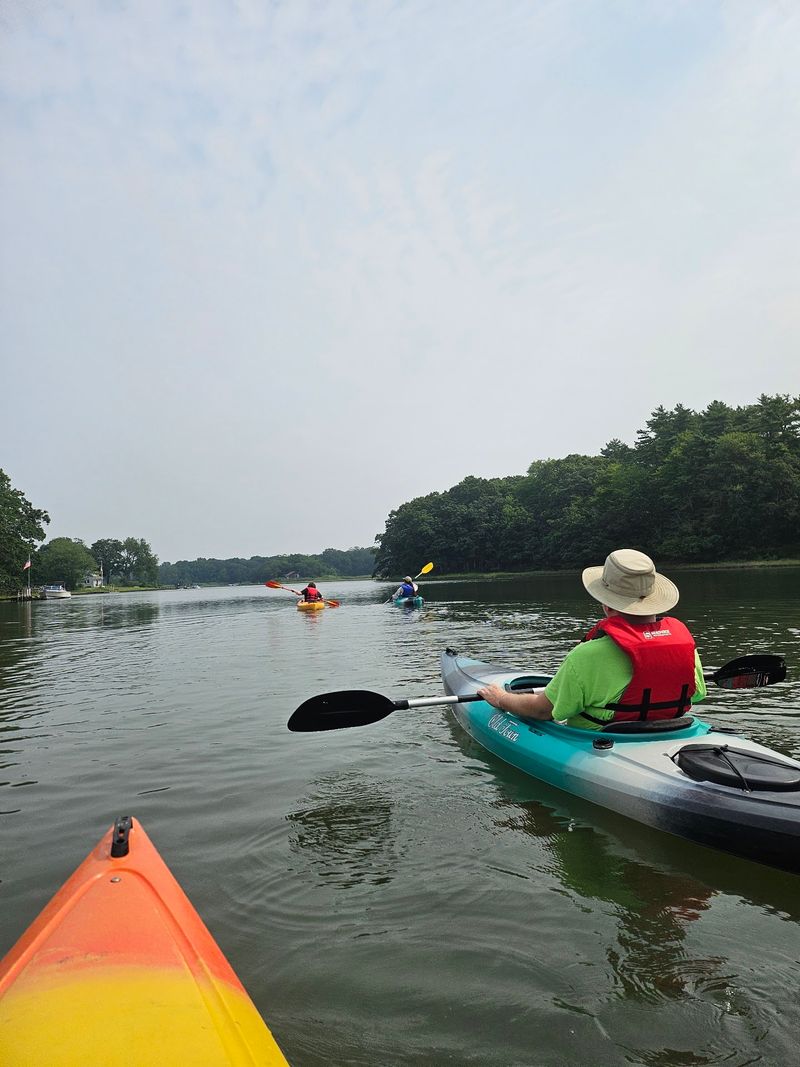
There’s something magical about water that moves with the tides rather than crashing against the shore. The Lieutenant River winds through Old Lyme’s saltmarshes like a secret passageway, offering paddlers a front-row seat to one of Connecticut’s most beautiful estuaries.
Unlike the crowded Sound beaches just miles away, this waterway remains blissfully quiet even on summer weekends.
Launch your kayak from any of several access points and follow the current as it meanders past golden spartina grasses and mudflats teeming with fiddler crabs. The river connects to the Connecticut River, so you can plan short trips or full-day adventures depending on your energy level.
Beginners appreciate the gentle currents, while experienced paddlers enjoy exploring the countless tributary creeks that branch off the main channel.
Early morning visits reward you with mist rising off the water and birds beginning their day. Pack binoculars because the wildlife viewing here rivals any nature preserve in the state.
Great Island Wildlife Management Area
Forget everything you thought you knew about Connecticut shoreline destinations. Great Island sits where the Connecticut River meets Long Island Sound, creating 200 acres of protected marshland that feels like stepping into an untouched wilderness.
Most beachgoers speed right past it on Route 156, completely unaware of the paddling paradise hidden behind the trees.
The shallow coves and protected channels here make ideal conditions for stand-up paddleboarding or kayaking. You’ll glide past osprey platforms and through water so clear you can watch minnows darting beneath your board.
The area’s unique position creates brackish conditions that support an incredible diversity of marine and freshwater species living side by side.
Wildlife photographers love this spot because animals seem less wary here than at busier locations. Harbor seals occasionally venture into these protected waters during colder months.
The combination of easy access, calm conditions, and abundant natural beauty makes Great Island a local favorite for those seeking peaceful paddling experiences.
Rogers Lake Freshwater Escape
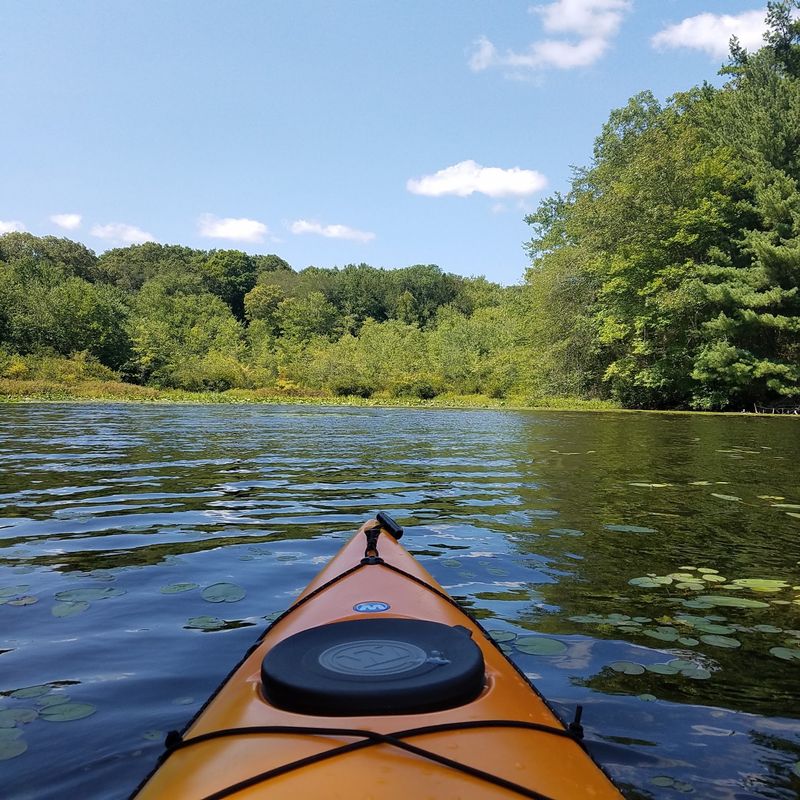
Not every paddling adventure requires saltwater and tides. Rogers Lake offers 472 acres of freshwater tranquility right in the heart of Old Lyme, providing a completely different experience from the estuaries nearby.
When wind whips up whitecaps on the Sound, this inland gem remains smooth as glass, protected by surrounding forest and gentle hills.
The lake bottom features sandy areas perfect for swimming breaks during your paddle. Unlike many Connecticut lakes, Rogers maintains excellent water quality and supports populations of bass, pickerel, and panfish that occasionally break the surface.
Several quiet coves along the northern shore let you pull up and enjoy a peaceful lunch while watching turtles sunbathe on floating logs.
Local paddlers appreciate how Rogers Lake stays cooler than saltwater locations during summer heat waves. The surrounding homes blend tastefully into the landscape rather than dominating it.
Kids especially enjoy the freshwater environment because they can jump in without worrying about jellyfish or strong currents, making it an ideal family paddling destination.
Connecticut River Museum Access Point
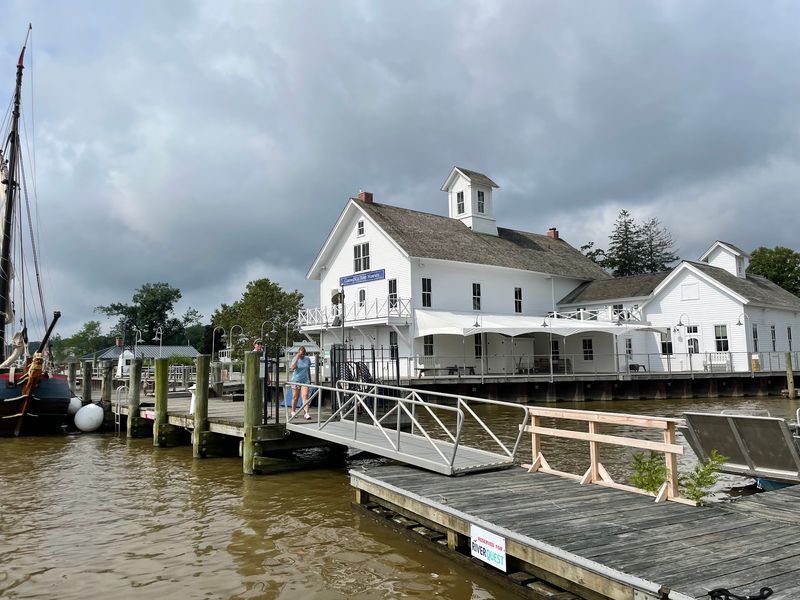
History and paddling intersect beautifully at the edge of Old Lyme’s northern boundary. While technically in neighboring Essex, the Connecticut River Museum sits so close that Old Lyme paddlers consider it their launching point for exploring the mighty Connecticut River.
The museum’s waterfront location provides protected access to America’s longest tidal river system.
After touring exhibits about the river’s maritime heritage, launch directly from the museum grounds into waters that have carried everything from colonial traders to steamboats. The river here flows wide and deep, creating conditions suitable for longer paddling trips up or downstream.
Strong currents require respect, but staying near shore keeps things manageable for intermediate paddlers.
Heading south toward Old Lyme proper brings you past historic homes and working docks that tell stories of Connecticut’s seafaring past. The perspective from water level reveals architectural details invisible from roads.
Many paddlers combine their river adventure with museum admission, making it an educational and physical outing that beats lounging at any beach.
Griswold Point Preserve Wilderness
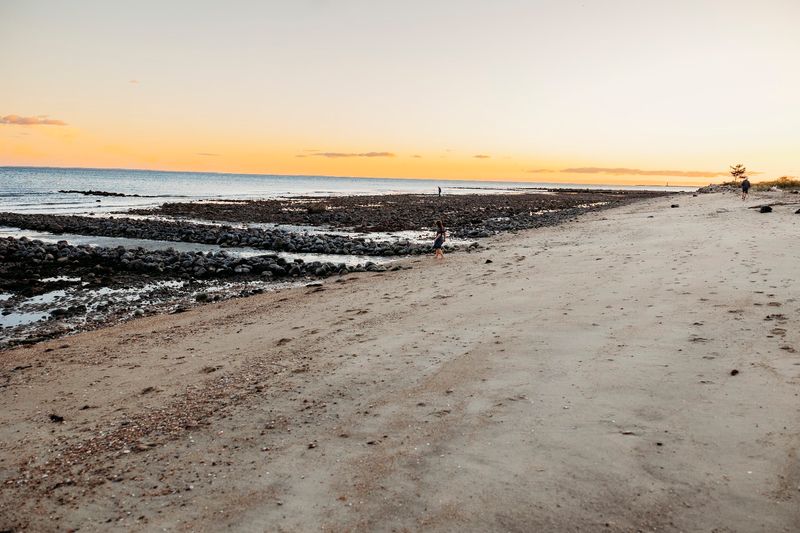
Reaching true wilderness sometimes requires paddling past where roads can take you. Griswold Point sits at the mouth of the Connecticut River, accessible only by boat or a long walk through protected lands.
Paddlers who make the journey discover a rare undeveloped barrier beach where nature operates without human interference.
The point creates a natural breakwater between river and Sound, producing unique conditions where freshwater and saltwater species mix. Paddling around the point during calm conditions reveals both environments within minutes.
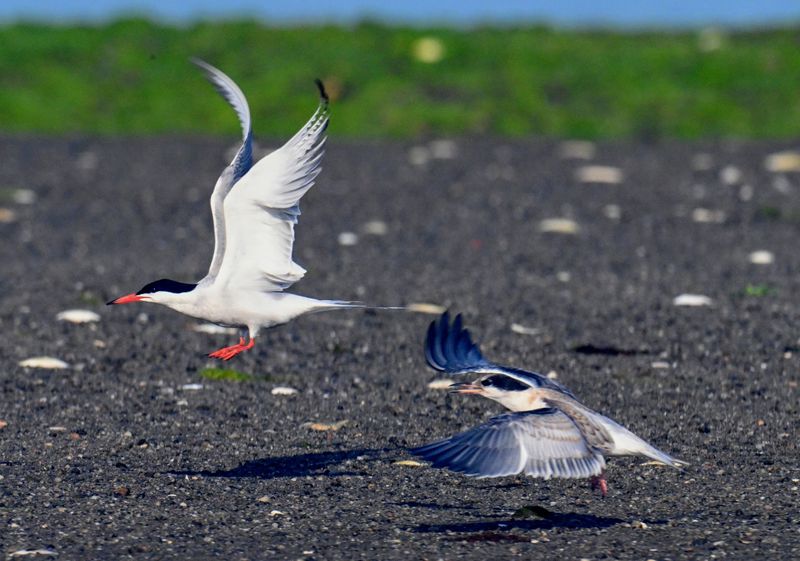
Terns nest here in summer, creating a noisy colony that biologists monitor carefully. The preserve’s protected status means you’ll share this special place with only serious nature enthusiasts and fellow paddlers.
Strong currents and wind exposure make Griswold Point appropriate only for experienced kayakers with solid skills and proper safety gear. Check tide tables before attempting the trip because timing makes the difference between an enjoyable paddle and a dangerous struggle.
Those who respect the conditions discover one of Connecticut’s last truly wild coastal places.
Baldwin Bridge Shadow Paddling
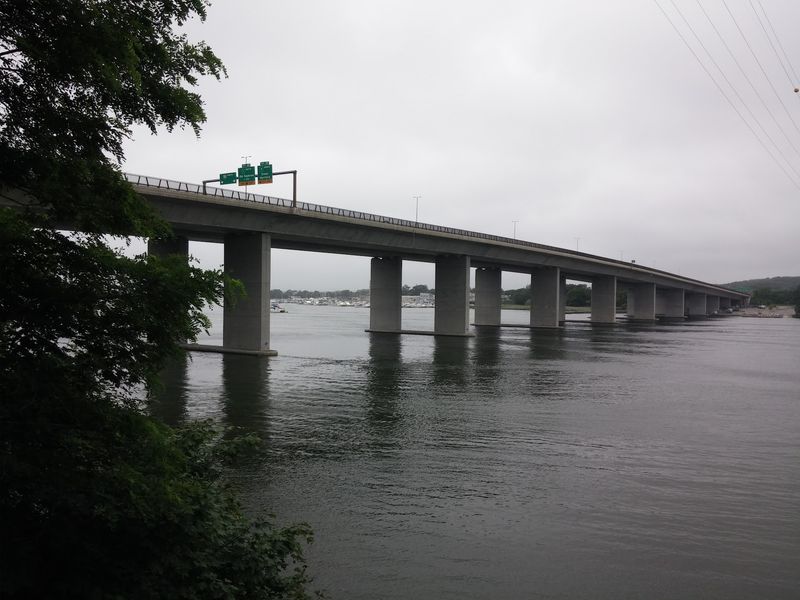
Sometimes the best adventures happen in overlooked places. The massive Baldwin Bridge carries Interstate 95 traffic high above the Connecticut River, and most drivers never imagine the peaceful paddling territory existing directly below their speeding cars.
The bridge’s shadow creates a striking contrast between industrial infrastructure and natural beauty.
Launching from Old Lyme’s western shore gives paddlers access to the broad river beneath the bridge span. The structure’s engineering looks impressive from below, where massive pillars anchor it against river currents.
Eagles often perch on the bridge supports, using the high vantage point to scan for fish. The juxtaposition of wildlife and highway creates surprisingly photogenic moments.
This area experiences less boat traffic than sections farther north or south, making it ideal for newer paddlers wanting river experience without constant wake from passing vessels. The railroad bridge just upstream adds another architectural element to explore.
While beach crowds bake in summer sun, you’ll glide through cool river breezes beneath these engineering marvels.
Old Lyme Marina Launch Network
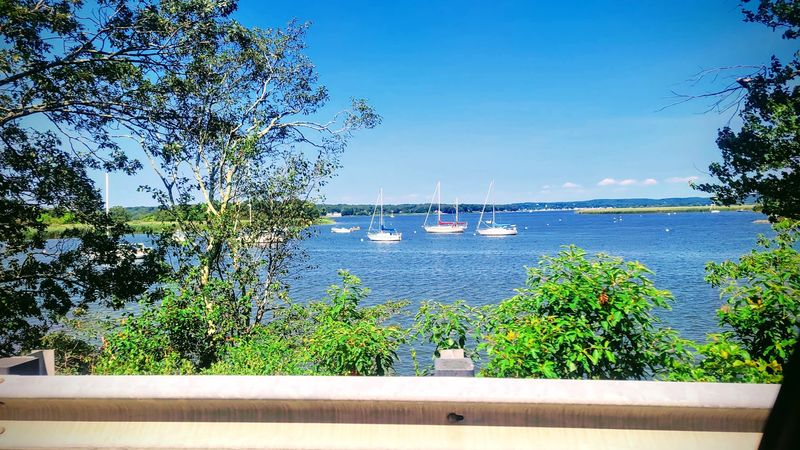
Access makes all the difference between dreaming about paddling and actually doing it. Old Lyme maintains several public and semi-public launch points that make getting on the water remarkably easy compared to other coastal towns.
The marina area near town center provides the most convenient starting point for exploring multiple waterway options.
From this central location, paddlers can choose between heading up the Lieutenant River into marshlands, out toward the Connecticut River’s broader waters, or exploring smaller creeks that branch through residential areas. The variety means you can pick routes matching your skill level and available time.
Local outfitters near the marina offer rentals and guided trips for visitors without their own equipment.
Community bulletin boards at launch sites share current conditions, wildlife sightings, and safety reminders that help paddlers plan better trips. The friendly atmosphere among regular users creates an informal network where newcomers receive welcome advice and route suggestions.
This accessible paddling culture makes Old Lyme stand out from more exclusive waterfront communities.
Morning Water Beats the Beach Rush
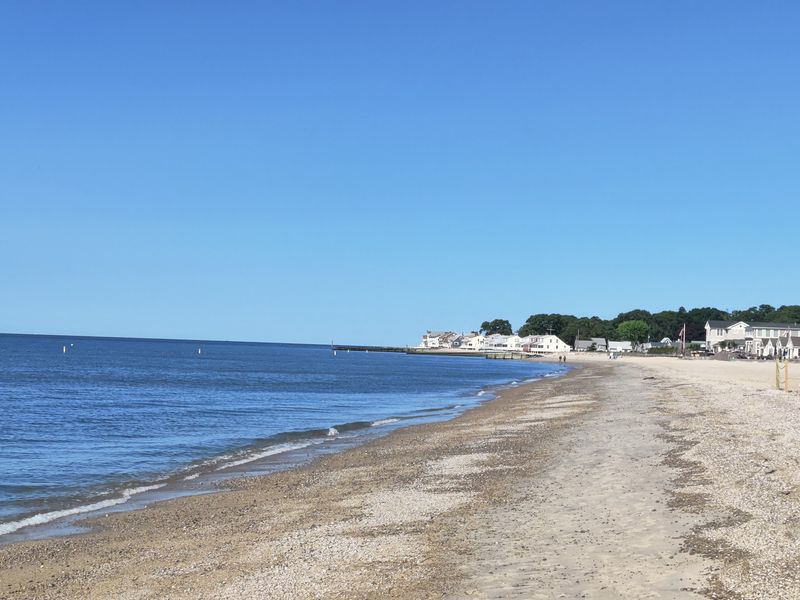
Some summer adventures are better when they begin before the crowds arrive. Around Old Lyme’s calm estuary waters, mornings offer a peaceful alternative to the busy energy of traditional beach days.
Instead of packed shorelines, loud music, and waves churning with activity, paddlers can enjoy quiet channels, gentle currents, and a slower start to the day.
The early hours create ideal conditions for beginners who want to feel comfortable on the water. Cooler temperatures, softer sunlight, and smoother surfaces make it easier to practice balance, steering, and relaxed paddling.
Weekday mornings are often the best time to explore, giving visitors more space to enjoy the scenery without distractions.
As the sun rises over the marshes and waterways, the experience feels less like a crowded beach outing and more like a private escape surrounded by nature. The peaceful rhythm of the water is what makes these mornings unforgettable.