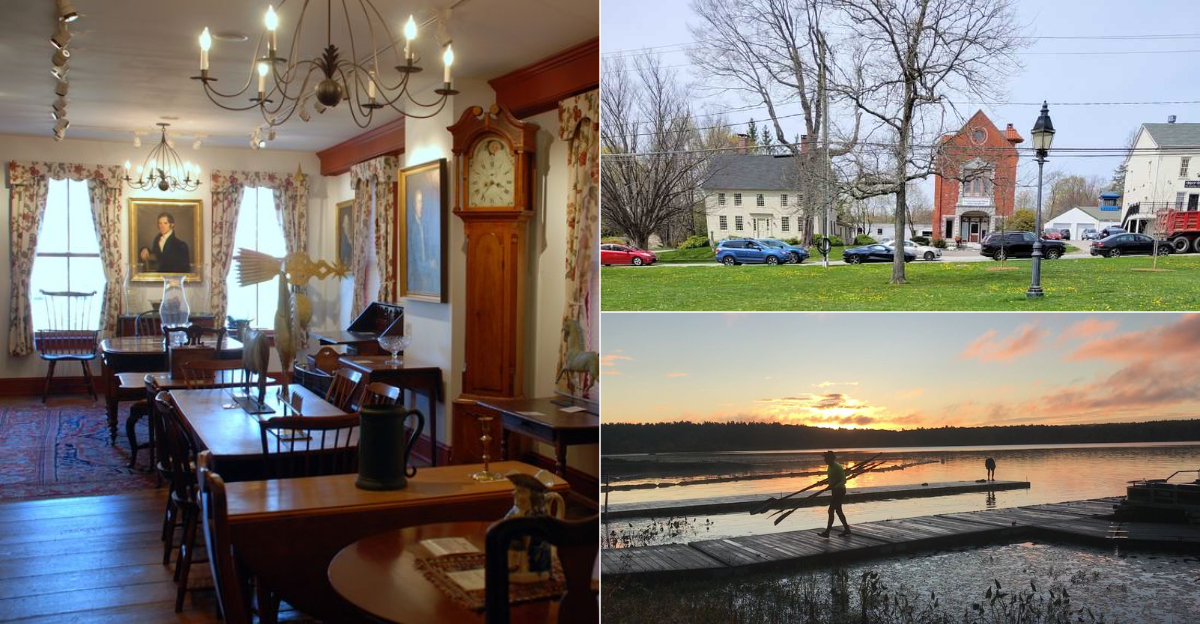
In Litchfield, the past does not sit behind glass—it lines the streets. White-painted homes, weathered barns, stone walls, and broad green spaces create the feeling of stepping into another century, where horse-drawn wagons once shared the roads and daily life moved at a gentler pace.
This Connecticut town preserves a remarkable glimpse of 1700s New England, making a visit feel less like sightseeing and more like walking through a living piece of history. Stroll past historic buildings, browse small shops, and follow quiet roads where old architecture still shapes the landscape.
The details are easy to miss if you rush: a hand-built stone wall, an old doorway, the creak of a wooden floor beneath your feet. Litchfield invites you to slow down and notice them.
Around town, more pieces of its enduring character are waiting to be discovered.
Stroll the Historic Green Like a Colonial Traveler
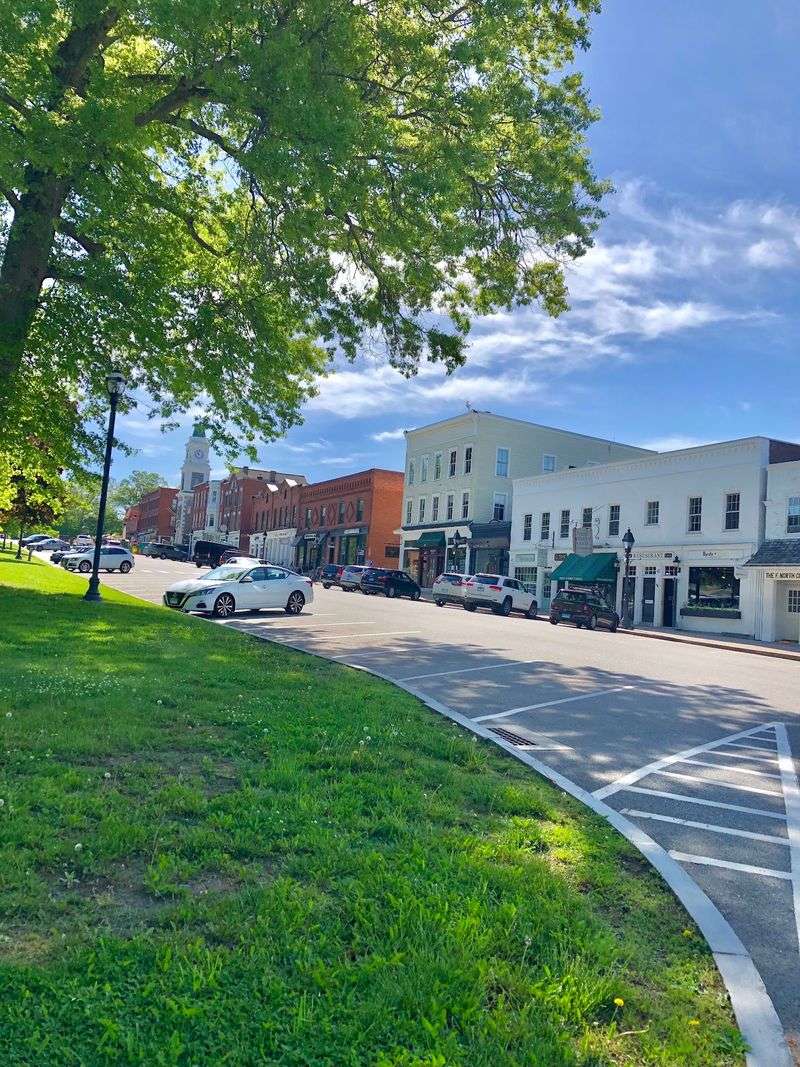
The first surprise is how quiet a town center can feel when traffic fades behind rustling leaves. Around the Litchfield Green, old churches, brick buildings, and wide lawns create the feeling of a carefully saved page from the 1700s.
Visitors to Litchfield, Connecticut often begin here because the Green sets the mood for everything else. Walk slowly past the white steeples, look for historic plaques, and notice how many buildings sit close to the road, just as early New England town plans encouraged.
Bring coffee from a nearby cafe and sit for a few minutes before exploring. The view is best in morning light or near sunset, when the grass glows and the storefront windows catch a soft shine.
Why visit? The Green gives you a simple, beautiful way to understand the town before stepping into its museums, shops, and side streets.
It is history without a lecture, and that makes it easy to love.
Step Inside the Tapping Reeve House and Law School
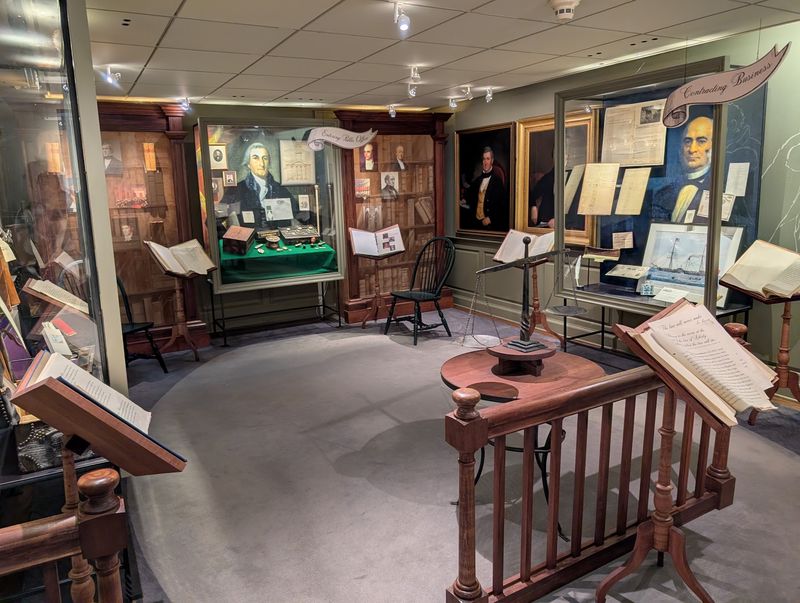
A small white building can hold a bigger story than you expect. The Tapping Reeve House and Litchfield Law School shows how one quiet Connecticut town helped shape American law in the years after the Revolution.
In Litchfield, Connecticut, this site shares the story of the first law school in the United States. Students came here to study with Tapping Reeve, and some later became judges, senators, and national leaders.
Inside, exhibits make the past feel human instead of dusty. You may see writing desks, early books, and rooms arranged to show how serious study once happened by candlelight and conversation.
Plan about an hour, especially if you enjoy early American history. The museum is close to the center of town, so it pairs well with a walk around the Green.
The reward is a new view of Litchfield, not just as a pretty village, but as a place where ideas traveled far beyond its hills.
Follow House-Lined Streets from the 1700s
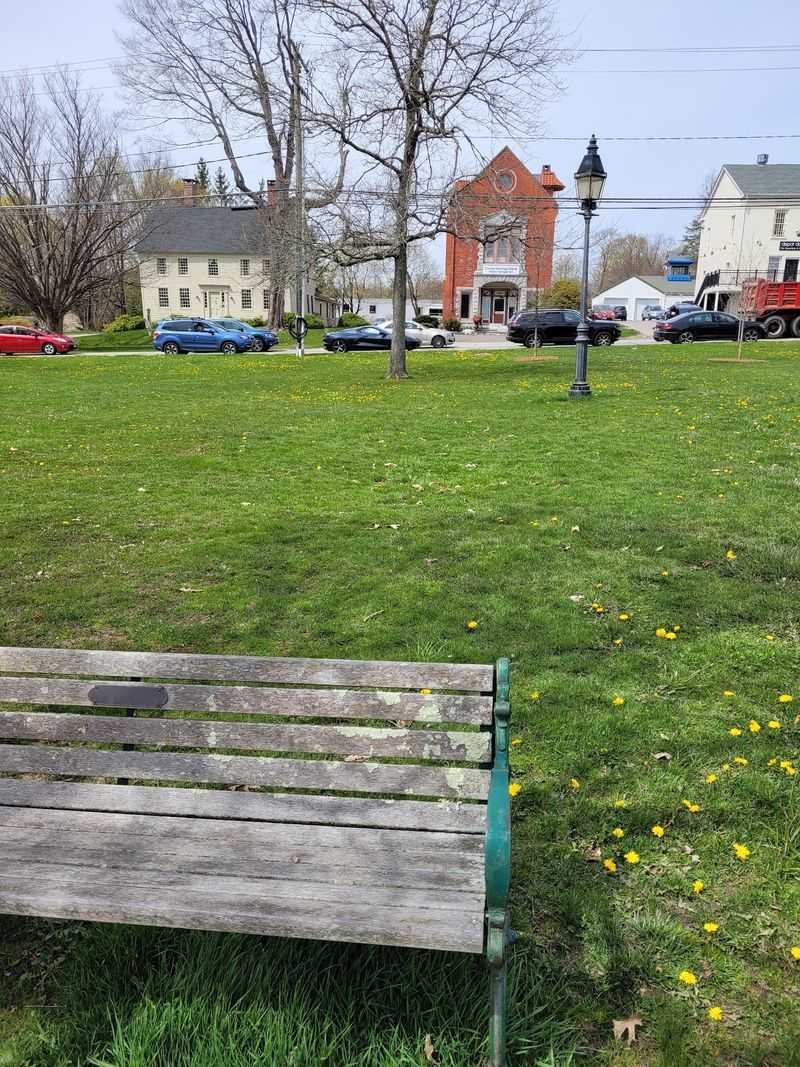
Every old doorway seems to have a secret here. Along the side streets near the center, Litchfield, Connecticut offers a wonderful look at homes that reflect Colonial, Georgian, and Federal styles.
You do not need to be an architecture expert to enjoy the walk. Notice the balanced windows, simple front doors, brick chimneys, and neat fences that give the streets their calm rhythm.
A slow stroll works better than a rushed drive. Many homes are private, so admire them from the sidewalk, keep a respectful distance, and use the town’s historic markers as little clues along the way.
Spring brings flowering trees, while fall adds gold and red leaves around the old rooflines. Either season makes the neighborhood feel like an open-air museum, but one where people still live, garden, and wave from porches.
This is one of the town’s best time capsule moments. It shows how Litchfield protects its past while still feeling warm and lived in.
Browse the Litchfield History Museum for Local Treasures
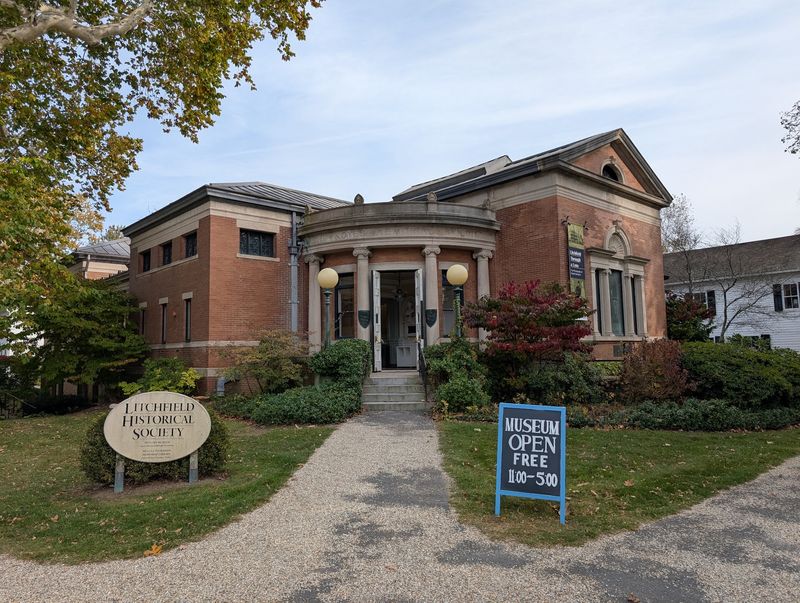
Some museums tell huge stories through tiny objects, and that is the charm here. The Litchfield History Museum helps visitors connect the town’s grand old streets with real people who cooked, worked, studied, and argued here.
Located near the center of Litchfield, Connecticut, the museum often features maps, portraits, letters, clothing, and household items. These pieces help explain how the town grew from a colonial settlement into a busy county seat.
Kids can enjoy spotting strange tools or old-fashioned clothing, while adults may linger over handwritten letters and local records. The exhibits are usually easy to follow, which makes the visit feel friendly rather than overwhelming.
Check current hours before you go, since small museums may change schedules by season. Afterward, step back outside and compare what you learned with the buildings around you.
That is the real magic of this stop. The museum gives names and stories to the streets you have just walked.
Taste Small-Town Comfort in Bantam
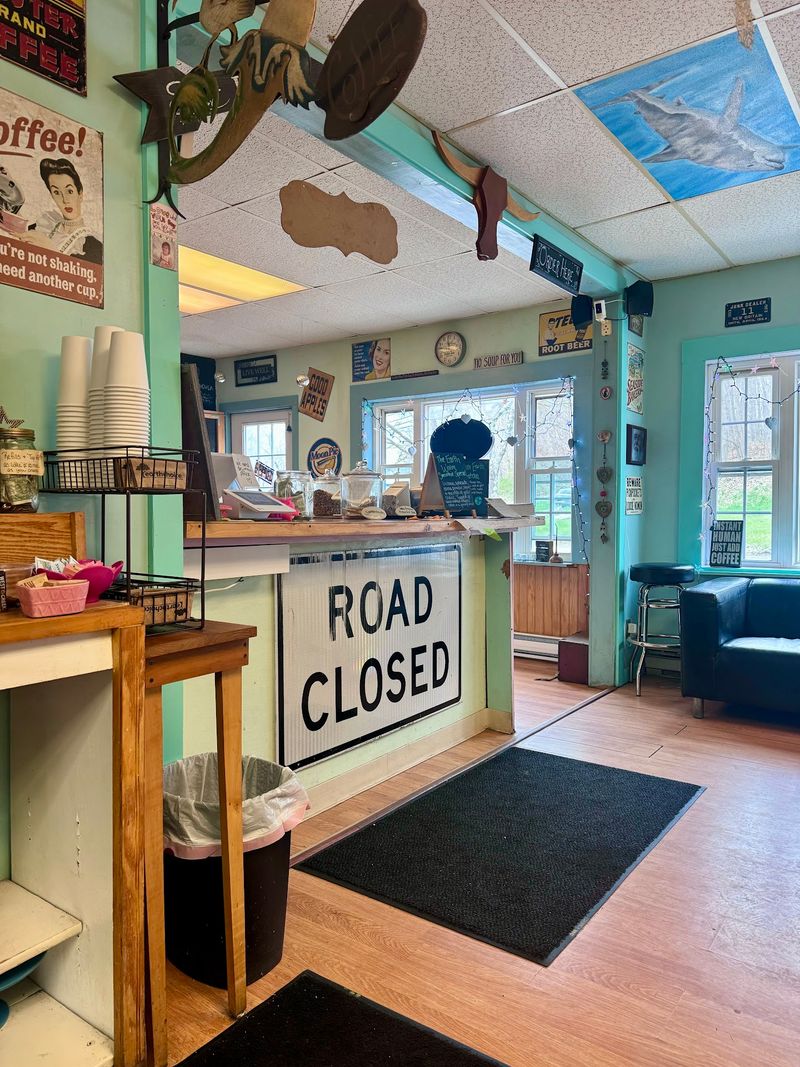
The smell of fresh bread can pull a traveler off schedule in the best possible way. Bantam, a borough within Litchfield, Connecticut, adds a relaxed food stop to a history-filled day.
This area has a more casual village feel, with places where you might grab coffee, pastries, a sandwich, or something sweet for the road. It is a nice break after museum visits and long walks around the Green.
Food is part of the time capsule experience too, because small towns have always gathered around ovens, counters, and simple meals. Sit near a window if you can, and watch local life move at an easy pace.
Bantam also makes a smart stop if you are traveling with family. A snack break keeps everyone happy before heading toward nearby ponds, trails, or historic sites.
The reason to include it is simple. Litchfield feels richer when you mix old stories with present-day flavors, and Bantam gives that mix a friendly, tasty place to happen.
Wander White Memorial Conservation Center Trails
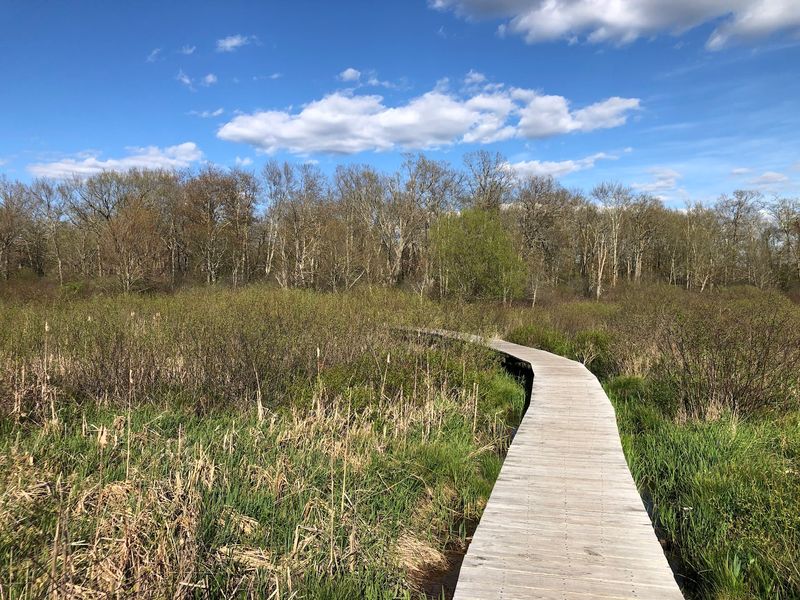
After quiet streets and old houses, the woods bring a different kind of hush. White Memorial Conservation Center in Litchfield, Connecticut gives visitors miles of trails through forests, wetlands, fields, and lake edges.
The boardwalks are especially memorable because they let you cross marshy areas without getting muddy. Watch for birds, frogs, turtles, and changing reflections on Bantam Lake, one of the largest natural lakes in Connecticut.
This stop is perfect when you want fresh air between historic attractions. Choose a short loop if time is tight, or plan a longer walk with water and comfortable shoes.
Families often like the nature museum, where displays explain local wildlife in a clear, hands-on way. It helps younger visitors see that Litchfield’s past is not only in buildings, but also in protected land.
The visit adds balance to the trip. You leave with a sense of how early settlers saw the same hills, trees, and wetlands that still shape the town today.
Pause at Bantam Lake for a Quiet View

Water has a way of making a day feel wider. Bantam Lake, shared by Litchfield, Connecticut and nearby towns, offers a peaceful place to slow down after exploring the historic center.
The lake has long been part of local life, from fishing and boating to quiet shoreline views. Depending on the season, you may see kayaks, sailboats, autumn colors, or winter ice near the edges.
Bring a picnic or stop for takeout nearby, then find a legal public access point or scenic spot to enjoy the view. Always check parking signs, since some areas are private or limited.
Photographers should aim for early morning or late afternoon, when the light softens across the water. Birdwatchers may want binoculars, especially around marshy areas connected with White Memorial.
Bantam Lake gives your Litchfield visit a gentle outdoor chapter. The 1700s town feeling becomes even stronger when you see the natural setting that supported farms, roads, and village life.
Visit the First Congregational Church Landmark
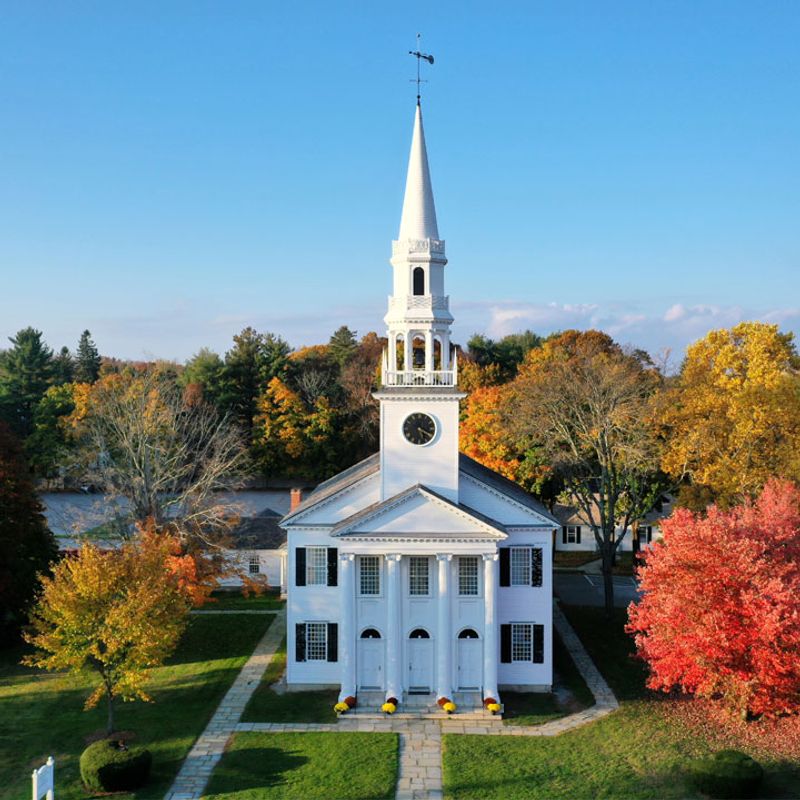
A tall white steeple can say New England before a single sign does. The First Congregational Church building in Litchfield, Connecticut is one of the town’s most photographed landmarks, and it helps define the historic skyline.
Its clean lines, bright paint, and graceful tower create a striking view from around the Green. Even if you only admire it from outside, the church gives a strong sense of how faith and civic life once stood close together.
Take time to view it from different angles. The front steps, nearby trees, and open lawn all change the scene, especially when clouds move across the sky.
If the building is open for an event or service, enter respectfully and follow posted guidelines. Historic churches are active community spaces, not just backdrops.
This stop matters because it anchors the town’s time capsule feeling. In one glance, you can understand why visitors connect Litchfield with classic 18th-century New England beauty.
Shop for Antiques and Handmade Finds
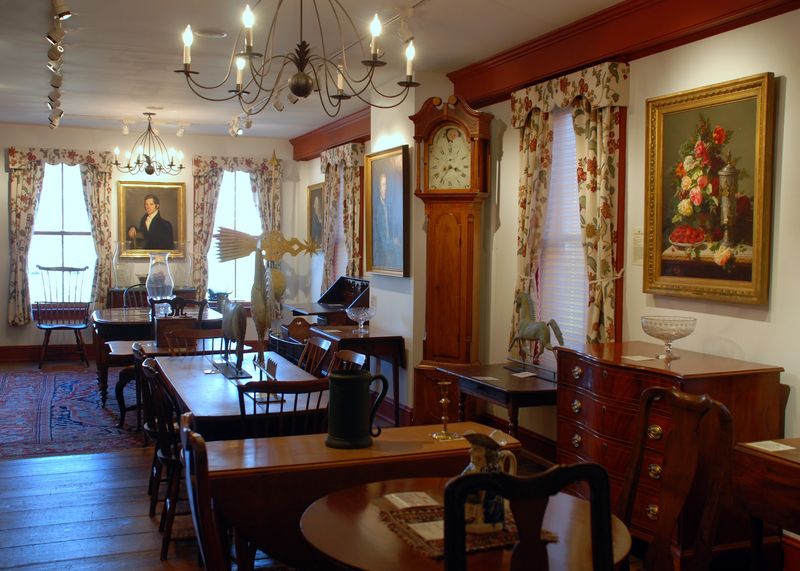
A worn wooden table or old silver spoon can make history feel personal. Shopping in Litchfield, Connecticut often feels less like buying things and more like hunting for pieces with stories attached.
Around town and nearby village areas, visitors may find antiques, art, books, home goods, and locally made gifts. The best shops invite slow browsing, so leave room in your schedule for surprises.
Look for small items that travel well, such as postcards, pottery, vintage kitchen tools, or handmade candles. Ask shop owners about favorite local finds, because they often know the town’s stories as well as any guidebook.
This is also a good rainy-day plan. When the weather turns gray, warm storefronts and shelves of old treasures keep the historic mood alive.
The appeal is not only what you bring home. Litchfield’s shops help connect the preserved 1700s setting with everyday beauty, giving visitors a way to carry a little of that atmosphere with them.
Drive the Country Roads Around Town
The road out of town can be just as memorable as the town itself. Around Litchfield, Connecticut, country lanes pass stone walls, open fields, barns, ponds, and wooded hills that still feel deeply rural.
A short scenic drive helps you understand why the area has stayed so appealing for centuries. The landscape changes gently, with old farmhouses appearing around bends and maples leaning over narrow roads.
Go slowly, both for safety and for the view. Pull over only where it is legal, and be mindful that many beautiful homes and farms are private property.
Fall is famous here, but summer brings green fields and winter can turn the hills silver and quiet. If you enjoy photography, keep your camera ready for stone walls, church steeples in the distance, and soft valley light.
This final experience ties the visit together. Litchfield’s 1700s feeling is not limited to one block, it stretches into the countryside that shaped the town’s history, work, and lasting charm.