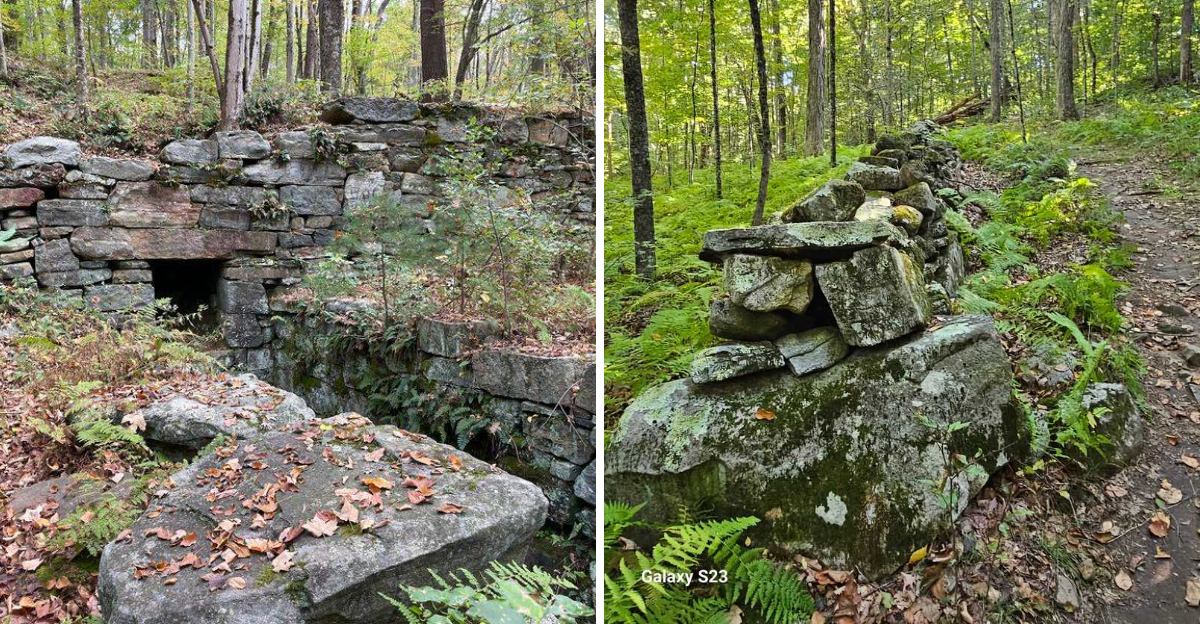
A whole Connecticut town is hiding in the woods, and you can walk straight through its ruins.
Deep in Hebron, Gay City State Park keeps the remains of a vanished mill town tucked beneath the trees.
Old cellar holes, stone walls, forgotten roads, and crumbling mill ruins are scattered along the trails, giving hikers plenty of reasons to slow down and look twice.
Gay City was once a working community built around mills powered by the Blackledge River. Families lived here, businesses operated, and daily life carried on before fire, decline, and time erased the town from the map.
Today, the forest has reclaimed much of what was left behind.
Follow the trails, keep your eyes open, and you might find yourself standing where a home once stood or beside the stones of an old mill.
This is one hike where the past refuses to stay buried.
The Trail That Takes You Into Connecticut’s Forgotten Mill Town
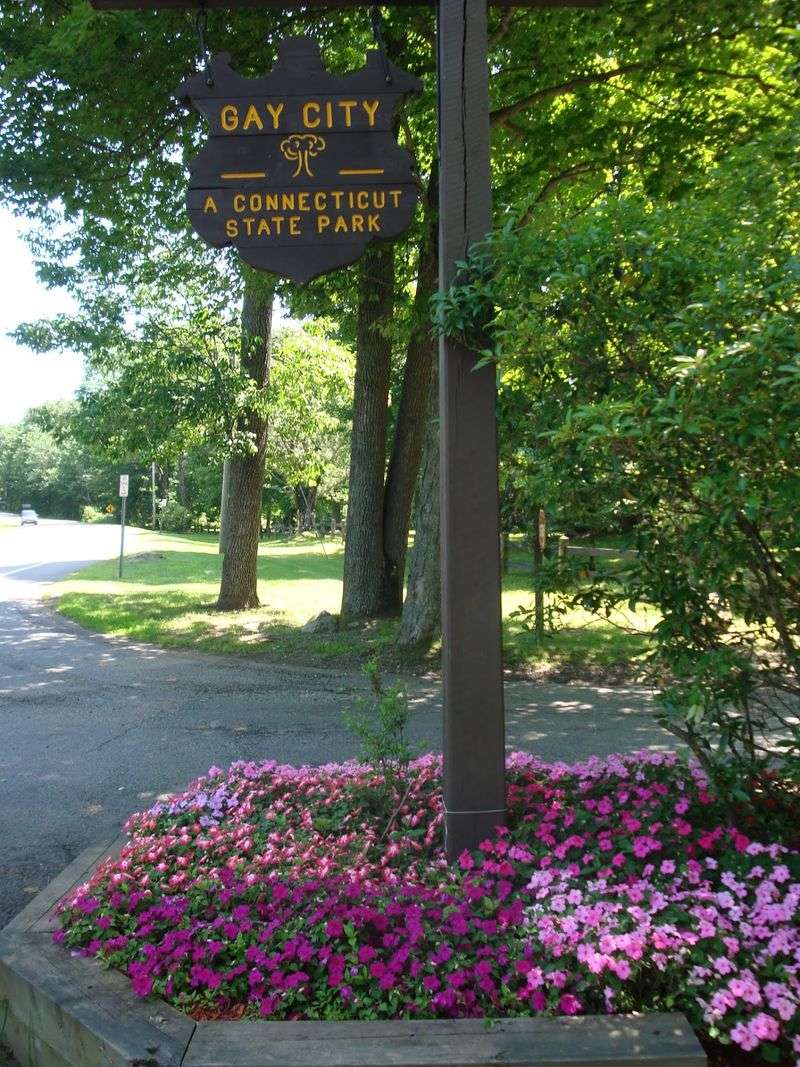
Most people picture a quiet forest walk when they think about a state park. Gay City surprises them with something far more mysterious hiding beneath the leaves.
As you follow the winding trails, you begin noticing shapes that do not belong to nature. Square holes in the ground, straight lines of stacked stones, and flat foundations peek out from the underbrush.
These are the leftovers of a community that once buzzed with families, workers, and machinery.
Old roads still curve through the trees, and mill remnants sit silently near the water. Each clue tells a piece of a much larger story about people who lived and worked right where you stand.
The experience is a bit like exploring an outdoor museum with no signs or ropes. You get to discover things yourself, using your eyes and imagination.
That mix of hiking and history makes Gay City feel unlike almost any other park you can visit in Connecticut.
How Gay City Began as a Small Religious Community
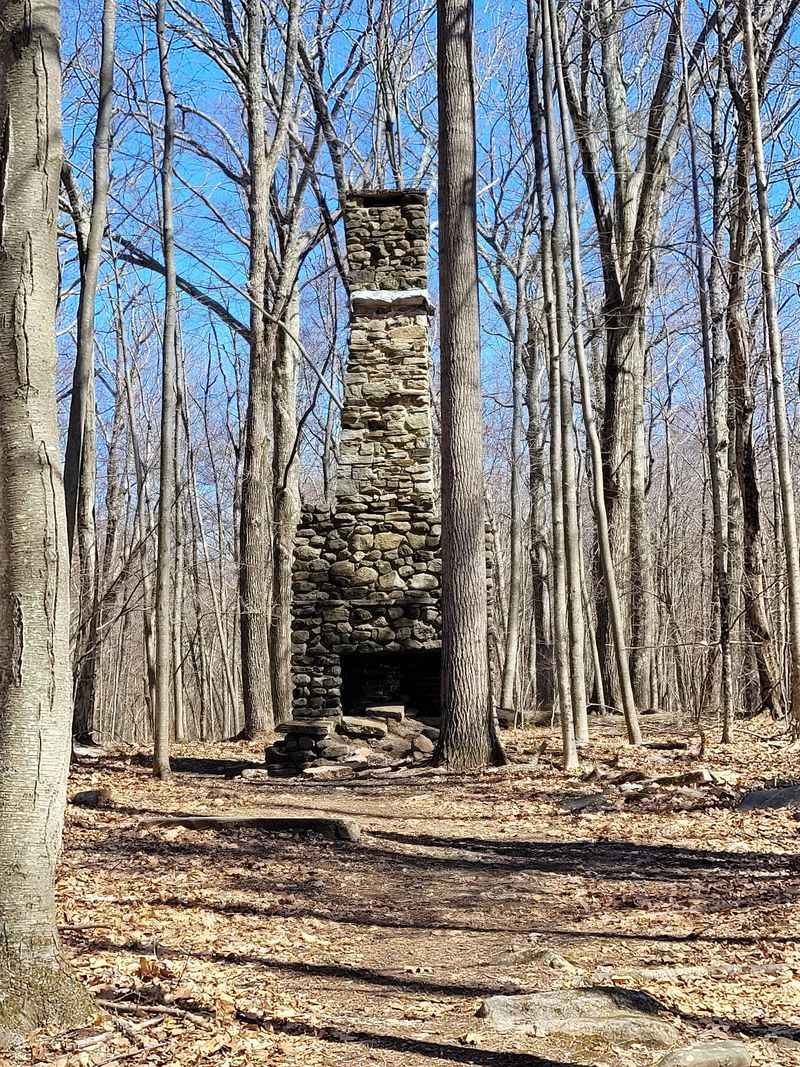
Every ghost town has a beginning, and Gay City’s story starts with faith. Back in 1796, a group of Methodists decided to build a new life together in this corner of Connecticut.
A man named John Gay became one of the important early leaders, and the settlement eventually took his family name. In those early days, the community was small and tightly connected, held together by shared beliefs and a hope for a better future.
Life was not always peaceful, though. Records suggest there were disagreements and struggles, which is common when people try to build something new from scratch.
Over the years, the little religious group slowly changed. Instead of staying purely a faith community, it grew into a working village powered by mills and industry.
Knowing this origin adds a special feeling to your hike. Those stones were not placed by strangers but by real families chasing a dream centuries ago.
The Mills That Once Powered the Community
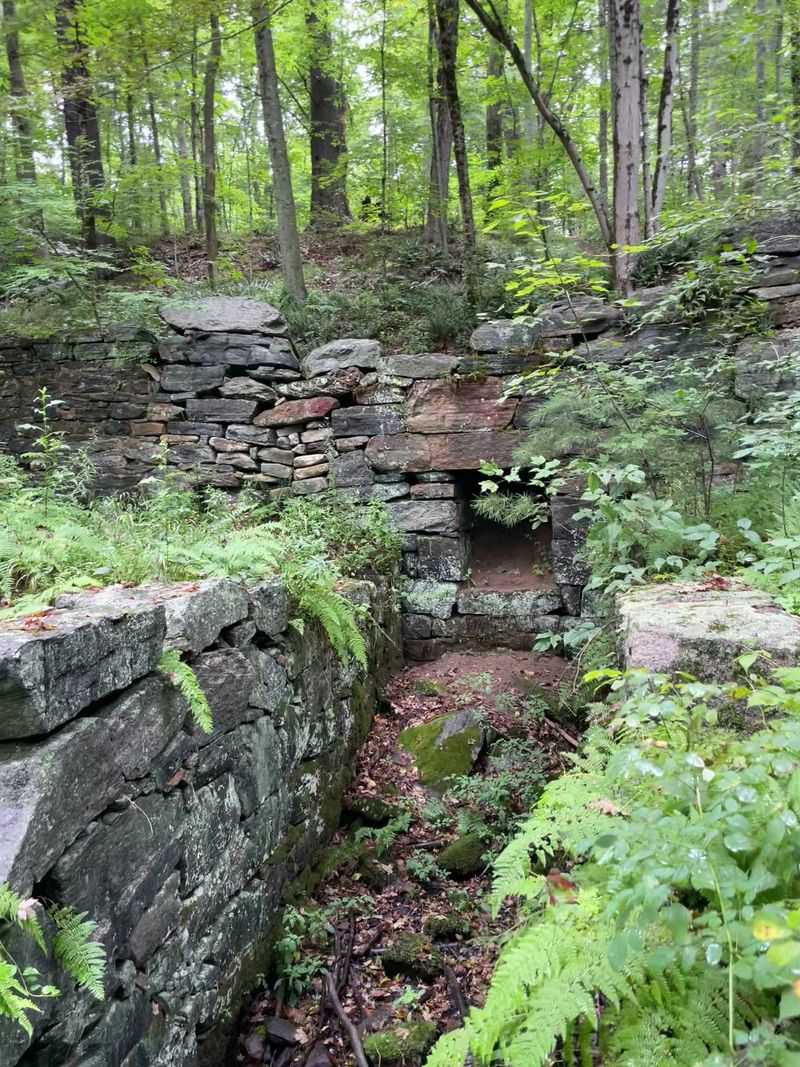
Water was the secret behind Gay City’s growth. The Blackledge River flowed through the settlement, and that moving water became a powerful engine for the whole town.
Settlers used the river to run mills, turning natural energy into a way to make goods and earn a living. Over time, the community leaned more and more on these operations to survive.
A woolen mill and other industries gave people jobs and a reason to stay. When the mills did well, the town did well, and families could build homes and raise children nearby.
This connection between water and work explains why the village existed at all. Without that river, there would have been no mills, and without the mills, there would have been no Gay City.
When you spot the ruins today, remember they were once the beating heart of the settlement. Everything else in town depended on the steady hum of those water-powered machines.
The Old Mill Ruins Hidden Along the White Trail
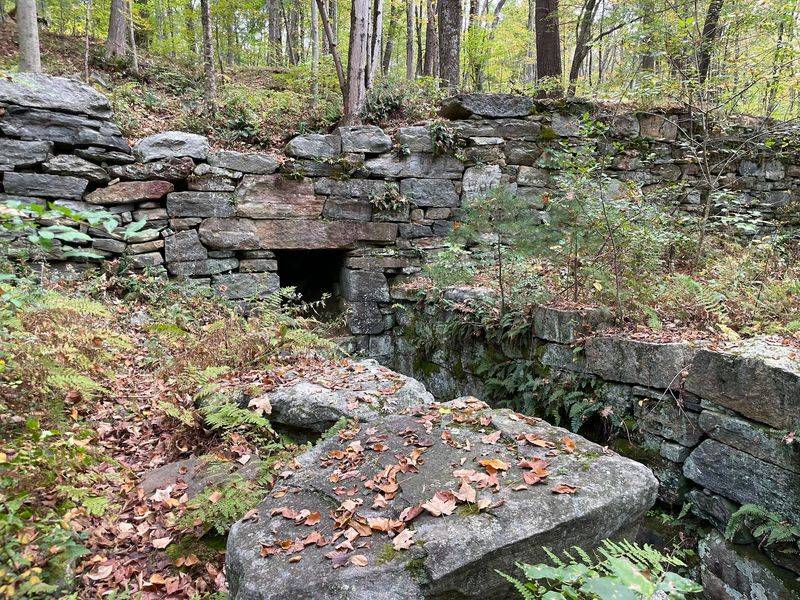
If there is one thing you absolutely cannot miss, it is the mill ruins along the White Trail. This is the star attraction, and even Connecticut’s official park map points them out.
The remains of the old woolen mill include large chunks of stonework that have survived over a century of weather and forest growth. You can still see parts of the former water-control system that once directed the river’s power into the mill.
Standing beside these thick stone walls, it becomes easy to imagine the noise and activity that once filled the air here. Workers, machines, and rushing water all came together in this exact spot.
Trail guides often describe this as the most striking historical feature in the entire park. It is also one of the easiest ruins to find, which makes it perfect for curious first-time visitors.
Take your time here. Snap photos, read the details, and let the size of the ruins sink in.
Cellar Holes Where Homes Once Stood
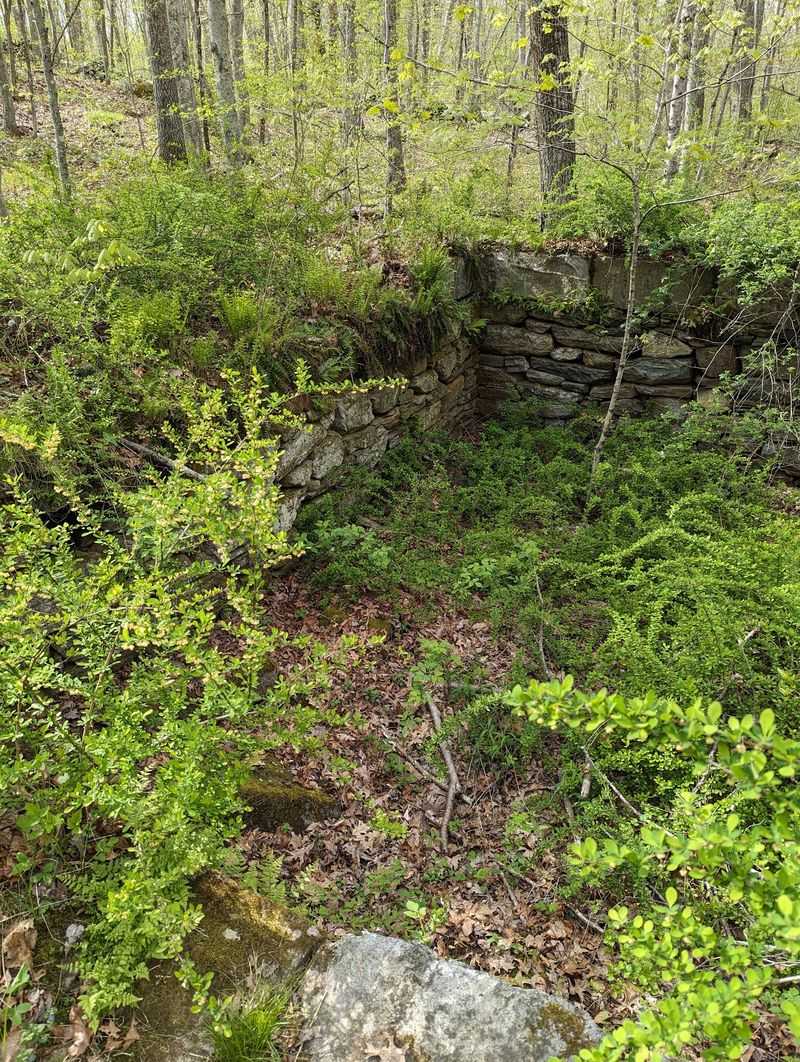
The mill grabs the attention, but the real sense of a lost town comes from something smaller and quieter. Scattered across the woods are cellar holes, the sunken squares that mark where houses once stood.
Each of these openings was once the base of a family’s home, filled with warmth, meals, and everyday life. Now they sit empty, slowly filling with leaves and shadows.
Stone foundations near them hint at barns, sheds, and other buildings that disappeared long ago. Together, these remains give you a real feeling for how big the community actually was.
What makes them special is that you do not need a museum or a rebuilt village to understand the past. The evidence is right there in the ground, waiting to be noticed.
As you walk, try counting how many cellar holes you can spot. Each one represents people who called this quiet forest home during Gay City’s busiest years.
Stone Walls and Old Roads Beneath the Forest
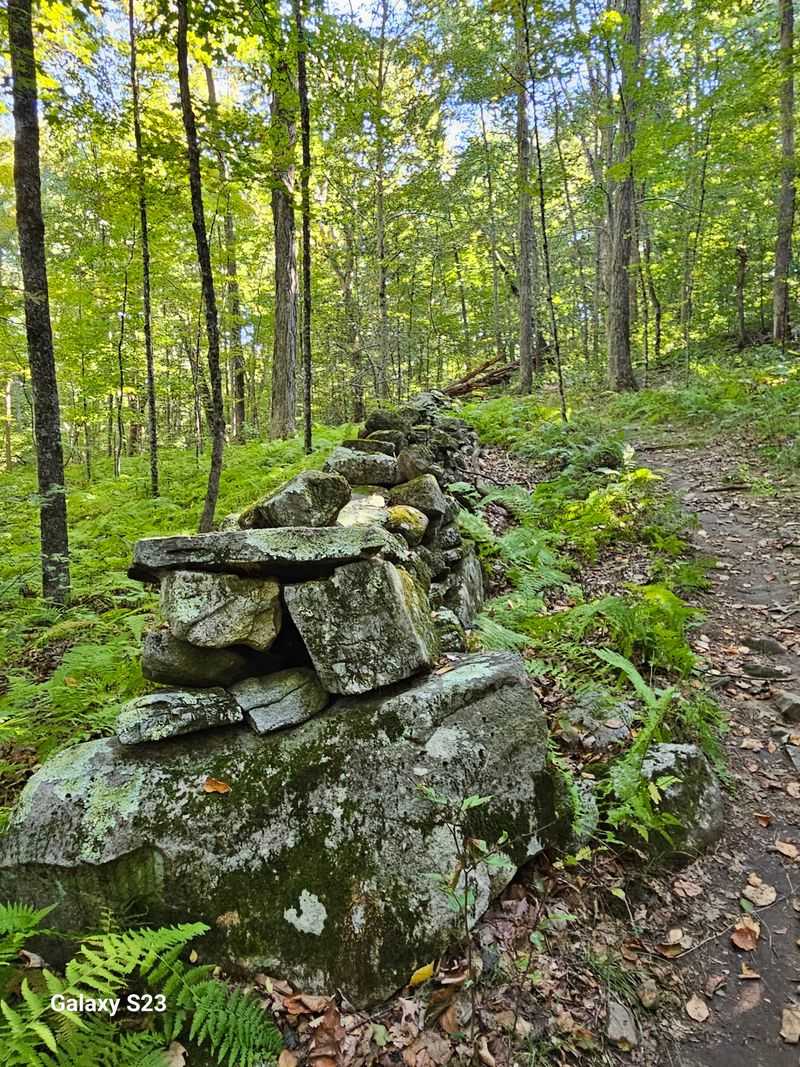
Some of the coolest clues at Gay City are the ones people walk right past without noticing. Long stone walls snake through the trees, quietly marking where old property lines used to be.
These walls were not built for decoration. Farmers and settlers stacked them to separate their land, contain animals, and clear stones from their fields.
You will also find historic roads still cutting through the woods. Some of the modern trails actually follow these old routes, so in a way you are walking the same paths the townspeople once traveled.
Picturing wagons, horses, and neighbors moving along these roads brings the vanished town back to life in your mind. The forest may look wild now, but it was once organized into a real neighborhood.
Keep your eyes open for these patterns as you hike. Once you start seeing the walls and roads, the whole layout of the old settlement begins to make sense.
Gay City’s Final Chapter and Its Disappearance
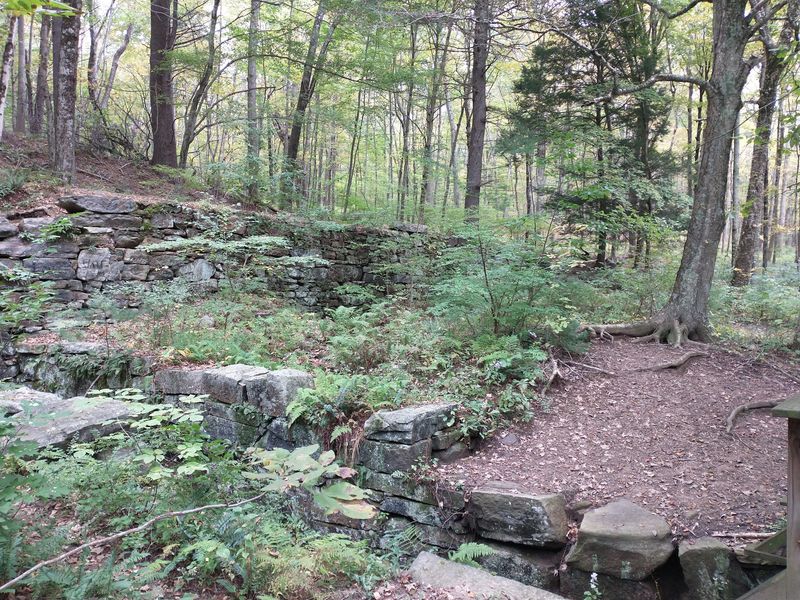
Sadly, every town’s story eventually reaches an ending, and Gay City’s came slowly and quietly. Over the years, families moved away and the once-busy village began to shrink.
The biggest blow arrived in 1879, when the last mill burned down. Since the community depended so heavily on its mills, losing this one was a turning point it could not recover from.
Without work to keep people there, the remaining residents drifted off to other towns. Homes were left empty, and nature began taking back the land bit by bit.
Roofs collapsed, wood rotted away, and the forest crept in over the abandoned buildings. What was once a lively settlement gradually became a scattering of silent stones.
That is why Gay City feels like a mystery today. The buildings vanished, but the sturdy stone foundations stayed behind, giving modern hikers a way to piece together the town’s forgotten history one clue at a time.
What the Hike Is Like Today
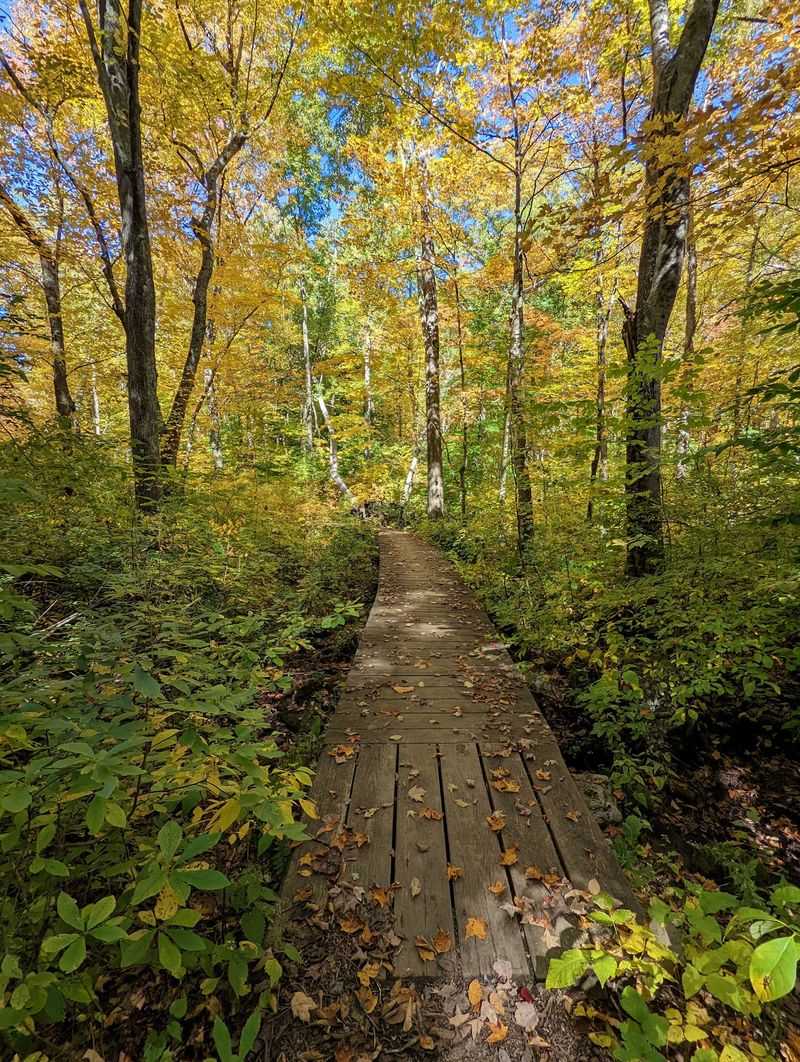
Enough history for a moment, because the hiking itself is genuinely fun. Gay City offers an impressive trail network stretching roughly nine miles, so there is plenty of ground to cover.
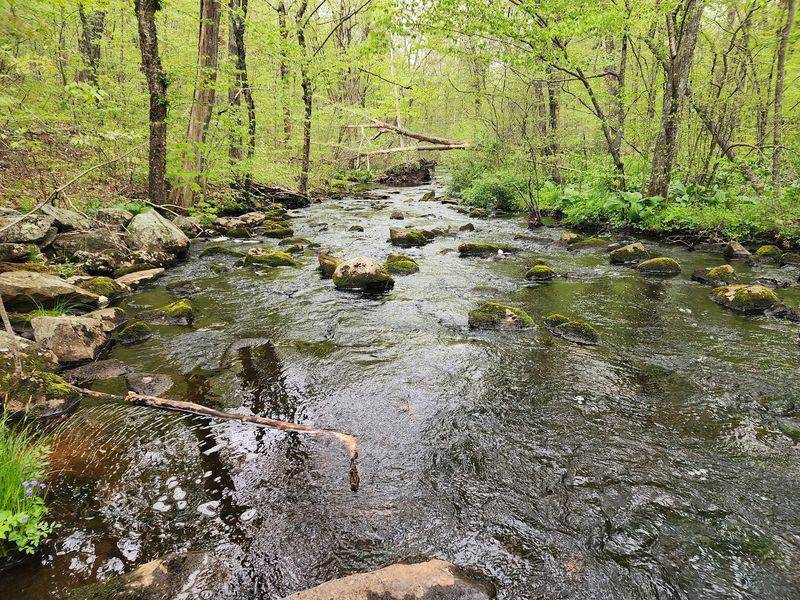
The White Trail is a favorite because it connects so many highlights. Along the way you can enjoy the pond, the famous mill ruins, and pretty views of the brook and river.
The land here rolls gently up and down through peaceful woodland. You will pass streams, marshy patches, and historic features tucked among the trees.
Because the paths mix easy stretches with uneven ground, the hike stays interesting without feeling exhausting. Families, casual walkers, and serious hikers can all find something to enjoy.
The best part is how history and nature blend together on every step. One minute you are admiring wildflowers, and the next you are standing beside a two-hundred-year-old foundation.
That combination keeps the whole walk feeling fresh and full of little surprises.
What to Know Before You Go
A little planning makes this adventure much smoother. The park sits at 435 North St., Hebron, CT 06248, and it usually operates daily from late April through Columbus Day, 8 a.m. to sunset.
Parking areas are marked, including spots near the mill site and pond, so grab the official trail map to pick your starting point. Connecticut-registered vehicles park free, while out-of-state cars pay $10 on weekdays and $15 on weekends or holidays.
Bringing a dog? Leashed pets are welcome on trails and in picnic areas, but they are not allowed at the beach.
Expect woods, streams, marshy sections, and uneven ground, especially after rain, so wear sturdy shoes. The pond has a swimming beach, but always check current water-quality information first.
My top tip is to slow down and treat this as an exploration, not a race. The mill ruins are the easiest feature to reach, while other remnants hide quietly throughout the forest.