Some places do not need flashing lights or a gift shop to make you stop and stare.
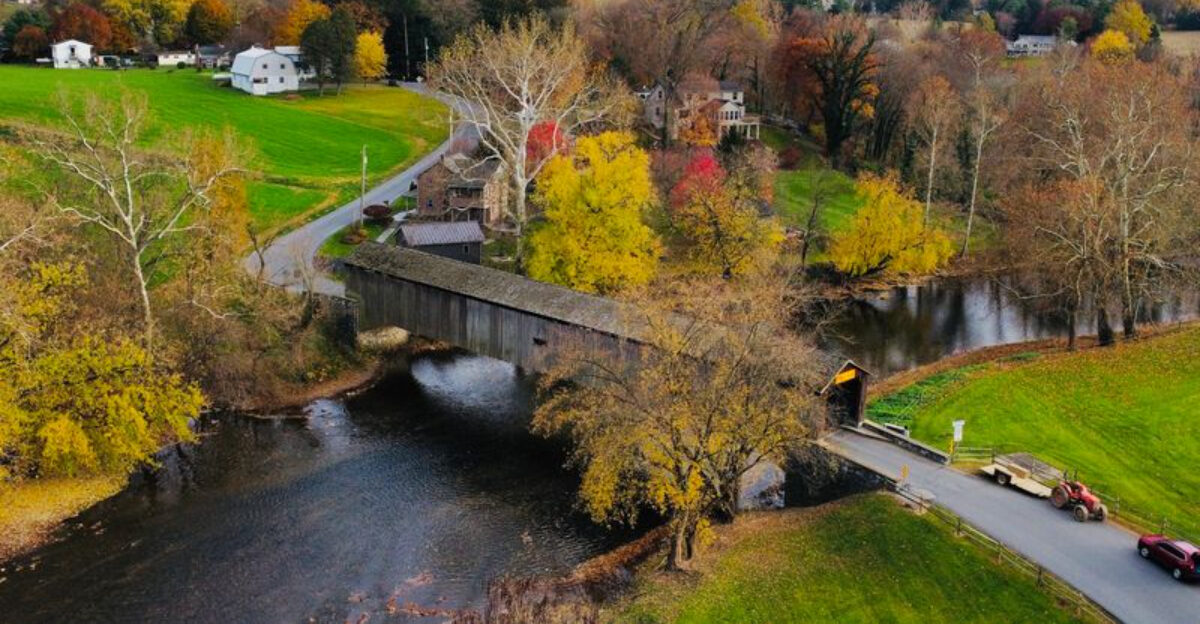
Historic Hunsecker’s Mill Covered Bridge near Lancaster has been crossing the Conestoga River area since 1849, giving travelers a quiet look at Pennsylvania history in real life.
It is simple, wooden, and wonderfully old-fashioned, yet people still drive through it, take photos, and talk about the peaceful farmland around it.
If you enjoy scenic roads, covered bridges, or quick stops that feel like stepping into a storybook, keep reading and bring your camera, because this Lancaster County landmark has plenty of charm packed into one narrow lane.
With a 4.8-star rating from hundreds of visitors, it has earned a loyal fan club without trying very hard.
Just remember, the bridge may be public, but much of the land beside it is private, so visit kindly and leave only tire tracks.
A Wooden Survivor From 1849
A bridge that has watched wagons turn into cars deserves a little respect.
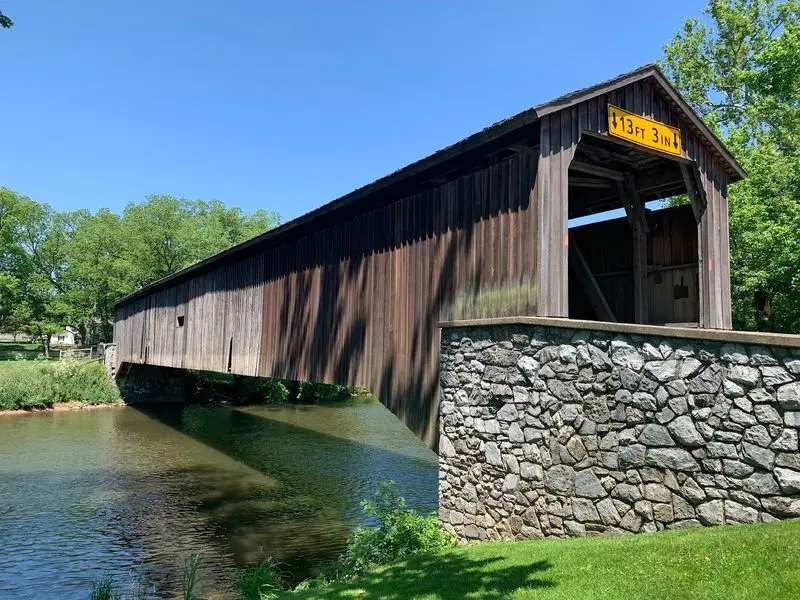
Historic Hunsecker’s Mill Covered Bridge dates to 1849, making it one of Lancaster County’s treasured reminders of early road travel.
Covered bridges were built with roofs and sides to protect the wooden deck from rain, snow, and sun.
That shelter helped the bridge last longer, which was a smart idea before modern materials took over.
Think of it as a raincoat for a road, only much prettier.
Visitors often notice that the bridge feels calm and humble, not fancy or overdone.
Its natural wood look also makes it stand apart from many red covered bridges in Pennsylvania.
That quieter style helps it blend with nearby farms, trees, and water.
When you cross it, slow down and let the moment land.
You are not just driving over a creek or river area.
You are passing through a working piece of history that has carried local life for generations.
Where To Find This Lancaster Landmark
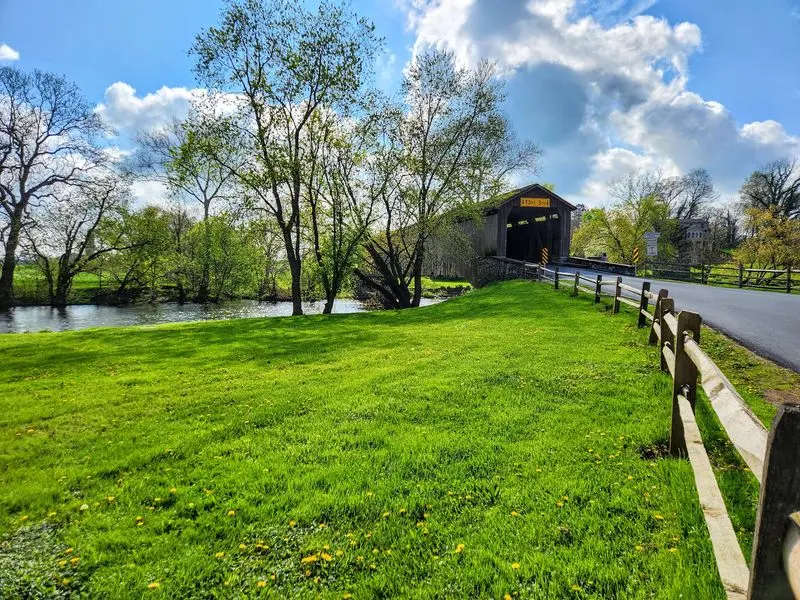
Finding the bridge feels like following a country road into a postcard.
Historic Hunsecker’s Mill Covered Bridge sits at 1335 Hunsicker Rd, Lancaster, PA 17601, northeast of the city of Lancaster.
Its coordinates are about 40.0874115, -76.2477175, but your GPS will usually do the hard work.
The landmark is open 24 hours a day, every day of the week, which makes it easy to add to a morning drive, afternoon outing, or golden-hour photo stop.
The area around the bridge is rural and quiet, with well-kept homes, farms, and green views nearby.
Many visitors say the drive to the bridge is part of the fun.
You may pass farm scenes, Amish food stands, and peaceful countryside that makes traffic lights feel like a faraway problem.
Plan your stop as short and simple.
There is no big visitor center waiting for you.
That low-key setting is part of its charm, but it also means you should arrive with patience and good manners.
A Scenic Drive That Steals The Show
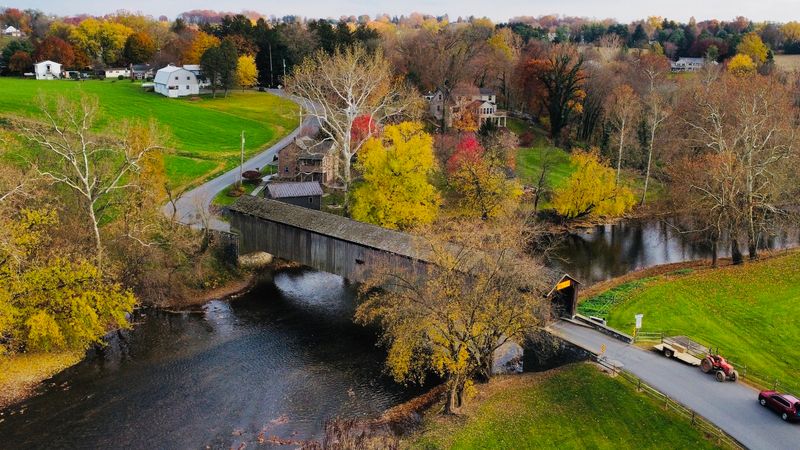
The road to the bridge might make you forget you had a destination.
Many visitors mention the scenic drive almost as much as the bridge itself.
Lancaster County rolls out farm fields, tidy homes, quiet lanes, and wide skies along the way.
Depending on the season, you might see corn, flowers, horses, or buggies moving at their own patient pace.
It is the kind of drive that gently tells your phone to stop buzzing.
Because the route feels peaceful, it can be tempting to crawl along and stare.
Still, remember that local people use these roads every day.
Pulling over without care can create problems, especially near curves or narrow shoulders.
Enjoy the scenery, but keep traffic moving safely.
If you are building a mini road trip, pair the bridge with other nearby covered bridges in the Lititz and Lancaster County area.
Keep snacks handy, charge your camera, and leave room in the schedule for unplanned stops.
Country roads love surprises.
Why Covered Bridges Were Covered
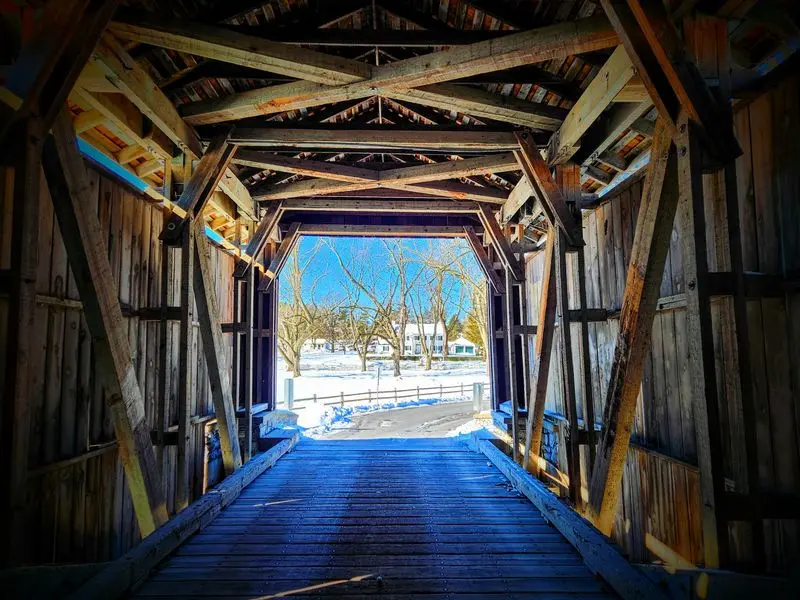
That roof is not just there for looks, though it certainly knows how to pose.
Early builders covered bridges because wooden decks and support beams could rot quickly when exposed to weather.
A roof and side walls helped protect the structure, stretching its life and saving communities money.
Before steel and concrete became common, this was practical engineering wrapped in rustic charm.
The idea was simple, smart, and surprisingly stylish.
Some old stories also say covered bridges looked a bit like barns, which helped horses feel less nervous while crossing moving water.
Whether every horse agreed is hard to prove, but the barn-like shape became a classic part of rural Pennsylvania scenery.
Today, that shape makes covered bridges easy to recognize and fun to photograph.
At Hunsecker’s Mill, the covered design helps visitors understand how people solved everyday problems in the 1800s.
The bridge was not built as decoration.
It was built to work, last, and connect neighbors across the water.
Photos, Patience, And Private Property
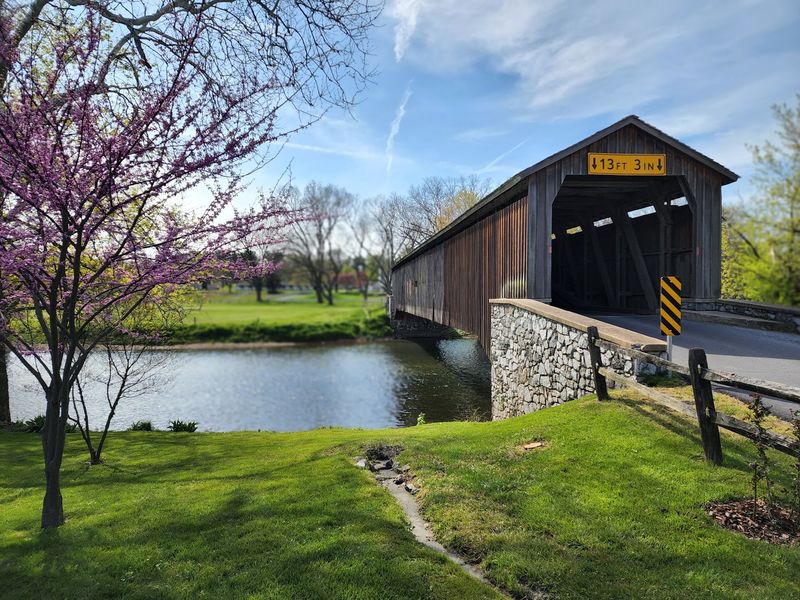
Your camera will probably get excited before you even park.
Hunsecker’s Mill Covered Bridge is a beautiful picture spot, but visitors should know the setup before arriving.
Reviews often mention that parking is very limited or not really available.
The bridge sits along an active rural road, and private property surrounds much of the area.
That means the best visit is usually quick, careful, and respectful.
If you want photos, avoid blocking traffic or walking into yards.
Stay on public areas, watch for cars, and never ignore posted signs.
A great picture is not worth annoying a neighbor or becoming the reason someone tells a wild story at dinner.
Try visiting during quieter times for a better chance at a safe snapshot.
Early morning can bring soft light and fewer cars, while late afternoon gives the wood a warm glow.
Keep your stop short, take in the view, and leave the place as peaceful as you found it.
A One-Lane Crossing With Real Traffic
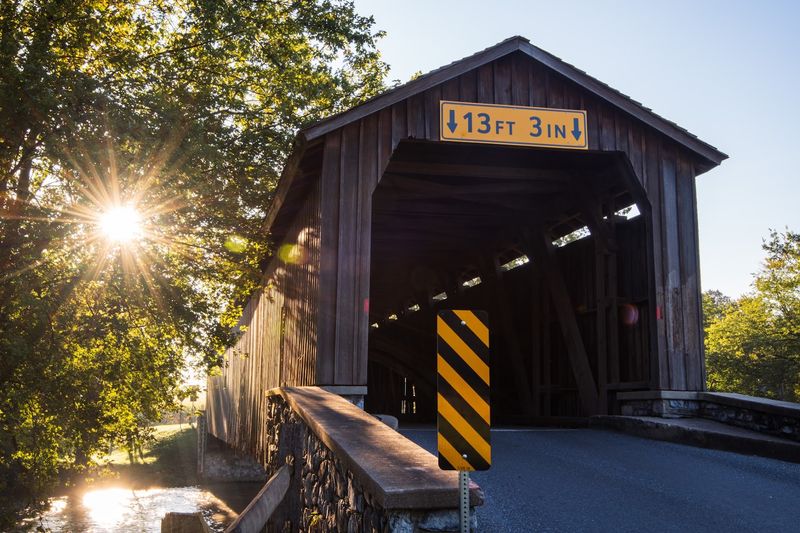
A covered bridge that still carries cars has no time to become a museum piece.
Hunsecker’s Mill Covered Bridge remains in use by traffic, which gives it a lively, real-world feeling.
You can drive through it, but you should treat it like a narrow country crossing, not a theme park ride.
Slow down before entering, look for oncoming vehicles, and wait your turn.
One-lane bridges reward patience and punish daydreaming.
The inside can feel darker for a moment as you pass under the roof.
That quick change from sunlight to shade adds to the experience.
Children may find it exciting, and adults often grin like they have found a secret tunnel, only without dragons or toll booths.
Because the road can be busier than expected for a rural area, stay alert.
Do not stop inside the bridge for photos.
Keep moving, enjoy the rumble of the wooden passage, and circle back only if it is safe.
History works best when everyone shares it politely.
Water Views Beside The Old Timbers
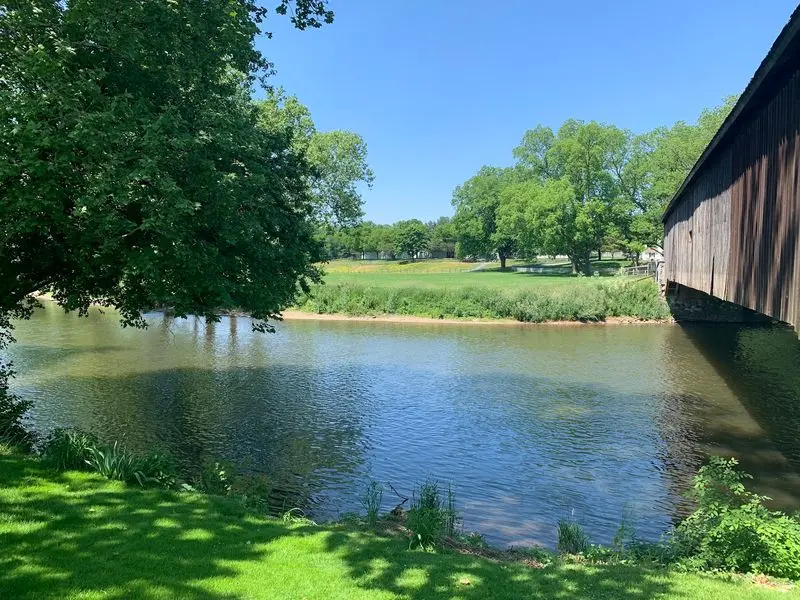
Water gives the bridge its stage, and the old wood plays the lead role.
Historic Hunsecker’s Mill Covered Bridge crosses the Conestoga River area, often described by visitors as peaceful and scenic.
The water below adds motion, sound, and sparkle to the setting.
Some people mention seeing fishing activity or canoes nearby, which makes the place feel alive without becoming crowded.
After rain, the water can run higher and faster, adding a little drama to the scene.
Enjoy the river view from safe public spots only.
Banks can be slippery, and nearby land may belong to residents.
If you bring kids or a dog, keep them close and away from traffic and steep edges.
Country beauty is still real terrain, not a movie backdrop.
The bridge and water work together to explain why this site has mattered for so long.
Roads needed crossings, mills needed streams, and communities needed connections.
Today, visitors get to enjoy the same basic scene, with fewer horses and more camera phones.
Best Way To Add It To Your Lancaster Day
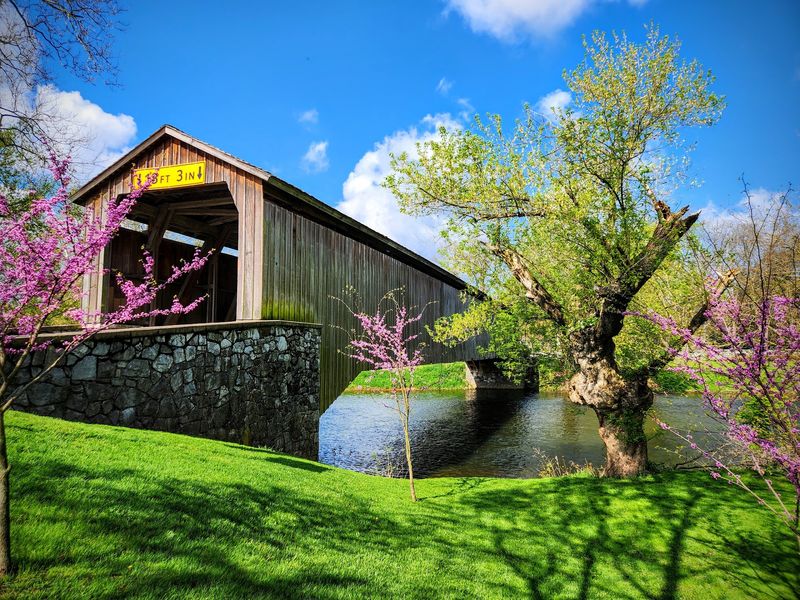
Consider this bridge the perfect five-minute detour that somehow stays in your memory all day.
Hunsecker’s Mill Covered Bridge works best as part of a relaxed Lancaster County outing.
Since it is open 24 hours and has no ticket booth, you can fit it between other stops without fuss.
Many travelers combine it with covered bridge driving routes, farm stands, Lititz visits, or countryside sightseeing.
Keep the schedule loose, because rural roads have a way of slowing people down in the best possible way.
Bring a charged phone, comfortable shoes, and a sense of patience.
You may not need the shoes much if parking is tight, but they are handy if you find a safe nearby place to walk.
Pack water, especially in summer, and check the weather before heading out.
Most of all, come for the mood as much as the landmark.
The bridge is simple, old, and quietly impressive.
It does not shout for attention.
It creaks, waits, and lets Lancaster County do the talking.