Some people drive two hours across Oregon just to pick up rice balls. That sounds like a stretch until you learn where they are headed.
On Portland’s busy east side, a small Japanese restaurant has quietly built a loyal crowd that includes vegans, gluten-free families, and plenty of folks who normally order meat without a second thought.
Every single item on the menu is plant-based, yet the dishes are modeled after the everyday meals served in Japanese neighborhood eateries. Think bowls of udon, crispy fritters, savory pancakes, and bento-style combos.
The kitchen also ferments its own pickles and bakes its own bread.
Keep reading to find out where this spot is, how ordering works, which days to plan around, and why so many first-timers end up becoming regulars before they even finish their meal.
A Neighborhood Diner on Grand Avenue
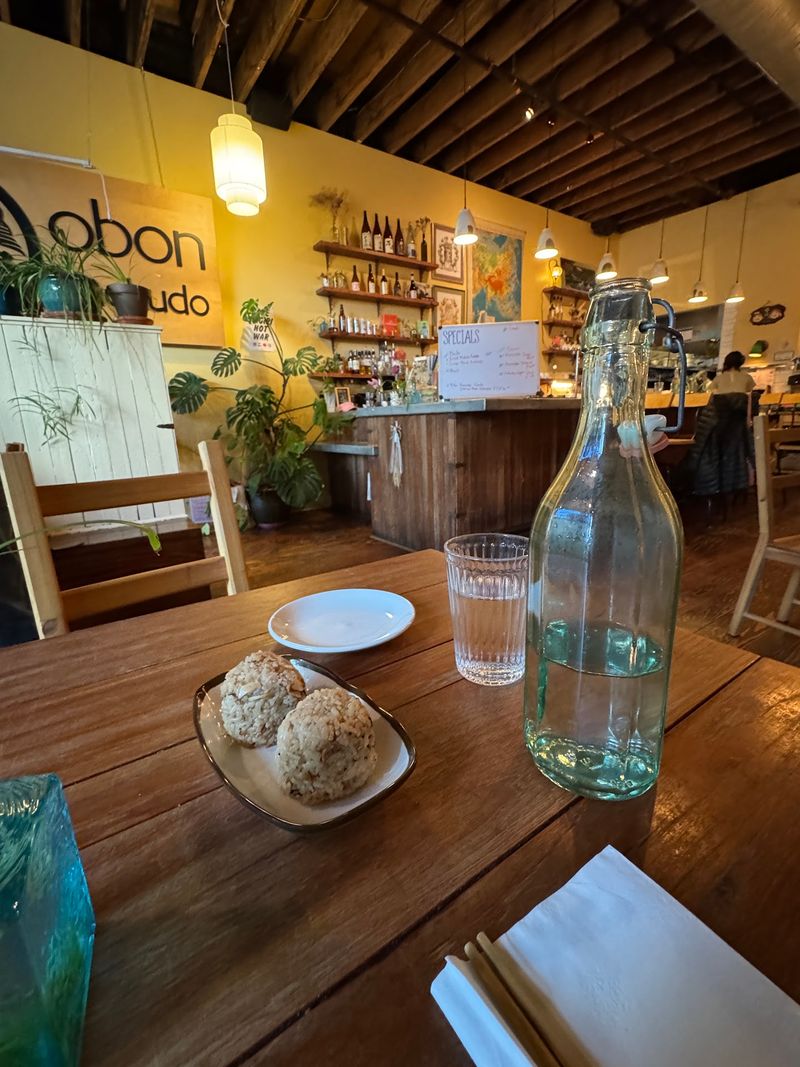
Portland’s Central Eastside is known for warehouses, small shops, and busy streets. Tucked into that mix is Obon Shokudo, found at 720 SE Grand Ave, Portland, OR 97214, in the state of Oregon.
The name gives a helpful clue. In Japan, a shokudo is a casual neighborhood eatery where people stop in for simple, filling meals.
Nobody dresses up, and nobody expects a long, formal dinner.
The restaurant follows that same idea. It is a contemporary, informal spot that serves vegan Japanese dishes, including bento, soups, and noodles.
Getting there is fairly easy because Grand Avenue is one of the main roads on this side of the Willamette River. Downtown Portland sits just across the water, so the restaurant works well as a lunch stop during a day of exploring the city.
Street parking in the area can fill up, so give yourself a few extra minutes. The good news is that once you arrive, the menu is designed to make the trip feel worthwhile.
A neighborhood diner, it turns out, can be worth a detour.
Plant-Based From Top to Bottom
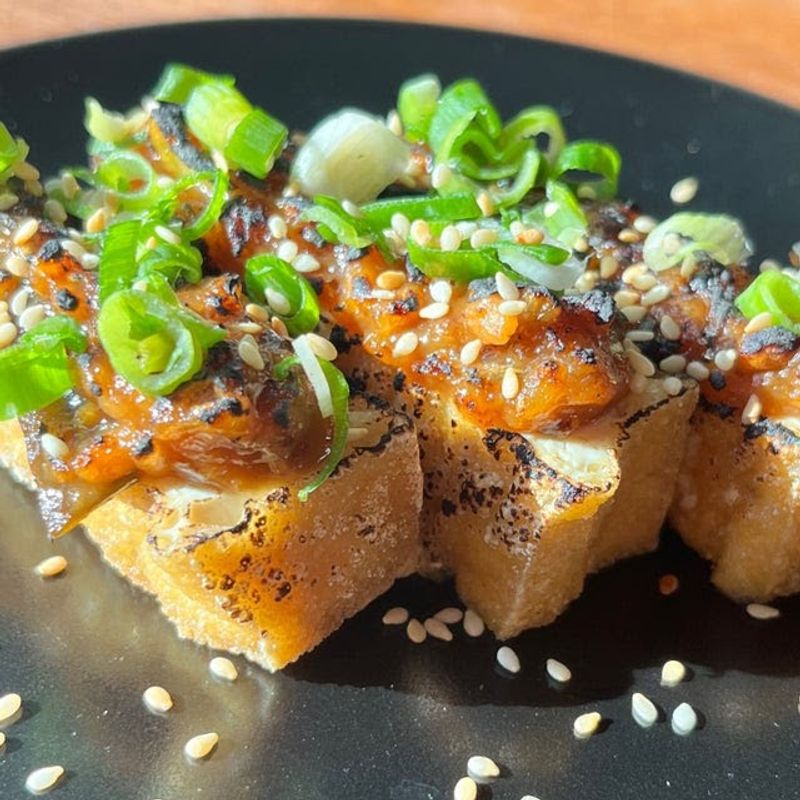
Here is the twist that surprises many diners. The entire menu is 100 percent vegan, with no exceptions tucked away in the corner.
Vegan Japanese food is not easy to find, even in Japan. Many traditional broths use fish, and plenty of classic dishes include egg or meat.
The kitchen here rebuilds those comfort meals using plants, and the results have won over a crowd far bigger than just vegans.
Meat eaters regularly leave happy. People with food allergies or dairy issues also find a lot to enjoy, since they do not have to quiz the staff about every ingredient.
The dishes do not feel like stand-ins for something else. Instead, they hold their own as tasty, well-made meals that just happen to skip animal products.
Gluten-free diners get good news too. A large number of items work for that diet, and families with kids who have celiac disease have found plenty of choices.
For a mixed group with different eating habits, that makes picking a restaurant a whole lot simpler.
Udon Worth Slurping Twice
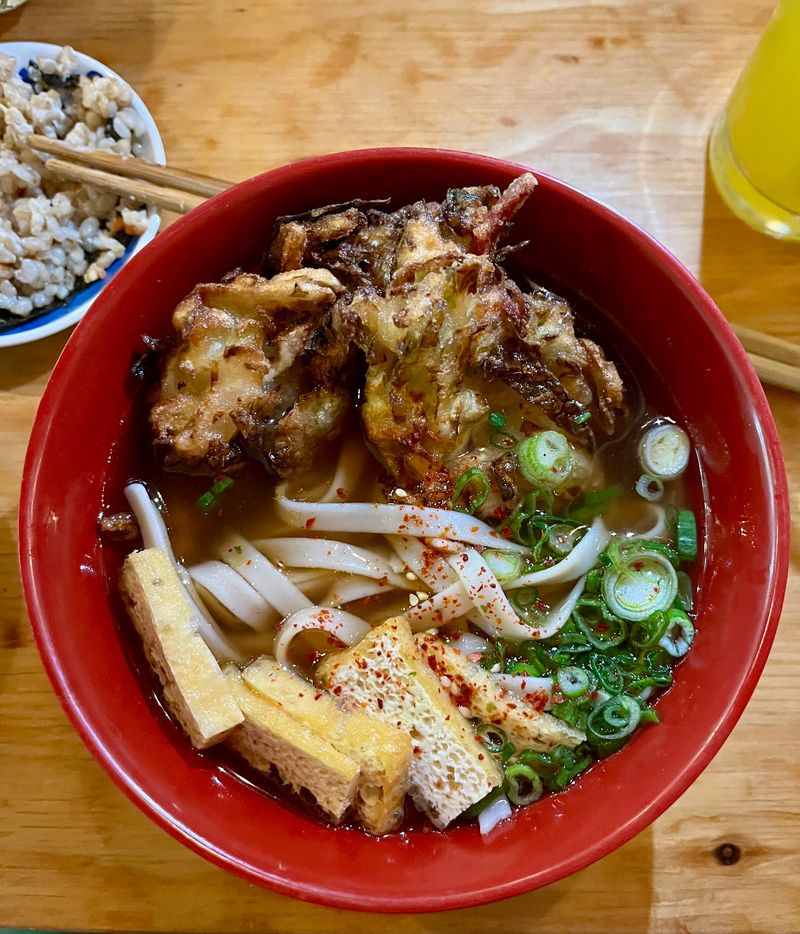
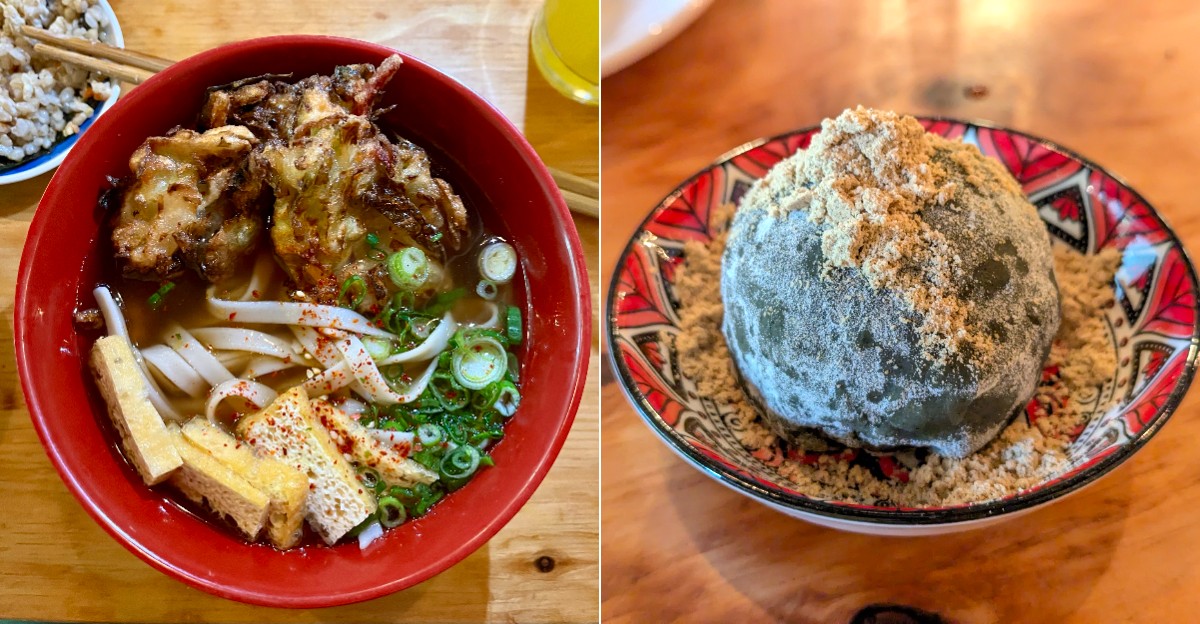
Curry udon might be the dish people mention most after they leave. The thick wheat noodles come in a curry broth that regulars describe as pure comfort in a bowl.
Tempura udon is another popular pick. It arrives in a vegan dashi broth, which is the base stock used in so many Japanese soups.
Normally, dashi includes fish flakes, so making a plant-based version that still earns praise is no small trick.
Spice fans have an option to turn things up. A three-chili sauce can be added to the soup, and it is quite hot, so start with a little and work your way up.
The menu also features an udon salad. Crunchy fritters are hidden inside, giving each forkful a fun bit of crunch next to the cool noodles.
A quick tip for planning: noodle dishes are filling, but portions are not huge. That leaves room for a side or two.
Pairing a bowl of udon with a small plate is a smart way to try more of the kitchen’s range in one sitting.
The Crunch Section
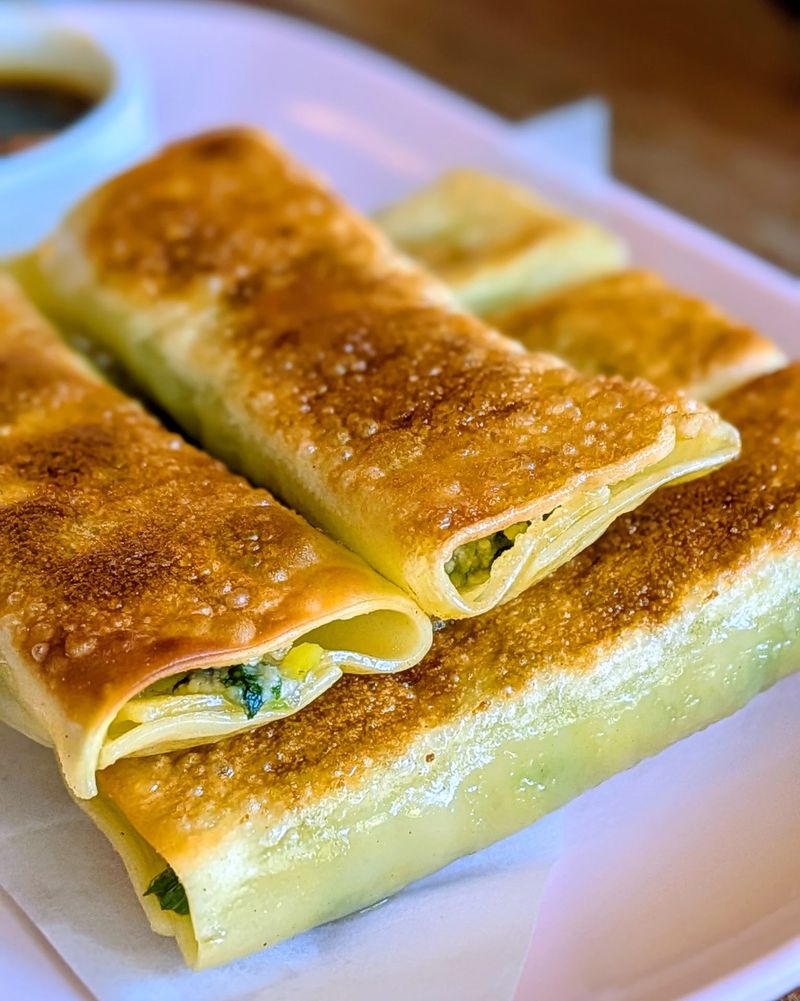
Fried food fans, this part of the menu is your happy place. The small plates and fried specialties are where the kitchen really shines, and many diners build their whole meal around them.
Kakiage leads the pack. These are mixed vegetable fritters, and they show up again and again on people’s must-order lists.
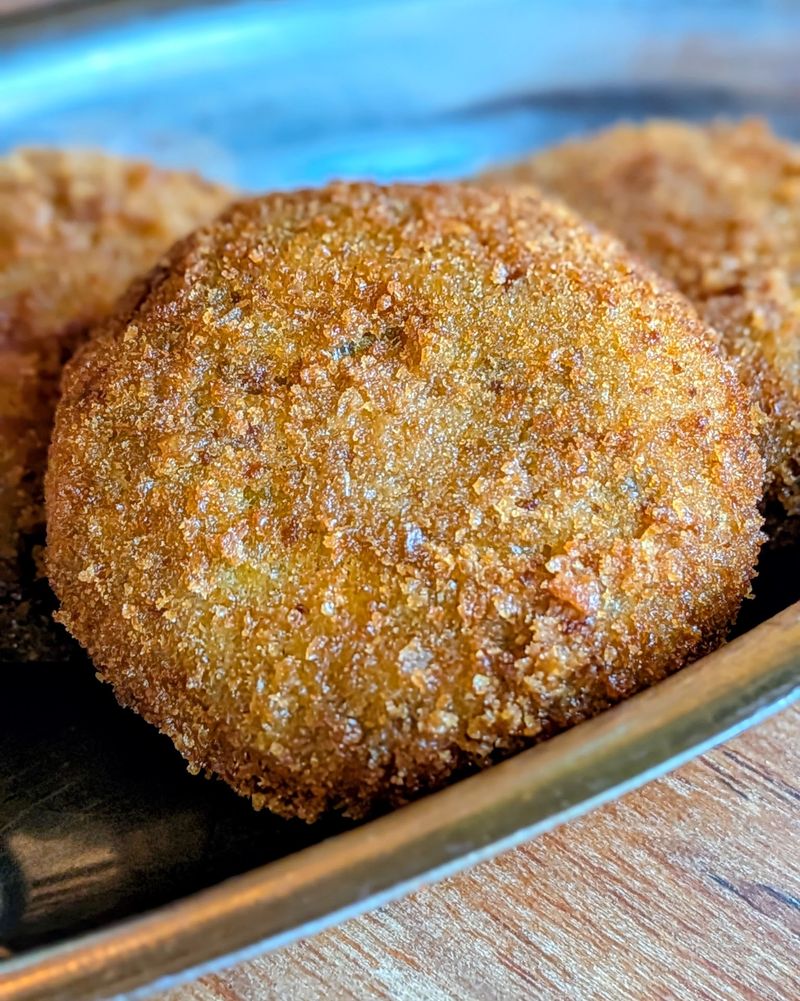
Then there are the giant tater tots. The name says it all, and they are a crowd favorite with kids and adults alike.
Curried korokke deserve a spot on the table too. Korokke are Japanese croquettes, usually made with potato, and this version gets a curry twist that has earned it a loyal following.
Tofu katsu and hand-battered karaage round out the crispy lineup. Karaage is normally fried chicken in Japan, but here it is made without any meat, and the sauce comes on the side.
Ordering several small plates to share works well for groups. Everyone gets a taste, and nobody has to choose just one favorite.
Consider it a crunchy tour of Japanese snack culture.
Rice Balls With a Secret Core
Onigiri are Japan’s classic grab-and-go snack. They are rice balls, often wrapped in seaweed, that people eat for lunch, picnics, and train rides.
At this restaurant, onigiri get a lot of attention. Most versions elsewhere use plain rice on the outside with a filling in the middle.
Here, the rice itself is seasoned throughout, and there is still a flavorful core inside for extra interest.
The kitchen uses sprouted brown rice, which has a different texture than the white rice many people expect. Some folks love it, while others find it takes a little getting used to.
Fun varieties rotate through the menu. Grilled morel mushroom onigiri and several types of miso onigiri have appeared, and seasonal ingredients often show up in creative ways.
Since onigiri travel well, they make great food for the road. Some diners even pack them up for a trip out to the Oregon coast.
Not sure which kind to pick? Ask the staff to explain the differences between the miso versions before ordering.
Pancakes, Pickles, and Patience
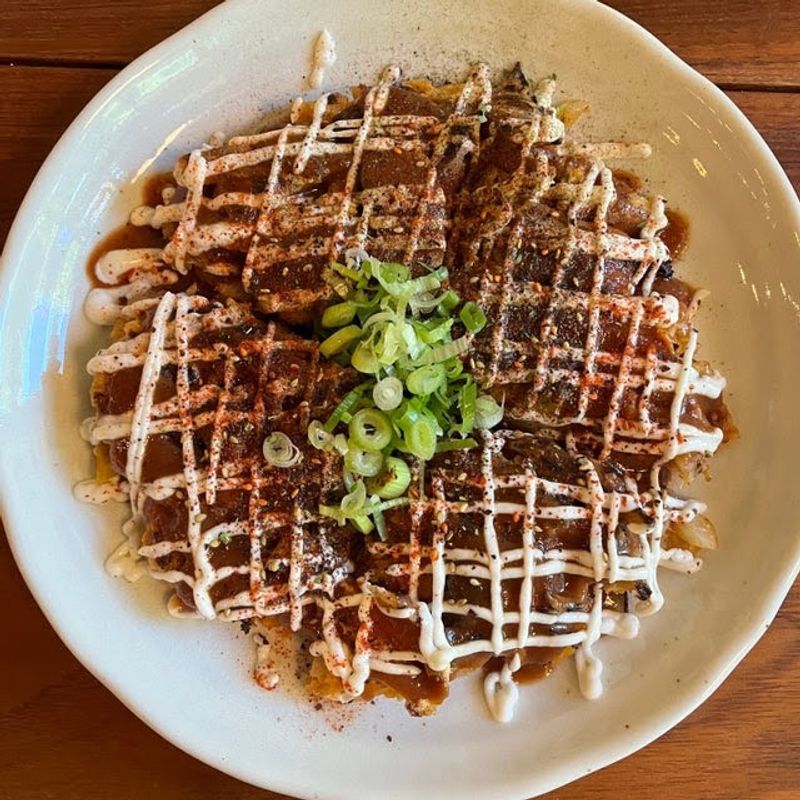
Good things sometimes take a little time. Okonomiyaki, a savory cabbage and onion pancake, is one of those dishes worth waiting for.
The restaurant’s version includes fried tofu, and some diners have ordered it with kimchi. It tends to be softer than the extra-crispy style some people know from other spots, which pairs nicely with the fried small plates.
Staff may warn you that it could take around 30 minutes. In practice, it sometimes arrives sooner, but it helps to order it early in your meal.
House-fermented items add another layer to the menu. Tsukemono, which are Japanese pickles, are made in-house and make a great side next to heavier dishes.
The kitchen also gets creative with ingredients. Stinging nettles and nasturtium leaves have appeared in past dishes, showing a playful side to the cooking.
One more favorite is the combo plate. It lets you try a little of several things at once, which is handy for a first visit.
Patience, it turns out, pays off in pancakes.
Sweet Endings and Bakery Extras
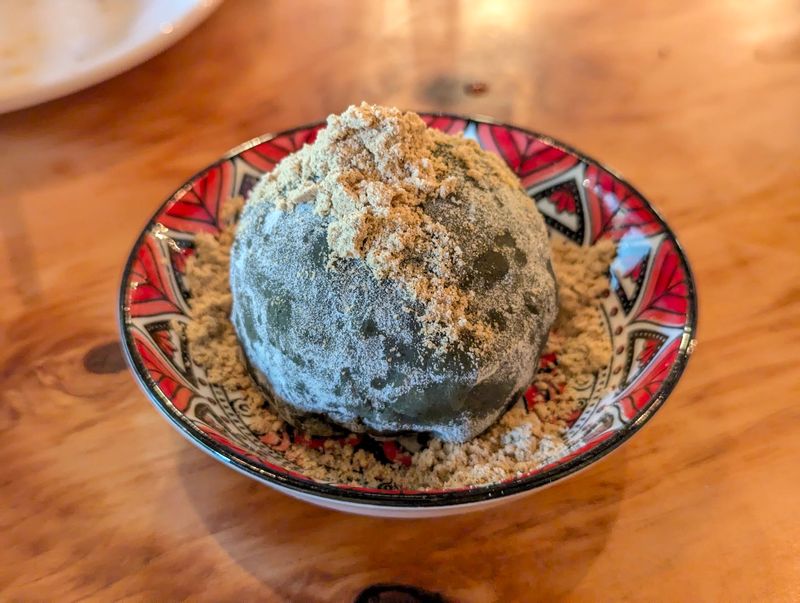
Save some room, because dessert here is more than an afterthought. The sweets menu mixes Japanese classics with a few surprises.
Ichigo daifuku is a soft rice cake wrapped around a strawberry. Quality daifuku can be tricky to find, so this is a nice chance to try it.
A layered panna cotta has been a showstopper. It has stacked levels themed around cherry blossom and matcha green tea, making it almost too pretty to eat.
A ginger-based dessert and a New York style cheesecake, all vegan, have also won fans.
On the bakery side, the milk bread is a big deal. Many people grab a loaf before heading out, and it is easy to see why it sells.
Drinks deserve a mention as well. Options include a yuzu drink, a ginger turmeric tonic, iced hojicha, and amazake, a sweet rice drink that few places in the area offer.
Leaving with a loaf of bread under your arm is a very Portland way to end lunch.
Smart Tips Before You Go
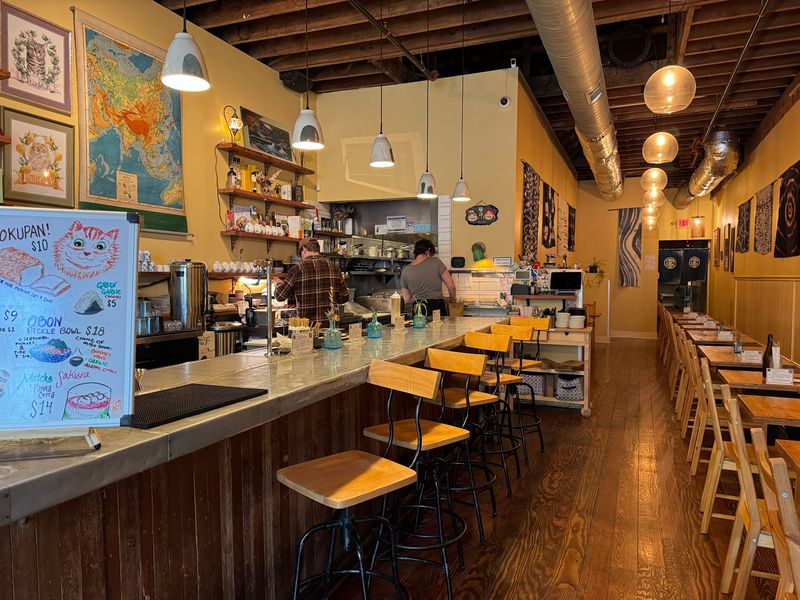
A little planning goes a long way here. The restaurant is open from 11:30 AM to 9 PM every day except Tuesday, when it is closed.
Ordering usually happens through a QR code on your table, and you pay online. Paper menus are available too, so just ask if you prefer the old-school way.
Lunch is a great time to visit. Arriving right at opening often means getting seated quickly, and daily specials can sell out by evening.
The dining room is clean, modern, and cozy. When it gets busy, food can take a bit longer, so plan for a relaxed meal rather than a rushed one.
Families are welcome, and kids tend to feel right at home. Dog owners might also enjoy the doggie sushi offered to go, a fun treat for four-legged friends.
Takeout is an option as well, which makes the restaurant easy to fit into a busy day.
From noodles to rice balls to milk bread, this cozy corner of Portland proves comfort food needs no meat to bring people back again.