
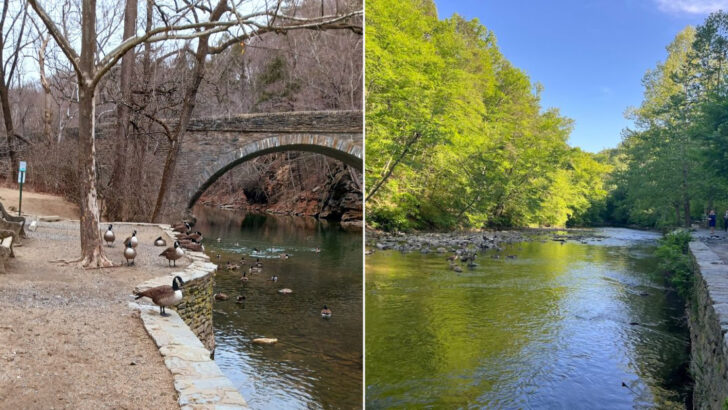
Tucked inside the heart of Philadelphia, Wissahickon Valley Park is one of those rare places that makes you forget you’re in a major city. With over 50 miles of trails winding alongside a trout-stocked creek, towering trees, and rocky cliffs, it’s no wonder this park earns a near-perfect rating from thousands of visitors.
Whether you’re a seasoned hiker, a casual walker, or someone just looking for a quiet escape, Wissahickon has something special waiting for you. Here are ten reasons why this creekside gem is considered one of Pennsylvania’s most peaceful walks.
Forbidden Drive: The Heart of the Park
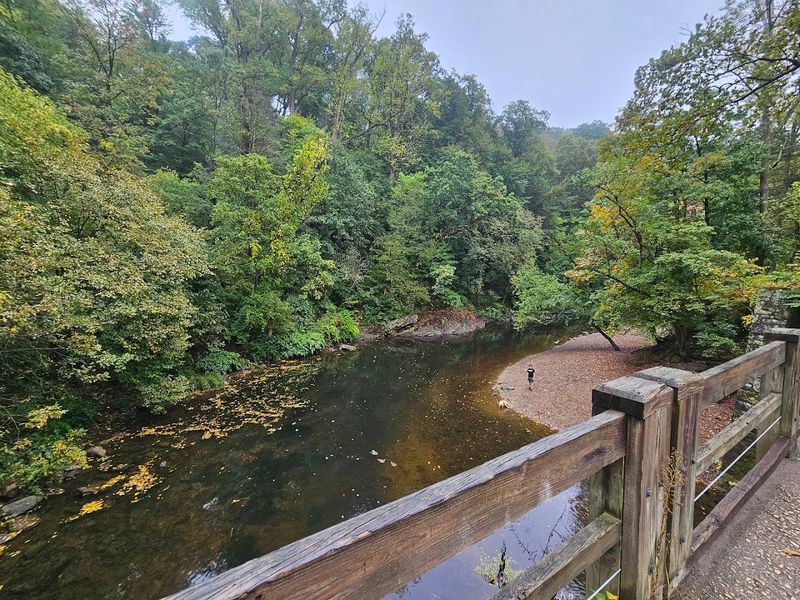
Few trails in Pennsylvania carry as much charm as Forbidden Drive, the beloved main path that runs the length of Wissahickon Valley Park. Stretching over five miles along the creek, this wide, flat, gravel-packed trail is welcoming to walkers, joggers, cyclists, and even equestrians.
It earned its unusual name back in the early 1900s when motorized vehicles were banned from using it.
On any given day, you’ll spot families pushing strollers, runners clocking miles, and friends chatting while the creek rushes beside them. The canopy of trees overhead keeps the trail noticeably cooler than the surrounding city streets, sometimes dropping temperatures by five to ten degrees.
That natural shade makes it especially popular during warm summer months.
Benches line the route at regular intervals, giving visitors a chance to sit, breathe, and simply listen to the water. Informational signs along the way share the park’s rich history, adding a layer of discovery to every walk.
Whether you walk the full length or just a short stretch, Forbidden Drive delivers a sense of calm that’s hard to find anywhere else near Philadelphia.
Wissahickon Creek: A Living, Breathing Trail Companion
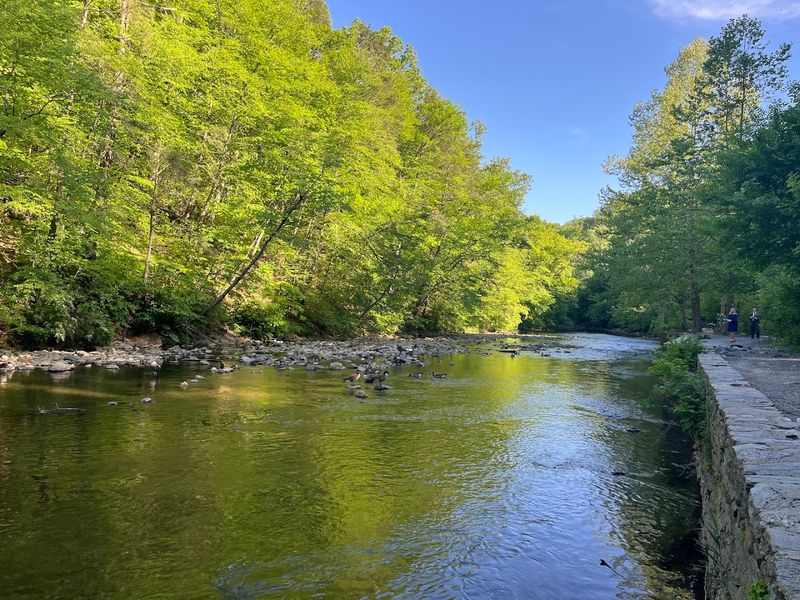
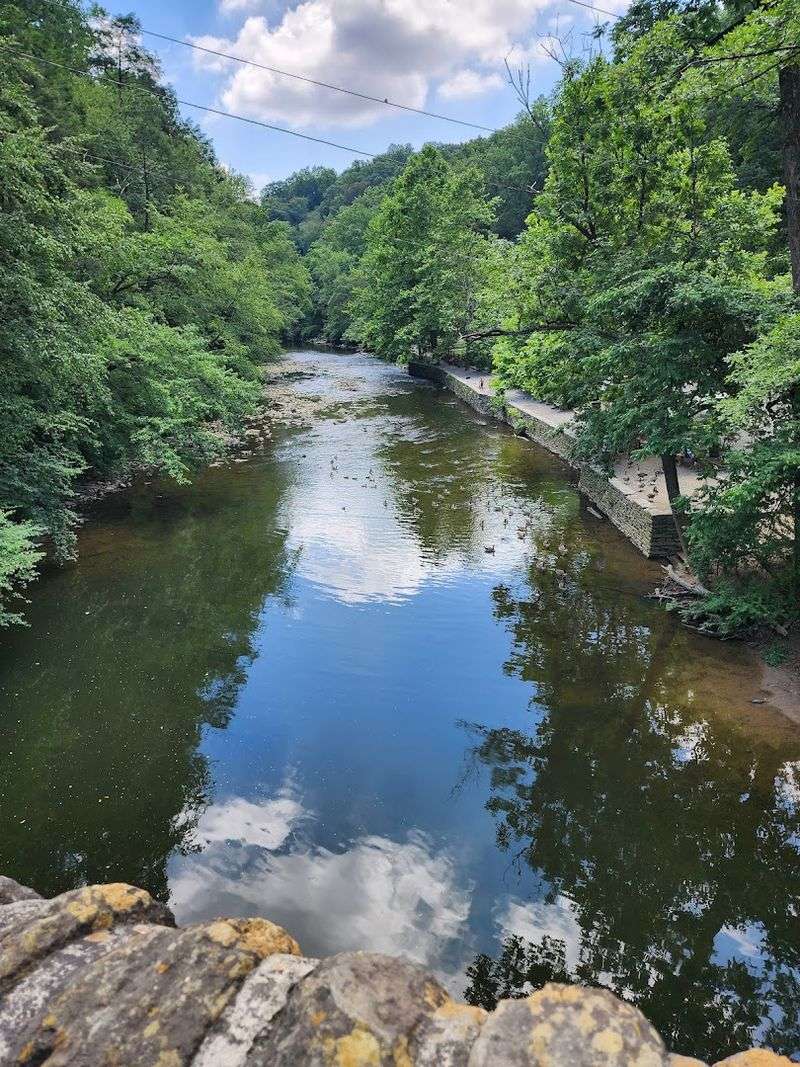
Running alongside nearly every trail in the park, Wissahickon Creek is the soul of the entire experience. Its steady current, rocky banks, and clear water create a natural soundtrack that instantly melts away stress.
Stocked with trout by the Pennsylvania Fish and Boat Commission, the creek draws anglers throughout the fishing season who set up quietly along the banks.
The creek is more than just scenery. It shapes the entire mood of the park, keeping things cool, humid, and alive with the sounds of splashing water and calling birds.
On sunny days, light bounces off the surface in ways that feel almost magical, and on overcast days, the mist rising from the water gives the gorge a mysterious, almost ancient atmosphere.
Kids especially love spotting fish darting beneath the surface and watching ducks navigate the current. Some visitors simply find a flat rock near the water and sit for a while, letting the creek do all the talking.
A few reviewers have noted occasional odor near certain sections, so choosing spots farther upstream tends to offer a cleaner, more pleasant experience. Overall, the creek is what makes this park truly unforgettable.
The Valley Green Inn: A Historic Pit Stop Mid-Hike
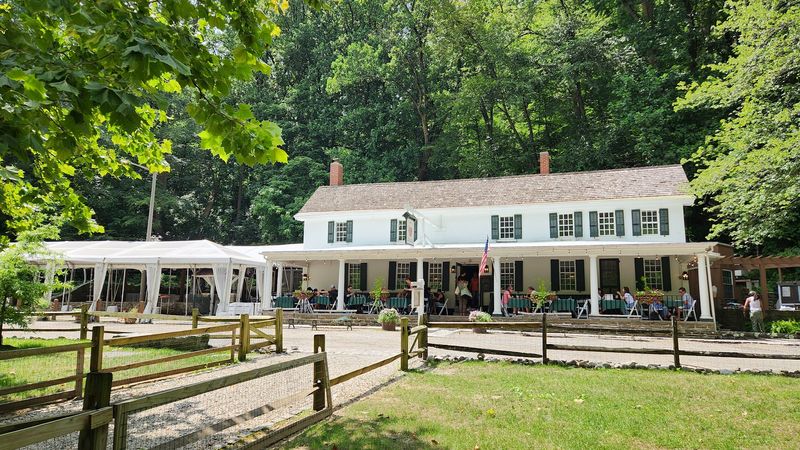
Imagine finishing a long stretch of trail and stumbling upon a charming restaurant right in the middle of the woods. That’s exactly what the Valley Green Inn offers.
Sitting right along Forbidden Drive beside the creek, this iconic white building has been welcoming hikers, cyclists, and nature lovers for well over a century. It’s one of those places that feels completely out of time.
The Inn serves food and drinks in a cozy, rustic setting, and the outdoor seating along the water is especially popular. Visitors consistently rave about the friendly, courteous staff and the warm atmosphere.
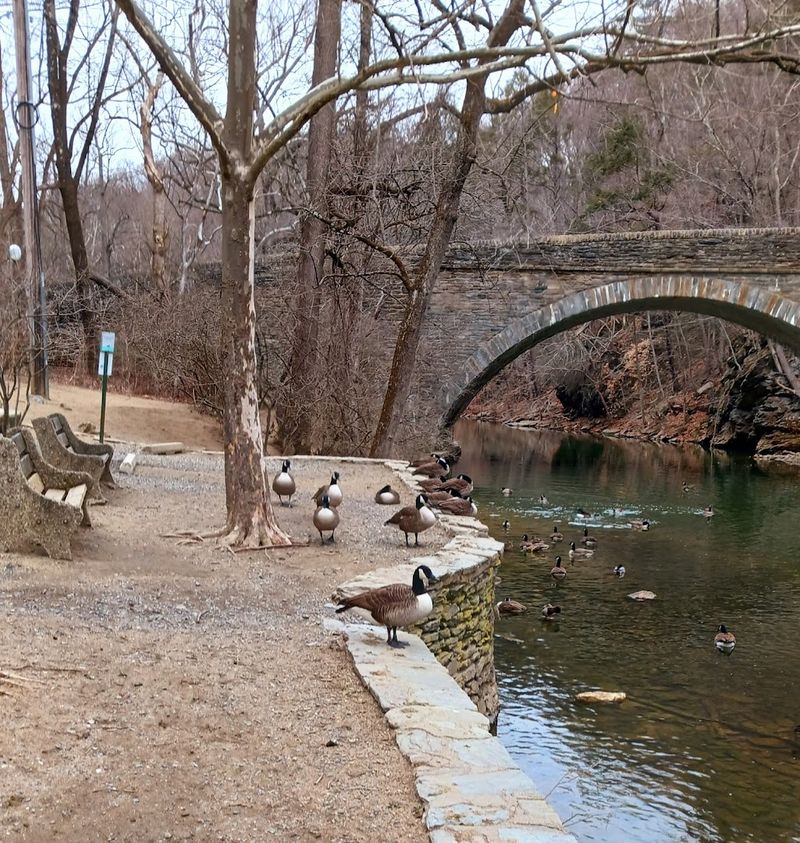
Ducks and geese often wander up from the creek looking for handouts, which adds a playful, lighthearted touch to any meal.
Even if you’re not stopping to eat, the Inn serves as a perfect landmark and halfway point for planning your hike. Many visitors use the Valley Green entrance as their starting point, parking nearby and heading out in either direction along the trail.
For first-timers, this entrance is widely considered the easiest and most accessible way to start exploring the park. A snack bar nearby also offers quick grab-and-go options for those who want something lighter before heading back out.
Devil’s Pool: The Park’s Most Thrilling Natural Spot
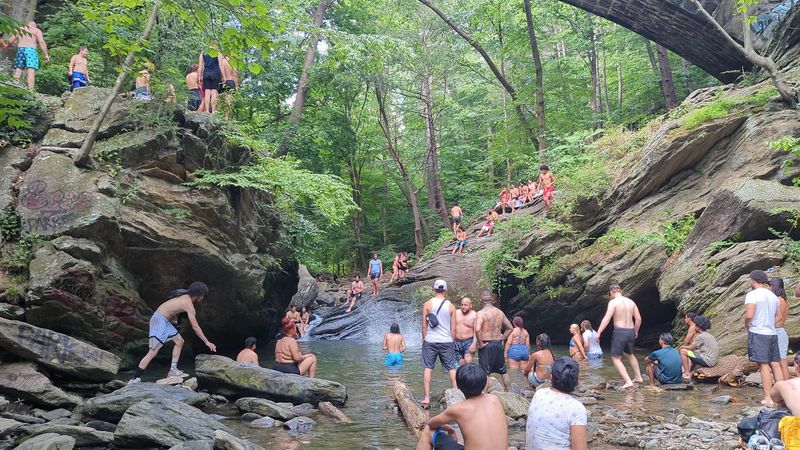
Hidden along the orange trail, Devil’s Pool is one of those places that hikers talk about long after their visit. Formed where a smaller tributary meets Wissahickon Creek, this natural swimming hole draws adventurous visitors who want to cool off in the summer heat.
The rock formations surrounding it are dramatic and beautiful, shaped by centuries of rushing water.
Getting there is not easy, and that’s part of the appeal. The path down involves steep rocky terrain, uneven footing, and sections where hiking poles are genuinely helpful.
One visitor shared a cautionary tale about a sprained ankle on the way down, so solid footwear is absolutely non-negotiable. The reward, however, is a view and experience that few urban parks anywhere in the country can match.
Young, physically active visitors tend to enjoy this spot most, and on warm weekends it can get lively with swimmers and cliff watchers. For those who want to see it without the full descent, a partial view is available from across the creek.
No matter how you approach it, Devil’s Pool is proof that Wissahickon Valley Park holds surprises far beyond a simple stroll along the creek. It’s wild, raw, and completely worth exploring.
The Statue of Tedyuscung: History Standing in the Woods
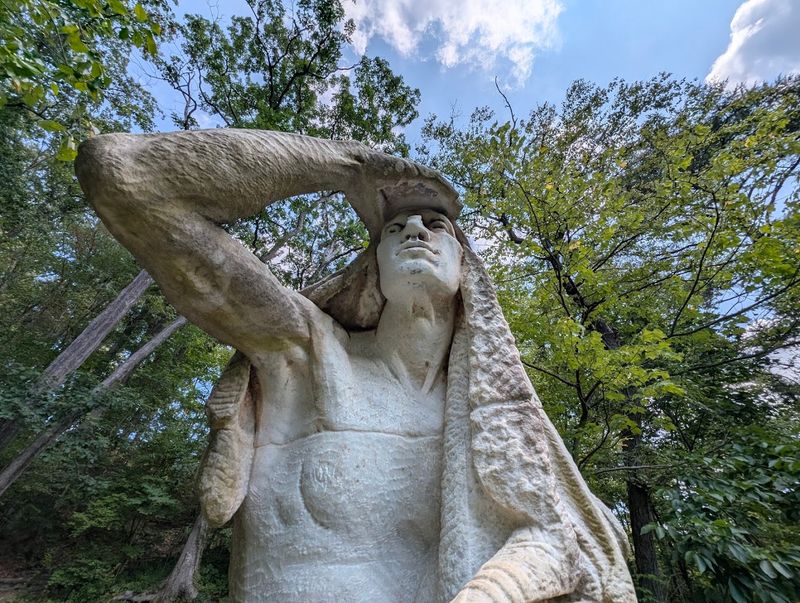
Perched high on a rocky ledge overlooking the valley, the statue of Tedyuscung is one of the most unexpected and moving sights in the entire park. Erected in 1902, this stone figure honors the chief of the Lenape people, who once inhabited this very land.
Standing roughly fourteen feet tall, the statue gazes out over the gorge with quiet dignity, a reminder of the deep Indigenous history woven into this landscape.
Reaching the statue requires a climb up the white trail, which involves a steep incline and a zigzag path near the top. The effort is absolutely worth it.
Once you arrive, the views of the valley below are sweeping and beautiful, offering a perspective on the park that flat trail walking simply cannot provide. Many hikers describe the moment of arrival as genuinely moving.
The statue is more than a landmark. It encourages visitors to reflect on the history of the land they’re walking through, adding meaningful context to what might otherwise feel like just another nature hike.
Families who bring kids often use this stop as a natural teaching moment about Indigenous culture and local history. Few parks in Pennsylvania offer this kind of layered, thoughtful experience in one compact location.
Fall Foliage Season: When the Park Turns Into a Painting
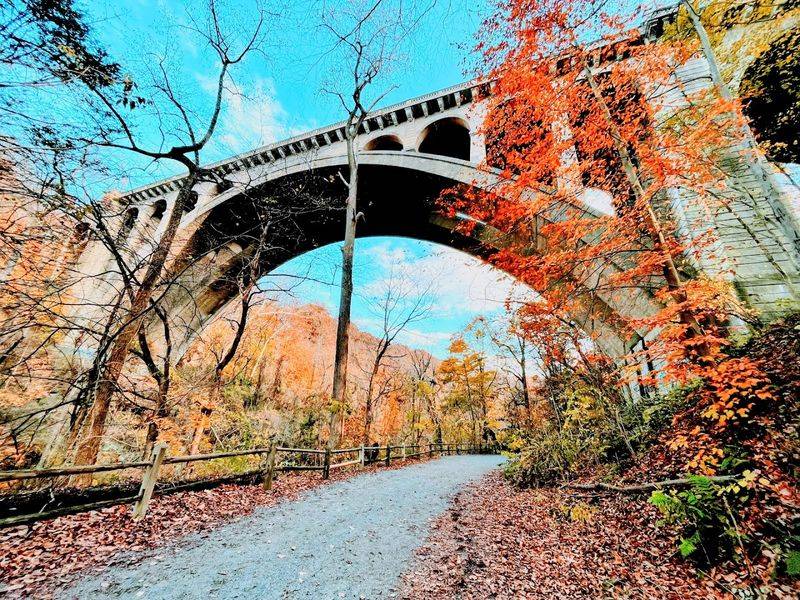
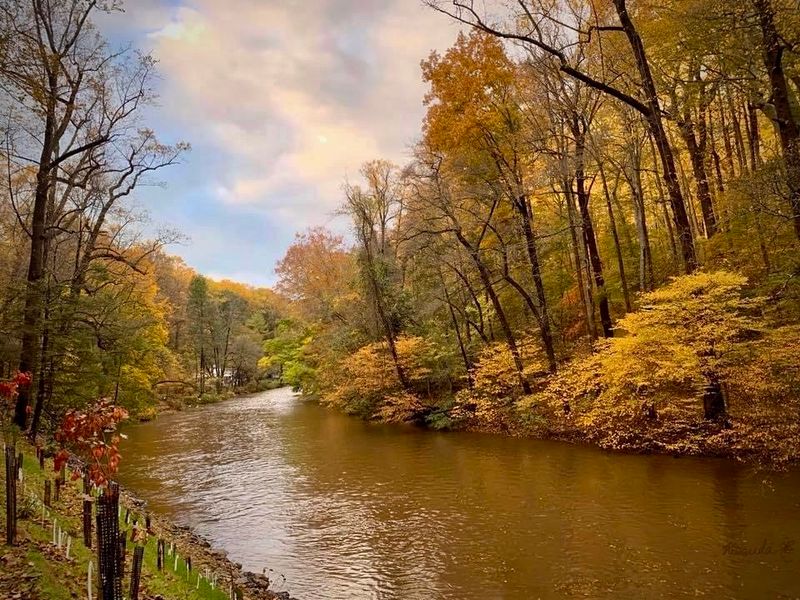
Ask any regular visitor when the best time to experience Wissahickon Valley Park is, and many will say without hesitation: fall. When the temperatures drop and the leaves begin to change, the park transforms into something that genuinely looks like a painting.
The gorge fills with layers of red, orange, and gold, and the creek reflects the colors in shimmering, ever-changing patterns.
One reviewer described visiting on a rainy fall day and said the experience was completely worth getting wet. Rain actually intensifies the colors and fills the creek with extra energy, making the whole park feel more alive and dramatic.
The misty atmosphere that settles into the gorge on cool autumn mornings adds an almost fairy-tale quality to the trails.
Photographers flock to Wissahickon during peak foliage season, and it’s easy to understand why. Every turn in the trail reveals another frame-worthy scene.
Families often plan fall picnics along Forbidden Drive, spreading out blankets while surrounded by falling leaves and the sound of the creek. If you’ve only visited during warmer months, a fall return trip will feel like discovering an entirely different park.
It consistently ranks as one of the best spots near Center City Philadelphia to watch the seasonal change unfold.
Over 50 Miles of Trails for Every Skill Level
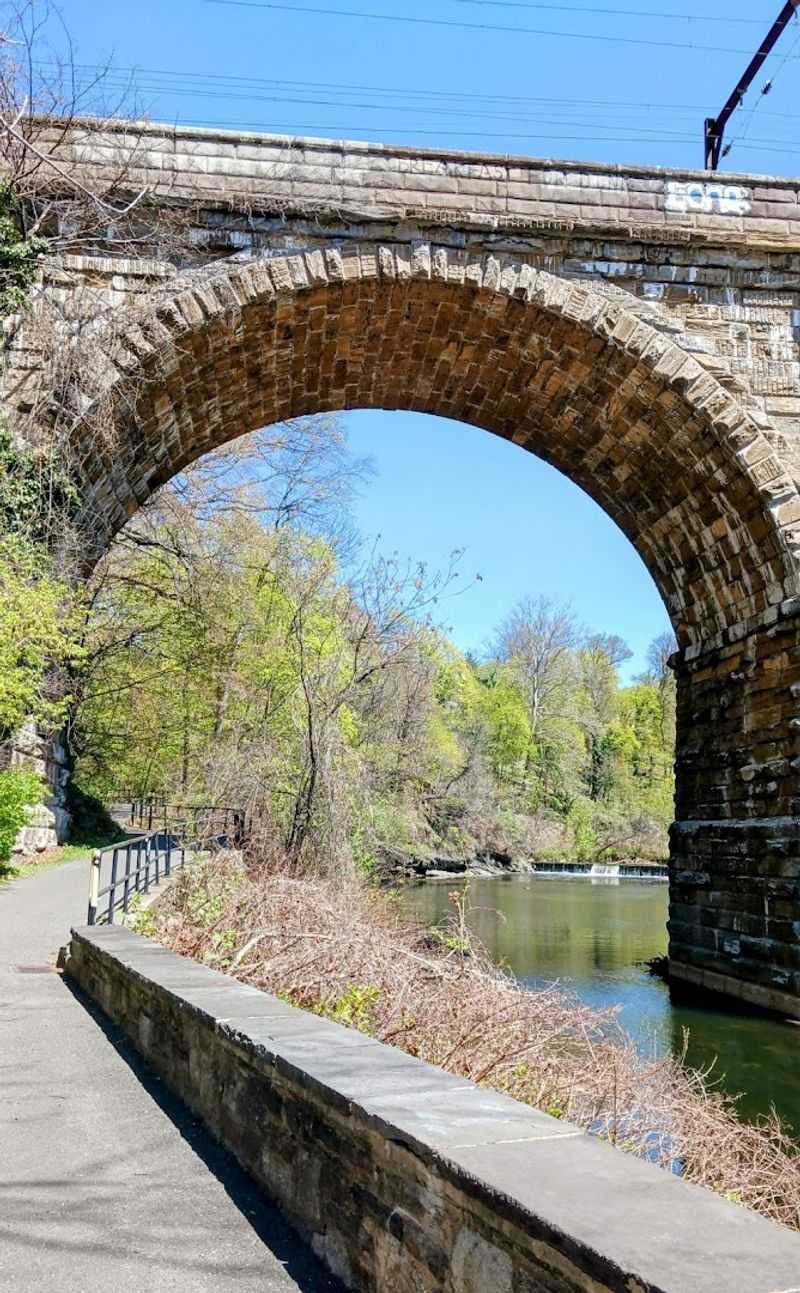
One of the most impressive things about Wissahickon Valley Park is sheer size. Covering roughly 2,000 acres, the park contains more than 50 miles of trails that range from flat, easy creek-side walks to steep, rocky climbs that challenge even experienced hikers.
No matter your fitness level, there’s a route here that fits your pace and your goals.
Trails are color-coded and clearly marked throughout the park, which makes navigation manageable even for first-timers. That said, cell service can be spotty in the gorge, so downloading an offline map before you arrive is a smart move.
The park’s website offers printable trail maps, and some visitors recommend cross-referencing with apps like AllTrails for the most accurate routing.
Popular loops include the Margaree Dam White, Orange, and Forbidden Drive combination, which clocks in around 3.5 miles and offers a satisfying mix of flat stretches and elevation gain. Hikers looking for more challenge can push deeper into the trail network, where roots, rocks, and ridge-top views reward those willing to work for them.
Walking sticks or trekking poles are strongly recommended for the steeper sections, especially after rain when surfaces get slippery. Every trail in this park feels like its own small adventure.
Wildlife and Nature Education Right Inside the City
Not many urban parks double as living classrooms, but Wissahickon Valley Park pulls it off effortlessly. One visitor shared a story about bringing their eighth grader to the park for a summer science assignment that required identifying vertebrates, invertebrates, plants, and trees.
The park delivered on every category without the family having to search very hard at all.
Birds are everywhere throughout the gorge, from great blue herons wading in the shallows to songbirds filling the canopy overhead. Deer are frequently spotted along the quieter trails in the early morning and late afternoon.
Turtles sun themselves on rocks near the creek, and in spring, wildflowers push up through the forest floor in bursts of white and yellow.
The park’s rich biodiversity makes it a fantastic destination for curious minds of all ages. Even casual walkers who aren’t naturalists by any stretch tend to notice more wildlife here than they expect.
The combination of creek habitat, dense forest, and rocky gorge creates a variety of ecosystems packed into one accessible location. For teachers, parents, or anyone who believes learning happens best outdoors, Wissahickon Valley Park is a genuinely valuable resource sitting right inside one of America’s biggest cities.
The Cliffside Views: Rewards for the Climbers
Push past the flat stretches of Forbidden Drive and climb higher into the park, and something remarkable happens. The trees thin slightly, the trail gets rockier, and suddenly you’re standing on a ridge with the entire gorge spread out below you.
The cliffside views at Wissahickon are the kind that make all the hard climbing feel instantly worthwhile.
One detailed reviewer described reaching a point where the river looked to be about a thousand feet below, though the actual elevation is more modest. Still, the feeling of height and openness is dramatic and exhilarating.
These upper trail sections require careful footing, especially around roots and loose stone, but the payoff is a perspective on the park that most casual visitors never get to see.
Sunrise and late afternoon light hit the gorge beautifully from the upper ridges, making these spots especially popular with photographers and early morning walkers. The quiet up here is a different kind of quiet than the creek-side trails below.
There’s a stillness that feels earned, a reward for the effort of the climb. First-time visitors who push themselves to reach these heights almost universally say they’ll come back and do it again.
The views alone make Wissahickon one of Pennsylvania’s most memorable outdoor destinations.
A Year-Round Escape Just Minutes from Center City
What makes Wissahickon Valley Park truly special isn’t just its trails or its creek or its history. It’s the fact that all of it exists within minutes of downtown Philadelphia.
You can finish a work meeting, hop in your car, and within a short drive find yourself surrounded by towering trees, birdsong, and the sound of moving water. That kind of accessibility is genuinely rare.
The park operates year-round, opening at 6 AM daily, which means early risers can catch the gorge in its most peaceful, uncrowded state. Spring brings blooming wildflowers and rushing snowmelt in the creek.
Summer offers shade and cool air under the dense canopy. Winter strips the trees bare and opens up views that disappear during the leafy months, giving the park an entirely different kind of beauty.
Regular visitors often say that every trip feels like a new adventure, which speaks to just how much variety the park holds across seasons and trail options. Parking near the Valley Green Inn is a favorite starting point, and multiple other access points exist throughout the surrounding neighborhoods.
For Philadelphia residents and visitors alike, Wissahickon Valley Park isn’t just a park. It’s a standing invitation to slow down, breathe deeply, and remember what matters most.