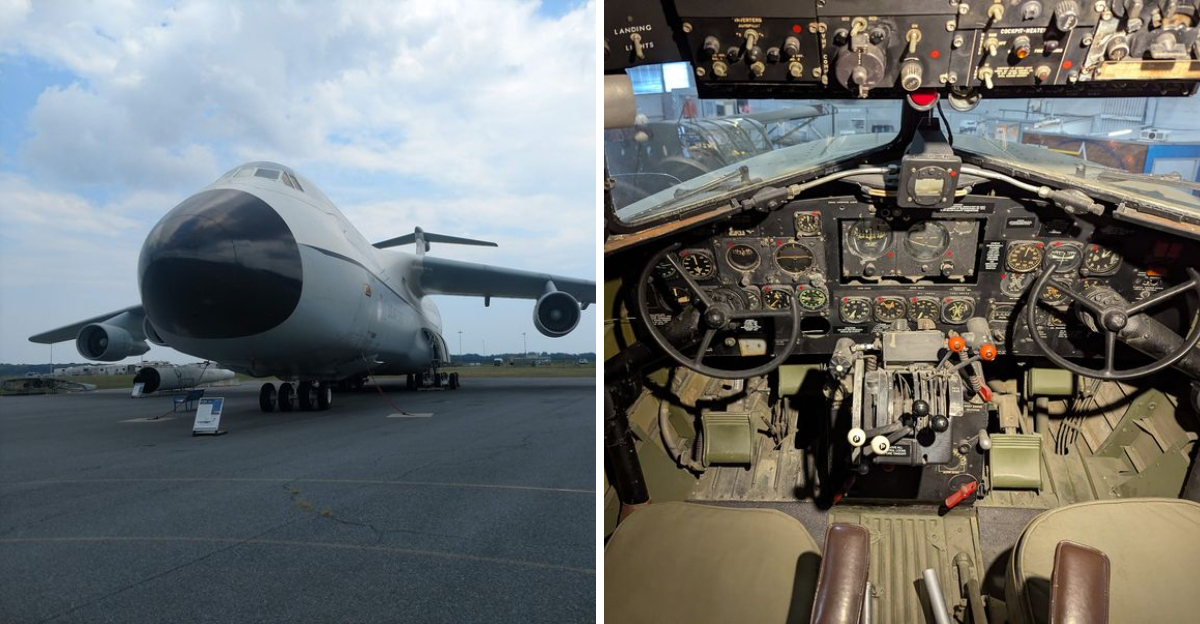
Get ready to stand beneath airplanes so massive they make you forget just how big the sky really is.
Tucked away at Dover Air Force Base, the Air Mobility Command Museum brings military aviation history right to your feet.
Giant cargo planes, powerful refueling aircraft, helicopters, and rare flying machines fill the grounds and hangars.
You can peek inside historic aircraft, climb into cockpits, hear incredible stories, and discover how these machines carried troops, supplies, and hope across the globe.
Kids can burn off some energy while adults get their aviation fix.
Best of all, you don’t need to be a pilot—or spend a fortune—to enjoy it. Admission is free, making this Delaware stop an easy addition to your travel plans.
More Than 35 Historic Aircraft Waiting to Be Explored
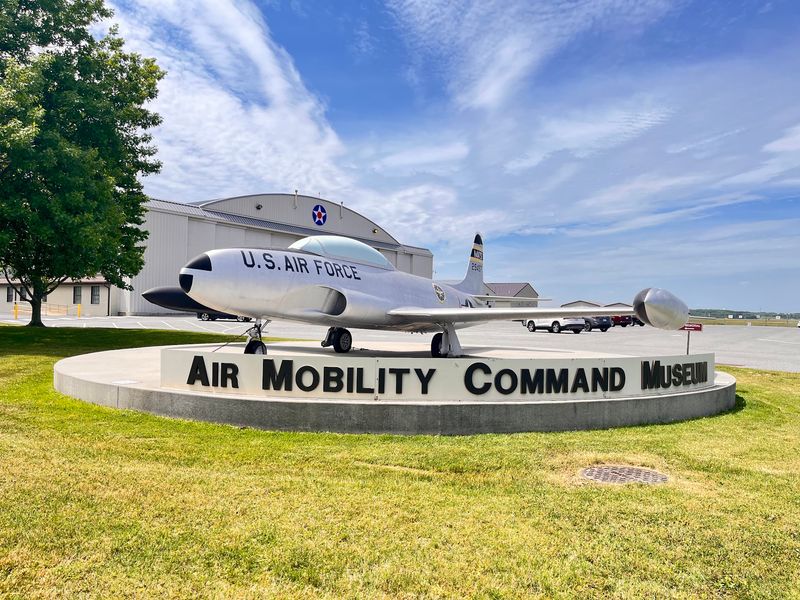
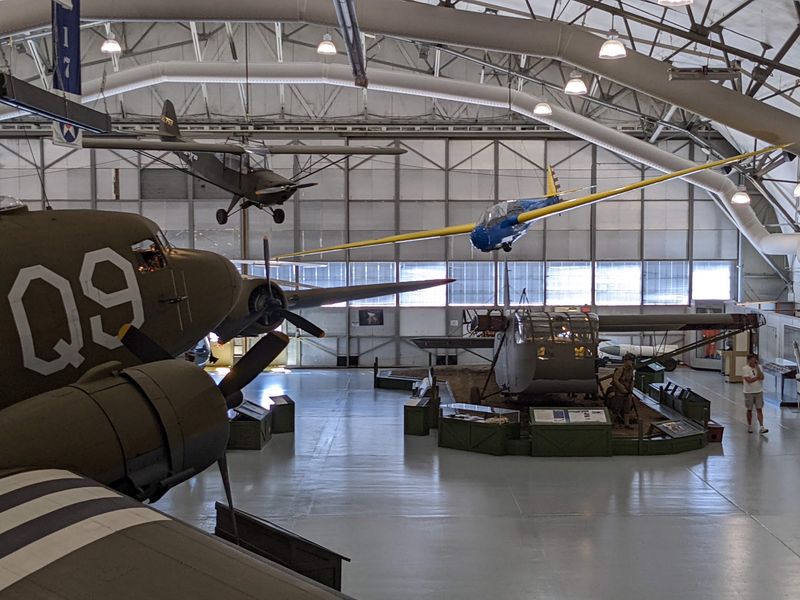
Imagine walking into a giant hangar and seeing dozens of aircraft stretching out in every direction. The museum holds more than 35 planes, and each one tells its own story.
You will spot cargo transports built to carry heavy loads, fighters designed for speed, and helicopters that could hover in place. There are also bombers, trainers used to teach new pilots, and special mission aircraft with unusual jobs.
Seeing so many different types together really opens your eyes. It helps you understand that airplanes are not all the same, and that each was created to solve a specific problem.
Take your time as you wander from one aircraft to the next. Reading the signs and noticing the differences in shape and size makes the visit far more meaningful.
By the end, you will have a much bigger picture of how aircraft serve people during wars, rescues, and everyday missions around the world.
Standing Beneath the Enormous C-5A Galaxy
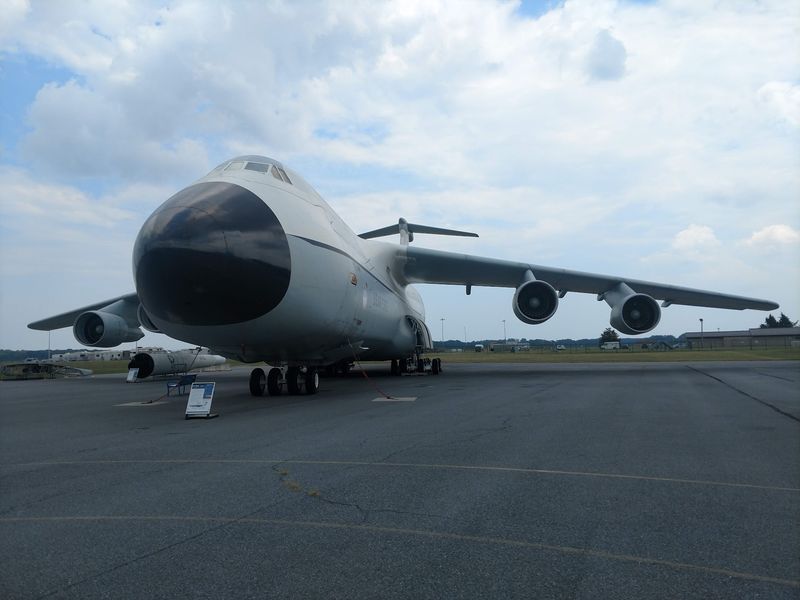
Nothing quite prepares you for the moment you stand under the C-5A Galaxy. This aircraft is so massive that people suddenly look tiny beside its wheels and wings.
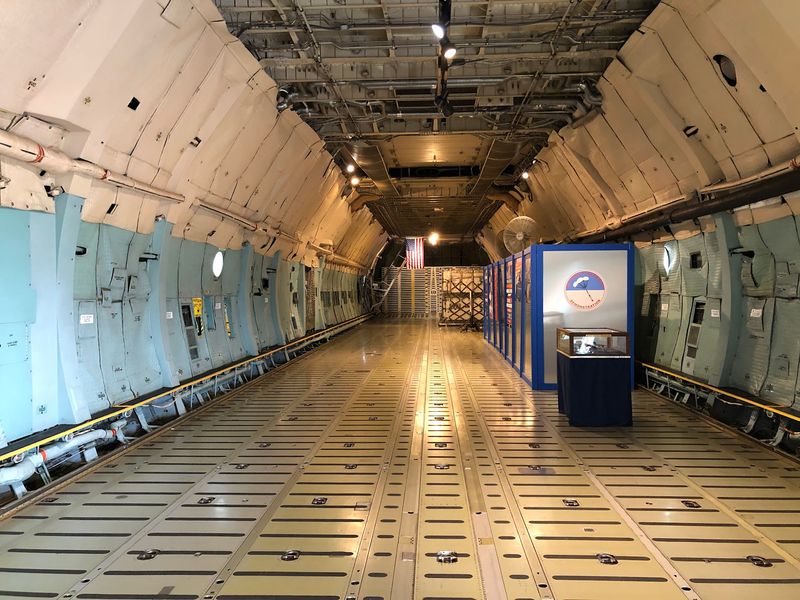
Its sheer size makes it one of the museum’s most jaw-dropping sights. You could fit an incredible amount of cargo inside its enormous belly.
Here is something that makes this particular plane even more special. During a 1974 test, the museum’s C-5A became the first and only aircraft ever to launch an intercontinental ballistic missile while flying.
That is a record no other plane can claim.
Walking around it, you start to appreciate the engineering that allows something so heavy to leave the ground. It seems almost impossible.
Bring your camera and try to capture the whole plane in one shot, which is harder than it sounds. Kids especially love guessing how many cars could fit inside this flying giant.
The Remarkable Story of the C-141 Starlifters
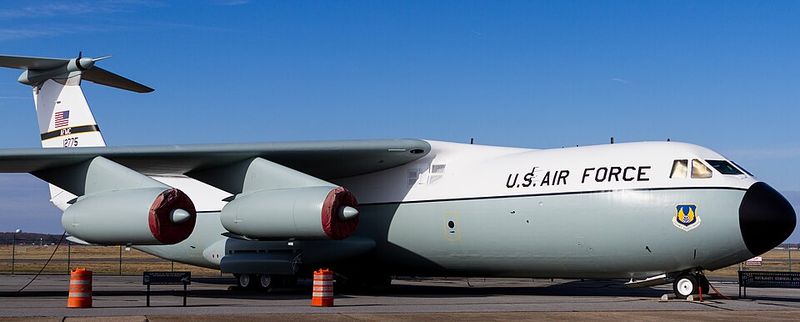
Two C-141 Starlifters sit in the collection, and they are more than just old jets. One is the very first C-141 ever built, and the other was the last one stationed right here at Dover Air Force Base.
That pairing is pretty amazing when you think about it. You are looking at both the beginning and the end of a long, important chapter in aviation.
These jet-powered cargo planes changed the way the military moved supplies. Before them, transporting heavy loads over long distances took much longer and was far less reliable.
As you stand near them, imagine all the missions they flew and the countless soldiers, supplies, and equipment they carried across oceans.
Reading their histories helps you see how technology improves over time. Each new design solved problems the older ones could not.
These planes remind us that even machines can carry decades of memories and meaning within their metal frames.
Uncovering the Powerful History of Airlift
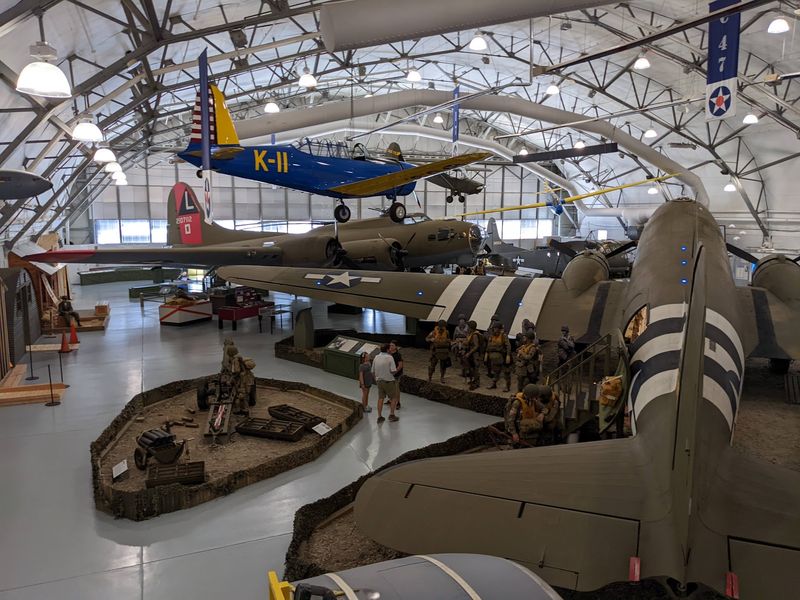
This museum does something clever. Instead of only showing airplanes, it explains why those planes mattered so much.
Exhibits walk you through major military operations and humanitarian missions where airlift made all the difference. Moving people, equipment, and supplies quickly by air often saved lives and changed outcomes.
You will find displays covering both the Korean and Vietnam Wars. These stories help you understand the challenges soldiers faced and how air transport supported them during difficult times.
What makes this section powerful is the human element. Behind every mission were real people counting on those planes to arrive.
Take a moment to read the personal accounts and look at the photographs. They add emotion and meaning that the aircraft alone cannot express.
By connecting the machines to actual events, the museum helps you grasp why airlift became such a vital part of modern military and rescue work. It is history you can practically feel.
Climbing Into the Historic Dover Control Tower
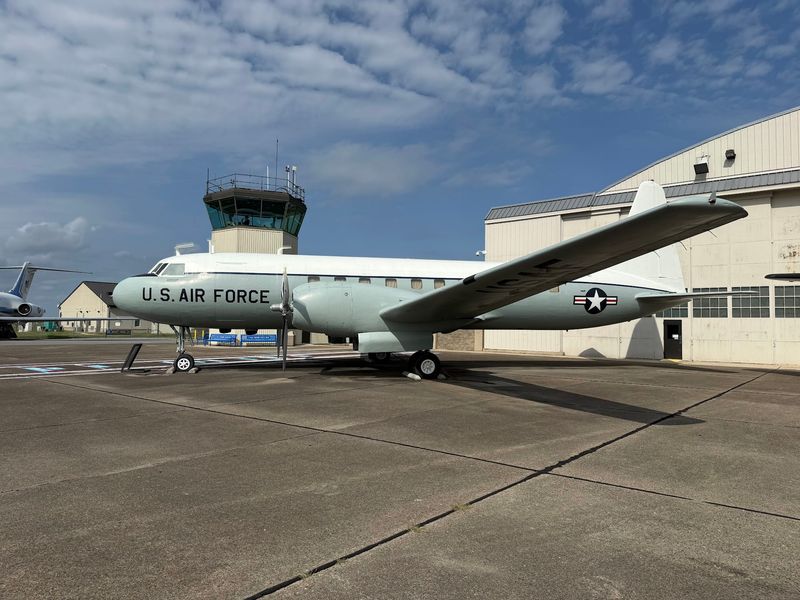
One of the coolest surprises here is the actual control-tower cab that guided aircraft at Dover Air Force Base from 1956 all the way to 2009. This is not a copy.
It is the real thing.
Standing inside the reconstructed tower feels like stepping into a control center from decades past. You can picture the busy air traffic controllers who once worked in that very spot.
Even better, visitors can listen to live radio chatter coming from the current Dover tower. While you listen, you can look out toward aircraft actually operating around the base today.
That mix of past and present makes the experience unforgettable. You are connecting history with something happening in real time.
Kids and adults alike find it fascinating to hear the calm, professional voices coordinating real flights. It gives you a whole new respect for the people who keep planes safe.
Do not rush this stop. It is a rare chance to peek into a hidden world.
Aircraft Built to Refuel Others in Midair
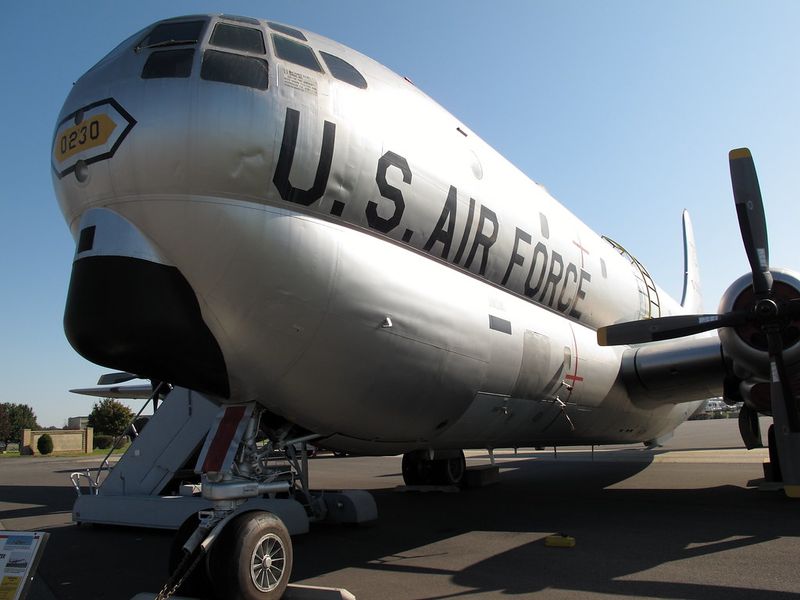
Ever wonder how planes stay in the air for such long journeys? The answer sits right here in the form of aerial refueling aircraft.
The museum displays machines like the KC-10 Extender, KC-135E Stratotanker, KC-97L Stratofreighter, and KB-50J Superfortress. Their job was to keep other aircraft flying by giving them fuel high above the ground.
This side of aviation often gets overlooked, yet it is incredibly important. Without these flying gas stations, many long missions simply would not be possible.
Seeing them up close makes the whole idea easier to understand. You can picture two aircraft flying carefully together while fuel passes between them.
That takes amazing skill and precision from the crews involved. One small mistake could be dangerous.
As you examine these tankers, think about the teamwork required to pull off such a delicate operation. It is a reminder that flight depends on cooperation, not just powerful engines and clever design.
The Fascinating First, Last, and Only Aircraft
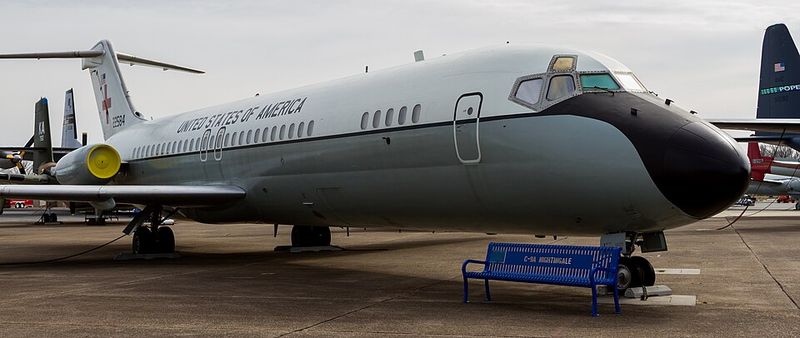
Some planes here hold records that make them truly one of a kind. These are the museum’s first, last, and only aircraft, and their stories are unforgettable.
Take the C-124A Globemaster II. It is the only surviving A model in existence and also the world’s oldest C-124.
That makes it a genuine treasure.
Then there is the C-9A Nightingale, which was the very first C-9 accepted for the Military Airlift Command. Being first gives it a special place in aviation history.
What makes these aircraft so memorable is that they are not just examples of a type. They are the individual planes that broke ground or outlasted all the rest.
Standing beside them, you realize you are looking at something irreplaceable. If these planes were gone, that piece of history would vanish too.
Keep an eye out for the small plaques describing their records. Those details transform ordinary-looking machines into legendary survivors worth remembering.
Climbing Aboard During Open Cockpit Days
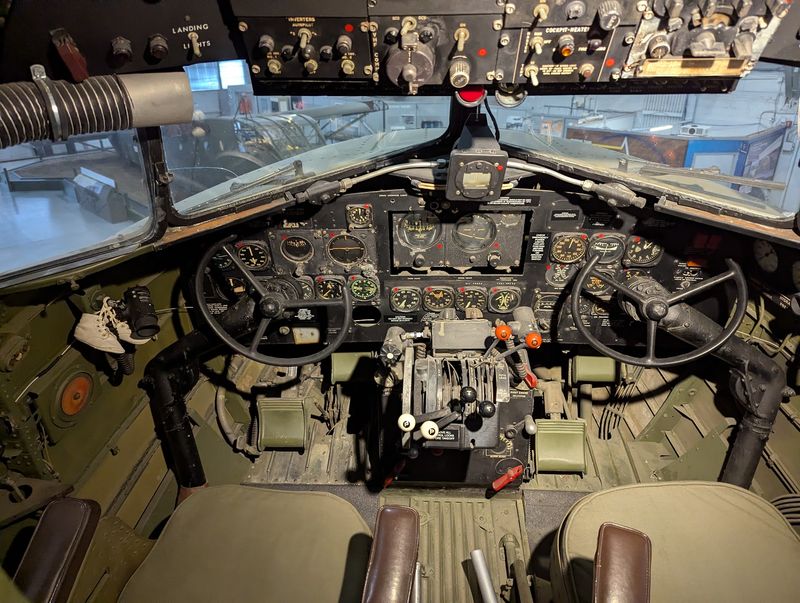
Want to actually climb inside these historic aircraft? Mark your calendar for Open Cockpit Days, which happen on the third Saturday of each month from April through October.
During these special events, the museum opens some of its planes for guided tours between 10 a.m. and 3 p.m. Keep in mind that weather and staffing can affect what is available.
Here is the best part. Retired crew members and other knowledgeable guides are often on hand to share their experiences.
They can tell you exactly what it felt like to work aboard these aircraft during real missions. Their stories bring the cold metal to life in a way no sign ever could.
Getting to sit where pilots once sat is thrilling for kids and grown-ups alike. It turns a museum visit into a hands-on adventure.
If exploring aircraft interiors is your goal, plan your trip around one of these Saturdays. You will be so glad you did.
Testing Your Skills on the Flight Simulator
Ready to feel like a real pilot? The museum’s flight simulator lets visitors age 10 and older take the controls and see what flying is all about.
You will learn the basic principles of flight in a fun, hands-on way. That includes practicing takeoff, flying the pattern around the airfield, and landing at Dover Air Force Base.
It is a great way to understand just how much focus and skill pilots really need. Suddenly you appreciate how tricky it is to keep an aircraft steady and on course.
Families with older kids especially love this activity. It turns learning into an exciting challenge rather than a boring lecture.
One thing to remember is that simulator hours depend on volunteer availability. That means it may not always be running when you visit.
To avoid disappointment, it helps to ask about the simulator when you arrive. If it is open, do not miss your chance to fly.
Everything You Need to Know Before You Go
Planning ahead makes any trip smoother, so here are the important details. The museum sits at 1301 Heritage Road, Dover AFB, DE 19902, and it is open Wednesday through Sunday from 9 a.m. to 4 p.m.
Both admission and parking are free, which is fantastic for families. You can call ahead at (302) 677-5938 with any questions.
Use the Route 9 entrance instead of the main base gate. You can reach it from US 113 or DE 1 by taking Exit 91.
The main hangar floor, store, and restrooms are accessible, and the C-141B even has a wheelchair-accessible ramp.
Remember that food and drinks are not allowed inside the hangar or on the aircraft. Snacks and non-alcoholic drinks are sold at the museum store though.
Pets must stay home, except for service dogs. For the best chance to explore aircraft interiors, check the schedule for Open Cockpit Day before you visit.