
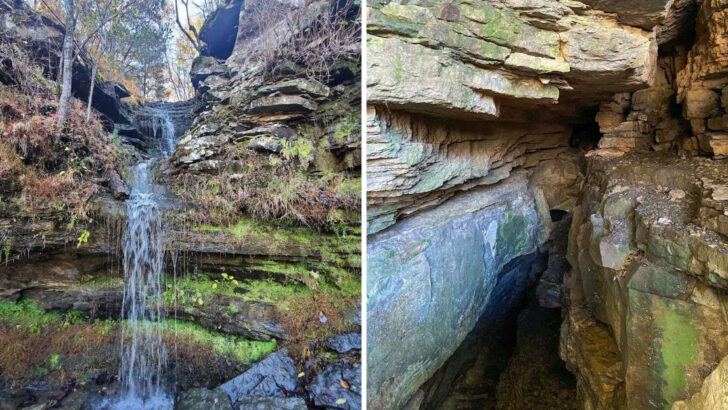
You will feel time slow as you step onto Fossil Flats Trail, where an exposed creek bed reveals ancient impressions under your boots. The path is easy to follow, yet it rewards patient eyes with marine fossils that look freshly pressed.
Add caves, bluffs, and CCC history, and it starts to feel like a natural museum you get to touch. Lace up and bring curiosity, because this Arkansas classic shines in all seasons.
Finding the Trailhead and Beating the Crowds
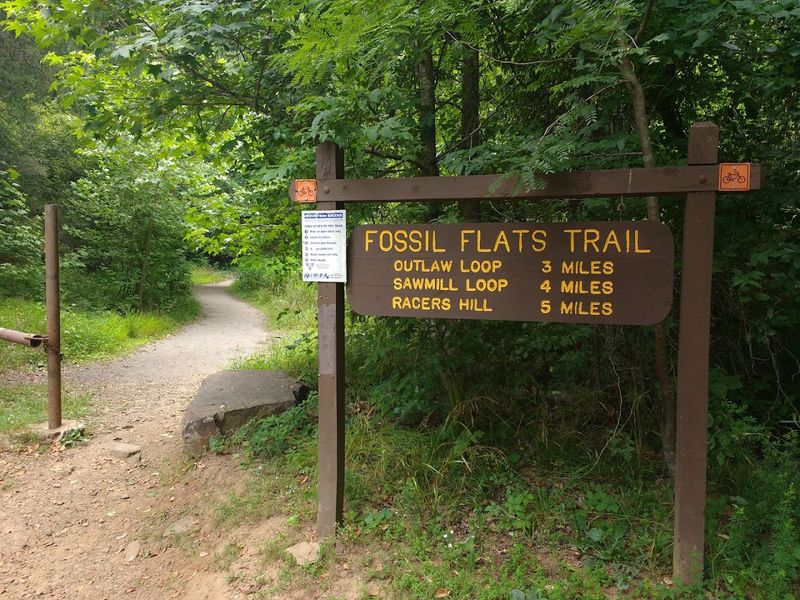
Wayfinding is simple once you enter Devil’s Den State Park, but timing your arrival matters. Pull into 11333 AR-74 and watch for the Fossil Flats Trailhead sign near the creek.
I like to start just after opening for cool air, quiet paths, and pristine photo light.
Parking fills on bluebird Saturdays and during peak color, so arrive early or target a weekday morning. If spaces look tight, circle once and be patient, because turnover is steady.
Check the kiosk map to choose the 2.4, 4.2, or roughly 6 mile loop that suits your day.
Before you clip the buckle, scan your pack for water, a small first aid kit, and a bag for trash. Cell service can be patchy in the hollows, so download an offline map and snap a photo of the posted route.
A quick restroom stop at the main area saves mid-hike scrambling.
Trail Options and Easy Route Planning
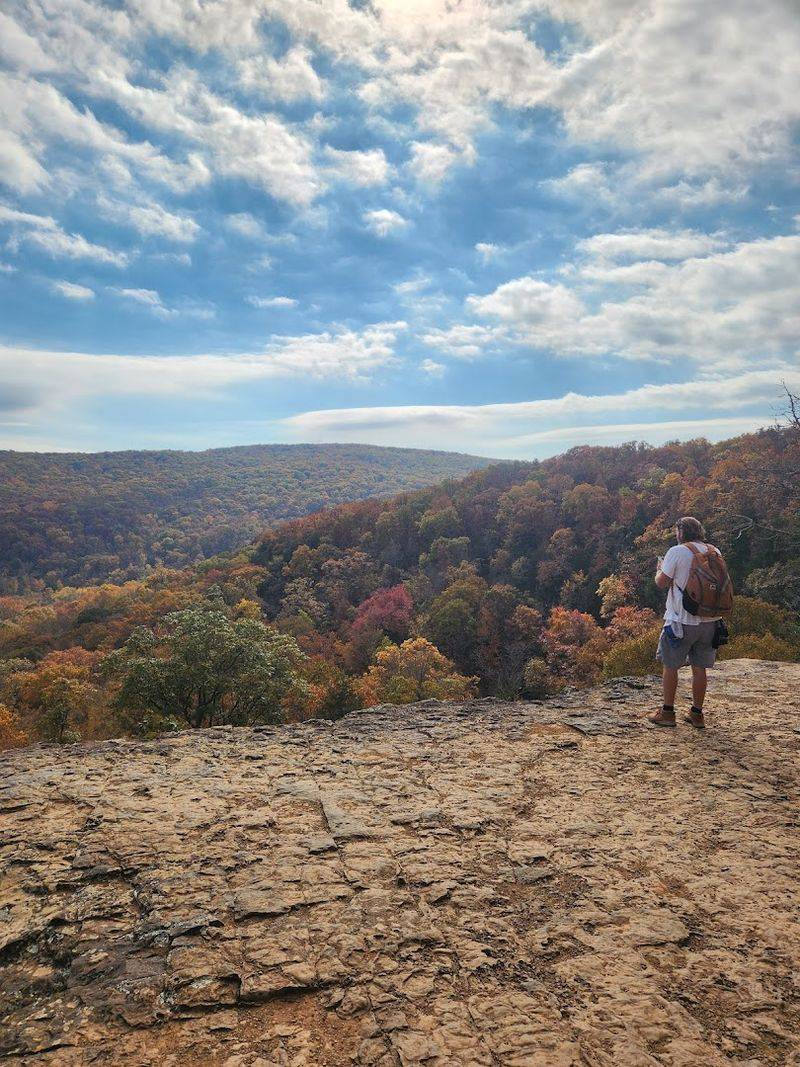
Loop choices here make planning painless. New hikers usually pick the 2.4 mile option for a relaxed sampler of creek views, bluff lines, and the fossil bed.
Feeling good at the junctions, you can tack on segments to reach 4.2 or about 6 miles without feeling overcommitted.
Expect rolling terrain with short punchy rises that keep your legs honest. The surface mixes hardpack, exposed bedrock, and leaf litter, so traction shifts with each microclimate.
I budget extra minutes near the creek because the rock shelves invite lingering.
Wayfinding is solid, yet a small compass or GPS app avoids second guessing at leafy intersections. Carry a printed map from the visitor center if technology hiccups.
If you are on a mixed group hike, agree on turnaround points and regroup spots, especially before the optional Racer’s Hill segment.
Where the Fossils Reveal Themselves
The creek bed is the star, a flat limestone stage patterned with marine life frozen in place. You will spot small cone shaped shells, ridged impressions, and clustered segments that hint at ancient seas.
Kneel, angle your view low, and you will suddenly notice patterns everywhere.
Water level changes what is visible. After modest rain, the sheen highlights textures beautifully, yet shallow pools may veil details.
Dry spells often expose the widest rock plates, turning the channel into a sprawling gallery you can scan methodically.
Hands stay off the rock, and fossils never leave the park. Take photos, use your phone’s macro mode, and place a coin for scale so friends grasp the age and size.
If something looks extraordinary, mark a GPS pin and share it with rangers rather than prying at stone.
Seasonal Timing and Weather Sweet Spots
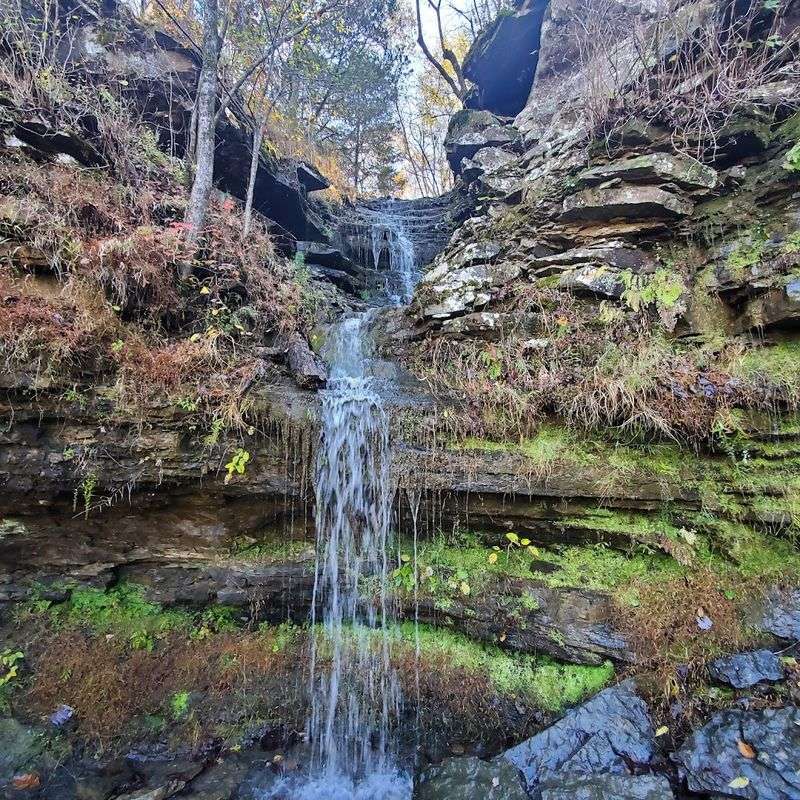
Each season shifts the mood, but shoulder months often feel magical. Spring brings cool air, clear water, and flowers flickering beneath hardwoods, perfect for slow fossil hunting.
Fall paints the canopy in copper and flame tones that land on the limestone like confetti.
Summer rewards early starts and river breaks, since heat builds quickly on exposed rock. Pack extra water and plan a shaded snack beneath bluff lines when the sun peaks.
On humid days, the cave entrances breathe out refreshing drafts that feel like natural air conditioning.
Winter hikes can be quiet and deeply photogenic, with low angled light sharpening fossil relief. Check for icy patches on shaded slabs and shorten stride for traction.
If storms roll in, step back from the creek shelf and give the water room to rise.
Safety, Creek Crossings, and Footing
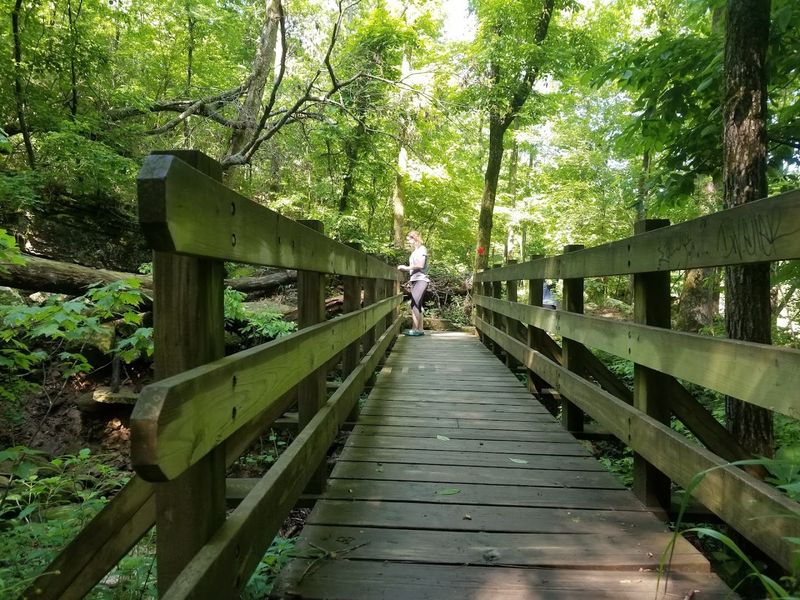
Two crossings may greet you, sometimes ankle deep, sometimes dry as a sidewalk. Before stepping, pause for thirty seconds to study current, depth, and algae sheen on the rock.
Shorter strides and three contact points make balancing feel almost automatic.
Footwear matters more than distance here. Light hikers with grippy lugs handle wet limestone far better than slick trainers.
In cooler months, wool socks keep toes happy even if water sneaks in for a moment.
Rattlesnakes and copperheads live in this ecosystem, so watch where hands land when bracing on ledges. Give wildlife abundant space and keep earbuds out so you hear movements in leaves.
A compact first aid kit, plus a charged phone in a zip bag, turns surprises into manageable blips.
Photography Tips for the Fossil Bed and Bluffs
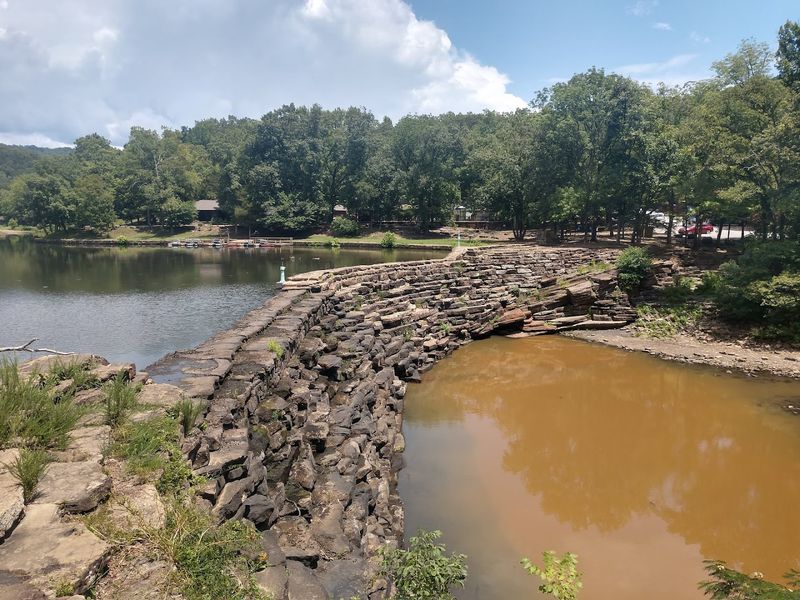
Good photos start with low angles and side light. Point your lens across the fossil plate so tiny ridges cast shadows that pop.
A pocket reflector or even white paper bounces light into shaded grooves without washing details.
For phones, switch to macro or tap to focus, then lower exposure slightly to preserve texture. Place a fingertip or coin along the edge for scale, but keep it out of the main subject.
If glare fights you, tilt a few degrees and let ripples create patterns.
Bluff portraits look best when a hiker anchors the frame for size context. Ask your partner to pause on a curve of trail and look toward the creek.
Early or late windows give warm tones on sandstone, while overcast days deliver soft, shadowless fossil studies.
Family-Friendly Hiking With Curious Kids
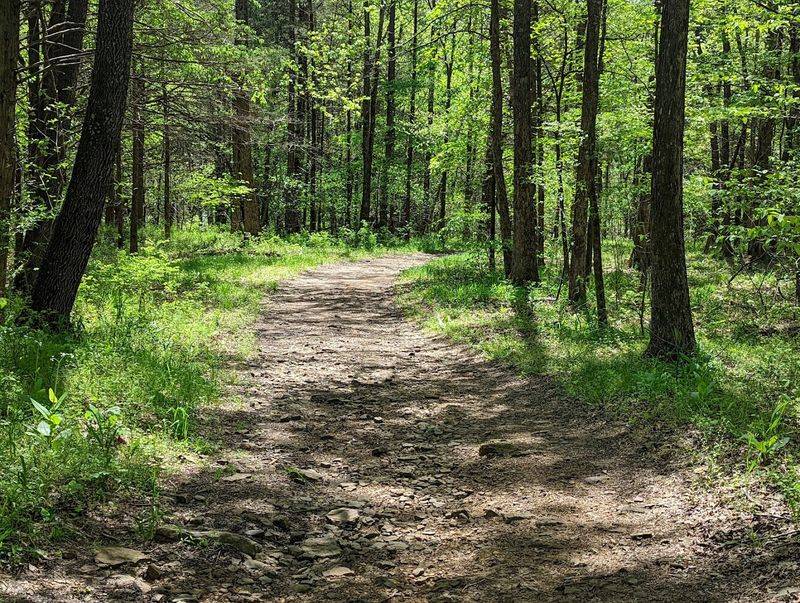
Young hikers light up when they realize the rocks hold ancient sea stories. Turn curiosity into a simple game by spotting shapes like spirals, cones, or tiny ribs.
Celebrate finds with photos, not pockets, and you will model park-friendly habits from the start.
Short loops and frequent snack breaks keep morale high. I like milestone stops at creek shelves and CCC remnants where you can share quick history bites.
Pack a small towel, a dry shirt, and a thermos of cocoa for post-splash grins.
Safety stays playful but firm. Establish a no-running rule on wet rock and a one-step back boundary near moving water.
Give kids a laminated trail map, a whistle, and a simple job like counting bridges so they feel invested and aware.
Leave No Trace at a Living Classroom
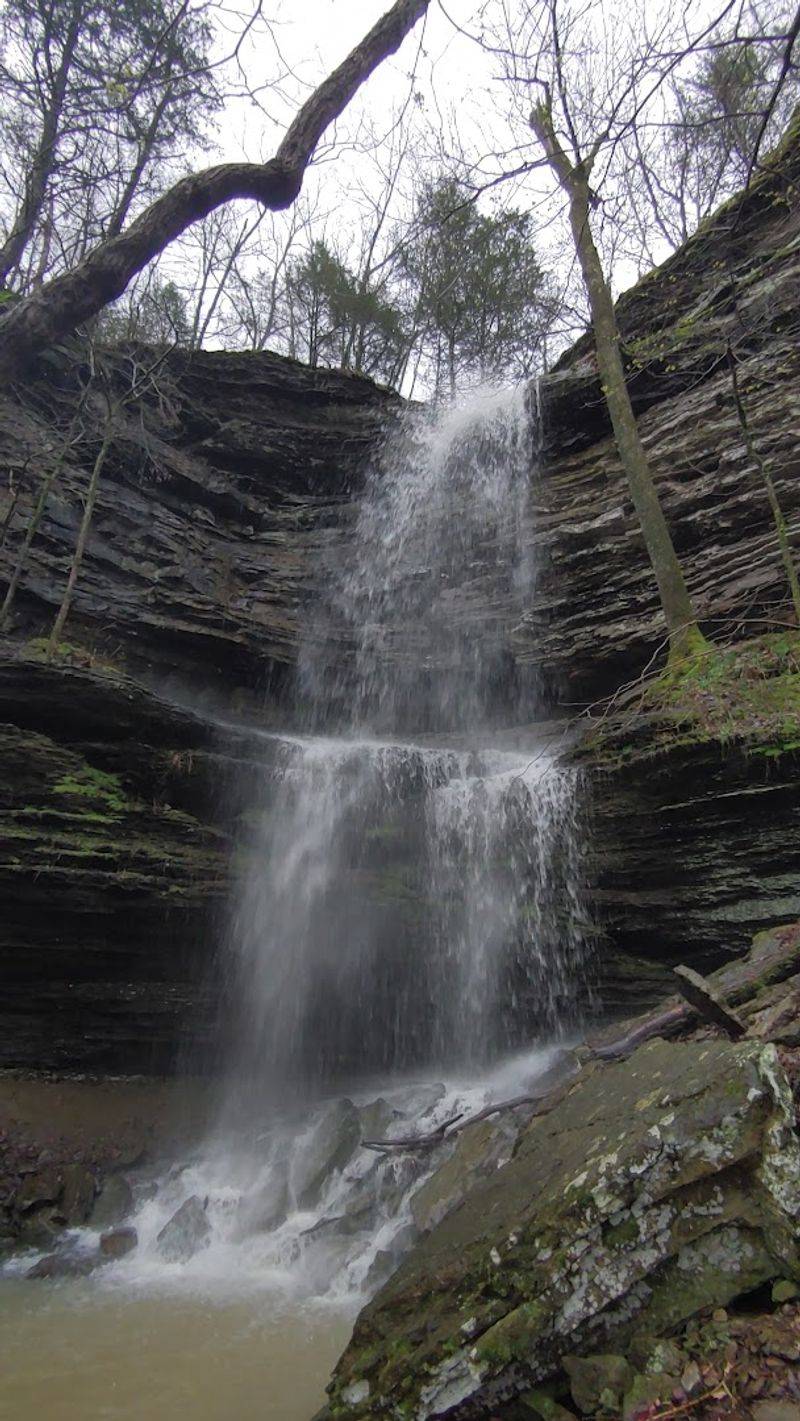
This creek bed doubles as an outdoor lab, which makes small choices matter. Stay on durable surfaces where possible and keep boots off fragile edges that fracture under twisting force.
If you must step onto slabs, place feet carefully and avoid prying at embedded fossils.
Pack out every crumb and microtrash piece, including fruit peels that do not belong here. Dogs are welcome when leashed, and waste bags go out with you, not under rocks.
Voices carry in hollows, so keep the soundscape calm for wildlife and other hikers.
Finally, share knowledge generously. A kind reminder about photo-only collecting often changes behavior more than scolding.
Post your best shots with location notes that encourage stewardship and credit the park team maintaining this remarkable corridor.
Mountain Biking Etiquette on Shared Segments
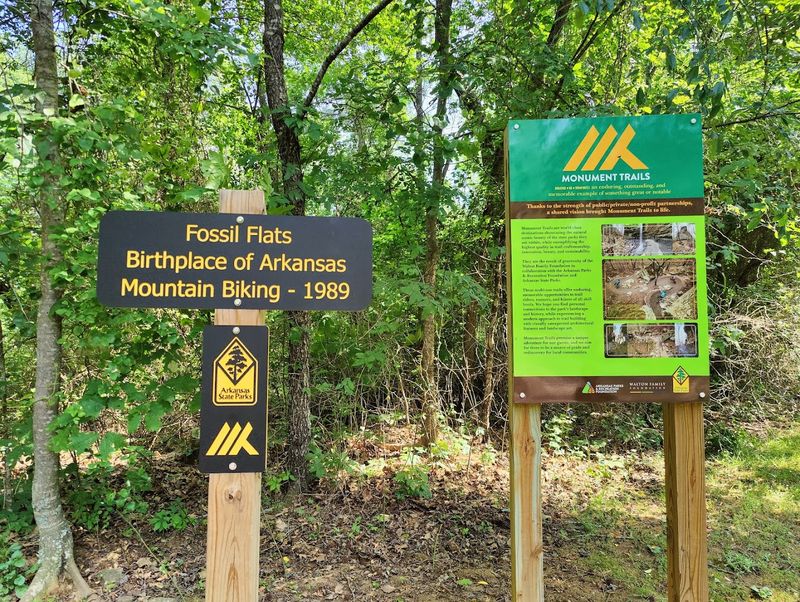
These paths welcome both boots and bikes, so a little etiquette smooths the day. Hikers hold the right side on narrower stretches and make room where sightlines shorten.
Riders call out before passing and modulate speed near the creek shelves and junctions.
Sound courtesy bells or a friendly greeting before tight turns. If you are hiking with earbuds, keep one ear open so you hear approaching wheels.
On busy weekends, step aside to stable ground instead of slick rock when yielding.
Rutted patches heal slowly, so avoid skidding or cutting corners that widen the corridor. Wet conditions amplify impact, and waiting a day can save weeks of trail work.
A thank you wave in both directions keeps the shared space welcoming for everyone.
Caves, Bluffs, and CCC History Touchpoints
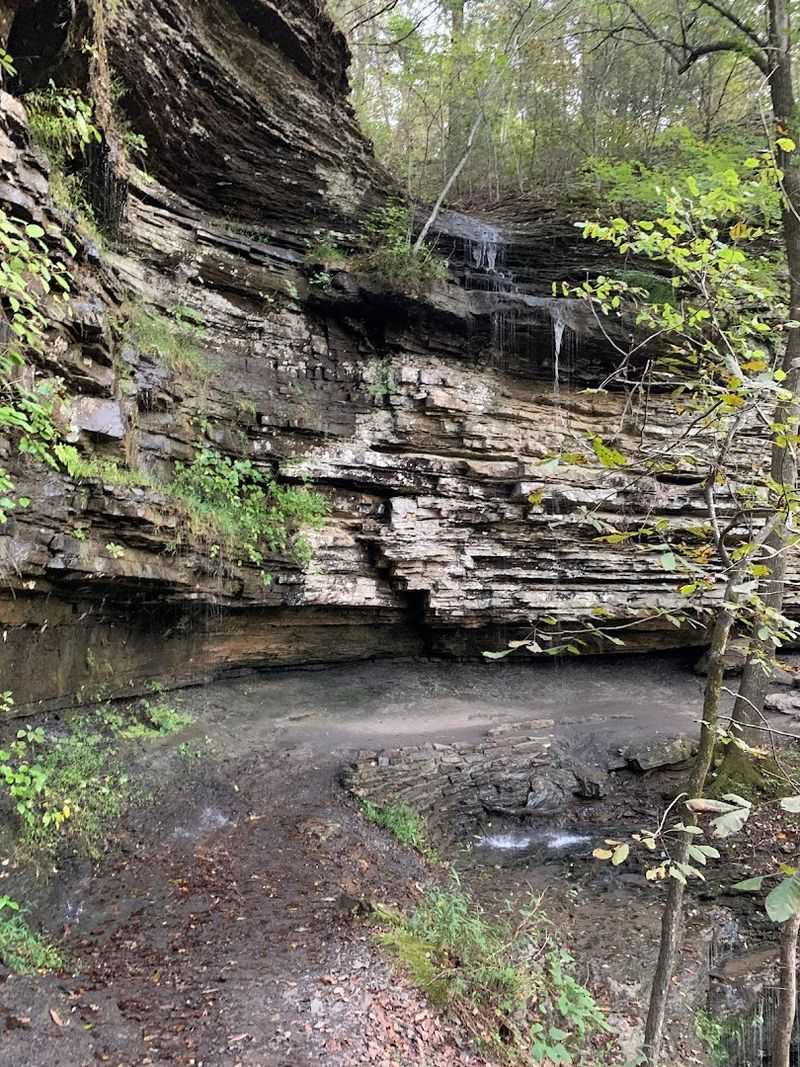
Hints of the Civilian Conservation Corps surround you, from stonework details to old alignments. Pause at bridges and trail benches to appreciate the craft woven into this valley.
You are walking through a chapter where hand tools shaped access to these ridges and waterways.
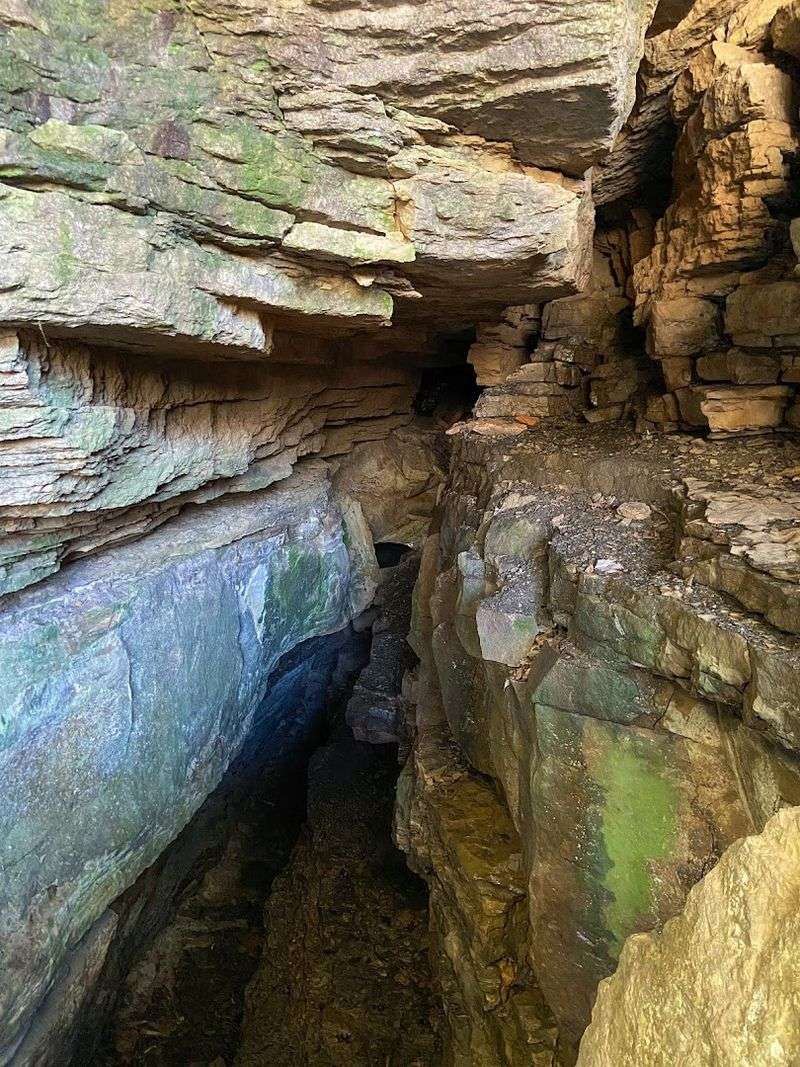
Cave entrances may be closed or gated to protect bats and fragile habitats. Even so, standing at the thresholds offers cool air and mineral scents that root you in geology.
Resist temptation to slip past barriers, and soak in the sensory change instead.
Bluffs rise like quiet guardians above the creek, offering angles for grand photos and shaded lunch spots. Look for bedding planes and cross-bedding that reveal how currents once flowed.
Snap an interpretive sign photo to read later, then connect those notes to patterns in the rock.