Some hikes ask for hours of climbing before they pay you back.
This one asks for about ten minutes.
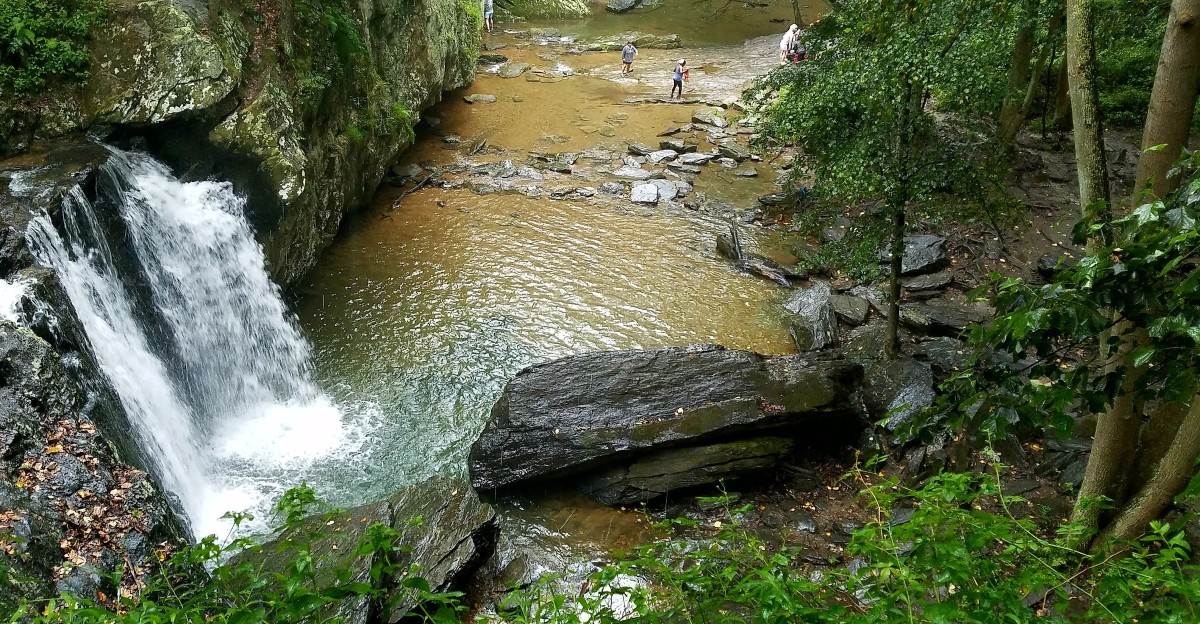
Tucked into the quiet farm country of northern Harford County, Maryland, a short woodland path ends at a waterfall that drops straight down over a wall of rock.
It is not a tiny trickle either, because it ranks as the second-highest free-falling waterfall in the entire state.
Families come for the shallow stream, hikers come for the climb to the top, and early risers come for the calm.
There is a catch, though, and it involves parking, permits, and a stream you have to cross on stepping stones.
Keep reading to learn how the trail works, when to go, and how to leave with dry socks and great photos.
Where the Map Leads
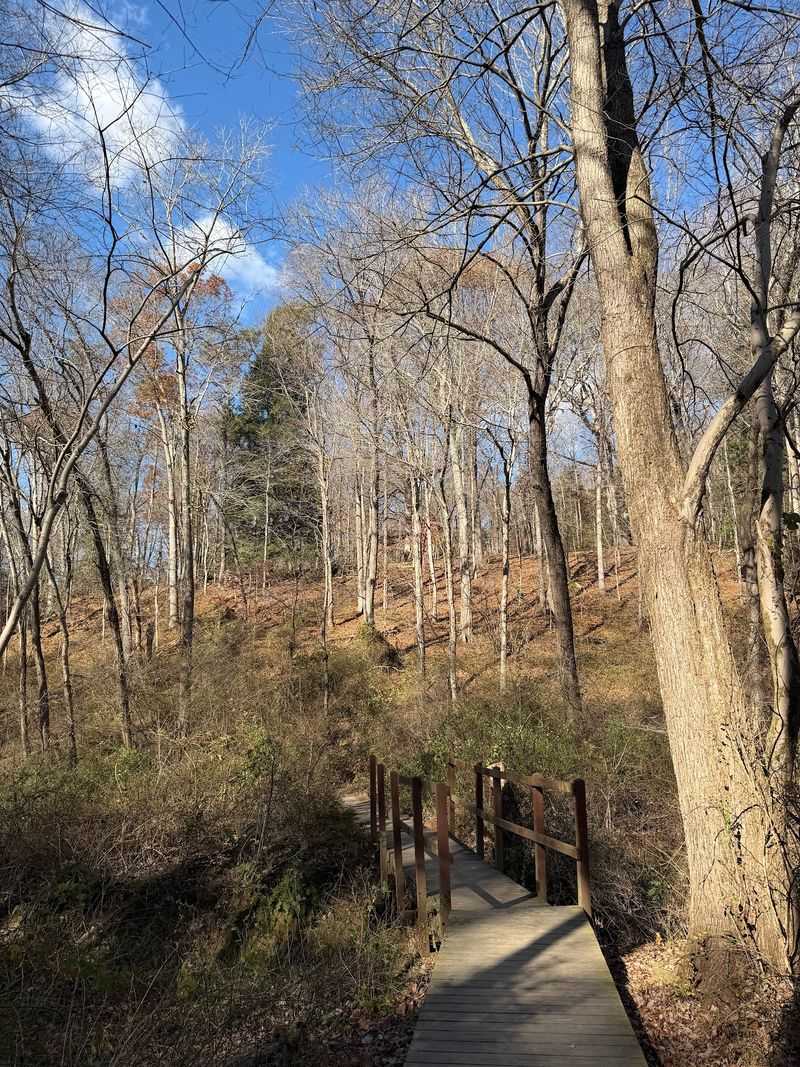
Finding this spot is half the fun, since it sits on a quiet country road far from any city rush. The trailhead is part of Rocks State Park, Kilgore Falls/ Falling Branch Area, at 1026 Falling Branch Rd, Pylesville, MD 21132, in the United States.
Pylesville is a small community in northern Harford County, close to the Pennsylvania line. Expect rolling farmland, winding roads, and very few stores along the way.
The Falling Branch Area is a separate section of Rocks State Park. It does not connect to the main park’s other trails, so set your navigation for this exact address.
Cell service can be spotty or missing once you arrive. Downloading directions before leaving home is a smart move.
A portable toilet usually sits near the lot, and signs explain the trail. There are no changing rooms or trash cans, so pack out everything you bring in.
With the address saved and the car fueled up, the next challenge is landing a spot to park.
The Parking Puzzle
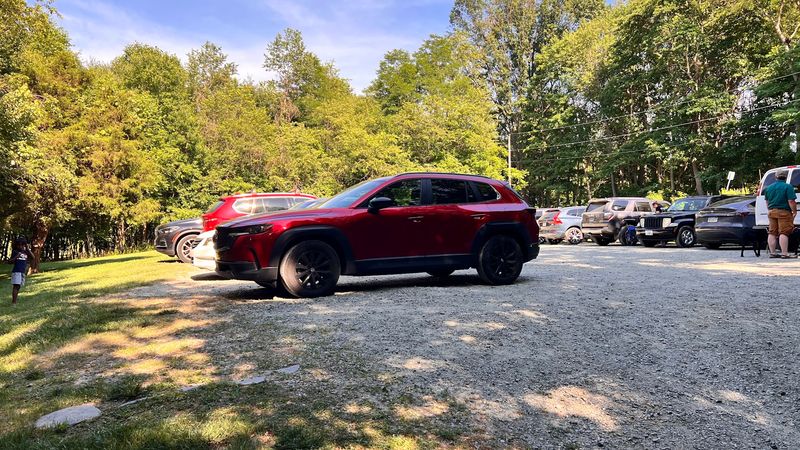
Twenty-eight spaces. That is roughly all the room the small lot offers, and it is the biggest thing to plan around.
Because the falls are so popular, Maryland Park Service rules change during the busy season. From around Memorial Day to Labor Day, weekend and holiday visits usually require a parking reservation made ahead of time.
Fees per person may also apply on weekends and holidays. Rules can shift from year to year, so checking the Maryland Department of Natural Resources website before your trip saves headaches.
Rangers are often on duty during busy days. They help line up cars arriving and leaving, which keeps things moving.
There is no nearby overflow lot, and dropping people off along the road is not allowed. Without a spot, the plan simply has to wait.
Weekdays are a different story. Arriving early on a Tuesday or Wednesday often means a stress-free spot and an easy start.
Once the car is settled, the woods are just steps away.
A Short Walk With Big Payoff
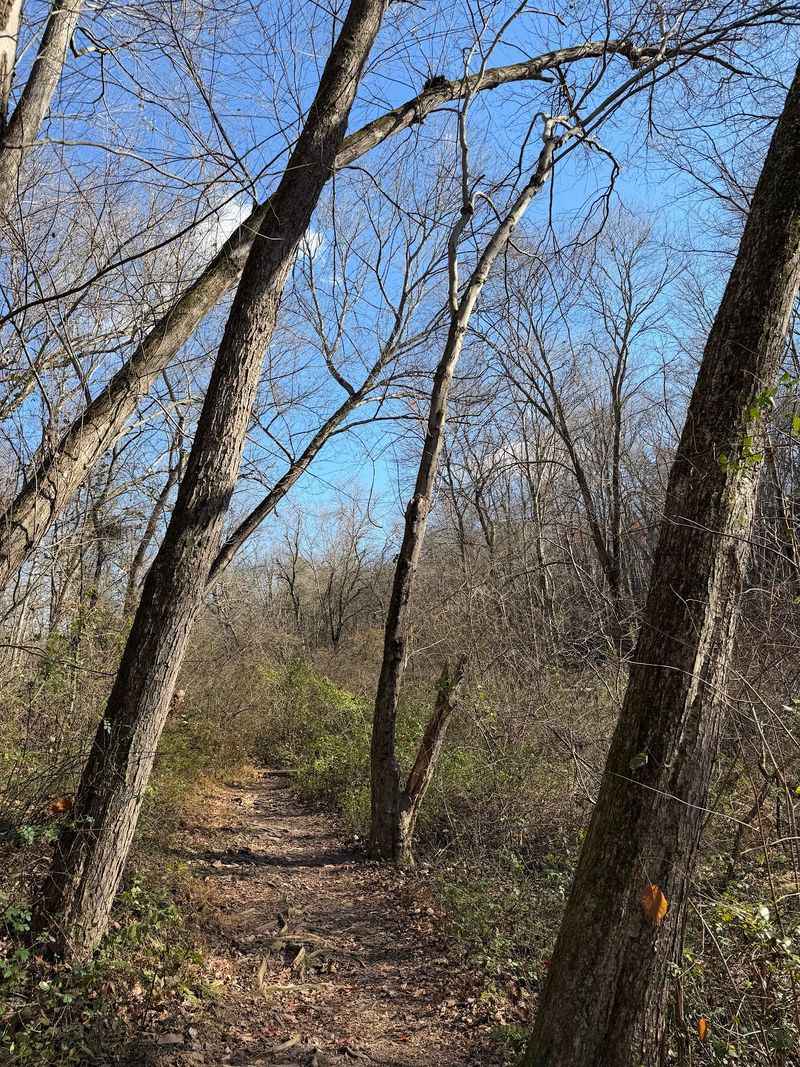
Good news for anyone who dislikes long hikes: the walk to the falls takes about ten to fifteen minutes. The full out-and-back trip covers roughly one mile.
The path is wide and clearly marked, so getting lost is unlikely. It is not paved, however.
Tree roots and scattered rocks cross the trail in spots. Sturdy shoes make a real difference, especially for little legs.
Some gentle elevation changes add a bit of effort without turning the outing into a workout. Most kids handle it just fine.
About halfway, there is a place to pause and look out over the trees and the creek. It makes a nice rest stop for younger hikers or anyone who wants a quiet moment.
Dogs are welcome on the trail too. Keep them leashed, since the path sees heavy traffic on nice days.
Short trail, small effort, big reward. That math works for almost everyone, and the best part is still waiting around the bend.
Meet the Main Event
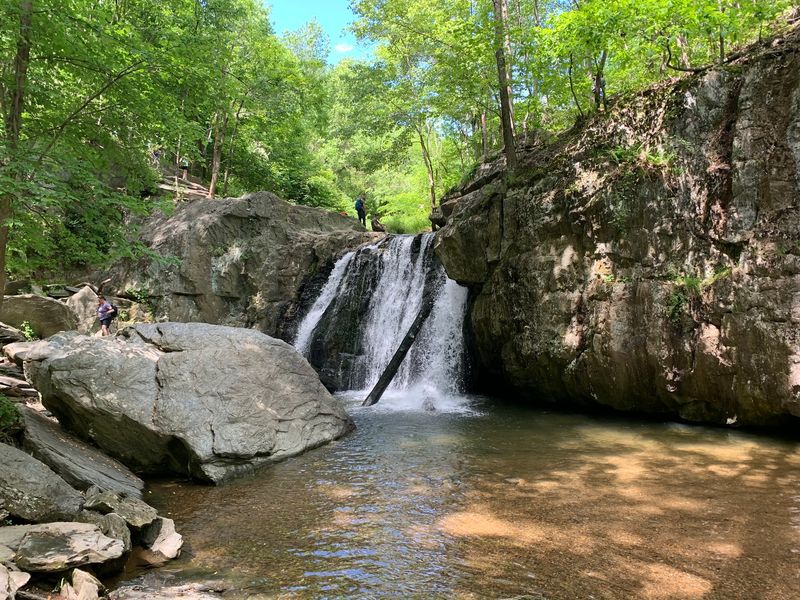
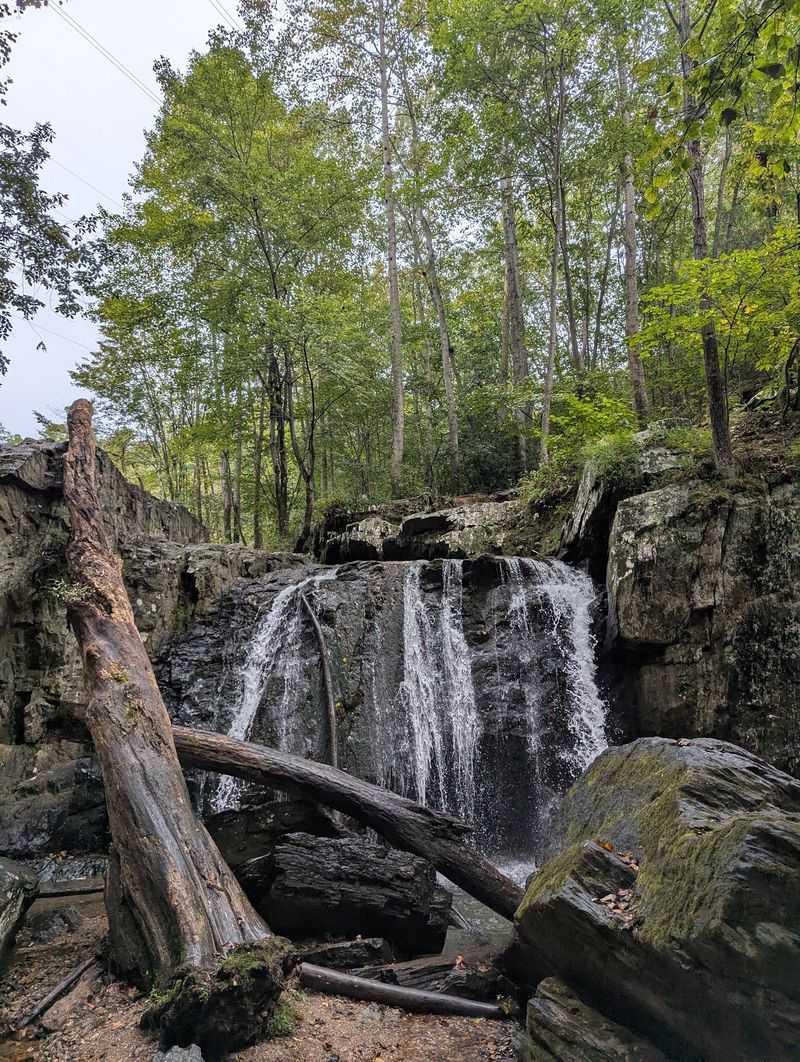
Maryland has plenty of streams, but only one waterfall claims the top free-falling title. Kilgore Falls comes in at number two, which is still a big deal.
Free-falling means the water drops straight over a rock ledge instead of tumbling down a slope. That makes for a clean, tall curtain of water.
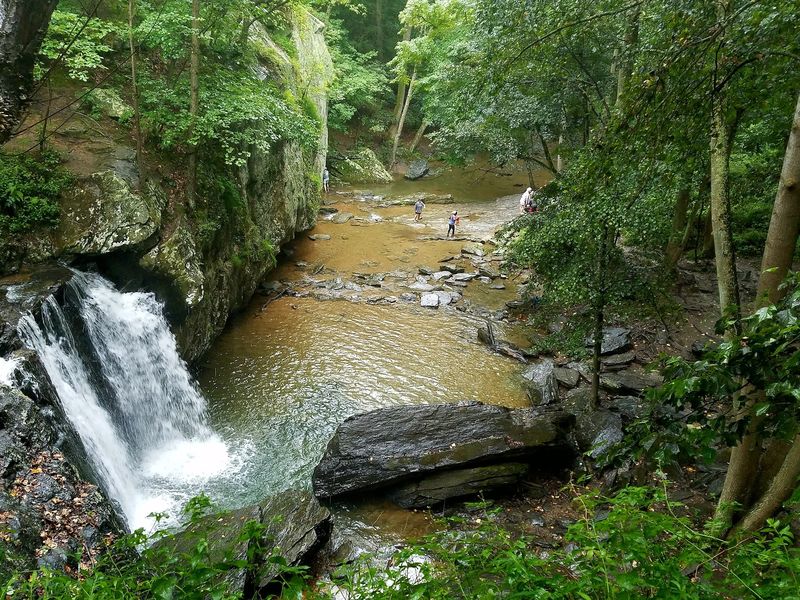
The falls spill from Falling Branch, a creek that gives this section of the park its name. Below the drop, the stream spreads into a shallow pool before flowing on.
Many people find the waterfall looks even better in person than in photos. The water is often clear, letting you see the rocks underneath.
Fun fact: this spot has a little bit of Hollywood history. Scenes from the 1999 movie The Blair Witch Project were filmed at the falls.
Small but mighty is a fair description. It is not the tallest waterfall in the country, but for a ten-minute stroll, the reward feels huge.
Stepping Stones and Wet Socks
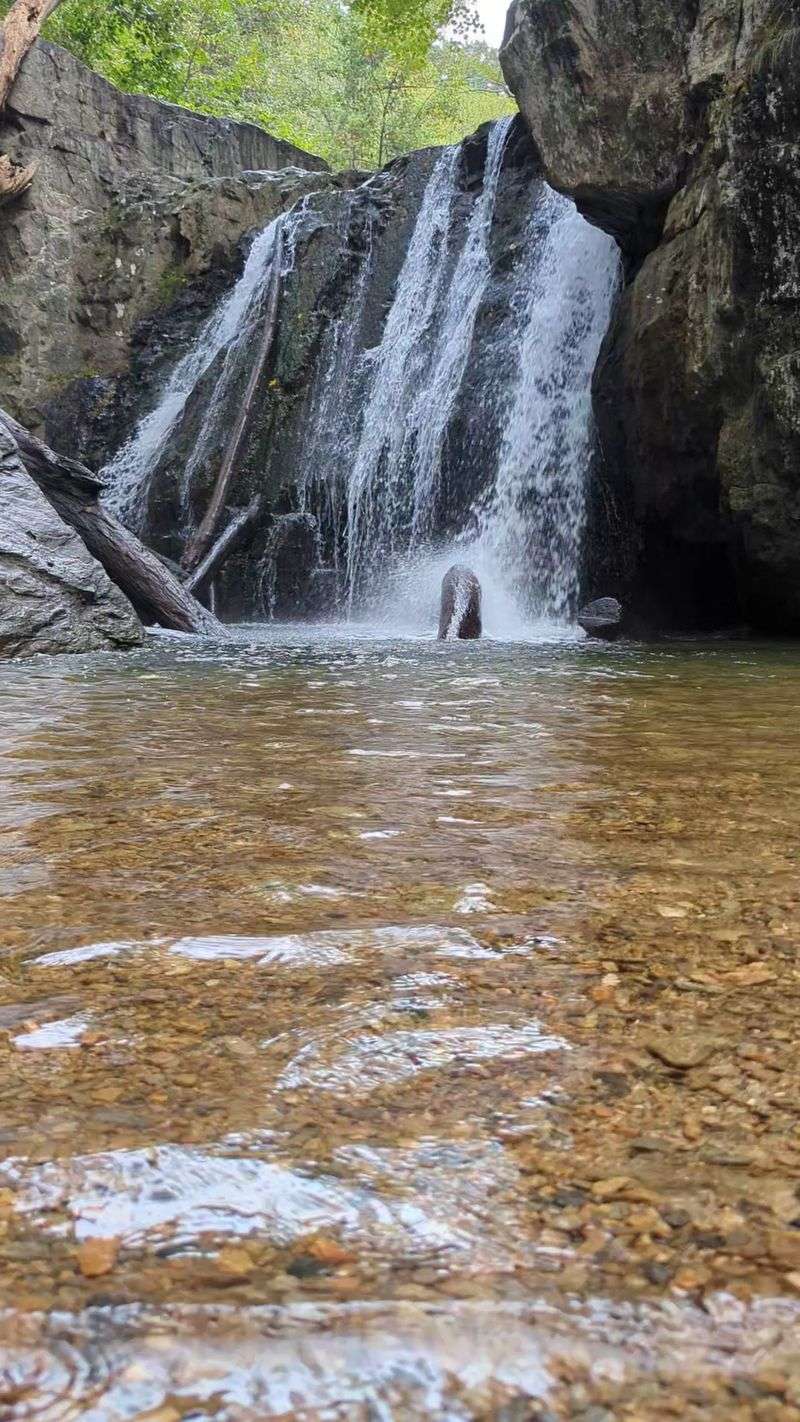
Here comes the plot twist of the trip. To reach the pool right in front of the falls, you must cross the stream.
A line of rocks helps with the crossing. People with longer strides can often hop across without trouble.
Shorter legs may need a little help, and some balance is required. Water shoes or going barefoot are both popular choices, since the water is usually shallow.
Be careful, because the rocks can be very slippery. Take slow, steady steps instead of racing across.
Not everyone needs to cross. From the near side, you can still view the falls and enjoy the scenery.
If you want to skip the crossing completely, that is perfectly fine. The waterfall still makes a strong impression from the bank.
A towel in the car is a small kindness to your future self. Damp toes are part of the adventure here, so plan for them and laugh about it later.
The View From Above
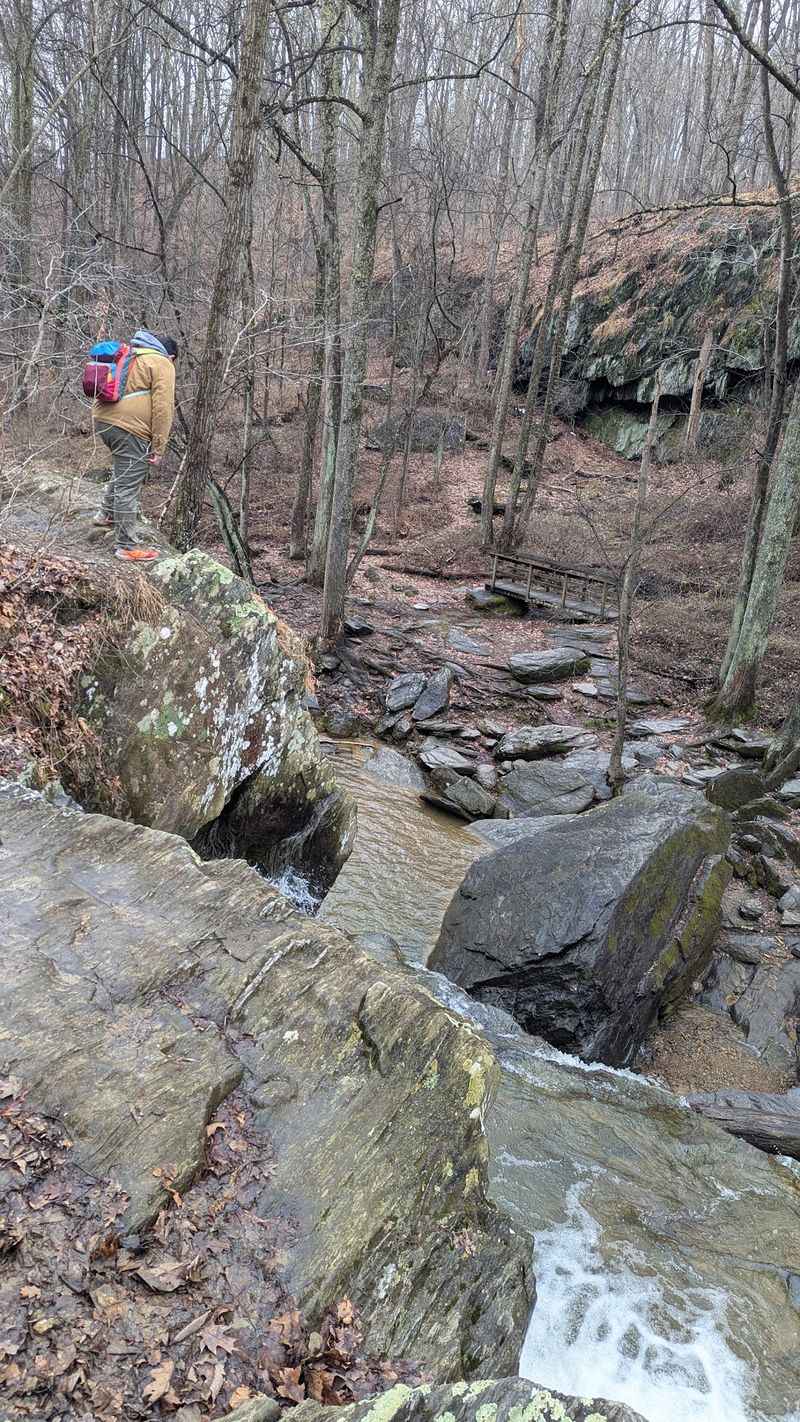
Most people stop at the bottom, but the falls have a second act. A side path climbs up and over to the top of the waterfall.
From up there, you can watch the stream flow toward the edge and drop away. It gives a totally different look at the same falls.
The climb is short but has some roots and uneven ground. A bit of agility helps, though plenty of adults in their forties and beyond handle it without trouble.
At the top, there is another chance to cross the creek. Here you can often hop across without getting your feet wet at all.
Keep a safe distance from the ledge, especially with kids. The rocks near the edge can be slick.
This upper view is a favorite for photos. You can capture the water, the trees, and the forest below in one frame.
Two views for the price of one short trail is a deal worth taking.
Summer Splash Zone
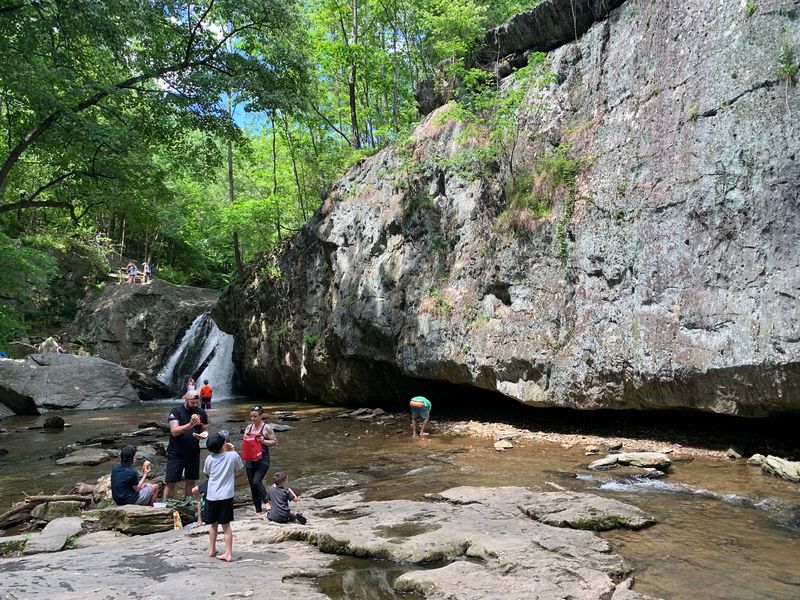
Hot summer days bring a very different crowd. Kids head straight for the shallow water to splash, wade, and explore.
There is a small pool area below the falls. It works well for young children who just want to dip their feet or play near the edge.
The water runs cold, even in July. Many families find it a refreshing break after the walk in.
Safety comes first, though. The rocks under and around the water are slippery, so adults should stay close to little ones.
There are no lifeguards and no changing areas. Swimsuits worn under clothes make life much easier.
Plenty of open space lets groups spread out. Even on busy days, families usually find a corner of the stream to call their own.
Pack water, snacks, and a bag for trash, since you must carry everything back out. A little planning turns a quick hike into a full afternoon of summer fun.
Small Wonders Along the Path
Eyes on the ground can pay off here. The forest floor along the trail is full of small surprises.
Mushrooms pop up in many shapes and colors, especially after rain. Kids love counting them as they walk, but nobody should touch or pick them.
Wildlife shows up too. Garter snakes and water snakes are sometimes spotted resting on rocks near the falls.
Do not panic if you see one. These snakes usually want nothing to do with people, so give them space and let them be.
Birds, butterflies, and insects add to the mix. A small field guide or a nature app can turn the walk into a fun scavenger hunt.
The creek itself is worth a closer look. Clear water lets you spot pebbles, moving leaves, and sometimes tiny creatures below the surface.
Slowing down is the secret. The trail is short, yet it holds more life than most people notice on a quick trip.
Timing Is Everything
Early birds get more than worms at this trail. They often get the whole waterfall to themselves.
Weekday mornings are the quietest time to visit. Some hikers arrive and find nobody else around, with only a few people showing up later.
Weekends in summer are the busiest. That is when reservations, fees, and full parking lots come into play.
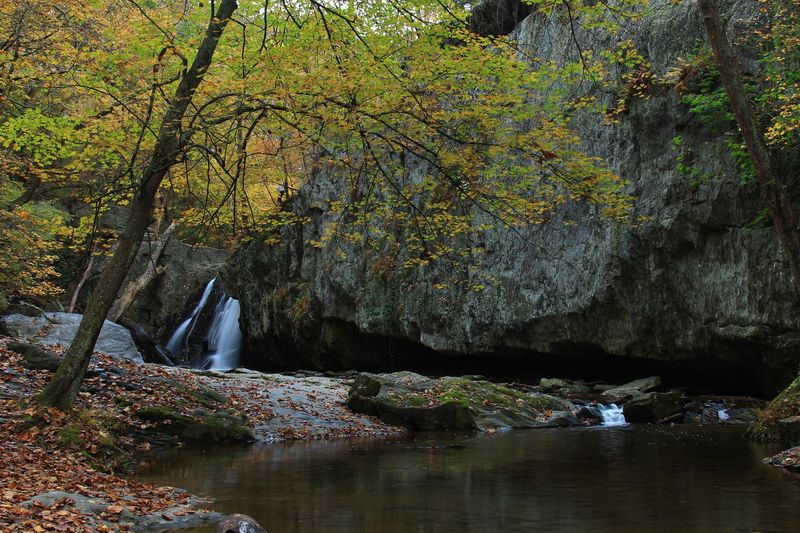
Fall is a strong season to go. The leaves change color around the falls, and the cooler weather makes the walk comfortable.
Spring is another good pick. Water flow is often stronger after rain, giving the falls more power.
Winter visits are possible but call for extra care. Icy rocks near the stream can be risky.
Holidays bring crowds and parking rules similar to summer weekends. Booking ahead is the safest plan.
Choosing the right hour can turn a busy outing into a calm retreat. A little planning on the calendar goes a long way here.
Packing Smart and Leaving Happy
A short trail still deserves a smart bag. A few simple items make the visit smoother for everyone.
Start with good shoes for roots and rocks. Add water shoes or sandals if you plan to cross the stream.
A small towel helps dry off wet feet. Extra socks are a nice bonus for kids.
Bring drinking water and a trash bag. There are no bins, so everything you carry in should go home with you.
Do not forget a camera or a charged phone. Signal may be weak, but photos still work fine without it.
Dog owners should pack a leash and waste bags. The trail gets busy, and good manners keep it pleasant for all.
Finally, check the park website for permit and fee updates before you go.
One easy mile, one tall waterfall, and memories that stick around long after the drive home. Few Maryland trails offer that much for so little effort.