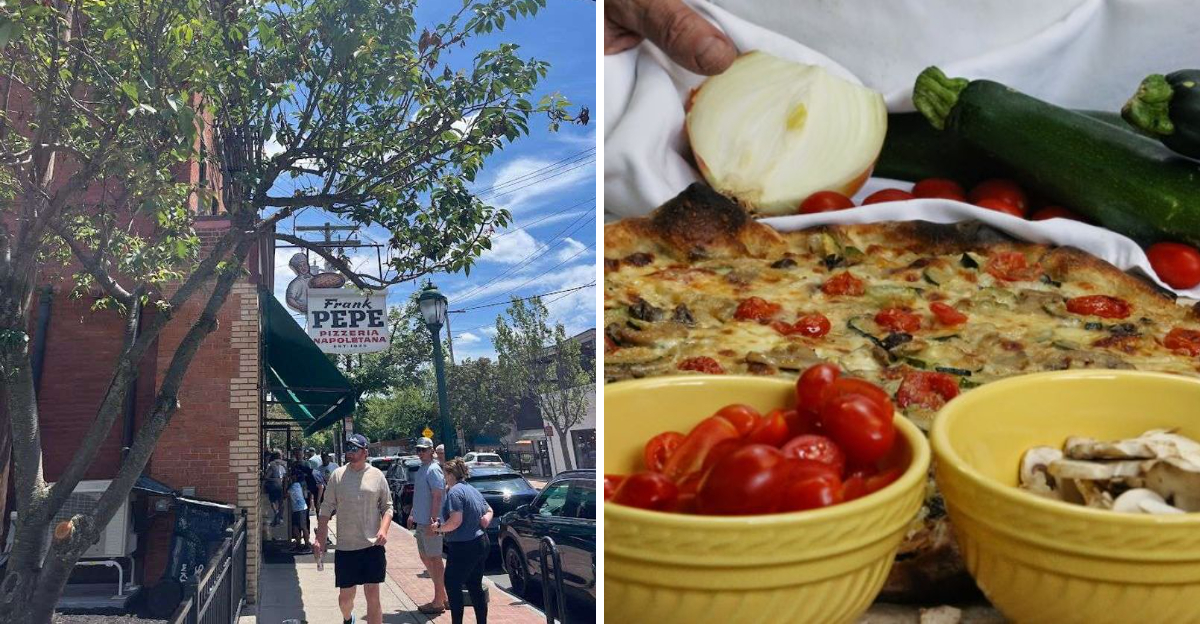
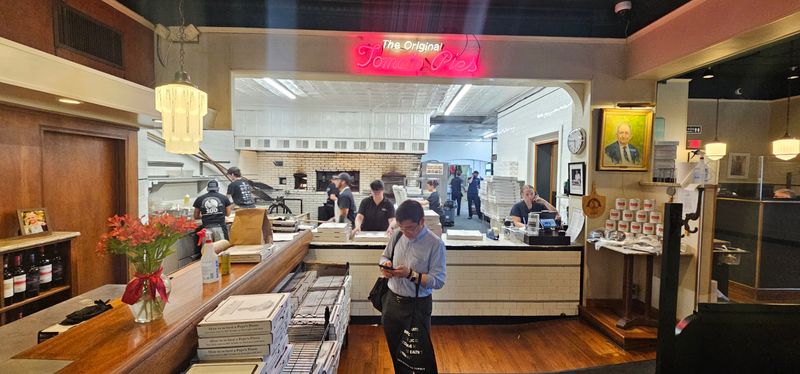
A line that never seems to end wraps around Wooster Street like it’s part of the city itself.
Frank Pepe Pizzeria Napoletana in New Haven doesn’t feel like a regular restaurant—it feels like a tradition that refuses to slow down, with the smell of coal-fired pizza pulling people in from every direction.
Since 1925, locals and travelers have stood outside this iconic spot, watching flames roar inside a century-old oven that turns dough into blistered, smoky perfection.
Inside, pies move fast. Outside, time slows down.
And nobody in that line is looking at their watch for long.
A Pizzeria That Defines New Haven Pizza History
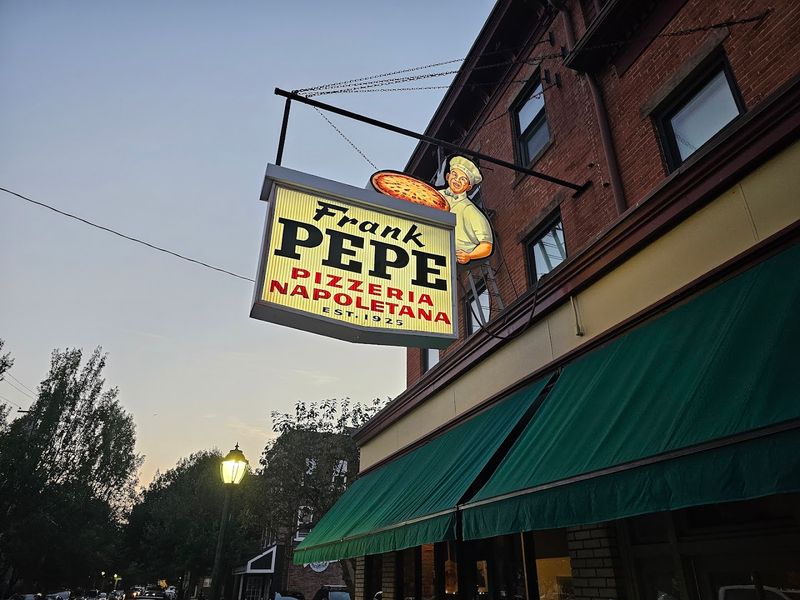
Founded in 1925, Frank Pepe Pizzeria Napoletana stands as one of America’s oldest continuously operating pizzerias. Located in New Haven’s historic Wooster Square neighborhood, this restaurant didn’t just serve pizza—it helped create an entirely new regional style.
When Frank Pepe first opened his doors, pizza was still a relatively unknown food outside Italian immigrant communities. His dedication to authentic Neapolitan techniques combined with American innovation sparked what would become the New Haven pizza tradition.
Today, food historians recognize Pepe’s as a cornerstone of American pizza culture.
The original location on Wooster Street has witnessed nearly 100 years of pizza evolution. Its brick walls and coal ovens have produced millions of pies, each one carrying forward the legacy Frank Pepe established.
What started as a small neighborhood bakery transformed into a pilgrimage site for food enthusiasts worldwide.
Walking into Pepe’s means stepping into living history. The same recipes, techniques, and commitment to quality that Frank Pepe championed in 1925 continue today, making every visit a taste of genuine American culinary heritage.
The Man Behind the Legend: Frank Pepe
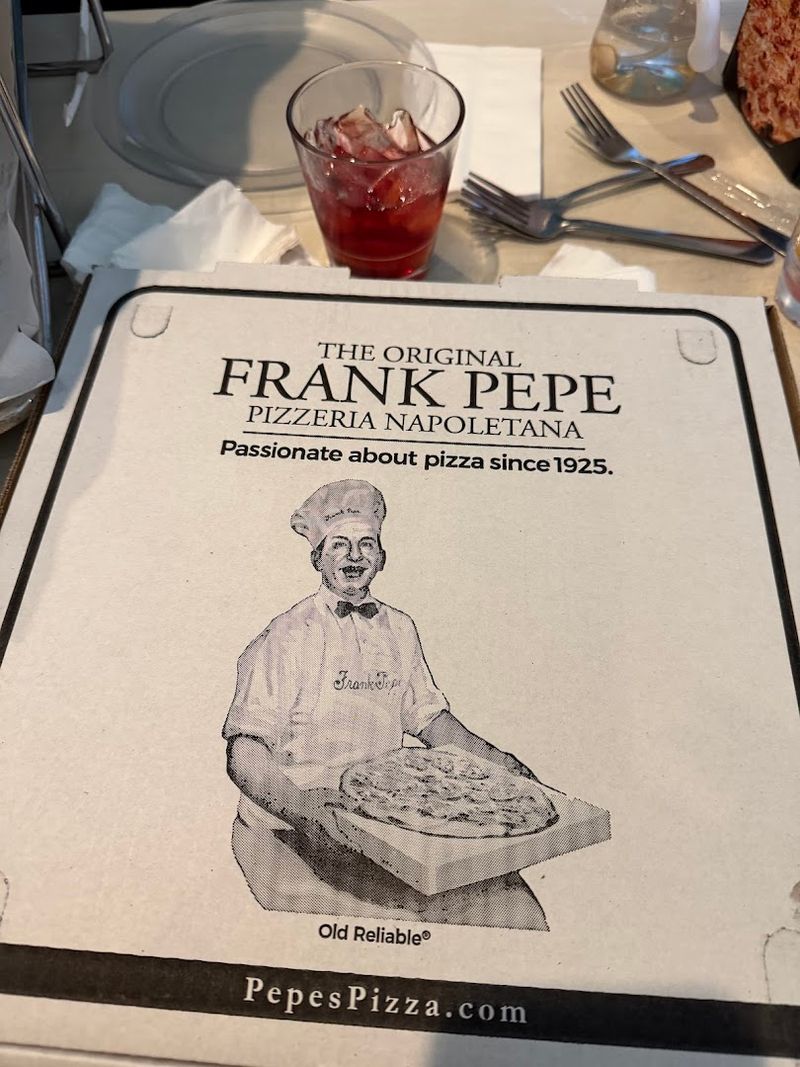
Born in Italy in 1893, Frank Pepe arrived in America with big dreams and humble beginnings. He worked tirelessly in New Haven’s bakeries, learning the craft of bread-making while observing how Italian traditions could adapt to American tastes.
His hands learned to shape dough before he could speak fluent English.
After years of apprenticeship, Frank saved enough money to open his own small shop. He started by selling simple tomato pies—flatbreads topped with crushed tomatoes, garlic, and oil.
These weren’t fancy creations, but they were made with integrity and passion that customers immediately recognized.
Frank’s genius lay in his unwavering commitment to quality over profit. While other establishments cut corners, he insisted on the finest ingredients and proper techniques.
His coal-fired oven became the heart of his operation, producing pizzas with a distinctive char and chew.
Though Frank passed away decades ago, his philosophy lives on. Every pizza that emerges from Pepe’s ovens today reflects his original vision: simple ingredients, traditional methods, and uncompromising standards that turn flour and tomatoes into edible art.
Why the Lines Never Stop Moving
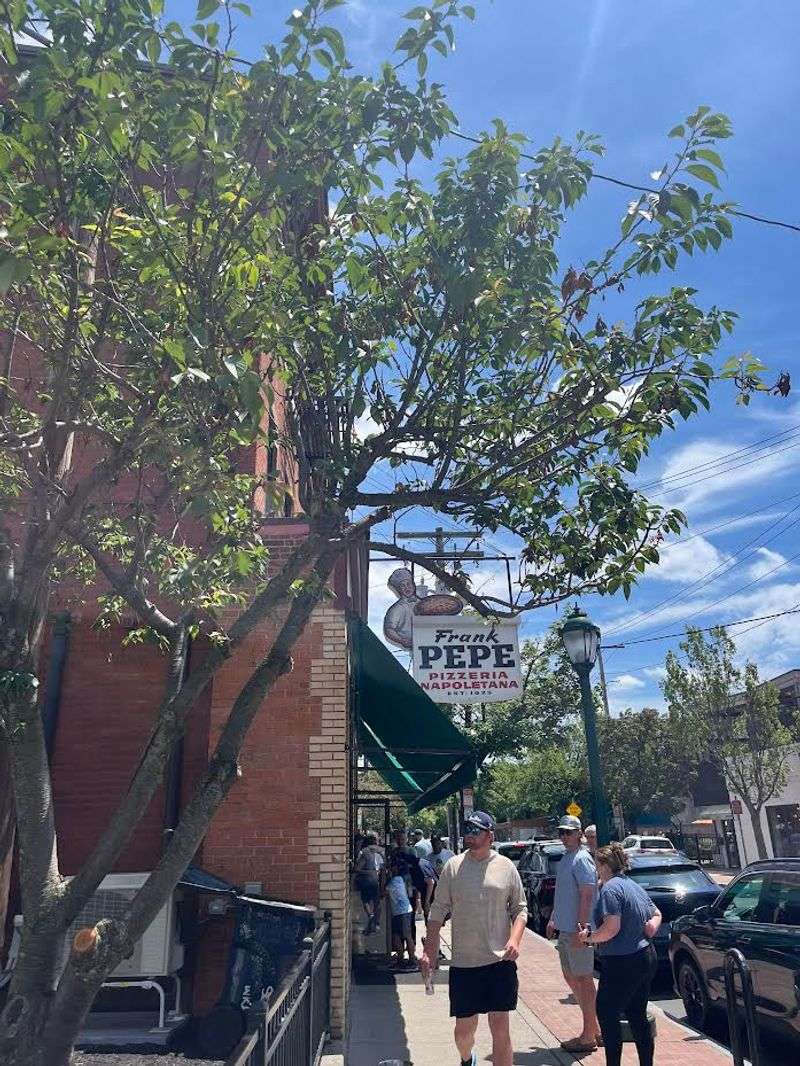
Ever wonder why some restaurants have permanent lines while others struggle for customers? At Frank Pepe’s, the constant crowd isn’t just about great food—it’s a carefully balanced system that keeps people moving.
The combination of limited seating, counter-service ordering, and extremely fast pizza production creates perpetual turnover.
Here’s how it works: customers order at the counter, grab their pies within minutes thanks to those blazing-hot coal ovens, then eat quickly at communal tables. There’s no lingering over dessert or waiting for checks.
The efficiency might seem rushed, but it’s actually brilliant—more people get to experience the pizza without endless waits.
The restaurant’s national reputation ensures fresh waves of customers throughout operating hours. Food bloggers, tourists, and locals all converge, creating a self-sustaining cycle of demand.
When one group finishes, another immediately fills those seats.
This high-volume approach also maintains food quality. Ingredients never sit around getting stale because everything moves so fast.
The dough is always fresh, toppings are constantly replenished, and ovens stay at perfect temperature from continuous use, ensuring consistent excellence with every pie.
The Famous Coal-Fired Oven
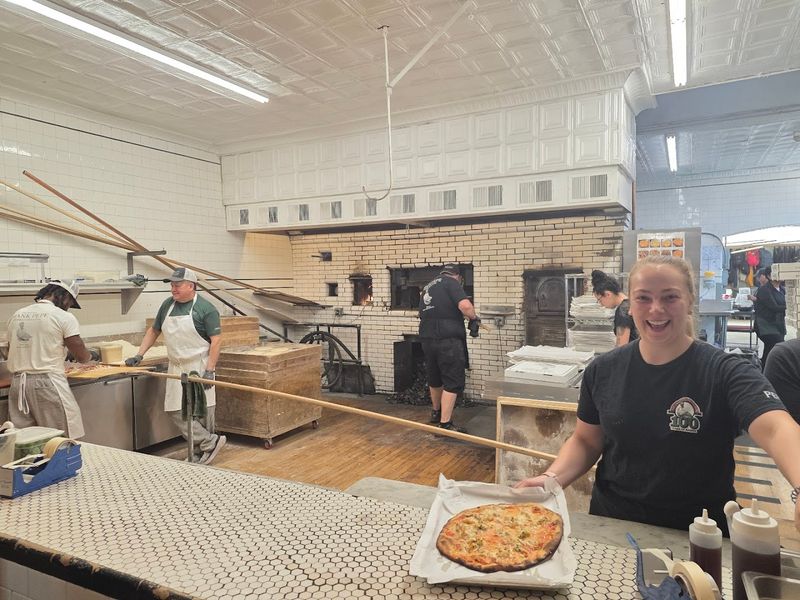
At the center of Frank Pepe’s operation stands a massive brick behemoth that’s been baking pizzas for generations. This coal-fired oven isn’t just equipment—it’s the secret weapon that makes their pizza impossible to replicate at home.
Burning anthracite coal reaches temperatures exceeding 650 degrees Fahrenheit, far hotter than conventional ovens.
That extreme heat transforms pizza dough in remarkable ways. The intense temperature causes rapid expansion, creating those characteristic charred bubbles and blisters on the crust.
Meanwhile, the interior stays tender and chewy rather than dried out. This happens in just three to five minutes, preserving moisture while developing complex flavors.
Coal imparts subtle smoky notes that gas or electric ovens simply cannot achieve. The brick retains and radiates heat evenly, ensuring consistent results throughout service.
Pizzaiolos must master the oven’s hot spots and rotation timing, developing skills that take years to perfect.
Environmental regulations have made coal ovens rare, which adds to Pepe’s uniqueness. Maintaining these antique ovens requires specialized knowledge and constant care.
The coal must be quality anthracite, stoked properly, and the bricks need regular maintenance to preserve their heat-retention properties.
The Signature New Haven Apizza Style
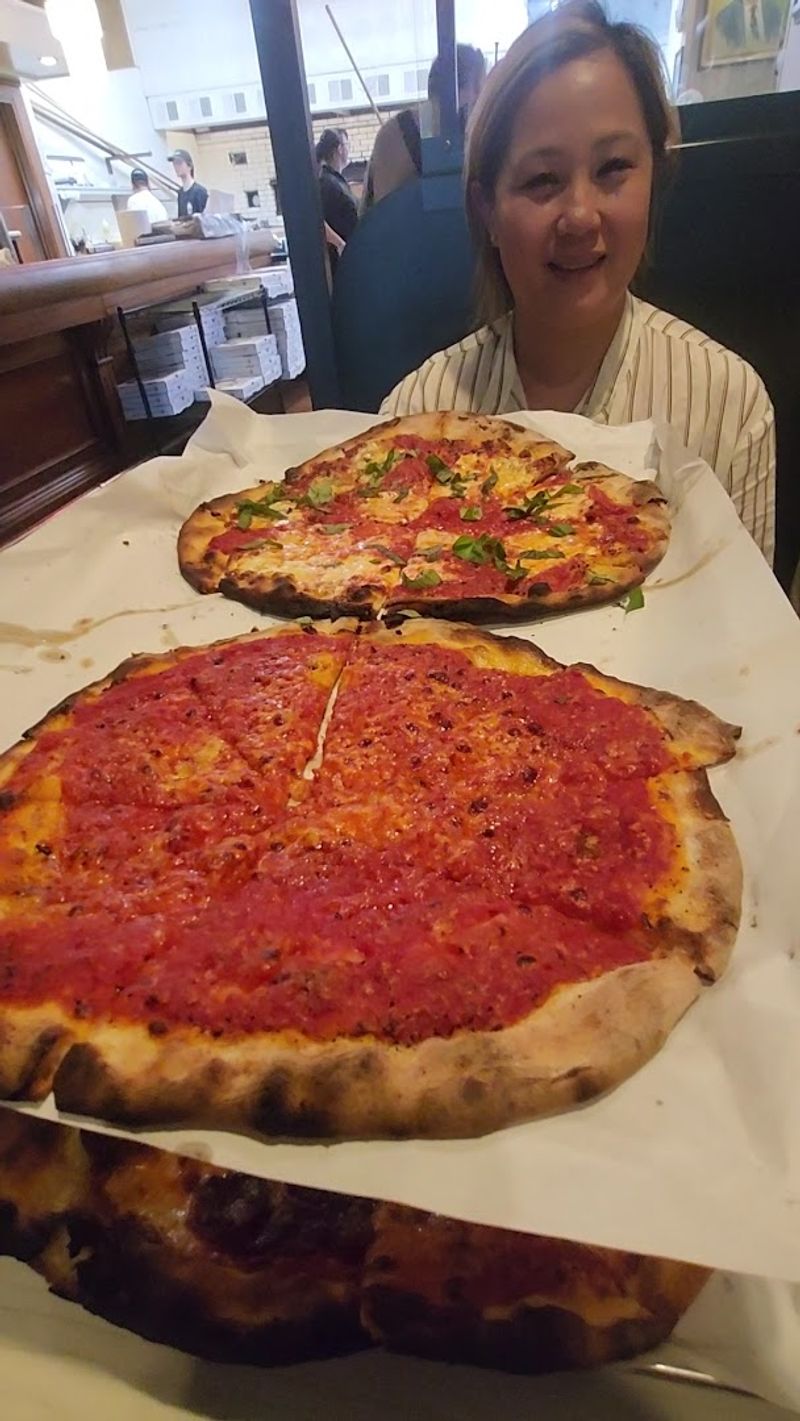
Notice how locals pronounce it “ah-beetz” rather than “peet-sa”? That’s your first clue you’re experiencing something authentically New Haven.
Apizza represents a distinct American pizza style that Pepe’s helped pioneer, characterized by its thin, oval-shaped crust that achieves crispness without brittleness. The slightly irregular shape comes from hand-stretching rather than machine rolling.
What makes apizza different from New York or Chicago styles? The crust gets stretched thinner, almost cracker-like in spots, while maintaining chewiness around the edges.
Those famous charred spots—called “leoparding” by pizza aficionados—result from high-heat baking and add smoky flavor complexity. The rim puffs up beautifully, providing textural contrast.
Toppings take a minimalist approach compared to heavily loaded American pizzas. Traditional apizza features simple crushed tomato sauce, light cheese application (or sometimes none), and carefully selected additions that don’t overwhelm.
This restraint allows the crust’s flavor to shine through.
The cheese itself differs—pecorino romano often replaces or supplements mozzarella, providing sharper, saltier notes. This choice reflects both Italian tradition and practical considerations, as harder cheeses hold up better under intense oven heat without becoming greasy puddles.
The Legendary White Clam Pizza
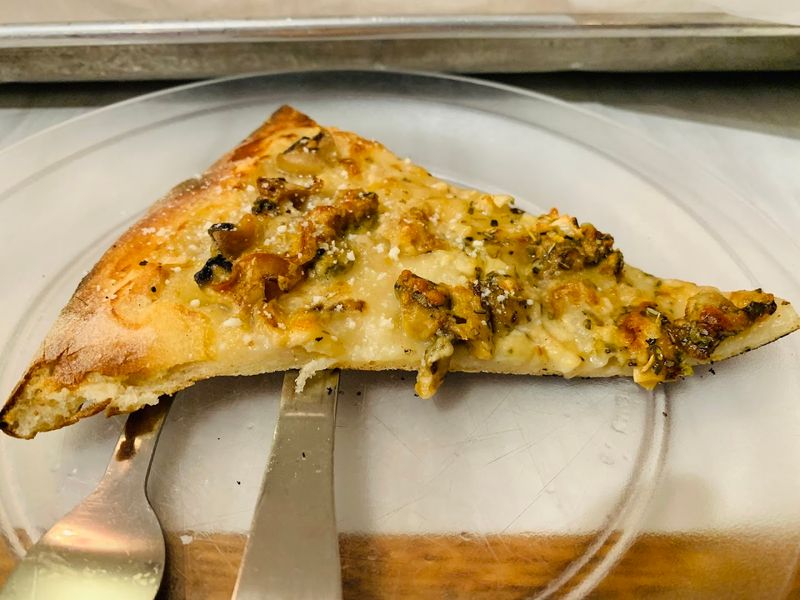
Forget everything you think you know about pizza toppings—clams on pizza might sound bizarre until you taste Pepe’s version. This creation has achieved legendary status, drawing seafood lovers and skeptics alike.
Fresh littleneck clams get shucked daily, their briny sweetness perfectly complementing garlic, olive oil, oregano, and grated cheese on a coal-charred crust.
The genius lies in simplicity and timing. Raw clams go directly onto the stretched dough just before baking, cooking quickly in the intense oven heat.
This preserves their tender texture and ocean flavor rather than turning them rubbery. The natural clam juices mingle with olive oil, creating a sauce that’s light yet flavorful.
Frank Pepe’s son reputedly invented this specialty in the 1960s, though the exact origin story varies depending on who’s telling it. Regardless of its precise beginning, the white clam pie put Pepe’s on the national map.
Food writers rave about it, and many visitors consider it essential eating.
First-timers often feel uncertain about ordering seafood pizza, but regulars know this pie represents Pepe’s at its finest. The combination sounds unconventional yet tastes completely natural, proving that innovation within tradition can create magic.
Simplicity That Built a Reputation
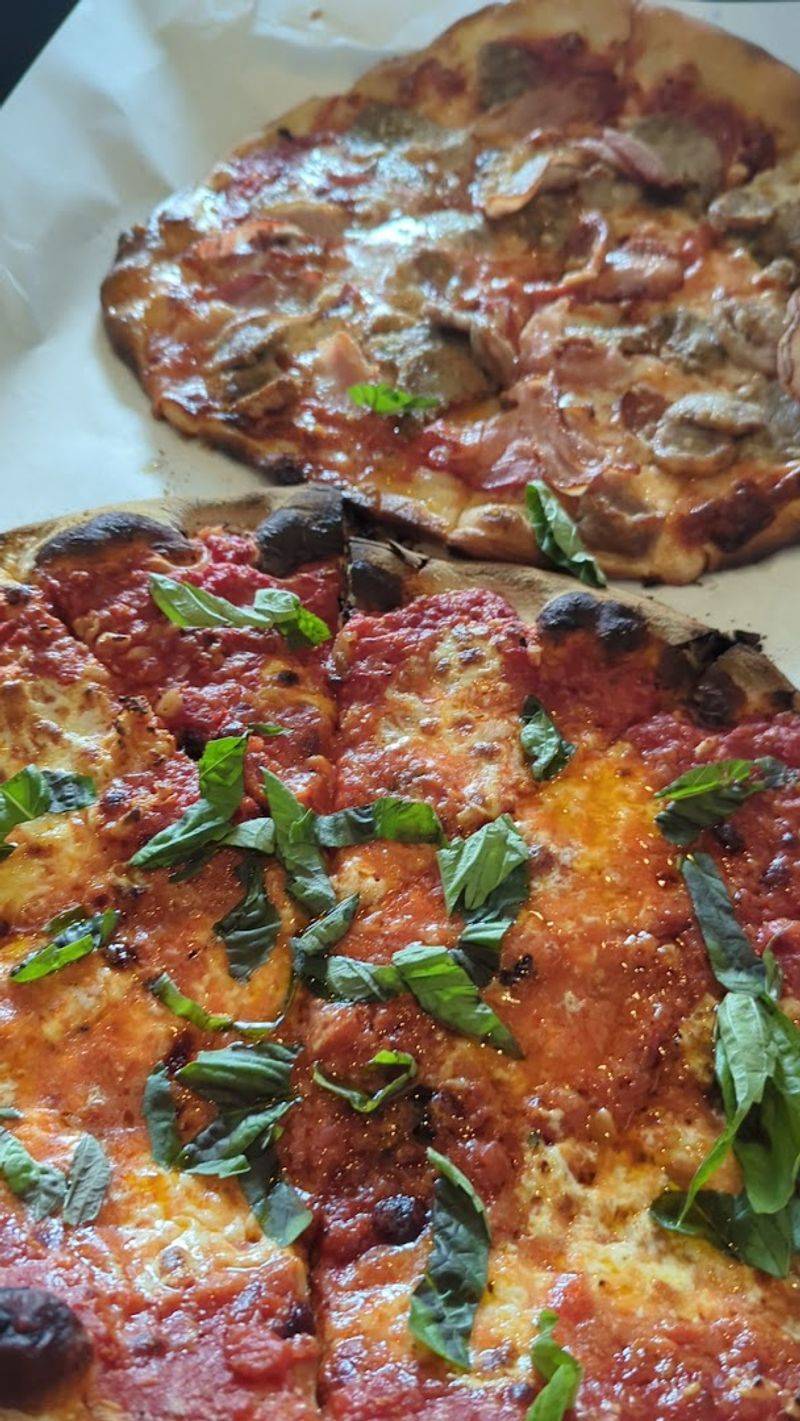
In today’s world of truffle oil drizzles and exotic topping combinations, Pepe’s menu reads almost boring. Tomato pie.
Mozzarella. Sausage.
Clams. That’s essentially it.
Yet this apparent simplicity masks sophisticated understanding—when you use exceptional ingredients and perfect techniques, you don’t need gimmicks to impress.
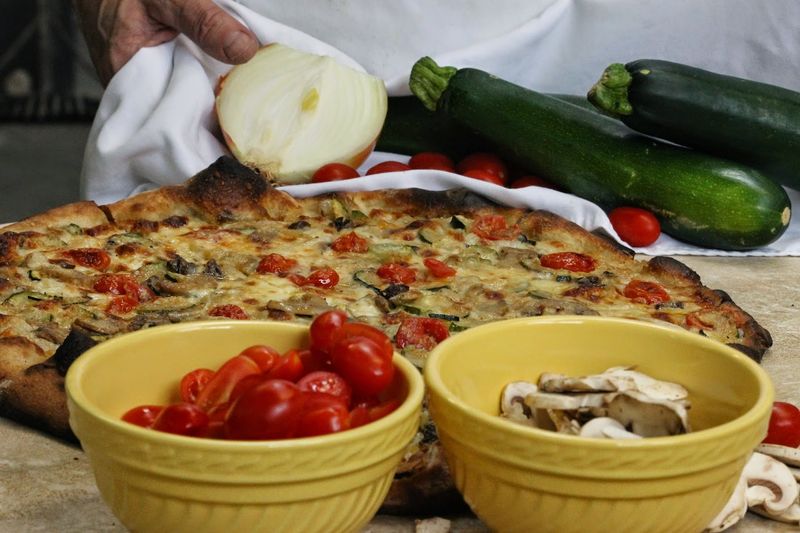
The tomato sauce contains maybe five ingredients: crushed Italian tomatoes, olive oil, garlic, salt, and oregano. No sugar to mask acidity, no complicated spice blends.
The tomatoes’ natural sweetness and acidity shine through, enhanced by coal-fire cooking that concentrates flavors while adding subtle smokiness.
Cheese choices reflect similar philosophy. Pecorino romano provides sharp, salty punch that stands up to high heat.
Fresh mozzarella adds creamy richness when desired. Both come from quality producers who understand their craft.
The dough contains flour, water, salt, and yeast—nothing more—but the proportions, fermentation time, and handling technique make all the difference.
This commitment to basics means every component must excel. There’s nowhere to hide inferior ingredients behind layers of toppings.
Customers taste the quality of each element clearly, which explains why Pepe’s has maintained its reputation for nearly a century without chasing trends.
A Family-Run Legacy That Still Endures
When Frank Pepe passed away in 1969, many wondered if his pizzeria would survive. Family businesses often crumble after their founder’s death, unable to maintain the original vision.
Instead, the Pepe family proved that great traditions can transfer across generations when properly nurtured and respected.
Frank’s relatives didn’t try reinventing what worked. They apprenticed under experienced pizzaiolos, learning the precise dough hydration, proper coal stoking, and timing that Frank perfected.
Each generation absorbed not just recipes but philosophy—the understanding that shortcuts destroy quality and reputation means more than quick profits.
Today, multiple Pepe descendants remain involved in operations across various locations. They’ve maintained the original recipes exactly as Frank created them, resisting pressure to modernize or expand the menu unnecessarily.
The coal ovens still burn, the dough still ferments overnight, and the commitment to quality remains absolute.
This family continuity provides consistency that corporations can’t match. When ownership stays within one family for nearly 100 years, institutional knowledge doesn’t get lost during management changes.
The current generation understands they’re not just running a restaurant—they’re preserving a piece of American culinary history that belongs partly to everyone who’s ever enjoyed their pizza.
Expansion Without Losing Identity
Expanding a beloved local institution terrifies purists who’ve watched countless restaurants dilute their quality while chasing growth. When Pepe’s opened locations beyond New Haven, skeptics predicted disaster.
How could they possibly maintain standards across multiple states? The answer required refusing to compromise on the elements that matter most.
Every new Pepe’s location installs authentic coal-fired brick ovens, not gas or electric alternatives. This alone represents massive investment, as building and maintaining these ovens costs far more than conventional equipment.
They ship the same flour and source identical ingredients, ensuring consistency across locations. Dough gets made fresh daily at each restaurant using the exact specifications Frank Pepe established.
Training programs ensure pizzaiolos learn traditional techniques regardless of which location they work. There’s no corporate manual full of shortcuts—instead, experienced pizza makers mentor newcomers until they truly understand the craft.
This approach takes longer and costs more but preserves quality.
The menu remains intentionally limited everywhere. No local variations or regional specialties appear, which might disappoint some but ensures the Pepe’s experience stays consistent.
Whether you visit Connecticut, Rhode Island, Massachusetts, or New York, you’ll find the same dedication to tradition that built the original reputation.
Visitor Info (What You Need to Know Before Going)
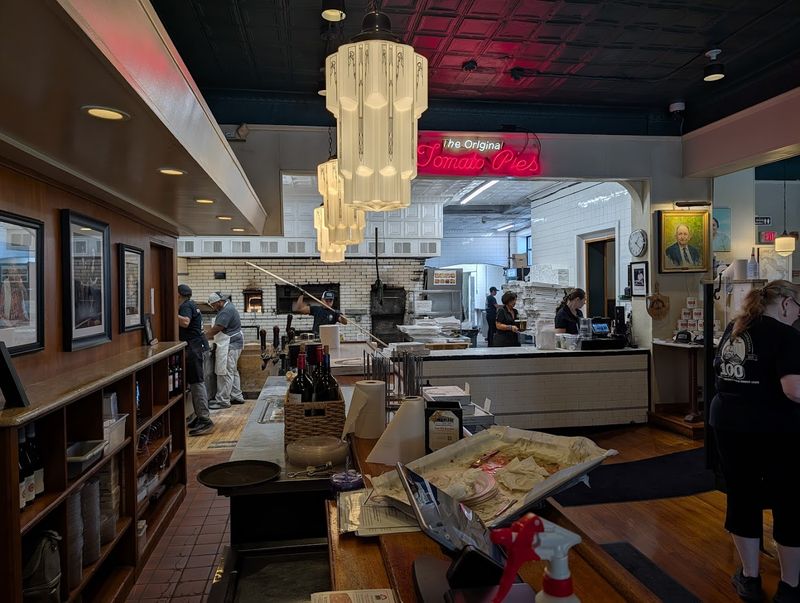
Planning your pilgrimage to the original Pepe’s requires strategy. The flagship location at 157-163 Wooster Street operates without reservations, meaning everyone waits their turn regardless of fame or status.
Peak times—Friday and Saturday evenings, weekend lunches—see waits exceeding two hours. Arriving right when they open or visiting weekday afternoons offers your best shot at shorter lines.
Call ahead at +1 203-865-5762 to check current wait times, though they can’t hold spots. Check pepespizzeria.com for hours and menu details.
Parking in Wooster Square fills quickly, so plan on using nearby public garages or hunting for street spots several blocks away. Comfortable shoes help since you’ll likely walk a bit.
The ordering system can confuse first-timers: you order at the counter, receive a number, then grab your pizza when called. Seating is communal and tight, perfect for solo diners but potentially awkward for large groups.
Bring cash or cards—both work—and prepare for a no-frills experience focused entirely on pizza.
The casual, family-friendly atmosphere means no dress code exists. Come hungry, come prepared to wait, and come ready for some of America’s most famous pizza served exactly as it’s been done for nearly 100 years.