If your idea of coastal Florida involves quiet roads, fishing docks, and places that still feel lived in, Pine Island is the kind of escape that sneaks up on you. It has no resort strip, no high-rise skyline, and not even the beach culture most visitors expect, yet it feels more memorable because of that.
What you get instead is mangrove shoreline, art tucked between bait shops, and a version of old Florida that has not been polished into sameness. Pine Island does not try to impress you loudly – it wins you over by being completely itself.
A Coastal Escape Without the Resort Costume
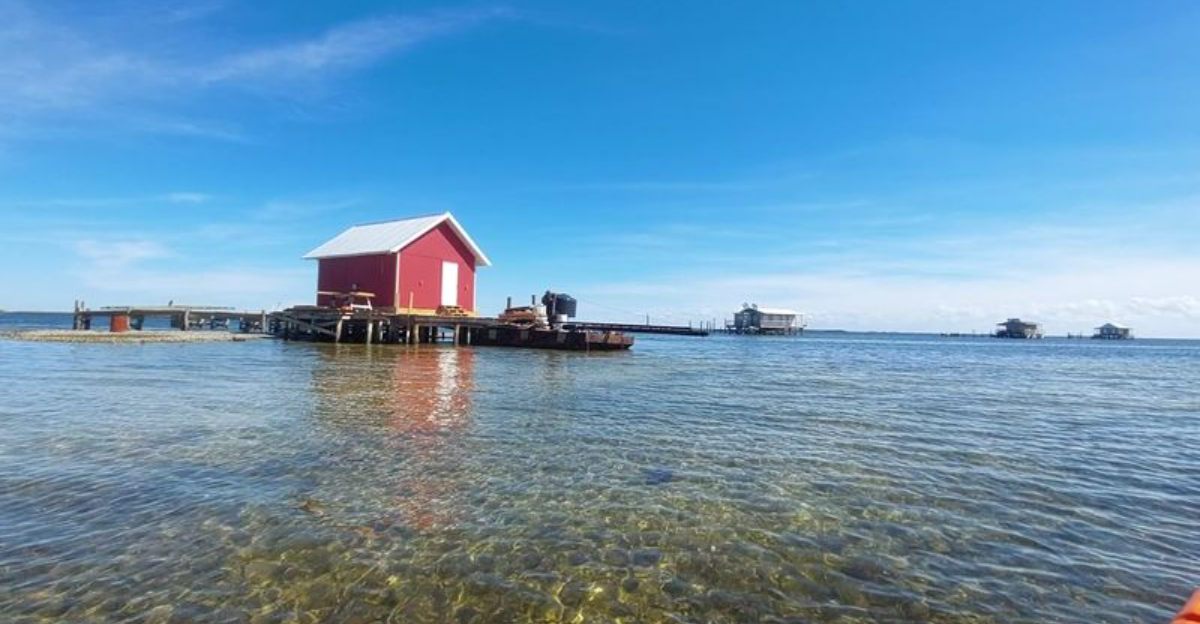
Pine Island feels like Florida after the performance ends, and that is exactly its charm. You do not arrive to a canyon of condos or a boulevard designed to keep you spending.
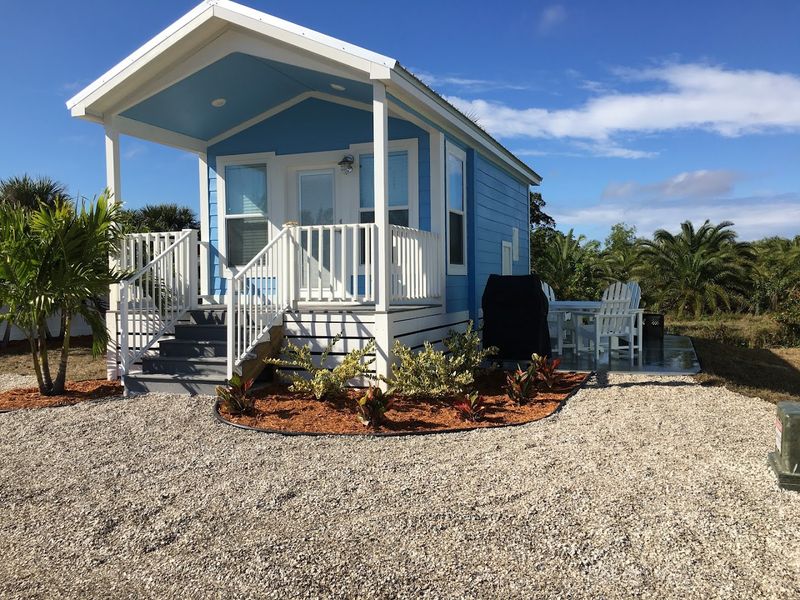
Instead, you ease into an island of mangroves, docks, modest homes, nurseries, and locally owned places that seem to exist for everyday life first.
That difference changes how you move through the day. You notice boats heading out at first light, neighbors chatting outside a market, and stretches of road where nothing interrupts the breeze.
With no traffic lights and no high-rise glamour, the island leans fully into a slower rhythm that feels natural instead of staged.
If you have ever wanted coastal Florida without the resort costume, this is the version worth seeking out. Pine Island does not beg for attention, and that makes it more compelling.
It gives you room to breathe, look around, and remember what a real escape actually feels like.
Why the Lack of Beaches Is Actually the Point
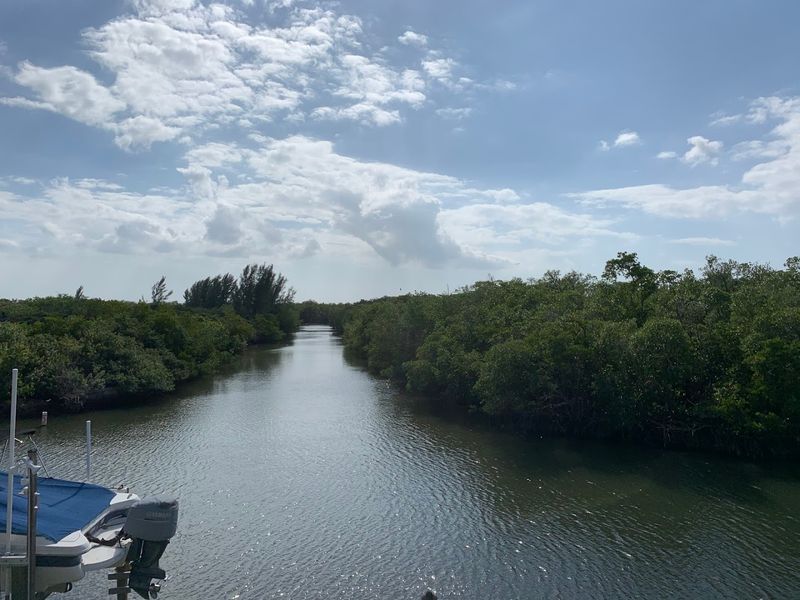
The most surprising thing about Pine Island might be what it does not have. This is the largest island in Florida without a beach, and that missing piece shaped everything else.
Without wide sands to attract crowds, developers largely looked elsewhere, leaving the island with a personality built around water, work, and quiet.
That absence is not a flaw once you understand the trade. Instead of beach traffic, you get mangrove shorelines, fishing culture, and neighborhoods that still feel personal.
The people drawn here over time were artists, boaters, fishermen, retirees, and anyone who preferred a calmer version of coastal life.
For you as a visitor, that means the island feels intact rather than overproduced. The scenery is subtler, but the experience is richer because it is not fighting for your attention.
Pine Island proves that not having the expected attraction can be exactly what preserves a place worth seeing.
Matlacha Sets the Mood Before You Even Arrive
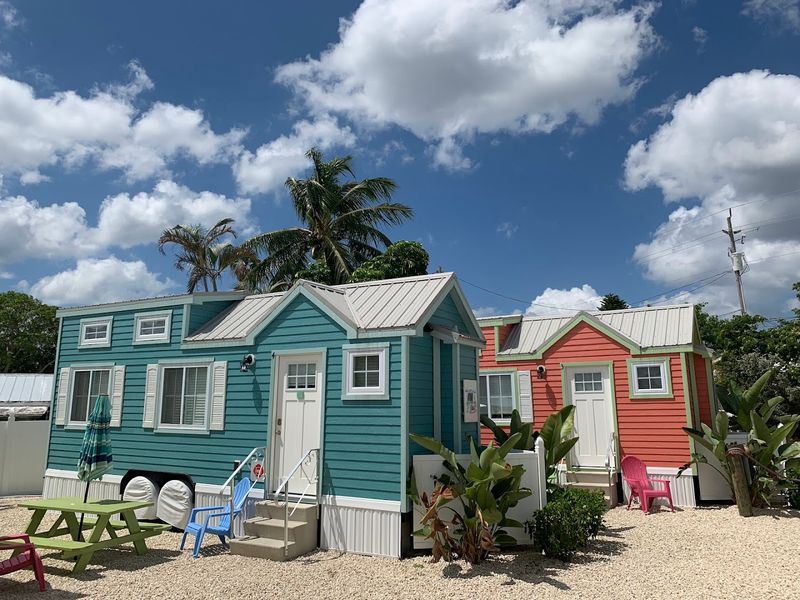
Before Pine Island fully opens up, Matlacha introduces you to the local mood with almost theatrical confidence. The tiny fishing village is lined with brightly painted cottages, galleries, fish camps, and little shops that make the roadside feel like a working postcard.
It is colorful, slightly eccentric, and refreshingly unconcerned with looking polished.
The old bridge area is part of the ritual. Anglers cast into the canal, boats slip through beneath the drawbridge, and the water seems to be part of every conversation happening nearby.
You can feel the island identity beginning here, where creativity and fishing culture sit side by side without any effort.
What I like most is that Matlacha does not feel curated for visitors. It feels lived in, weathered, and cheerful in a way that makes you want to keep driving farther in.
As gateways go, this one sets the tone perfectly for everything Pine Island does well.
The Art Scene Lives Right on the Main Drag
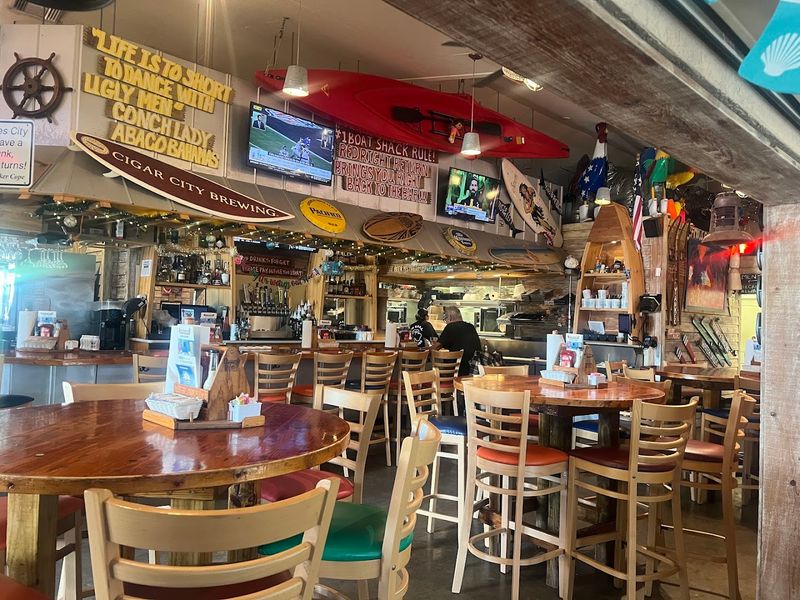
Pine Island’s art scene does not hide inside a formal district or polished cultural complex. It shows up where island life already happens, tucked between lunch counters, bait shops, marinas, and cottages washed in sun.
That placement tells you a lot about the island because creativity here feels woven into daily routine instead of separated from it.
The quality of light is a big reason artists stayed. Water surrounds so much of the landscape that reflections soften buildings, brighten color, and give ordinary corners an almost painterly haze.
You will pass working studios and small galleries almost by accident, which makes each one feel discovered rather than marketed.
That everyday creativity gives Pine Island a personality many beach towns spend years trying to manufacture. Nothing about it feels forced, and that is what makes it memorable.
If you like places where art still seems connected to weather, landscape, and local life, this island gets it right.
Kayaking the Mangroves Instead of Chasing Crowds
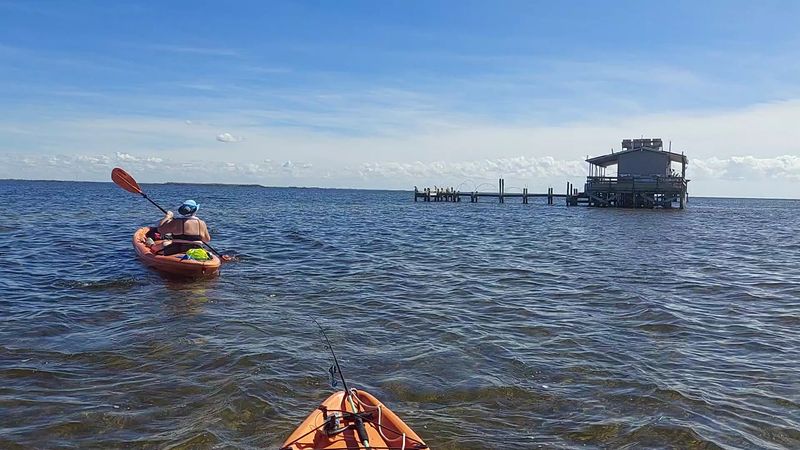
One of the best ways to understand Pine Island is from a kayak slipping through the mangroves. The water around the island is shallow, calm, and full of narrow passages that open unexpectedly into wider bays and grass flats.
It feels less like sightseeing and more like quietly entering the island’s real architecture.
As you paddle, the soundtrack changes to rustling leaves, distant birds, and the soft knock of water against roots. Herons perch overhead, baitfish flash in the shadows, and snook move through the maze with a confidence that makes you realize this habitat belongs to them first.
There is a particular stillness here that beach towns rarely offer.
What makes the experience special is how close everything feels without becoming dramatic. You are not chasing a big attraction or lining up for a famous view.
On Pine Island, the mangroves give you something better – immersion, quiet, and a sense of coastal Florida at its most intimate.
Fishing Is Not an Activity Here – It Is the Backbone
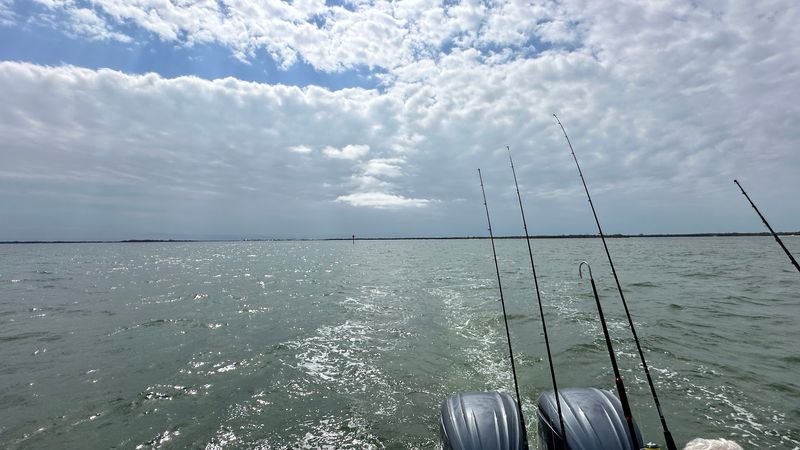
Fishing on Pine Island is not just something visitors try for an afternoon. It is the backbone of the island’s identity, the thing that shaped its marinas, bait shops, routines, and stories long before anyone called the area a getaway.
You can feel that history in the practical way waterfront life still operates here.
Charter boats head out for tarpon, snook, and redfish, while local marinas keep moving with the efficient, no-nonsense energy of places built for people who know the water. Even if you never pick up a rod, you notice how often conversations turn toward tides, bait, weather, or what was biting that morning.
It feels real because it is.
That authenticity matters when so many coastal destinations reduce fishing to branding. Pine Island still treats it as work, tradition, recreation, and local language all at once.
For you, that means the island comes with a sense of purpose, not just scenery, and that makes every dock feel more alive.
The Aquatic Preserve Is the Island’s Real Front Yard
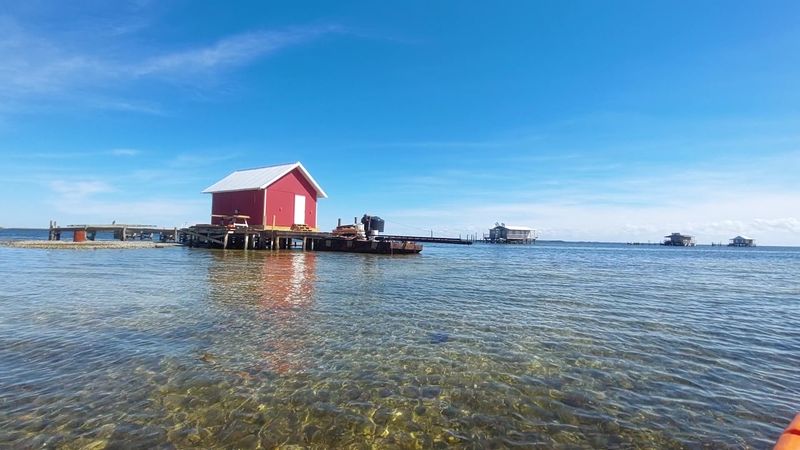
The water around Pine Island is not just pretty scenery surrounding a place on land. Much of it belongs to the Pine Island Sound Aquatic Preserve, a vast protected system of open water, seagrass beds, mangrove habitat, and shallow flats that defines the island as much as any road or neighborhood.
In many ways, this watery preserve is the true front yard.
That protection helps explain why wildlife feels like part of the everyday experience. Dolphins are common sightings, birds work the shoreline constantly, and manatees use the warmer shallows when conditions are right.
Even from a dock or roadside pull-off, you get the sense that the island is in active conversation with the surrounding ecosystem.
For visitors, the preserve changes how Pine Island is best appreciated. You are not meant to rush through it checking landmarks off a list.
You are supposed to watch, linger, and let the water reveal the island slowly, which may be the most Pine Island experience of all.
The Calusa Story Changes the Landscape Entirely
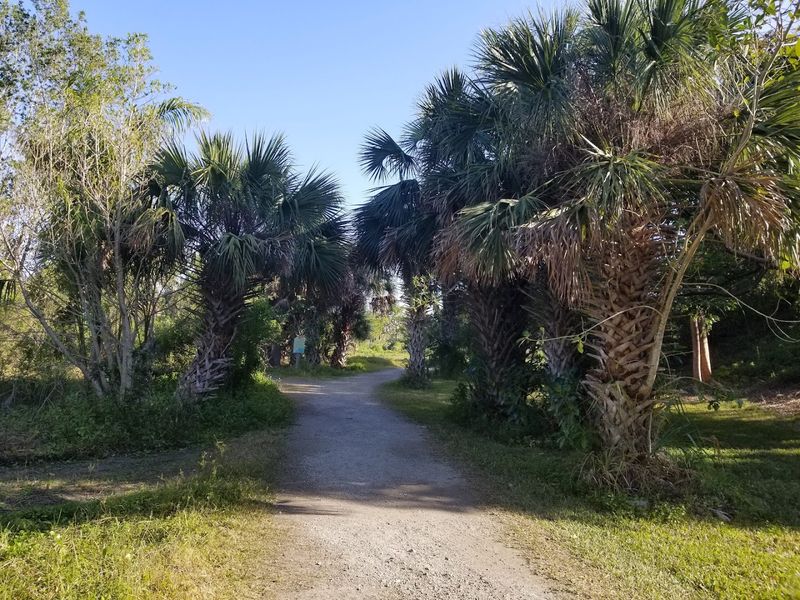
At the northern end of Pine Island, the Calusa Heritage Trail adds a dimension many casual visitors do not expect. What looks at first like a quiet landscape of trees and gentle rises is actually part of a far older human story shaped by the Calusa over thousands of years.
Once you know that, the island stops feeling simply scenic and starts feeling layered.
The shell mounds are subtle, which somehow makes them more powerful. They are not flashy ruins demanding attention, but physical evidence of a sophisticated fishing civilization that understood these waters deeply.
Walking the trail invites you to slow down, read the land carefully, and imagine a coastline organized around skill, trade, and environmental knowledge.
This is one of Pine Island’s most meaningful experiences because it gives context to everything else around you. The fishing culture, the relationship with the water, and the island’s practical rhythm suddenly seem part of a much longer continuum.
It is history that quietly recalibrates the whole trip.
St. James City Keeps Things Wonderfully Low-Key
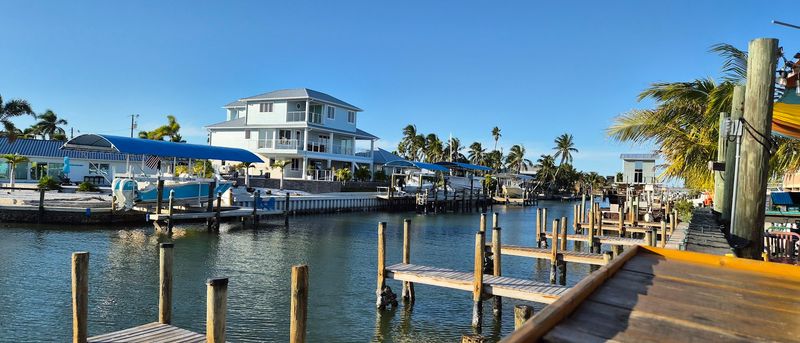
At Pine Island’s southern tip, St. James City shows what happens when a waterfront community stays comfortable with being itself. It is small, residential, and low-key, with a few dockside bars, seafood spots, and marinas that feel built for regulars rather than a constant flow of outsiders.
That easy familiarity is the whole appeal.
Pull up a chair by the water and the mood becomes obvious fast. Conversations drift toward fish, weather, boats, and who just came in from the sound, and it rarely feels hard to join in.
Even as a newcomer, you get the sense that this is a place where people still notice one another.
St. James City works because it never overreaches. It offers enough for a lingering meal, a drink at sunset, or a slow afternoon watching the docks without pretending to be an entertainment district.
If you enjoy places that trust their own pace, this southern corner of Pine Island feels especially satisfying.
Seafood Here Tastes Better Without the Show
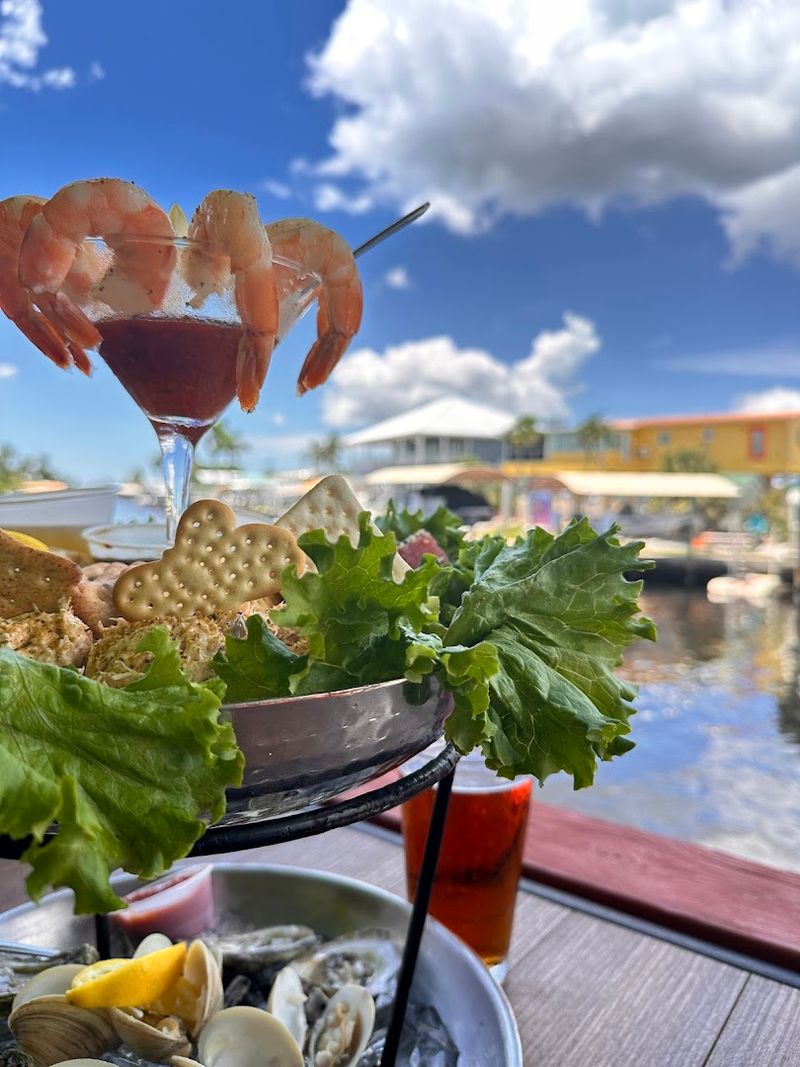
Eating on Pine Island is a reminder that great seafood does not need expensive staging. The island’s best meals often come from modest, no-frills places where the decor is secondary to what came off the boat.
Grouper sandwiches, smoked fish dip, and stone crab claws show up without the inflated pricing and polished performance common elsewhere.
That simplicity works in your favor because the focus stays on freshness. Menus feel tied to local water rather than trend cycles, and even the most casual meal can carry the satisfaction of something genuinely regional.
You are not paying for a curated scene nearly as much as you are paying for people who know seafood.
What I love is that the dining experience matches the island’s personality. Pine Island is not trying to impress you with spectacle, and neither are many of its restaurants.
The result is deeply comforting: good catches, straightforward cooking, and the kind of meal that feels right after a day near the docks.
The Island’s Best Beach Day Starts by Leaving the Island
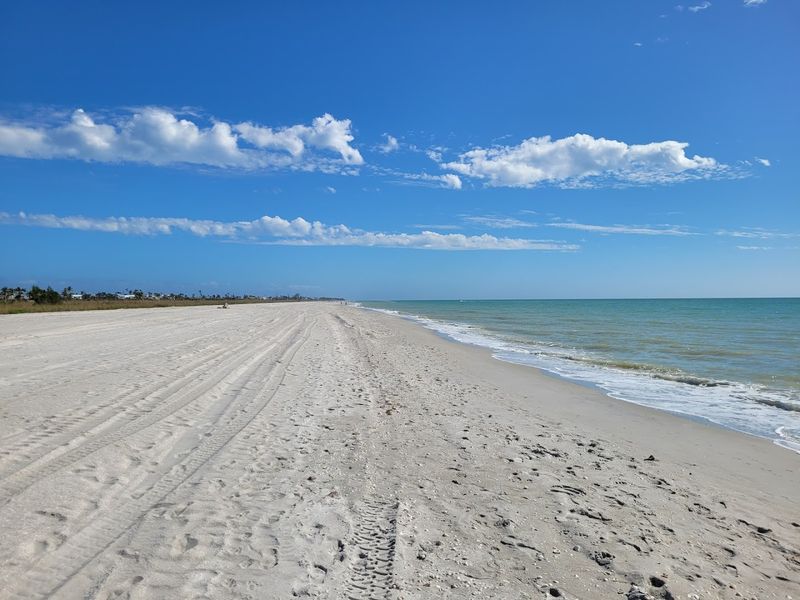
Pine Island’s relationship with beaches is part of what makes it clever as a base. Because the island itself skips the sandy shoreline experience, a boat trip to the outer islands feels like a satisfying bonus rather than a requirement.
You can spend one day immersed in mangroves and docks, then head out on the water for a classic Gulf strand.
That contrast is what makes the outing memorable. Leaving from a Pine Island marina gives your beach day a sense of journey, with the ride itself becoming part of the appeal.
It also reinforces how well Pine Island works for travelers who want options without staying inside a fully resort-centered place.
Even if you are mostly here for the island’s quieter character, it is nice knowing wider beaches are close by when the mood changes. Pine Island does not try to be everything at once.
Instead, it offers its own identity clearly and lets nearby waters supply the sandy exclamation point when you want it.
Small Details Are the Whole Reward
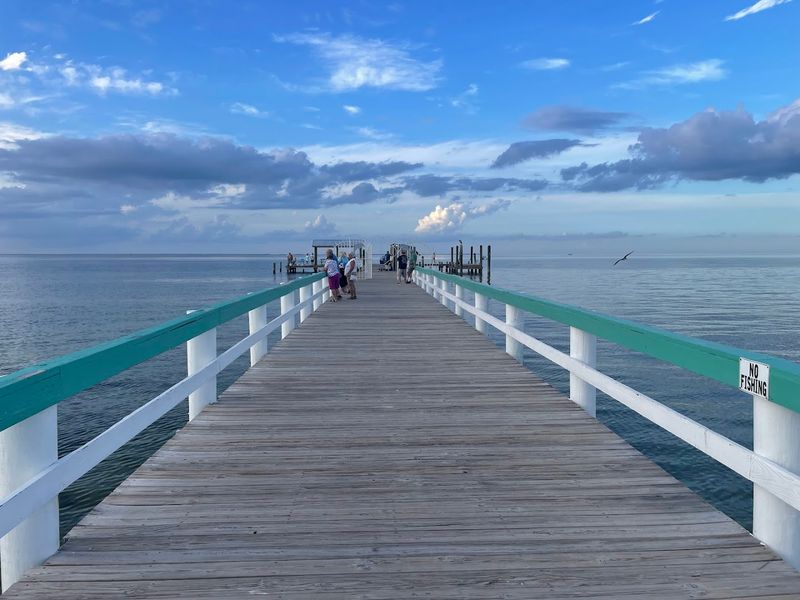
Pine Island rewards the kind of traveler willing to pay attention to ordinary moments. The island does not deliver itself through a marquee attraction, packed festival calendar, or dramatic reveal at the end of a boardwalk.
Instead, it offers pelicans balanced on pilings, a painter working with the studio door open, and boats returning at dusk with coolers still full.
Those details might sound minor until you spend time there. Then they become the trip itself, the pieces that create a mood no master-planned destination can quite imitate.
Pine Island asks you to notice texture, routine, weather, and conversation, and the island becomes richer the slower you move through it.
This is why expectations matter so much here. If you arrive looking for nonstop stimulation, you may miss what makes the place special.
But if you come ready for subtler pleasures, Pine Island feels generous, grounding, and unexpectedly memorable in ways that linger long after flashier vacations fade.