
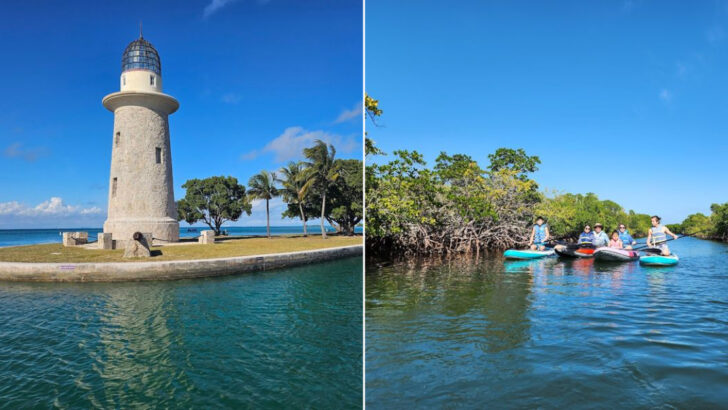
Just south of Miami lies one of America’s most extraordinary and least-talked-about national parks — Biscayne National Park. Unlike most parks where you hike through forests or climb mountains, a stunning 95% of this park exists beneath the surface of the water.
From vibrant coral reefs and historic shipwrecks to rare wildlife and mangrove forests, Biscayne is a true hidden gem of Florida. Whether you snorkel, boat, or simply sit by the bay, this park will leave you absolutely speechless.
The 95% Underwater Landscape That Makes Biscayne Totally Unique
Most national parks greet you with towering mountains or sprawling forests, but Biscayne flips the script entirely. Here, the real magic happens beneath the surface.
About 95% of the park’s 172,000 acres is covered by water, making it one of the largest marine national parks in the entire United States.
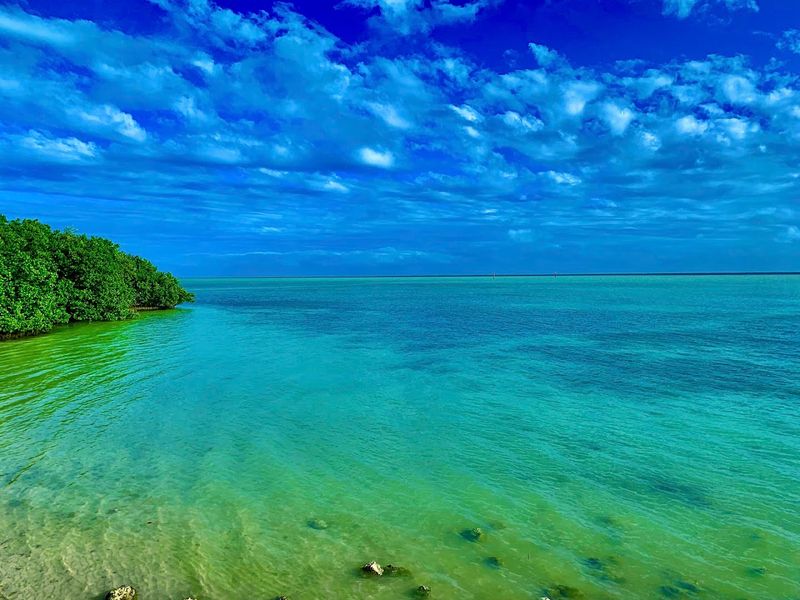
The underwater world at Biscayne is nothing short of spectacular. Crystal-clear turquoise waters stretch across Biscayne Bay, hiding a living ecosystem of coral reefs, seagrass beds, and colorful marine creatures just below the surface.
Visibility can reach up to 20 feet or more on calm days, giving snorkelers and divers an almost surreal window into another world.
What makes this even more remarkable is how close it sits to one of the country’s most urban areas. You are just 21 miles from downtown Miami, yet the park feels like a completely different planet.
The remaining 5% of the park includes mangrove shorelines, small island keys, and the mainland coast. Biscayne truly challenges what most people expect a national park to look like, and that is exactly what makes it so unforgettable and worth every visit.
Living Coral Reefs That Rival Some of the World’s Best
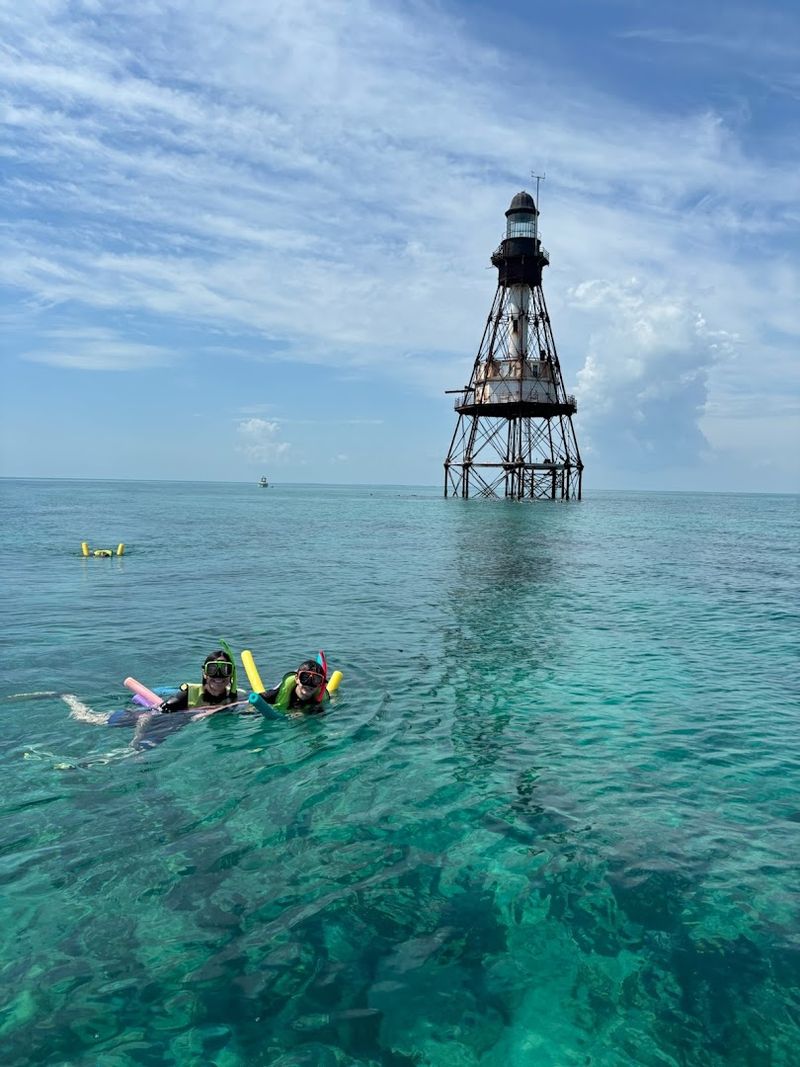
Biscayne National Park is home to the northernmost section of the Florida Reef Tract, which happens to be the third-largest coral barrier reef system on the planet. That is not a small deal.
This reef stretches along the eastern edge of the park and supports an astonishing variety of marine life that most people never get to see up close.
Brain corals, elkhorn corals, and waving sea fans create an underwater city that fish, sea turtles, lobsters, and even nurse sharks call home. Snorkeling here feels like floating above a painting — every direction you look, there is something colorful and alive.
Rangers and tour guides are quick to point out that these reefs are fragile and have faced threats from rising ocean temperatures and human activity over the decades.
Conservation efforts within the park are ongoing and genuinely meaningful. Visitors are asked not to touch or stand on the coral, as even a single touch can damage years of growth.
The park team works hard to monitor reef health and educate visitors about protecting this rare ecosystem. Seeing these reefs firsthand gives you a deep appreciation for why protecting them matters so much for future generations.
Historic Shipwrecks Along the Maritime Heritage Trail
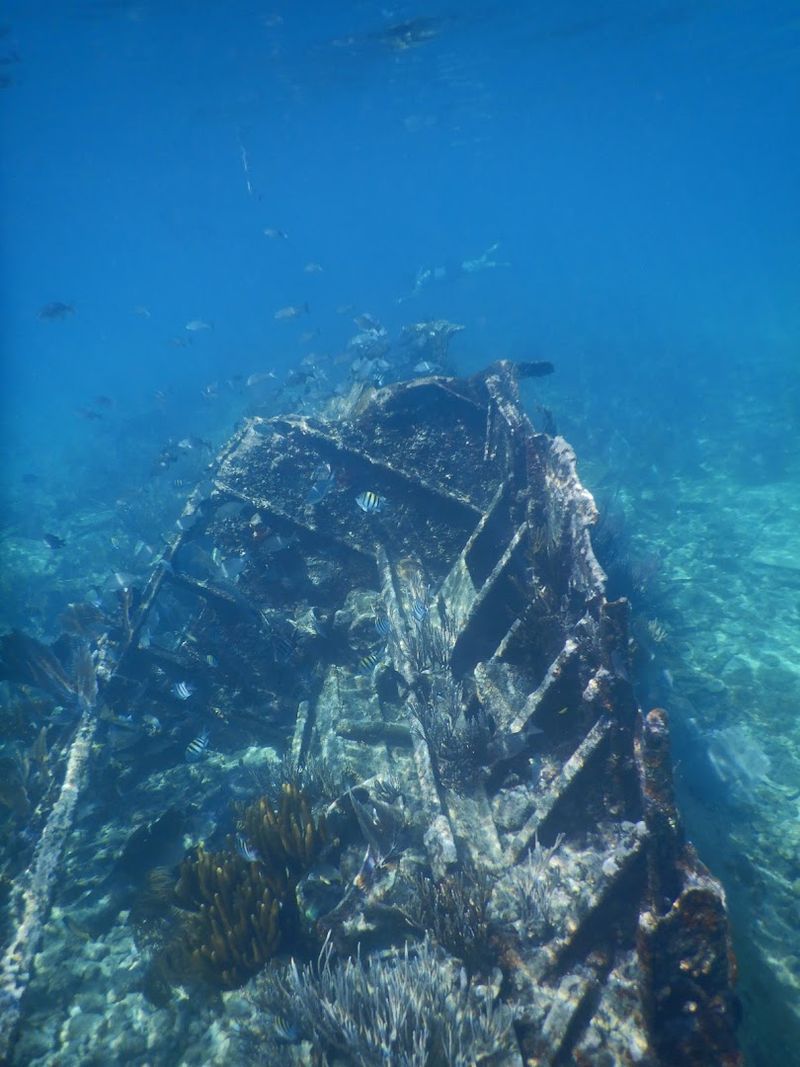
Somewhere beneath the calm, glittering surface of Biscayne Bay lie the ghostly remains of ships that met their end along this stretch of Florida coast. The Maritime Heritage Trail is one of the park’s most thrilling features, connecting six historic shipwrecks that divers can explore with an underwater trail guide.
It is like a museum, except the exhibits are 30 feet below you.
Each wreck has its own story. Some date back to the early 1900s, while others are more recent.
The Mandalay, a two-masted schooner, and the Lugano, a massive cargo vessel, are among the most popular stops on the trail. Over time, these sunken ships have become artificial reefs, covered in coral and teeming with sea life.
Schools of fish weave through rusted hulls, and moray eels peek out from dark crevices.
You do not need to be an expert diver to enjoy parts of this experience. Some wrecks sit in shallow enough water for snorkelers to catch a glimpse from above.
Guided dive tours are available through the park’s authorized operators and are highly recommended for first-timers. Hearing the history of each vessel while floating above it underwater is genuinely one of the most memorable things you can do in South Florida.
Rare and Endangered Wildlife Found Nowhere Else
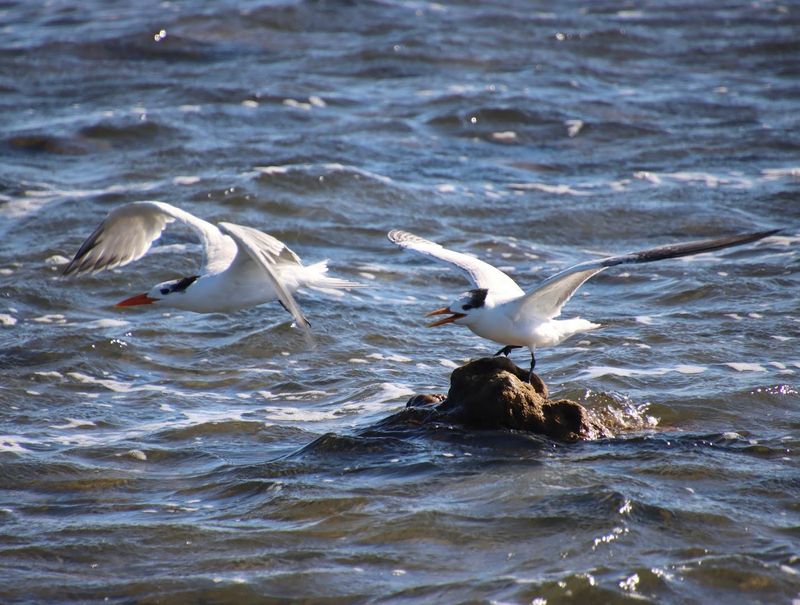
Few places in the United States can claim the kind of wildlife diversity that Biscayne National Park quietly shelters. This is one of the very few places in the world where American crocodiles and American alligators share the same habitat.
Spotting one of these ancient reptiles along the shoreline is a heart-pounding moment you will not forget quickly.
Beyond crocodiles and alligators, the park is also critical habitat for the West Indian manatee, a slow-moving, gentle giant that grazes on seagrass in the bay. These animals are listed as a threatened species, and Biscayne’s protected waters give them a safe place to feed and rest.
Sea turtles — including the loggerhead, green, and leatherback — also nest on the park’s island beaches, making it a vital refuge during nesting season.
Birdwatchers absolutely love Biscayne too. Over 170 species of birds have been recorded here, including the roseate spoonbill, osprey, and great white heron.
Anhinga birds, often seen drying their wings on low branches, are a common and charming sight near the water. The park’s mix of marine, wetland, and coastal habitats creates the perfect conditions for rare wildlife to thrive, making every single visit feel like a new discovery.
Mangrove Forests That Protect Florida’s Coastline
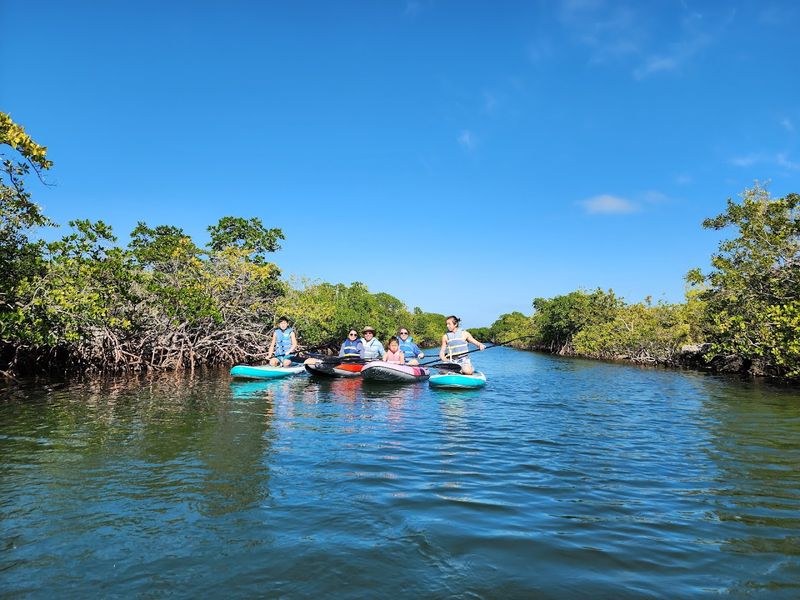
Mangroves might not look flashy at first glance, but these tangled, salt-tolerant trees are some of the hardest-working ecosystems on the planet. Biscayne National Park protects a significant stretch of mangrove forest along its mainland coast, and spending time here reveals just how vital these trees really are to the health of South Florida.
The roots of mangrove trees extend into the water like a web of natural scaffolding, creating sheltered nurseries for juvenile fish, crabs, and shrimp. Baby snook, tarpon, and snapper grow up hiding among those roots before venturing out into open water.
Without mangroves, the populations of many commercially important fish species would decline dramatically. They also act as a natural barrier, absorbing wave energy and protecting the coastline from storm surges and erosion.
Kayaking through the mangrove tunnels at Biscayne is one of the most peaceful and immersive experiences the park offers. The canopy closes overhead, the water becomes glassy and still, and the sounds of the outside world seem to fade away.
Rangers lead guided kayak tours that teach visitors about the ecology of these forests in a hands-on, unforgettable way. Even a slow paddle through the mangroves leaves you with a new respect for these underrated natural wonders.
The Stunning Island Keys Scattered Across the Bay
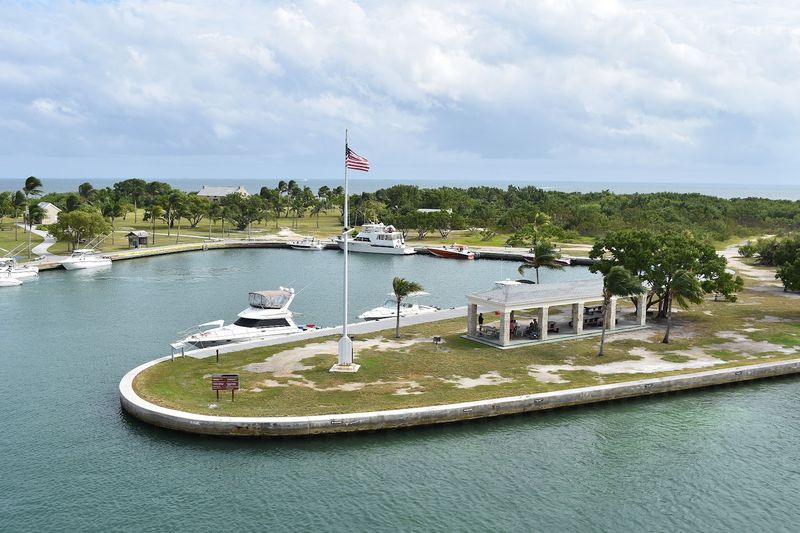
Stretching along the eastern boundary of Biscayne National Park is a chain of small, beautiful island keys that feel like they belong on a postcard. Elliott Key, Adams Key, and Boca Chita Key are among the most visited, each offering a slightly different experience for those willing to make the short boat ride out from the mainland.
Elliott Key is the largest of the bunch and features a campground, a visitor center, and several walking trails through tropical hardwood hammock forest. The trees here are dense and shady, offering a cool escape from the Florida heat.
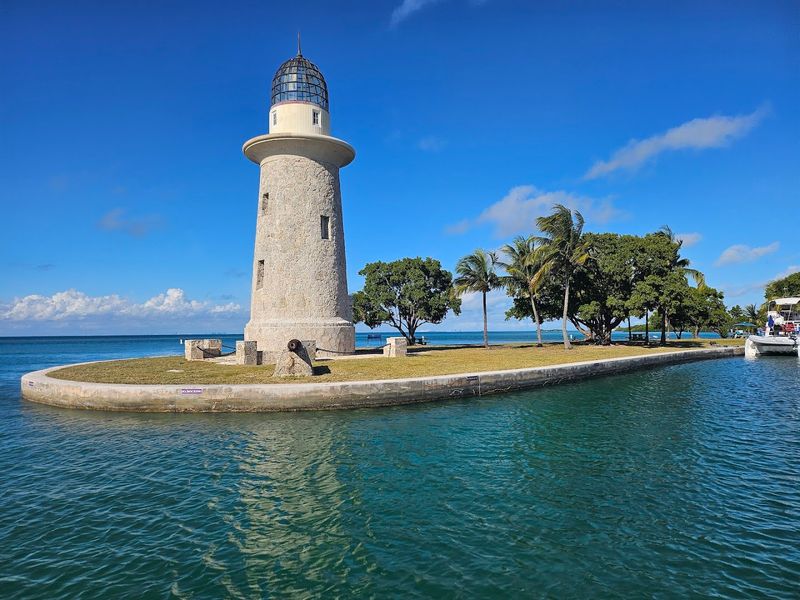
Boca Chita Key is perhaps the most photogenic, famous for its ornamental lighthouse that was built in the 1930s by a wealthy yachtsman named Mark Honeywell. Climbing to the top offers a sweeping 360-degree view of the bay and ocean.
Getting to these keys requires either a private boat or a tour operated through the park’s authorized vendors. Sunset cruises to Boca Chita are wildly popular, and for good reason — the light over the water at dusk is absolutely breathtaking.
Visitors consistently describe the island experience as the highlight of their trip. Pack a picnic, bring sunscreen, and give yourself at least a few hours to properly soak in the island atmosphere.
World-Class Snorkeling and Diving Opportunities
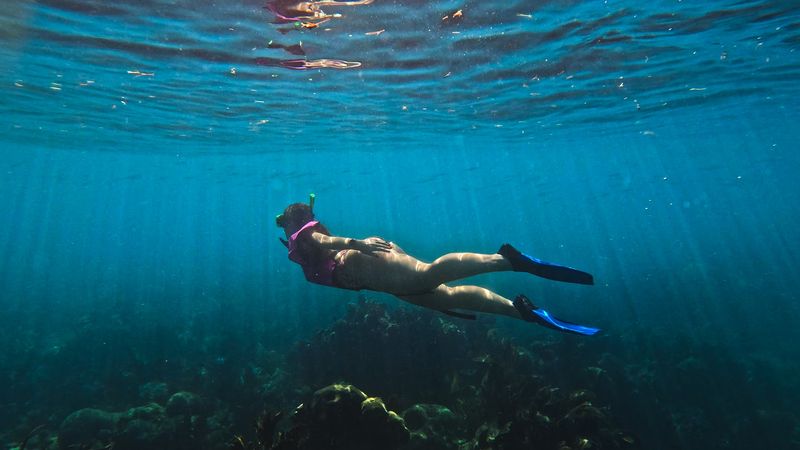
Ask any regular visitor what they love most about Biscayne National Park, and snorkeling or diving will almost always top the list. The park offers some of the most accessible and rewarding underwater experiences in the entire country, with options suitable for complete beginners and seasoned divers alike.
You do not need to be a professional to enjoy what lies beneath these waters.
Snorkel tours run regularly from the Dante Fascell Visitor Center at Convoy Point, taking groups out to the reef and shipwrecks aboard comfortable park boats. Guides provide equipment, safety briefings, and fascinating commentary about the marine life you are likely to encounter.
Puffer fish, stingrays, parrotfish, and barracuda are regular sightings, and on lucky days, sea turtles glide past with calm, unhurried grace.
For certified divers, the park’s deeper reef zones and shipwreck sites open up an entirely different level of exploration. Visibility and water conditions vary by season, so early spring and fall tend to offer the clearest water.
One visitor review described seeing two whales during a boat tour, which just goes to show that Biscayne has a way of surprising even the most experienced nature lovers. Always book tours in advance, as spots fill up fast during peak season.
Boating, Fishing, and Paddling on Biscayne Bay
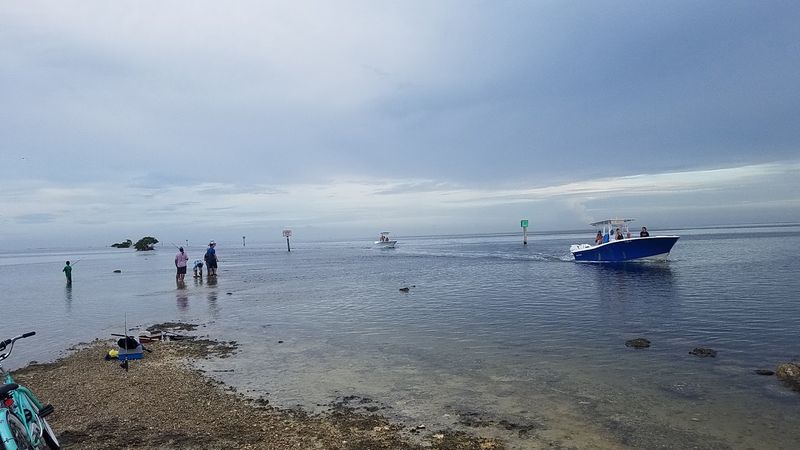
Even if you never put your face in the water, Biscayne National Park still delivers an extraordinary outdoor experience from the surface. The bay is a playground for boaters, anglers, and paddlers of all skill levels.
On any given morning, you will find kayakers gliding silently past mangrove edges while fishing boats idle in the distance and sailboats catch the breeze heading toward the keys.
Fishing at Biscayne is genuinely excellent. The seagrass flats and backcountry channels hold bonefish, permit, and tarpon — three of the most prized catches in saltwater fishing.
Anglers come from all over the country to wade the flats or drift along the bay in search of these trophy species. Regulations apply throughout the park to protect fish populations, so checking the latest rules before you cast is always a smart move.
Kayak and canoe rentals are available near the visitor center, and several guided paddling tours run throughout the week. One popular option takes small groups through mangrove tunnels and along the shoreline, pointing out wildlife along the way.
A sailboat tour with a knowledgeable captain is another beloved choice — several visitors have raved about private charters that fit just four to six people, making the experience feel personal and special rather than crowded.
The Dante Fascell Visitor Center and Park Education
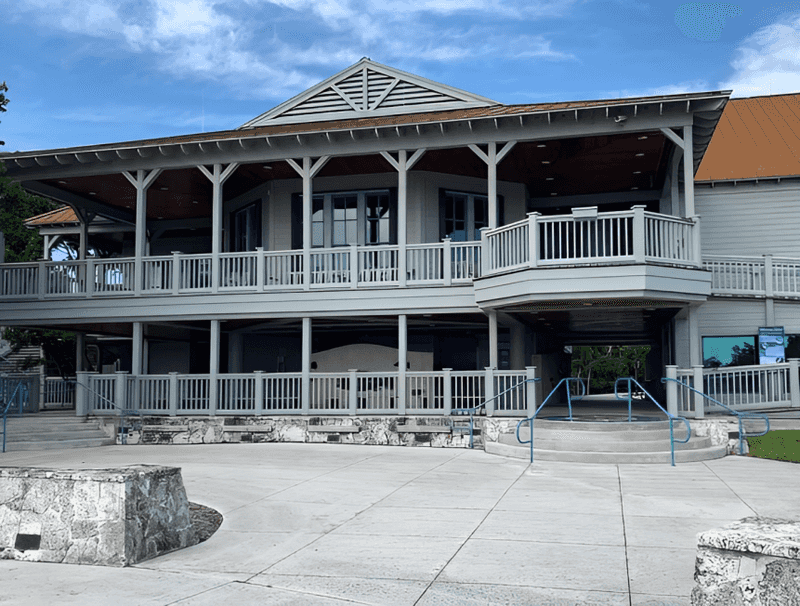
Every great national park experience usually starts with a visit to the visitor center, and Biscayne’s Dante Fascell Visitor Center at Convoy Point is a genuinely impressive place to begin. Perched right on the edge of Biscayne Bay, the center offers sweeping water views, informative exhibits, a well-stocked gift shop, and knowledgeable rangers who are passionate about sharing the park’s story.
The exhibits inside cover everything from coral reef ecology and the history of the Florida Keys to the cultural heritage of the people who have lived along this coast for centuries. Interactive displays make the information accessible and engaging for younger visitors, which is a nice touch for families.
Many visitors mention that the ranger-led programs along the boardwalk were a highlight of their trip, bringing the natural environment to life in ways that a simple walk alone cannot match.
The visitor center is also where most guided tours depart, making it the logistical hub of your Biscayne adventure. Passport stamps for national park collectors are available here, and the gift shop carries locally inspired items worth browsing.
Arriving early in the morning gives you the best chance of catching a ranger talk and securing a spot on a popular boat tour. Sunrises viewed from the center’s waterfront area are reportedly magical and worth setting an early alarm for.
Conservation Efforts Keeping Biscayne’s Ecosystem Alive
Behind every breathtaking reef and every healthy manatee sighting at Biscayne National Park is a dedicated team of scientists, rangers, and volunteers working tirelessly to protect this fragile ecosystem. Conservation is not just a buzzword here — it is the backbone of everything the park does, and visitors play a meaningful role in supporting that mission simply by showing up responsibly.
The park actively monitors coral reef health, tracking temperature changes, bleaching events, and the spread of coral disease. Restoration projects have replanted thousands of coral fragments onto damaged sections of the reef, a painstaking process that requires enormous patience and care.
Sea turtle nesting beaches on the island keys are monitored throughout nesting season, and data collected here contributes to broader research efforts across the Caribbean and Atlantic.
Visitors who join snorkeling and diving tours are briefed on how to behave responsibly around the reef — no touching, no standing on coral, and no feeding fish. These small actions genuinely add up over time.
Several visitors have noted that contributing to conservation efforts during their visit made the experience feel more meaningful and fulfilling than a typical tourist activity. Biscayne is proof that protecting nature and enjoying it are not opposing goals — they go hand in hand beautifully.