
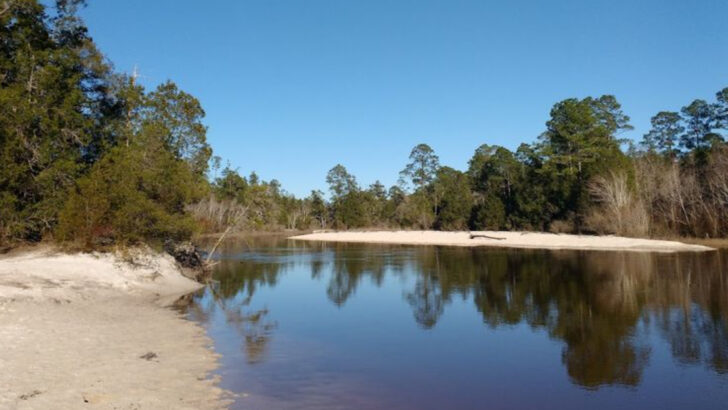
Florida’s Blackwater River State Park hides a sand-bottom river so clear you can watch sunlight ripple across the floor. Stand on Deaton Bridge and the tea-colored current curls past white sand like poured amber over sugar.
From wading beaches and easy trails to stellar camping, everything invites you to slow down. Here is exactly how to make your visit effortless and unforgettable.
Deaton Bridge Views
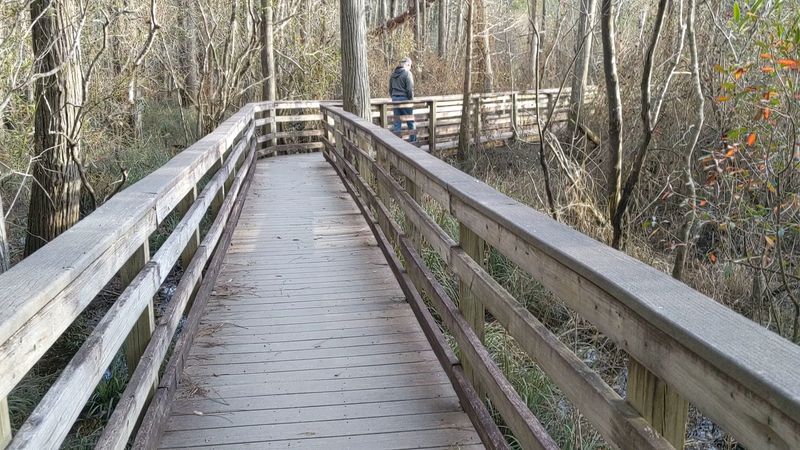
Stand on the historic Deaton Bridge and the scene feels almost unreal. Tea colored water ribbons past sugar white sandbars under longleaf pines that whisper in the breeze.
You notice how clear the sand bottom appears, a natural filter that keeps the current sparkling even after summer showers.
Arrive early for golden hour and you will have soft light on the river bends plus quiet parking. Bring a lightweight camp chair and set it near the upstream side of the bridge, then tuck your feet in the cool flow.
Photographers love the contrast of dark tannins against white banks, so bracket a few exposures and wait for a canoe to enter the frame.
Safety matters here, so step carefully on damp boards and give anglers room on narrow sections. If the river is rising after heavy rains, admire the view from higher ground and use railings.
When you are ready to wander, follow the boardwalk spur into shady pine flatwoods to extend the outing.
Parking is $4 per vehicle, payable at the self service station, so keep small bills handy. Restrooms sit a short walk away, and picnic tables cluster under trees.
Pack out snacks and bottles to keep this riverscape pristine.
Sandbars and Swimming
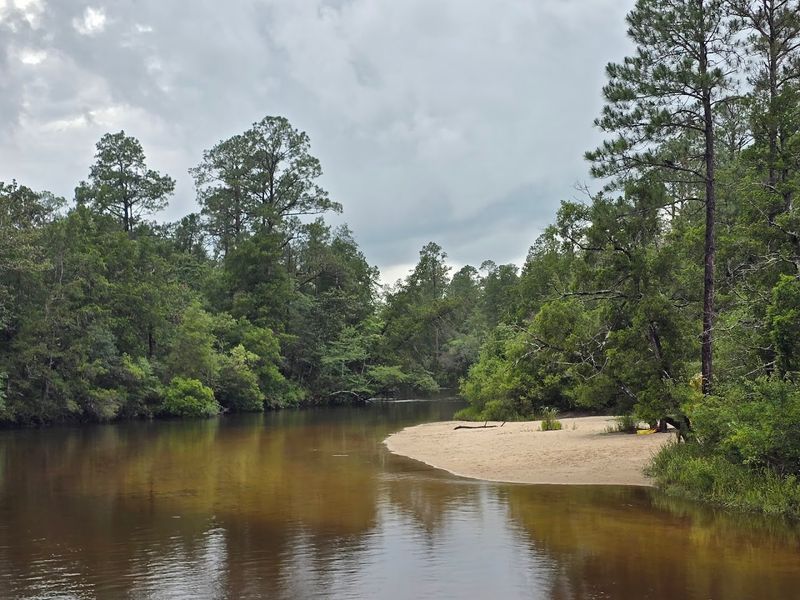
Those sugar white sandbars are nature’s lounge chairs. Walk the firm shoreline, then step into ankle deep water that feels like glass sliding over cool quartz.
The current moves steadily but gently, perfect for wading, floating, and teaching kids river sense.
Bring water shoes, because shifting sands can hide sticks near the banks. Choose a spot with a gradual slope and keep an eye on afternoon thunderstorms that sometimes build fast in the Panhandle.
A compact dry bag helps stash phones and keys while you play.
Weekdays feel blissfully calm, yet even on weekends you can wander downstream to find quieter bars. If the river is high, expect fewer beaches and stronger pushes around curves, so adjust plans.
Always check posted advisories and skip swimming near tree strainers or tight bends.
Bring a simple picnic and a big microfiber towel that will not hold half the river. Sunscreen is essential, and a wide brim hat helps when sand reflects light upward.
Leave only footprints, then brush them smooth so the next visitor meets a flawless shoreline.
If you hear distant thunder, pack quickly and head for the car. Sand turns slick when saturated, and water levels can jump after upstream storms.
Kayaking the Blackwater River
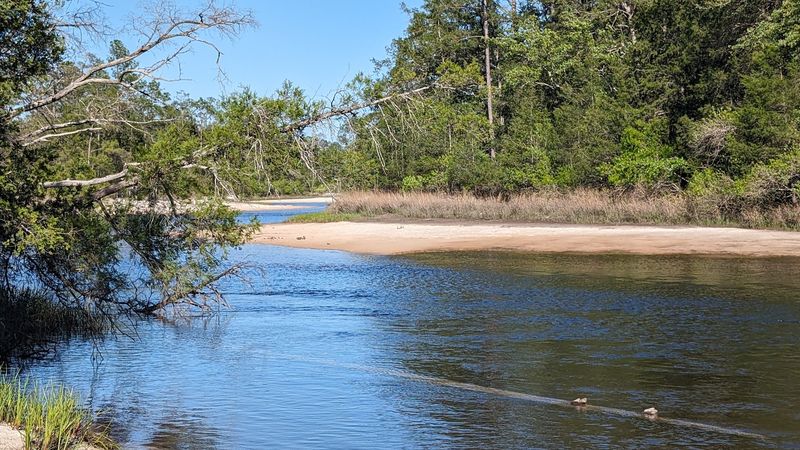
Smooth, predictable current makes this river a confidence builder for new paddlers. Put in above the park with an outfitter shuttle, then drift through bends lined by Atlantic white cedars and longleaf pine.
Sandbars double as rest stops so you can snack without rushing.
Bring a 10 to 12 foot sit on top kayak or a canoe if carrying a cooler. A simple throw rope, whistle, and PFD for every seat should be standard.
Keep phones in a float case and clip the case to a thwart instead of shoving it in pockets.
Wind can stack water on wide reaches, so angle the bow slightly into gusts. After rains, tannins deepen and the flow speeds up, demanding earlier ferry angles when avoiding snags.
Scout low branches from shore before launching nervous paddlers.
End your run at Deaton Bridge or continue below to public takeouts if levels permit. Give anglers space, announce passes politely, and keep music off so wildlife emerges.
The quiet becomes the highlight, punctuated by paddle drips and a heron lifting from the bank.
Check park hours before launching so your shuttle timing matches the gate schedule. In summer, start early to avoid storms and the hottest sun angles.
Trail Walk
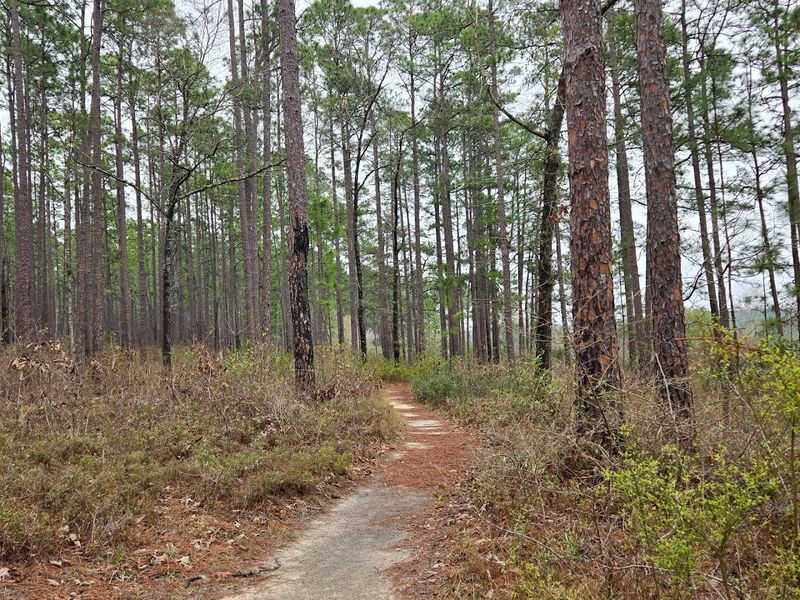
Pine needles cushion every step, and the air smells faintly of resin. Juniper Creek Trail threads through longleaf and wiregrass, crossing boardwalks as the river peeks in and out.
You get gentle elevation changes that keep things interesting without taxing knees.
Start at the signed trailhead near the main area and bring a simple paper map as backup. Sandy soils can blur footprints, so look for blazes and small wooden posts at junctions.
After rain, puddles collect along low flats, which makes waterproof shoes a smart call.
Wildlife is steady if you move quietly. Red shouldered hawks patrol edges, gopher tortoises browse, and winter brings flocks of sparrows in the wiregrass.
Pause at openings to scan the sand for fresh tracks and to listen for woodpeckers hammering deep in the pines.
Carry water and a salty snack to stay sharp. Cell coverage can wobble near hollows, so tell a friend your plan and expected return.
Keep dogs leashed and step aside for faster hikers so everyone ends the day with the same happy rhythm.
Morning light paints the creek a warm bronze. Start just after sunrise for cooler temperatures, empty parking, and birdsong that turns a simple walk into something you actually remember.
Wildlife and Birding Hotspots
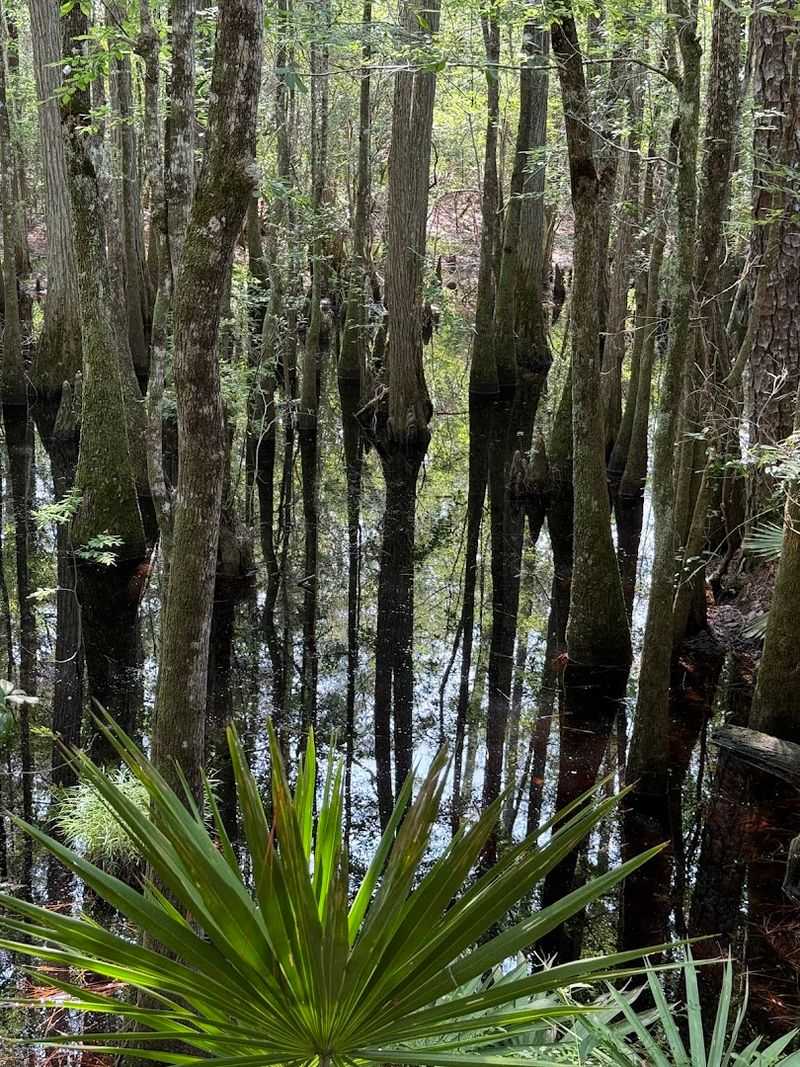
Keep binoculars handy because movement often starts at your feet. Sand tracks reveal deer at dawn, otters on patrol, and raccoons grabbing crayfish.
Overhead, swallow tailed kites circle thermals like paper airplanes riding invisible roads.
Birders love the edge habitats where pine forest meets river swamp. Listen for red cockaded woodpeckers in older pines, and scan snags for ospreys with fish.
In migration, warblers pop through canopy lanes so fast you will celebrate even brief views.
Do not feed wildlife. Human snacks teach boldness, and boldness becomes trouble for animals and visitors.
Store food, seal trash, and let natural behaviors continue along the river like they have for centuries.
Bring a field app that works offline and a pocket notebook for quick notes. A simple sketch of a wing pattern helps more than you expect.
Later, match notes to photos at home and your ID skills jump noticeably.
Alligators live in Florida waters, so stay alert near vegetated banks and keep pets leashed away from the river. Most encounters are distant and uneventful, yet caution makes the difference.
Give snakes space, skip tall grass at night, and carry a small light for campground walks. Teach kids to watch first.
Always.
Paddling Safety and River Conditions
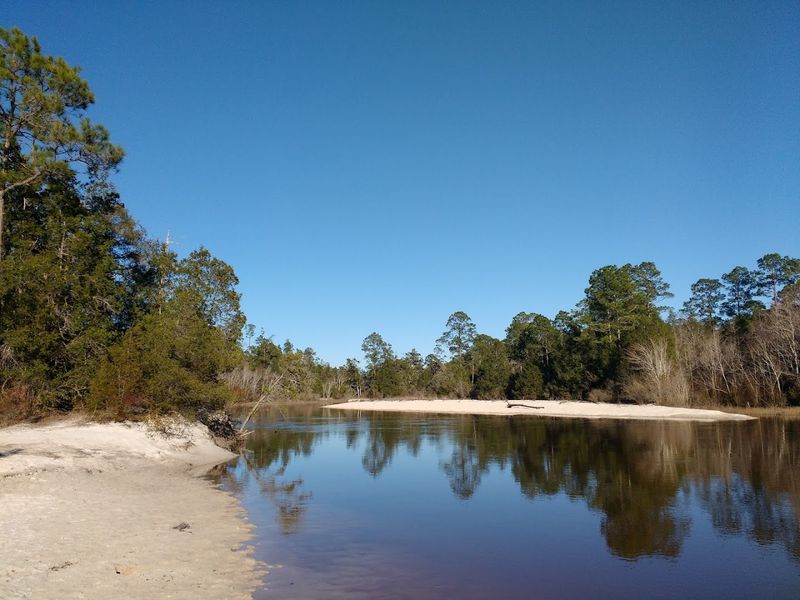
Clear water can trick you into underestimating current. Even ankle deep flows push hard around tight bends where trees funnel water.
Read the surface by watching foam lines and drifting leaves before committing to a crossing.
Always wear a PFD, even during short floats between sandbars. Clip a small knife to the vest for snagged lines, and stash a whistle where you can reach it with either hand.
Shoes that drain quickly beat flip flops on uneven landings.
Check gauges and weather before you go. After sustained rain, the river rises, sandbars vanish, and strainers increase, so match skills to the day.
Outfitters and rangers publish advisories that help you decide if postponing could save you stress.
Group spacing matters more than most people expect. Keep boats one eddy apart and communicate with simple hand signals.
Encourage the least experienced paddler to set the pace so nobody makes hasty moves just to keep up.
Sun blocks feel different on water, so reapply more often than a hiking day. Pack a compact first aid kit in a dry bag and toss in electrolyte tabs.
End every trip with a quick gear check so nothing blows from the car roof on departure.
Picnic Areas and Family Amenities
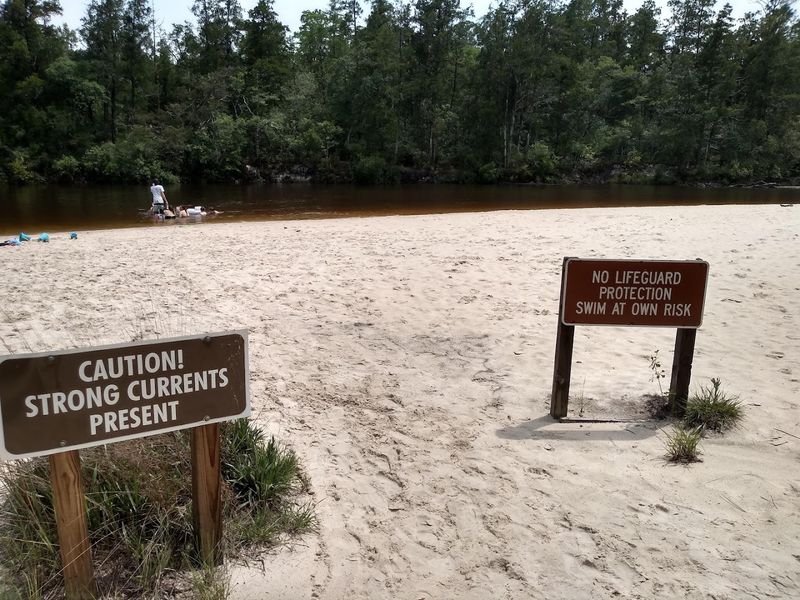
Shade, tables, and river breezes make simple lunches taste special. You can grab a pavilion when available, or spread a blanket near the beach and let kids build sand castles between bites.
Restrooms and an outdoor rinse shower keep everyone comfortable after swimming.
Pack a cooler with frozen water bottles that double as ice packs. Bring a small cutting board for fruit and sandwiches, plus a trash bag so the area stays spotless.
Bees love open sodas, so use lidded cups and set drinks under the table.
Plan games that do not scatter pieces. A frisbee, sand molds, and a short scavenger list keep kids nearby without turning the beach into a yard sale.
Rotate jobs like water refills and cleanup so everyone gets back to the river quickly.
Parking can fill on sunny Saturdays, so arrive before lunch. If a pavilion is reserved, respect the sign and choose the next cluster of tables.
Afternoon shade shifts, so reposition your blanket to stay comfortable rather than powering through heat.
Finish the meal with a slow stroll to Deaton Bridge for photos. The short walk helps little legs reset, and you will snag a breeze before packing the last napkins and wrappers.
Best Times to Visit and Smart Tips
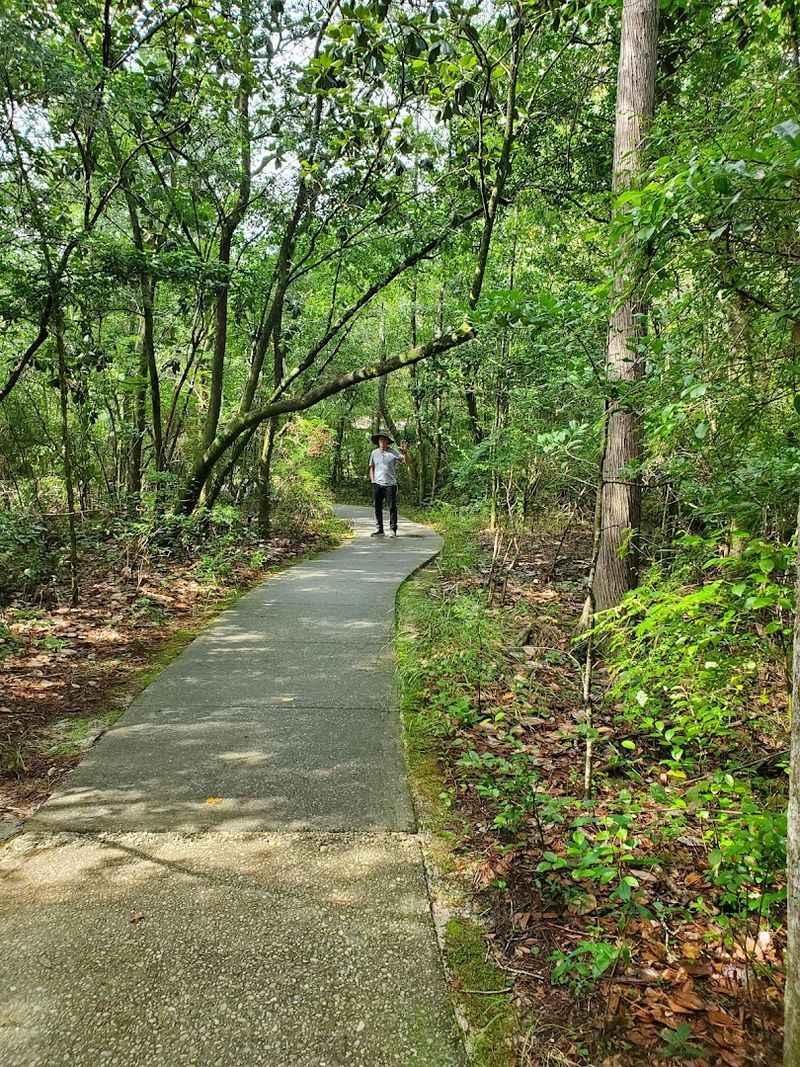
Timing changes the entire feel of this park. Spring and fall offer mild days, bright skies, and fewer bugs, while summer brings warm water that practically invites long swims.
Winter hiking feels crisp, with clear views through the pines.
Arrive early for parking and quiet trails. Afternoon thunderstorms are common in the Panhandle, so set a weather alert and move to higher ground at the first rumble.
Pack a poncho even when forecasts look friendly from the highway.
Fees are modest and worth every dollar. Keep $4 cash ready for day use and place the stub on your dashboard.
If you carry a card, still bring small bills in case the machine is down.
Maps on your phone may lose signal, so download offline layers. Mark trailheads, the campground entrance, and restrooms ahead of time.
Little bits of preparation turn a quick stop into a day that lingers long after you return home.
If crowds are not your thing, target Mondays through Thursdays outside holidays. Start hikes right at opening hours to hear the forest wake.
End with a barefoot pause on a quiet sandbar, letting cool water erase road miles before the drive back to Holt or Milton today.