Tucked along the banks of the Suwannee River in the small town of White Springs, Florida, Stephen Foster Folk Culture Center State Park is unlike almost any other park in the country. It was built around a song — one written by a man who never even set foot in Florida — and somehow that unusual origin story makes the whole place more fascinating, not less.
From a towering carillon that fills the air with music to craft demonstrations that keep old traditions alive, this park holds together history, landscape, and culture in a way that genuinely surprises first-time visitors. Whether you are planning a day trip or a full camping stay, understanding what this park is actually about makes the experience a whole lot richer.
A State Park Built Around a Song
Most parks are built around mountains, beaches, or wildlife. This one was built around a melody.
Stephen Foster Folk Culture Center State Park in White Springs, Florida exists largely because of “Old Folks at Home,” the 1851 song most people know by its opening line — “Way down upon the Swanee River.” That song became Florida’s official state song, and the state decided to honor both the music and the river it made famous by creating a park where the two could live side by side.
What makes this premise so interesting is the honesty baked into it. The park does not pretend that Foster was a Florida hero who roamed these riverbanks.
He was a Pittsburgh composer who reportedly picked the Suwannee River over other options simply because the name fit the syllable count of his melody.
That small, very human detail gives the whole park a grounded, thoughtful quality that sets it apart from more straightforward historical monuments.
White Springs, Florida — A Small Town With Big Character
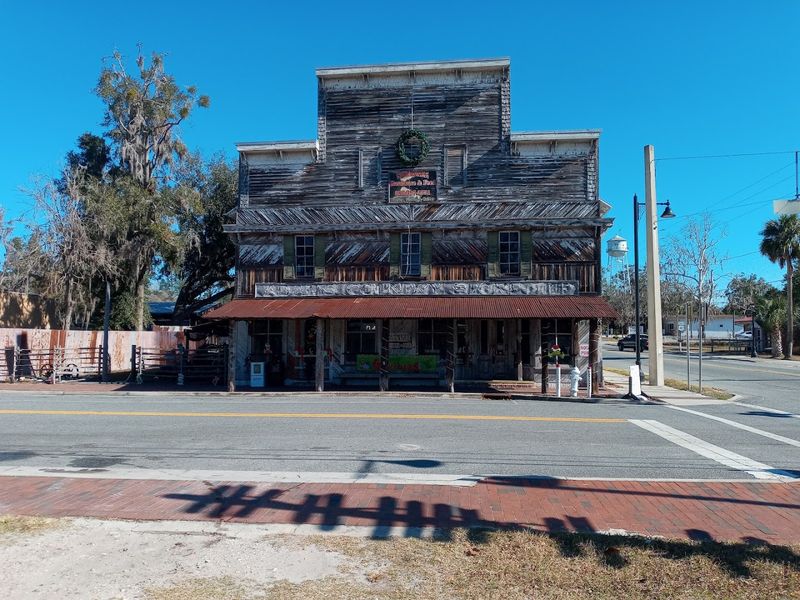
White Springs is not the Florida most travelers picture. There are no theme parks, no beach resorts, and no neon signs here.
Sitting in Hamilton County in northern Florida — about 75 miles west of Jacksonville — this small, quiet town feels far more like southern Georgia than the tropical postcard version of the Sunshine State.
Longleaf pine forests stretch in every direction. The land is flat and open.
The pace is slow in a way that feels genuine rather than performed for tourists. For many first-time visitors to this part of Florida, the landscape itself comes as a genuine surprise.
That rural character is actually a big part of what makes the park work so well. The setting reinforces everything the park is trying to say about folk tradition, regional identity, and the kind of history that does not get told loudly.
White Springs is small, yes — but it has a specific and quietly confident sense of its own place in the state’s story.
The Suwannee River — What It Actually Looks Like Up Close
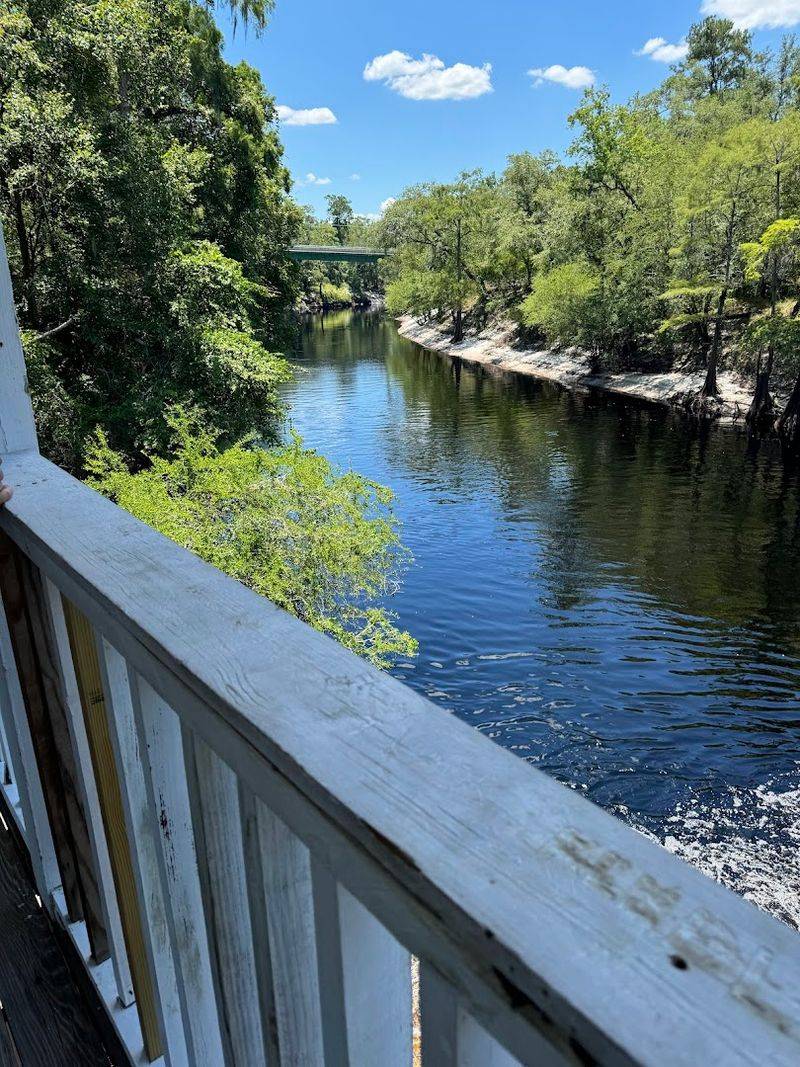
Forget the clear turquoise springs you may have seen in other Florida travel photos. The Suwannee River runs dark — a deep, rich brown that comes from tannins leaching out of decaying vegetation far upstream in the Okefenokee Swamp.
That color is completely natural, and once you understand why it looks that way, it becomes genuinely beautiful rather than off-putting.
The river stretches 246 miles from Georgia down to the Gulf of Mexico, and the stretch that runs through this park is one of the most atmospheric sections along its entire length. Cypress trees line the banks with their roots gripping the waterline.
The current moves at an unhurried pace that matches the mood of the surrounding forest.
Standing at the water’s edge here does something that reading about the river simply cannot do — it grounds the whole Suwannee mythology in something physical and real. You stop hearing a song lyric and start seeing an actual river.
Stephen Foster — The Man Behind the Melody
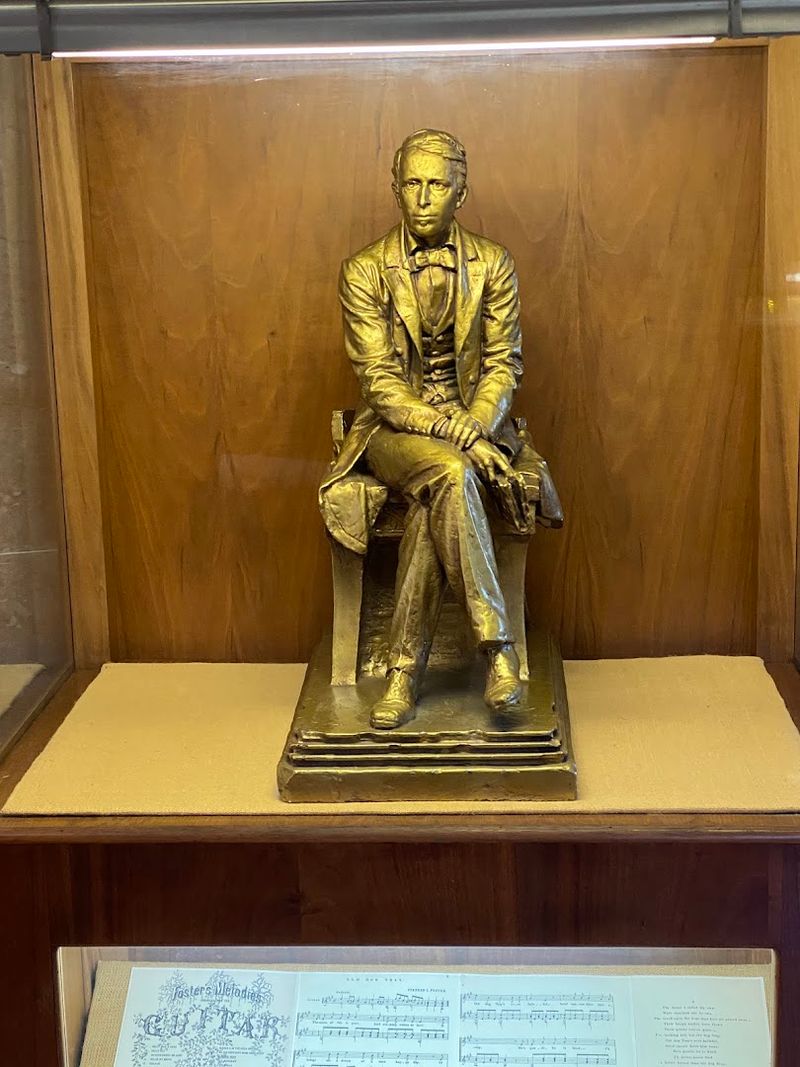
Stephen Foster was one of the most popular American songwriters of the 1800s. Born in Pittsburgh in 1826, he composed more than 200 songs during his lifetime, including “Oh!
Susanna,” “Beautiful Dreamer,” and “Camptown Races” — tunes so familiar that many people assume they are traditional folk songs rather than the work of a single composer.
His connection to the South was almost entirely musical rather than personal. Foster wrote “Old Folks at Home” while sitting in Pennsylvania, and he reportedly chose the Suwannee River over the Pedee River simply because “Swanee” fit the rhythm of the melody better.
He died in New York City in 1864 at just 37 years old, having never visited Florida.
The park does not shy away from the complicated history surrounding minstrelsy traditions that shaped some of Foster’s work. Holding that complexity alongside the music is what makes this park feel more honest than a simple celebration.
The Carillon Tower — Bells You Can Hear Across the Whole Park
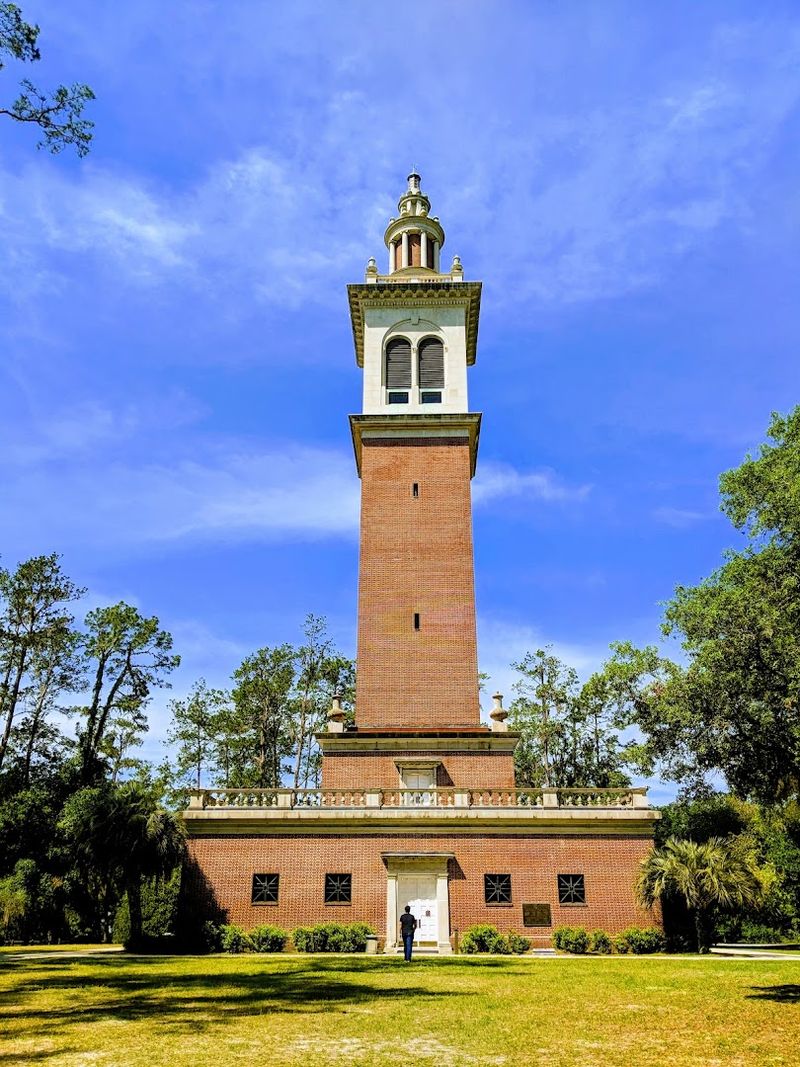
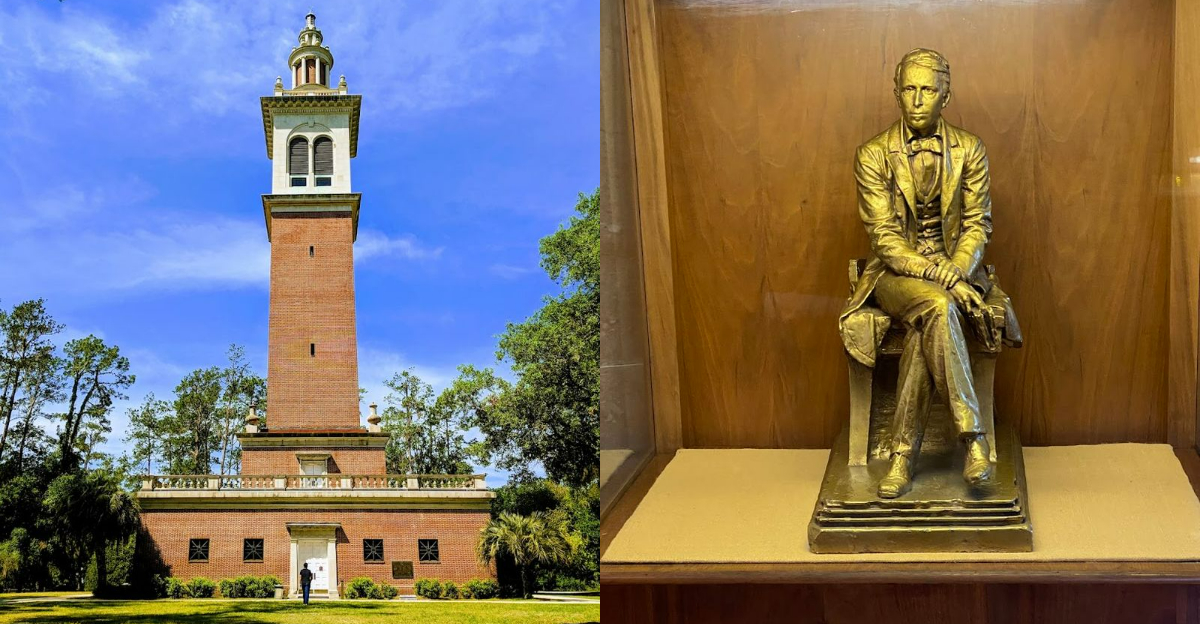
You will hear it before you see it. The carillon tower at Stephen Foster Folk Culture Center State Park rises high above the tree line, housing 97 cast bronze bells that ring out across the park grounds at scheduled times throughout the day.
It is one of the largest carillons in the southeastern United States, and hearing it in person is a different experience entirely from anything recorded.
A carillon is a keyboard instrument played by striking large bells with a series of levers and pedals. The sound carries across open space in a way that fills the air around you rather than coming from a single direction.
On a quiet morning near the river, those bells echoing through the pine trees create an atmosphere that is genuinely hard to find anywhere else.
Recent reviews from visitors note that the tower has been undergoing repairs after storm damage. Check the park’s website before visiting to confirm current bell-playing schedules so you do not miss this centerpiece experience.
The Folk Culture Center — Crafts, Skills, and Living Traditions
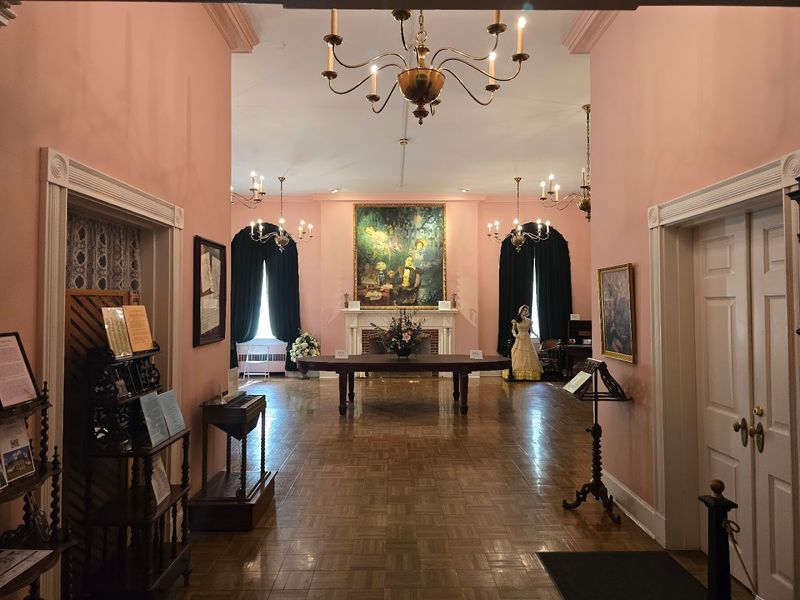
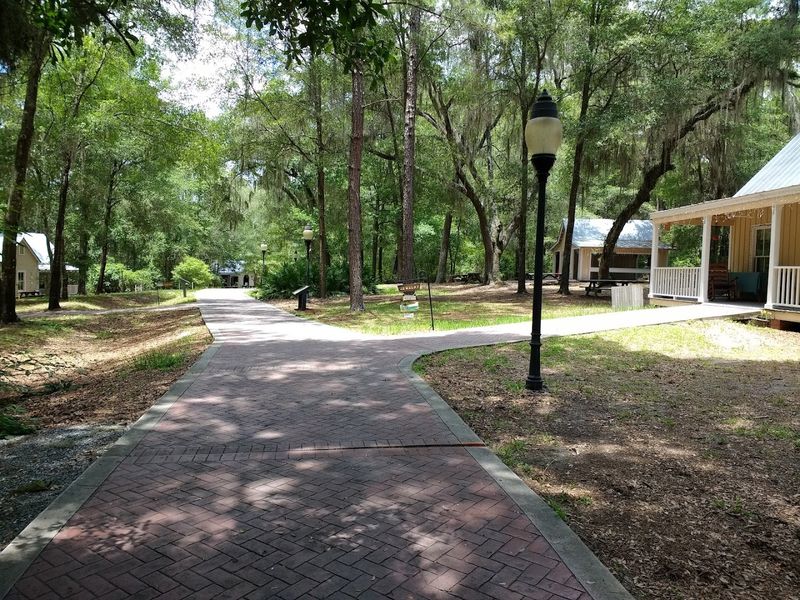
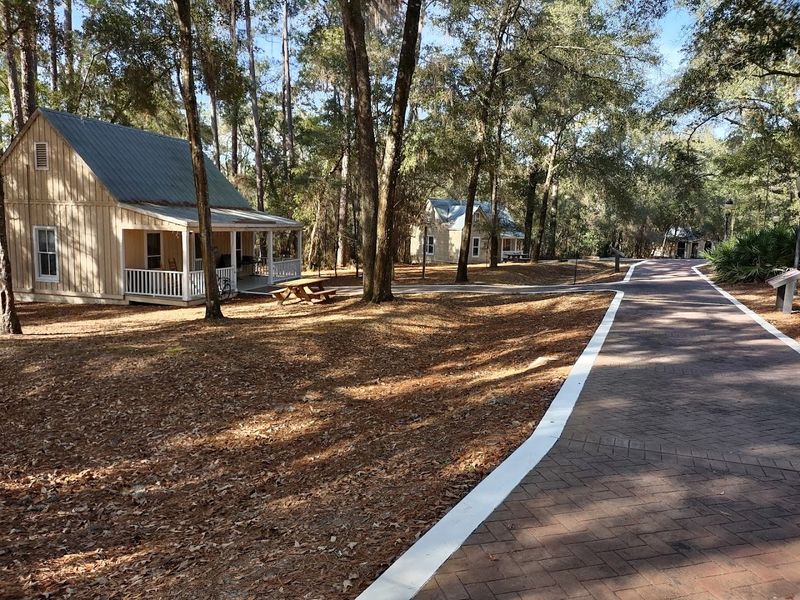
Walk past the carillon tower and you will find a cluster of small historic buildings that make up the folk culture craft square — one of the most underrated parts of the entire park. On weekends and during special events, artisans demonstrate traditional crafts including blacksmithing, quilting, woodworking, and pottery, keeping alive skills that have been practiced in Florida and the broader South for generations.
Watching a blacksmith shape hot metal at an anvil in real time — where you can feel the heat, hear the hammer strikes, and ask actual questions — teaches more about that tradition in twenty minutes than any display case ever could. The same goes for watching a quilter explain the geometry and storytelling built into a traditional pattern.
These demonstrations are not theatrical performances. They are working sessions by people who genuinely know their craft.
That authenticity is what separates this experience from a themed attraction, and it is the heart of what the folk culture mission here actually means.
The Florida Folk Festival — When This Park Truly Comes Alive
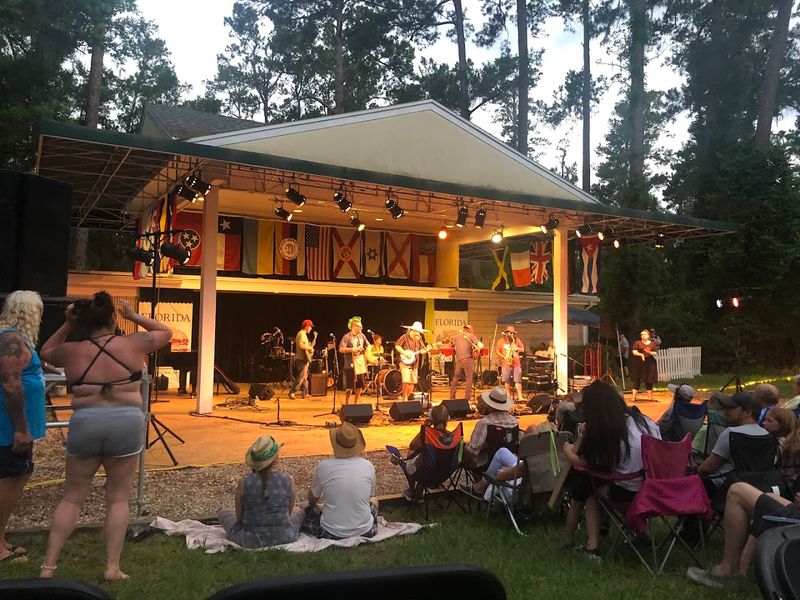
Every Memorial Day weekend, something remarkable happens to this otherwise quiet park. The Florida Folk Festival arrives, and the grounds fill with musicians, storytellers, dancers, craftspeople, and food vendors from across Florida and beyond.
The energy shifts completely from reflective to celebratory, and the park reveals a version of itself that a regular weekday visit simply cannot show you.
The festival has been running continuously since 1953, making it one of the longest-running folk music gatherings in the entire Southeast. That track record is not a marketing claim — it reflects genuine, sustained investment from communities who have been showing up here for over 70 years because the event actually means something to them.
Multiple stages run simultaneously, covering old-time string music, blues, Seminole traditions, Cajun sounds, and everything in between. If you can only visit the park once and want the fullest possible experience, planning that visit around Memorial Day weekend will show you what this place is truly capable of.
Walking the Park Grounds — Trails, River Views, and Pine Forest Quiet
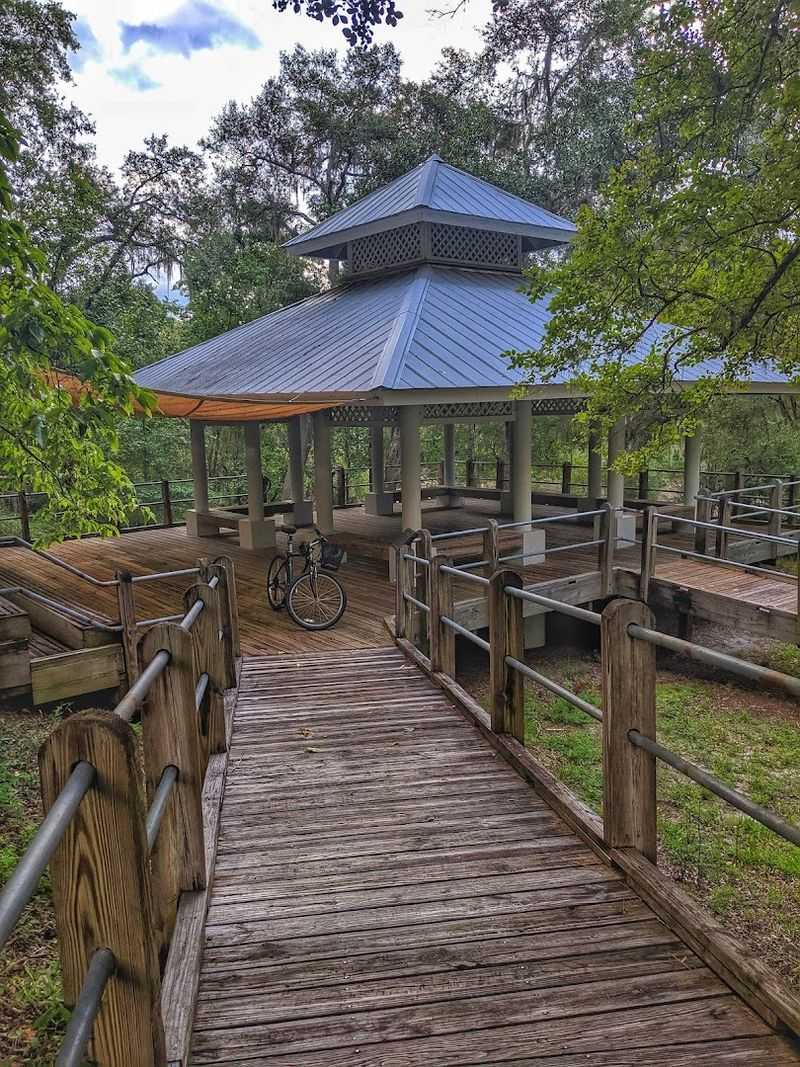
Beyond the buildings and exhibits, the park has walking trails that wind through shaded pine forest and along the Suwannee River bank — and they deserve more attention than they typically get. The river trail gets you close enough to the water to watch the current move and hear it pressing against the roots of the cypress trees lining the shore.
Visitor reviews note that the trail entrance can be tricky to find due to a water-damaged sign, so ask a ranger to point you in the right direction when you arrive. Once you are on the trail, the path itself is well marked and easy to follow.
Fall and winter visits offer the added benefit of bare trees, which open up the river views considerably.
One honest note from recent visitors: restroom facilities near the main trailhead are limited, so plan accordingly before heading out. The trails are not strenuous, but sturdy shoes are recommended, and tick awareness is worth keeping in mind during warmer months.
Camping and Overnight Stays — Staying Long Enough to Really Feel It
A two-hour visit to this park gives you a taste. An overnight stay gives you the full experience.
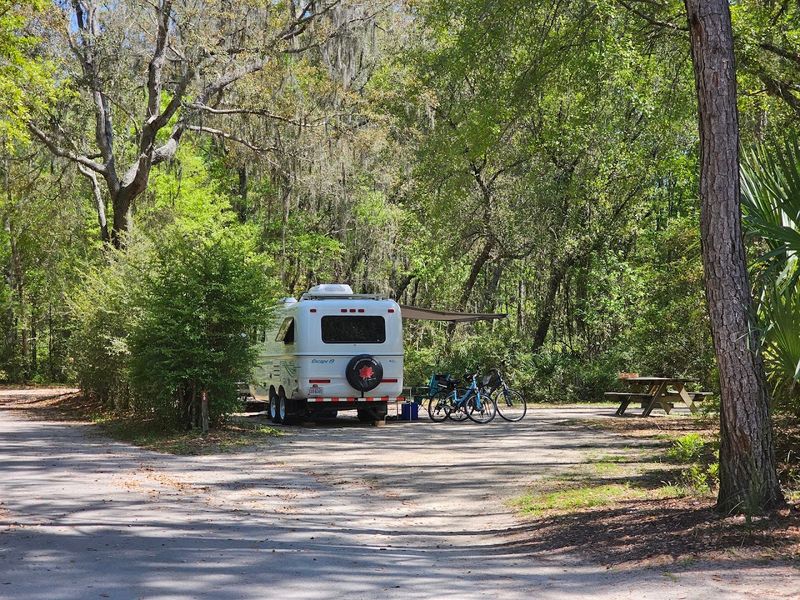
The campground at Stephen Foster Folk Culture Center State Park offers tent sites, RV hookups with paved access, and riverside cabins — all spread out with enough space between sites to give campers genuine privacy, which multiple recent reviewers specifically called out as a highlight.
Waking up next to the Suwannee River after a night in the pines is a different kind of morning. The carillon bells at dusk, the woodpeckers in the trees, the deer that wander through the campground — these are the details that a day visit simply cannot deliver.
The bathhouses are described by recent campers as clean and well-maintained, and there is even on-site laundry. A playground sits near the campground for families with younger kids.
For supplies, a Dollar General in town and a Walmart a short drive away mean you are never completely without options if you forgot something essential.
Planning a Visit — Practical Details Before You Head Out
The park is open every day from 8 AM to 7 PM, located at 11016 Lillian Saunders Drive in White Springs, FL 32096. Admission runs $4 per person for a single-occupant vehicle and $5 for a car with multiple people — genuinely affordable for a full day of activities.
The park phone number is (386) 397-4331, and the official website at floridastateparks.org has current information on events and facility status.
Timing matters here more than at most parks. The Florida Folk Festival over Memorial Day weekend draws the largest crowds of the year.
Fall and winter — particularly October through December — offer cooler temperatures, uncrowded trails, and the park’s beloved annual Christmas light display, which longtime visitors describe as spectacular.
Summer visits are absolutely possible but come prepared: the heat is intense, mosquitoes are thick in the evenings, and some cultural exhibits operate on seasonal schedules. Calling ahead to confirm which buildings and demonstrations are open on your specific visit date will save you real disappointment.
What a Place Like This Is Actually Preserving
There is a specific kind of preservation that happens at this park that does not happen in libraries or archives. Songs, craft skills, river history, and the complicated story of a composer who shaped American culture while never visiting the state that claimed him — all of it is kept alive here in a landscape you can walk through, sit beside, and actually feel.
The park does not resolve the tensions in Stephen Foster’s legacy. The connection between his music and minstrelsy traditions is acknowledged rather than buried.
The Suwannee River is honored for what it actually is — a dark, tannin-stained, ecologically significant waterway — rather than the romanticized image the song created.
Holding those contradictions in one place, alongside living craft demonstrations and a carillon that still rings across the pines, is ultimately a more interesting and more honest approach to history than pretending the complications do not exist. That honesty is what makes this park worth returning to, not just worth visiting once.