
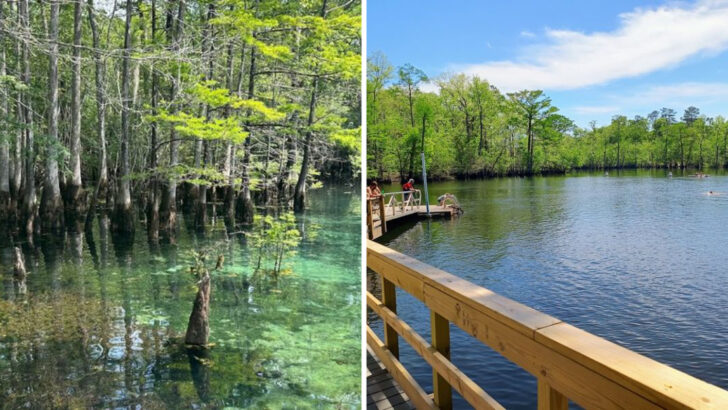
Tucked into the pine and cypress of Walton County, Morrison Springs feels like a Florida secret you actually get to keep. The water glows glassy blue, the boardwalks weave through towering trees, and every step hints at a perfect swim or paddle ahead.
Get there early, check the water clarity, and you will swear the springs were waiting just for you. Here is exactly how to make the most of this crystal clear wonder.
Getting There and Parking Essentials
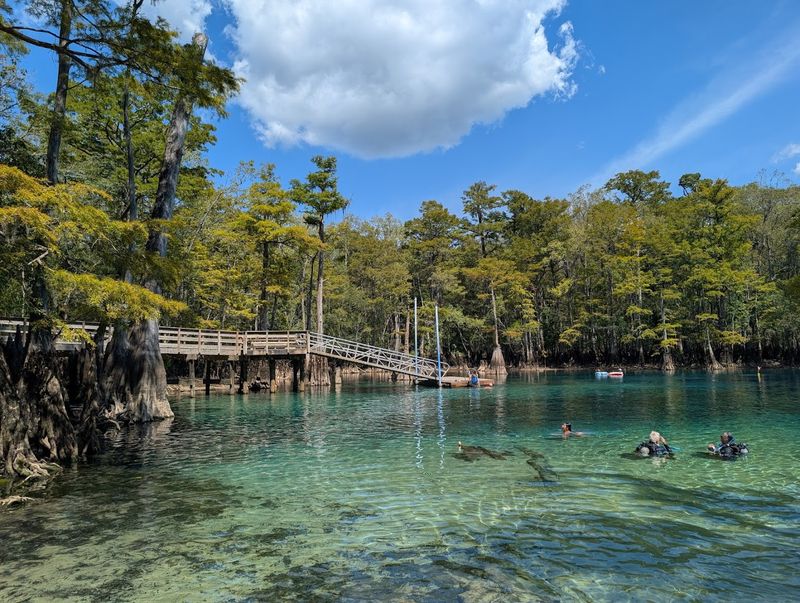
Arriving early pays off here. Parking is limited to about a few dozen vehicles, and staff restrict entry once the lot reaches capacity, which protects the serenity you came for.
If someone mentions a short wait at the entrance, consider it part of the rhythm. Bring exact change in case the $4 per car fee is active, and keep a cooler ready since there are no concessions nearby.
Navigating is simple. Punch in 874 Morrison Springs Rd and follow the pines until the road bends toward water.
Trailers fit, but weekends tighten space fast. Midweek visits often feel calmer, with room to unload paddle boards or kayaks without juggling around families staking out picnic tables.
Cell service can be spotty, so screenshot maps and the county webpage before you roll. The small gate area can back up at peak hours, but turnover happens as lunchtime hits.
If a storm just swept through, water clarity may dip, so consider a later date. Arrive with patience, leave with time on your side.
Understanding Water Clarity and Spring Conditions
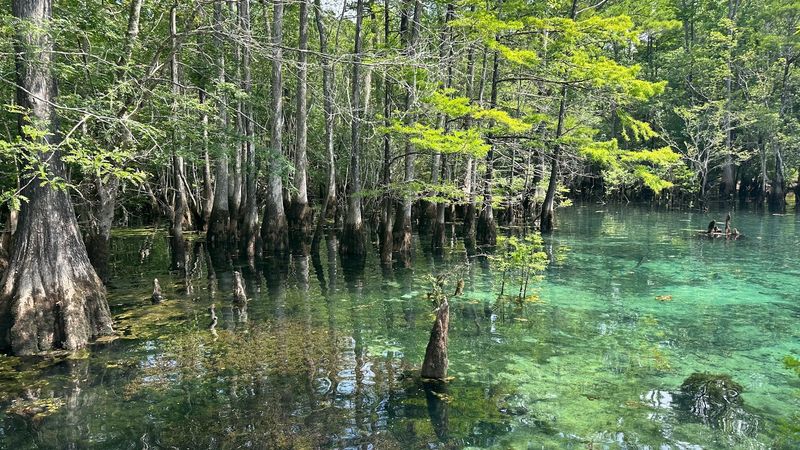
Clarity makes or breaks a springs day. Morrison’s basin often shows stunning blues with line-of-sight all the way to the sandy bottom, but recent rain or Choctawhatchee River influence can tint the water tea-brown.
Before packing the car, check the county site for the latest update and scroll recent visitor photos. If the report hints at reduced visibility, plan for paddling and picnics instead of deep snorkeling.
On crystal days, you will see fish cruising over rippled sand and the boil shimmering like a living lens. Goggles turn the submerged cypress into a cathedral.
On tannic days, navigation is still safe in the swim area, just less cinematic. The water stays refreshingly cool year round, so pack layers and a towel you do not mind using twice.
Storms can seed debris near shore. Give staff time to assess and clear the beach.
Morning light often delivers the bluest tones, and weekdays bring quieter surfaces. If you are set on photography, aim for midmorning sun and polarized lenses.
The color will reward the planning.
Swimming the Basin Safely
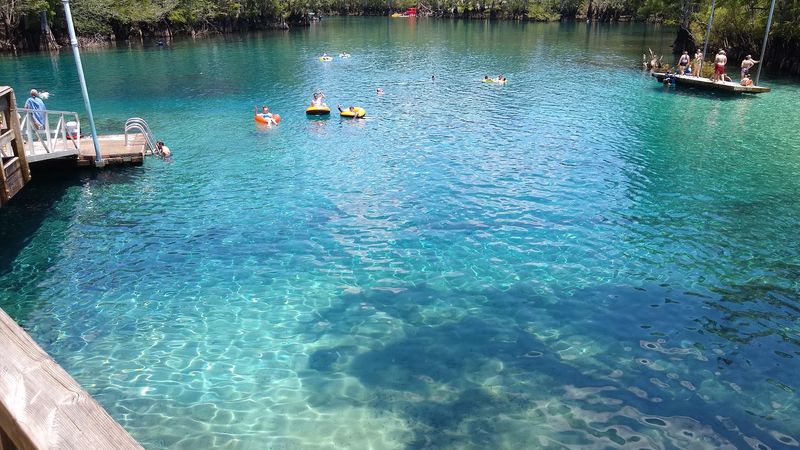
That first step chills the ankles in the best way. The sandy entry is gentle for kids and cautious adults, and the floating docks make it easy to launch into deeper sections without kicking up silt.
Keep eyes up for snorkelers and note the roped swim areas. The spring bowl drops off quickly, so weak swimmers should stay near the beach and wear a vest.
Water temperatures hover cool, making hot days comfortable and long swims refreshing. Pace the session with short warm-ups on the dock or boardwalk.
If you bring fins, choose shorter blades to avoid knocking others. A dive flag is smart for off-peak laps near the basin’s edges where visibility pulls you farther than expected.
Leave glass at home and pack reef-safe sunscreen to protect the spring. Quick sandals prevent stubbed toes on cypress knees near shore.
Between sets, drift on your back and watch the trees frame the sky like a postcard. You came for that moment when the world turns quiet and blue.
Snorkeling Tips for Crystal Days
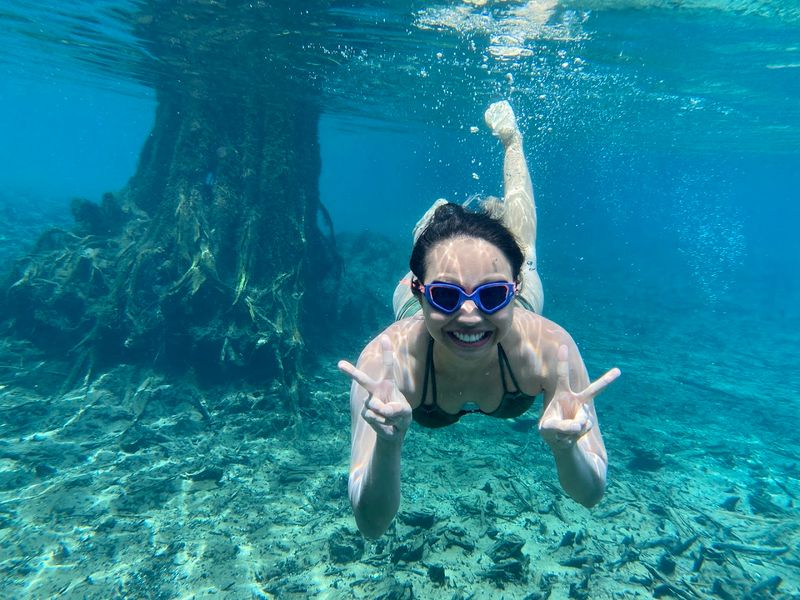
The magic lives just below the surface. On clear days, strap on a low-volume mask, short fins, and a simple snorkel, then kick slowly to keep the bottom pristine.
You will spot fish threading the submerged timber and the iconic boil shimmering like heat on pavement. Stay aware of scuba bubbles and give divers space near the vents.
A thin wetsuit top helps you linger without shivers. Tuck an inexpensive action camera into a float strap so you are not chasing gear.
Polarized sunglasses and a quick lens towel make transitions easier between surface and shore. Stash essentials in a dry bag since boardwalk rails may be damp from swimmers and spray.
Brown water reports mean photography suffers, but tactile fun remains. Use contrasty mask lenses on overcast days.
Keep to the roped zone and avoid standing on delicate features. When you surface, you will understand the reviews calling it the bluest water in Florida.
It feels earned.
Scuba and Freediving Notes
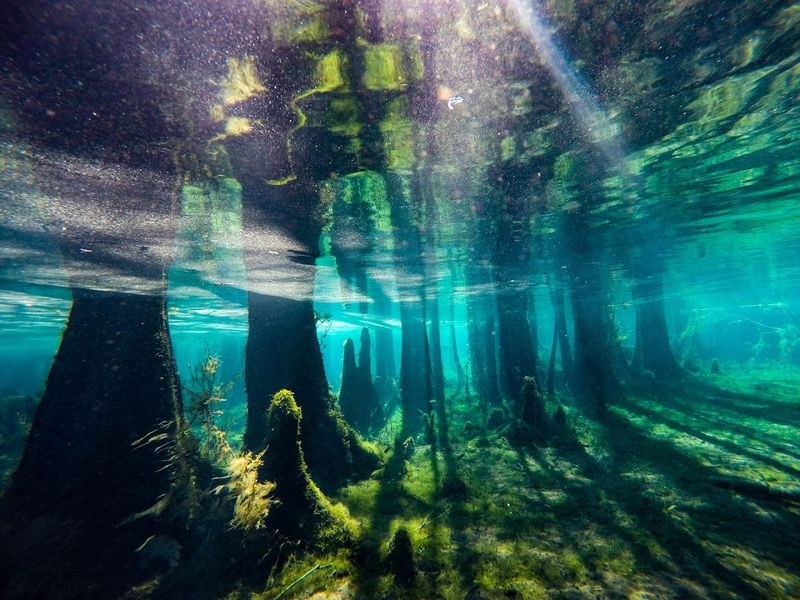
Certified divers often head for the vents and cavern features, while casual freedivers sample depth along the basin’s slope. Bring proper lights, redundant gear, and training for any overhead environment.
Local etiquette is simple: announce entries at the platform, run a clean profile, and keep lines tidy so swimmers are not tangled. Visibility drives the plan, so adjust expectations if river influence creeps in.
Freedivers should focus on relaxed safety pairs, clear signals, and conservative depths. The cool water helps with recovery but also tempts long bottom times, so time your intervals.
Avoid heavy finning near silt pockets and spare the boil from fin kicks. A compact float and flag helps everyone track positions in shared space.
Between dives, warm up on the dock and hydrate from a cooler. Early mornings mean fewer swimmers and clearer water.
Check for any temporary closures or county notices before you suit up. Most of all, respect the site like a living system.
Good habits keep access open.
Paddle Boarding and Kayaking Routes
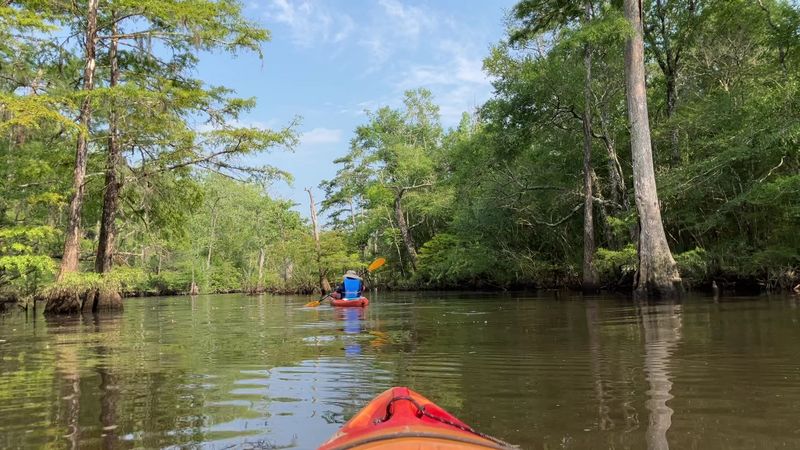
Glide past the beach and you will feel the current tug toward the outflow. Paddlers love the calm stretch from the basin downstream about three quarters of a mile, where fish spook from shadows and cypress knees line the banks.
Launch is straightforward from the beach or ramp side, but keep paddles high around swimmers. Mornings gift glassy surfaces and less boat wake.
Bring a lightweight anchor for photo pauses. A simple dry box handles keys while a deck bungee secures sandals.
If wind picks up, hug the treeline for shelter and watch for submerged branches near turns. The return leg works best with steady, efficient strokes instead of sprint bursts.
After rains, tannic water can reduce underwater views but the canopy still feels cinematic. A compact PFD is required and comfortable enough that you forget it is there.
Consider a small trash bag and pack out more than you brought. It is the easiest way to repay a perfect paddle.
Boardwalks, Docks, and the Best Photo Angles
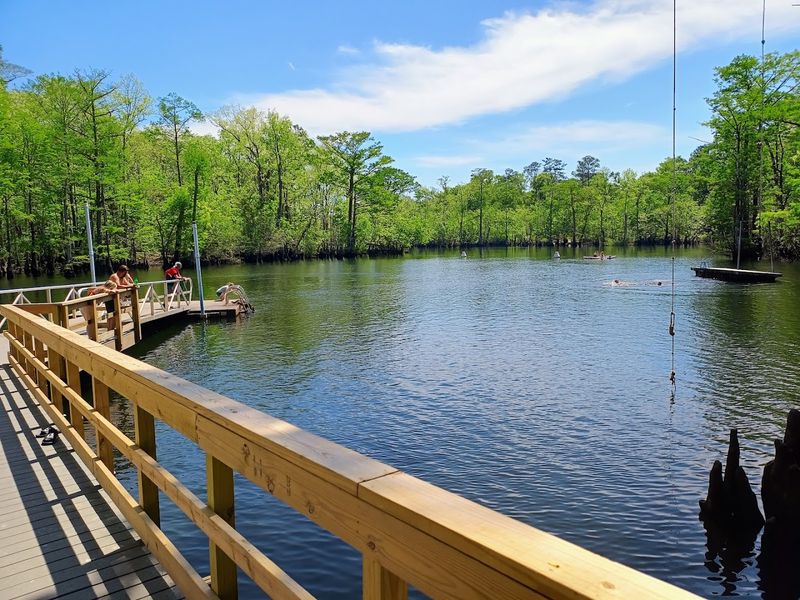
Paths of weathered planks wind through cypress and shade, giving you vantages that feel tailored for cameras. Golden hour warms the trunks and turns the basin electric blue, especially from the main observation deck.
From there, frame swimmers as foreground motion and let the trees carry the composition. If phones struggle with glare, use a polarized clip lens or shade the glass with your hat.
Walk the loop to find side angles on the boil. Look for sunbeams cutting through mist after cool mornings.
Foot traffic builds midday, so step aside and let families pass to keep the rhythm flowing. A microfiber cloth rescues lenses from spray and sunscreen smudges.
Drones are a no-go without proper permissions, so keep creativity ground based. A compact tripod works on the deck if you stay courteous and quick.
Shoot a series for a time lapse as clouds roll over the blue. Those small details tell the story better than any filter.
Picnics, Pavilions, and Grills
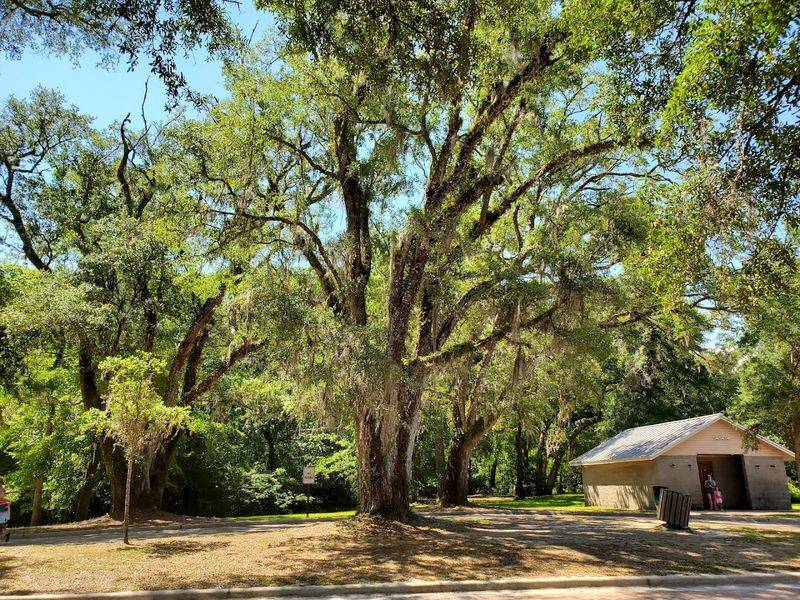
Good days here last longer with food. Since there are no concessions, pack a cooler heavy on ice, sandwiches, and fruit that holds up in heat.
Pavilions and picnic tables dot the grounds, with built in grills ready for simple lunches. Arrive early for shade, and bring a tablecloth plus wipes because humidity and pine pollen can linger on surfaces.
Trash cans exist but fill fast on busy weekends, so make room to pack out extras. Keep drinks in cans or reusable bottles, skipping glass for safety.
A compact fly fan or citronella helps if bugs wake up. Set the cooler in shade and it will survive the Florida afternoon like a champ.
Use swims between grill sessions to pace the day. Towels draped over chair backs become seat savers while everyone hits the water.
If you like calm, target Tuesday to Thursday when crowds lighten. Somehow sandwiches taste better after a float across that blue bowl.
Family Friendly Planning and Little Swimmers
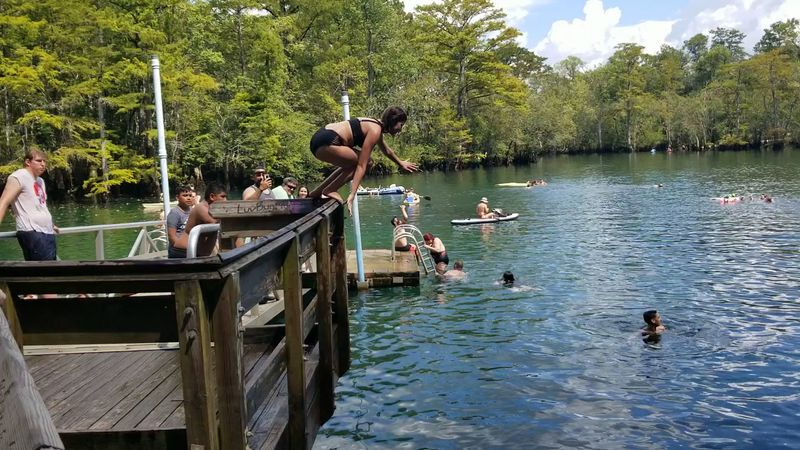
Parents breathe easier here thanks to the sandy, shallow entry and wide swim area. Life vests fit right in, and a simple set of sand toys keeps small hands busy between dips.
The cool water can surprise little ones, so start with ankle soaks and shoulder sprinkles before full submersion. Pack dry clothes, a warm hoodie, and a second towel for the ride home.
Restrooms and showers are nearby, clean, and appreciated after sandy snacks. Shade shifts through the day, so a pop up umbrella or pavilion seat helps avoid the midday bake.
Shoes matter around cypress roots and hot boards. If weekend lines build, a calm pep talk and a snack buy patience.
Arrive early, snag a table, and stage a base camp that keeps sunscreen, water, and snacks within reach. Set expectations about staying inside roped zones and watching for paddlers near edges.
Keep photos quick so kids get back to the joy part. This place makes family memories almost automatic.
Seasonal Timing, Crowds, and Weather
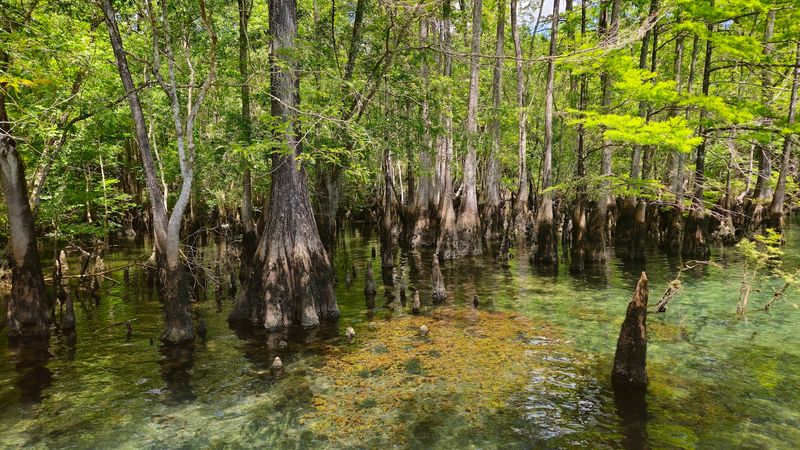
Timing shapes the experience more than any single tip. Summer weekends brim with energy, music from pavilions, and full parking by late morning.
Weekdays feel unhurried, with empty benches and easy paddle routes. Cool seasons trade big crowds for crisp air and photogenic steam rising from blue water.
Florida afternoons can build thunderheads fast. Swim early, then picnic while radar pops.
After a heavy rain, clarity often slides for a day or two. That is a perfect excuse to linger on the boardwalk and plan a clearer return next week.
Gates typically run 6 AM to 8 PM, so sunrise arrivals catch calm water and wildlife stirring under cypress. Shoulder seasons like April and October hit a sweet spot for comfort.
Pack a light rain shell and a towel that dries quick. The weather writes the script, and you get to choose the scene.