

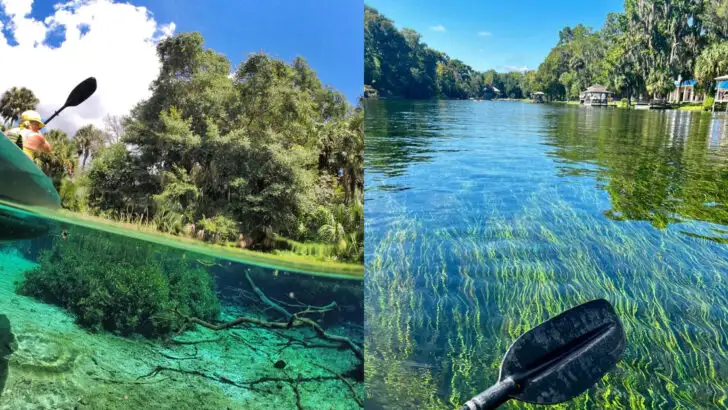
This river doesn’t just flow — it shows off.
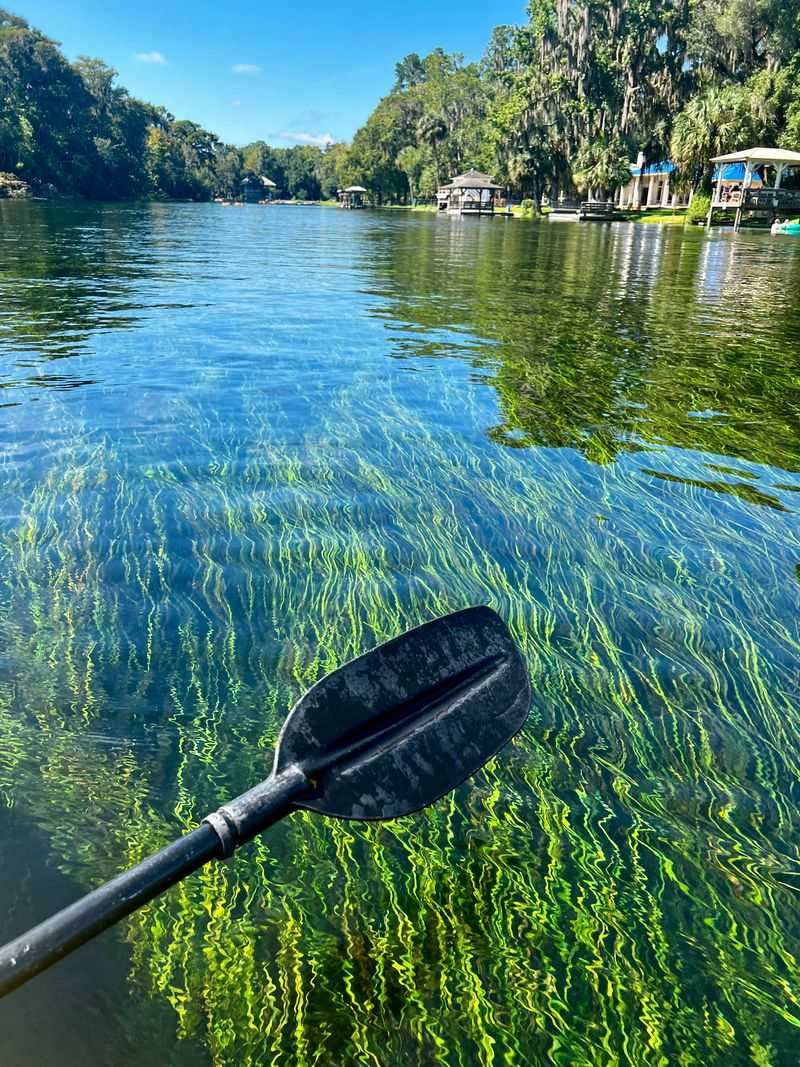
Rainbow River in Florida is so clear it feels unreal, like someone forgot to turn off the HD filter. From a kayak, you can stare straight down and spot fish drifting over pale sand, waving grasses, and ancient springs pushing water up from the earth itself.
Sixty feet deep, no mystery, no murk — just pure, liquid glass.
Every paddle stroke glides over a scene that looks more Caribbean than inland Florida. Turtles cruise beneath you.
Manatees drift past like sleepy submarines. Sunlight dances on the bottom as if the river is alive and aware you’re watching.
Rainbow River feels less like a destination and more like a secret you’re lucky enough to stumble into. One ride is all it takes.
After that, ordinary water never looks the same again.
Essential facts to know before you paddle
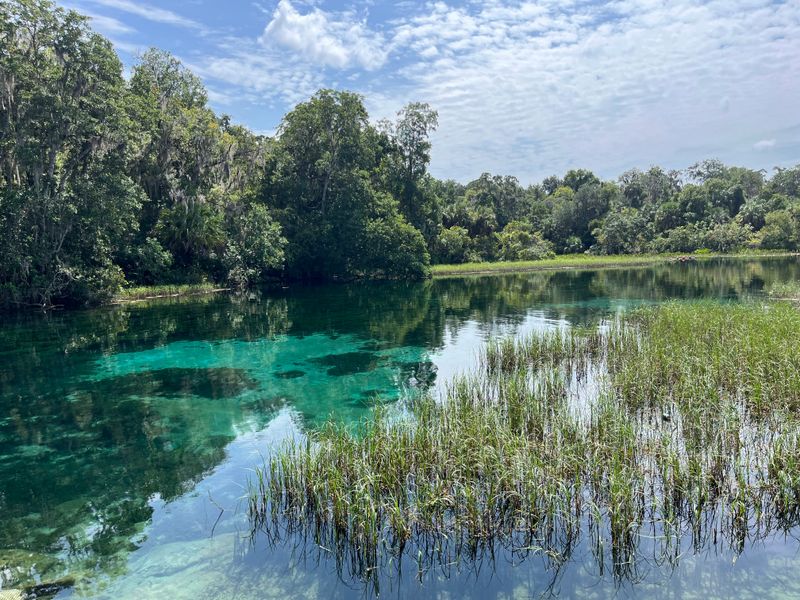
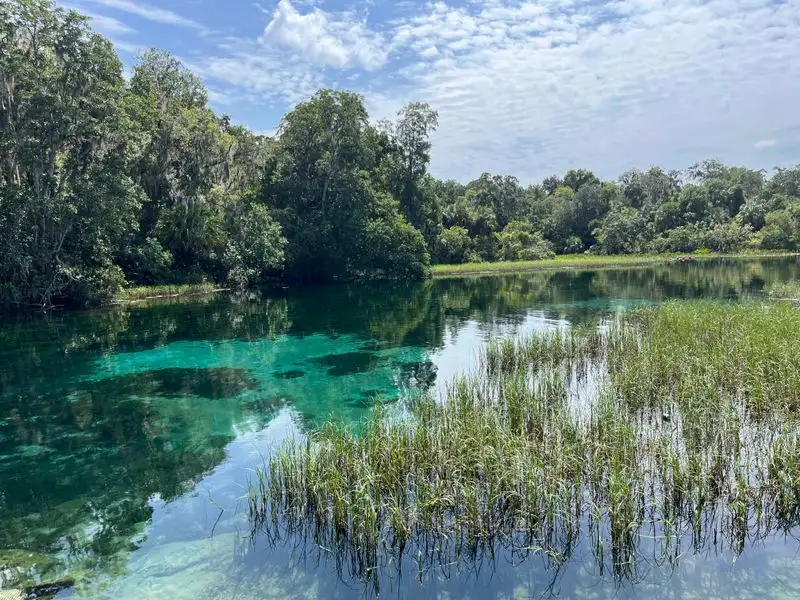
Rainbow River is spring fed, a constant 72 degrees, and famously clear, so you can spot fish, turtles, and eelgrass swaying under your kayak. The main launch points are KP Hole Park and Blue Run of Dunnellon Park, with the headsprings protected inside Rainbow Springs State Park.
Expect a gentle downstream flow, ideal for beginners.
Arrive early to avoid midday crowds and boat traffic, especially on weekends and holidays. Motorized vessels share the channel, so keep right, stay visible, and use a whistle or bright clothing.
Check park hours, launch fees, and shuttle options if you plan a one way float.
Wear a PFD, secure phones in dry bags, and bring polarized sunglasses to cut glare and better view the limestone bottom. The river is deep in many places, so a pool noodle helps for casual swims.
Pack reef safe sunscreen to protect the delicate aquatic plants.
Wildlife includes otters, turtles, gar, bass, and wading birds. Alligators are possible, so give them space and avoid feeding or approaching any animal.
Leave no trace, avoid anchoring in vegetation, and respect no wake zones to keep this clear water paradise pristine for everyone.
Best launch points and routes
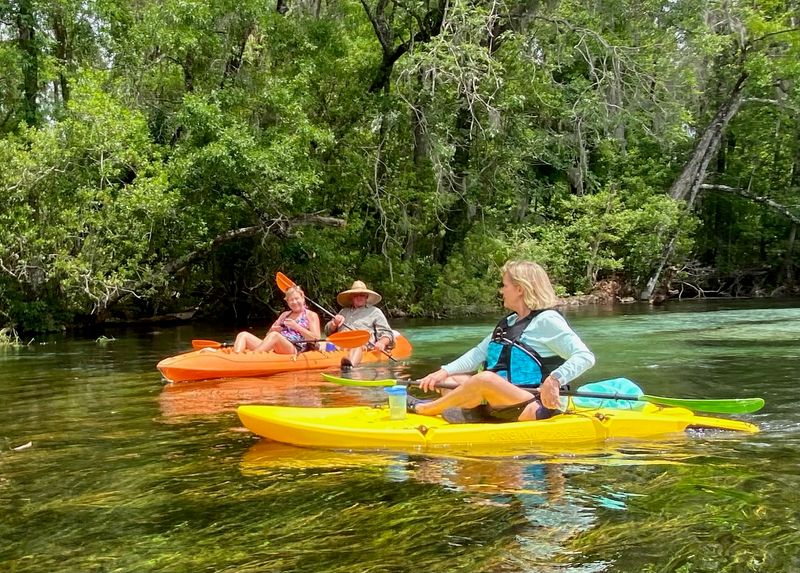
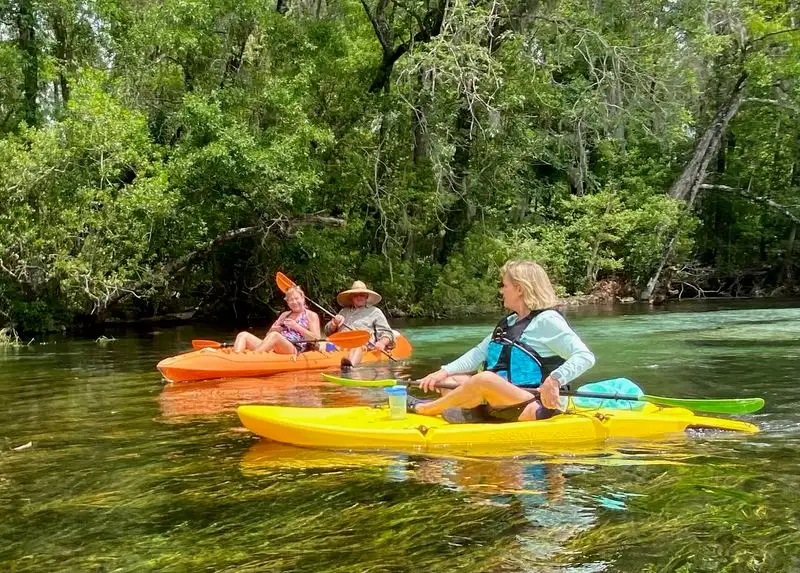
Two easy launches set the tone. KP Hole Park offers paid access, rentals, restrooms, and a straightforward path upstream toward Rainbow Springs headsprings.
Blue Run of Dunnellon Park is free, great for downstream one way trips with a shuttle or second vehicle.
Paddling upstream from KP Hole to the state park takes about an hour at a relaxed pace. The current is mild, so returning downstream feels effortless.
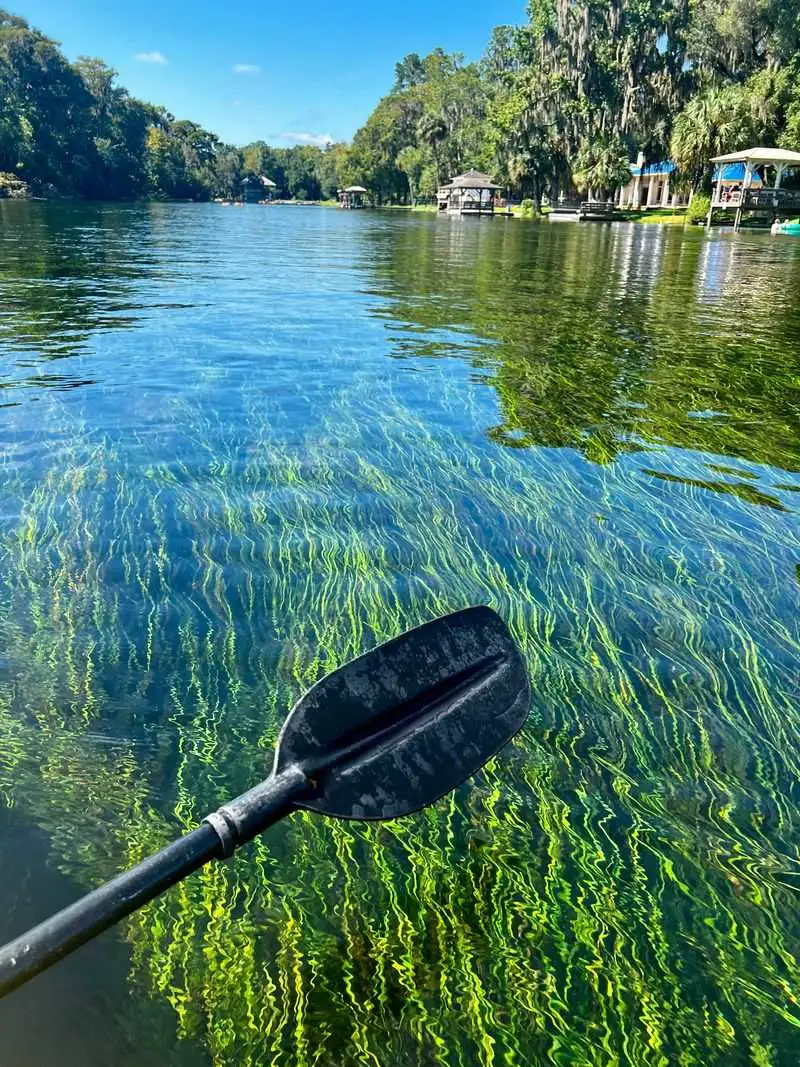
Detours into quiet tributaries reveal glass calm pockets where eelgrass beds ripple under sunbeams.
For a half day, start at Blue Run and drift to Dunnellon, stopping at sandbars and designated swim zones. Avoid blocking ramps and observe posted rules near private docks.
If tubing crowds build, hug the edges and enjoy the clearer margins.
Early mornings deliver the clearest visibility before boat traffic stirs sediment. On busy days, consider a weekday paddle for serenity.
Always check shuttle schedules, park closures, and waterway advisories before committing to a point to point float.
When to go for peak clarity
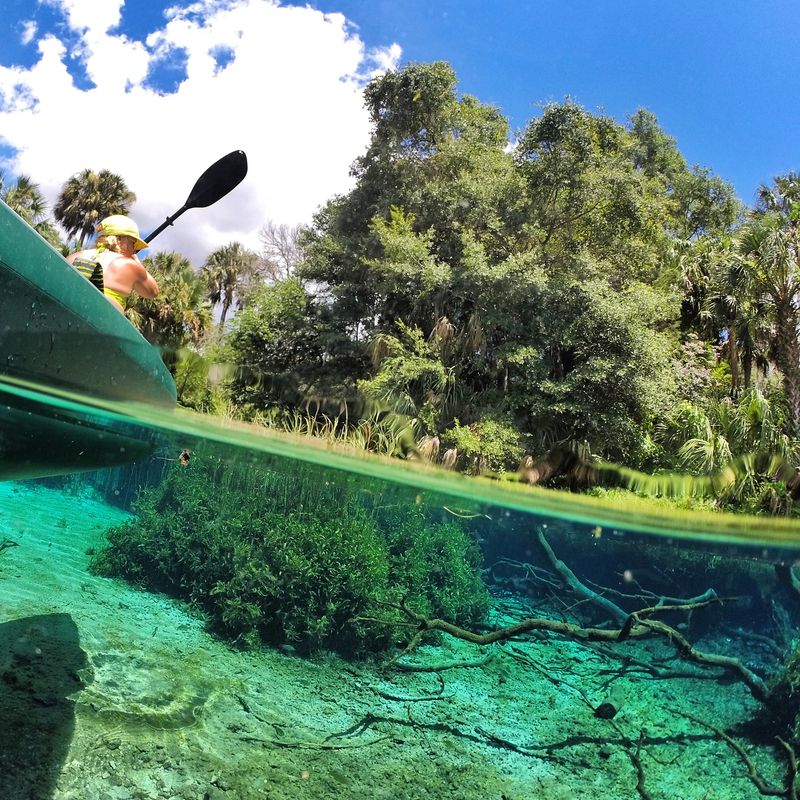
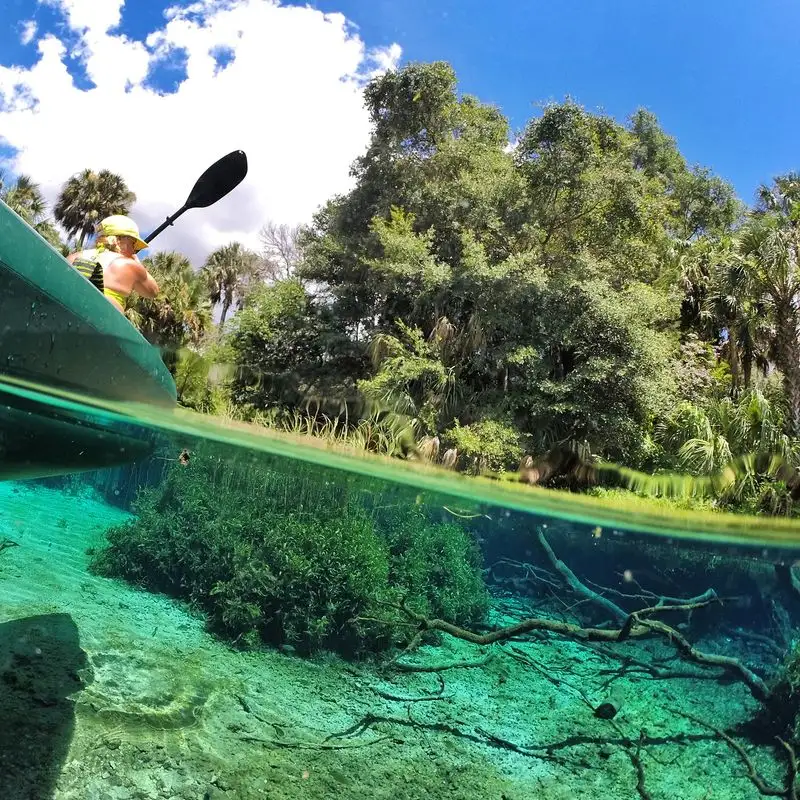
Water clarity is excellent year round, but mornings are magic. Low wind and minimal traffic let sunlight pierce straight to the limestone, delivering those jaw dropping 60 foot views.
Weekdays outside summer peak feel quiet and pristine.
Spring and fall bring pleasant air temps while keeping the water a steady 72. In winter, a thin mist hovers at sunrise, making the river feel otherworldly, perfect for photographers.
Summer sees tubing crowds and more boat wakes, so arrive early.
After heavy rain, visibility can dip near inflows, though the main spring flow often restores clarity quickly. Check local reports and park social feeds if conditions matter for snorkeling or photography.
If underwater shots are a goal, plan for the first two hours of light.
Wildlife timing helps too. Otters are most active mornings and late afternoons, and birds hunt along shaded banks before heat builds.
Pack layers in cooler seasons and a light rashguard in summer to stay comfortable during long floats.
Wildlife you might see
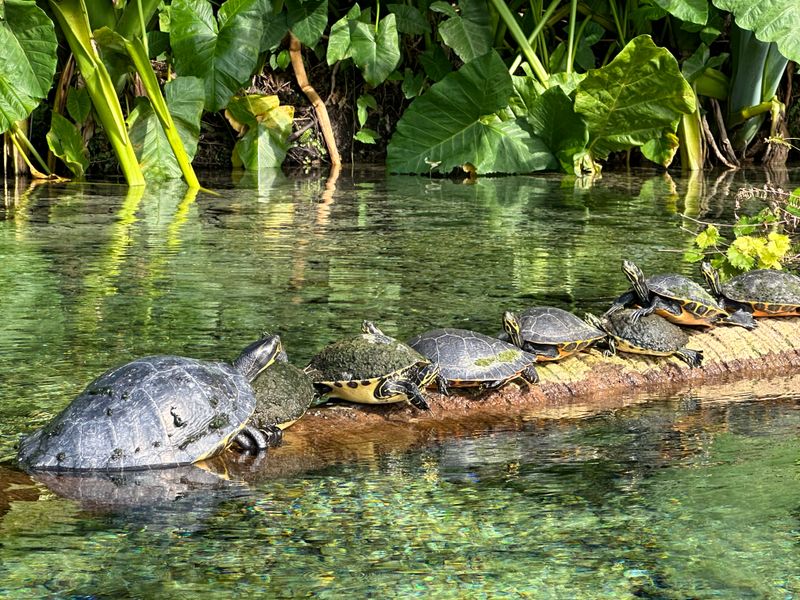
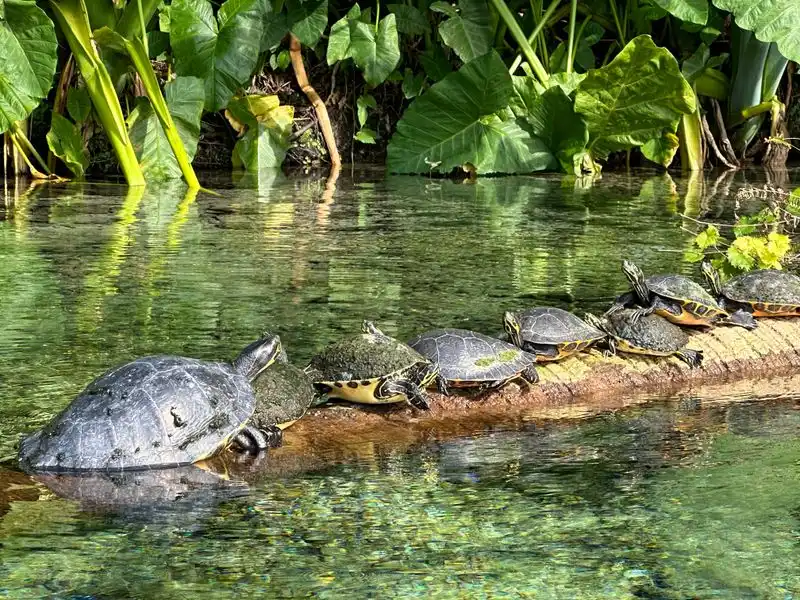
Keep your eyes peeled along the eelgrass and you will spot bream, bass, gar, and schools of minnows flashing like mirrors. Turtles line up on downed logs, dropping in with a plop as you glide past.
River otters sometimes pop up, whiskered faces curious then gone.
Look up for anhingas drying wings, ospreys slicing the current with fish in talons, and herons stalking the shallows. In cooler months, manatees sometimes cruise spring corridors regionally, though sightings on Rainbow River are not guaranteed.
Alligators can be present, so maintain distance and remain calm.
Clear water makes observation effortless without disturbing habitats. Drift quietly, avoid banging paddles on the hull, and resist chasing animals for photos.
A simple pause often brings the moment to you.
Bring binoculars in a dry bag for shoreline birding and polarized sunglasses to read the underwater lanes. Share the channel courteously with divers and snorkelers who are also watching wildlife.
Remember, feeding or harassing any animal is illegal and harmful, and staying respectful keeps this river wild.
Safety, etiquette, and regulations
Safety starts with a properly fitted PFD for every paddler, plus a whistle and visible colors. Stay to the right, pass with care, and yield to upstream paddlers in narrow spots.
Observe idle speed zones and keep clear of dive flags and swim areas.
Alcohol and glass are prohibited in many sections, and regulations are enforced. Do not anchor in vegetation or drag kayaks over eelgrass beds.
Pack out all trash, including fishing line and snack wrappers, to protect wildlife.
Give motorboats space and make eye contact when crossing the channel. Avoid sudden stops mid channel where visibility can be limited by glare.
If storms develop, head for a designated exit and wait safely ashore until lightning passes.
Respect private property and launch ramp rules to keep access open for everyone. Learn local regulations posted at KP Hole and the state park before launching.
A calm, courteous presence preserves the river experience and keeps that legendary clarity thriving.
Kayak, snorkel, and gear checklist
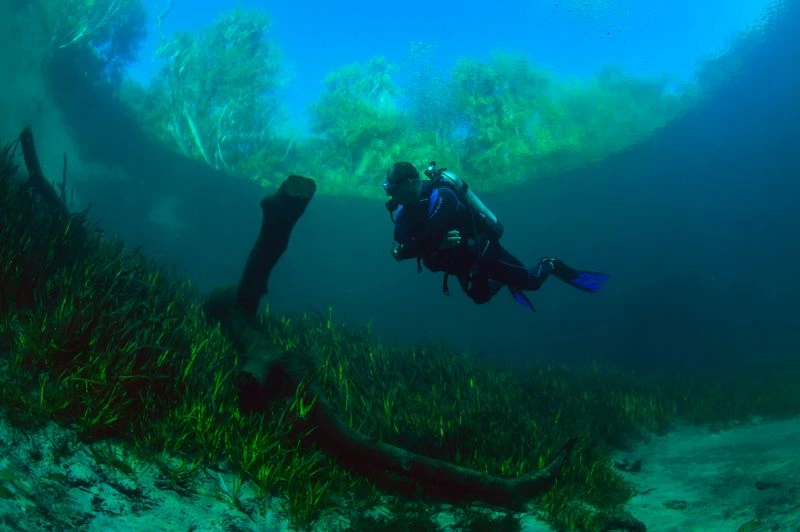
Bring a stable sit on top or touring kayak, a fitted PFD, and a lightweight paddle. Add a whistle, dry bag, phone leash, and polarized sunglasses to spot the bottom clearly.
A brimmed hat and sun shirt help on long, shadeless stretches.
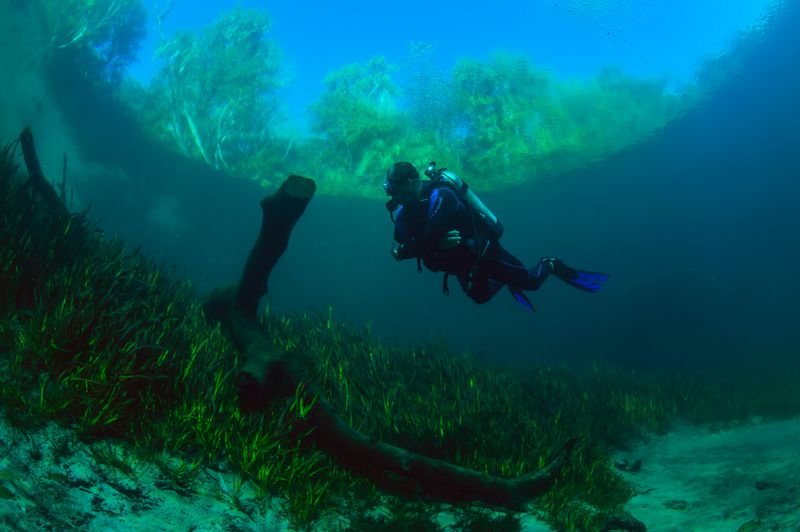
For snorkeling, pack a low volume mask, simple snorkel, short fins or water shoes, and a thin wetsuit or rashguard if you chill easily. A pool noodle makes floating in deep zones relaxed and fun.
Choose reef safe sunscreen to protect aquatic plants.
Clip a water bottle, snack, and small first aid kit within reach. A microfiber towel and quick dry layer feel great after a swim.
If you plan photos, use a waterproof case and a floating strap for peace of mind.
Rentals are available at KP Hole and near the state park, but arrive early for best selection. Secure car keys in a zip pocket or lockbox.
With the right kit, you will spend more time gazing at that sapphire bottom and less time fixing small problems.
Photography and underwater visibility tips
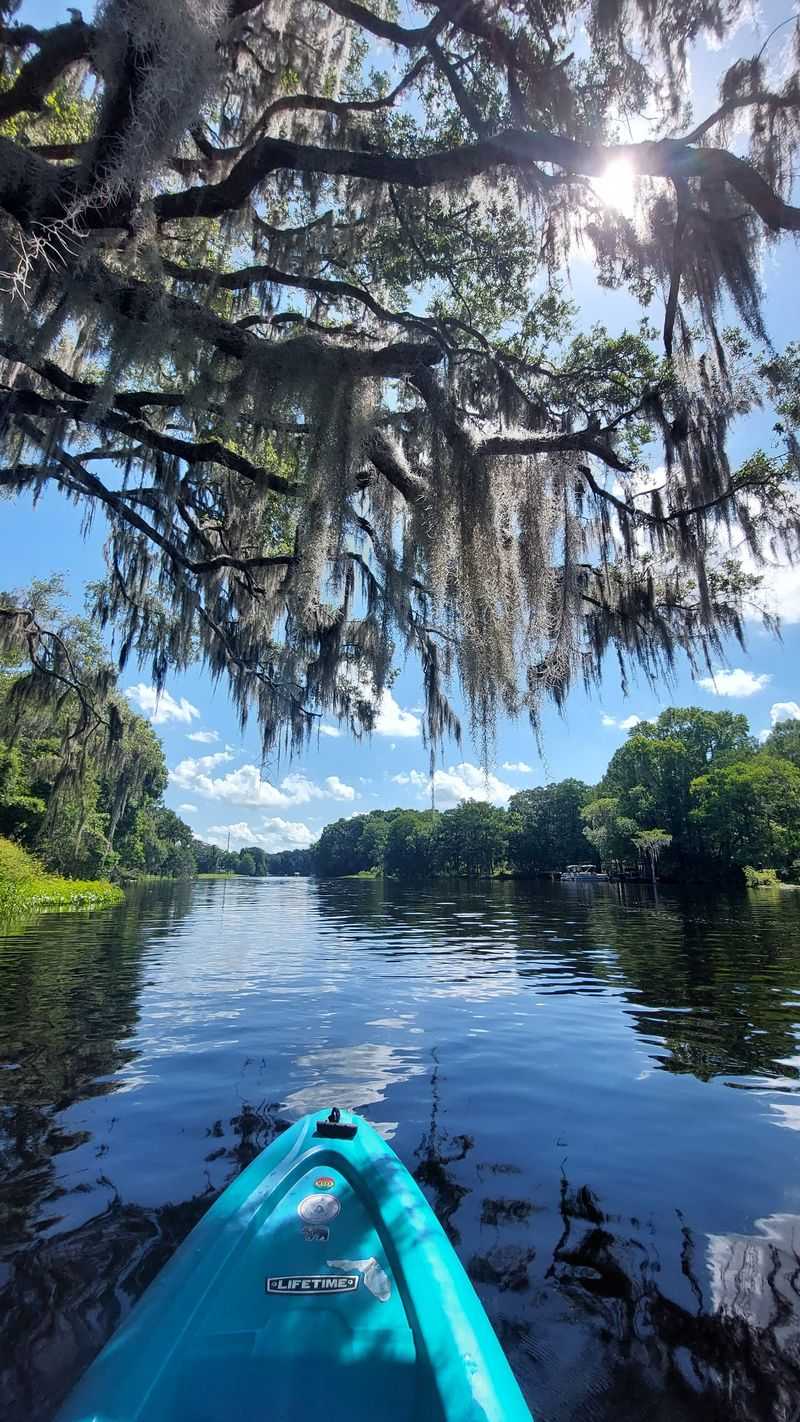
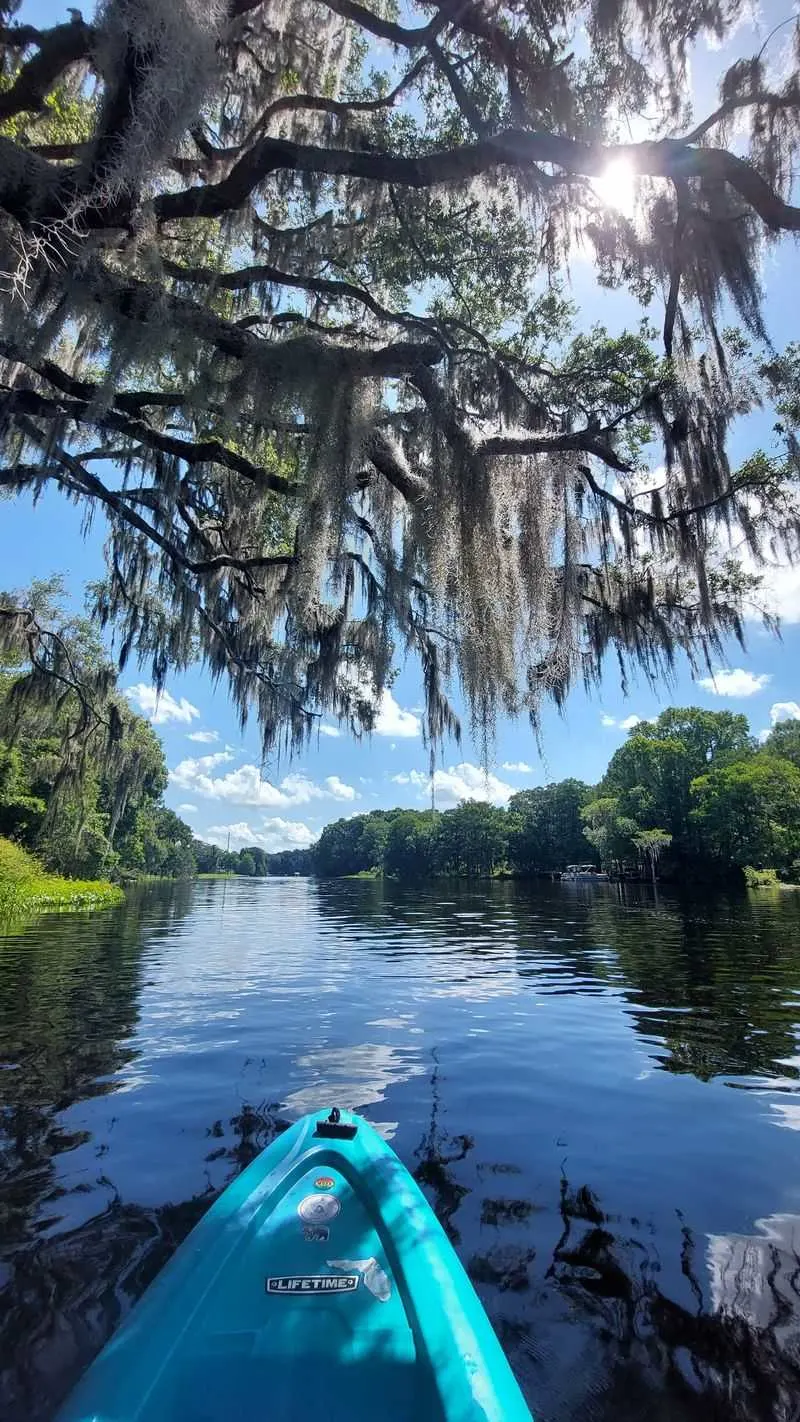
For those glassy bottom shots, aim for early sun when the angle spotlights eelgrass and limestone. Polarized sunglasses help you compose, and a circular polarizer on cameras cuts surface glare.
Keep the lens just above water to capture both bank and bottom.
Underwater, use a housing or waterproof phone case with a wrist float. Hold steady, exhale slowly, and shoot across the grass beds instead of down to add depth.
If boats pass, wait a minute for suspended bubbles and silt to clear.
Color shifts underwater, so enable a warm white balance or correct in post. Sunbeams streak beautifully in clear columns near midday, but too much chop spoils them.
Overcast days can be dreamy for even tones and soft greens.
Always respect divers, swimmers, and wildlife when framing scenes. Avoid standing on limestone or vegetation to set up shots.
Patience rewards you here, and the river gives back images that look unreal but are wonderfully real.
Tubing, paddling, and sharing the channel
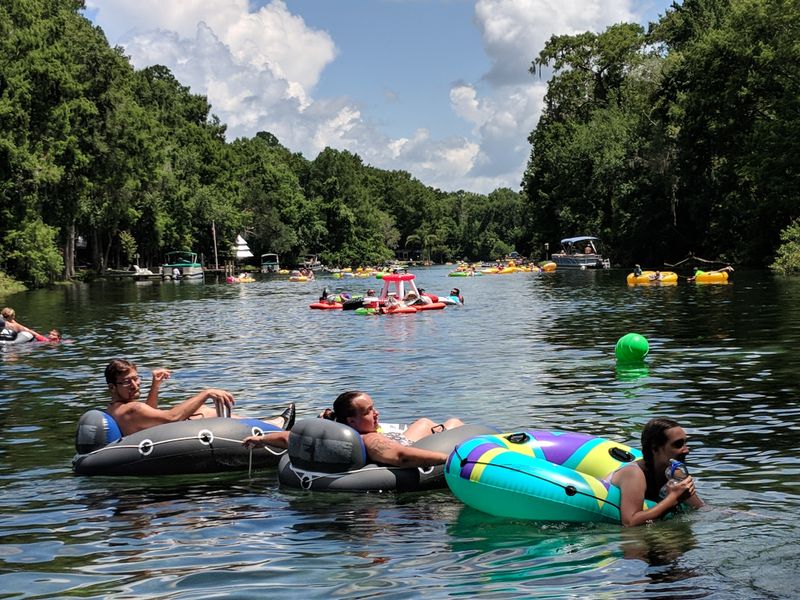
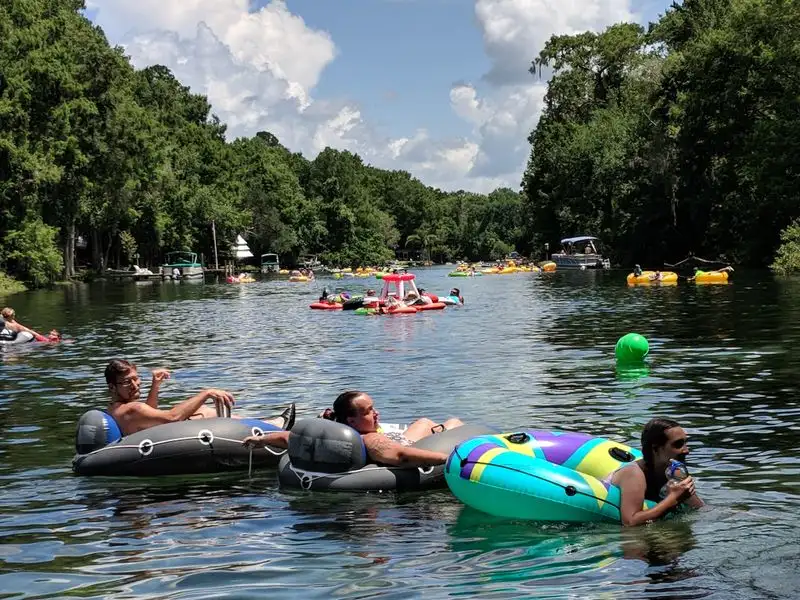
Rainbow River is shared by kayakers, tubers, paddleboarders, divers, and motorboats. Expect company on warm weekends, especially midday.
A friendly mindset and clear hand signals go a long way.
As a paddler, maintain a straight line near river right and avoid weaving through tuber clusters. Give divers with flags a wide berth and watch for bubbles rising from below.
Motorboats should idle near congested stretches, but you still need to remain predictable.
If you are tubing with friends while others paddle, stage meet ups at wide bends and designated swim areas. Keep snacks and trash in sealed bags to prevent litter.
A small rope can link tubes, but avoid tangling with vegetation or other users.
When the river feels full, pull into a shaded bank eddy and enjoy the view. You will often spot turtles climbing logs or otters coursing the margins while you wait.
Sharing the channel well means everyone gets that clear water magic.
Local access, fees, and logistics
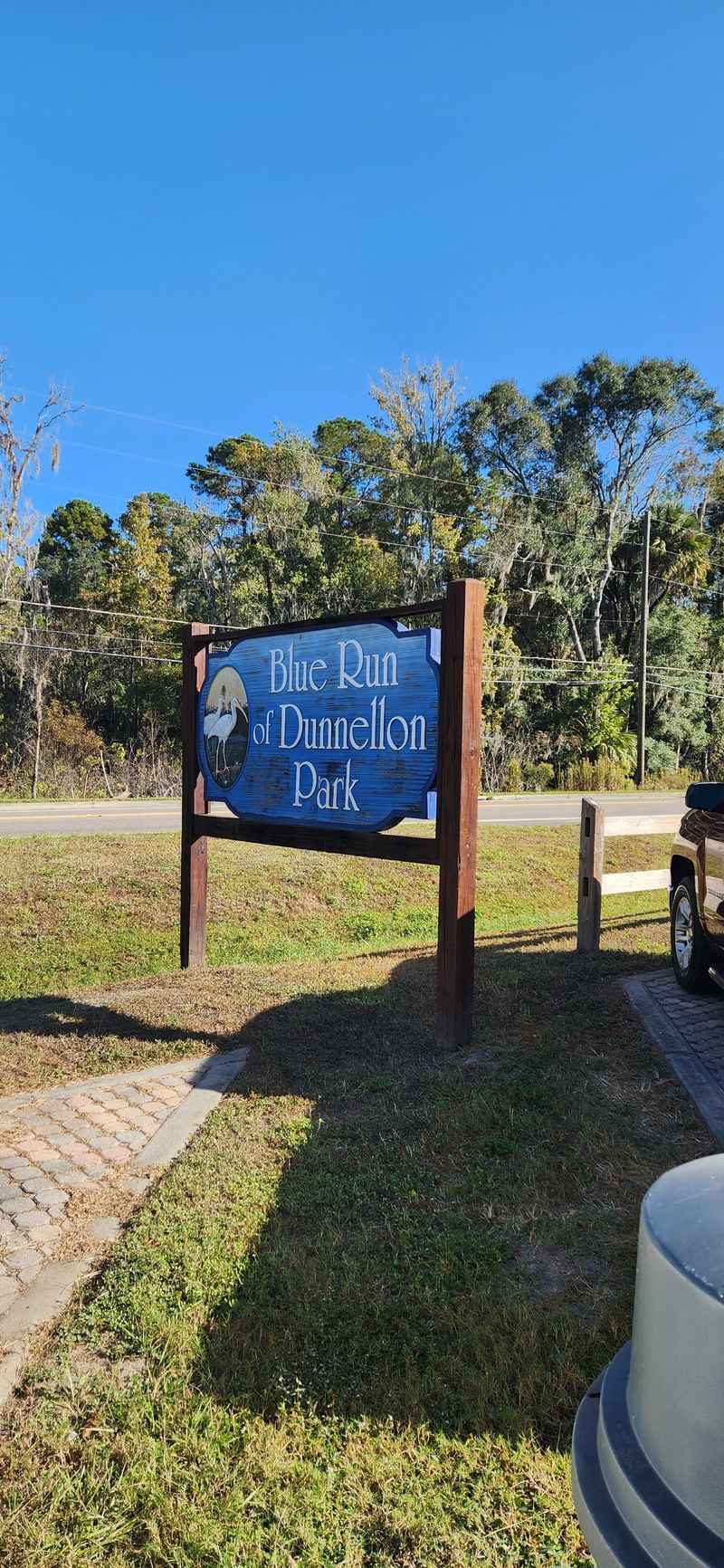
KP Hole Park charges launch and shuttle fees that vary by season, and the lot fills early. Rainbow Springs State Park has separate entry fees and a designated swim area with no kayaking inside the headsprings zone.
Blue Run of Dunnellon Park is free but has limited parking.
Plan a vehicle shuttle or book an outfitter if floating one way. Restrooms, water, and snacks are available at main parks, with restaurants near the takeout in Dunnellon.
Check hours since gates can close to manage capacity on peak days.
Glass containers and alcohol are restricted, and rangers patrol for compliance. Pets may be limited in certain areas, so confirm rules before bringing a dog.
Cell service is generally good but do not rely on it for emergency navigation.
Bring small bills for fees, and keep permits visible on your craft as directed. If you rent, inspect gear before launching and note return times.
Smooth logistics let you focus on those mesmerizing views straight to the river floor.
A perfect one day itinerary
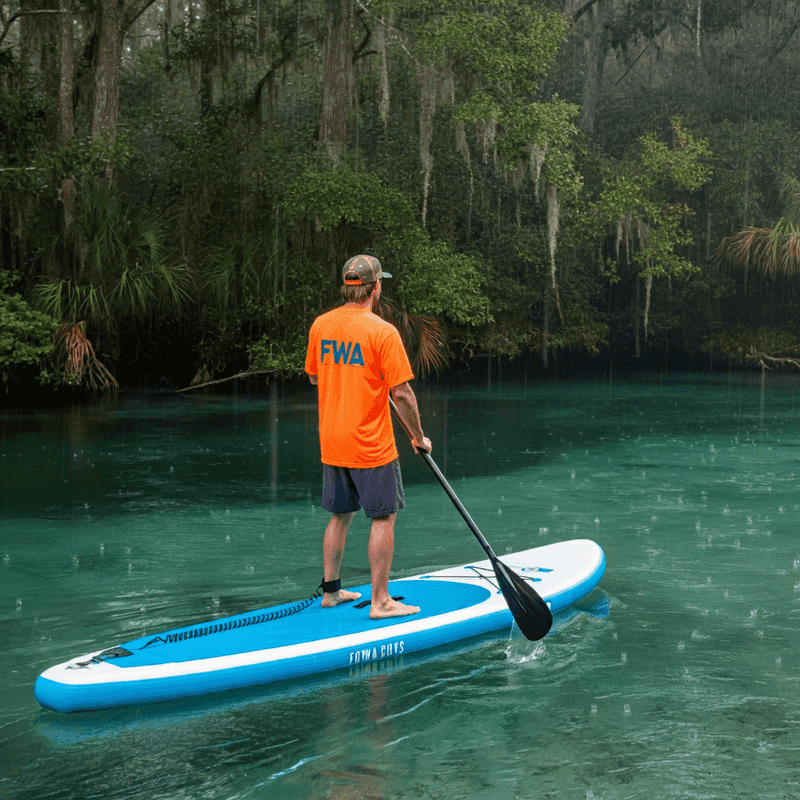
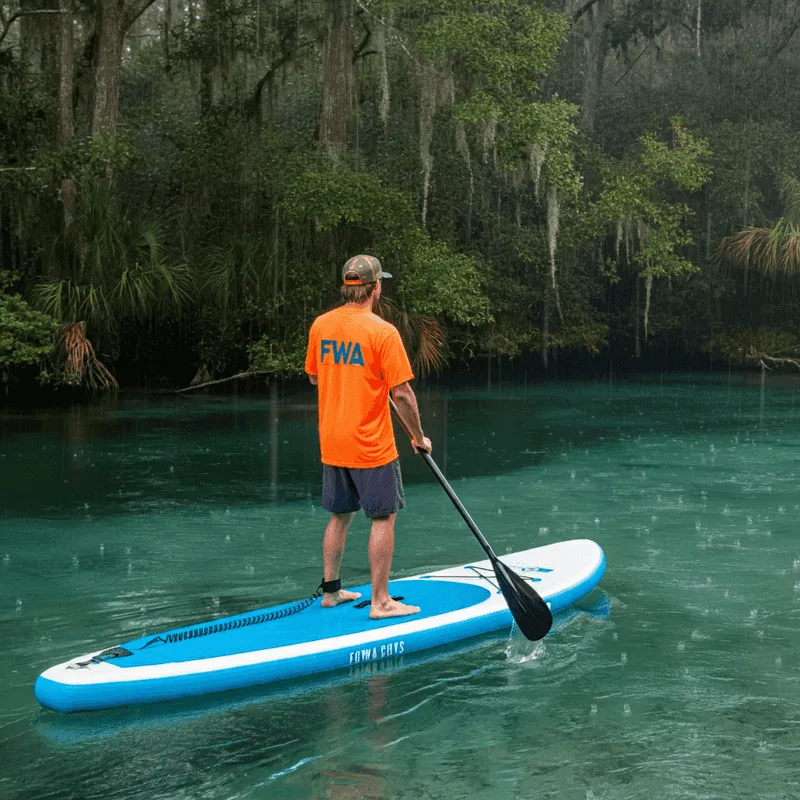
Arrive at KP Hole just after opening and launch within 20 minutes to beat crowds. Paddle upstream toward the headsprings, pausing at clear bends for underwater photos.
Tie off at a designated spot and enjoy a quick swim with a noodle.
Late morning, drift back downstream with the current as sunlight brightens the eelgrass. Watch for turtles near logs and listen for anhingas drying wings.
Pull out for lunch in Dunnellon or at a riverside spot outside restricted zones.
Afternoon brings more traffic, so explore a quiet tributary and practice stillness. Drop a mask in and watch fish hover over rippled sand.
If wind picks up, hug the shaded banks for easier paddling.
Finish at Blue Run or return to KP Hole depending on your shuttle plan. Wrap with a cold drink and a final look at that window clear water.
You will leave relaxed, sun kissed, and already plotting the next paddle.