

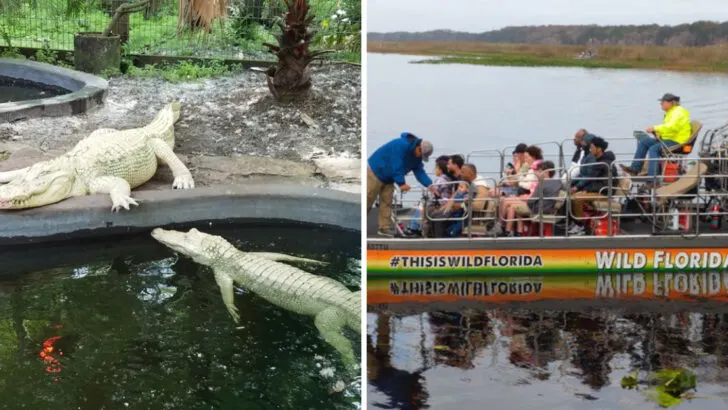
Ready to roll past zebras, bison, and watusi cattle without leaving your car?
Wild Florida Adventure Park in Kenansville turns a simple drive into a front row safari where animals roam huge habitats and the scenery changes around every bend.
Add airboat rides, gator shows, and a chill lakeside vibe, and you get a day that feels adventurous yet easy.
Buckle up, because the wildlife here is up close, unscripted, and unforgettable.
Drive-thru Safari Experience
Roll down the windows just enough to hear hooves crunch and birds chattering, then settle into an easy pace. The drive-thru safari at Wild Florida Adventure Park lets you tour wide open habitats where animals wander freely. You stay in your car, but the adventure surrounds you from the first turn.
Zebras graze near palmettos while watusi cattle show off those impressive sweeping horns. American bison cluster together in the distance, and you might catch an emu strutting with comical seriousness. Keep your camera ready because the light shifts fast across lakes, pines, and sawgrass.
Each loop feels different. Sometimes you meet a curious animal near the road, other times you scan the brush for movement. The park’s signage explains species, conservation notes, and quirky facts so you leave smarter than you arrived.
Go slow. The animals set the pace, and that is part of the magic. If a zebra decides the road is a good hangout, you simply pause and enjoy the front row moment.
Families love that everyone can watch comfortably, snacks included, climate control on. Solo travelers and photographers get the freedom to linger without pressure. It is a safari that fits your rhythm.
Morning light is gorgeous and tends to bring more animal activity. Late afternoons paint everything gold. Either way, the soundtrack of Florida’s wild heart runs alongside your wheels.
Follow the posted guidelines and keep doors closed. Respect distance and you will get better behavior and better photos. The animals respond to calm, quiet cars.
Loop again if time allows. Each pass reveals something new, from subtle herd dynamics to a sudden dash of ostrich speed. It is the kind of drive that turns into stories you will tell later.
Safari Park Animals to Watch For

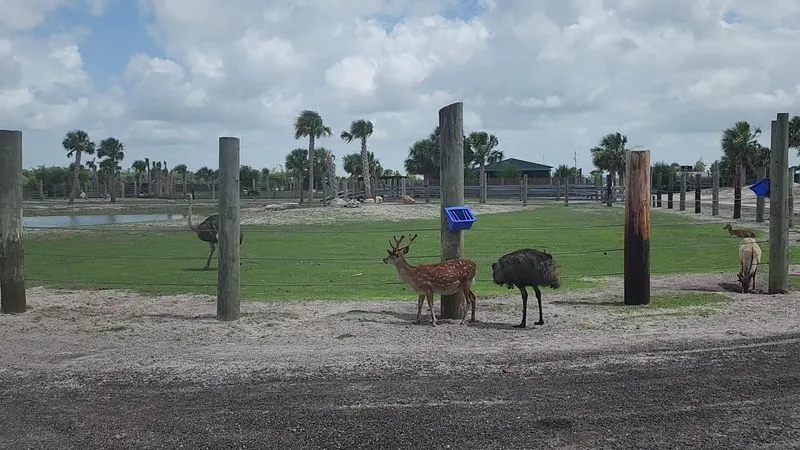
Bring a curious eye because the lineup here spans continents. Zebras flash black and white against bright green, and watusi cattle carry jaw-dropping horns like living sculptures. American bison lumber with weighty calm, a reminder of North America’s wild legacy.
Look for scimitar-horned oryx with elegant crescent horns slicing the sky. Emus and ostriches stride with prehistoric confidence, those eyes tracking you from afar. Waterbuck and antelope species slip between shadows, their coats blending into palmetto and pine.
Gators sun along water edges outside the safari loop, yet they embody Florida’s mood either way. Long-legged wading birds patrol shorelines with delicate precision. Every glance can yield a discovery if you slow down and scan methodically.
Kids love spotting baby animals in season, especially when curious youngsters trail their herds. Patience pays off near water and shade during midday heat. Dawn and late afternoon give you soft light and active grazers.
Notice behavior cues. Tail flicks, ear angles, and herd spacing hint at comfort levels. If animals drift away, give space so they feel safe and will return naturally.
The park’s habitats feel expansive, letting natural patterns play out. That means authentic moments instead of staged poses. You will see social dynamics unfold in real time.
Binoculars help for distant herds, but keep your camera ready for surprise roadside cameos. Reflection shots near ponds can be stunning. Try a slower shutter for motion if you are a photo nerd.
Before you go, scan the species guide on the park website. It helps kids turn sightings into a checklist and keeps adults tuned in. You leave with a stronger connection to wildlife, and that is the real souvenir.
Airboat Tours on Lake Cypress
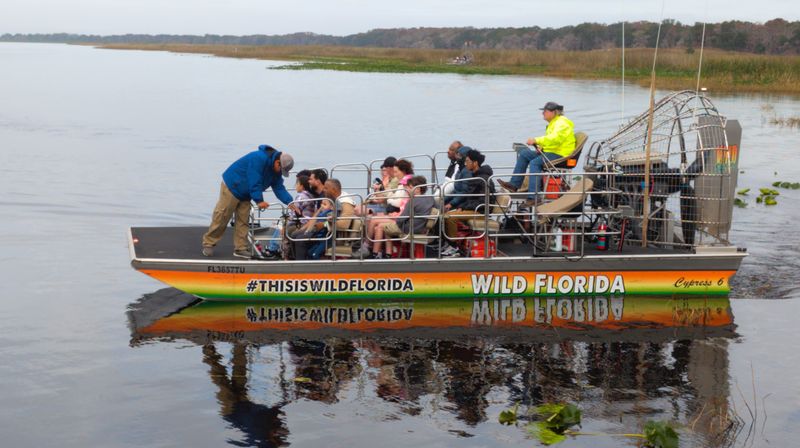
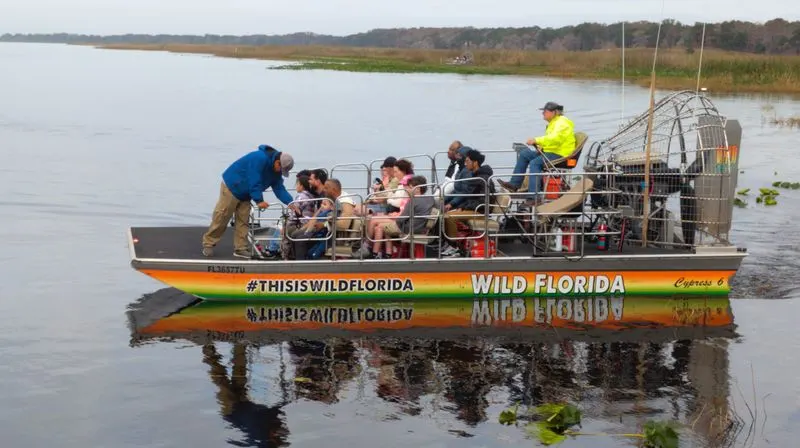
After the safari drive, trade tires for propellers and skim across Lake Cypress. Airboat tours at Wild Florida turn wetlands into a living theater, with cypress knees, sawgrass ribbons, and sudden bursts of birdlife. Headsets keep narration clear while the wind rushes past.
Captains know the backwater pathways and where wildlife tends to surface. You might spot a gator’s ripple, a heron lift-off, or a turtle slipping from a log. The boat slides into quiet pockets that feel worlds away from busy roads.
Morning rides offer crisp air and glassy reflections. Afternoon light flares golden across the marsh. Either way, the mix of speed and stillness is surprisingly relaxing.
Safety briefings are concise and reassuring, and the boats feel sturdy. You sit raised just enough for viewing over grasses. Families appreciate that every seat gets a good line of sight.
Photography fans should secure straps and plan for spray. Polarizing filters tame glare on the water. Quick bursts catch birds mid-flight and gators surfacing.
The captain shares local history, ecology, and fun gator facts without feeling like a lecture. You will leave understanding how these wetlands breathe with seasons. It connects the safari experience to Florida’s broader ecosystem.
Booking ahead is smart during busy months. Check operating hours since Sunday is closed for the park. Pair a midday safari loop with a later airboat to catch changing light.
When the engine idles and the marsh goes quiet, listen. Insects buzz like a chorus, and distant splashes hint at hidden lives. It is a pure Florida moment that lingers well after you dock.
Gator Shows and Education

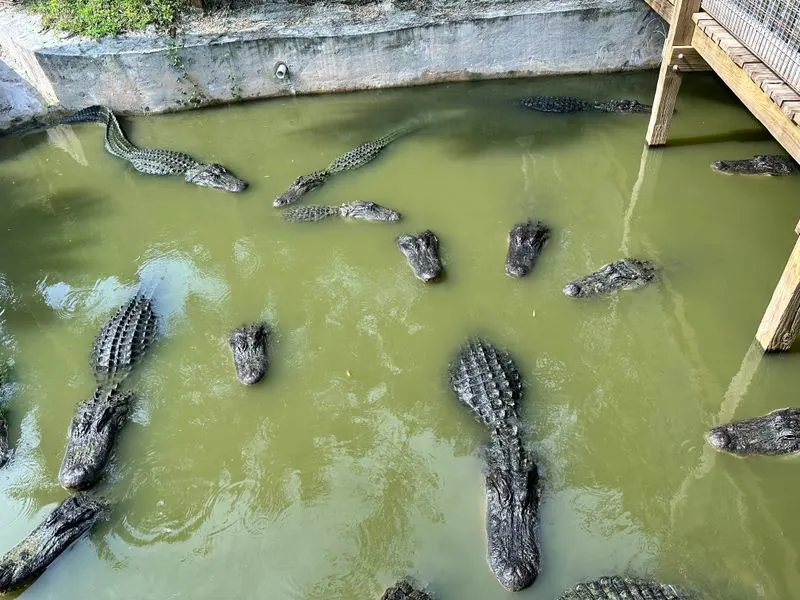
Gators are Florida icons, and the shows here turn fear into fascination. Skilled handlers introduce safety, biology, and myth-busting with calm confidence. You sit close enough to see jaw textures, yet far enough to feel comfortable.
Presentations mix demos with storytelling. You learn about bite force, habitat needs, and how to coexist responsibly. The tone stays respectful toward animals, never sensational.
Kids lean in during the Q and A. Adults appreciate practical tips about living near wetlands. Everyone leaves with a sharper sense of how to spot and avoid risky situations.
Between shows, check the educational exhibits. Signage covers lifecycle, conservation, and Florida’s unique waterways. It ties into what you saw on the airboat and in the safari.
Handlers emphasize that these animals are powerful and deserve space. That reminder makes your future outdoor adventures safer. It also keeps wildlife stress low, which matters for their wellbeing.
Photo moments are available at select times, with staff guiding respectful interactions. Bring a sanitized mindset and follow every instruction. Responsible tourism starts with listening.
Shade structures help on hot days, but a hat and water are still smart. Show times vary, so sync your schedule when you arrive. Short, punchy sessions mean you can stack other activities.
The best part is the clarity you carry out. Suddenly, every ripple on a pond reads like a hint. You will spot signs of gators with new eyes, and that confidence feels empowering.
Gator Park and Petting Zoo
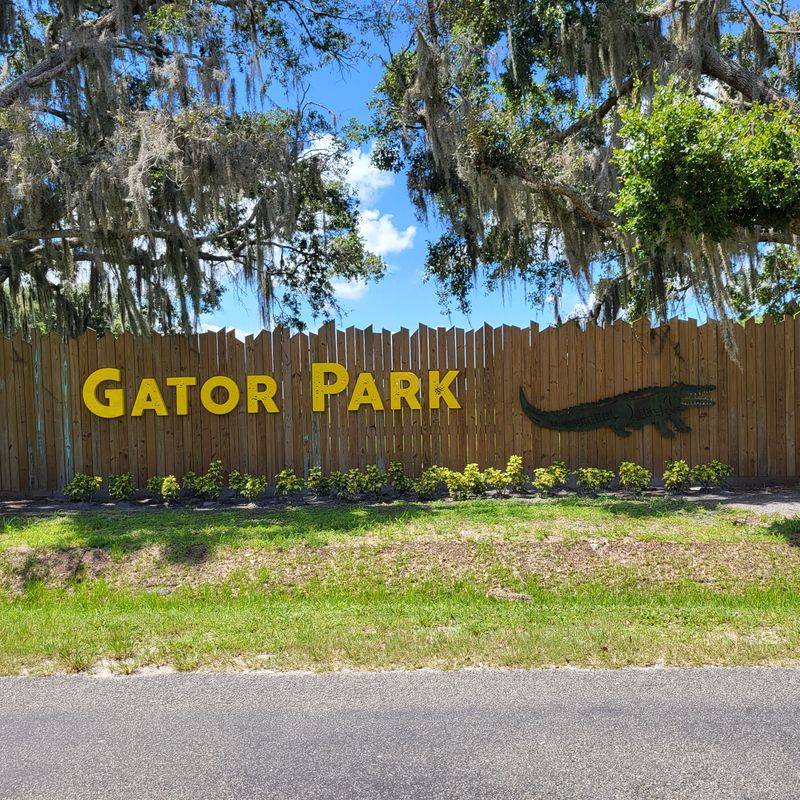
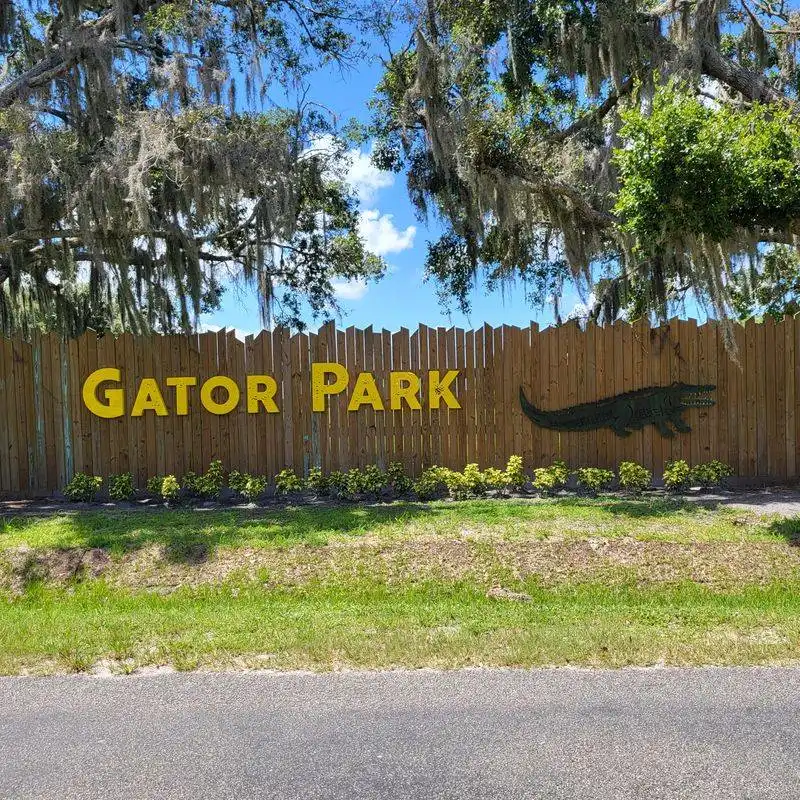
When you want to slow down, the Gator Park and petting zoo deliver easygoing fun. Boardwalks wind past exhibits so you can linger and learn. Kids love the casual pace and close views that feel safe and friendly.
Goats nudge for gentle scritches while alpacas pose like fluffy models. Staff keep things tidy and focused on animal wellbeing. Handwashing stations make clean-up simple after petting sessions.
Gator habitats sit nearby with clear sightlines. You can compare juvenile and adult sizes and watch a lazy float turn into a silent glide. Interpretive signs translate science into bite-sized nuggets.
Parents appreciate shaded seating and snack options inside the park. Strollers move easily along the flat paths. Everyone gets to recharge without leaving the wildlife vibe.
Photography is easy thanks to open railings and soft light under trees. Keep fingers away from enclosures and follow posted rules. Respectful distance equals calmer animals and better pictures.
Ask staff about feeding times or enrichment moments. Those little windows reveal personality and intelligence. It helps kids connect compassion with curiosity.
If you need a break between the safari and an airboat ride, this is the sweet spot. Ten to twenty minutes turns into a refreshing pause. Before you know it, you are ready for more exploring.
Leave time for the gift shop to grab cold drinks and local souvenirs. Choose a wildlife guidebook for the drive home. It extends the learning long after you wave goodbye to the goats.
Conservation and Animal Care
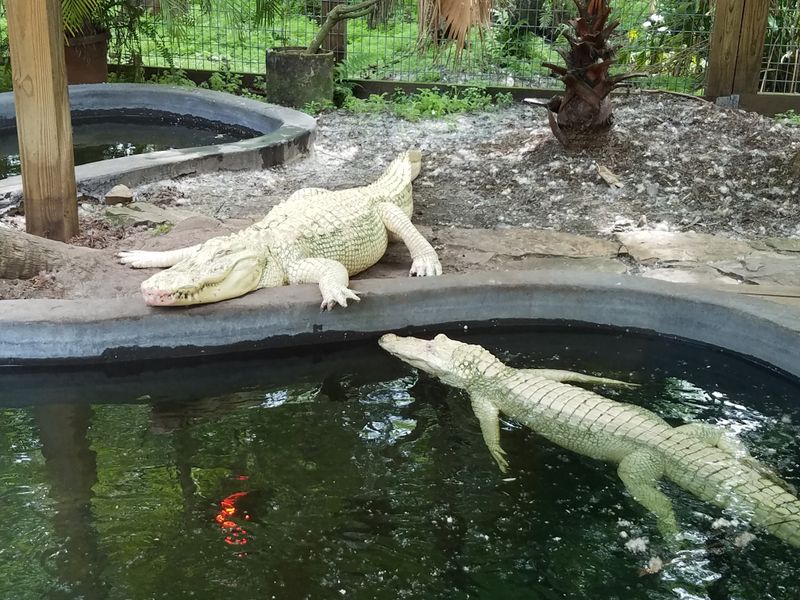
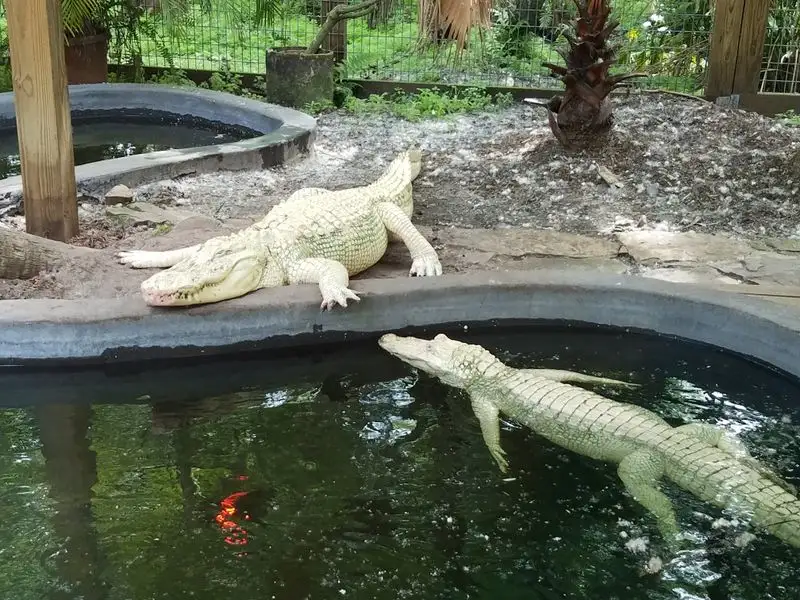
Behind the scenes, conservation drives decisions. Habitats give animals room to move, rest, and express natural behaviors. You can feel the planning in the shaded retreats and varied terrain.
Staff share how enrichment keeps minds active and bodies healthy. Puzzle feeders, scent trails, and varied browse turn daily life into a challenge. It is subtle from the car, but the effect is huge.
Educational signs connect species to global challenges. You learn why scimitar-horned oryx matter and how habitat loss ripples outward. Understanding shifts from abstract to personal when a zebra looks back at you.
Animal care includes preventative vet checks and careful diet planning. Calm routines reduce stress, which you notice in relaxed herds. The best welfare signs are small and steady, not flashy.
Guests are part of conservation when they follow rules. Staying in vehicles protects animals and keeps natural behaviors intact. Quiet cars mean better interactions for everyone.
If you have curious kids, turn the visit into a stewardship talk. Ask what it means to be a good neighbor to wildlife. The park sets the stage for that conversation beautifully.
Supporting local conservation partners extends your impact. Even choosing reusable bottles helps wetlands. Little changes add up like raindrops feeding a lake.
Leave with a sense of responsibility, not just photos. You saw how thoughtful care creates room for wildness. Carry that mindset into parks, beaches, and your own backyard.
Best Times and Seasonal Tips
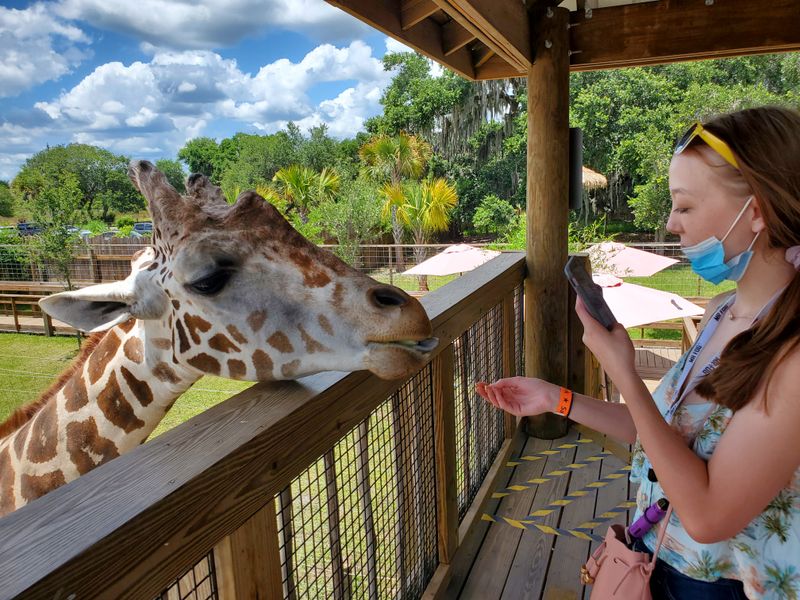
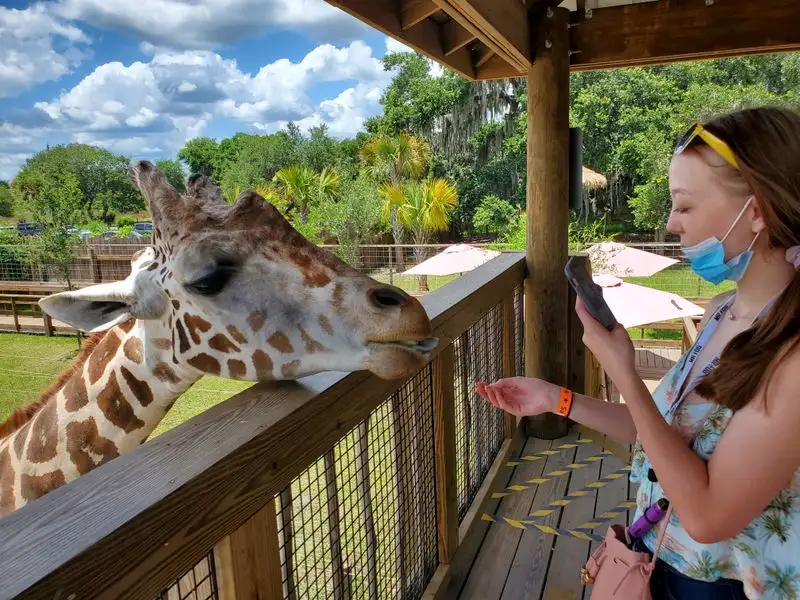
Florida weather writes the script, so timing matters. Mornings bring cooler air, soft light, and often more visible activity. Late afternoons glow with long shadows that flatter every photo.
Summer means heat and pop-up storms. Pack water, sun protection, and patience for quick showers. After rain, animals often perk up and the sky turns dramatic.
Winter days deliver crisp air and gorgeous clarity. You might spot more birds as migratory species pass through. Layers help when wind picks up on airboats.
Check hours before you go: Monday through Saturday 9 AM to 6 PM, Sunday closed. Arrive early for smoother entry and easier pacing. Booking airboats ahead keeps your schedule tight.
Weekdays usually feel quieter than Saturdays. If school is out, plan extra time for lines. The drive-thru itself remains relaxing once you are rolling.
Keep snacks handy, but seal everything to avoid mess. A small trash bag in the car is a game changer. Sunglasses reduce glare for spotting distant movement.
Consider looping the safari twice at different times of day. Morning offers bustle, afternoon offers moody light. The contrast makes your album richer.
Watch road conditions after heavy rain and drive slowly regardless. You are in wildlife territory, not a speedway. Respect the pace and the day will unfold beautifully.
Family Planning and Accessibility
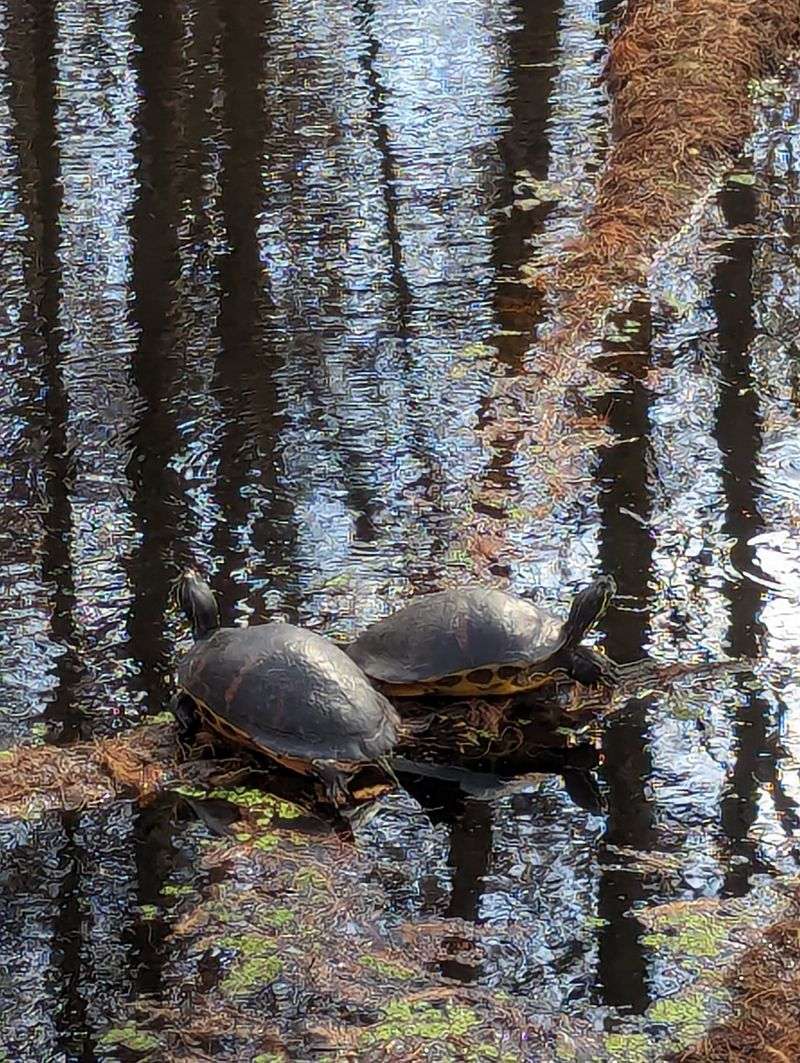
Family trips feel easier when logistics flow. Wild Florida makes that happen with clear signage, friendly staff, and flat paths around key areas. The drive-thru format means everyone rides in comfort.
Bring binoculars for kids and let them be the official spotters. A simple checklist turns the safari into a game. Celebrating each sighting keeps energy high without sugar overload.
Strollers roll fine in the Gator Park and petting zoo. Rest areas and shade help during midday. Hydration is your best friend in Florida weather.
Accessibility features include ramps and wide paths in public zones. Call ahead if you have detailed needs so staff can prep suggestions. The team is used to helping guests craft comfortable plans.
Snacks and water are welcome in your car, but tidy up to avoid wildlife attracting smells. Bathroom breaks fit neatly between safari loops and shows. Keep a small daypack ready with wipes and sunscreen.
If someone needs quiet time, the car becomes a perfect reset space. You can continue the safari at a slower speed. No one feels rushed or left out.
Safety stays simple: doors closed, hands inside, and calm voices. Those habits set kids up for respectful wildlife encounters. It becomes second nature by the second turn.
By day’s end, you get a shared win. Memories stick because participation was easy and inclusive. That is the sweet spot of a great family outing.
Photography Spots and Tips
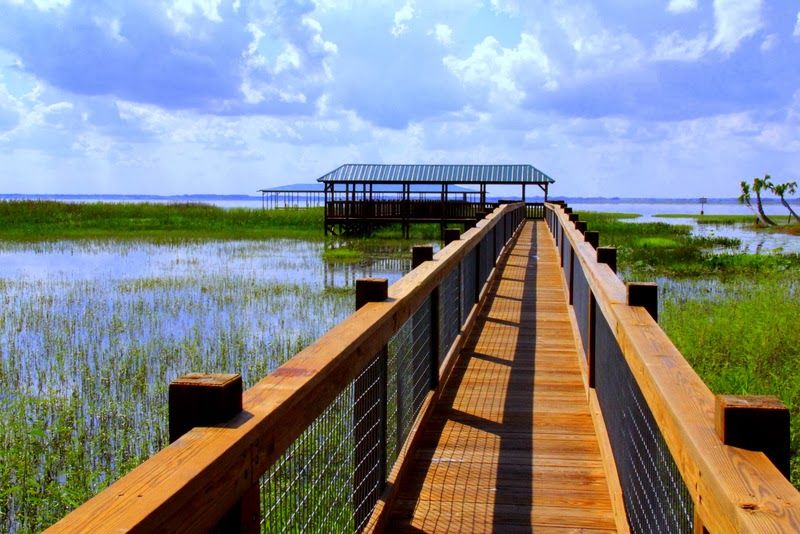
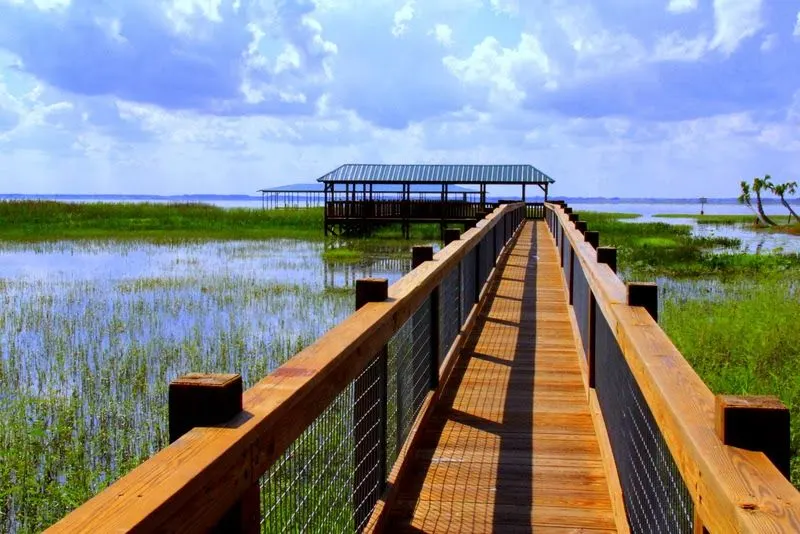
This park is a photographer’s playground, even from the driver’s seat. Golden hour washes zebras and oryx in honey tones, and ponds double subjects with clean reflections. Keep windows clean and lenses within easy reach.
A telephoto around 200 to 400mm covers most scenes. A wider lens captures habitat context when animals drift close. Polarizers cut glare on water and deepen blue skies.
Use continuous autofocus and a higher shutter for quick strides or wingbeats. In-car beanbags stabilize lenses without tripods. Turn off the engine if safe to minimize vibrations.
Compose with habitat lines: roads, fences, and tree rows guide the eye. Watch for overlapping animals and wait for clean separation. Patience turns a snapshot into a keeper.
Respect distance and never call to animals. Natural behavior photographs better than staged reactions. Quiet cars equal relaxed subjects and smoother frames.
Midday harsh light still works with backlighting and silhouettes. Stormy skies add drama after summer showers. Rain beads on horns and coats can look cinematic.
In the Gator Park, mind railings and keep gear tidy. Ask staff where the softest light falls during shows. Shade can be your friend for even skin tones.
Back up files during a snack break and hydrate. Clean lenses before the second loop. You leave with a reel that tells a complete Florida story.
Tickets, Hours, and Getting There

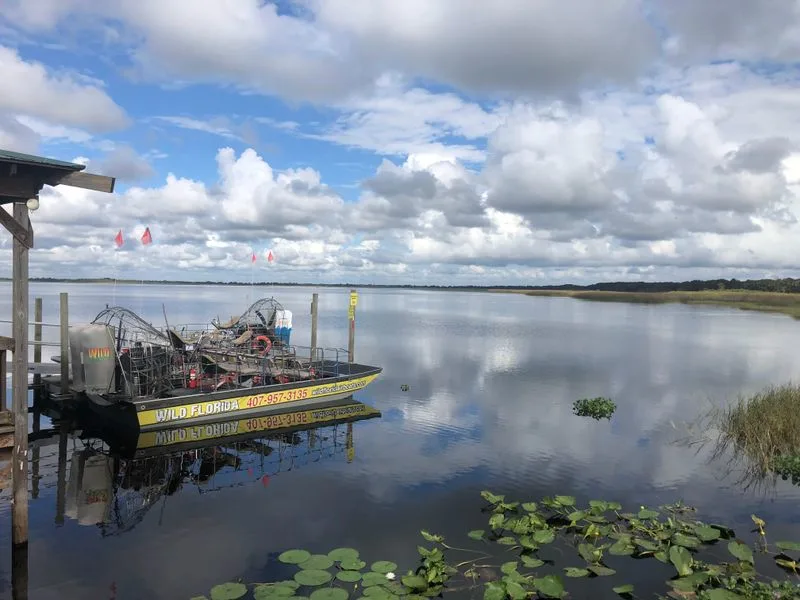
Set your GPS to 3301 Lake Cypress Rd, Kenansville, FL 34739. The drive feels rural and peaceful as you approach, and parking is straightforward. Arrive a bit early to shake off road legs and plan your route.
The park operates Monday through Saturday from 9 AM to 6 PM and is closed on Sunday. Check the website for ticket bundles that pair the safari with airboats or Gator Park access. Booking ahead smooths entry during popular seasons.
Current ratings hover around 4.7 stars with thousands of reviews praising staff and animal views. That crowd wisdom tracks with the relaxed flow you will feel. It is organized without losing the wild spirit.
Call +1 407-957-3135 if you need specifics on accessibility, group rates, or weather updates. Staff are responsive and honest about conditions. A quick chat can save you time and maximize sightings.
Give yourself at least a half day, more if you want airboats and shows. The safari itself rewards a second loop. Food, restrooms, and shady seating make breaks easy.
Map out fuel and snacks beforehand, especially with kids in tow. Cell service is generally fine, but screenshots of tickets help. Keep a small cooler with water so you can linger comfortably.
Follow posted rules, stay in your vehicle on the drive, and respect animal space. Those guidelines keep the day smooth for everyone. Your patience pays off in better encounters.
When you roll out, you will feel both refreshed and pleasantly dusty. That is the mark of a good Florida adventure. The road back will be full of stories to tell.