
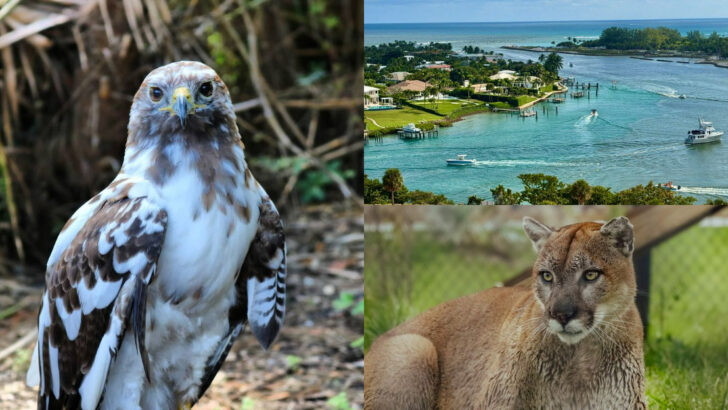
Tucked away on Rocky Pines Road in Jupiter, Florida, Busch Wildlife Sanctuary has been quietly doing something remarkable since 1983 — rescuing, healing, and releasing thousands of wild animals every single year. From bald eagles with broken wings to gopher tortoises hit by lawn mowers, this nonprofit takes in over 4,500 animals annually and asks for nothing in return from visitors.
Whether you live nearby or are passing through Palm Beach County, this place offers a genuinely moving experience that no polished theme park can replicate. Best of all, walking through the gates costs you absolutely nothing.
What Is Busch Wildlife Sanctuary?
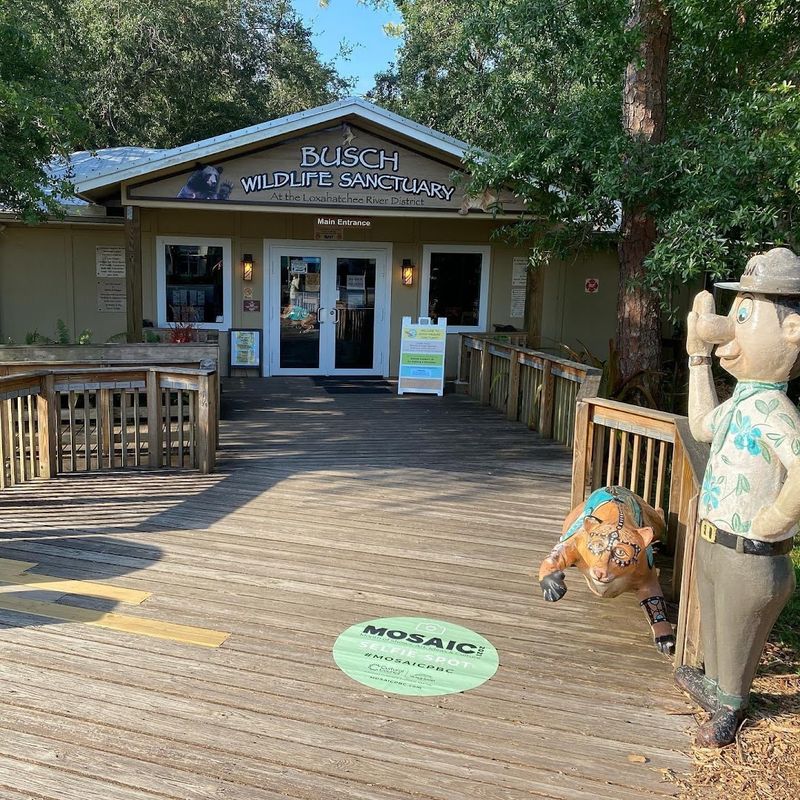
Founded in 1983, Busch Wildlife Sanctuary operates on a straightforward but powerful mission: rescue injured and orphaned Florida wildlife, provide medical care, and return as many animals as possible to the wild. It is not a zoo.
It is not a theme park. It is, at its core, a working animal hospital with an open-door visiting policy.
Located at 17855 Rocky Pines Road in Jupiter, Florida, the sanctuary is a nonprofit organization supported by donations, grants, and partnerships including support from the Gordon and Patricia Gray Animal Welfare Foundation. Every dollar that comes in goes directly toward feeding, treating, and housing animals in recovery.
What makes this place genuinely different is that most of its patients are temporary. The animal you see in an enclosure today might be released back into the wild next month.
That constant turnover makes every visit feel fresh and meaningful in a way that a static zoo collection simply cannot match.
Finding Your Way to Jupiter, Florida
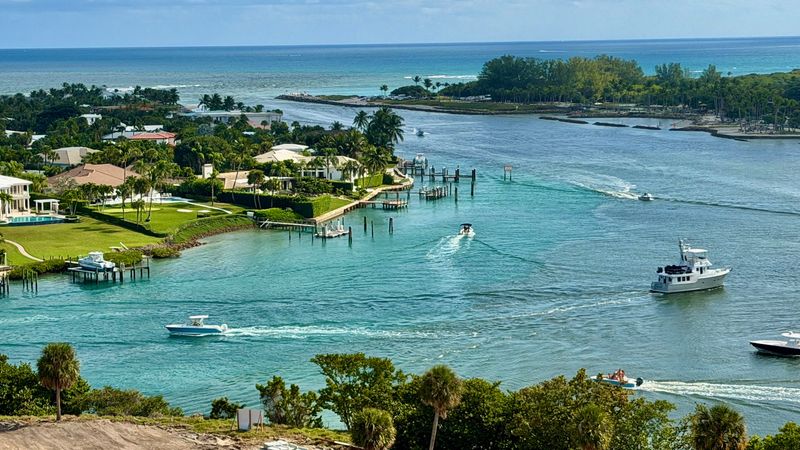
Jupiter sits on Florida’s southeastern coast, roughly 90 miles north of Miami and just 15 miles north of West Palm Beach. That puts it within easy reach of millions of visitors who are already exploring South Florida.
If you are driving from Miami, take I-95 north to exit 87A and follow the signs toward Jupiter. From Orlando, head south on the Florida Turnpike and connect to I-95 south.
The nearest major airports are Palm Beach International Airport, about 20 miles south, and Fort Lauderdale-Hollywood International Airport, roughly 60 miles away. Both offer rental car options, and the drive to the sanctuary is straightforward.
Jupiter itself has a noticeably quieter, less commercialized feel compared to busier spots like Fort Lauderdale or Miami Beach. The sanctuary is tucked into a wooded, semi-rural area that feels worlds away from the resort strip and that contrast is honestly part of what makes the whole trip feel worthwhile.
The Free Admission Policy and What It Actually Means
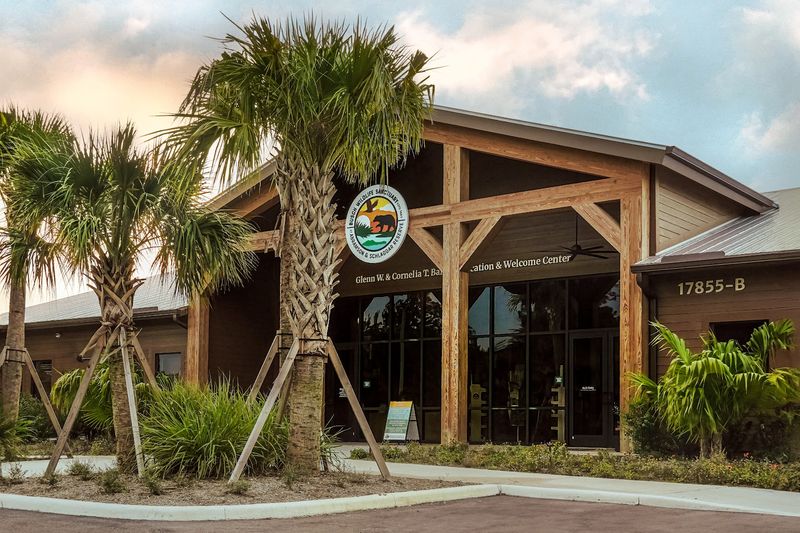
Walking through the gates of Busch Wildlife Sanctuary costs absolutely nothing. No ticket booth, no timed entry, no upsell at the door.
The sanctuary runs entirely on donations, grants, and community goodwill and that model has kept it operating for over four decades.
Near the entrance, you will find a donation box that accepts both cash and card. Tossing in even five dollars makes a real difference that kind of contribution can help cover the cost of feeding a recovering animal for a day.
Larger donations go toward veterinary supplies, enclosure maintenance, and staffing.
For families watching their budget, this free admission policy is genuinely meaningful. A trip that would cost $30 or $40 per person at a conventional wildlife attraction is completely accessible here.
The sanctuary’s choice to keep entry free reflects its belief that conservation education should reach everyone not just those who can afford a premium ticket.
Florida’s Native Wildlife Up Close
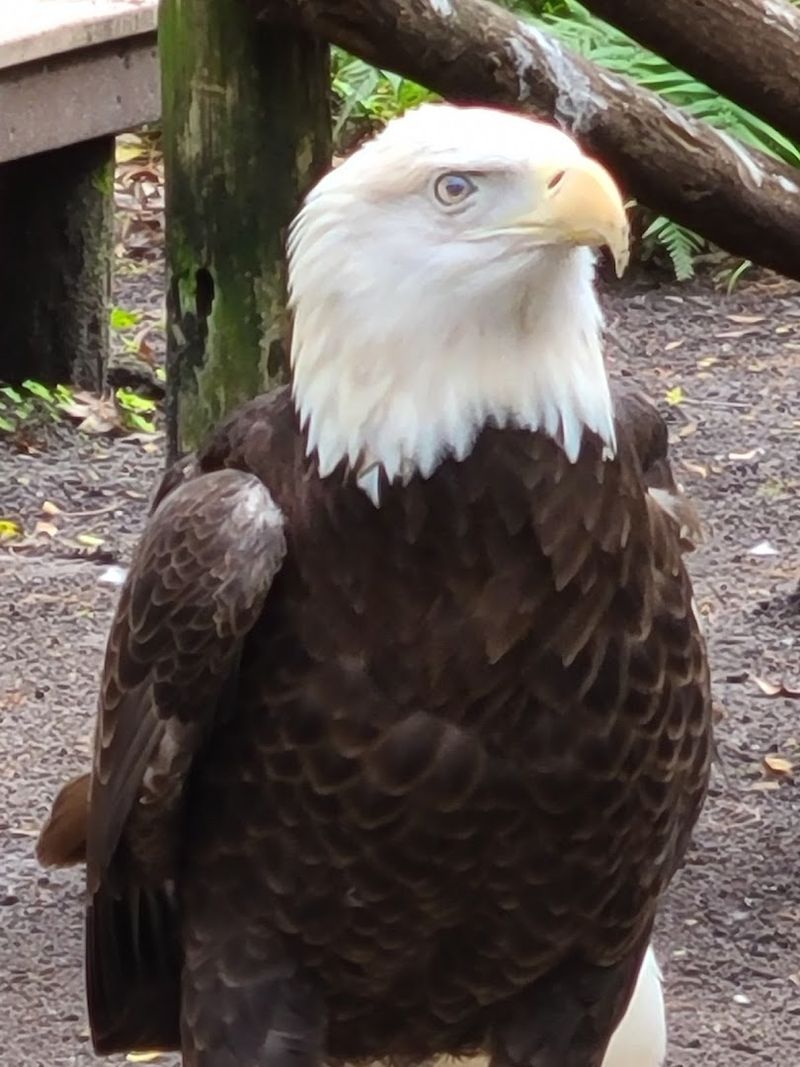
Roughly 200 permanent resident animals call Busch Wildlife Sanctuary home at any given time. These are creatures that arrived injured and, despite the best efforts of the rehabilitation team, could not be safely returned to the wild.
Their enclosures are designed to mimic natural habitats rather than resemble traditional zoo cages.
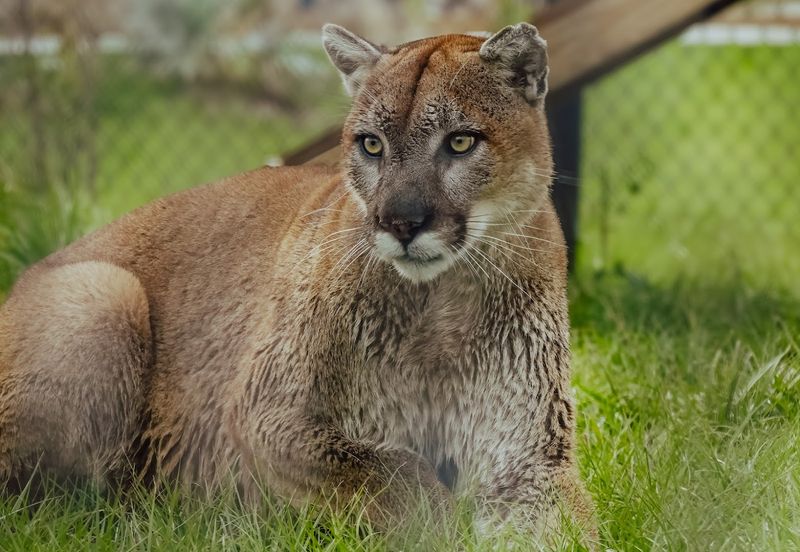
Visitors regularly encounter white-tailed deer, gopher tortoises, bald eagles, great horned owls, alligators, river otters, bobcats, Florida panthers, and black bears. Many of these animals arrived after being struck by vehicles, tangled in fishing line, or exposed to toxins.
Reading the story behind each animal — often posted on a QR code near the enclosure adds real emotional weight to the experience.
Because the enclosures are spacious and habitat-styled, animals tend to behave more naturally than they would in a cramped cage. Watching otters splash in their pool or panthers pace their generous enclosure feels far more authentic than a typical zoo visit ever could.
What Happens Behind the Scenes
Most visitors see the enclosures and the permanent residents. What they do not see the behind-the-scenes operation is just as extraordinary.
Busch Wildlife Sanctuary takes in over 4,500 animals every year from Palm Beach and Martin counties, treating injuries that range from fractured bones and chemical burns to malnutrition and fishing hook entanglement.
The intake process runs 24 hours a day. That means if you find an injured animal at midnight on a Tuesday, you can bring it to the sanctuary and someone will be there to receive it.
Most people have no idea that kind of round-the-clock care exists for wild animals in this region.
Behind those scenes are trained wildlife rehabilitators, veterinary staff, and a dedicated volunteer corps who handle everything from initial triage to long-term recovery. The goal for every patient is release — and when release is not possible, a permanent home at the sanctuary is the next best outcome.
The Raptor Program
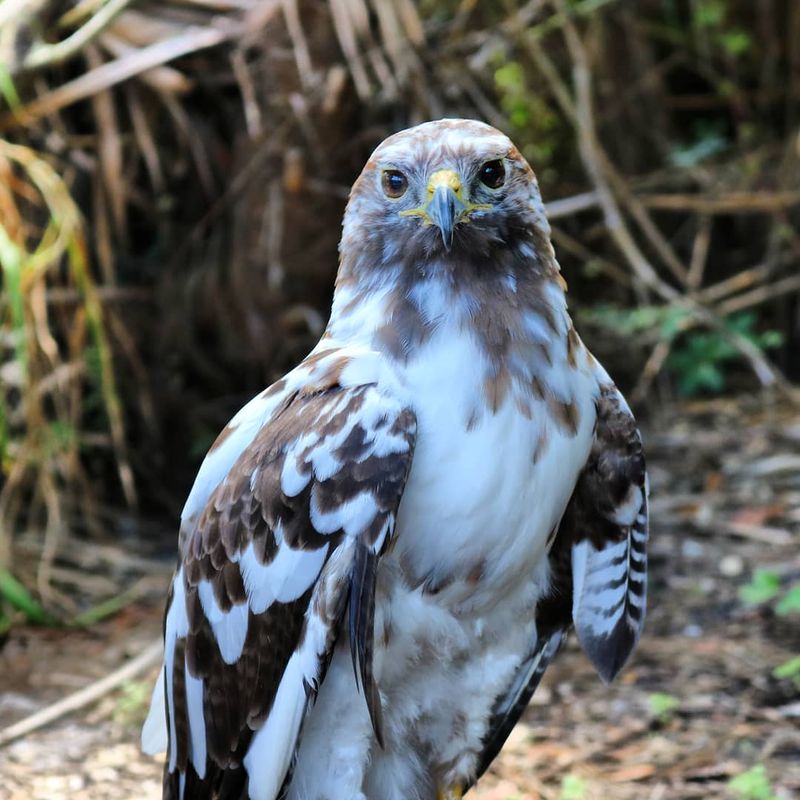
Ask any regular visitor what stops them cold during a walk through the sanctuary, and there is a good chance they will mention the raptors. Hawks, owls, falcons, and bald eagles are among the most common patients the sanctuary receives and some of the most visually stunning to observe up close.
Many of the birds in the raptor enclosures were struck by vehicles while hunting along roadsides. Once a raptor loses the ability to fly with full precision, releasing it back into the wild becomes dangerous for the bird.
Those individuals often become permanent educational ambassadors for their species.
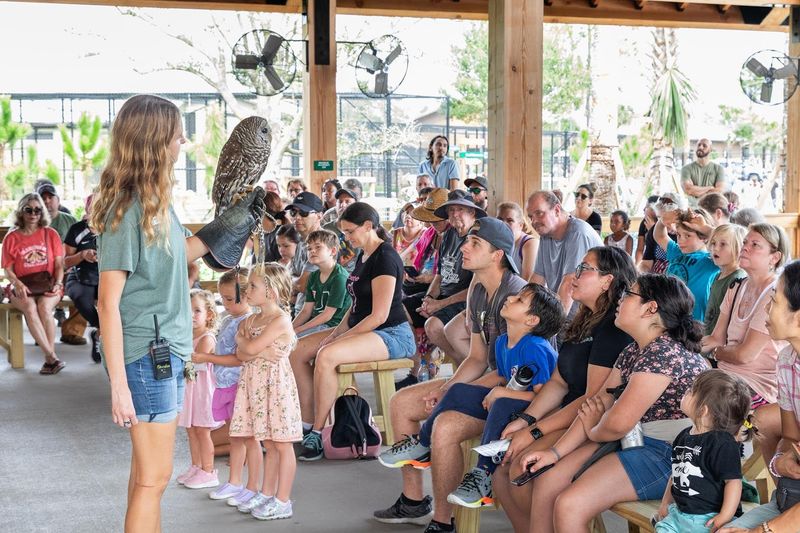
During scheduled educational demonstrations, staff bring non-releasable raptors out to interact with visitors — sometimes getting within just a few feet. Watching a barred owl or red-tailed hawk up close, understanding exactly how it ended up here and what it means for the ecosystem, turns a casual visit into something genuinely unforgettable.
Check the sanctuary’s website for current demo schedules.
Turtles, Tortoises, and the Slow Patients of the Sanctuary
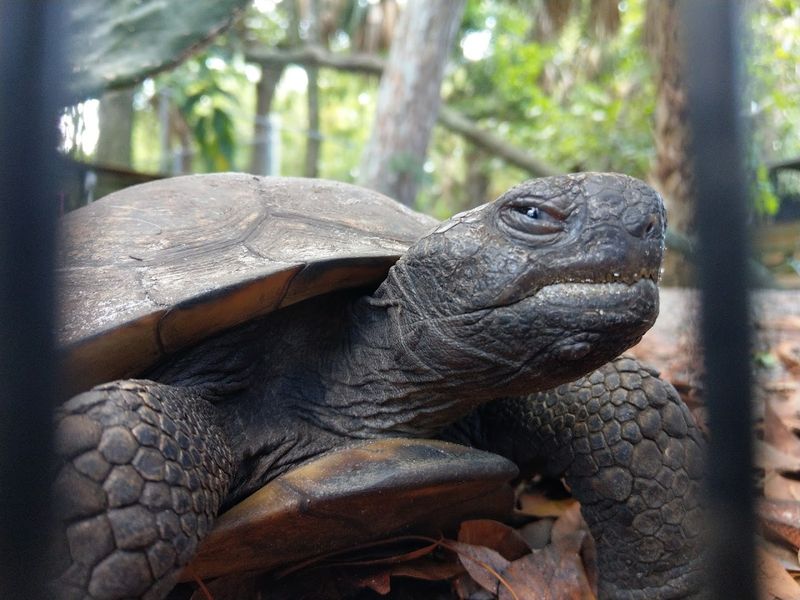
Patience is not just a virtue at Busch Wildlife Sanctuary for turtle and tortoise patients, it is a medical requirement. Florida is home to several species of turtles and tortoises, and the sanctuary treats a significant number of them every year.
Common causes of injury include lawn mower blades, dog attacks, and road traffic.
What makes turtle rehabilitation uniquely challenging is the timeline. A box turtle with a cracked shell might need six months to a year of care before it is ready for release.
Gopher tortoises, which grow slowly and live for decades, require especially careful handling.
Here is a fact worth pausing over: the gopher tortoise is a keystone species, meaning its burrows provide shelter for over 350 other animal species. When one gopher tortoise is saved, the ripple effect through the ecosystem is enormous.
The sanctuary uses this connection to teach visitors about ecological interdependence a lesson that sticks long after the visit ends.
What a Visit Actually Looks, Feels, and Sounds Like
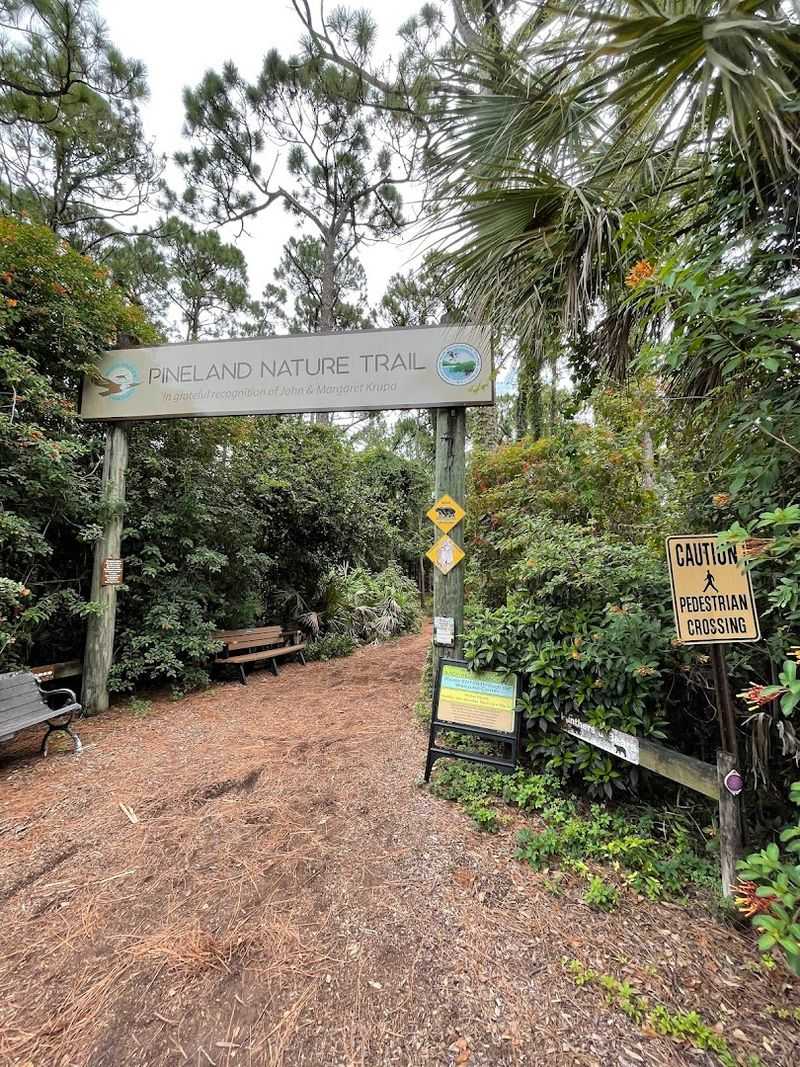
Forget the polished walkways and gift-shop-every-fifty-feet layout of a corporate wildlife attraction. Walking through Busch Wildlife Sanctuary feels grounded, purposeful, and surprisingly peaceful.
Shaded paths wind past enclosures at a relaxed pace, and the sounds around you owl calls, the splash of otters, the distant rustling of deer create an atmosphere that feels genuinely wild.
The facility includes both outdoor paths and indoor areas. The reptile room is air-conditioned, which becomes a very welcome feature on a warm Florida afternoon.
An amphitheater with large fans hosts educational presentations, making it comfortable even in summer. Restrooms are clean, paths are stroller- and wheelchair-accessible, and there is a picnic area if you want to linger.
Most visitors spend between one and two hours exploring. Going right after a light rain is a local tip worth remembering animals tend to be more active in the cooler, humid air, and you might catch the otters or panthers in full playful mode.
What Young Visitors Get Out of It
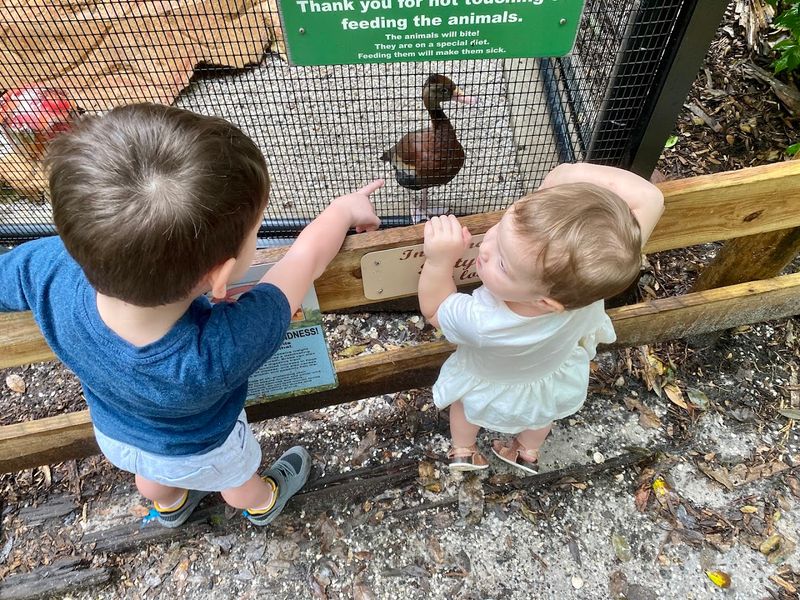
There is something about seeing a bald eagle not in a photograph, not behind thick glass, but in a spacious, naturalistic enclosure just a few yards away that rewires how a kid thinks about wildlife. Busch Wildlife Sanctuary delivers that kind of moment regularly, and it tends to leave a deeper impression than a conventional zoo visit.
Staff members are approachable and genuinely enthusiastic about answering kid questions, no matter how many times they have heard them. The QR code system near each enclosure lets older kids scan and read about the animal’s story independently, which gives them a sense of ownership over their own learning.
The sanctuary also has a dedicated kids’ play area, a picnic space, and a gift shop stocked with educational toys and nature-themed items. For families with children who are curious about science, animals, or the environment, this is one of the most rewarding two-hour outings available anywhere in South Florida.
Volunteer and Educational Opportunities
Visiting once is easy. Getting genuinely involved is where things get interesting.
Busch Wildlife Sanctuary offers structured volunteer programs for adults who want to contribute more than just an afternoon. Volunteers assist with animal feeding, enclosure upkeep, public education, and special events making it one of the most hands-on conservation opportunities in South Florida.
For schools and community groups, the sanctuary runs organized educational outreach programs that reach over 125,000 children and adults each year. These programs go well beyond a standard field trip they are designed to connect participants with real conservation challenges and explain the human behaviors that cause most wildlife injuries in the first place.
If you are a teacher, a scout leader, a parent homeschooling your kids, or simply someone who wants to do more than observe, the sanctuary’s education team is responsive and experienced. Reach them at (561) 575-3399 or through buschwildlife.org to ask about scheduling a program or signing up as a volunteer.
Practical Tips Before You Go
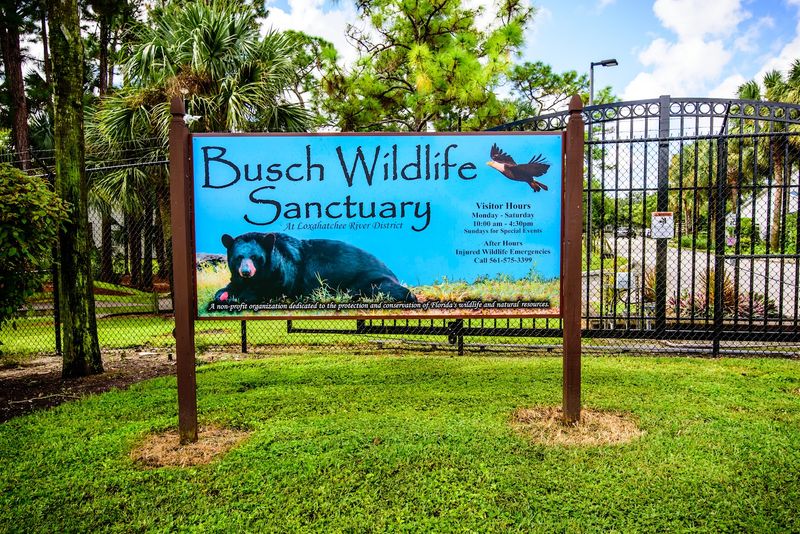
Busch Wildlife Sanctuary is open six days a week, Monday through Saturday, from 10 AM to 4:30 PM. Plan to arrive by 3 PM at the latest to give yourself enough time to walk the full grounds without rushing.
The address is 17855 Rocky Pines Road, Jupiter, FL 33478 plug it directly into your navigation app for the smoothest route.
Florida’s cooler months, roughly October through March, make for the most comfortable outdoor visit. Summer heat can be intense by midday, so if you visit between June and September, arrive right when the gates open and bring water, a hat, and a portable fan.
The gift shop sells cold drinks and ice cream, which becomes very relevant around noon in July.
Found an injured animal before your visit? Call the sanctuary at (561) 575-3399.
They operate a 24-hour intake service and will walk you through exactly what to do. And when you arrive, please drop something in the donation box this place runs on community support.