
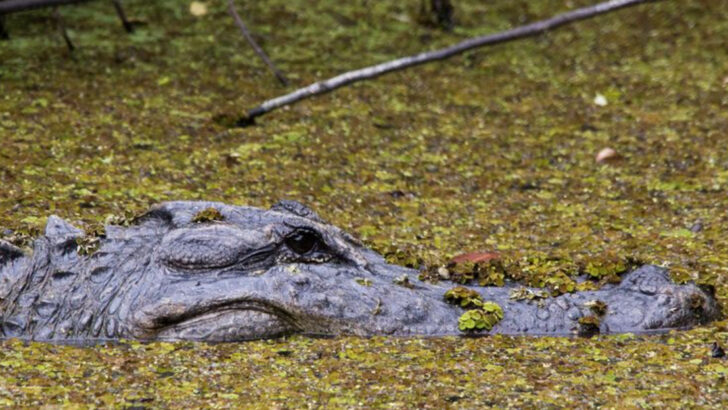
Tucked away in the heart of Southwest Florida, Collier-Seminole State Park is one of the most extraordinary wildlife destinations in the entire country.
Stretching across more than 7,000 acres of mangrove swamps, tropical forests, and winding waterways, this park sits at the crossroads of the Everglades and the Gulf Coast.
What makes it truly special is the jaw-dropping variety of animals you might encounter — from endangered Florida panthers to American crocodiles — all in a single visit.
If you love nature and adventure, this park deserves a top spot on your must-see list.
A Rare Wildlife Crossroads in South Florida
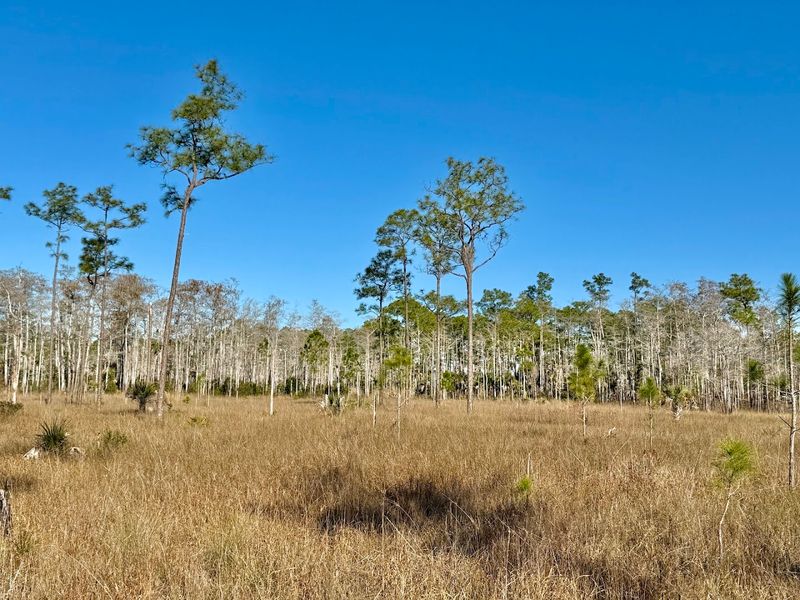
Somewhere between the Gulf Coast and the Everglades, Collier-Seminole State Park exists in a category all its own. Covering more than 7,000 acres, it sits within one of the largest mangrove swamp systems in the entire world.
That alone would make it remarkable, but what truly sets this park apart is how its overlapping ecosystems create a wildlife crossroads unlike almost anywhere else on Earth.
Freshwater marshes meet saltwater estuaries here, and the result is an environment where species that rarely share space end up living side by side. This ecological overlap is the reason so many different animals can thrive in one relatively compact area.
Think of it like a busy intersection — except instead of cars, you have panthers, crocodiles, and manatees passing through.
For nature lovers, that means every trail and waterway offers the potential for something unexpected. Birdwatchers, kayakers, hikers, and wildlife photographers all find something worth chasing here.
The park is located along the Tamiami Trail (US-41), making it surprisingly accessible for a place that feels so genuinely wild and remote.
One of the Only Places to See All Five Iconic Species
Most wildlife parks let you check off one or two species on a good day. Collier-Seminole plays by completely different rules.
This is one of the very few places in the United States where five of Florida’s most iconic animals — the Florida panther, black bear, manatee, American alligator, and American crocodile — all share the same general territory. That kind of biodiversity is almost unheard of.
The reason this works comes down to habitat variety. The park’s mix of pine flatwoods, cypress swamps, mangrove forests, and tidal rivers gives each species the specific environment it needs to survive.
Panthers need dense forest cover. Bears need forested uplands.
Manatees need warm, slow-moving water. Alligators and crocodiles each prefer slightly different salinity levels — and this park delivers both.
Spotting all five in one visit is genuinely rare, but the possibility alone makes every moment feel charged with excitement. Even experienced Florida naturalists consider this park a bucket-list destination.
Whether you see one species or all five, you will leave with a deeper appreciation for just how wild and alive South Florida really is.
The Elusive Florida Panther
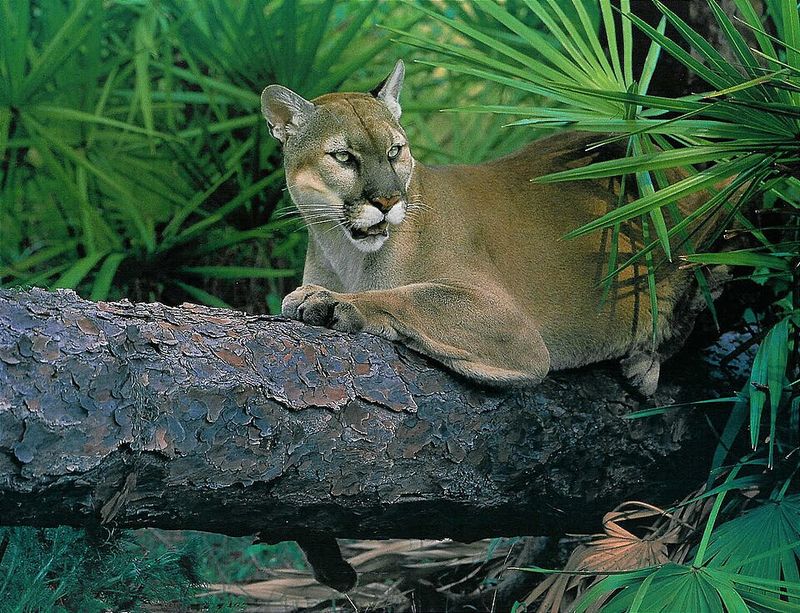
Fewer than 200 Florida panthers remain in the wild today, making every confirmed sighting a genuinely historic moment. These large, tawny cats are the last remaining puma population in the eastern United States, and Collier-Seminole sits right in the heart of their territory.
Spotting one is never guaranteed — but the chance is real here in a way it simply is not in most other Florida parks.
Panthers are most active at dawn and dusk, which is when they hunt deer, wild hogs, and smaller prey moving through the flatwoods and forest edges. During midday, they typically rest in dense vegetation, which is why most people never see them even when they are close by.
Trail cameras set up by wildlife researchers have confirmed regular panther activity throughout the park’s more remote sections.
If you want to maximize your chances, arrive at the park right when it opens in the early morning and walk the quieter trails slowly and quietly. Keep your eyes on the tree line and look for paw prints in soft soil near water.
Even if the panther stays hidden, finding its tracks leaves a lasting impression that is hard to shake.
Black Bears in the Subtropical Wild
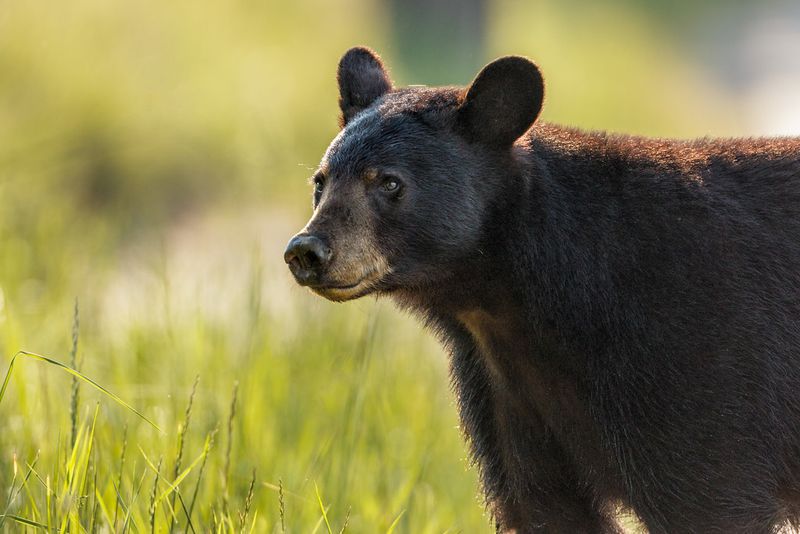
Most people picture black bears roaming mountain forests in states like North Carolina or Montana. Finding them in the middle of South Florida’s warm, humid flatwoods tends to catch visitors completely off guard.
Florida black bears are a distinct subspecies, and they are perfectly adapted to life in subtropical forests, cypress swamps, and scrublands — exactly the kind of terrain that makes up a large portion of Collier-Seminole State Park.
These bears are generally shy and prefer to avoid people, but they are also curious and opportunistic when food is involved. They feed on berries, insects, small animals, and whatever else the forest provides.
In the park, saw palmetto berries are a particular favorite during late summer and fall, which is when bear activity tends to spike noticeably.
Encountering a Florida black bear on a hiking trail is one of those experiences that feels almost surreal given the tropical surroundings. If you do cross paths with one, stay calm, make yourself appear large, and back away slowly without turning your back.
Never run. The bear almost certainly wants nothing to do with you — it is just looking for its next meal in the only home it has ever known.
Manatees Along the Waterways
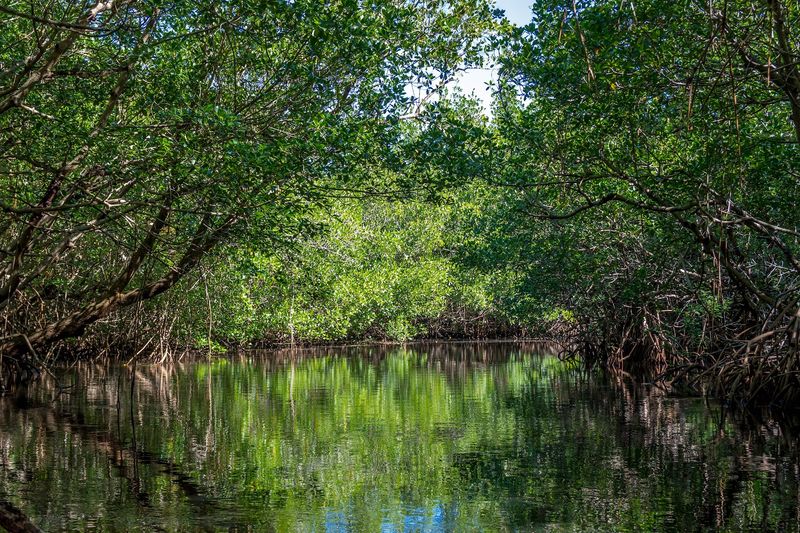
There is something almost meditative about watching a manatee drift through the water. These enormous, slow-moving creatures — sometimes called sea cows — seem completely unbothered by the world around them, and that calm energy is contagious.
Collier-Seminole’s rivers and estuaries, particularly those connecting to the Ten Thousand Islands area, offer some of the best inland manatee habitat in Southwest Florida.
Manatees are warm-water animals and tend to congregate in areas where water temperatures stay above 68 degrees Fahrenheit. The park’s brackish waterways, fed by both freshwater springs and tidal flows from the Gulf of Mexico, create ideal conditions.
Paddling a canoe or kayak through these channels during the cooler months of November through March gives you the highest probability of a close encounter.
Keep your paddle strokes slow and quiet when you spot one nearby. Manatees are curious and may approach your boat on their own, but it is illegal to touch or chase them under federal law.
Watching one surface for air just a few feet from your kayak — hearing that deep, wheezy exhale — is a moment that feels almost impossibly intimate with nature. Bring a waterproof camera, because you will absolutely want proof.
Alligators and Crocodiles Sharing Territory
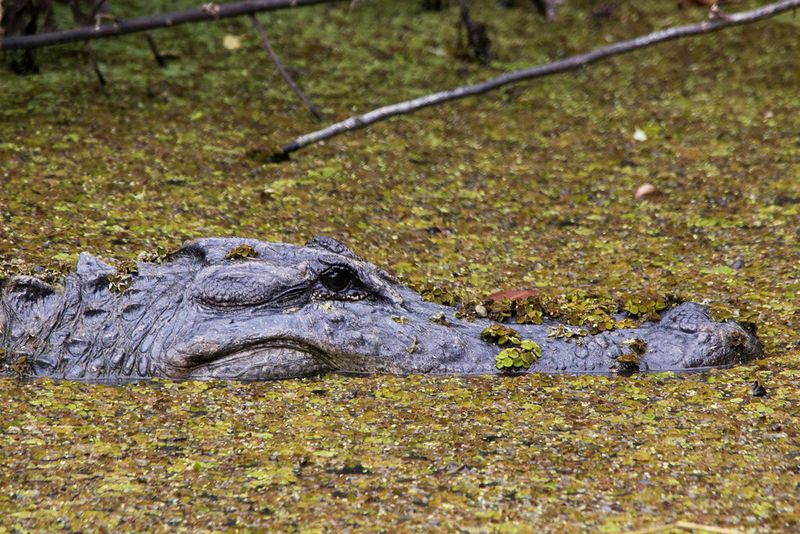
Here is a fact that surprises most people: the United States is one of the only countries in the world where alligators and crocodiles naturally coexist in the same ecosystem. And within that already small overlap zone, Collier-Seminole State Park stands out as one of the most reliable places to potentially encounter both species in a single outing.
That is a genuinely rare distinction.
American alligators prefer freshwater environments — ponds, slow rivers, and marshes. American crocodiles, by contrast, favor saltwater and brackish coastal habitats like mangrove estuaries and tidal flats.
Collier-Seminole has both, which is exactly why both species call it home. Crocodiles are significantly rarer than alligators and are considered a threatened species, so spotting one sunning on a bank near the park’s coastal areas is a special occasion worth celebrating.
Both animals are most visible during cooler parts of the day when they bask in sunlight to regulate their body temperature. Scan the muddy banks along waterways and the edges of open marshes carefully — both species are expert at blending in.
Always maintain a safe distance of at least 15 feet, and never feed either animal under any circumstances. Respect keeps both the wildlife and the visitors safe.
The Blackwater River Canoe Experience
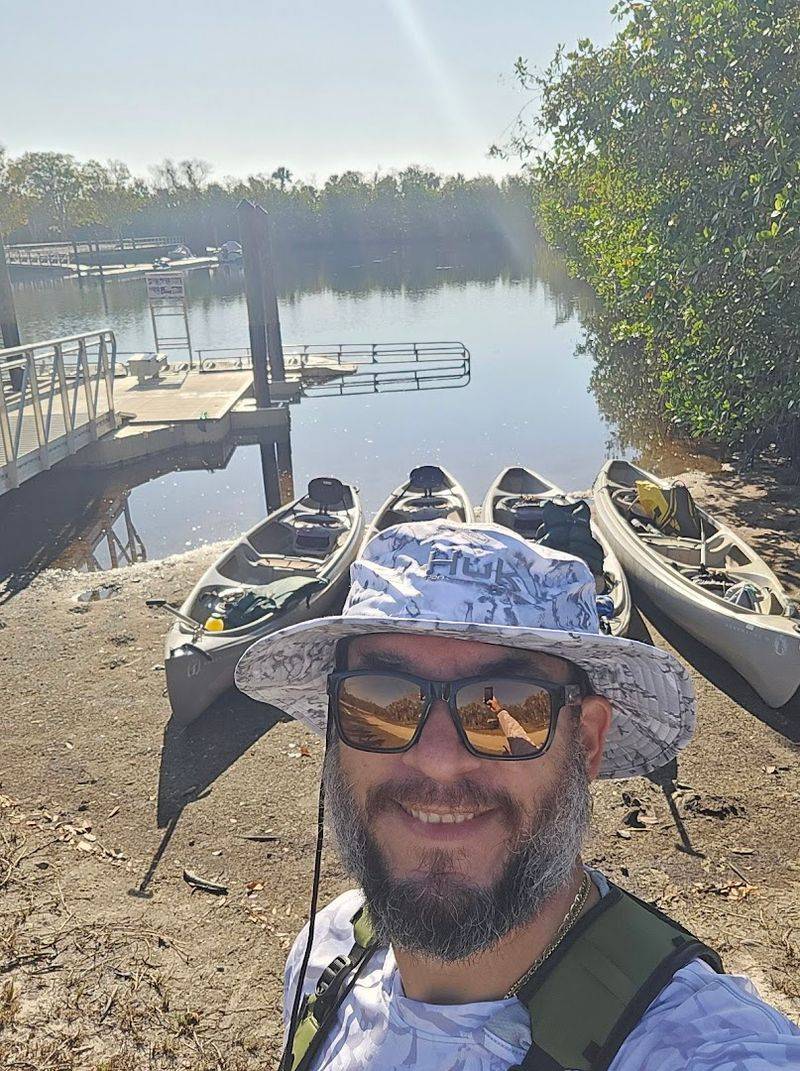
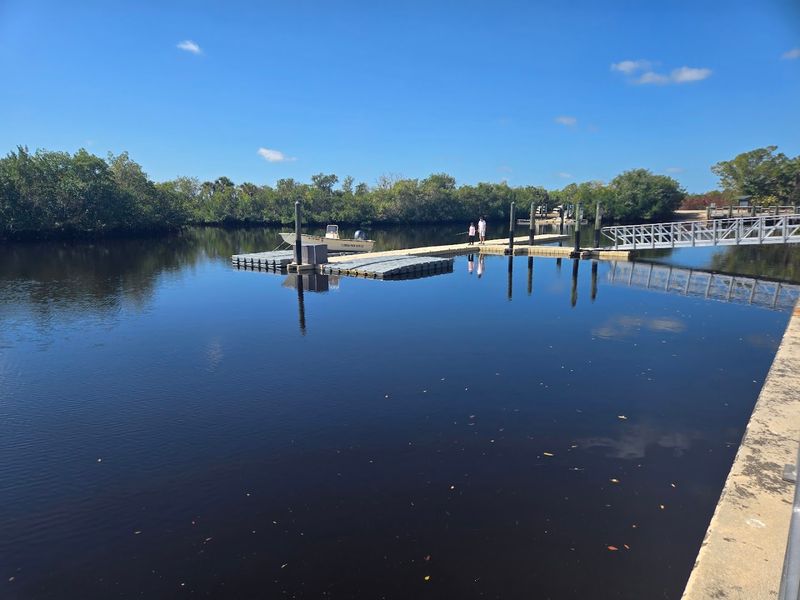
Paddling the Blackwater River canoe trail at Collier-Seminole is one of those experiences that stays with you long after you leave. The trail stretches more than 13 miles through a landscape that feels ancient and untouched — winding through narrow mangrove tunnels, opening into wide tidal flats, and threading between islands draped in twisted roots and hanging vegetation.
It is peaceful in a way that is hard to describe until you have felt it yourself.
The trail is typically completed as an overnight trip, with a primitive campsite available for paddlers about halfway through. Planning the route around the tides is essential, since paddling against a strong tidal current in a mangrove maze is exhausting and can turn a beautiful adventure into a frustrating ordeal.
Checking tide charts before launching is not optional — it is the difference between a smooth trip and a very long day.
Wildlife sightings along the water trail are frequent and varied. Roseate spoonbills, ospreys, great blue herons, and bottle-nosed dolphins are commonly spotted.
Manatees occasionally surface near the more open stretches. The park rents canoes on-site, so you do not need to bring your own gear to enjoy this unforgettable paddling experience deep in the Florida wilderness.
Trails Through Mangroves and Royal Palms
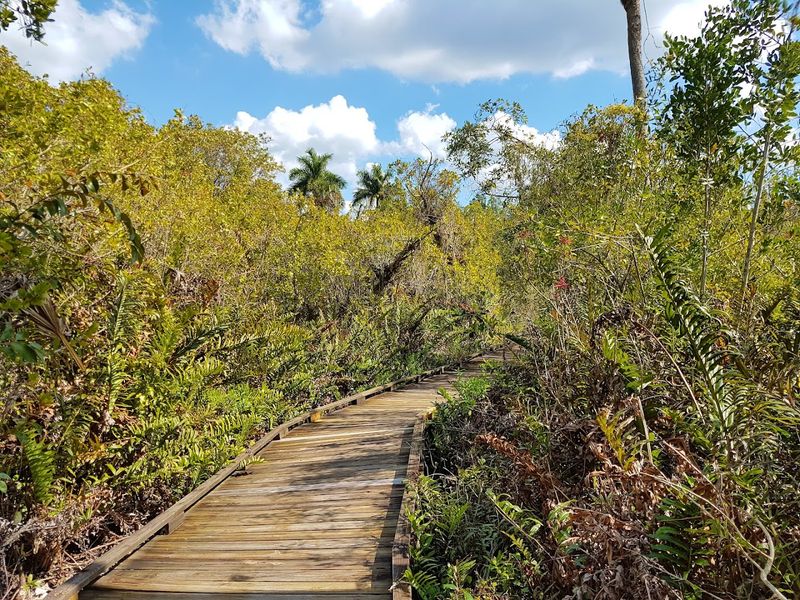
Walking through a royal palm hammock feels like stepping into a scene from a nature documentary. The trees are enormous — sometimes reaching 80 feet tall — with smooth silver-gray trunks that seem almost too perfect to be real.
Collier-Seminole protects one of the few remaining royal palm hammocks in the United States, and the hiking trails here pass directly through this rare and stunning habitat.
Beyond the royal palms, the park’s trail system winds through cypress swamps, salt marshes, and coastal prairie — a lineup of ecosystems that most hikers never get to experience in a single afternoon. The Marsh Trail is a paved, accessible loop that offers excellent birdwatching opportunities, while the more rugged hiking and biking paths push deeper into the park’s interior.
Bring waterproof footwear during the rainy season, because portions of the trails can flood after heavy rains.
The birdlife along these trails is exceptional year-round. Wood storks, snail kites, barred owls, and painted buntings have all been recorded in the park.
During winter months, migratory songbirds add even more variety to the mix. Bring binoculars, walk slowly, and pause often — the slower you move through this park, the more it reveals.
Patience is genuinely rewarded here.
A Historic Landmark Hidden in the Wild
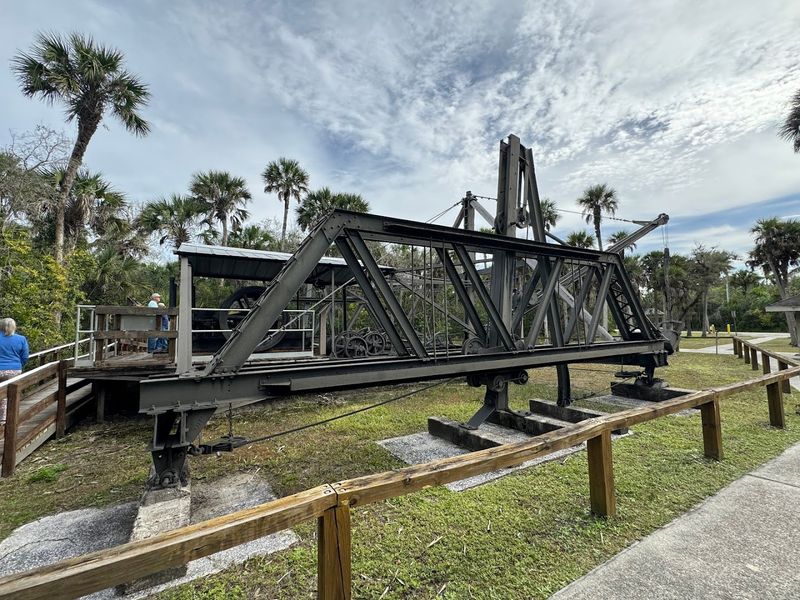
Not everything remarkable at Collier-Seminole is alive and moving. Parked near the park entrance sits one of the most unusual National Historic Mechanical Engineering Landmarks in the country — the Bay City Walking Dredge.
This massive, rust-colored machine looks like something out of a steampunk novel, and its story is deeply tied to the transformation of South Florida in the early 20th century.
Built in the 1920s, the walking dredge was used to carve the Tamiami Trail through the Everglades — a 264-mile highway connecting Tampa and Miami that was considered an engineering marvel of its time. The machine moved on enormous metal feet rather than wheels, allowing it to crawl across the soft, unstable ground of the swamp without sinking.
That design was genuinely revolutionary for its era.
Standing next to the dredge today, it is hard not to feel a mix of awe and complicated emotion. The Tamiami Trail dramatically changed the hydrology of the Everglades and displaced Miccosukee and Seminole communities who had lived in the region for generations.
The landmark serves as both a celebration of human ingenuity and a reminder of the real costs that came with it. History here is layered and worth sitting with.
Best Times to Visit and Wildlife Tips
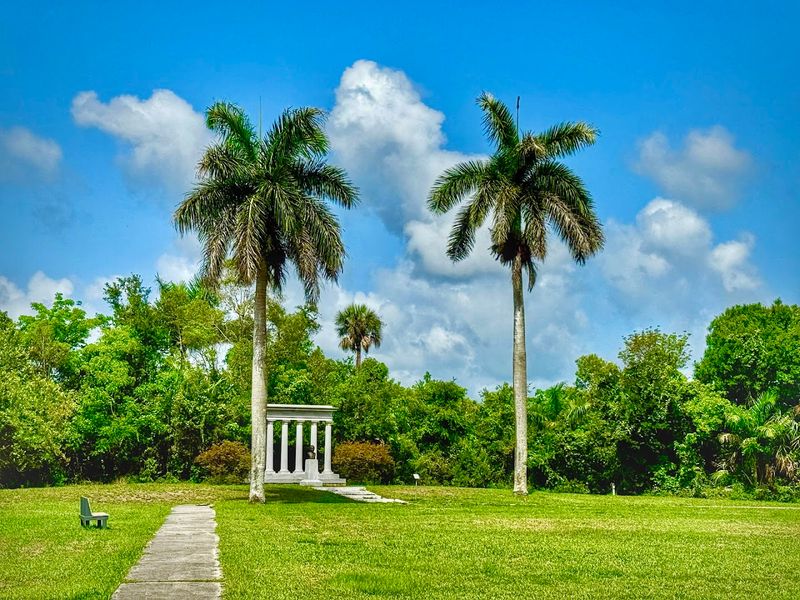
Timing your visit to Collier-Seminole can make an enormous difference in what you experience. The dry season, running from November through April, is widely considered the best time to visit.
Cooler temperatures, lower humidity, and reduced mosquito activity make exploring the trails and waterways far more comfortable. Wildlife also tends to concentrate around remaining water sources during the dry months, making sightings more predictable.
Early morning is the golden window for wildlife watching. Panthers, bears, and most other mammals are most active in the hour after sunrise.
Wading birds gather along shallow water edges as the morning light warms the surface. Arriving at park opening — typically 8 a.m. — puts you in position to catch the park at its most alive.
Late afternoon, in the hour before sunset, offers a second productive window as temperatures drop and animals begin moving again.
Pack smart before heading out. Bug spray is absolutely essential from May through October when mosquitoes can be overwhelming.
Bring plenty of water, wear lightweight long sleeves for sun and insect protection, and carry a trail map since cell service is unreliable inside the park. Most importantly, move slowly and stay quiet on the trails.
Wild animals do not perform on cue — but they reward patient, respectful visitors more often than you might expect.