

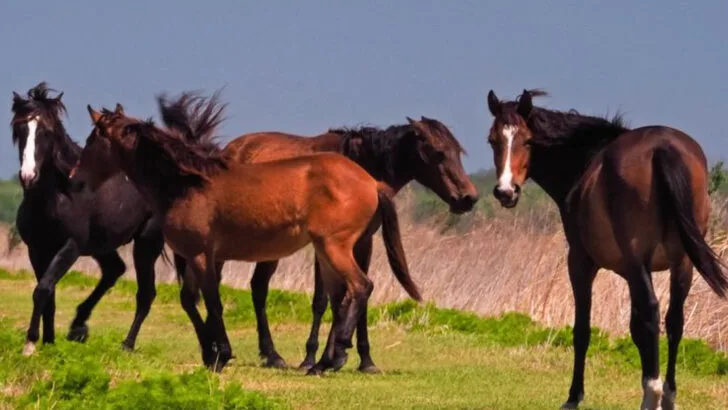
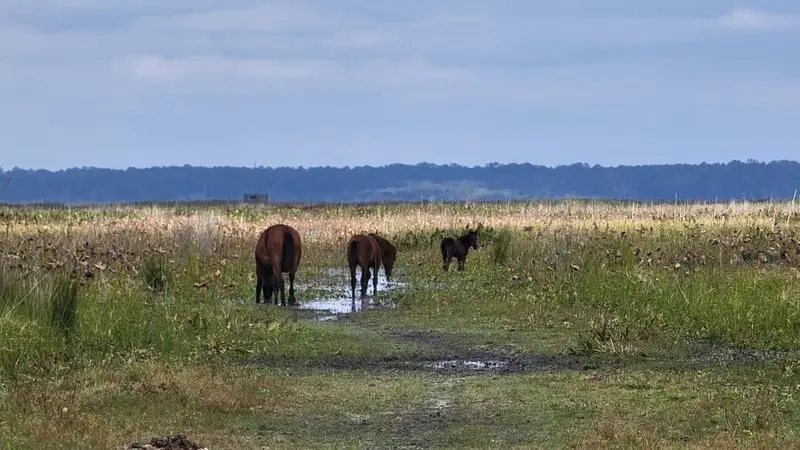
Wild horses still roam freely in Florida.
At Paynes Prairie Preserve State Park, the air vibrates with the whispers of hooves on open grasslands, and every turn on the trail feels like stepping back in time.
This isn’t a zoo. These horses choose where to graze, where to rest, and when to roam. From their flowing manes to powerful strides, they embody freedom in its rawest form.
Trails like Cone’s Dike and Bolen Bluff weave through wetlands, prairie, and observation points where bison, birds, and alligators share the view.
Morning light casts magic over the prairie, afternoons glow golden, and every visit offers a new encounter with wildlife that refuses to be tamed.
A rare wild horse habitat in Florida
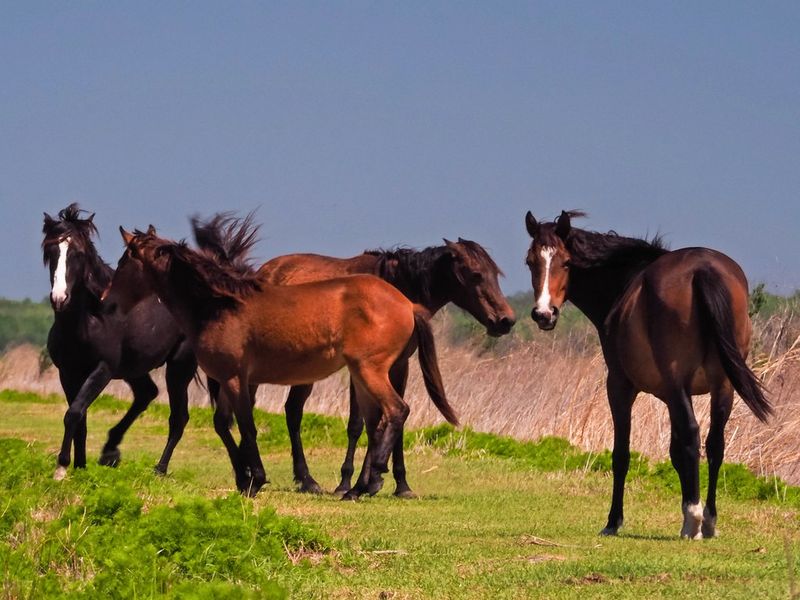
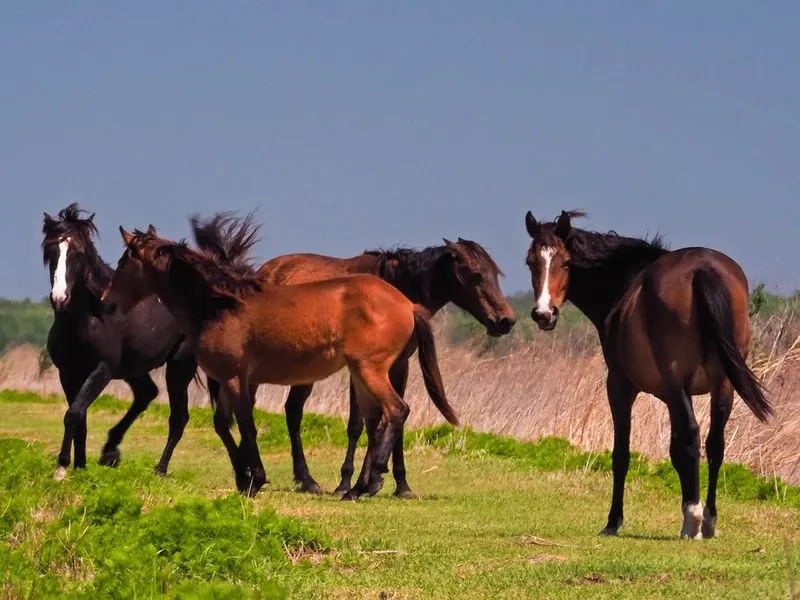
Paynes Prairie is one of the few places in Florida where wild horses still roam freely, creating a living window into the state’s heritage. These horses move across open grasslands and wetlands, often appearing like silhouettes in the morning haze.
When you step onto the prairie, you are walking into a landscape shaped by time, water, and wind.
The address is 100 Savannah Blvd, Micanopy, FL 32667, a short drive south of Gainesville. From the visitor center, the views stretch across bright marsh and patchwork prairie, with birds wheeling overhead.
It feels wild, yet welcoming, with well-marked trails guiding you into the heart of the ecosystem.
Seeing horses here is never guaranteed, but that unpredictability makes each sighting magical. Keep a respectful distance and let the moment unfold naturally.
If you stay patient, you might witness a small band lifting their heads, ears flicking, then trotting off through shimmering grass.
The setting: Paynes Prairie Preserve State Park
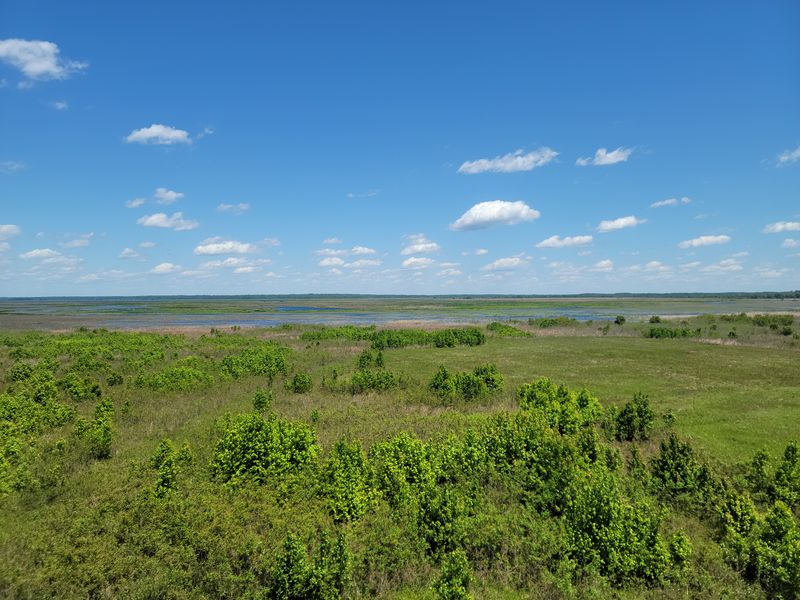
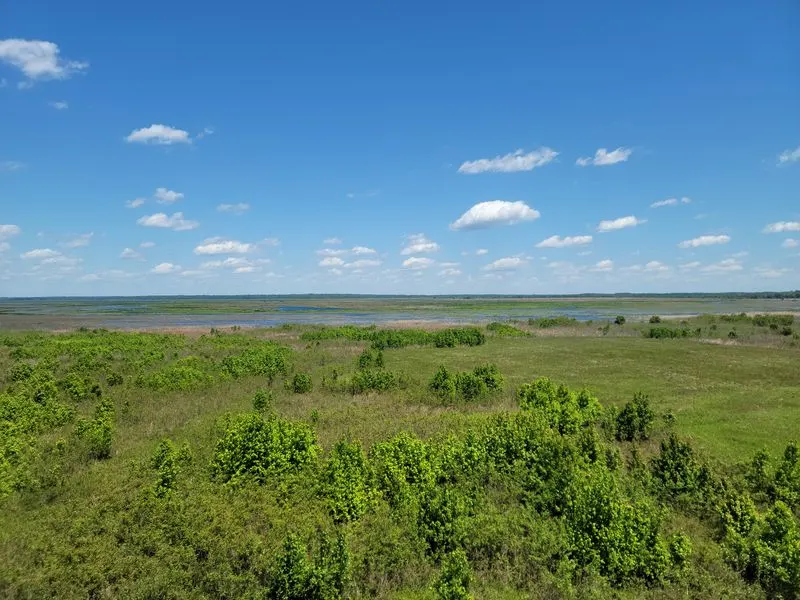
South of Gainesville, Paynes Prairie spreads like a living mosaic of prairie, marsh, and hammock. Wind brushes the savanna grasses while herons and egrets patrol the shallows.
The sense of scale is immediate, a big-sky Florida rarely seen from highways or beaches.
Here, elevation shifts subtly, and water drives everything. Seasonal flooding paints different moods, drawing bison to graze and alligators to bask near reeds.
Trails thread through these zones, offering glimpses of wild horses moving across the horizon, their presence quiet and commanding.
Stand still and listen. Insects buzz, tree frogs trill, and sandhill cranes trumpet across the flats.
You feel the park’s biodiversity, not as a list, but as a chorus that changes with light and season.
Trail overview and how to explore
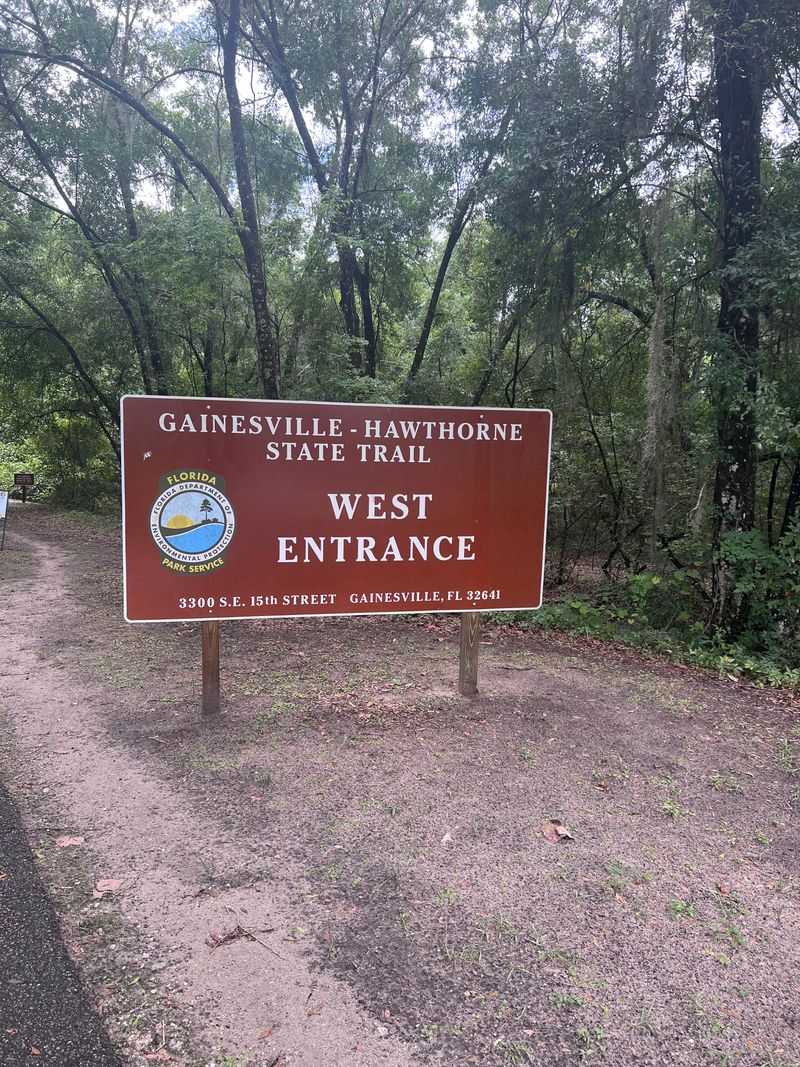
The park’s trail network makes it easy to explore different habitats without feeling rushed. Short boardwalks carry you over wetland edges, while longer loops dive into hammocks and out across prairie.
You can pick a quick stroll or commit to multi-mile adventures depending on time and weather.
Trailheads are clearly marked from the visitor center and satellite parking areas. Maps highlight lengths, surfaces, and seasonal closures, which matter after heavy rain.
Cell service is patchy in spots, so download offline maps or snap photos of posted boards.
Expect sand underfoot, occasional mud, and sun exposure on open stretches. Pack water, hat, sunscreen, and a lightweight rain shell.
Move quietly and you increase your chances of spotting horses, deer, or a bobbing limpkin along the marsh.
Wild horses of Paynes Prairie
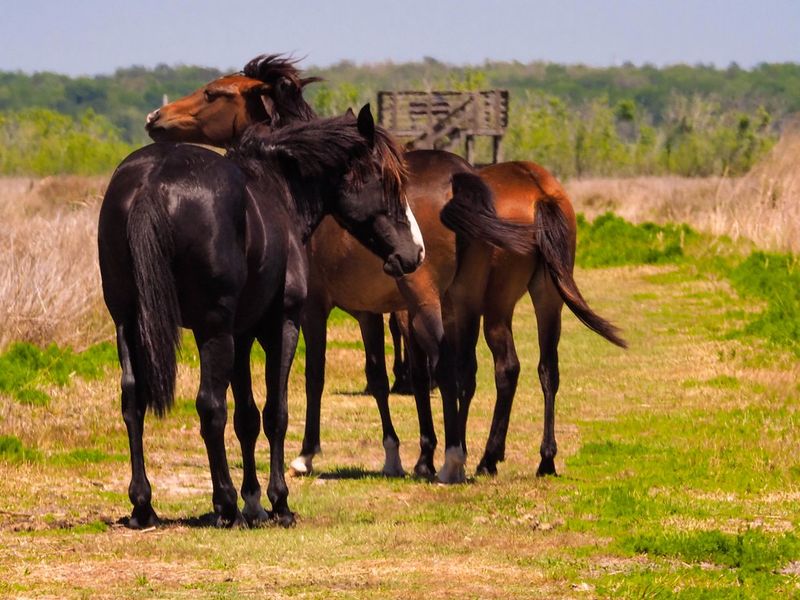
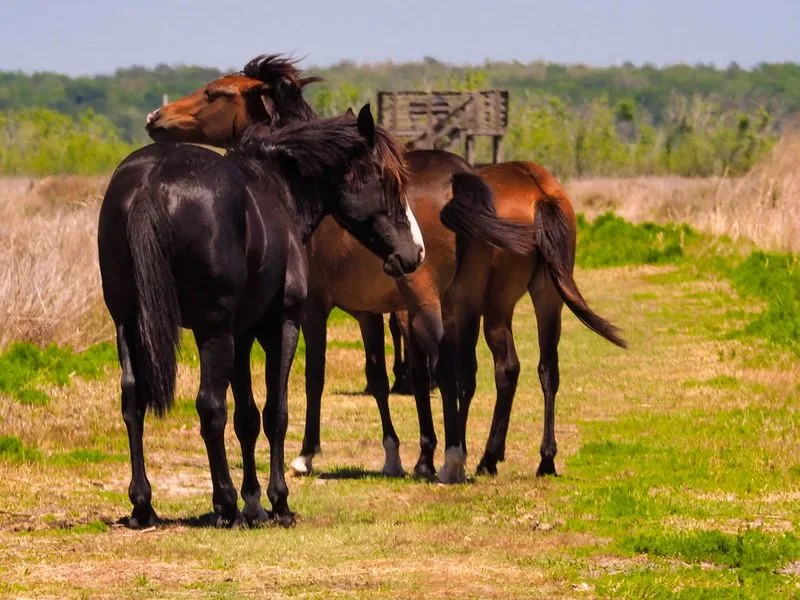
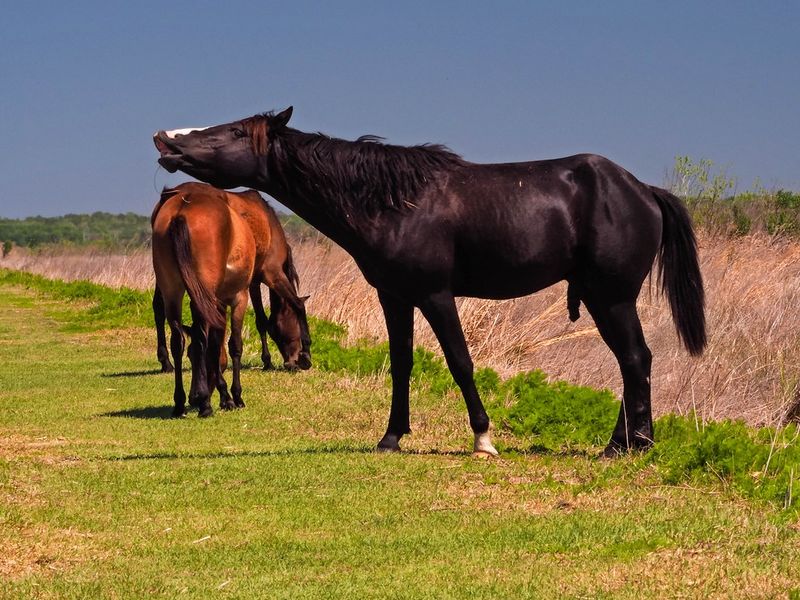
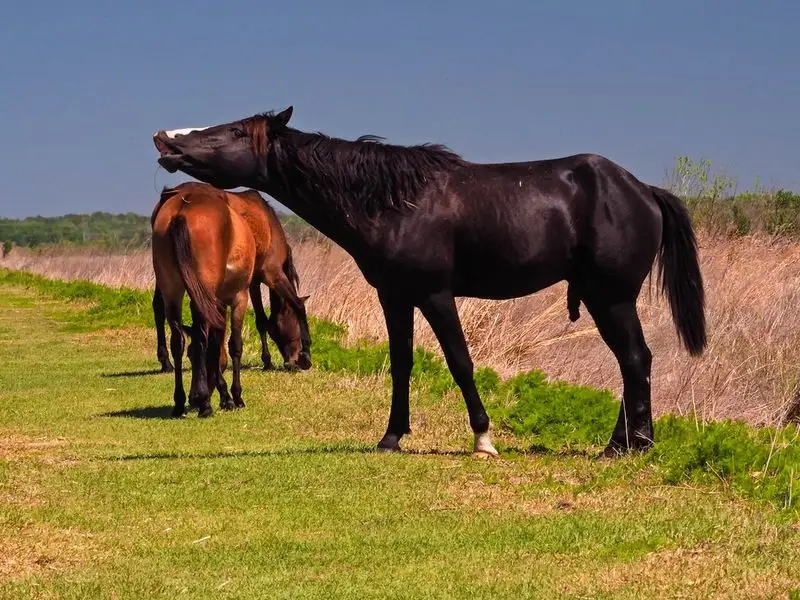
The horses here are descendants of Spanish Colonial stock, resilient and self-sufficient. They graze on native grasses and move with the water, shifting patterns through the seasons.
Watching them feels like stepping into a chapter of Florida’s earliest history.
Unlike domestic horses, they do not seek people. They read the wind, listen for birds, and keep distance.
If they pause to look, it is curiosity, not invitation. Your job is to observe quietly and let them be themselves.
Some days you might see a small band, other days only hoofprints stitched across damp soil. That is part of the allure.
Each encounter honors a lineage that survived storms, fire, and time on this prairie.
Cone’s Dike Trail
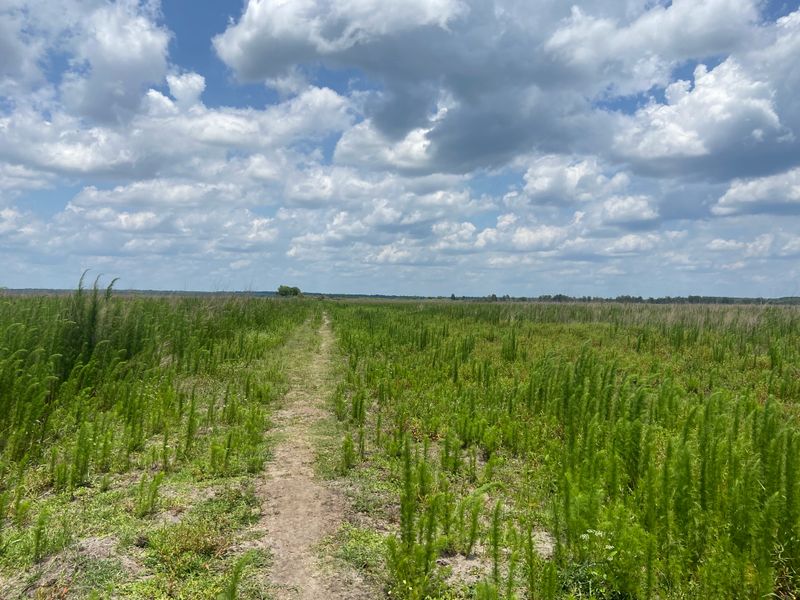
Cone’s Dike pushes straight into the prairie, an open route where sky and grass meet forever. It is the classic walk for horse sightings because visibility is wide and uninterrupted.
You feel exposed to wind and weather, so plan for sun and shifting gusts.
Footing is mostly firm, with occasional muddy spots after rain. Bring binoculars or a long lens for distant herds.
Patience rewards attentive eyes, especially near water edges where horses graze and drink.
Go early for cooler temps and softer light, or late afternoon for dramatic skies and silhouettes. Keep to the dike and yield space if wildlife approaches.
The trail’s simplicity is its power, leading you straight into the heart of the prairie.
Bolen Bluff Trail
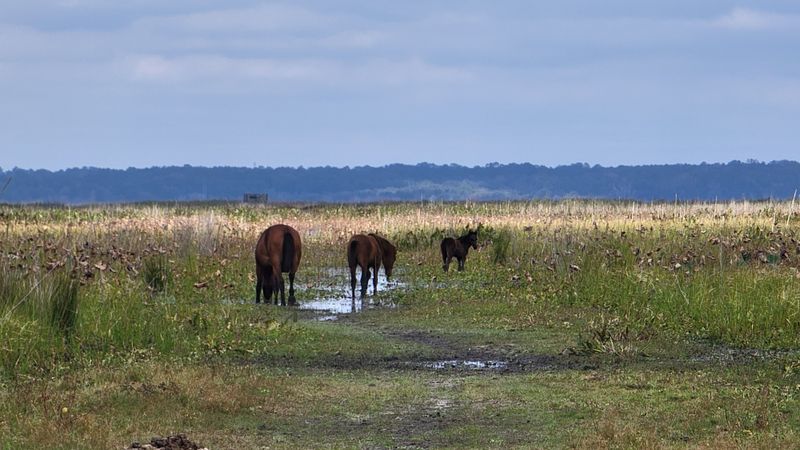
Bolen Bluff offers a graceful transition from cool hammock to open vistas. The path winds beneath live oaks, then steps you onto a bluff that overlooks the prairie’s breadth.
It is a favorite for scanning with binoculars, especially on breezy afternoons when horses graze.
The elevation feels subtle but meaningful, giving you perspective over grass waves and wet glints. Birds cross the view plane, and the horizon stretches clean.
If the prairie is flooded, the bluff still works beautifully for wildlife watching.
Foot traffic can be light on weekdays, adding to the serenity. Move quietly and settle in for a while.
Horses may emerge like slow-moving shadows, then brighten as sun breaks through clouds.
Wacahoota Trail and observation tower
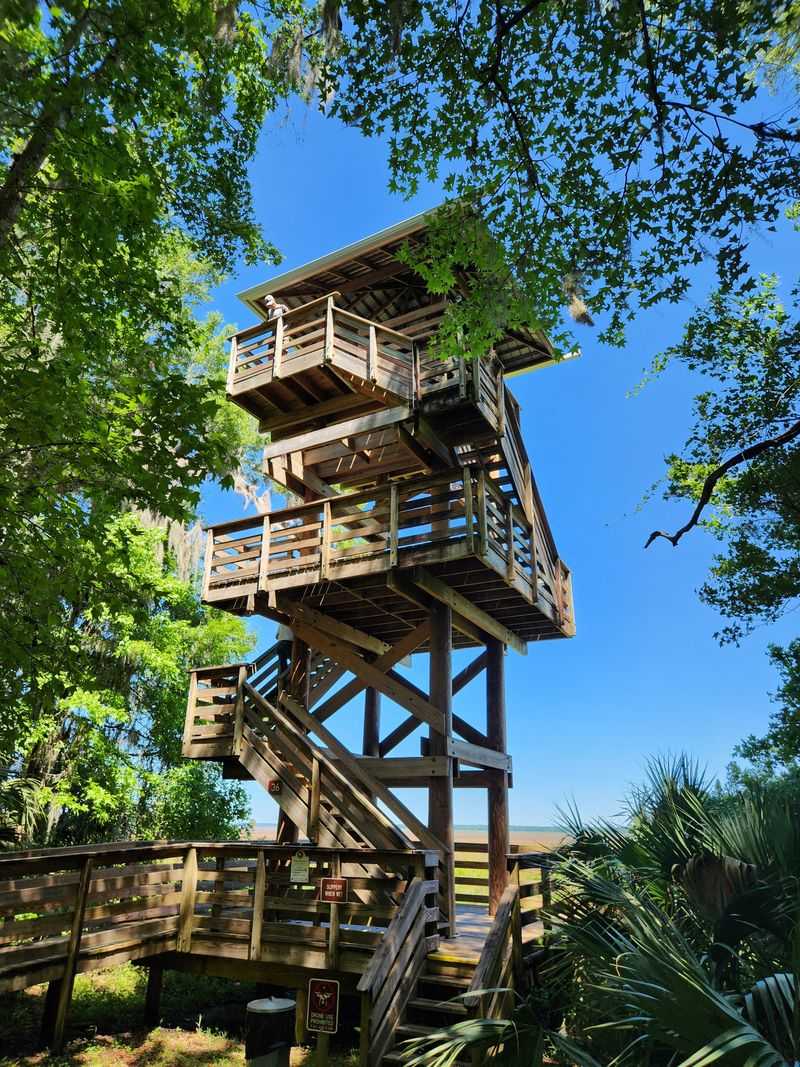
The Wacahoota Trail brings you to an observation tower that feels like a front row seat to the prairie. Climb for a sweeping panorama, then scan the edges where movement betrays grazing horses.
The tower elevates you above reeds and allows safer, clearer viewing.
Morning and late day light carve textures into the grass. You might also see bison, deer, and wheeling raptors.
With patience, patterns emerge, and you can follow the subtle drift of a band across open flats.
Even if horses stay hidden, the tower rewards you with birdsong and big-sky drama. Bring a tripod if you are photographing.
It is a spot that turns minutes into hours without you noticing.
When to visit for the best wildlife views
Wildlife activity spikes in the cooler parts of the day. Early morning brings mist, long shadows, and relaxed grazing.
Late afternoon lights the prairie with warm tones and often a second burst of movement.
Fall through spring is generally best for comfort and visibility. Heat and storms can dominate summer, and insects can be intense.
Check the forecast, dress in breathable layers, and carry water no matter the season.
Arrive a little before sunrise or plan to linger near sunset. Give your senses time to adjust.
Horses are out there, and with patience you will start to notice their quiet rhythm on the landscape.
Safety and trail etiquette around wild horses
Wild horses are not tame, and distance is your friend. Use binoculars rather than walking closer.
Never feed, touch, or crowd them, and keep pets leashed for everyone’s safety.
Stay on marked trails and observe posted closures, especially during high water. Yield space if animals move toward you.
Step aside calmly and let them pass, keeping your body language quiet and nonthreatening.
Pack out trash, speak softly, and share the path with other hikers. Respect protects both wildlife and your experience.
The goal is to leave the prairie as you found it, except with more awe than when you arrived.
More than horses: bison, birds, and scenery
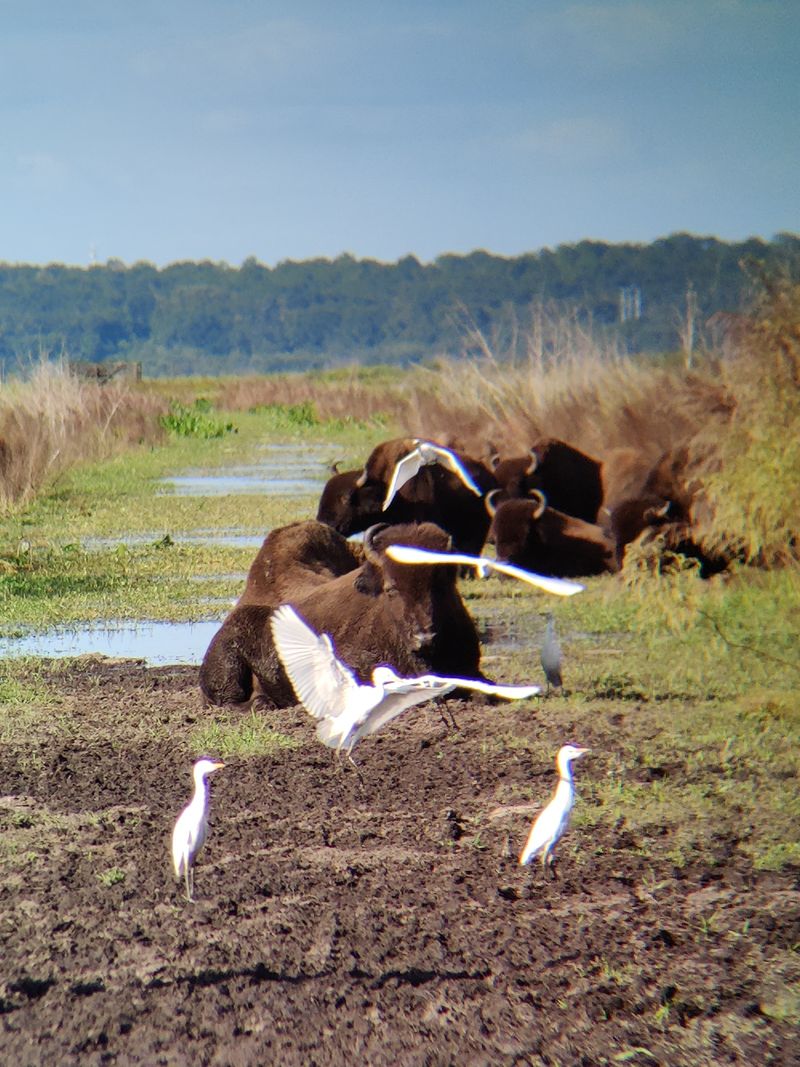
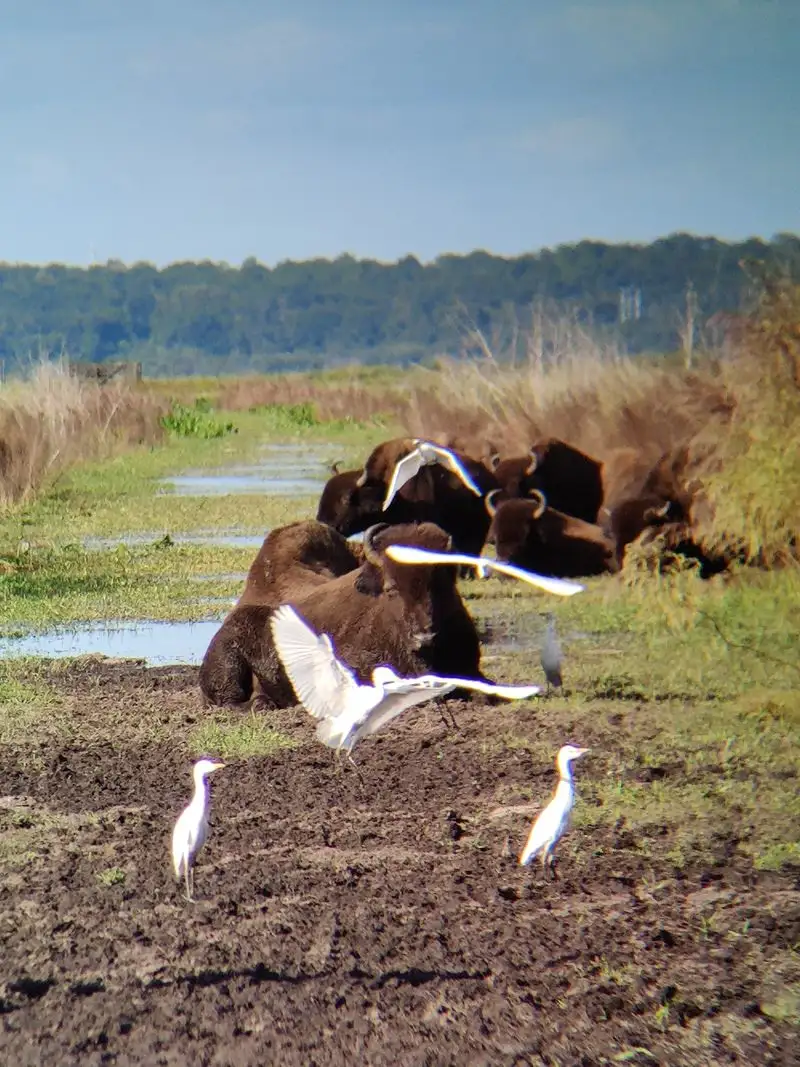
Even if horses stay hidden, the prairie is never quiet. Bison graze in the distance, heavy and deliberate.
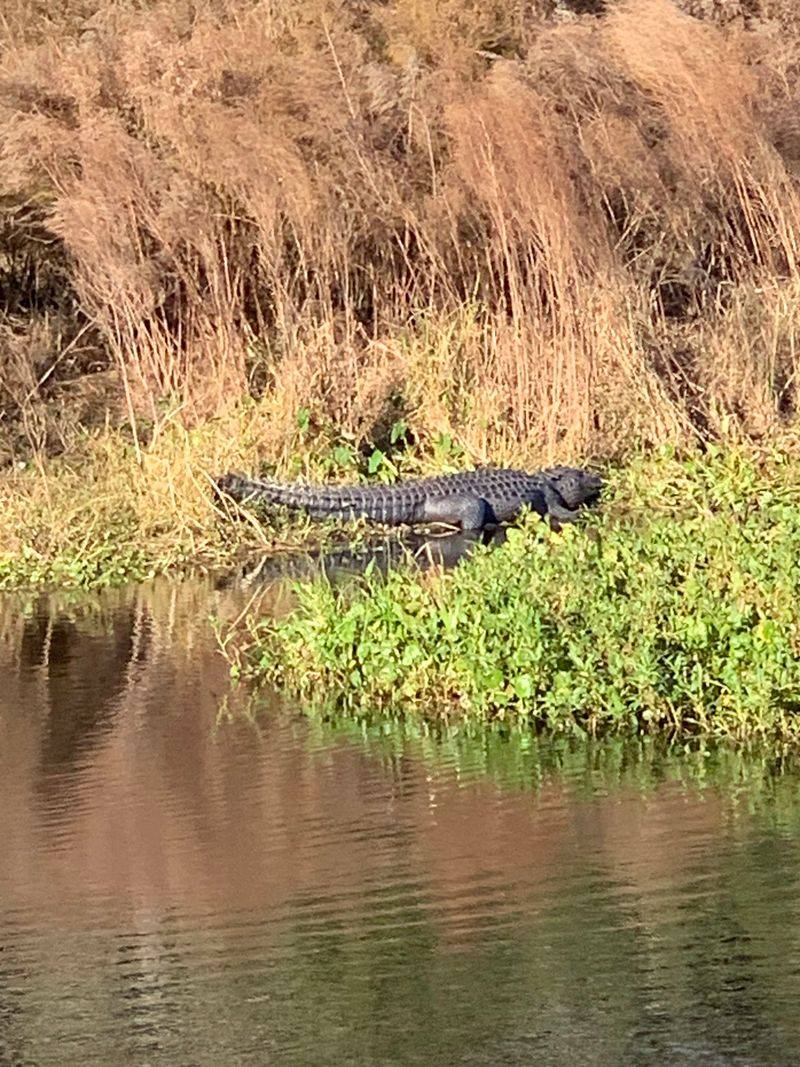
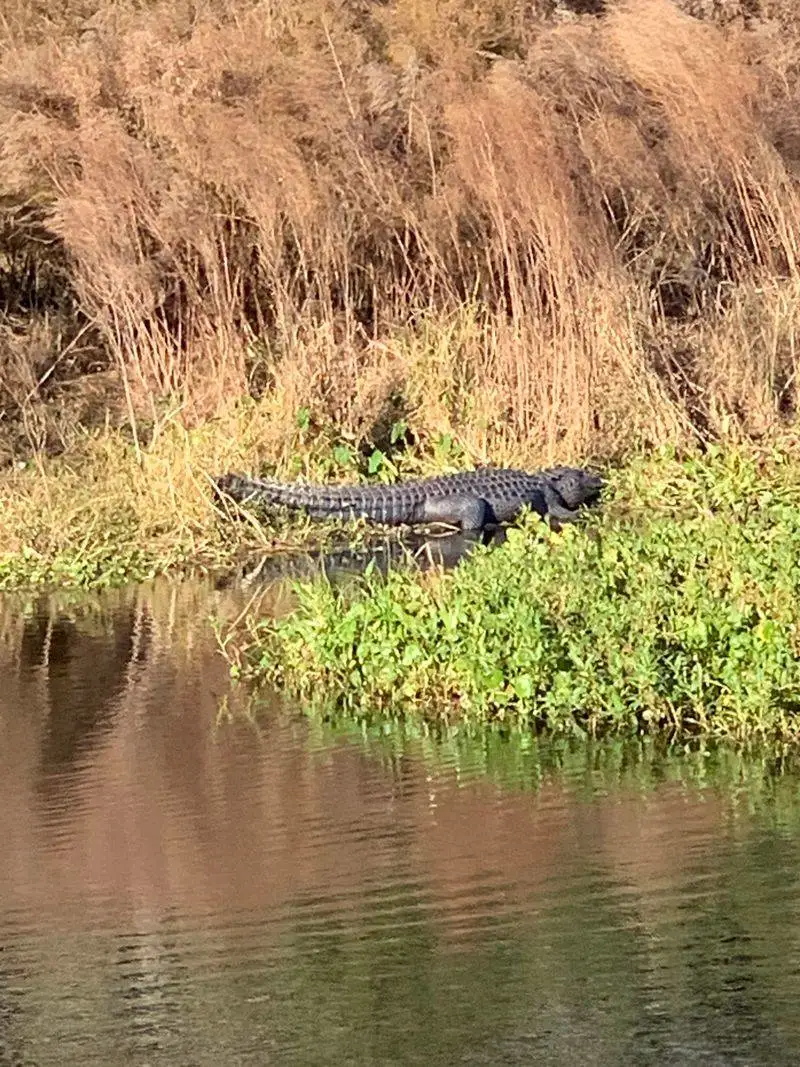
Alligators sun on banks while waders pick their way through shallows.
Look up for swallow-tailed kites, ospreys, and seasonal clouds of migratory birds. In hammocks, woodpeckers tap and warblers flit through dappled shade.
Each habitat offers its own cast, stitched together by water and wind.
Scenery swings from mirror-still wetlands to grass seas ruffled by storms. Capturing it with a camera is tempting, but just standing still may be better.
Let the place sink in, one breath and birdsong at a time.
Visitor tips: planning, logistics, and closures
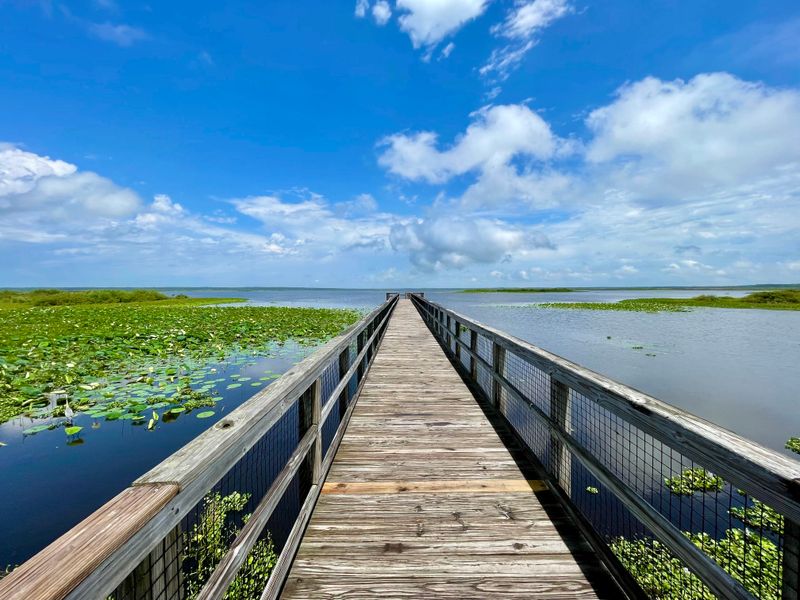
Start at the visitor center for maps, updates, and parking. Confirm trail lengths, sunset closure times, and any high water advisories.
Cell coverage can fade, so take photos of the boards or download offline maps.
Bring water, sun protection, and sturdy shoes suited for sand and occasional mud. A lightweight rain shell and insect repellent help in summer.
Binoculars transform distant shapes into stories, especially across the prairie’s wide openness.
Plan extra time for slow wildlife watching rather than rushing a checklist. Respect gates and posted closures.
The prairie runs on nature’s schedule, and that rhythm rewards patience with unforgettable moments.