
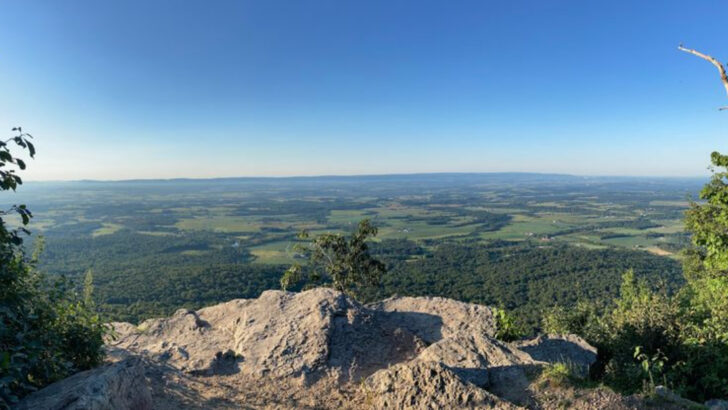
Some trails reward you the moment your boots hit dirt, and Flat Rock Trailhead in Pennsylvania is one of them. The climb feels honest, the rocks keep you present, and the overlook silences small talk in the best way.
Plan well and you will trade stress for sweeping Cumberland Valley views. Keep reading for real-world tips that make the payoff feel even sweeter.
Finding the Trailhead and Parking
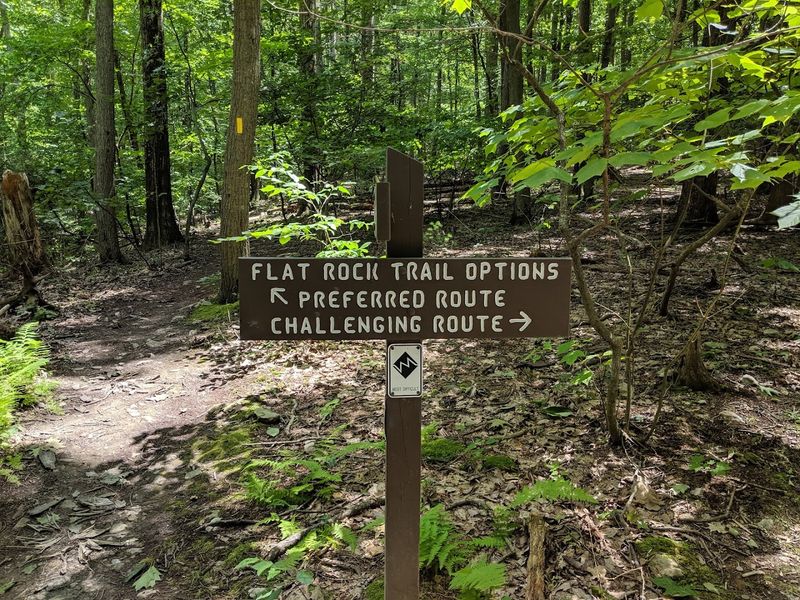
Start your visit by aiming for the small parking area at Flat Rock Trailhead in Newville, just minutes from Col Denning State Park. Free spots fill on bluebird weekends, so arrive early or late afternoon for easier turnover.
Bathrooms, a pavilion, and a playground sit nearby, making pre-hike prep simple and family friendly.
Two signed paths branch from the kiosk. The Preferred Trail winds steadily with switchbacks and gentler grades, a smart choice if knees complain on steep descents.
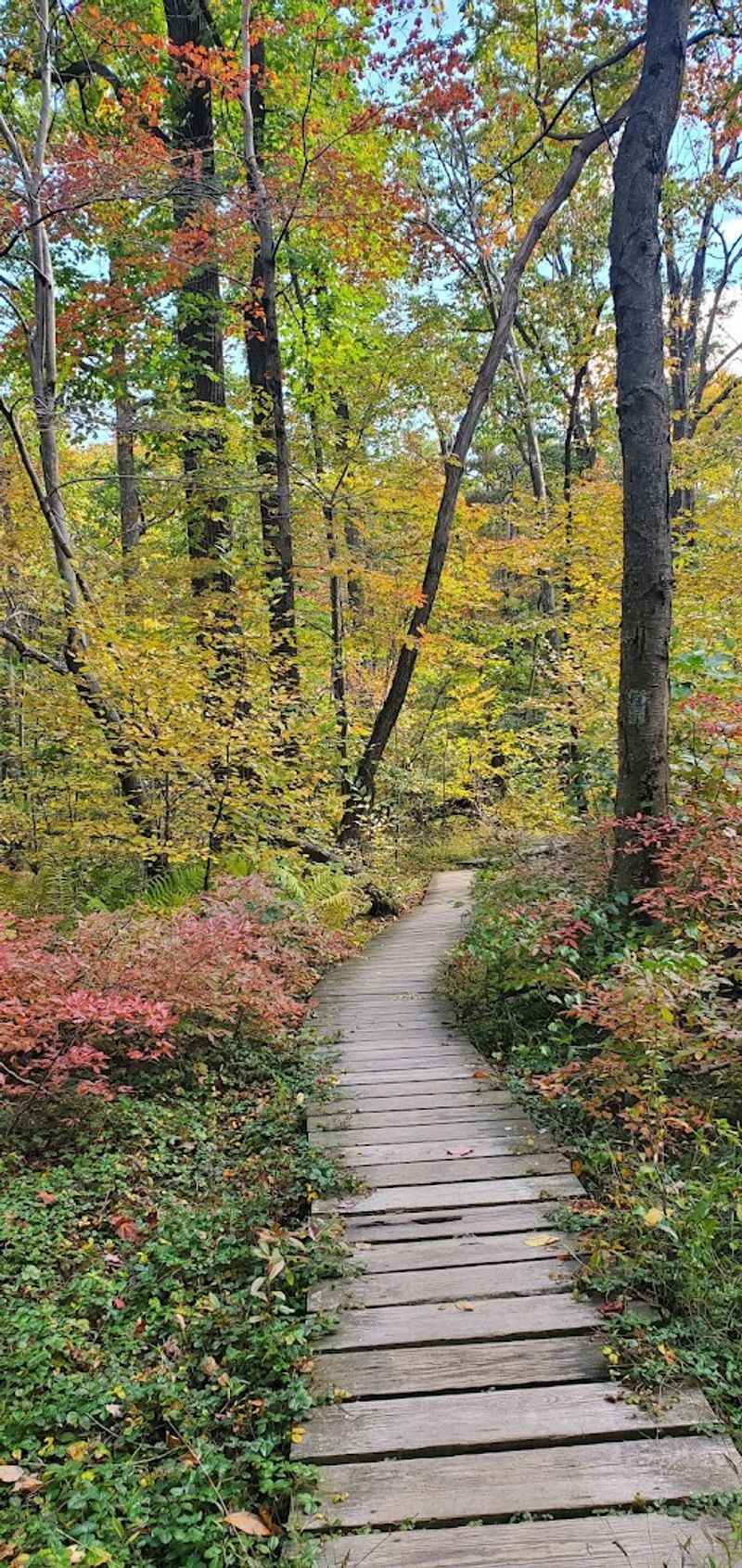
The Challenging Trail points straight up rocky ridges, rewarding steady pacing and trekking poles, then links to a wooden walkway near the ridge before the final push.
Plan a simple shuttle only if someone in your group wants to linger at the overlook. Otherwise, an out and back keeps logistics effortless and lets you savor changes in light on the return.
Before locking the car, snap a photo of the map board and set a turnaround time based on daylight.
Cell coverage can be spotty in the hollow, but messages usually send from higher switchbacks. Leave a note on the dashboard with route and return time.
A quick gear check here saves headaches later and keeps everyone focused on the payoff waiting above.
Choosing the Right Route: Preferred vs Challenging
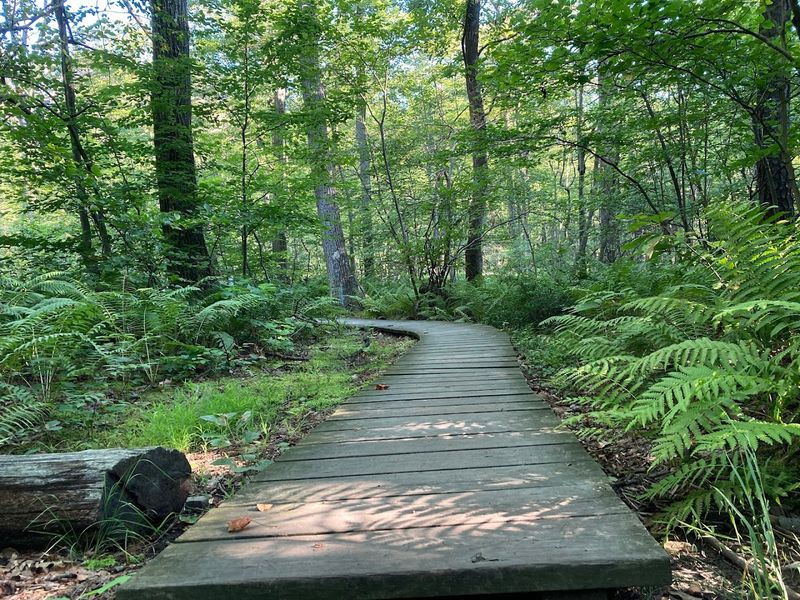
Trail signs do a good job of pointing you toward your comfort zone. If you prefer a steady climb with kinder grades, the Preferred Trail flows like a conversation and saves your calves for the rocky upper half.
When time is tight, its switchbacks help you hold a sustainable pace.
Feeling strong or training for bigger peaks, choose the Challenging route. It points uphill sooner, threads stony ledges, and reminds you to keep eyes on your next foot placement.
Trekking poles help you float through baby-head rocks and keep momentum without burning your quads too early.
A smart plan is up the Challenging and down the Preferred to spare knees while still tasting the ridge grit. Build a time buffer for the false summit and that short descent to the wooden walkway before the final pitch.
Your watch might say you are close, but the terrain asks for patience.
Whichever line you pick, stick to blazes and pause where runoff has polished slabs. Brief resets prevent slips and keep group morale high.
You will arrive at the overlook more relaxed, ready to enjoy the quiet that makes Flat Rock memorable.
Timing Your Daylight and Pace
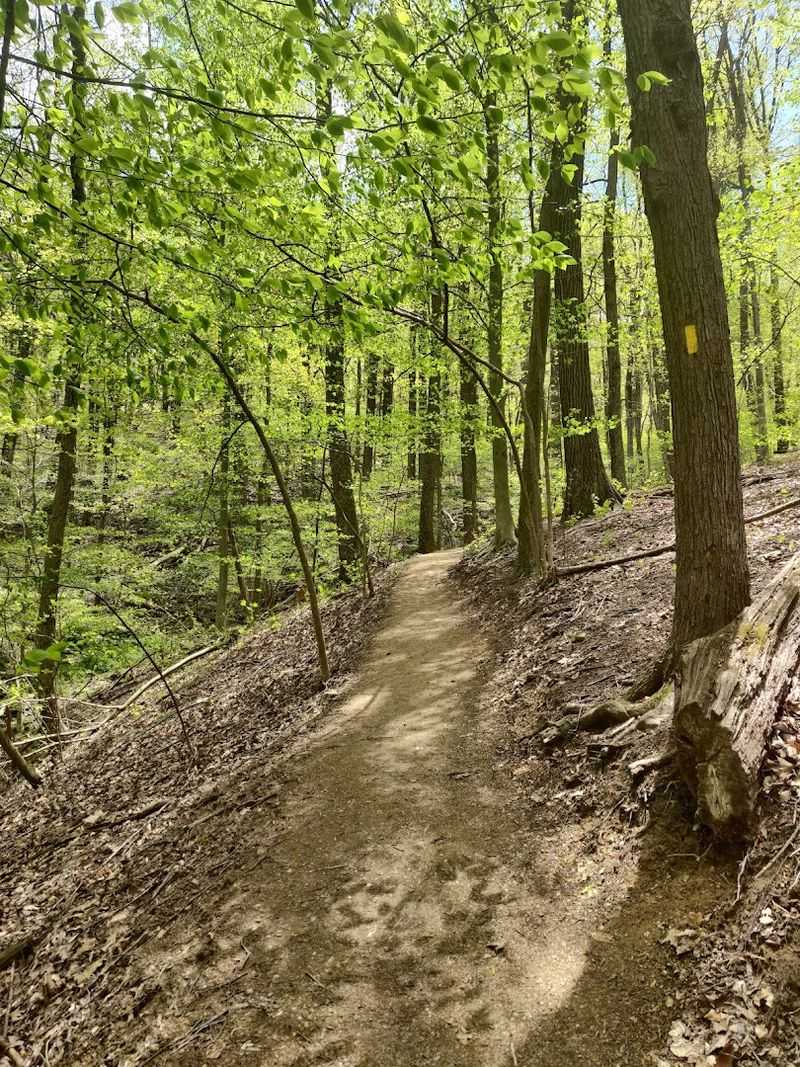
Sunrise and late afternoon both shine here, but each asks different planning. Morning light pools in the valley and keeps temps pleasant during the climb.
Evening trips deliver gold tones on the farms below, yet require a strict turnaround so you are not picking through rocks in darkness.
Budget two to three hours round trip for a casual pace with photo stops, more if hiking with kids or carrying lunch. Strong hikers can clock around two hours, though rushing dulls the experience.
Your goal is an even tempo that keeps conversation flowing and sweat manageable.
False summits can trick expectations, so anchor your timing to elapsed minutes, not just landmarks. When you hit the wooden walkway, sip water, check daylight, and confirm you have energy for the final steeps.
If shadows lengthen fast, enjoy a viewpoint short of the top and return safely.
Bring a headlamp even at noon. Batteries weigh almost nothing and guarantee confidence if clouds stack or curiosity stretches your schedule.
The best overlook moments happen when you feel unhurried, so let time cushion every decision on the ridge.
Footwear and Traction That Work Here
Rocky miles punish sloppy footwear, so bring shoes with real bite. Trail runners with firm midsoles or light hikers with sticky rubber make the ridge feel friendly.
Soft road shoes fold over sharp edges and leave feet sore before the overlook ever appears.
Ankles appreciate a snug heel and laces you can micro-adjust at rest stops. If rain visited recently, add light gaiters to block grit and wet leaves.
Trekking poles earn their place on the steeps, spreading load and catching tiny slips before they grow.
Sock choice matters more than people admit. Choose wool blends that drain sweat, resist blisters, and cushion the ball of your foot when descending the Preferred Trail.
Toss in a spare pair for the ride home, because nothing beats dry feet after a rocky grind.
Before stepping out, test your traction on the pavilion sidewalk and a nearby rock. If rubber skates on smooth patches, rethink the plan or slow your pace.
Good grip turns attention outward, letting you watch hawks surf thermals above the Cumberland Valley while your feet stay confident.
Water, Snacks, and Energy Management
Steady climbing plus rocky footing burns calories faster than you think. A liter per person often disappears before the ridge, and warm days demand more.
Electrolyte tabs help you drink consistently and stave off calf cramps on the final push to the overlook.
Simple snacks win here. Think peanut butter wraps, a salty handful of nuts, or an apple that wakes you up before the last set of switchbacks.
Pack something you actually crave so you do not ration bites and then bonk on the way down.
Set snack alarms by landmarks. Sip at the wooden walkway, chew at the next big blaze, and celebrate with a small treat the moment the valley opens beneath you.
That rhythm keeps moods bright and decisions clear if clouds roll in.
Do not forget a small trash bag for peels and wrappers. Carry everything out so the shelter area and ledges stay clean for the next hiker.
You will leave feeling better, and the trail will look like you were never there.
Weather, Seasons, and Trail Conditions
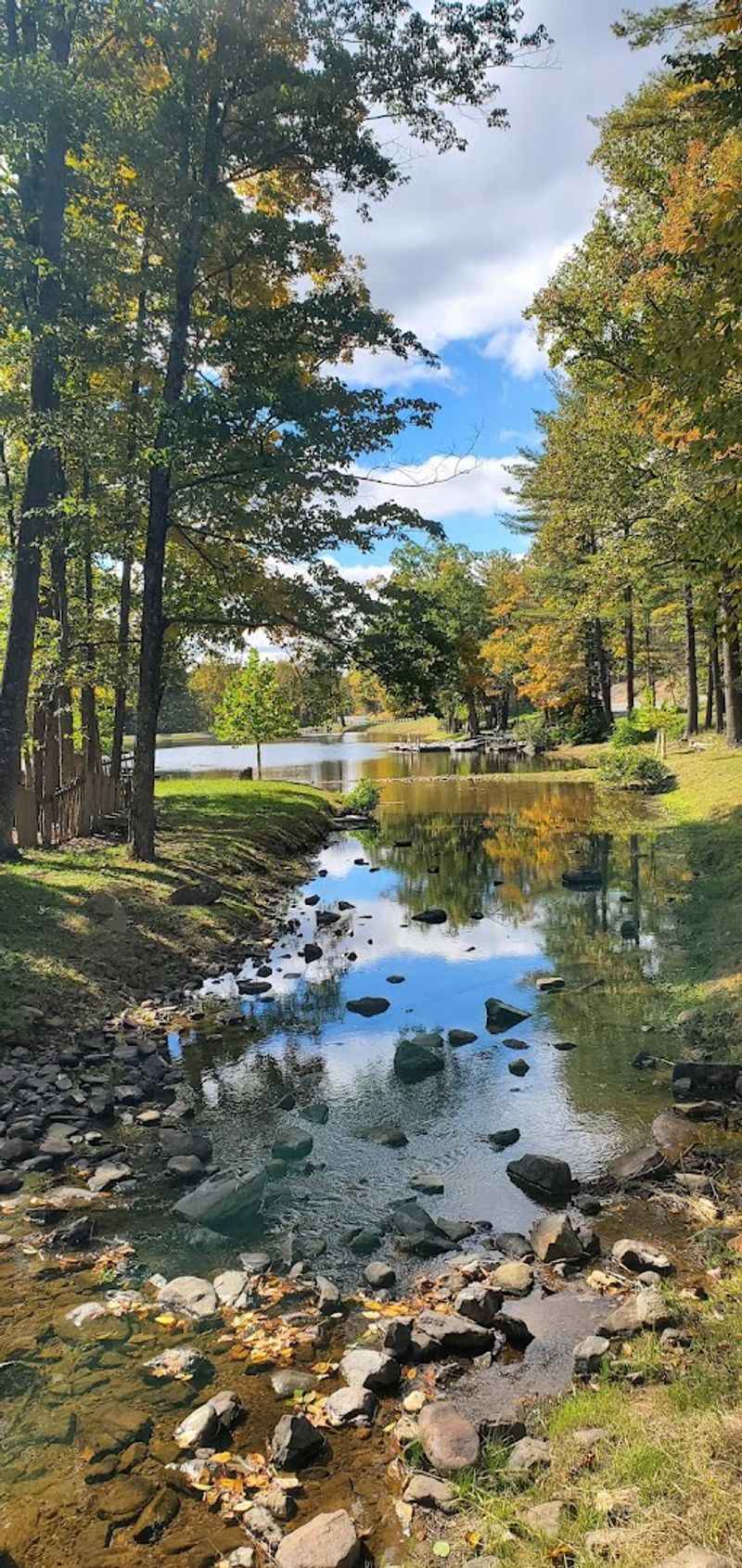
Spring brings fast-changing skies and tacky dirt that grips well, plus cool temps ideal for steady climbing. Summer adds humidity and afternoon pop-up showers, so start early and carry more water than feels necessary.
Fall paints the valley and draws bigger crowds on weekends with clear air and long views.
Winter can be magical with a light dusting that sharpens rock edges, but microspikes may be needed after freeze-thaw cycles. Shade lingers in the hollow, turning patches slick while sunny slabs dry quickly.
A cautious foot finds texture even when ice surprises you below the ridge.
Wind increases near the top in every season. Pack a light shell in warm months and an insulating layer when cold snaps bite.
Eat a small snack before stepping into the breeze so you do not shiver yourself into rushing precious minutes at the overlook.
After storms, expect branches across the tread and slower travel. Adjust turnaround times and give your group extra spacing on wet rocks.
The valley view feels better when safety margins are wide and layers match the forecast you checked twice.
Safety Basics and Smart Group Habits
Good habits turn a tough hike into a smooth memory. Before leaving the car, agree on a turnaround time and a simple communication plan.
On the climb, keep the slowest hiker in the middle so pacing stays humane and nobody redlines on the steep bits.
Breaks work best when brief and purposeful. Sip, stretch calves, adjust layers, and confirm the next landmark so you do not cool down too much.
If someone stumbles often, trade them a pole or lighten their pack for one segment to reset confidence.
Carry a compact kit with tape, blister care, and an elastic bandage for rolled ankles. A whistle is louder than shouting in the hardwoods, and a foil blanket tucks into any pocket.
Mark your car with the planned loop to help first responders if something goes sideways.
Most days are straightforward, but preparedness removes worry from your head. You will focus on the hawks, the chessboard farms below, and that steady breeze that greets you at the rocks.
Safety is not drama here, just calm choices stacked in your favor.
The Overlook: Making the Most of the View
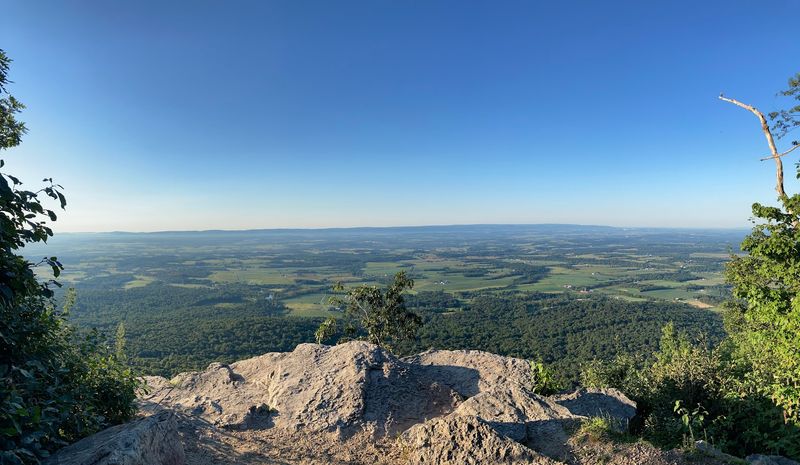
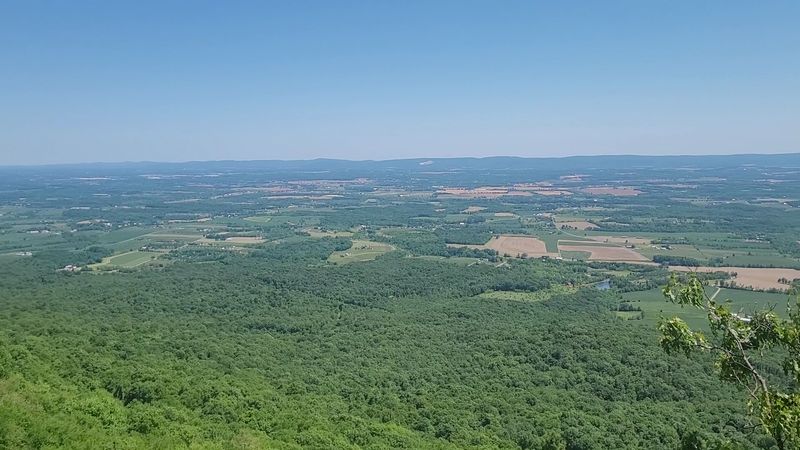
Silence lands first when the trees part and the Cumberland Valley floods your vision. Give yourself a full minute before photos to let depth and scale settle.
Then frame shots with the foreground rocks to anchor those fields and town grids far below.
A small sit pad turns jagged stone into a perfect perch for lunch. Keep gear clipped or stowed because afternoon gusts can roll bottles into cracks.
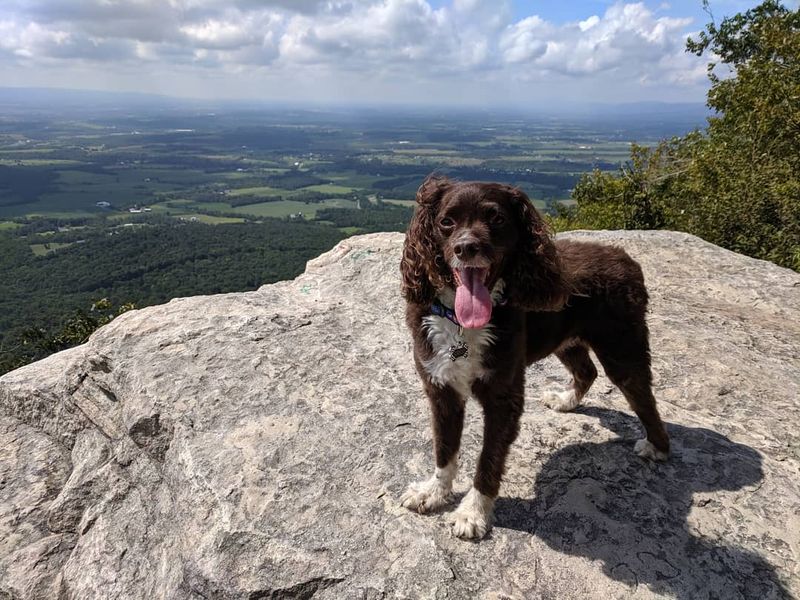
Step mindfully near edges, especially with kids or excited dogs that have energy left to spare.
Scan for trains, hawks, and shifting beams of light that paint farms different shades by the second. If haze dims detail, try a polarizing lens on your phone clip or simply wait as clouds thin.
Patience often reveals a patch of crystal clarity.
Before leaving, look back from ten yards downtrail. That second perspective captures the ledge and your people in one frame.
The memory will last longer than any caption you could write later.
Leave No Trace and Local Courtesy
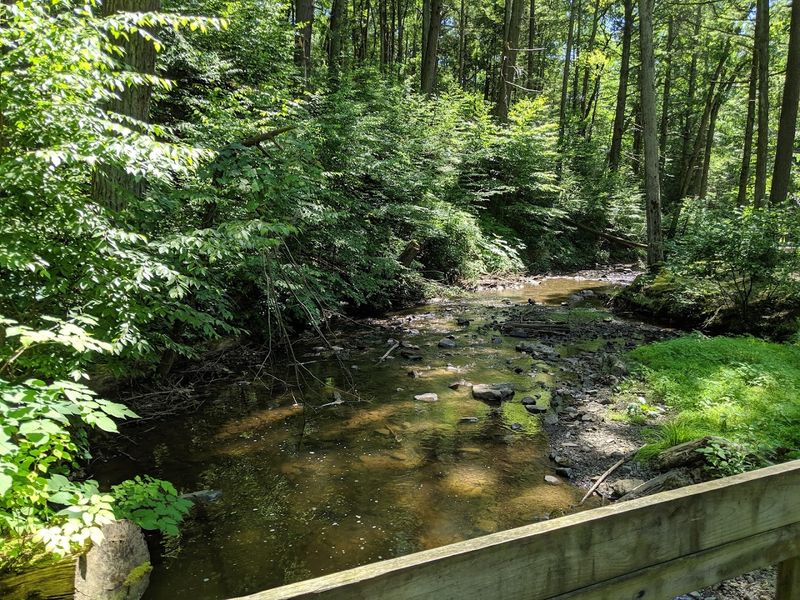
Rocky overlooks thrive when visitors tread lightly. Stay on durable surfaces near the edge and resist shortcuts that carve dirt into skids.
If you find micro-trash at the ledge, pocket it, because cleaner spaces invite better behavior from everyone who arrives after you.
Sound travels farther than you expect across the valley, so keep music in your earbuds and conversations relaxed. Dogs are welcome when leashed and well managed on the steeps, especially around the wooden walkway.
Yield space for oncoming hikers in tight corridors and say thanks when others do the same.
Pack out orange peels and sunflower shells that will not vanish before the next sunrise. If nature calls, move far from water, dig a small cathole, and disguise it well.
The shelter and picnic areas stay pleasant when each group leaves them better than found.
Local goodwill keeps trailheads open and bathrooms maintained. A friendly wave to park staff or a quick message reporting downed trees goes a long way.
Stewardship turns a hard-won view into a shared promise that will greet you beautifully every season.