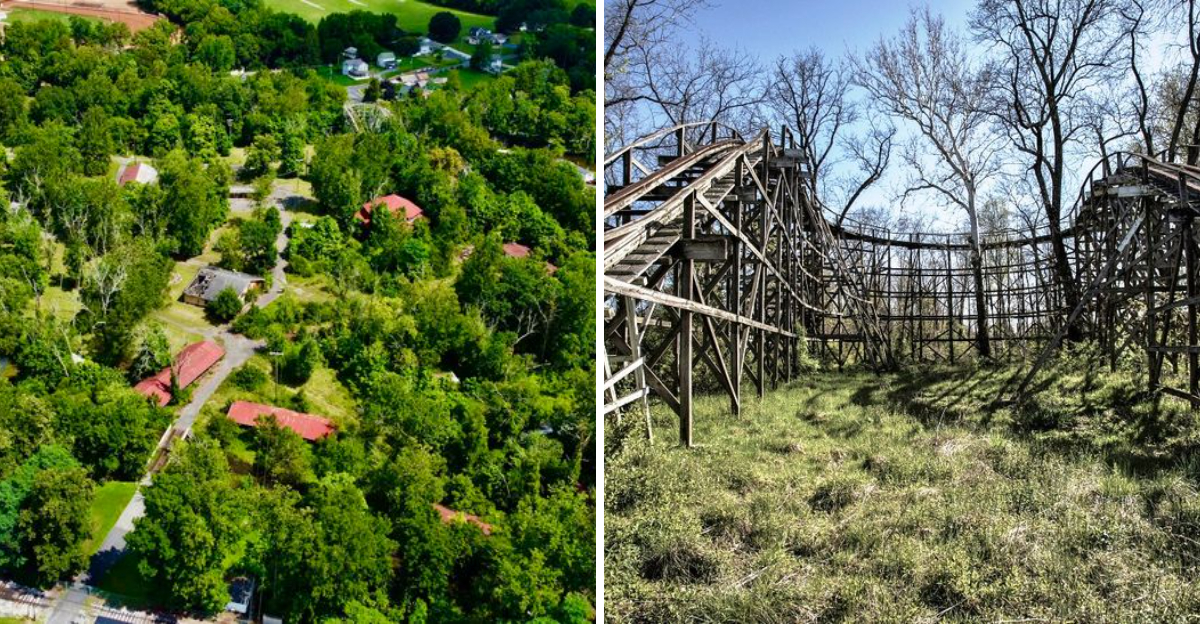
Some places don’t just close—they become ghostly snapshots of another era.
Williams Grove Amusement Park is one of those rare places where rusting roller coasters, silent midway rides, and empty walkways make it feel like the clock simply stopped ticking.
For decades, families filled this Pennsylvania park with laughter, bright lights, and unforgettable summer memories. When the gates closed in 2005, nearly everything stayed behind, slowly surrendering to weather and time.
Today, the abandoned grounds spark endless curiosity.
Faded attractions, weathered buildings, and the towering Cyclone roller coaster create a scene that’s both haunting and strangely beautiful, capturing the imagination of anyone fascinated by forgotten places.
If you’ve ever wondered what becomes of a once-beloved amusement park after the crowds disappear, this remarkable Pennsylvania landmark offers a glimpse into a past that refuses to fade away.
A Once-Beloved Park Frozen in Time
For generations of Pennsylvania families, Williams Grove Amusement Park represented the perfect summer escape. Kids raced through the gates, clutching tickets and cotton candy, ready to spend the day riding coasters and playing carnival games.
Parents watched from shaded benches, creating memories that would last a lifetime.
After closing its gates in 2005, the park transformed into something completely different. Instead of happy crowds, only silence remains.
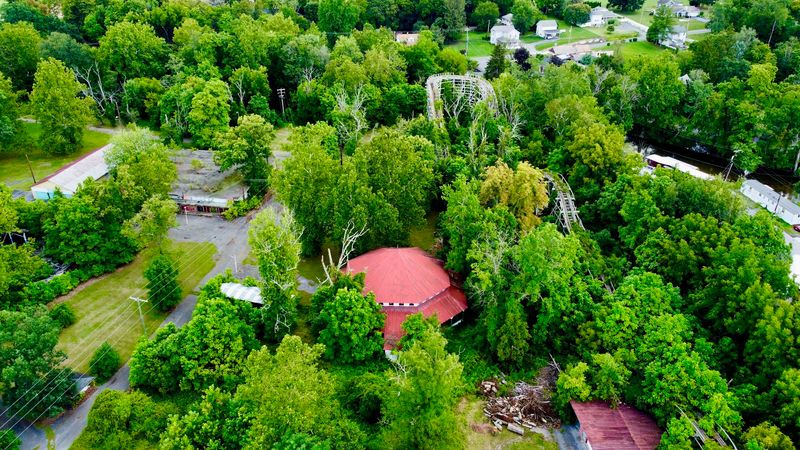
The rides stand motionless, paint peeling from their once-bright frames, while weeds push through cracked pavement where thousands once walked.
Walking past the property today feels like stepping into a photograph from decades ago. Everything stayed exactly where it was left—ticket booths still contain faded price lists, game booths display dusty prizes, and the wooden coaster looms overhead like a skeleton.
This preservation, though unintentional, makes Williams Grove one of Pennsylvania’s most fascinating time capsules, showing exactly how an amusement park looked during its final season.
From Picnic Grove to Amusement Park
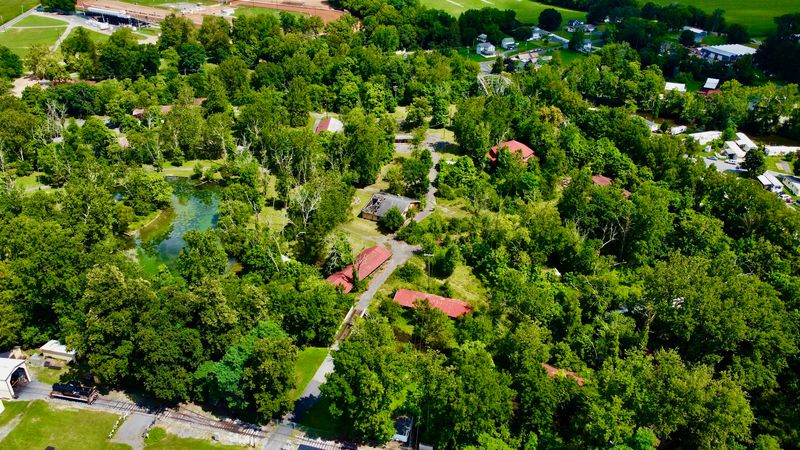
Long before roller coasters towered over the landscape, this property served a completely different purpose. Starting in the 1850s, the shaded grove along Yellow Breeches Creek became a popular spot for church picnics and community gatherings.
Families would travel by horse and wagon to enjoy the cool stream and tall trees during hot Pennsylvania summers.
As decades passed, the simple picnic area grew into something bigger. A fairground emerged, hosting agricultural shows and local events that drew visitors from surrounding counties.
Vendors set up stands, musicians performed, and the community transformed the quiet grove into a regional destination.
The shift to a full amusement park happened gradually throughout the early 1900s. Rides appeared one by one—first simple attractions, then more thrilling options as technology improved.
By the mid-20th century, Williams Grove had evolved from its humble beginnings into a legitimate amusement park complete with coasters, games, food stands, and entertainment that attracted families from across Pennsylvania and beyond.
The Famous Cyclone Roller Coaster Still Towers Above
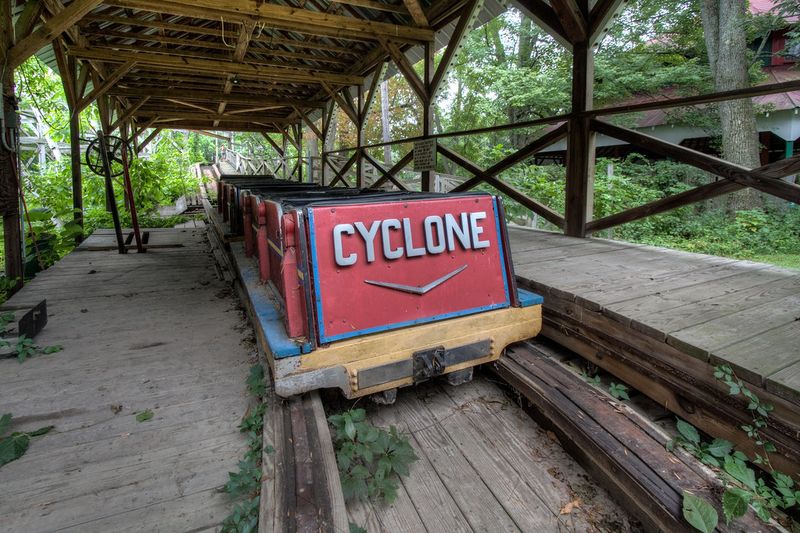
Built originally as the Zipper in 1933, this wooden giant became known as the Cyclone and dominated the Williams Grove skyline for decades. Riders would climb aboard, hear the click-click-click of the chain lift, then experience the heart-pounding drops and sharp turns that made this coaster legendary among thrill-seekers.
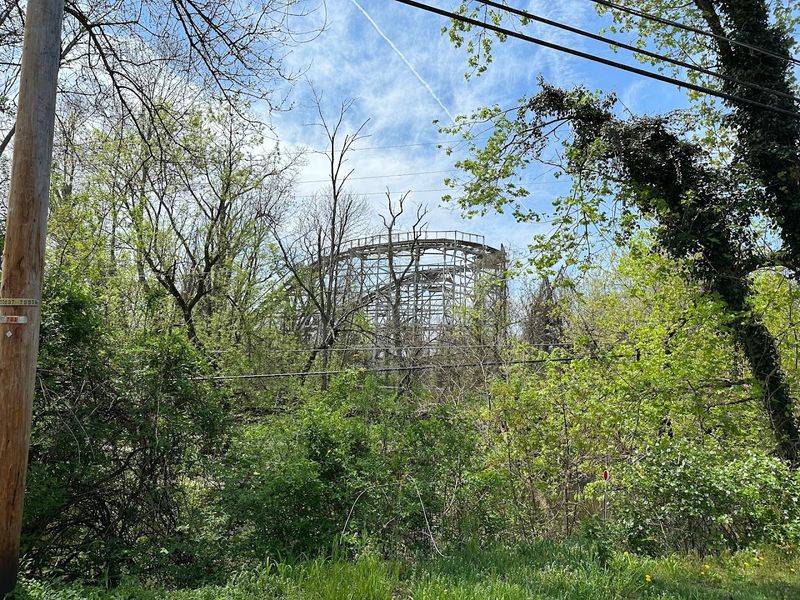
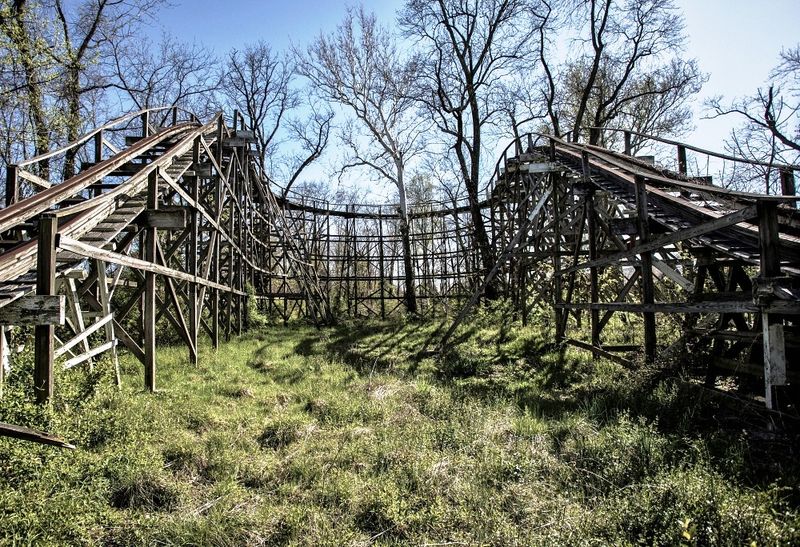
Today, the Cyclone’s skeleton remains remarkably intact despite years of abandonment. Weather has stripped away most paint, leaving bare wood that creaks and groans in the wind.
Some sections have collapsed, but the overall structure still stands tall enough to be spotted from nearby roads, serving as an unmistakable landmark for anyone searching for the forgotten park.
Photographers particularly love capturing this coaster because it represents everything haunting about abandoned amusement parks. The twisted wooden tracks that once carried screaming passengers now lead nowhere.
Birds nest in the support beams where maintenance crews once worked. It’s become one of Pennsylvania’s most recognizable abandoned structures, appearing in countless urban exploration photos and documentaries about lost attractions.
Forgotten Midways, Rides, and Buildings
Walking through the abandoned midway would reveal an incredible collection of frozen moments from the park’s final days. Carnival games still display their faded prizes—stuffed animals covered in dust, cracked plastic toys, and warped basketball hoops waiting for players who will never return.
Ticket booths contain old price sheets, their numbers reflecting what families paid decades ago.
Smaller rides sit motionless across the property, slowly disappearing beneath creeping vines and tall grass. The Tilt-A-Whirl’s colorful cars have faded to pastel shadows.
Kiddie rides designed for toddlers rust in place, their cheerful animal shapes barely recognizable under layers of decay.
Nature works overtime reclaiming everything humans left behind. Trees push through wooden platforms where food stands once served hot dogs and funnel cakes.
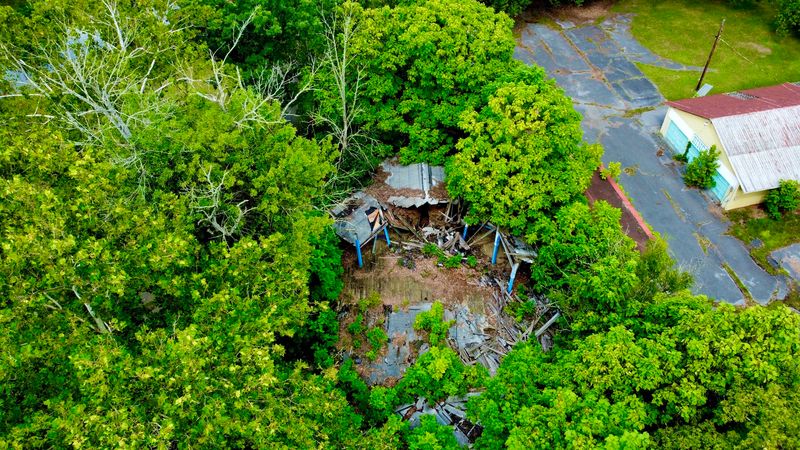
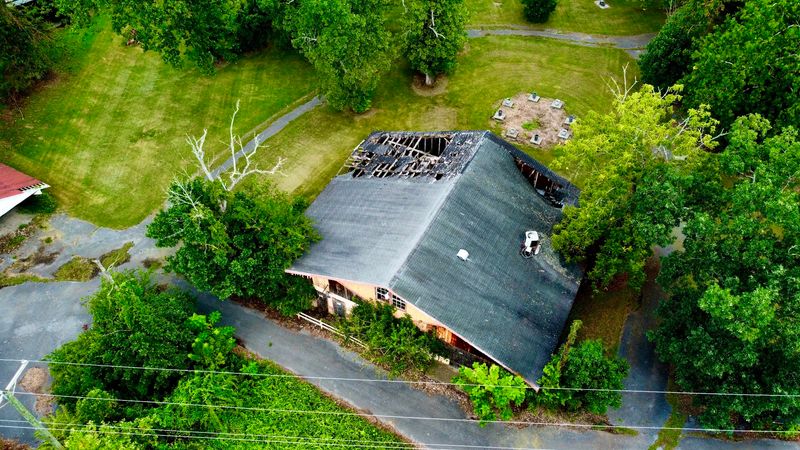
Concrete pathways crack and buckle as roots spread beneath them. Buildings sag under the weight of water damage and missing roof panels.
Each season brings more deterioration, transforming the once-vibrant amusement park into an increasingly wild and overgrown monument to Pennsylvania’s entertainment history.
Why the Park Closed
Williams Grove’s closure resulted from multiple challenges that small amusement parks across America faced during the early 2000s. Giant theme parks like Hersheypark, located just minutes away, offered bigger rides, extensive marketing budgets, and constant updates that traditional parks couldn’t match.
Families increasingly chose these mega-parks over smaller, older attractions, causing attendance at Williams Grove to steadily decline.
Maintaining aging rides became increasingly expensive and complicated. Safety regulations grew stricter, requiring costly inspections and upgrades.
The park’s infrastructure, built decades earlier, needed constant repairs that strained the budget. Without sufficient revenue from declining ticket sales, funding these necessary improvements became nearly impossible.
When the longtime owner decided to retire, finding someone to take over proved difficult. Running an amusement park requires enormous capital investment, specialized knowledge, and willingness to compete against corporate entertainment giants.
Despite efforts to find buyers or new management, nobody stepped forward with both the resources and desire to continue operations. The park closed permanently in 2005, its future uncertain and its rides gradually surrendering to time and weather.
The Connection to Williams Grove Speedway
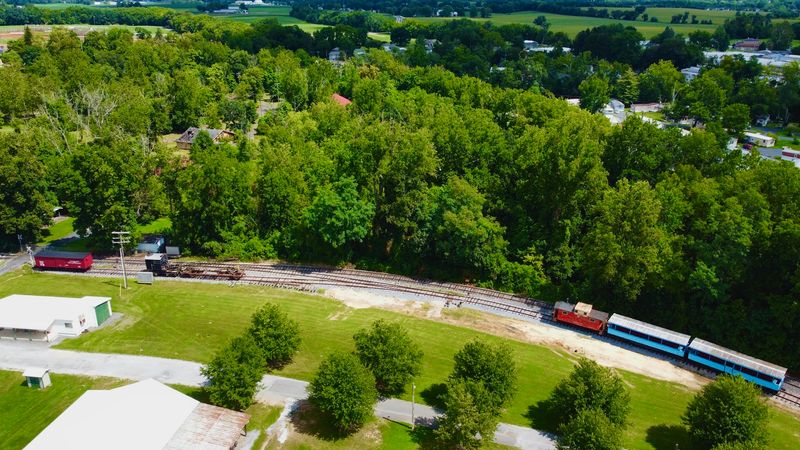
Right next door to the silent amusement park, engines roar and crowds cheer at Williams Grove Speedway. This half-mile dirt track has hosted sprint car racing since 1939, creating an interesting contrast between past and present.
While the park deteriorates quietly, the speedway thrives with regular racing events that draw fans from across the region.
Both attractions shared ownership and operated side-by-side for many years. Families would spend afternoons at the amusement park, then watch races in the evening.
This combination made Williams Grove a full-day destination where different generations found entertainment they enjoyed.
After the amusement park closed, the speedway became the sole focus of the property’s continued operation. Racing events continued attracting dedicated fans who loved dirt track competition.
The speedway’s survival while its neighbor slowly crumbles shows how specialized attractions can succeed where general amusement parks struggle. Today, race attendees can glimpse the abandoned coaster towering over the track, a ghostly reminder of the entertainment complex that once stood complete and thriving beside the racing action.
A Favorite Subject for Photographers and History Fans
Williams Grove has achieved legendary status among people fascinated by abandoned places. Amusement park enthusiasts study old photos and maps, documenting every detail of the park’s layout and history before memories fade completely.
Historians research the social importance of local attractions like this, recognizing how they served communities before modern entertainment options existed.
Photographers find the decaying park irresistible despite access restrictions. The combination of rusting rides, peeling paint, nature reclaiming man-made structures, and nostalgic atmosphere creates powerful images that tell stories about time’s passage.
Many photographs taken from public viewpoints have appeared in books, documentaries, and online galleries dedicated to abandoned American attractions.
However, the property remains strictly off-limits to visitors. Signs clearly warn against trespassing, and entering without permission brings serious legal consequences including fines and criminal charges.
The structures have become increasingly dangerous as decay progresses, making unauthorized exploration extremely risky. Responsible enthusiasts view the park from legal vantage points along public roads or during speedway events, respecting property boundaries while satisfying their curiosity about this fascinating Pennsylvania landmark.
Pieces of History That Have Been Saved
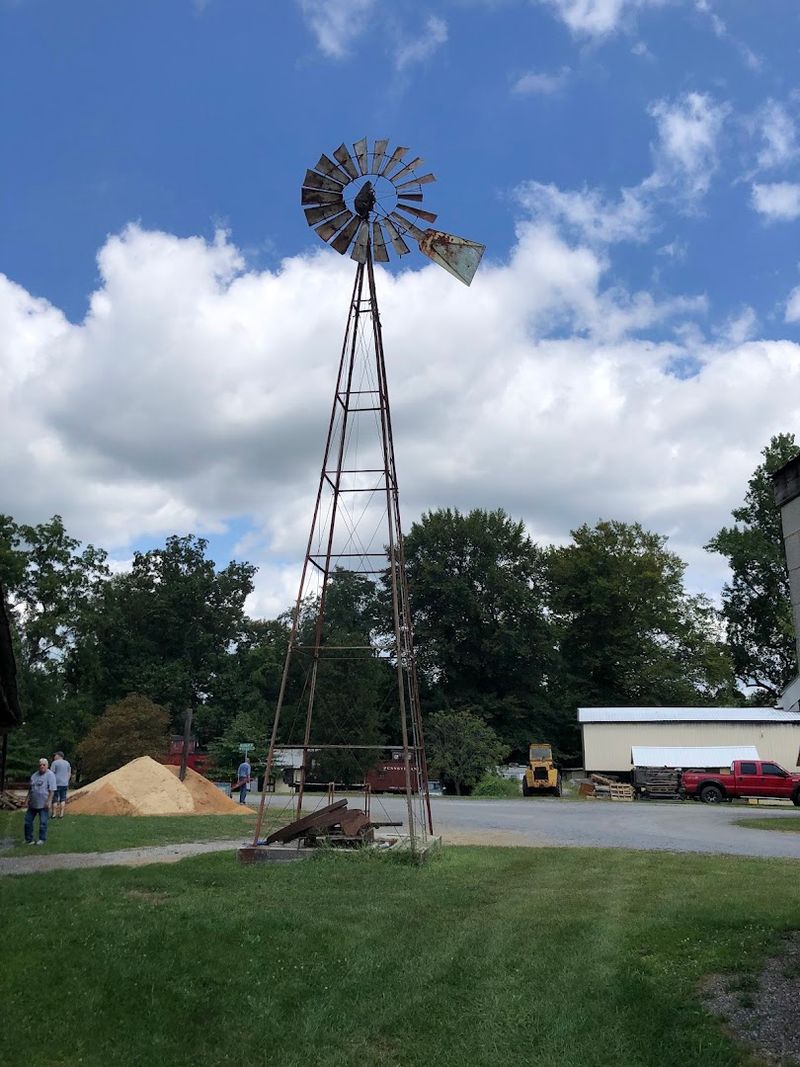
Not everything from Williams Grove faces inevitable decay. Preservation groups recognized the historical value of certain structures and worked to save them before time erased them completely.
The carousel building, which housed the park’s beloved merry-go-round for decades, was successfully relocated to ensure this piece of Pennsylvania amusement history survived.
The Williams Grove Historical Steam Engine Association plays a crucial role in preserving the site’s heritage. This dedicated organization maintains equipment and memories connected to the property’s long history.
They host events celebrating the agricultural fair roots that preceded the amusement park, keeping traditions alive that stretch back over 150 years.
These preservation efforts matter because they protect tangible connections to how previous generations spent leisure time. Old amusement parks represented important social spaces where communities gathered, families bonded, and childhood memories formed.
By saving buildings, equipment, and photographs, preservers ensure future generations can understand and appreciate these vanished entertainment traditions. Their work creates museums, archives, and educational programs that teach people about Pennsylvania’s rich amusement park history before corporate theme parks dominated the landscape.
Why Williams Grove Still Captures the Imagination
Decades after closing, Williams Grove continues inspiring fascination because it represents something increasingly rare. Most abandoned amusement parks get demolished quickly for redevelopment, but this one largely remains intact.
Developers haven’t purchased the land, bulldozers haven’t cleared the rides, and shopping centers haven’t replaced the midway. This unusual preservation allows people to see exactly what a classic American amusement park looked like at the end of its life.
The park also triggers powerful nostalgia for anyone who visited during its operating years. Former guests remember their first roller coaster ride, winning prizes at carnival games, or holding hands with sweethearts on the Ferris wheel.
These personal memories make the abandoned park feel more meaningful than just another empty building.
Williams Grove demonstrates how quickly nature reclaims human spaces. Within just years of abandonment, plants transformed carefully maintained walkways into wild gardens.
This rapid change fascinates people who wonder what other modern structures might look like after humans stop maintaining them, making this forgotten Pennsylvania park a thought-provoking glimpse into how temporary human accomplishments truly are.