
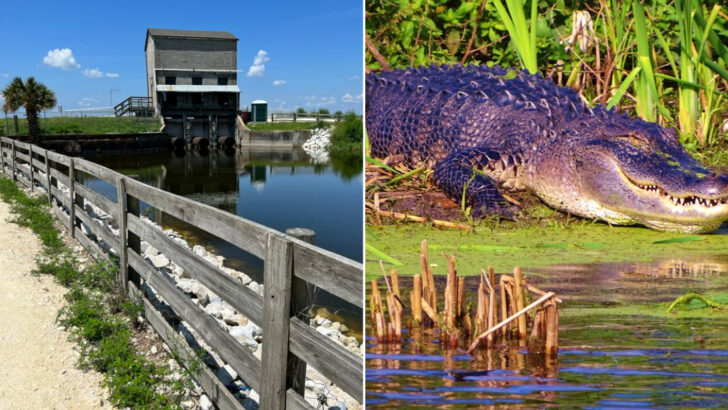
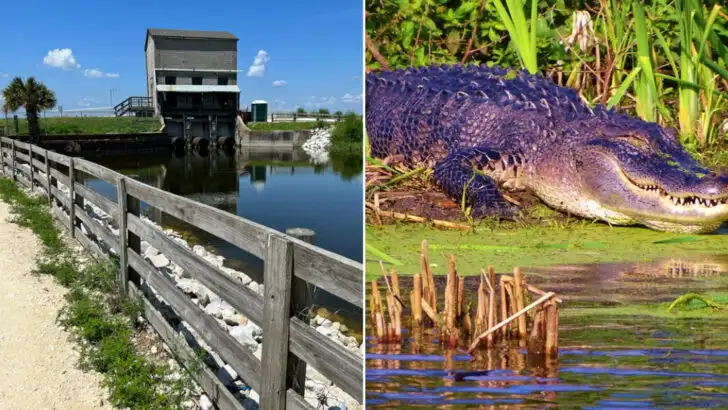
Roll down the windows and let the marsh breeze do the narrating while you crawl along an 11 mile, one way dirt road teeming with life. At Lake Apopka Wildlife Drive, you stay in your car and the wildlife comes to you, from sunbathing gators to elegant wading birds.
It is free, slow, and surprisingly immersive, with animals often just yards from your door. If you have a couple hours and a curious eye, this is your easy gateway to wild Florida.
What the Wildlife Drive is
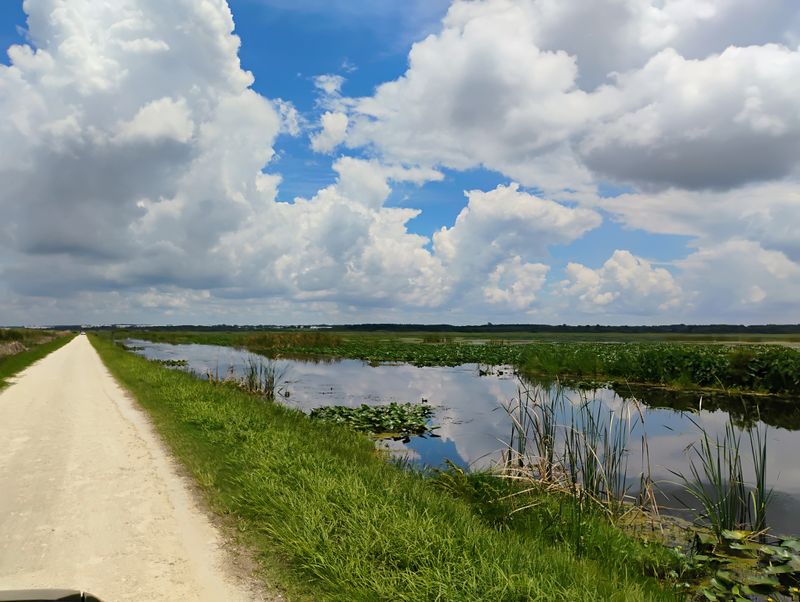
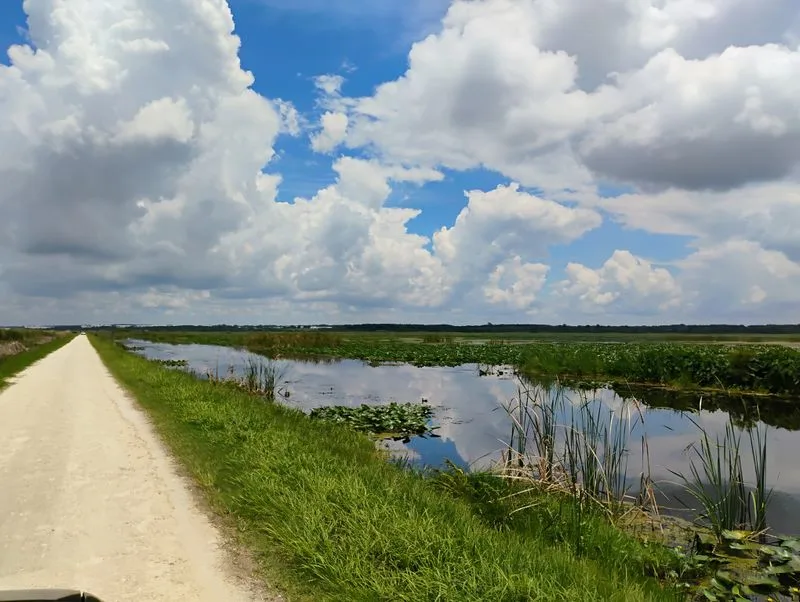
Think of Lake Apopka Wildlife Drive as a living nature documentary that you experience from your car. It is an 11 mile, one way dirt route through the Lake Apopka North Shore restoration area, where wetlands spread out like a textured quilt of reeds, lilies, and shallow ponds.
You roll along at a mellow 10 mph, which is perfect because the wildlife is right there, often visible from the road without needing to step out.
The whole idea is simple and refreshing. Stay in the car, cruise the marsh edges, and watch the story unfold.
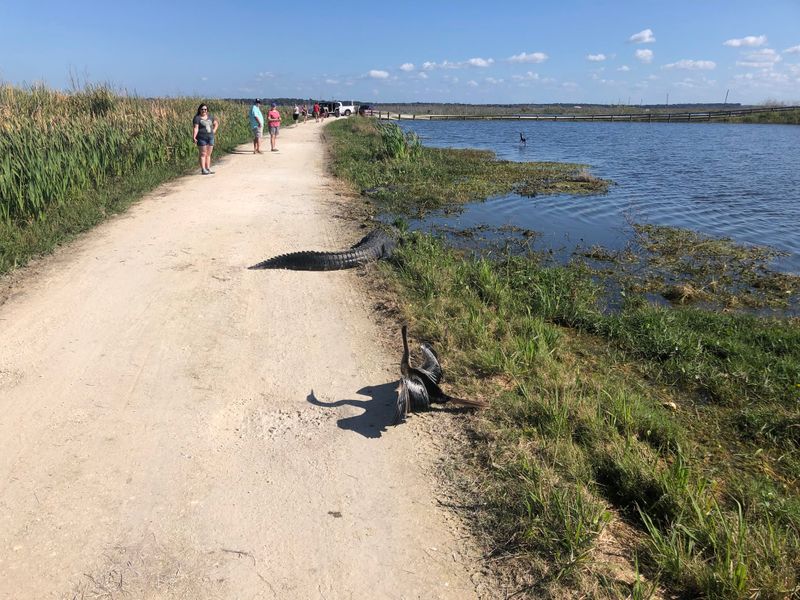
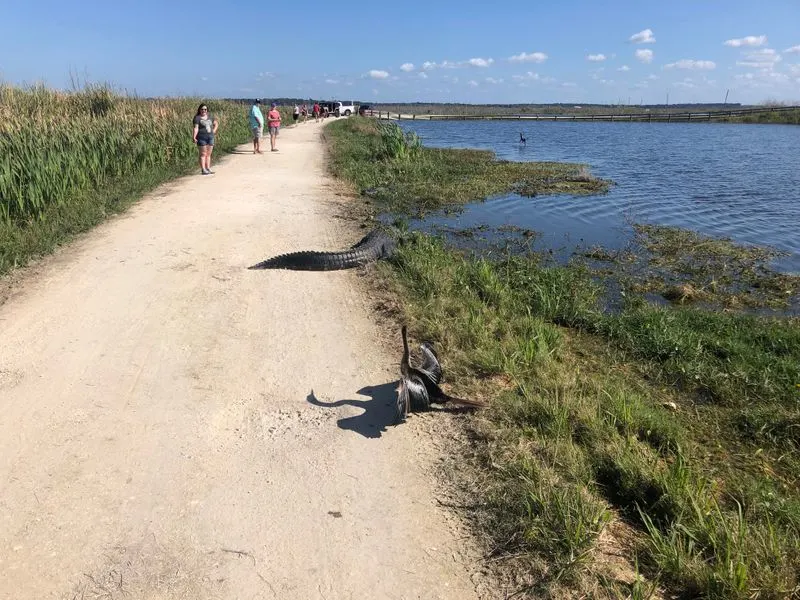
Alligators loaf on sunny banks, anhingas dry their wings on snagged branches, and coots patter across the water like wind up toys.
What makes it special is how close the action feels without feeling rushed. The one way design keeps things calm, and the dirt surface adds a slow travel vibe.
Because the ponds are shallow and the berms are low, your sightlines are surprisingly open.
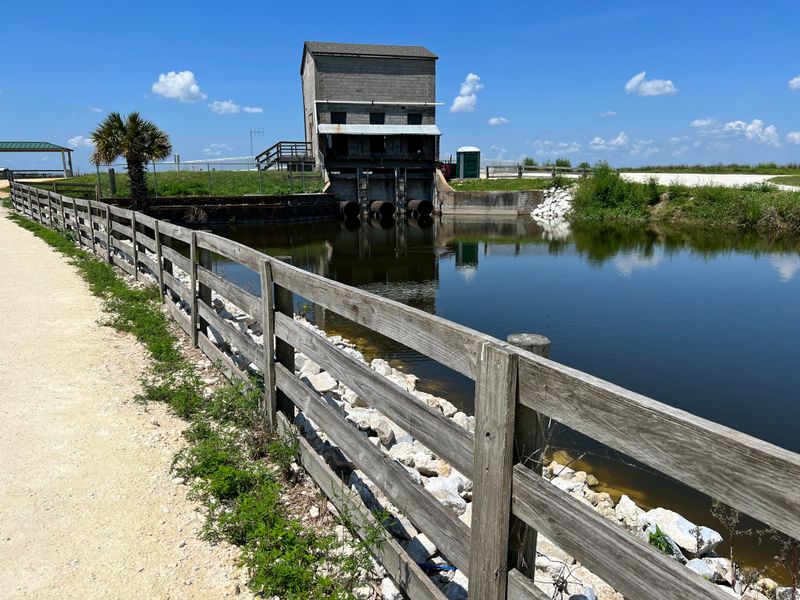
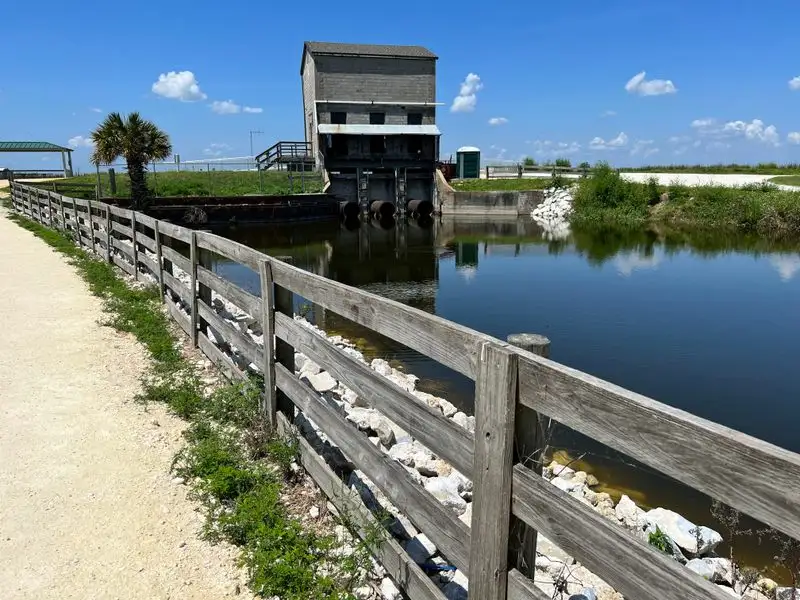
You will pass old pump structures, levees, and wide vistas born from ongoing restoration work. The rhythm is unhurried, with pullouts when you want a longer look.
It is free, it is relaxing, and it makes wild Florida feel wonderfully accessible.
When it is open and how long to plan
Timing matters here, and the schedule keeps the drive wonderfully mellow. The gates typically open in the morning and close in the afternoon, with the drive open Fridays through Sundays and on federal holidays.
That limited window means weekends still feel quiet compared with places that run daily.
Set aside 1 to 3 hours depending on your stop style. If you idle along at 10 mph with a few quick pulls to the side, count on around 90 minutes.
If you love to watch behaviors, frame photos, or scan with binoculars, give yourself the full three hours and enjoy every pause.
Arriving closer to opening can help with wildlife activity and softer light. Crowds, when they happen, tend to thin as you get deeper in.
Always check the official site before you go since hours can shift for weather or maintenance.
The slow pace is a feature, not a bug. You are not trying to beat the clock, just syncing with marsh time.
Plan water, snacks, and patience, then let the loop set your rhythm. It is relaxing to know the gates define the day for you.
What you will actually see: alligators and common sights
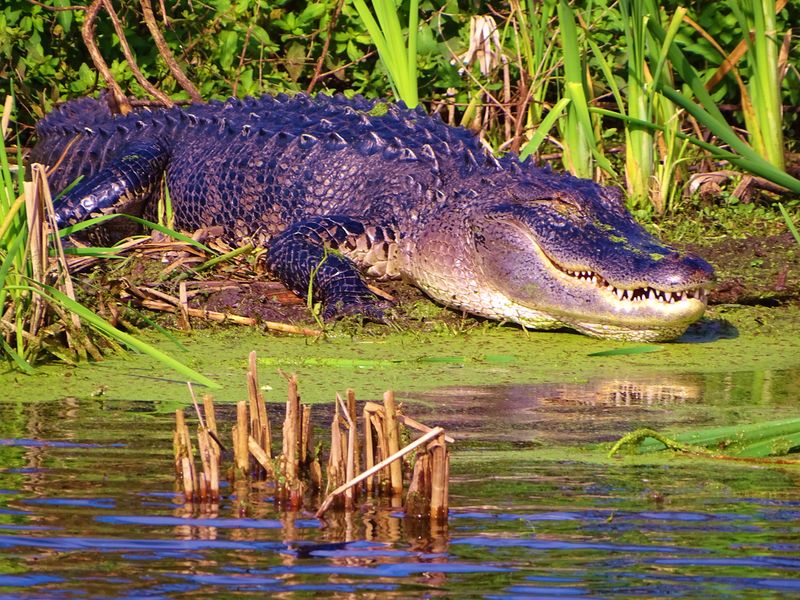
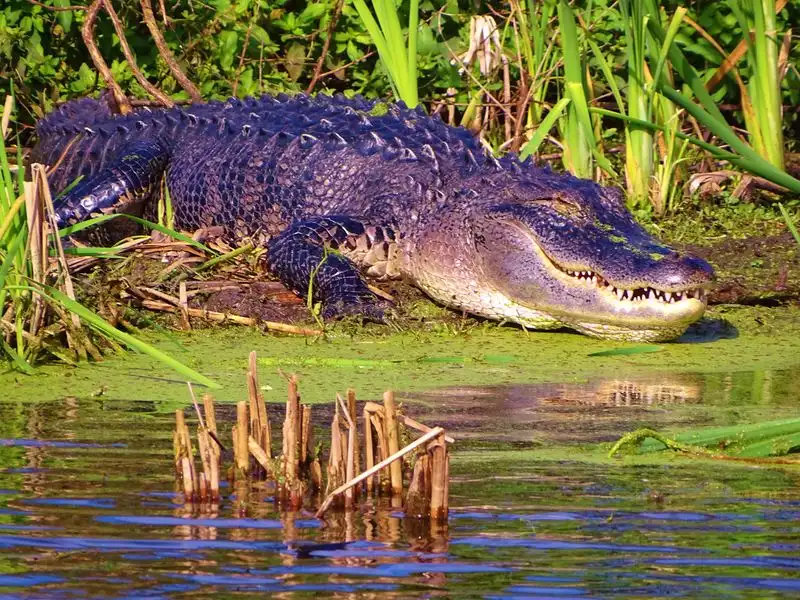
Be ready for gators right away. On sunny mornings, big bodies drape over muddy banks like living logs, jaws slightly open to regulate heat.
Many visitors report counting dozens on a single loop, and some mornings you will lose track by the first mile.
Wading birds are constant company. Great egrets spear minnows, little blue herons stalk with quiet focus, and tri colored herons jitter through the shallows.
Anhingas pop up with fish, then climb a snag to pose like caped superheroes.
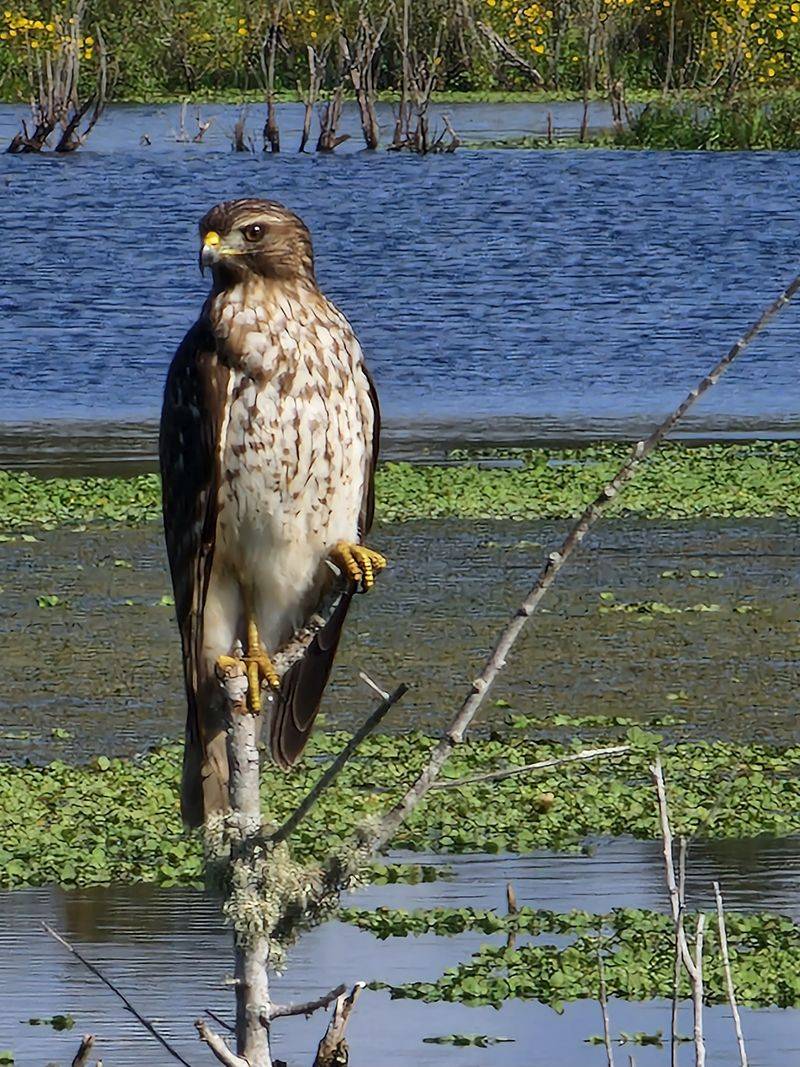
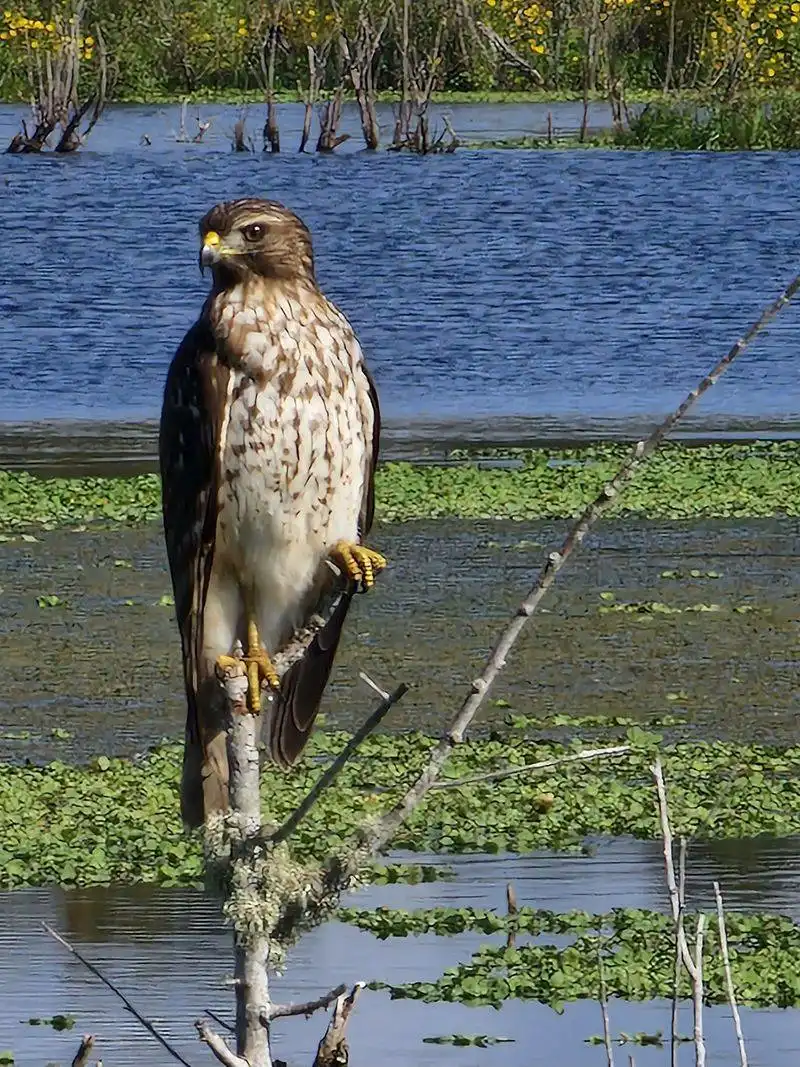
Look up and you will notice raptors riding the thermals. Ospreys patrol for fish, red shouldered hawks call from power poles, and bald eagles occasionally cruise the big sky.
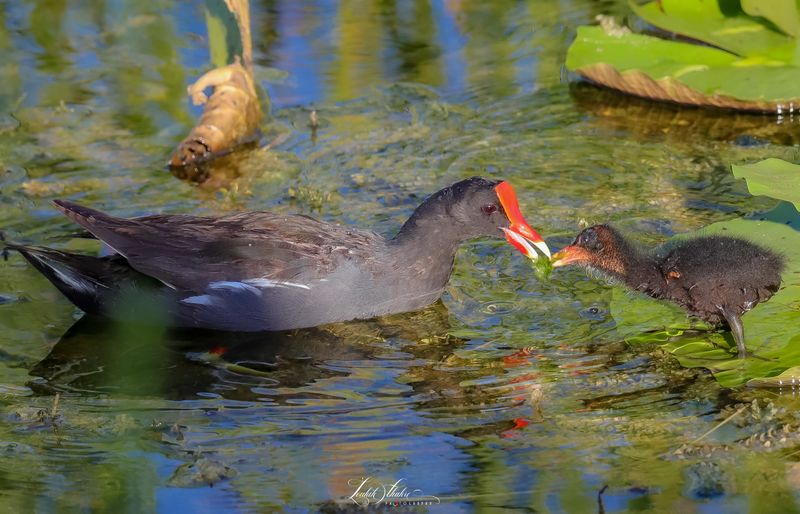
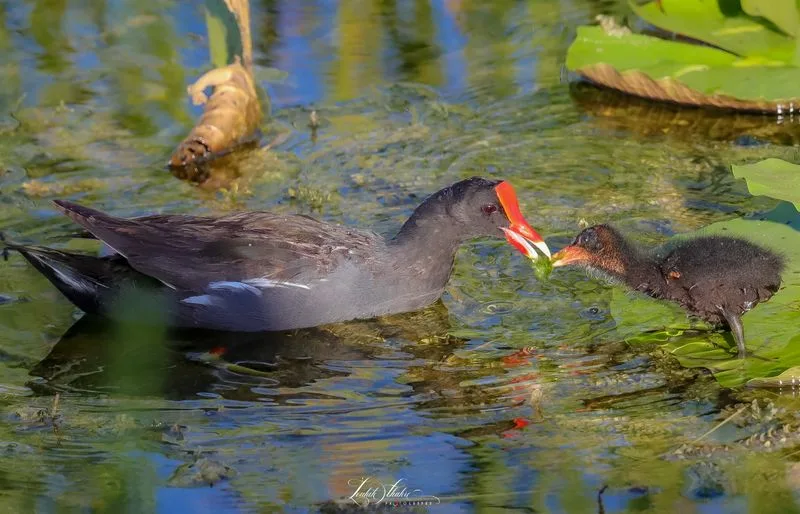
Turtles nose the surface while moorhens scribble wake lines across green water.
Sightings shift with season and time of day. Cool mornings concentrate sunbathing gators, while warm afternoons send them drifting to shade.
Even on slower days, the mix of motion, calls, and ripples keeps the drive feeling alive and unpredictable.
Birds to watch
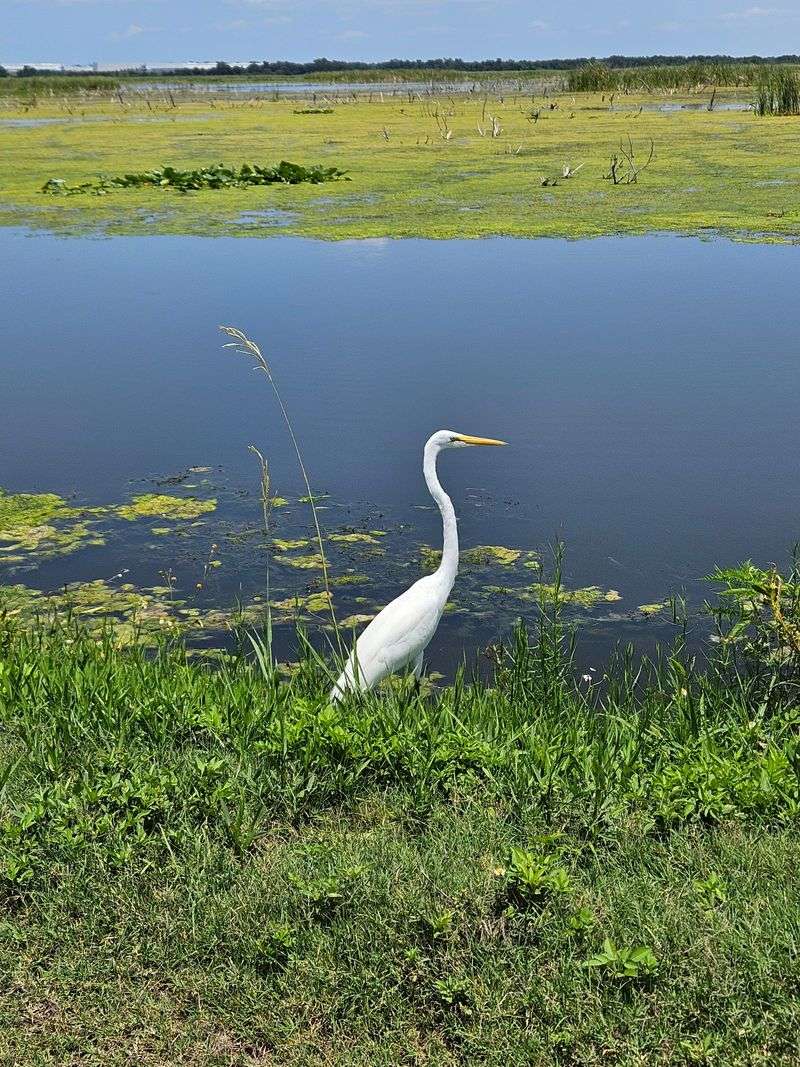
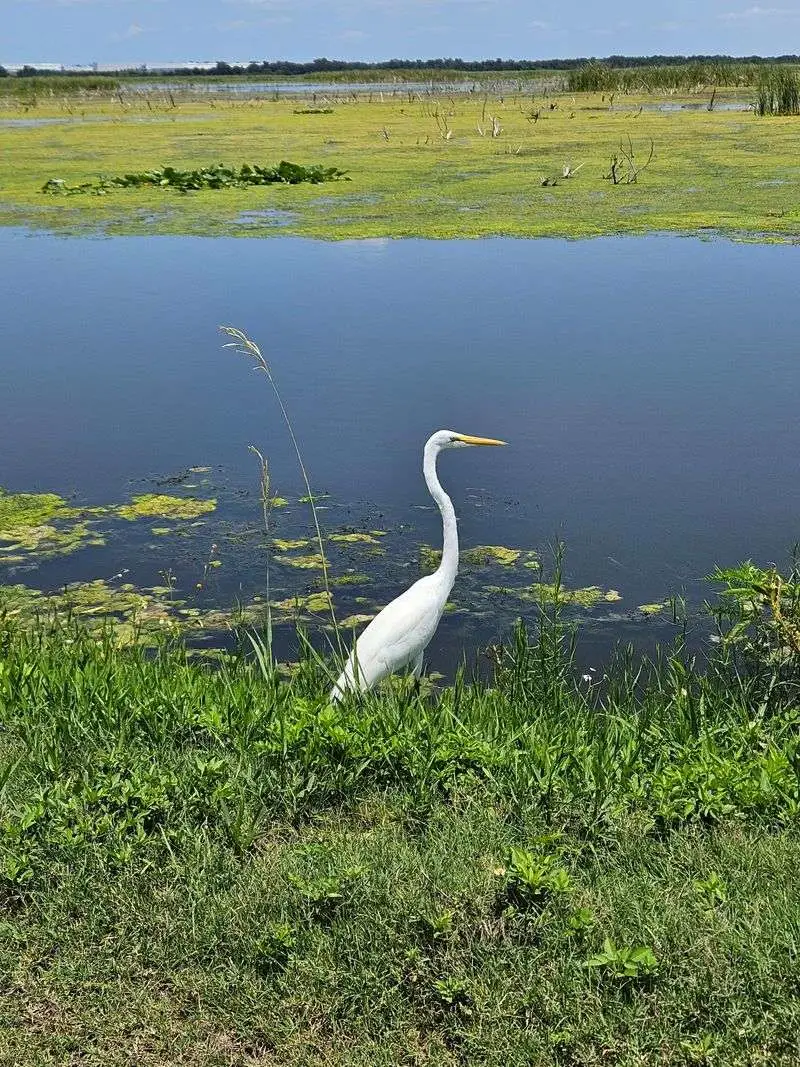
If birds are your thing, this loop is a jackpot. The area’s checklist runs into the hundreds, and birding sites call the North Shore a migration magnet.
You can spot showstoppers like great blue heron, white ibis, limpkin, and the ever theatrical anhinga.
Limpkins are a fan favorite because they hunt apple snails and call with a wild, echoing scream. Anhingas swim low like submarines, then spread wings to dry on a snag.
Mixed flocks of peeps blur across exposed flats during migration, flashing silver like schools of fish.
Look for purple gallinules tap dancing on lily pads, glossy ibis with oil slick shine, and black crowned night herons tucked in shaded pockets. Ospreys, kites, and the occasional eagle add drama overhead.
On windy days, watch swallows whip along the road like tiny jets.
Season matters. Spring and fall bring migrating shorebirds and songbirds, while winter concentrates diverse ducks.
Summer offers plenty of residents raising young. Bring binoculars and a field app, and let the chorus guide your stops.
Drive logistics and rules
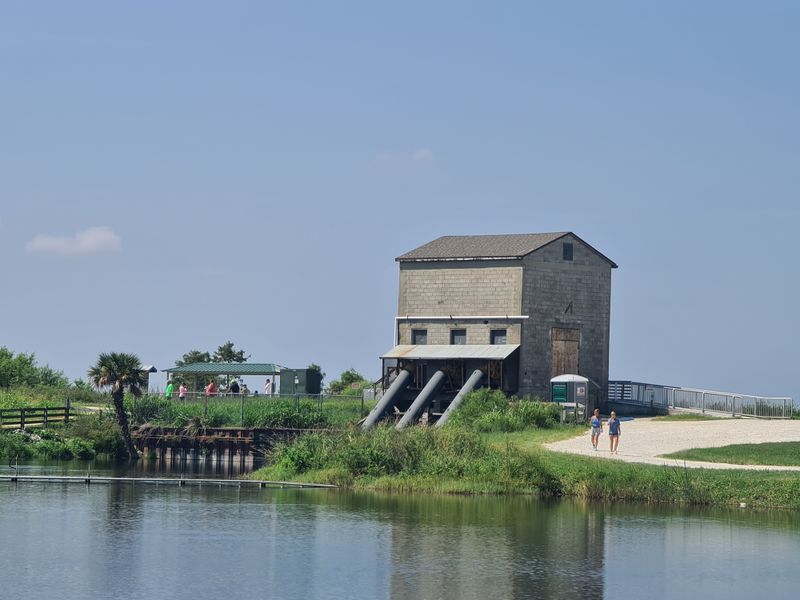
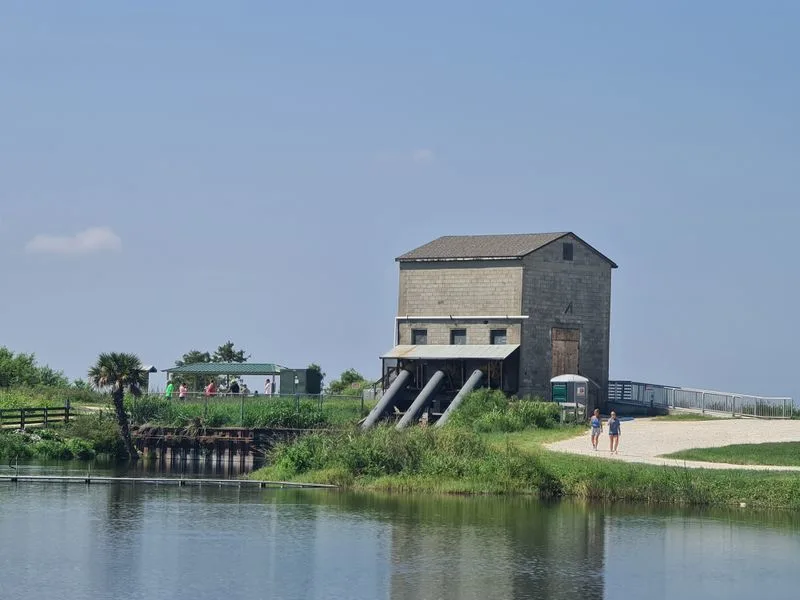
This is a one way drive with a posted speed around 10 mph, and that slow roll is key to both safety and wildlife viewing. Follow signs and kiosk notes as you go, since conditions and guidance can change.
Expect a narrow road with limited passing, so patience doubles as good etiquette.
Vehicle rules can include length limits and no trailers, which helps keep the route flowing in tight spots. The surface varies from packed sand to softer stretches and occasional ruts.
After heavy rain you may find puddles that look shallow but hide deeper pockets, so ease in slowly.
Use pullouts for longer stops and keep tires off fragile edges. Do not block intersections or gates.
If someone behind you wants to pass, give them space at the next safe spot and continue at your own pace.
Cell service can be patchy. Download maps before arrival and keep an eye on your fuel and battery.
Most of all, treat the drive like a shared nature lane, where every careful decision keeps animals safe and everyone relaxed.
Safety first, keep your distance
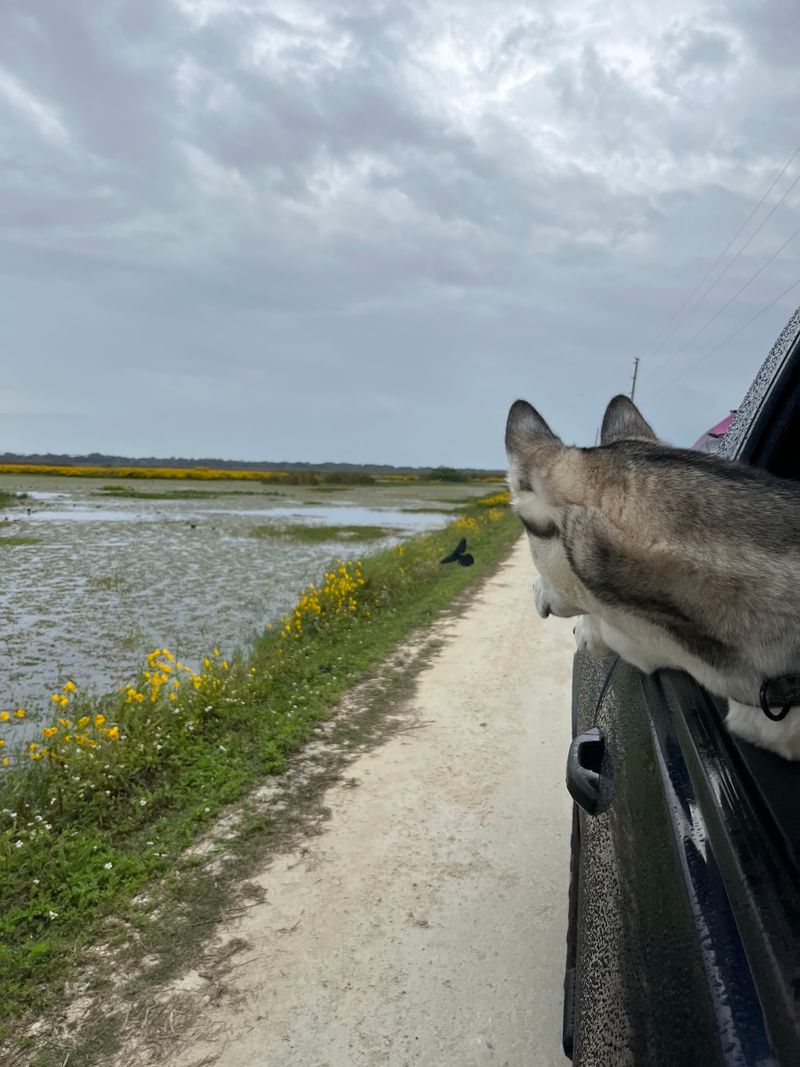
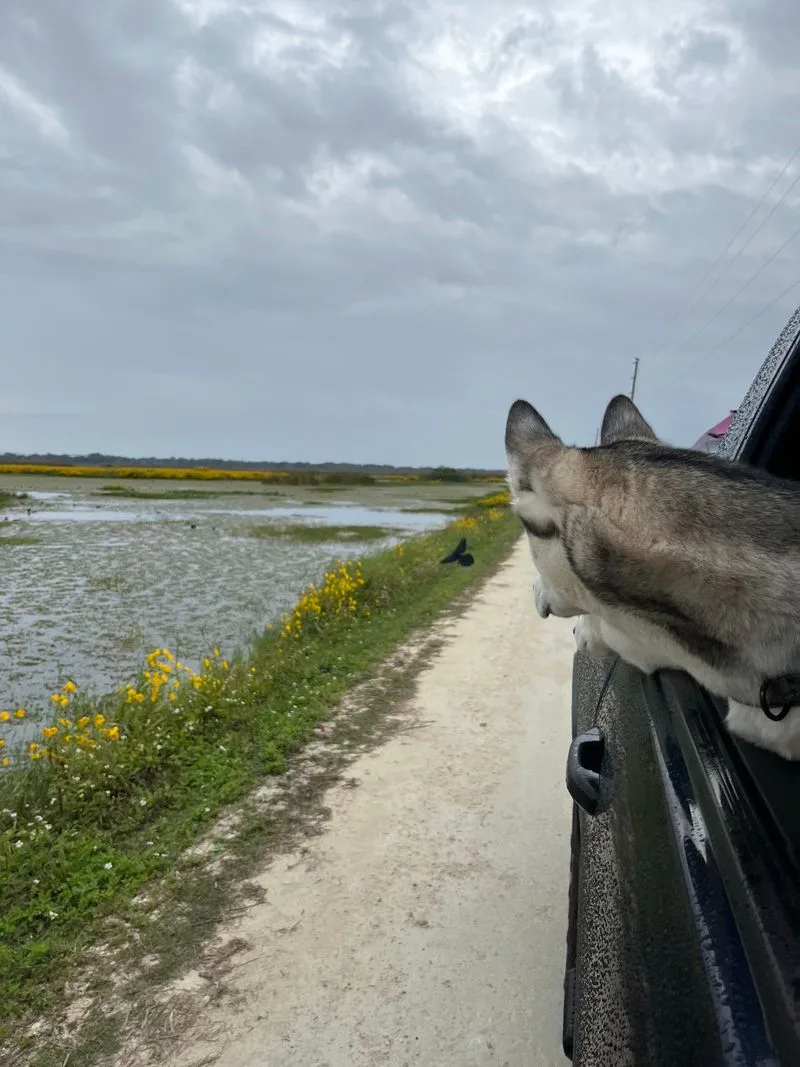
Wildlife here looks close because it is, so your best move is staying in the vehicle. Keep windows partly closed when a gator is near, and never reach toward the water.
Feeding or approaching animals is dangerous for you and harmful for them.
Kiosks and signs repeat the advice along the loop, which is helpful when excitement spikes. Alligators can move faster than you think over short distances.
Birds also deserve space, especially when nesting or feeding along tight canal edges.
Stop only in designated pullouts or safe shoulders, and check mirrors before opening a door. If you have kids or pets along, keep them secured and inside.
A quick photo is great, but never at the cost of safety.
Use common sense with traffic flow as well. Signal with brake lights before slowing for sightings, and avoid sudden stops around blind bends.
The goal is simple: enjoy the wild while letting it stay wild. You will see more and stress less with steady, respectful habits.
Facilities, stops, and viewing towers
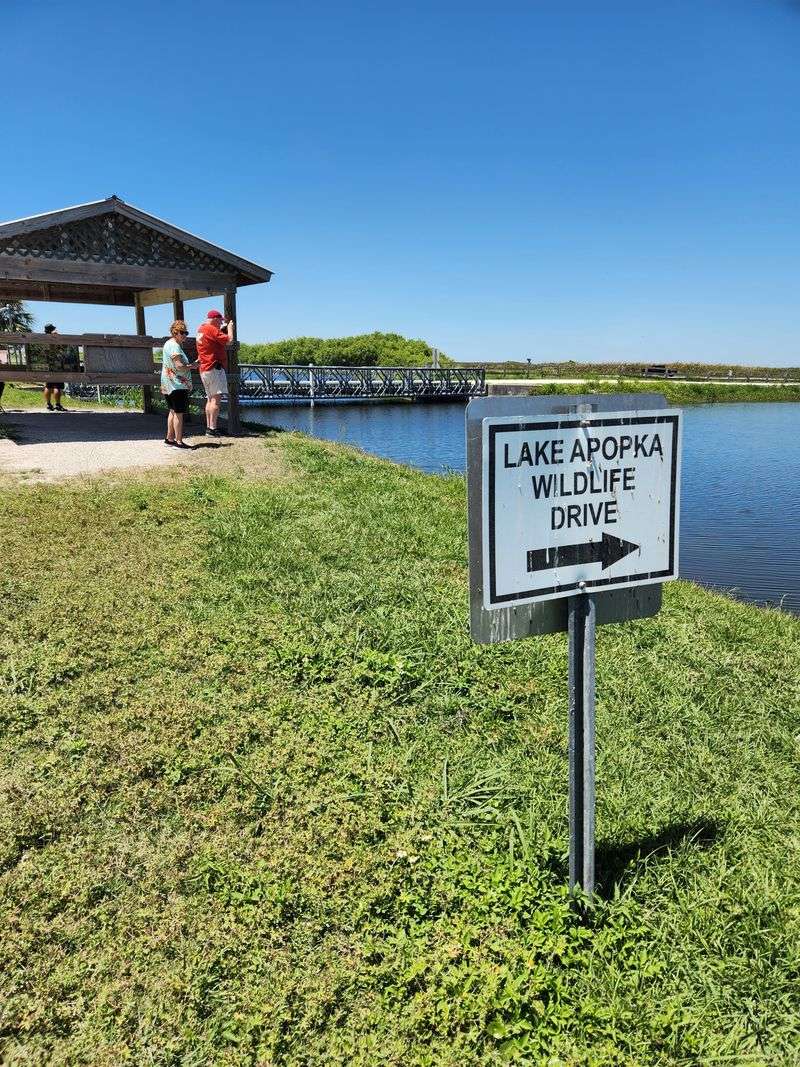
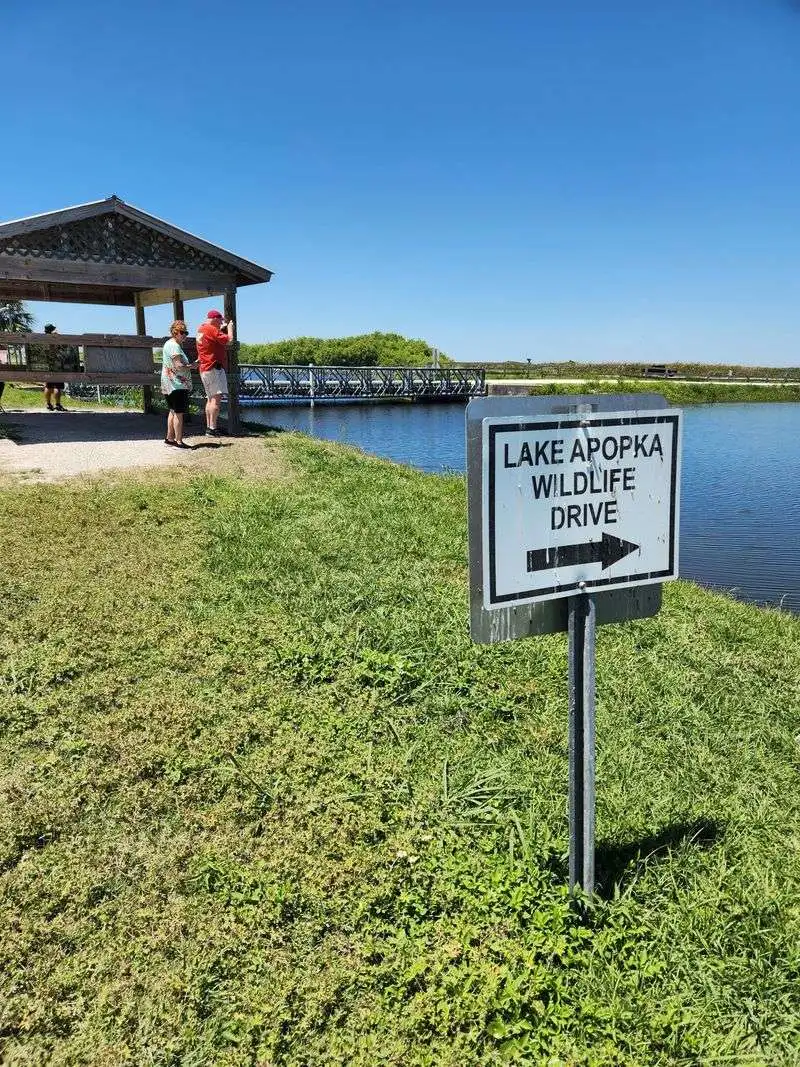
The drive sprinkles in small conveniences so you can linger without rushing. You will find kiosks with maps and info, a few portable toilets in marked spots, and pullouts that make photo moments easy.
An observation tower near the lakeside gives you a higher vantage for scanning the marsh mosaic.
From up top, raptors ride circles and wind lines stripe the water. It is a great place to catch anhinga drying rituals, watch coots dot the open water, and see distant gators as dark commas along the banks.
Back at road level, short walks at designated areas let you stretch without committing to a long hike.
Bring small bills or a card if you plan to donate to the managing district. Grab the printed map when available, and use QR codes for the audio tour checkpoints.
Pull fully off the lane when stopping so others can pass.
Facilities are simple but thoughtful. Everything supports a slow, self guided experience centered on wildlife and water.
Plan quick breaks, then slide back into that gentle 10 mph flow and keep scanning the edges.
Best time of day and season
Early morning feels like prime time. Cool air, slanting light, and quiet water bring gators to the banks and birds to the buffet.
Late afternoon is excellent too, with warm colors and returning activity as heat eases.
Spring can be spectacular with migration pushing fresh faces into the mix. Fall migration has its own surprises, from shorebirds to raptors on the move.
Winter concentrates ducks and makes air crisp for long looks.
Summer mornings still shine, but midday heat sends many gators to shaded canals. If your schedule is flexible, plan around the sun rather than the clock.
Even a breezy overcast day can deliver beautifully soft light.
Crowds are manageable thanks to the limited open days. Visitor observations suggest mornings deliver the most gator counts, especially after cool nights.
Check forecasts, pack water, and let the season set your expectations.
Photography and gear tips from the car
Your car is a mobile blind, so use it. A bean bag or jacket on the window frame steadies long lenses without scratching glass.
If you shoot on a phone, brace elbows on the door and tap to set focus on the eye.
Telephoto reach is helpful, but do not discount wider shots that tell the story of car, road, and marsh. Low sun across the wetlands gives strong side light that carves texture into feathers and scales.
Watch for glare on water and use a polarizer if you have one.
Keep ISO flexible with auto settings and a minimum shutter speed to freeze birds in action. Silent or electronic shutters reduce disturbance near skittish species.
Pull into safe spots for longer setups, and turn off the engine to kill vibrations.
Backup batteries and a microfiber cloth save the day in humid air. Lanyards or straps protect phones near windows.
Most importantly, stay inside, keep distance, and let the behavior come to you. Patience pays with eye level portraits.
Accessibility and who should visit
This experience is built for easy access. You can enjoy rich wildlife viewing without hiking, which helps families with young kids, visitors avoiding heat, and anyone who prefers to stay seated.
The road is generally smooth, though rough patches and puddles appear after rain.
Vehicle size limits and no trailers keep turnarounds manageable. Check posted guidance if you drive a large SUV or van.
Because you never need to leave the car, it is a solid option on rainy afternoons or steamy summer days.
Binoculars level the field for everyone in the car. Kids love counting gators, and older adults can relax while scanning from the passenger seat.
Pullouts make it simple to share views without blocking the lane.
For mobility concerns, plan brief stops at designated areas with portable toilets. The observation tower adds stairs, so consider whether that suits your group.
Overall, the drive offers a welcoming, low effort way to feel immersed in Florida nature without a long trek.
Nearby towns and easy pairings
Make a day of it by linking the drive with nearby stops. Apopka is closest for a quick café, a lakeside park break, or a grocery run for snacks.
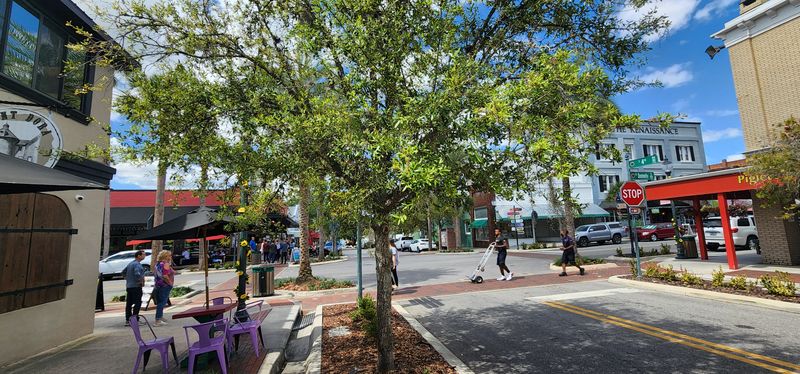
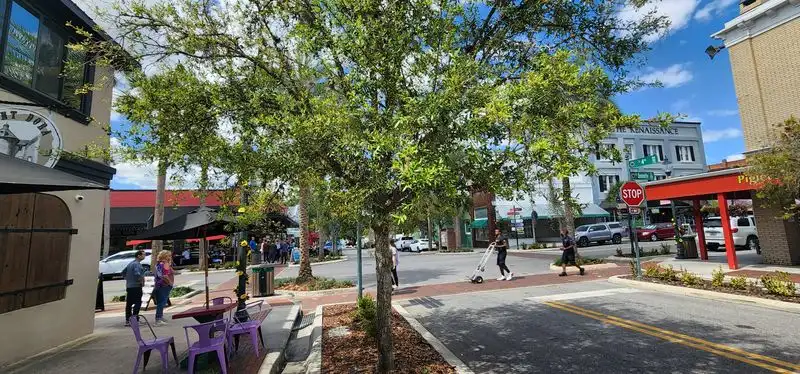
Mount Dora adds small town charm with walkable streets, boutiques, and sunset views over the water.
If you want more nature, explore neighboring trailheads and greenways for a short hike after the loop. On cooler days, a gentle walk helps reset after the slow roll.
On hot days, keep the car strategy and just window shop in shaded downtown blocks.
Pair morning gators with a late brunch, or reverse it for golden hour silhouettes. Bring visiting friends between theme park days to decompress without sacrificing the wow factor.
The variety nearby makes logistics easy without a long detour.
Wherever you go next, keep binoculars handy. Even parking lots can surprise you with a hunting osprey.
The region leans into water and sky, so you will carry the marsh mood along for hours.
Final planning checklist
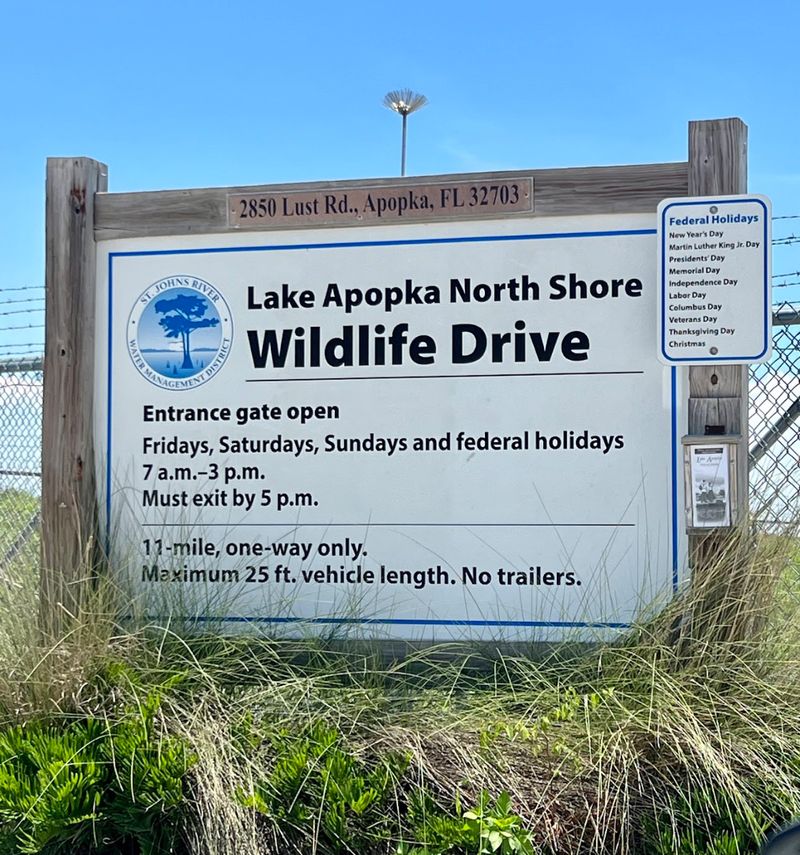
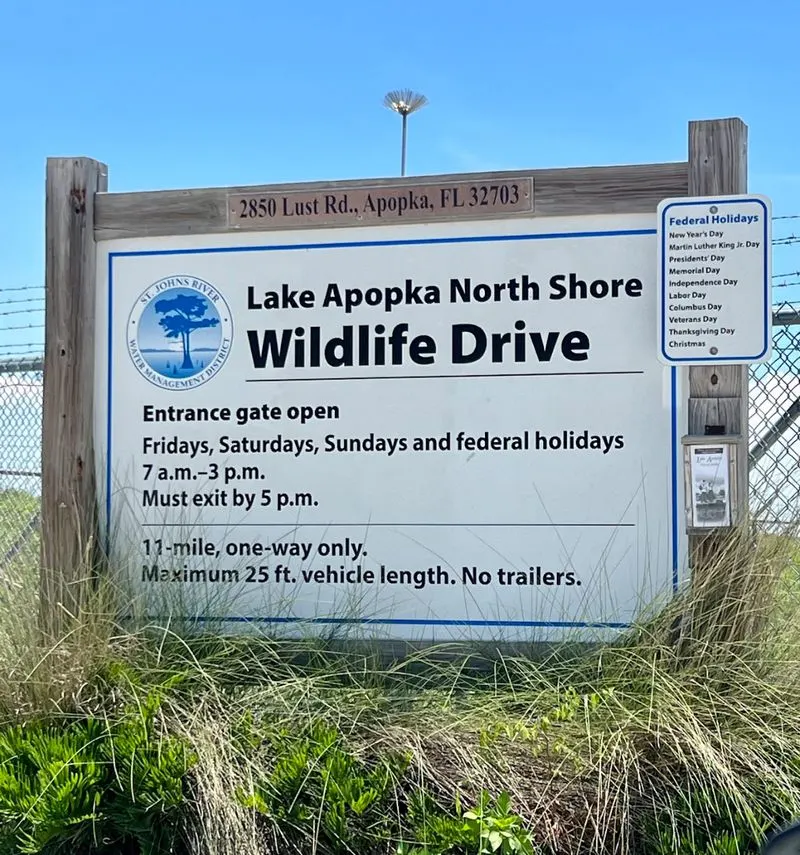
Start with the essentials. The entrance sits at 2850 Lust Rd, Apopka, FL 32703, with free admission and weekend hours.
Scan the QR code near the start for the optional audio tour, or download maps and audio ahead of time.
Pack water, snacks, sun protection, and bug spray. Binoculars make the experience richer for everyone in the car, and a telephoto lens helps if you shoot.
A microfiber cloth, small trash bag, and fully charged phone round out the basics.
Remember the rules: one way road, about 10 mph, no trailers, and respect all posted signs. Stay in the vehicle, keep distance from wildlife, and use pullouts for longer stops.
Puddles and soft ruts can appear after rain, so go slow.
Confirm hours on the official website before your visit. Consider a small donation to the managing water district, which supports upkeep and visitor services.
With a little prep, you will breeze through the gate ready to spot gators, birds, and big Florida sky.