Most people race down Interstate 95 toward the big-name beaches and never take the exit that matters. That is a mistake worth fixing.
Halfway between Savannah and Jacksonville, a small river town has been quietly running a shrimp fleet, guarding colonial history, and watching the marsh change color with the tides for nearly three centuries.
It has no giant resorts, no traffic jams, and no rush. What it does have is a working waterfront, a fort with a fascinating backstory, island day trips, and some of the best birding on the Atlantic coast.
The eight sections ahead cover where it sits, what to see, how to spend a day on the water, and smart tips for timing a visit.
Stick around, because this little town might just steal a spot from your usual beach plans.
Where the River Meets the Sea
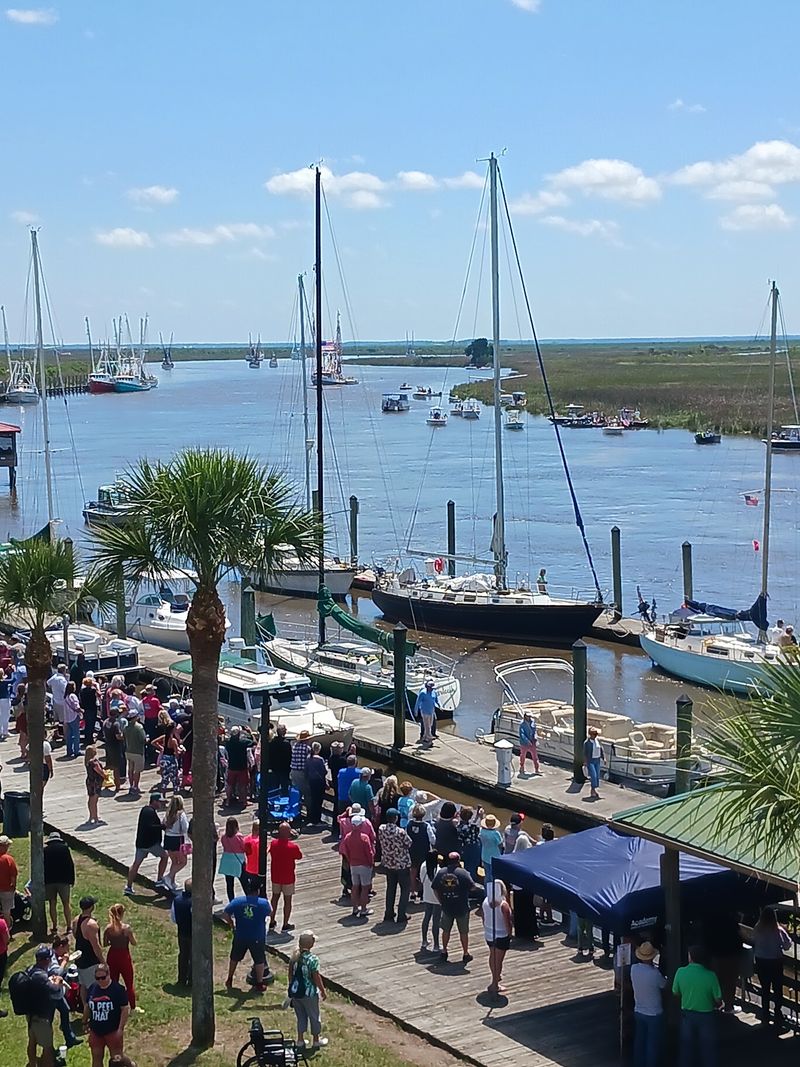
Some towns sit near the water, and some towns were built because of it. Darien is firmly in the second group.
The city of Darien, Georgia, USA, serves as the county seat of McIntosh County. It sits on Georgia’s coast at the mouth of the Altamaha River, roughly 50 miles south of Savannah.
That spot is no accident. The Altamaha is one of the largest rivers on the East Coast, and its delta spreads into a huge web of marsh, creeks, and barrier islands before reaching the Atlantic.
Getting there is simple. Darien sits just off Interstate 95 and U.S.
Highway 17, so a detour from a longer coastal road trip takes only a few minutes.
The town is also part of the Brunswick metro area, which means the Golden Isles are within easy reach for anyone planning a wider loop.
Small size works in its favor here. Downtown, the waterfront, and the main historic sites are close together, so a first visit can start the moment the car is parked.
A Town Older Than the Nation
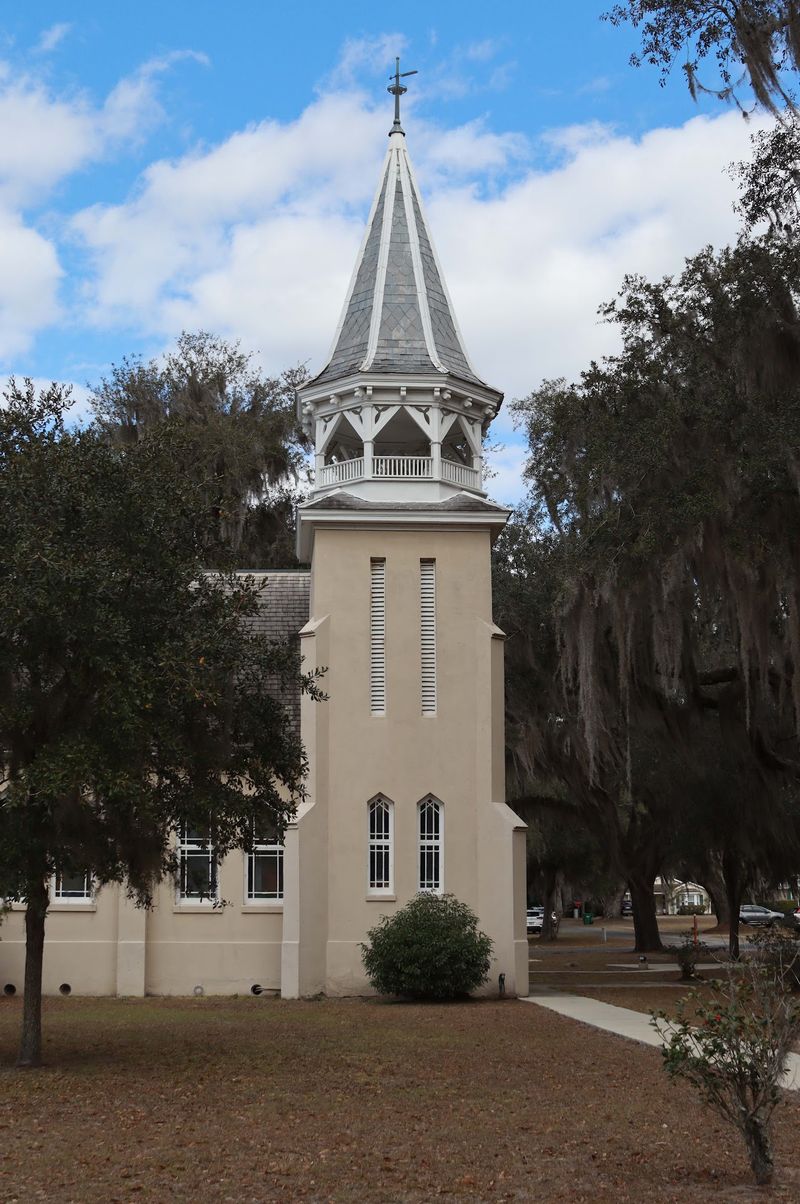
History buffs, take note. Darien was founded in 1736, which makes it one of the oldest planned towns in Georgia.
Scottish Highlanders settled here at the invitation of James Oglethorpe, the founder of the Georgia colony. They first called the settlement New Inverness, and they were brought in partly to help defend the southern frontier.
Those settlers made headlines in their own era. In 1739, they signed a petition opposing slavery in the colony, a rare and early stand for the time.
The town later grew into a major timber port. During the 1800s, logs floated down the Altamaha and were shipped from Darien around the world.
Not every chapter was easy. In 1863, during the Civil War, Union troops burned much of the town, and residents had to rebuild.
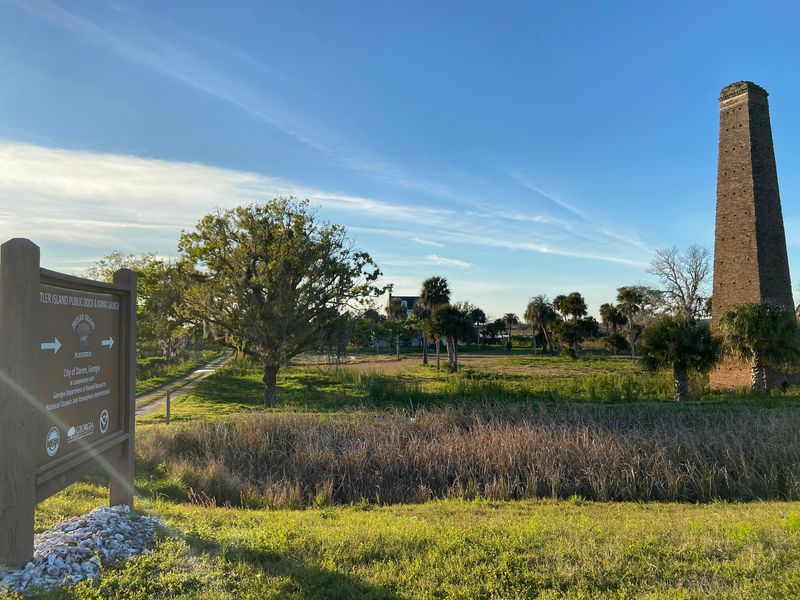
Today, historical markers and old tabby ruins dot the area. Reading a few of them while strolling turns a simple walk into a crash course on coastal Georgia, no textbook required.
The Fort With a Highland Story
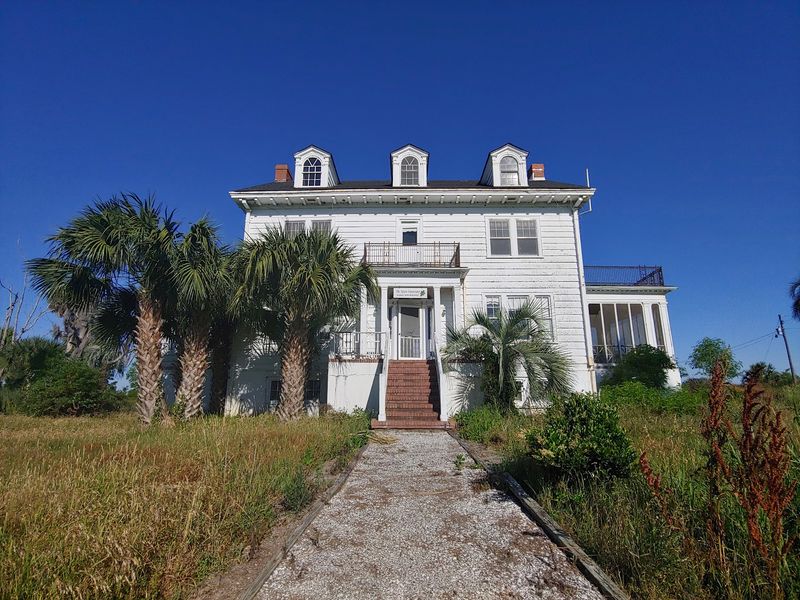
Long before the Scottish settlers arrived, British soldiers already had boots on this ground.
Fort King George Historic Site preserves the spot where the British built a cypress blockhouse fort in 1721. For a time, it was the southernmost outpost of the British empire in North America.
The duty was rough. Soldiers dealt with heat, illness, and isolation, and the fort was eventually abandoned before the colony of Georgia even existed.
Today, a reconstructed blockhouse, barracks, and palisade show how the post looked. A small museum and a film help explain the story, which also includes Native American life and a later Spanish mission period at the site.
Plan for about an hour or two. Living history programs pop up on some weekends, and seeing musket demonstrations makes the past feel far less dusty.
A quick tip: check the state park website for hours and admission before going. It is a small site, so schedules can shift with the season.
Shrimp Boats and Working Docks
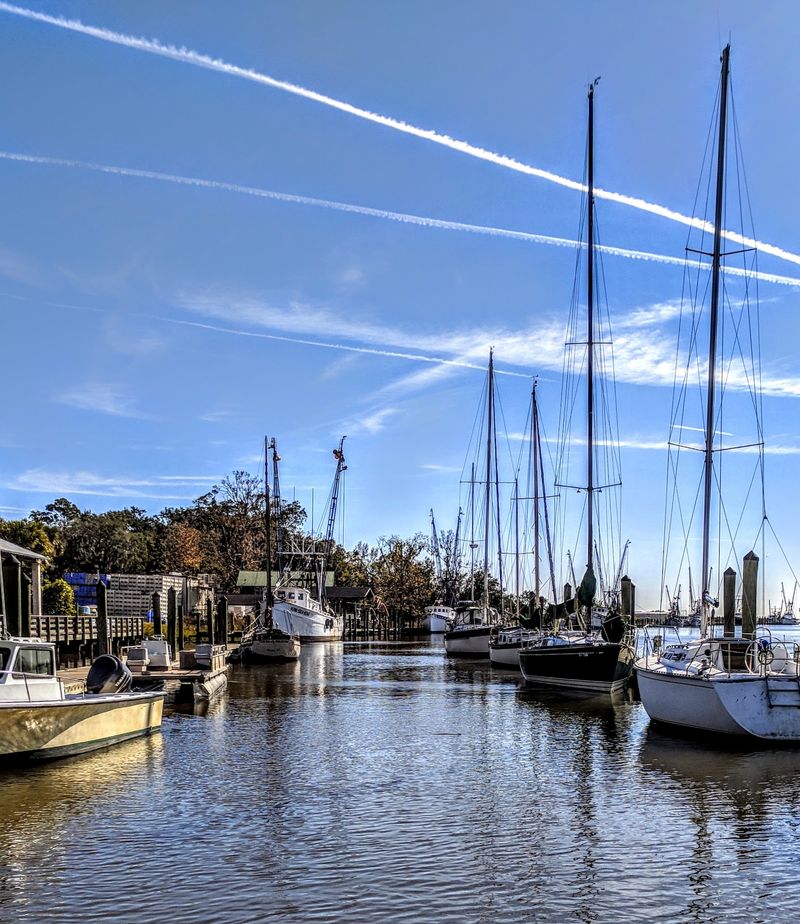
Here is a waterfront that still clocks in for work every day.
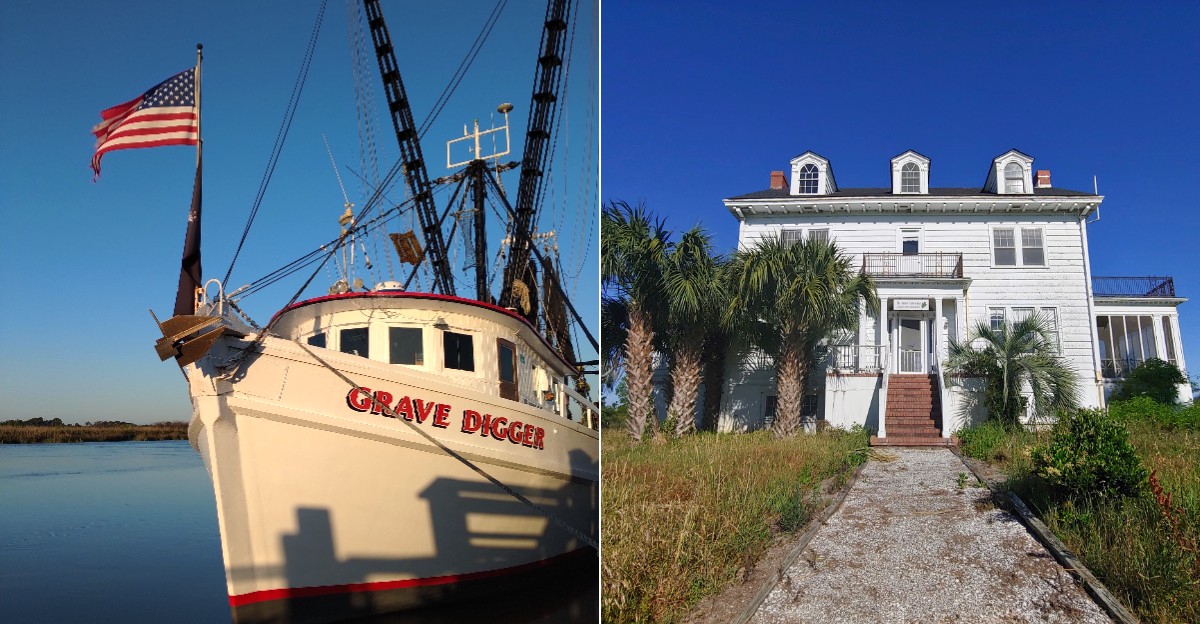
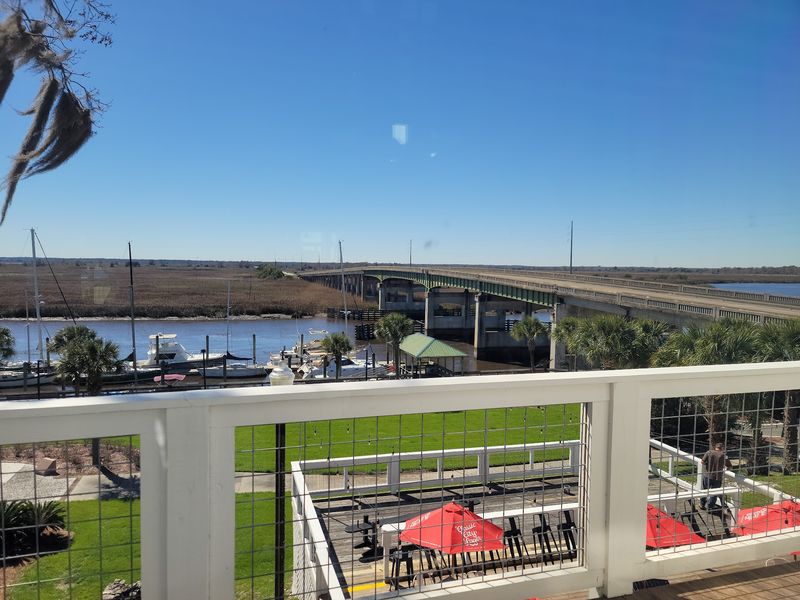
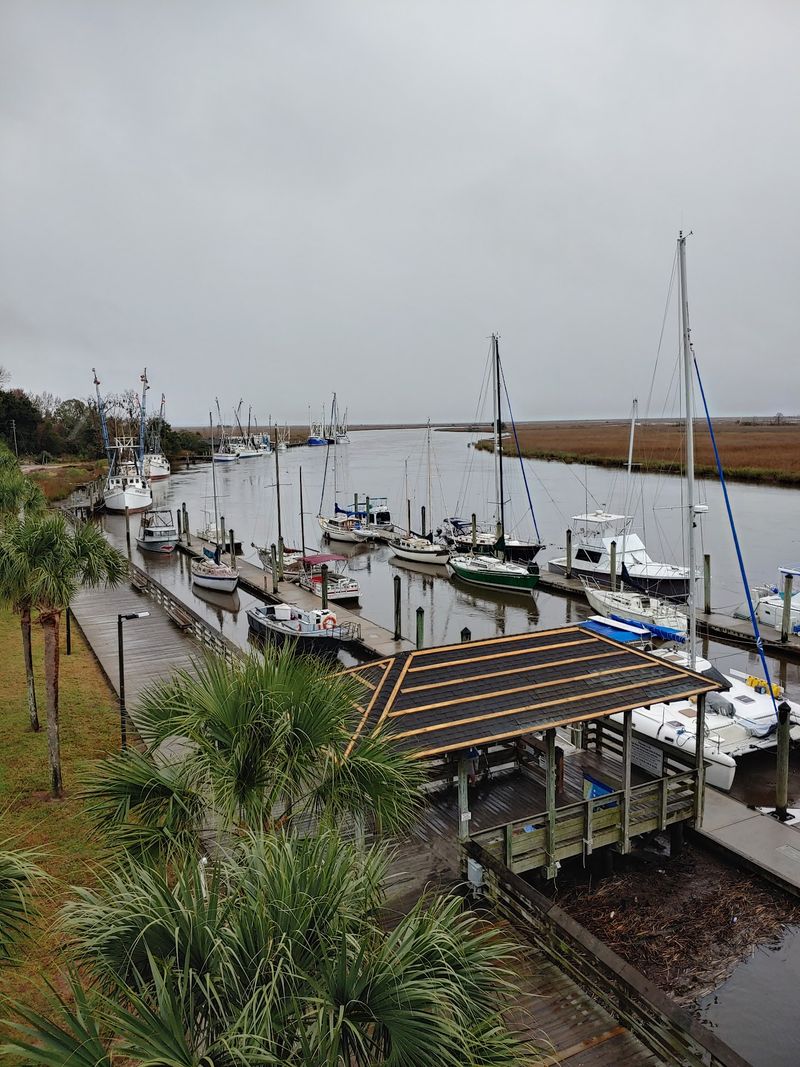
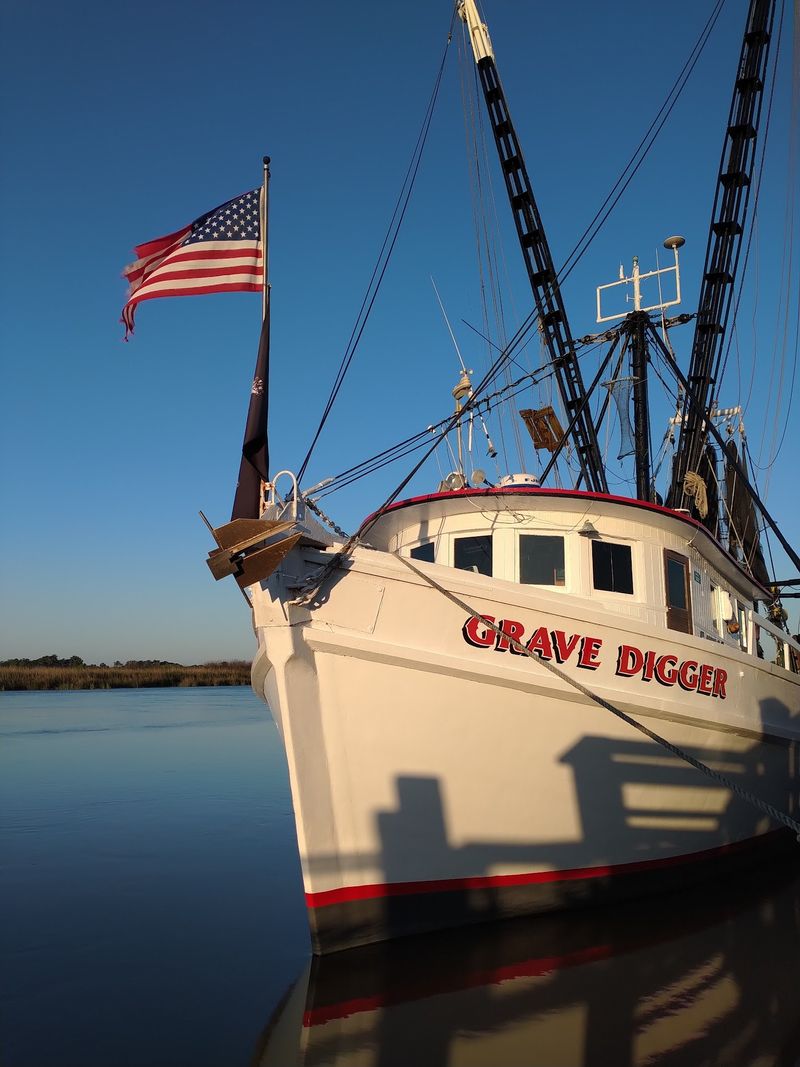
Darien is known for its shrimping fleet, and the boats tied up along the Darien River are the real thing, not props for photos. Their tall rigging and nets make the riverfront one of the most photographed spots in town.
The local shrimping tradition runs deep. Families have worked these waters for generations, and the industry helped shape the town’s identity after the timber boom faded.
Each spring, the community celebrates with the Blessing of the Fleet festival. Boats parade on the river, and the event draws crowds for music, crafts, and local fun.
For a relaxed visit, stroll the waterfront park near downtown. Benches and walkways give easy views of the docks and the bridge.
Late afternoon is a smart time to go. The light gets softer, the boats glow against the marsh, and cameras tend to stay busy until the sky turns orange.
Sapelo Island Day Trip
Few day trips start with a ferry ride to an island that has no bridge. This one does.
Sapelo Island sits just off the McIntosh County coast, and the ferry leaves from the visitor center at Meridian, a short drive from Darien. Access is limited, so most people join a guided tour.
The island is home to Hog Hammock, one of the last Gullah Geechee communities on the Georgia coast. Its residents descend from people enslaved on island plantations, and their culture remains a big part of the island’s story.
Tours often include the restored Sapelo Lighthouse, the R. J.
Reynolds Mansion grounds, and quiet stretches of beach.
A little planning goes a long way. Reservations are required, tours fill fast in busy seasons, and there are few places to buy supplies on the island.
Pack water, sunscreen, and bug spray. The trip takes most of a day, but the payoff is a rare look at a place that has kept its own pace.
Paddling the Altamaha Delta
Ever wanted to get lost on purpose, with a map in hand? The Altamaha delta is the place to try it.
The river and its maze of tidal creeks offer some of the best paddling in coastal Georgia. Kayaks and canoes can glide past marsh grass, old rice fields, and cypress swamps.
Local outfitters in the area rent boats and lead guided trips. A guide is a wise choice for first-timers, since tides here are strong and can change a route fast.
The Altamaha is often called one of the most important rivers for wildlife in the eastern United States. Herons, egrets, and alligators are common sights along the banks.
Timing matters. Paddling with the tide instead of against it can save a lot of arm power.
Bring a hat, plenty of water, and a dry bag for phones. Mornings tend to be calmer, and starting early leaves the afternoon free for exploring downtown.
Birds, Rice Fields, and Wildlife Refuges
Binoculars might be the most useful thing to pack for this town.
The area around Darien is a stop on the Colonial Coast Birding Trail. Former rice plantations and marshes now serve as rich habitat for wading birds and migrating species.
The Altamaha Waterfowl Management Area, just south of town along U.S. Highway 17, includes old rice field dikes that make easy walking paths.
Ducks, herons, and other waterbirds often gather here.
Up the road, Harris Neck National Wildlife Refuge is famous among bird lovers. Its ponds host nesting wood storks and wading bird colonies in warmer months.
Nearby, Hofwyl-Broadfield Plantation Historic Site shares the story of a rice plantation through a museum and a nature trail.
Wildlife watching works best early in the morning or near sunset. Move slowly, keep voices low, and give animals plenty of space.
Patience is the secret ingredient, and a lucky sighting can make the whole drive worth it.
Smart Timing for a Visit
Good news for planners: this town rarely needs a booking frenzy.
Spring and fall are popular choices. Temperatures are milder, and outdoor plans like paddling, birding, and island tours are more comfortable.
Spring also brings the Blessing of the Fleet, usually held in April. Lodging can fill up that weekend, so reserving early is smart.
Summer is hot and humid on the Georgia coast. Afternoon storms are common, so morning outings tend to work best.
Bugs are part of marsh life. Gnats and mosquitoes can be busy, especially near dusk, so repellent is a must.
For lodging, Darien offers small inns and chain hotels near the interstate. Larger options sit in nearby Brunswick and the Golden Isles.
One or two days covers the highlights. Add an extra day for Sapelo Island.
The big beach towns will always have their fans. Still, a quiet river town with real history, working boats, and wild marshes has a way of earning a return trip.