
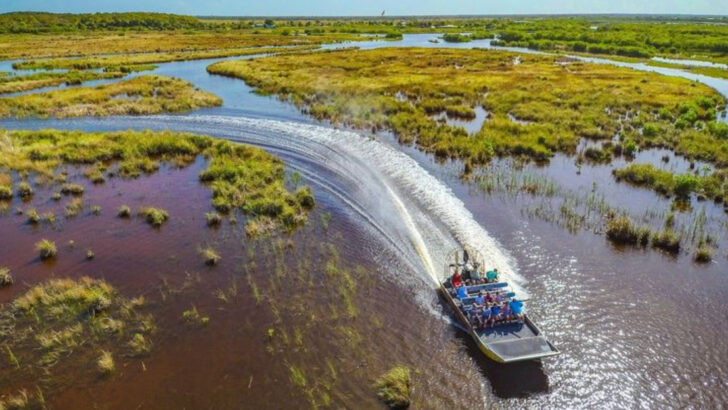
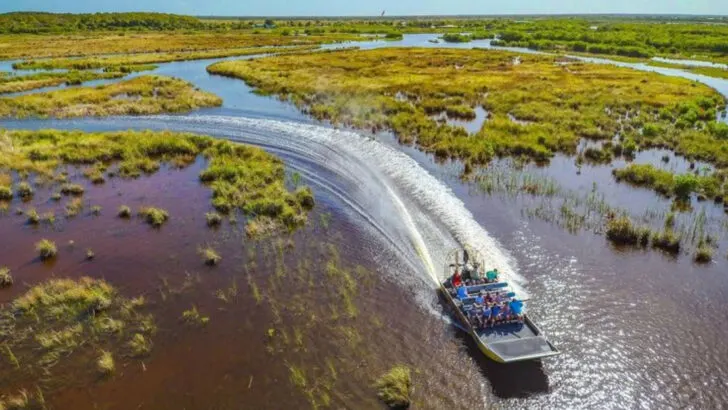
Tucked into the heart of South Florida, Big Cypress National Preserve spans an incredible 720,000 acres of some of the most wild and untouched land in the entire country.
This isn’t your typical manicured park with paved walkways and gift shops — it’s a raw, breathing landscape where alligators bask in the sun, rare panthers roam through cypress swamps, and ancient trees drip with Spanish moss.
Whether you’re a seasoned outdoors lover or just someone craving a break from the ordinary, Big Cypress offers something genuinely unforgettable.
Get ready to discover why this massive preserve is the beating heart of wild Florida.
Vast Wetlands That Stretch for Miles
Standing at the edge of Big Cypress, it’s almost hard to believe how far the water and land stretch in every direction. The preserve holds one of the most impressive networks of wetlands, swamps, and wet prairies in North America — and walking or driving through it feels like stepping into a living, breathing ecosystem.
The wetlands here aren’t just beautiful to look at. They serve as a critical water filter for South Florida, slowly moving freshwater south into Everglades National Park.
Without Big Cypress, the entire region’s water system would be in serious trouble.
Visitors who take the time to slow down and really observe these wetlands are often rewarded with surprising details — a great blue heron frozen mid-step, a soft breeze rippling through sawgrass, or a gator silently gliding through still water.
Bring waterproof shoes if you plan to explore beyond the road, because the ground can be soggy even in dry season.
The sheer scale of this wild landscape has a way of making everyday worries feel very, very small.
Alligator and Wildlife Viewing
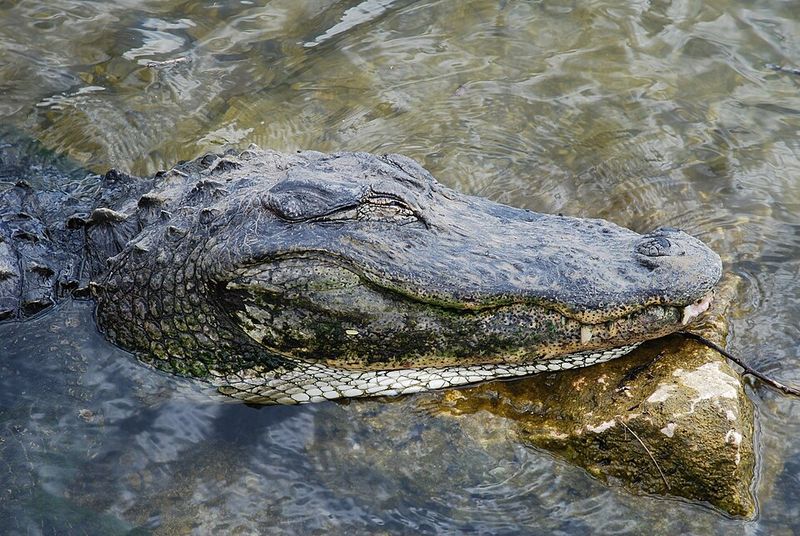
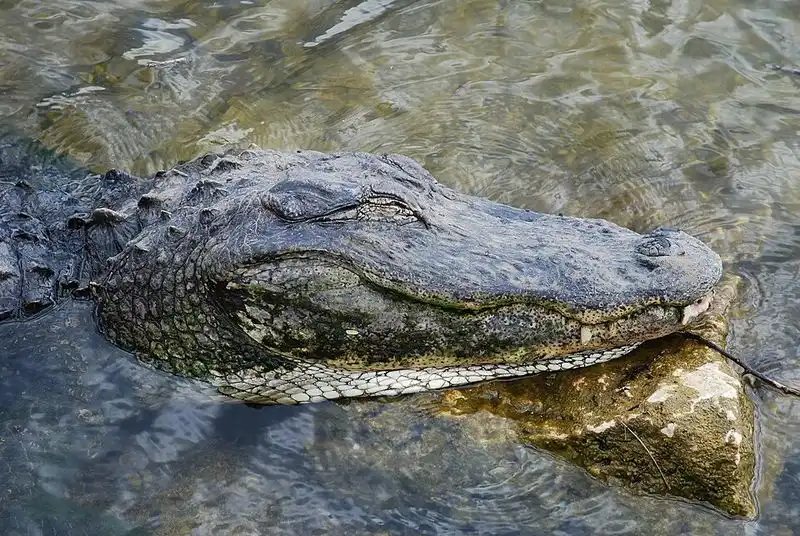
Few things get the heart pumping like rounding a bend on Turner River Road and spotting a massive alligator stretched out just feet from your car. Big Cypress is loaded with wildlife, and alligator sightings are practically guaranteed if you visit during the dry season when animals congregate around shrinking water sources.
Beyond gators, the preserve shelters one of the most remarkable collections of wildlife in the southeastern United States. Florida panthers — one of the most endangered mammals in the country — call this place home.
Fewer than 200 of these big cats are believed to exist in the wild, making every rare sighting genuinely extraordinary.
Bobcats, white-tailed deer, river otters, and black bears also roam freely here. Birdwatchers can spot everything from snail kites to sandhill cranes without even leaving their vehicle.
The best strategy is to drive slowly, keep your windows down, and stay patient. Early morning and late afternoon are prime times for wildlife activity.
A pair of binoculars and a telephoto camera lens will quickly become your best friends on any visit to this preserve.
Scenic Driving on Loop Roads
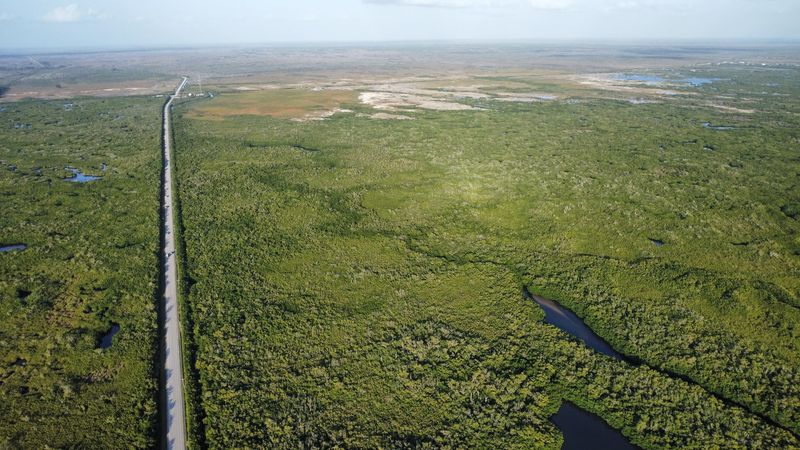
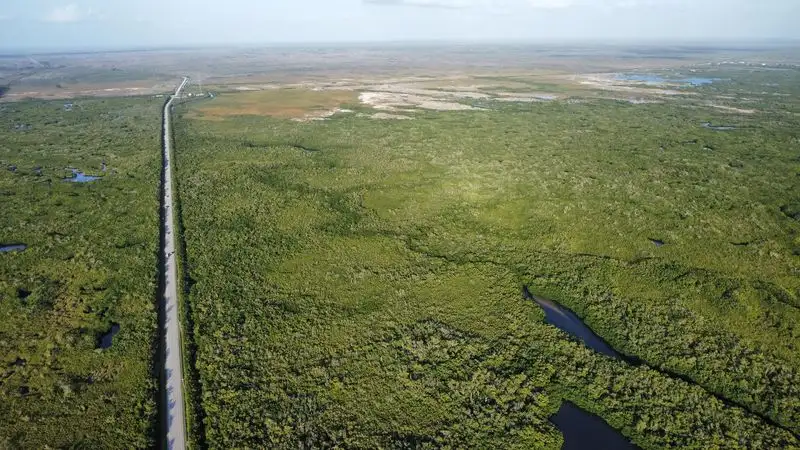
There’s something almost meditative about cruising down the 39-mile Loop Road at a crawl, windows down, with nothing but cypress trees and open sky surrounding you. This legendary stretch of mostly unpaved road is one of the most rewarding scenic drives in all of Florida — and it costs nothing but a tank of gas and a free afternoon.
Loop Road cuts through some of the most photogenic terrain in the preserve. Cypress domes rise up from the water like green islands, Spanish moss hangs from every branch, and the road’s surface reflects in the shallow water during wet season, creating an almost mirror-like effect.
It’s the kind of place that makes you stop and say, “Wait, this is still Florida?”
A high-clearance vehicle is recommended for parts of the road, especially after rain. Plan to spend at least two to three hours if you want to stop frequently for photos and wildlife watching.
The road connects US-41 (Tamiami Trail) to SR-94, so it’s easy to loop back without retracing your route. Pack snacks, charge your phone, and enjoy one of the Sunshine State’s most underrated road trips.
Hiking Trails Through Untouched Wilderness
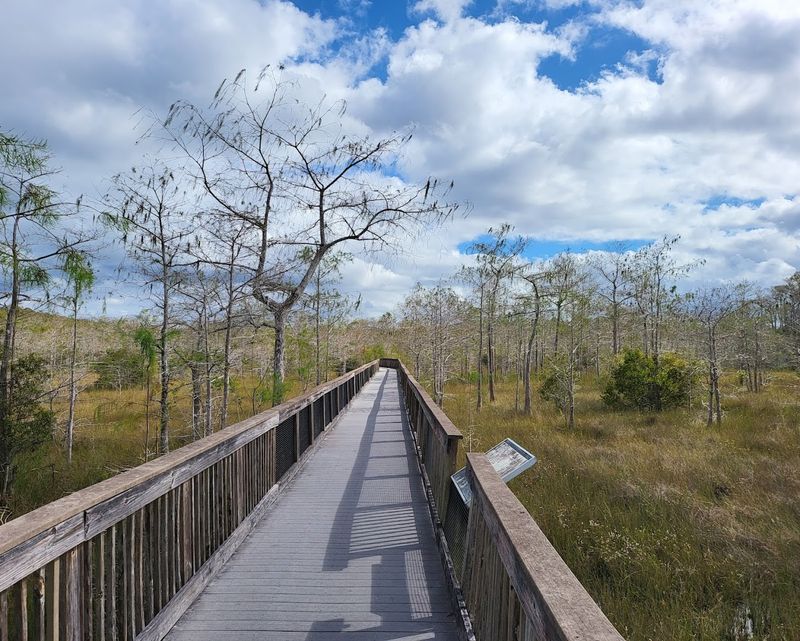
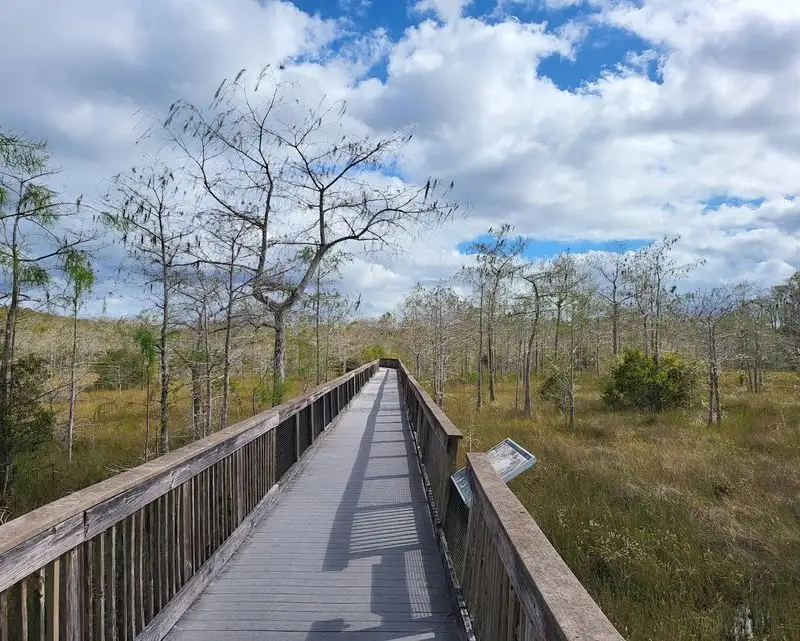
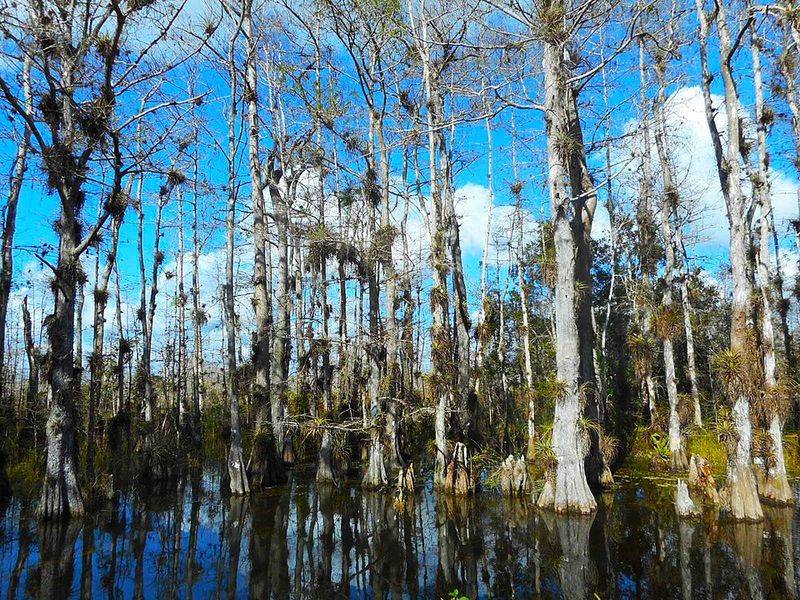
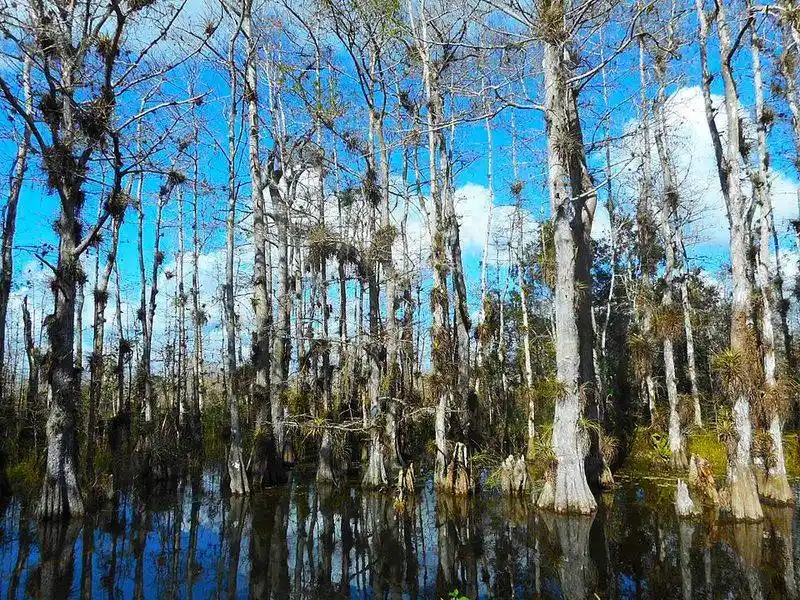
Not every great hiking experience requires climbing a mountain. The Kirby Storter Roadside Park boardwalk proves that point beautifully — it’s a short, easy walk that leads visitors through one of the most visually stunning cypress swamps you’ll ever see.
Massive old-growth trees tower overhead, their roots twisting down into dark, mirror-still water.
For those craving more challenge, the Florida National Scenic Trail passes through Big Cypress and offers backcountry hiking unlike anything else in the state. Sections of this trail can be knee-deep in water during wet season, which actually adds to the adventure for experienced hikers who are properly prepared.
Shorter nature walks along the Tamiami Trail corridor give families and casual visitors a taste of the preserve without requiring serious gear. Whatever trail you choose, keep your eyes on the ground — cottonmouth snakes and other wildlife can blend into the vegetation surprisingly well.
Always carry more water than you think you need, wear lightweight moisture-wicking clothing, and tell someone your planned route before heading into the backcountry. The wilderness here rewards the curious and the careful in equal measure.
Birdwatching Paradise
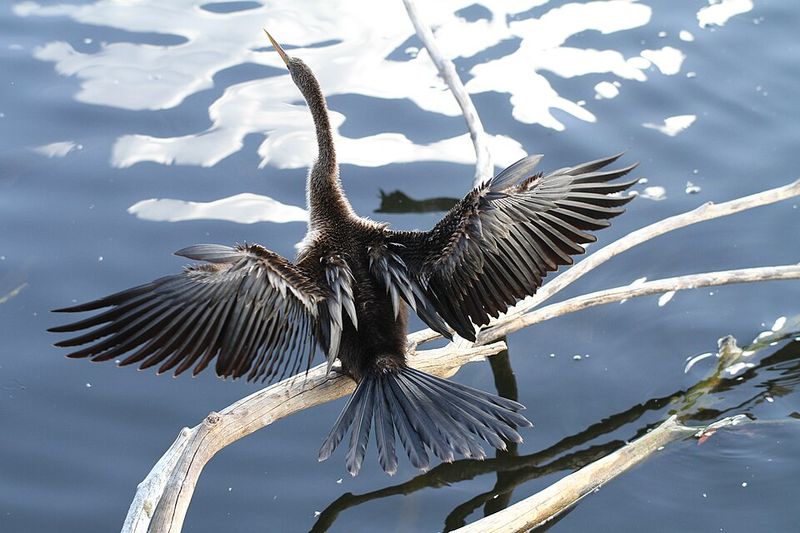
Grab your binoculars, because Big Cypress is a birdwatcher’s dream come true. Over 200 species of birds have been recorded within the preserve’s boundaries, ranging from wading birds like roseate spoonbills and wood storks to raptors like swallow-tailed kites and bald eagles soaring overhead.
The wood stork, a large and somewhat prehistoric-looking bird, is actually a federally threatened species that depends heavily on the Big Cypress watershed for nesting. Seeing a colony of them roosting in the treetops is one of those wildlife moments that sticks with you for years.
Snail kites, which feed almost exclusively on apple snails, are another specialty bird that draws dedicated birders from across the country.
Seasonal migrations transform the preserve into an even more exciting destination between October and April, when northern species pass through or overwinter here. Turner River Road and the area around H.P.
Williams Roadside Park are particularly productive birding spots. Early mornings offer the best activity, and the soft golden light makes for spectacular photography as well.
Whether you’re a lifelong birder or a curious first-timer, the skies and trees of Big Cypress will not disappoint you.
Airboat and Swamp Tours
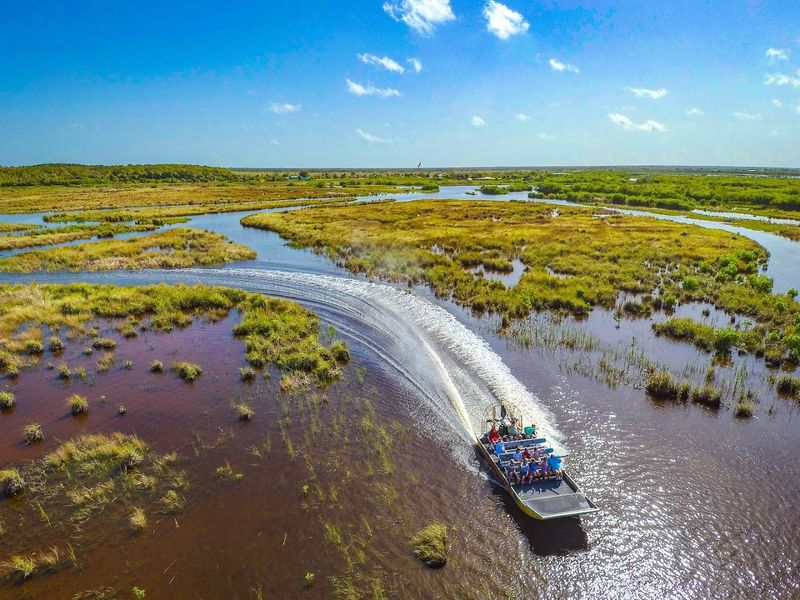
Climbing onto an airboat and skimming across the surface of a Florida swamp at high speed is the kind of experience that lands squarely on most adventure bucket lists. Guided airboat tours operating near Big Cypress give visitors access to areas that are completely unreachable by foot or conventional vehicle — and the views from out on the open water are absolutely breathtaking.
Local guides bring an impressive depth of knowledge about the ecosystem, pointing out alligators, birds, and plant life that most visitors would easily overlook on their own. Some tours even venture into areas where Florida panther tracks have been spotted along muddy banks, adding an extra layer of excitement to the ride.
Swamp buggy tours offer a slower, more immersive alternative for those who prefer to explore at a quieter pace. These large, custom-built vehicles wade through shallow water and mucky terrain, giving passengers an up-close look at the preserve’s interior.
Both types of tours are family-friendly and typically last between one and two hours. Book your spot in advance, especially during peak winter months, since these tours fill up quickly.
Waterproof bags for your camera gear are a smart call.
Camping Amid the Wild
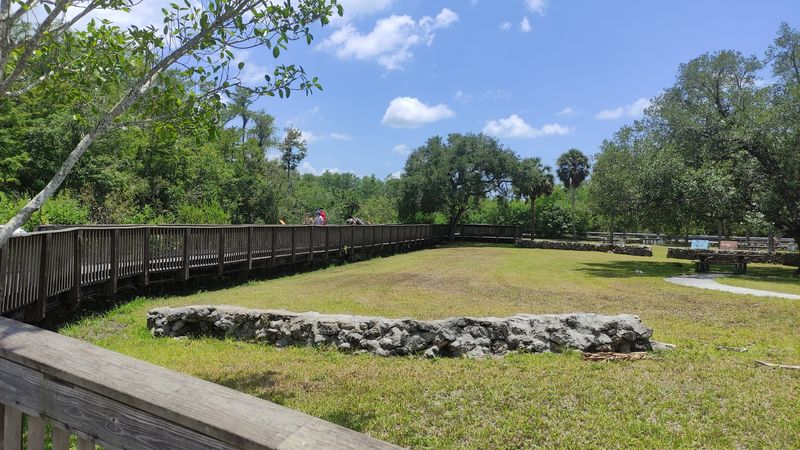
Spending a night inside Big Cypress is a completely different experience from day-tripping through it. When the sun drops below the horizon and the stars come out over the swamp, the preserve transforms into something almost magical.
Frogs begin their chorus, owls call from the darkness, and the air carries that unmistakable earthy smell of the wetlands.
Monument Lake Campground and Midway Campground are two of the most popular spots, both offering basic amenities like restrooms and fire rings without sacrificing that genuine wilderness atmosphere. Primitive backcountry camping is also allowed throughout much of the preserve for those who really want to disconnect from the modern world.
A few practical notes: always check water levels before setting up a backcountry camp, since some areas can flood quickly. Bug spray is not optional here — mosquitoes and no-see-ums can be relentless, especially from May through October.
A quality tent with a fine mesh is worth every penny. Campfire restrictions may apply depending on the season, so check with the visitor center before your trip.
The reward for all this preparation? Waking up to the sounds of wild Florida with absolutely no alarm clock required.
Photographing Florida’s Untamed Beauty
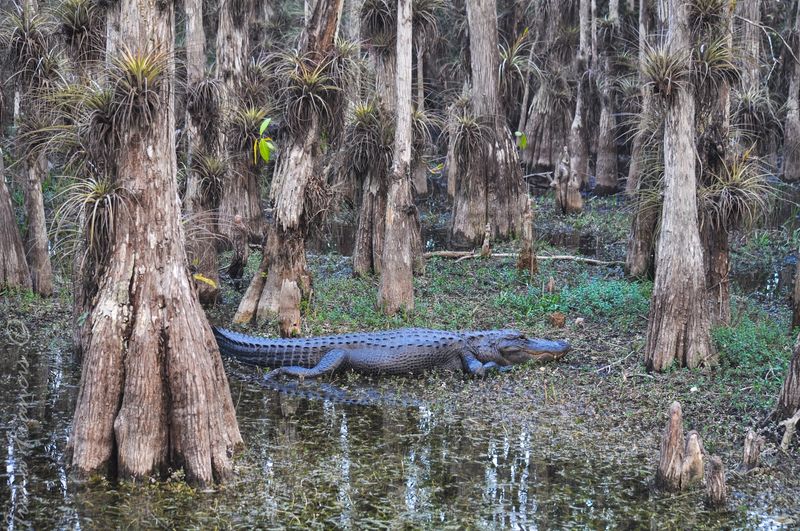
Photographers who visit Big Cypress for the first time often describe it as sensory overload — in the best possible way. Every direction offers a different composition: gnarly cypress roots emerging from inky water, a burst of pink from a roseate spoonbill in flight, storm clouds building over an open prairie, or the last light of day turning the whole swamp golden.
The dry season months offer the most reliable conditions for wildlife photography, as animals concentrate around water sources and are easier to spot. Wet season, however, brings lush green vegetation and dramatic storm light that can produce some of the most striking landscape shots imaginable.
Both seasons have their own visual personality.
Loop Road is a favorite among photographers for its long canopy tunnels of cypress and the way morning mist hangs low over the water in cooler months. A wide-angle lens captures the sprawling wetland landscapes beautifully, while a telephoto is essential for wildlife shots from a safe distance.
Tripods are helpful for low-light swamp scenes. Waterproof camera bags are a must, and always check your gear for moisture after shooting near water.
Big Cypress rewards patience and preparation with images that are genuinely hard to replicate anywhere else.
Cultural History and Seminole Heritage
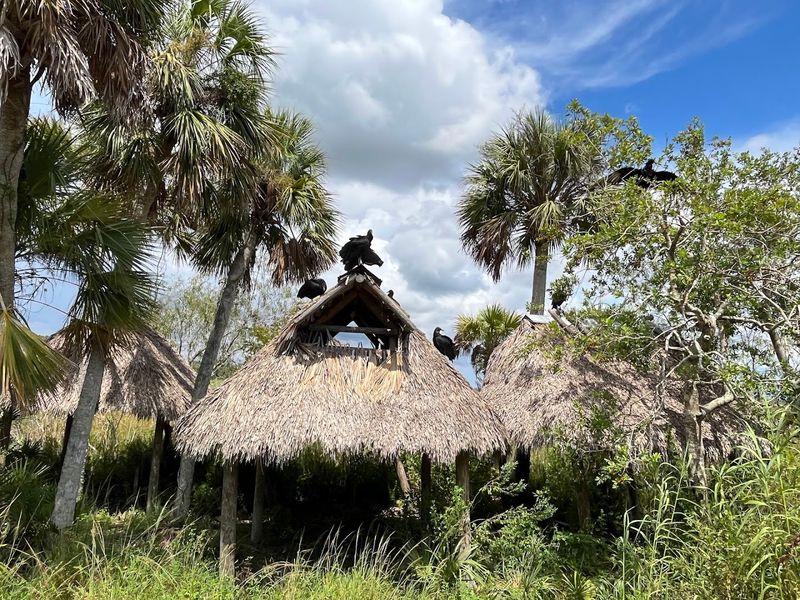
Long before Big Cypress became a national preserve, it was home to the Seminole people — and that history runs deep in every corner of this land. The Seminole Tribe of Florida never signed a peace treaty with the U.S. government, earning them the proud title of “the unconquered people.” They retreated into the depths of the Everglades and Big Cypress during the Seminole Wars of the 1800s, using the swamps themselves as a form of protection.
Today, the Seminole Tribe maintains a strong presence near and within the preserve. The Big Cypress Seminole Indian Reservation borders the preserve to the north, and visitors can explore cultural centers and museums that share the tribe’s history, traditions, and artwork.
The Ah-Tah-Thi-Ki Museum on the reservation is a particularly remarkable stop, offering exhibits on Seminole culture and a walking trail through a living cypress swamp.
Understanding this history adds a profound layer of meaning to any visit. The land here isn’t just a wilderness preserve — it’s a living testament to the resilience of a people who called it home for generations.
Taking time to learn about Seminole heritage before your visit makes the entire experience feel richer and more meaningful.
Essential Visitor Tips
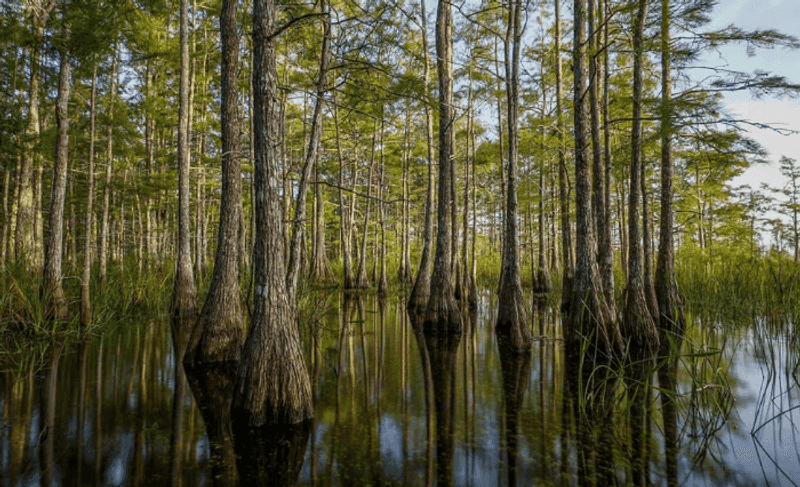
Big Cypress is not your average weekend park visit, and a little preparation goes a long way toward making the trip safe and enjoyable. Cell service is extremely limited throughout the preserve, so download offline maps using an app like Google Maps or Gaia GPS before you leave home.
A paper map from the visitor center is also a smart backup.
Water is the most important thing to pack. The heat and humidity of South Florida can be intense, and dehydration sneaks up on you faster than you’d expect when you’re exploring on foot.
Bring at least two liters per person for any outing lasting more than a couple of hours. Sunscreen, a wide-brimmed hat, and insect repellent with DEET are equally non-negotiable.
The best time to visit is November through April, when rainfall is minimal, temperatures are comfortable, and mosquito populations drop significantly. Roads like Loop Road can become impassable after heavy summer rains, so always check current conditions with the Oasis Visitor Center before heading out.
Fuel up your vehicle before entering — gas stations are sparse once you’re inside the preserve. With the right preparation, Big Cypress delivers one of the most rewarding outdoor adventures in all of Florida.